

How to Choose Skincare in a Pharmacy: What the Label Means
You need three products to look after your skin properly: a cleanser you tolerate, a moisturiser, and a broad spectrum SPF 30 or higher. Everything else on the pharmacy shelf is optional. The difficult part is not knowing what to buy, it is working out which of the forty bottles in front of you is honest, because a large proportion of the words on skincare packaging carry no legal definition at all in the UK. This guide covers what the label really tells you, what it does not, and how to spend sensibly.
Key takeaways
- Three products cover the basics. A fourth is a choice, not a requirement.
- "Dermatologically tested", "hypoallergenic" and "chemical free" have no fixed legal meaning in the UK.
- The ingredient list runs in descending order of concentration down to 1 percent. That order tells you more than the front of the pack.
- Judge cost per use, not the shelf price. A 250ml daily moisturiser at 15 pounds is cheaper per use than a 30ml serum at 12.
- Open jars and clear bottles are a bad sign for retinoids and vitamin C, which degrade in light and air.
- Patch test on the inner forearm or jawline for five to seven days before putting anything new on your whole face.
What are the only three skincare products you actually need?
A cleanser, a moisturiser and a daily sunscreen cover the fundamentals for almost everyone. The cleanser removes the day without stripping the skin, the moisturiser keeps water in, and the SPF prevents the ultraviolet damage that drives most visible ageing. Add a fourth product only when you have a specific problem you can name.
That is not a budget compromise, it is the actual order of importance. Someone using a 6 pound cleanser, a 15 pound cream and a 10 pound SPF consistently will have better skin in a year than someone rotating through eight serums. If you want the sequence to apply them in, our companion piece covers skincare routine order.

Which skincare label claims have no legal meaning?
Several of the most reassuring phrases on a skincare box are marketing rather than regulation. Under UK cosmetics rules a claim must not mislead, but many common terms have no agreed definition or testing standard behind them, so two products carrying the same phrase can have been tested in completely different ways or barely at all.
| Claim on the pack | What it actually guarantees | Worth paying for? |
|---|---|---|
| Dermatologically tested | A skin specialist was involved at some point. No standard for how many people, for how long, or what result | No |
| Hypoallergenic | The brand believes it is less likely to cause a reaction. No fixed legal threshold | No |
| Chemical free | Nothing. Water is a chemical. The phrase is meaningless | No |
| Non comedogenic | Formulated to avoid known pore clogging ingredients. No universal test | Mildly useful if you are acne prone |
| Clinically proven | Some study exists. Ask proven to do what, in how many people | Only if the claim is specific |
| Fragrance free | No added perfume. This one is genuinely useful for reactive skin | Yes |
| Broad spectrum, SPF 30, UVA in a circle | A defined, tested standard for UVB and UVA protection | Yes, this is the one that counts |
| Named ingredient at a stated percentage | A checkable, falsifiable statement | Yes |
The pattern is easy to remember. Vague reassurance is decoration. Specific, checkable numbers are information. The same logic applies to the phrase "microbiome friendly", which we unpack in what actually damages your skin barrier.
How do you read an ingredient list in ten seconds?
Look at the first six ingredients and the last six, and ignore everything in between. Cosmetic ingredient lists are legally required to run in descending order of concentration down to 1 percent, after which the order is arbitrary. So a hero active printed on the front but sitting between the preservative and the colourant on the back is present at a token level.
The ten second checklist:
- Ingredients one to three tell you what the product mostly is: water, an oil, a silicone, a butter.
- Is the advertised hero in the first eight? If not, treat the front of the pack as decoration.
- Is there added fragrance? Look for "parfum" or "fragrance", plus named allergens like linalool and limonene, which have to be declared.
- Is a percentage stated anywhere? Brands that paid for a real dose usually say so.
For which actives are worth hunting for in the first place, and the strengths that actually do something, see our guide to which skincare ingredients actually work.
Shelf test: if you cannot find the advertised hero ingredient in the first eight names on the back, put it down and pick up the one next to it. This single habit will save you more money than any discount code.
Does the packaging change whether a product works?
For unstable actives, yes, substantially. Retinoids and pure vitamin C both degrade on contact with light and air, so a clear bottle or an open jar shortens their useful life considerably. An airless pump or an opaque tube is not a luxury feature for these ingredients, it is the difference between a working product and an expensive orange liquid.
For stable ingredients it barely matters. Niacinamide, glycerin, ceramides, urea and most moisturiser bases are perfectly happy in a jar. So the packaging question is not "is this brand premium", it is "does the thing inside this container break down in daylight". Ask that and half the price differences on the shelf stop making sense.

How much should you actually spend on skincare?
Judge cost per use rather than the price on the shelf, because sizes across the skincare aisle vary by a factor of ten. A generously sized daily cream is often cheaper per application than a small serum you use twice a week, and a sunscreen you can afford to apply properly beats an expensive one you ration.
| Product | Typical UK pharmacy range | Where the money is well spent |
|---|---|---|
| Cleanser | 4 to 12 pounds | Nowhere. It is on your face for 40 seconds. Buy cheap and gentle |
| Moisturiser | 8 to 30 pounds | Texture and tolerability. You will use it twice daily for years |
| Sunscreen | 8 to 25 pounds | Feel. If you dislike wearing it you will not wear it |
| Retinol serum | 10 to 40 pounds | Packaging and a stated strength, both of which cost the brand money |
| Vitamin C serum | 12 to 60 pounds | Small size and opaque packaging, so you finish it before it oxidises |
| Eye cream | 10 to 45 pounds | Usually nowhere. A fragrance free moisturiser does the same job |

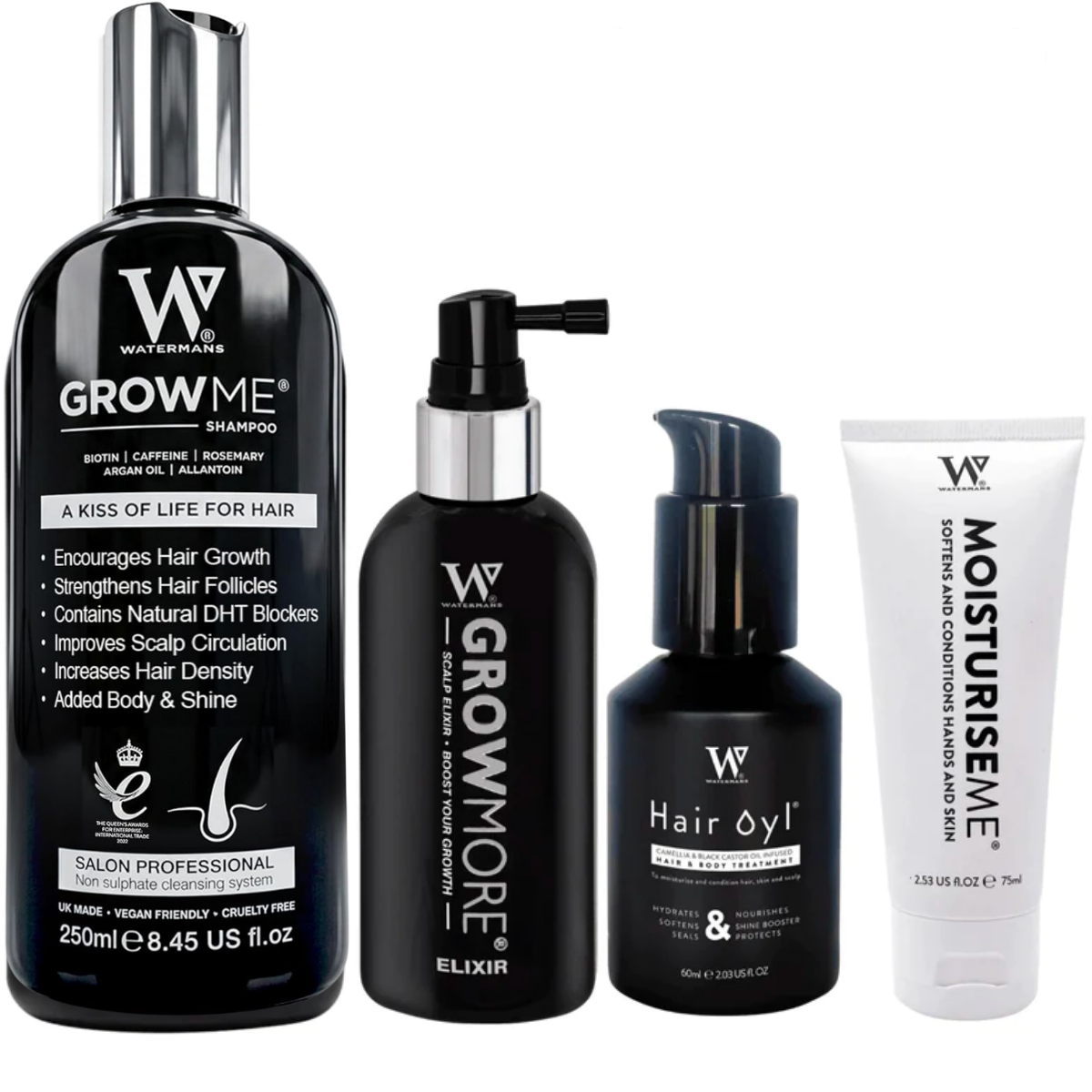
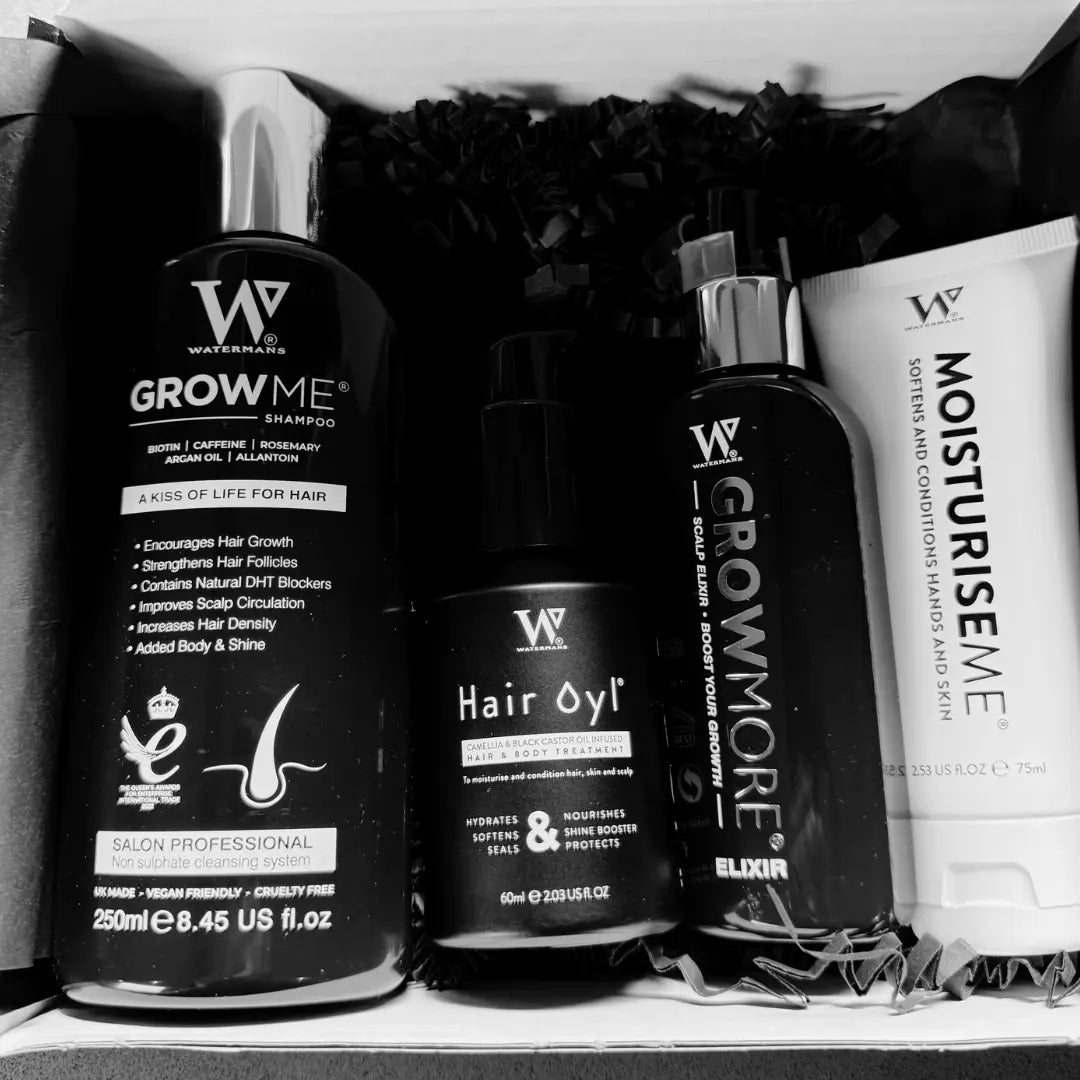
Moisturise Me® Face & Hand Cream, £15.00
An honest example of the middle category above: a fast absorbing cream built on cupuacu butter, shea butter, cocoa butter, almond oil and allantoin, usable on face and hands. No unstable actives, so the packaging question does not apply. It hydrates and seals. It is not a treatment for a skin condition and we do not claim it is.
What is genuinely worth buying from a pharmacy, and what should you skip?
Pharmacy shelves are strongest on the boring, high volume essentials and weakest on anything sold on a story. Cleansers, moisturisers, sunscreens, urea creams for very dry skin and simple salicylic acid products are all excellent value there. The categories to walk past are the ones where the promise outruns what a cosmetic can legally do.
- Buy: fragrance free moisturiser, broad spectrum SPF, gentle cleanser, plain emollient for very dry patches, a basic salicylic acid product if you are congested.
- Consider: a stated strength retinol in opaque packaging, a 2 to 5 percent niacinamide serum.
- Skip: collagen creams (the molecule is too large to absorb), detox or purifying claims, anything promising to shrink pores permanently, and separate day and night creams from the same range that share almost the same ingredient list.
How do you patch test properly before committing?
Apply a small amount to the same spot on your inner forearm or along the jawline once a day for five to seven days, and watch for redness, itching, bumps or stinging. A single application is not a patch test, because allergic contact dermatitis often takes 48 to 96 hours to appear, so a one night trial misses exactly the reactions you are testing for.
Introduce one new product at a time and leave two weeks between additions. If three products go on at once and your face reacts, you have no way of knowing which one to blame, and most people end up abandoning all three including the two that were fine.
Does any of this apply to the scalp aisle?
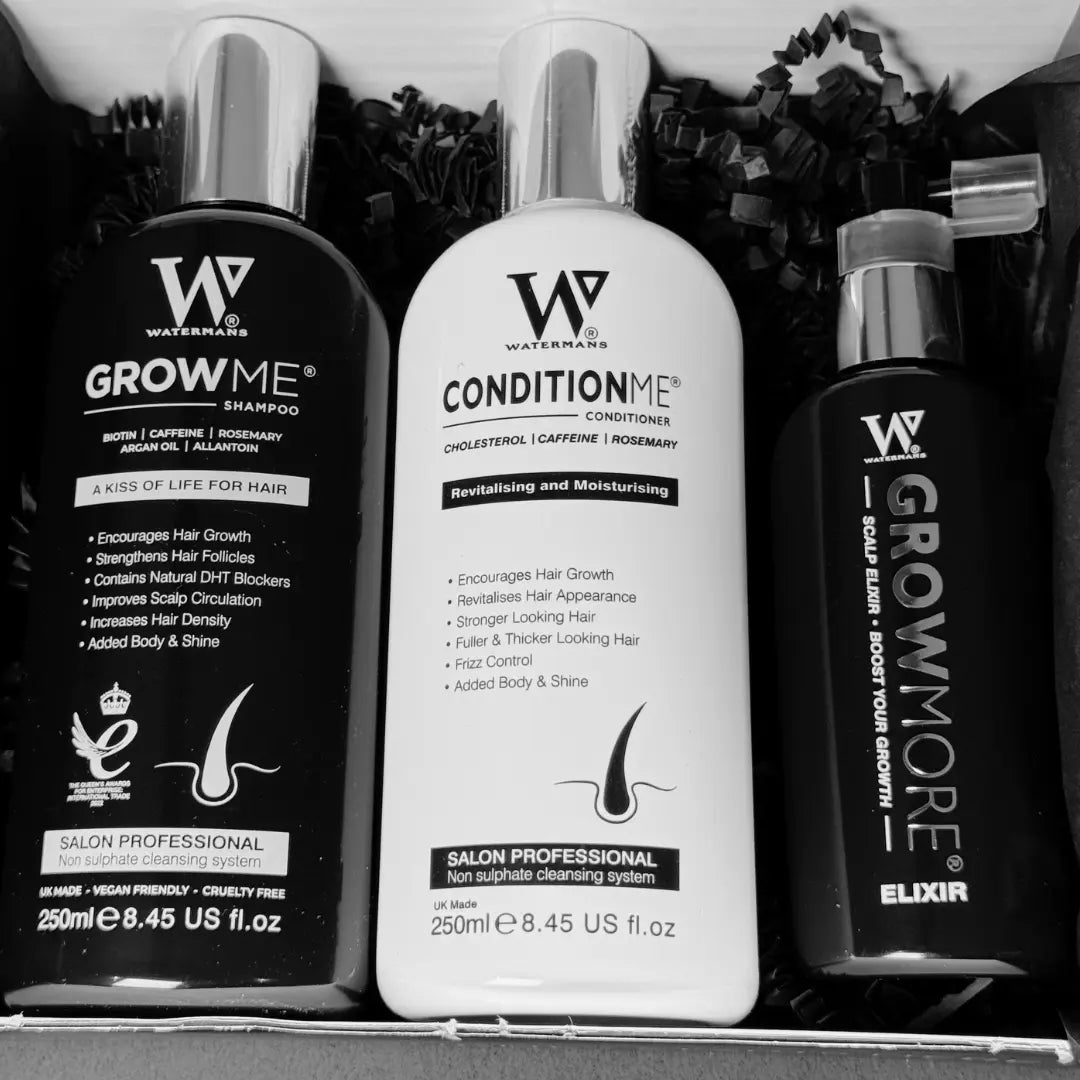
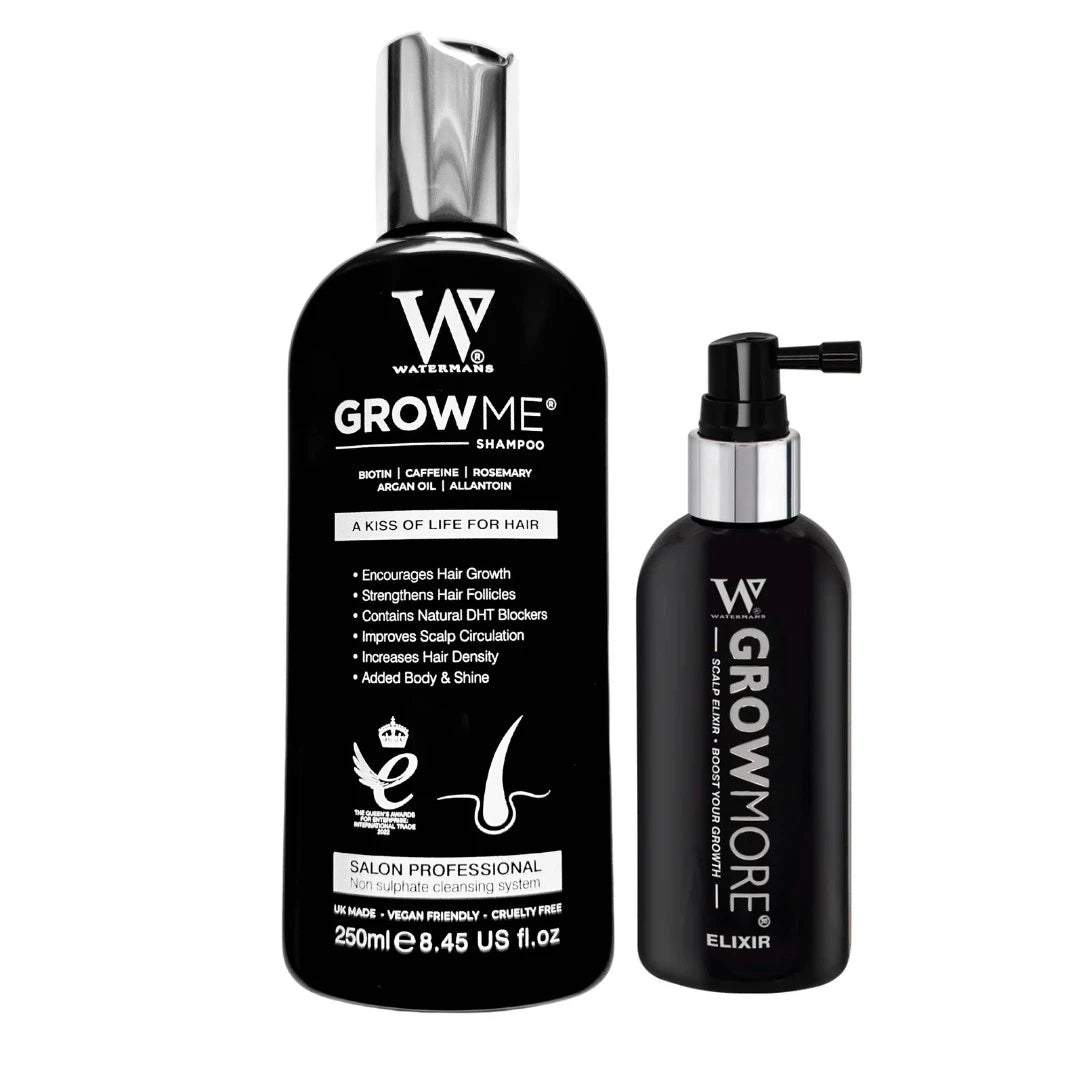
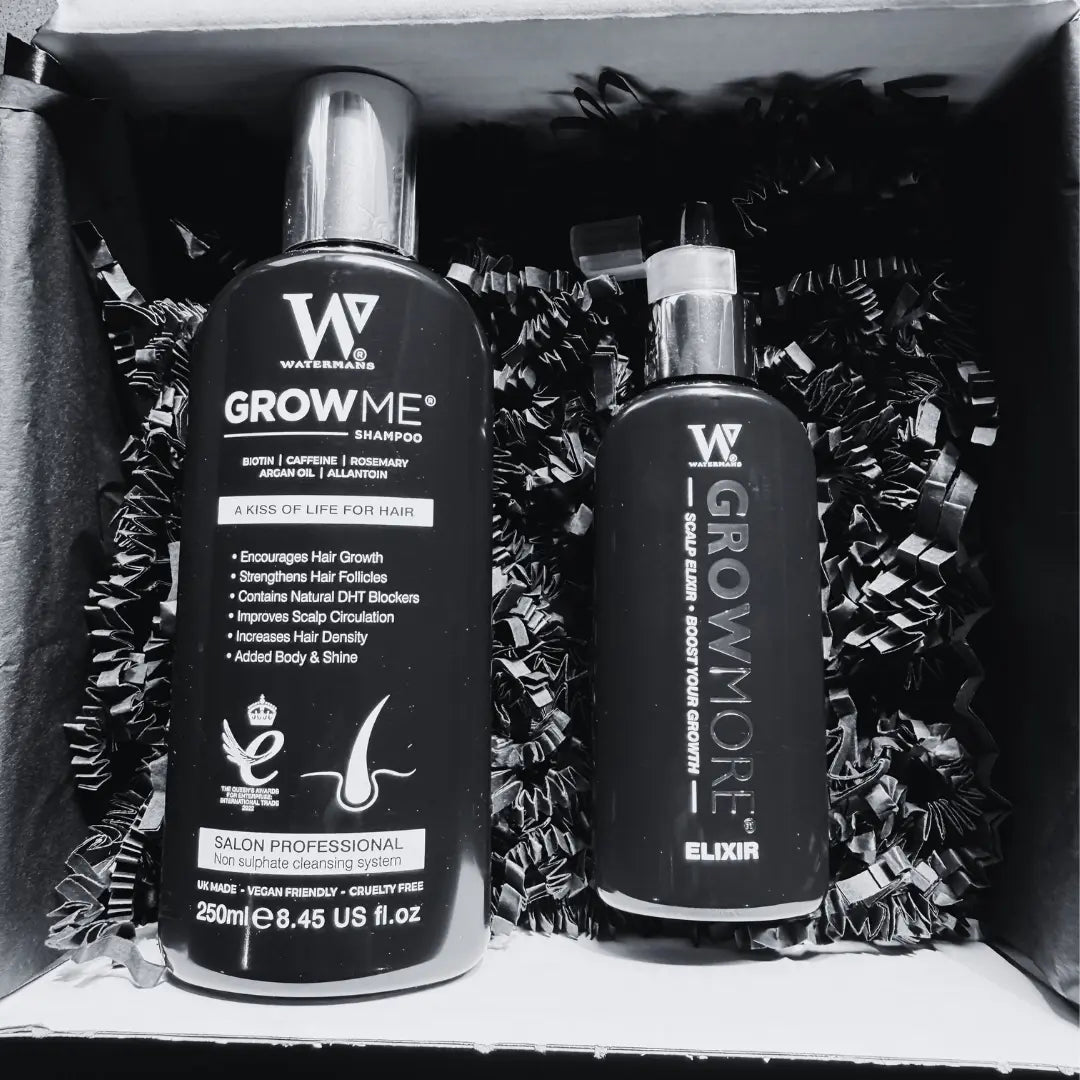
Yes, because scalp is skin and the same label rules apply. The difference is format rather than principle: actives that suit the face in a cream need to arrive at the scalp in a shampoo, a lightweight liquid or a leave on serum, or they simply sit on the hair and make it greasy. The label test is identical, check the first eight ingredients and ignore the adjectives on the front.
One extra rule applies to hair and scalp products specifically. A cosmetic shampoo can support scalp comfort and make hair look fuller. It cannot treat a medical condition, and any product implying otherwise is overstepping. If you are looking for the underlying cause of shedding, start with how to work out why your hair is thinning rather than the shampoo aisle.

When is a pharmacy product not enough?
See your GP or a pharmacist rather than shopping if you have painful or cystic acne, a rash that is spreading or weeping, skin that is cracking or bleeding, suspected eczema or psoriasis, or a mole that has changed. Those need diagnosis and often a prescription, and months spent working through cosmetic products is time lost.
Your pharmacist is an underused free resource here. They can tell you which over the counter product suits a described problem, flag interactions with medication you already take, and say plainly when something needs a doctor. That conversation costs nothing and is more reliable than any label.
Frequently asked questions
Is pharmacy skincare as good as luxury skincare?
For the three essentials, yes. Cleansers, moisturisers and sunscreens from pharmacy ranges routinely use the same well evidenced ingredients as luxury lines. The gap, where it exists, is in texture, scent and packaging rather than in what the formula does to skin.
Does a higher price mean a higher concentration of active?
No. Price reflects brand positioning, packaging, marketing and margin as much as formulation. Some of the best evidenced actives, including niacinamide and salicylic acid, are cheap raw materials, so a 10 pound serum can easily out perform a 50 pound one.
What does "dermatologically tested" actually mean?
It means a skin specialist was involved in testing at some stage. There is no fixed standard for how many participants, how long the test ran, or what result was required to earn the phrase. Treat it as reassurance rather than evidence.
How long should a moisturiser last?
A 50ml face cream used twice daily typically lasts six to ten weeks. Check the small open jar symbol on the pack, which shows the period after opening in months, usually 6M or 12M. After that the preservative system is no longer guaranteed.
Can I use body moisturiser on my face?
You can, and many people do without any problem. Body creams are often richer and more heavily fragranced, so they can feel heavy or trigger breakouts on facial skin. If yours is fragrance free and does not clog your pores, there is no rule against it.
Should I buy separate day and night creams?
Only if their ingredient lists differ meaningfully. Many paired sets are the same base formula with different marketing and a sunscreen in one of them. The genuine reason to split is if you use retinol at night, which needs a plainer cream over it.
Do I need to change my skincare with the seasons?
Often yes, at least for moisturiser. Cold air and indoor heating both dry the skin, so many people need a richer cream from November to March and something lighter in summer. Our guide to caring for dry skin in winter covers the swap in detail.
Is own brand skincare from a chemist any good?
Frequently, yes. Retailer own brands are often produced by the same contract manufacturers as name brands and are required to meet the same UK cosmetic safety rules. Compare the ingredient lists side by side on the shelf and you will often find they are close to identical.
Buy three things, use them consistently
Cleanser, moisturiser, sunscreen. Read the first eight ingredients, ignore the adjectives, and give anything new eight weeks before you judge it. The same discipline works in the hair aisle.
Shop Moisturise Me face and hand cream | Shop Grow Me hair growth shampoo
Watermans is a founder led British brand making vegan, UK manufactured hair and skin care, with over 5 million bottles sold since 2012. We sell cosmetics, so we describe them as cosmetics: for a diagnosed skin condition, speak to your GP or pharmacist.
Last updated: August 2026.