






Which Skincare Ingredients Actually Work? An Evidence Guide
Most skincare shelves hold dozens of products and about six ingredients that genuinely change how skin looks and behaves. The strongest evidence sits with retinoids (texture, fine lines, acne), sunscreen (the single biggest anti-ageing step), niacinamide (redness, oil, barrier), hyaluronic acid and glycerin (surface hydration), salicylic acid (clogged pores) and ceramides (barrier repair). Almost everything else is either a supporting act or marketing. This guide explains what each one does, what strength is worth paying for, and which of them are also useful on your scalp.
Key takeaways
- Retinoids have the deepest evidence base of any cosmetic skincare ingredient, but they need 12 weeks and a slow start.
- Niacinamide works at 2 to 5 percent. The 10 percent versions are not better and are more likely to sting.
- Hyaluronic acid holds water at the surface. It needs a moisturiser sealed over the top or it can leave skin feeling tighter.
- Ceramides, cholesterol and fatty acids are the barrier repair trio. Look for them when skin is flaky, stingy or over exfoliated.
- Salicylic acid is oil soluble, so it gets inside pores. AHAs like glycolic acid work on the surface instead.
- Niacinamide, caffeine and salicylic acid all work on scalp skin too, which is where hair care and skincare genuinely overlap.
Which skincare ingredients have the strongest evidence?
Ranked by weight of published research, the order is sunscreen, then retinoids, then niacinamide, then barrier lipids such as ceramides, then hydroxy acids, then antioxidants like vitamin C. Sunscreen is first because ultraviolet exposure drives most visible skin ageing, so protecting against it outperforms anything you can add afterwards.
| Ingredient | What it is for | Useful strength | Evidence |
|---|---|---|---|
| Broad spectrum SPF | Preventing UV damage and pigmentation | SPF 30 or higher, high UVA rating | Established |
| Retinoids (retinol, retinal, tretinoin) | Texture, fine lines, blocked pores | 0.1 to 1 percent retinol over the counter | Established |
| Niacinamide (vitamin B3) | Redness, oil control, barrier support | 2 to 5 percent | Good |
| Ceramides plus cholesterol | Repairing a damaged skin barrier | Formula matters more than percentage | Good |
| Salicylic acid (BHA) | Blackheads, congestion, oily skin | 0.5 to 2 percent | Good |
| Hyaluronic acid and glycerin | Immediate surface hydration and plumpness | Any, must be sealed with a cream | Good, short lived |
| Vitamin C (L ascorbic acid) | Antioxidant support, dullness, tone | 10 to 20 percent, low pH | Mixed, unstable |
| Collagen applied to skin | Marketed for firmness | Not applicable | Weak, molecule too large to absorb |
What does hyaluronic acid actually do for your skin?
Hyaluronic acid is a humectant, which means it pulls water into the top layers of skin and holds it there. That produces a visibly plumper, smoother surface within minutes. What it does not do is repair the barrier, change pigmentation, or deliver anything permanent, because the effect lasts only as long as the water stays put.
This is why so many people report that a hyaluronic acid serum made their skin feel tighter rather than softer. Applied to a dry face in a dry room with nothing over the top, a humectant can draw moisture from deeper skin and let it evaporate. The fix is simple: apply it to slightly damp skin, then put a cream on top within a minute to seal it in. Glycerin does a similar job, costs a fraction as much, and appears near the top of the ingredient list on most decent moisturisers.
Practical tip: if a hydrating serum ever makes your skin feel tight, you have not used too much, you have failed to seal it. Damp skin, serum, cream, in that order, within about 60 seconds.

Is niacinamide worth using, and at what strength?
Niacinamide is worth using at 2 to 5 percent, where it has been shown to reduce redness, moderate oil production and support the skin barrier. Above roughly 5 percent the benefit does not keep climbing, while the odds of flushing and stinging rise. The 10 percent serums sold on the strength of a bigger number are a good example of a dose that reads well on a label and performs no better on a face.
Niacinamide is also unusually well tolerated. It plays fine alongside retinoids, acids and sunscreen, and it does not need a low pH or an opaque bottle to stay stable. If you only ever add one active to a basic routine and you have redness or visible oil, this is the most forgiving place to start. It is the same vitamin B3 derivative used in scalp and hair formulas, which we come back to below and cover in more depth in our guide to niacinamide for hair and scalp.
What do retinoids do, and how do you start without wrecking your skin?
Retinoids are vitamin A derivatives that speed the rate at which skin cells turn over and, with sustained use, influence how skin builds collagen. They are the most evidenced cosmetic ingredient for fine lines, uneven texture and blocked pores. The catch is that they take about 12 weeks to show a clear difference and the first three to six weeks can involve flaking and irritation.
The over the counter ladder runs roughly from retinyl esters (gentlest, weakest) through retinol to retinaldehyde (stronger, faster). Prescription tretinoin sits above all of them and is a medicine, not a cosmetic. A sensible start looks like this:
- Use a low strength retinol twice a week, at night only, on completely dry skin.
- Apply a pea sized amount for the whole face. More does not work faster, it just irritates.
- Buffer it by applying moisturiser first if your skin is reactive.
- Build to every other night over about six weeks, then nightly if your skin is comfortable.
- Wear sunscreen every morning. Retinoids make skin more sun sensitive.
Do not use retinoids if you are pregnant or trying to conceive. Oral vitamin A derivatives are known to cause birth defects, and the standard precautionary advice extends to topical retinoids. Speak to your GP, midwife or pharmacist for the current guidance rather than relying on a brand's website.
When should you use salicylic acid instead of an AHA?
Use salicylic acid when the problem is inside the pore, and an alpha hydroxy acid when the problem is on the surface. Salicylic acid is oil soluble, so it can travel through sebum into a blocked pore and clear it, which is why it suits blackheads, congestion and oily skin. Glycolic and lactic acid are water soluble and work on the outermost layer, which suits dullness, rough texture and uneven tone.
Concentration matters less than frequency. A 2 percent salicylic acid used twice a week does more good than a stronger product used nightly on skin that cannot tolerate it. If your skin is stinging, flaking, or has become suddenly reactive to products it used to like, you are almost certainly over exfoliating. Stop all acids for two weeks and rebuild with a plain moisturiser.

What are ceramides, and who actually needs them?
Ceramides are lipids that sit between skin cells and hold the barrier together, alongside cholesterol and free fatty acids. When that mixture is depleted, water escapes and irritants get in, which is what dry, flaky, stingy skin actually is. A ceramide containing moisturiser tops the mixture back up rather than adding anything unfamiliar to the skin.
The people who benefit most are those with eczema prone skin, anyone in a cold or heavily heated environment, anyone who has been over enthusiastic with acids or retinoids, and older skin, since barrier lipids decline with age. Percentages are rarely stated and rarely useful here, because the ratio of the three lipid types matters more than the dose of any one of them.

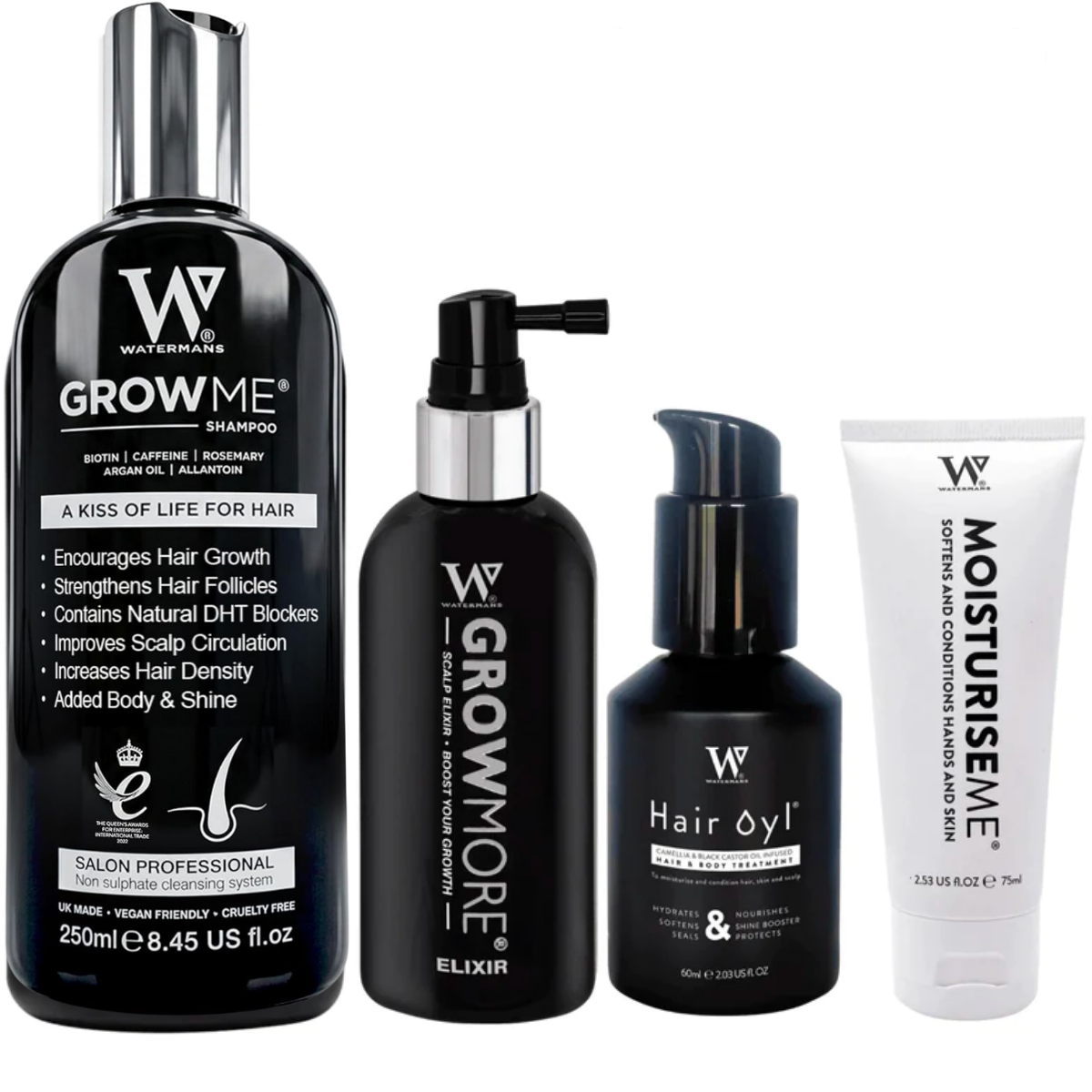
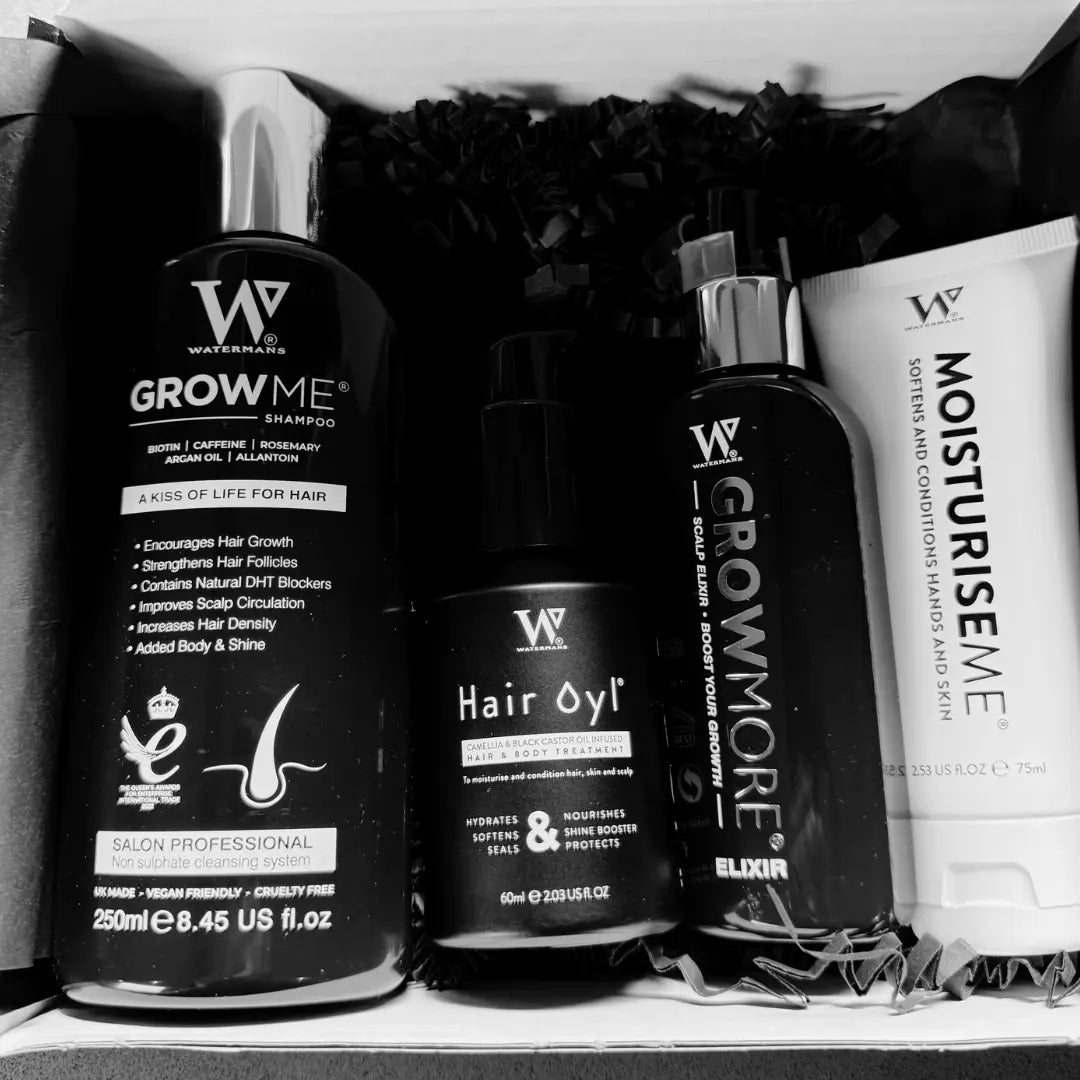
Moisturise Me® Face & Hand Cream, £15.00
A fast absorbing cream built around occlusive and emollient butters rather than actives: cupuacu butter, shea butter, cocoa butter, almond oil and allantoin. This is the sealing step described above, the one that goes over a humectant serum. It is the layer that keeps water in, not a treatment for a skin condition.
Does vitamin C serum live up to the hype?
Vitamin C has reasonable evidence as an antioxidant and for brightening dull skin, but it is the most temperamental ingredient on this list. Pure L ascorbic acid needs a concentration of roughly 10 to 20 percent and a low pH to penetrate, and it oxidises on contact with light and air. A serum that has turned orange or brown has degraded and is no longer doing the job you paid for.
It is also the active most likely to disappoint. Some people find it irritating, and on deeper skin tones irritation can leave post inflammatory pigmentation, which is the opposite of the even tone people buy it for. If you want to try it, buy a small bottle in opaque packaging, patch test on the jawline for a week, and accept that it may not be your ingredient. Niacinamide is the gentler alternative for tone and redness.
Which of these ingredients also work on your scalp?
Your scalp is skin, so several of these actives translate directly. Niacinamide supports the barrier there just as it does on the face. Salicylic acid loosens the flaky build up that comes with a congested or oily scalp. Caffeine, which barely features in facial skincare, is widely used in scalp formulas because it is small enough to penetrate and is studied for its effect on the follicle environment.
What does not translate well is anything designed to sit on the surface. Rich occlusive creams that suit a dry cheek will simply weigh hair down and leave the scalp greasy. That is why scalp versions of these actives arrive in shampoos, leave on liquids and light serums rather than creams. If your scalp is flaking rather than simply dry, read our guide to a flaky scalp and seborrheic dermatitis, and for the wider picture see what actually lives on your scalp.


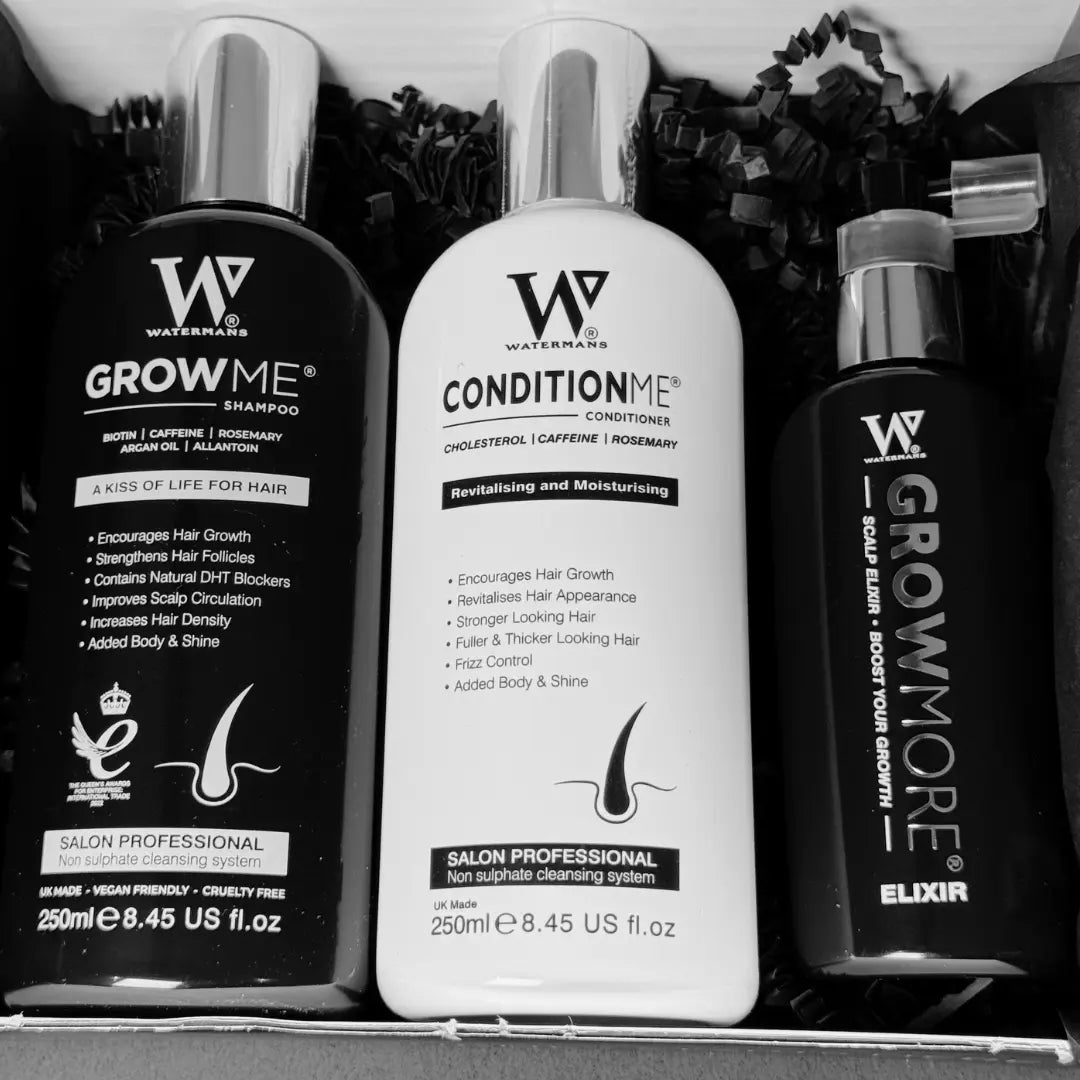
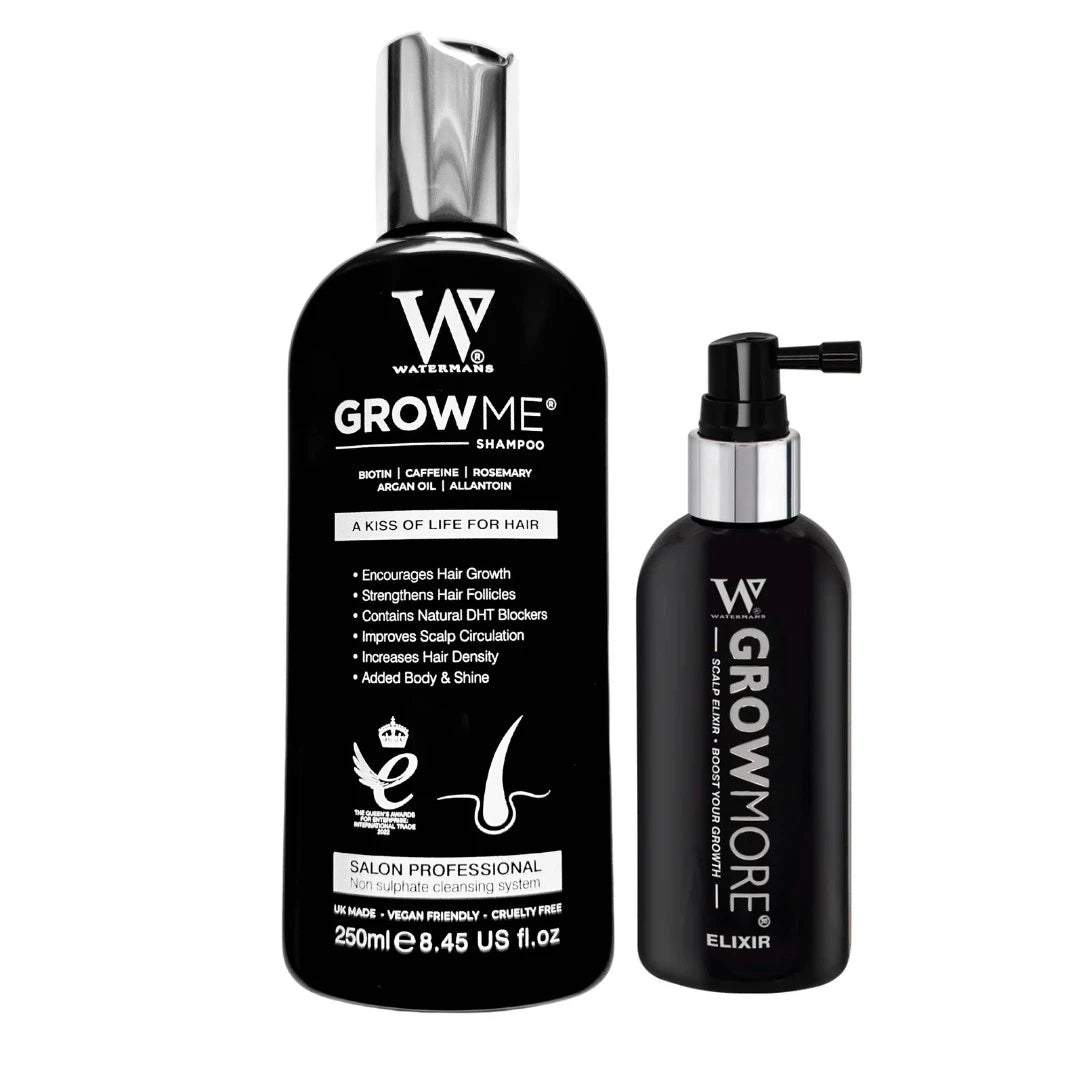
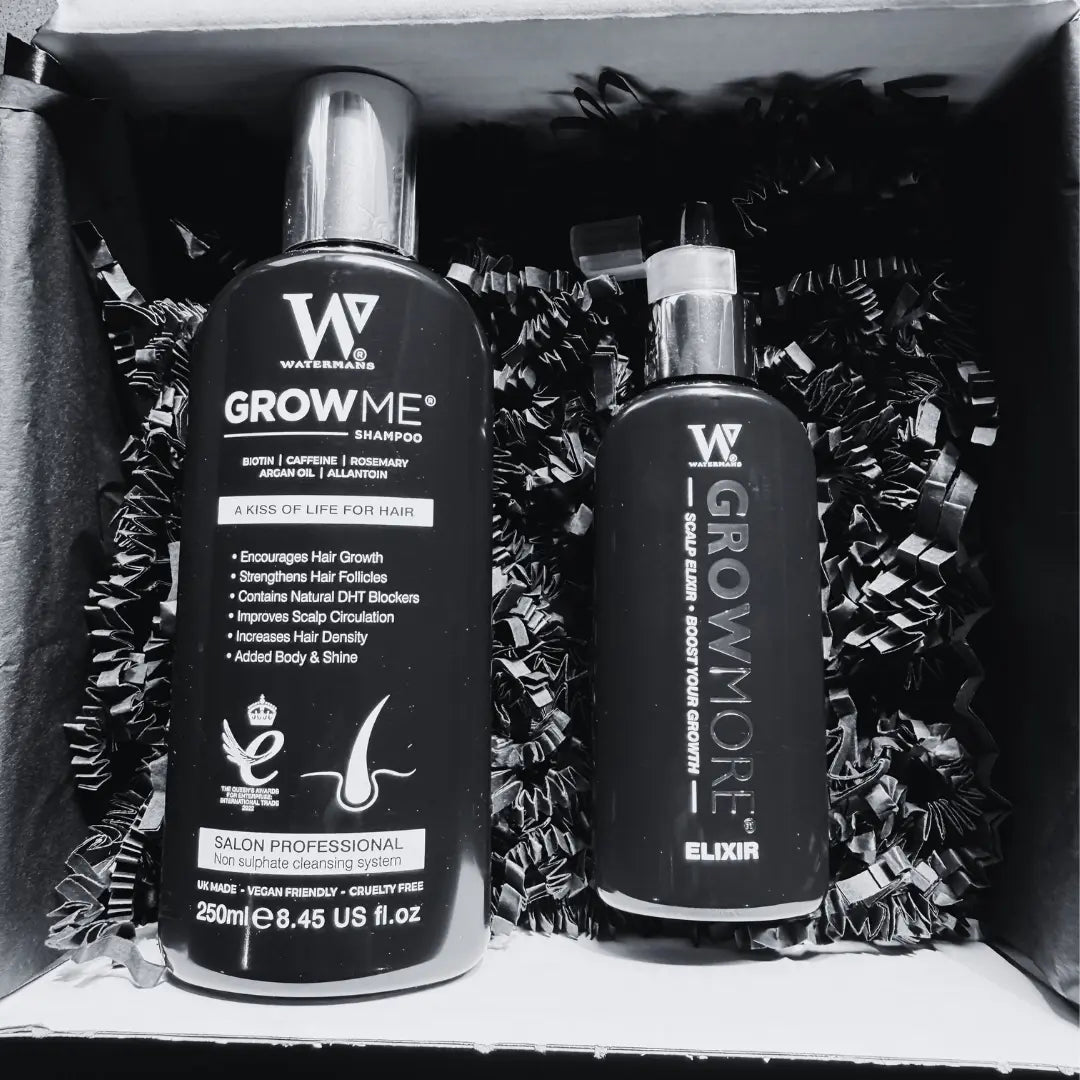
Grow Me® Hair Growth Shampoo, £14.95
A sulphate free shampoo formulated with the scalp versions of the actives above: niacinamide, caffeine, biotin and rosemary, plus allantoin and argan oil. Designed to support scalp comfort and leave hair looking fuller and less prone to breakage. It is a cosmetic product, not a medicine, and it will not treat a diagnosed scalp condition.
How do you know if an ingredient is present at a useful level?
Read the ingredient list, which is legally required to run in descending order of concentration down to 1 percent. Anything listed after the preservatives, fragrance or colourants is almost certainly present below 1 percent, which is fine for a preservative and useless for an active. A hero ingredient printed on the front of the bottle but sitting third from last on the back is decoration.
Three quick shelf checks:
- Position: a genuine active usually appears in the first six to eight ingredients.
- Stated percentage: brands that have paid for a useful dose tend to print it. Silence is not proof of absence, but it is not encouraging either.
- Packaging: retinoids and vitamin C degrade in light and air. An open jar or a clear bottle undermines both.
We go into shelf level decisions in more detail in our guide to how to choose skincare in a pharmacy.
Which actives should you not layer on the same night?
The genuine conflicts are fewer than the internet suggests, and most of them come down to irritation rather than chemistry. Piling several exfoliating or cell turnover actives onto the same skin on the same night is what causes damage, not some reaction in the bottle.
| Combination | Verdict | Why |
|---|---|---|
| Retinol plus AHA or BHA, same night | Separate them | Compounded irritation and barrier damage |
| Vitamin C plus retinol | Split morning and night | Different pH preferences, and both can sting |
| Niacinamide plus almost anything | Fine | Stable, well tolerated, no meaningful conflict |
| Hyaluronic acid plus anything | Fine | A humectant, not an active |
| Two acids from different brands | Avoid | You lose track of total exfoliation load |
| Sunscreen over everything, every morning | Always | Protects the results of everything else |
If you want the order of application rather than the pairings, our companion piece on skincare routine order sets out the sequence, and the common skincare myths covers the claims worth ignoring.
When should you see a GP or a dermatologist instead?
Cosmetic ingredients manage the appearance of skin. They do not treat disease. Book an appointment with your GP if you have persistent or painful acne, a rash that is spreading, skin that is cracking or bleeding, suspected eczema or psoriasis, or any mole that is changing in size, shape or colour.
Also see a professional before spending months on serums if your skin changed abruptly rather than gradually. Sudden onset dryness, flushing or hair and skin changes together can point to something systemic, such as a thyroid problem, and no amount of niacinamide will address the cause.
Frequently asked questions
How long before a new skincare ingredient shows results?
Hydrating ingredients like hyaluronic acid and glycerin show a visible difference within minutes but only while they remain sealed in. Niacinamide and salicylic acid usually take four to eight weeks. Retinoids take about 12 weeks. Judge nothing before the eight week mark unless it is irritating you.
Is an expensive serum better than a pharmacy one?
Not reliably. Price reflects packaging, marketing and texture at least as much as the dose of active inside. The ingredient list and its order tell you far more than the price. Several of the best evidenced actives, including niacinamide and salicylic acid, are inexpensive to formulate.
Can I use niacinamide and vitamin C together?
Yes. The old claim that they cancel each other out came from research at high temperatures that does not reflect how a serum behaves on skin. If the pair stings on your face, that is irritation from the vitamin C, so use them at opposite ends of the day.
What percentage of retinol should a beginner use?
Start at the lowest strength the brand offers, commonly 0.1 to 0.3 percent retinol, twice a week. The strength matters far less than the frequency you can tolerate. Someone using 0.3 percent nightly gets more benefit than someone abandoning 1 percent after ten irritated days.
Do I need a separate eye cream?
Usually not. Eye creams are mostly moisturisers in smaller pots at higher prices. The exception is that skin around the eye is thin and reactive, so a gentler, fragrance free formula there is sensible if strong actives make the area sting.
Are natural ingredients gentler than synthetic ones?
No. Essential oils and botanical extracts are among the most common causes of contact allergy in cosmetics, while synthetic molecules like niacinamide are among the best tolerated. Natural describes an origin story, not a safety profile.
Do these ingredients help with hair loss?
Facial skincare does not address hair loss. Some of the same actives, notably niacinamide and caffeine, appear in scalp formulas to support scalp condition and the look of fullness, but that is a cosmetic effect. Sudden, patchy or rapid shedding needs a GP or trichologist, not a serum.
Is sunscreen really necessary in the UK in winter?
UVA passes through cloud and glass year round and is the wavelength most associated with visible ageing, so daily protection still has value in winter. The practical compromise most people settle on is daily SPF from March to October and on bright winter days.
Start with the barrier, not the actives
Most skin that looks unhappy is not short of a new active. It is short of a working barrier. Get cleansing, moisturising and sun protection right for a month before adding anything else, and treat your scalp as part of the same organ.
Shop Moisturise Me face and hand cream | Shop Grow Me hair growth shampoo
Watermans is a founder led British brand. Our products are vegan, made in the UK, and we have sold over 5 million bottles since 2012. We make cosmetic products, so we say what they do and what they do not: for a diagnosed skin or scalp condition, see your GP or a dermatologist.
Last updated: August 2026.






,%20sun...)