

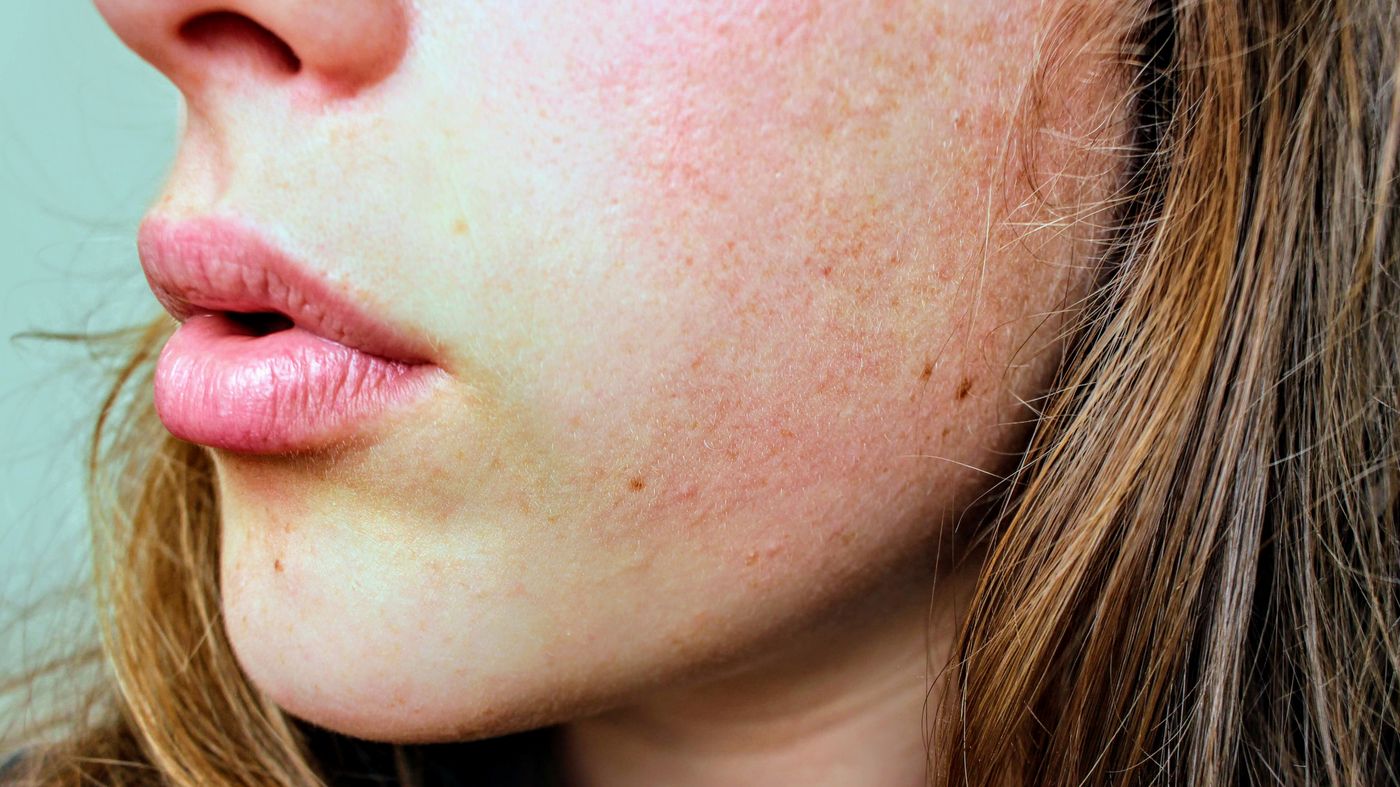
How to Know Your Skin Type: The Bare Face Test
To work out your skin type, wash your face with a gentle cleanser, pat it dry, apply nothing at all, and look in the mirror one hour later. Skin that feels tight or looks flaky is dry. Skin with an overall shine is oily. Shine on the forehead, nose and chin with dryness on the cheeks is combination. Skin that feels comfortable and looks even is normal. That is the whole test, and it costs nothing.
Key takeaways
- The bare face test takes one hour and needs no products or devices.
- There are four skin types: dry, oily, combination and normal. Sensitive is a state your skin can be in, not a fifth type.
- Skin type is not fixed for life. It shifts with season, age, medication and hormonal cycles.
- Most people who believe they have oily skin have dehydrated skin producing extra oil to compensate.
- Test on a normal day, not the morning after a heavy night, a long flight or a new product.
- Your scalp has its own type and it often does not match your face.
How do you do the bare face test properly?
The test works because it removes every variable except your own skin. Any product left on the face, including a light moisturiser or the residue of an SPF, will change what you see. Give yourself a clear hour when you are not going anywhere.
- Cleanse with a mild, fragrance free cleanser. Lukewarm water, not hot.
- Pat dry with a clean towel. Do not rub.
- Apply nothing. No toner, no serum, no cream, no SPF, no makeup.
- Wait 60 minutes in a room at normal temperature. Avoid direct heat, air conditioning and the outdoors.
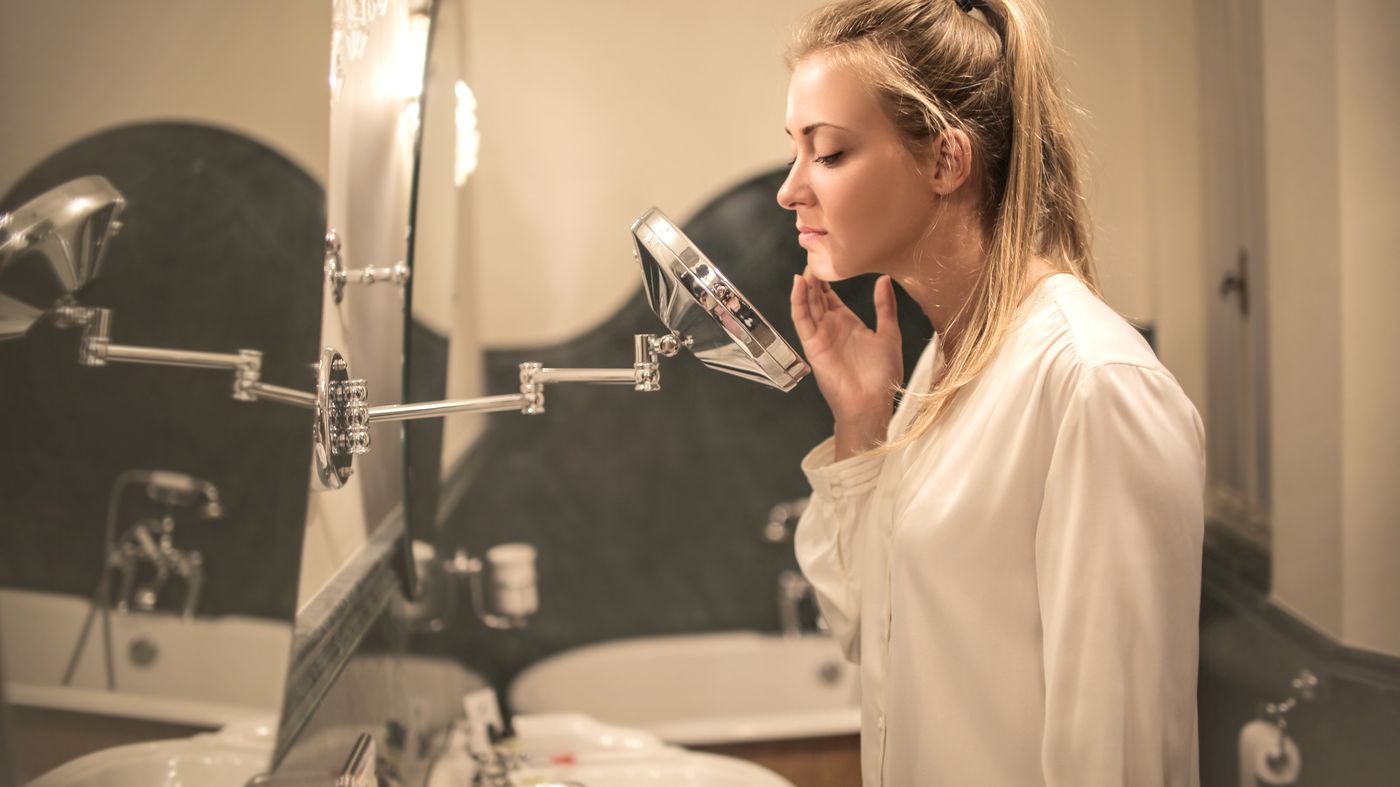
- Look at your forehead, nose, chin and both cheeks separately in natural light, and note how each area feels as well as how it looks.
Two things ruin the result. Testing straight after a hot shower gives an artificially tight reading, and testing during a flare of any kind, whether that is a cold, a hormonal week or a reaction to a new product, tells you about the flare rather than your baseline. Repeat it two or three times across a fortnight if the answer surprises you.

What does each skin type actually look like an hour later?
Read the table against what you saw, paying attention to how the skin feels as much as how it looks. Tightness is the single most useful signal, because it separates genuinely dry skin from skin that is simply not shiny.
| Type | How it looks at 60 minutes | How it feels | Common giveaway |
|---|---|---|---|
| Dry | Matte all over, possibly flaking around the nose or brows | Tight, especially when you smile | Makeup clings to dry patches |
| Oily | Even shine across forehead, nose, chin and cheeks | Comfortable, never tight | Visible pores, makeup slides by midday |
| Combination | Shine down the centre, matte or flaky on the cheeks | Two different faces at once | One product never suits the whole face |
| Normal | Even, slight natural glow, no flaking | Comfortable and unremarkable | You rarely think about your skin |
| Dehydrated (a state, any type) | Can be shiny and flaky at the same time, dull, fine crepey lines | Tight but greasy, which feels contradictory | Oil control products make it worse |
Why is sensitive skin a state rather than a skin type?
Sensitive skin describes how your skin is behaving, not how much oil it produces. Any of the four types can become reactive, and most sensitivity is acquired rather than inherited: over exfoliation, too many actives at once, harsh cleansers, cold weather or a course of medication can all push a normal face into a stinging, flushing phase.
That distinction matters because it changes what you do about it. A permanent type calls for a permanent product choice. A temporary state calls for withdrawal. If your skin has started reacting to products it used to tolerate, the answer is almost never a new soothing serum. It is stopping everything except a plain cleanser and a plain moisturiser for two to four weeks and letting the barrier rebuild.
The most common mix up: oily and dehydrated skin. Dehydrated skin lacks water, not oil, and stripping it with mattifying products makes it produce more oil to compensate. If your skin is shiny by lunchtime but tight after washing, treat the water, not the oil.
What makes your skin type change through the year?
Skin type is a moving target because the outer layer responds directly to humidity and temperature. Most people in the UK are measurably drier between November and March, when cold outdoor air and indoor central heating both pull water out of the skin, and oilier in summer as sebum production rises with warmth.
Other reliable drivers of change include age, since oil production and barrier lipids both decline over time, so skin that was oily at 20 is frequently normal at 40 and dry at 60. Medication matters too: isotretinoin, some blood pressure drugs and hormonal contraceptives all commonly change oil production. Air travel, hard water and a new heating system will all shift the result of the bare face test.
The practical response is to own two moisturisers rather than one, a lighter one for summer and a richer one for winter, and to re run the test each time the seasons turn. Our guide to caring for dry skin in winter covers the cold weather swap.

How should each skin type cleanse?
Cleansing is where most people get their skin type wrong in practice, usually by over cleansing. The rule is that a cleanser should leave your face feeling comfortable, never squeaky. Squeaky means you have removed the lipids that hold water in, and every other product you apply afterwards is repairing damage you just caused.
| Type | Morning | Evening | Avoid |
|---|---|---|---|
| Dry | Lukewarm water only is fine | Cream or milk cleanser | Foaming washes, hot water, flannels |
| Oily | Gentle gel cleanser | Gel cleanser, salicylic acid a few nights a week | Alcohol toners, scrubbing, cleansing twice over |
| Combination | Gentle gel, focused on the centre | Gentle gel, then richer cream on cheeks only | Treating the whole face as oily |
| Normal | Water or a mild cleanser | Mild cleanser | Fixing what is not broken |
| Reactive phase | Water only | One fragrance free cream cleanser | All actives, all exfoliants, all fragrance |
Which moisturiser texture suits which skin type?
Match the texture to the type and the ingredients follow. Dry skin needs richer creams with occlusive butters and emollients that slow water loss. Oily skin needs light gels or lotions with humectants like glycerin and very little occlusive load. Combination skin usually does best applying two textures to different zones rather than compromising with one.
What every type needs is something. The idea that oily skin should skip moisturiser is one of the most persistent errors in skincare, and it reliably produces more oil rather than less, because the skin responds to water loss by increasing sebum. We cover this and several other stubborn beliefs in our piece on skincare myths worth ignoring.

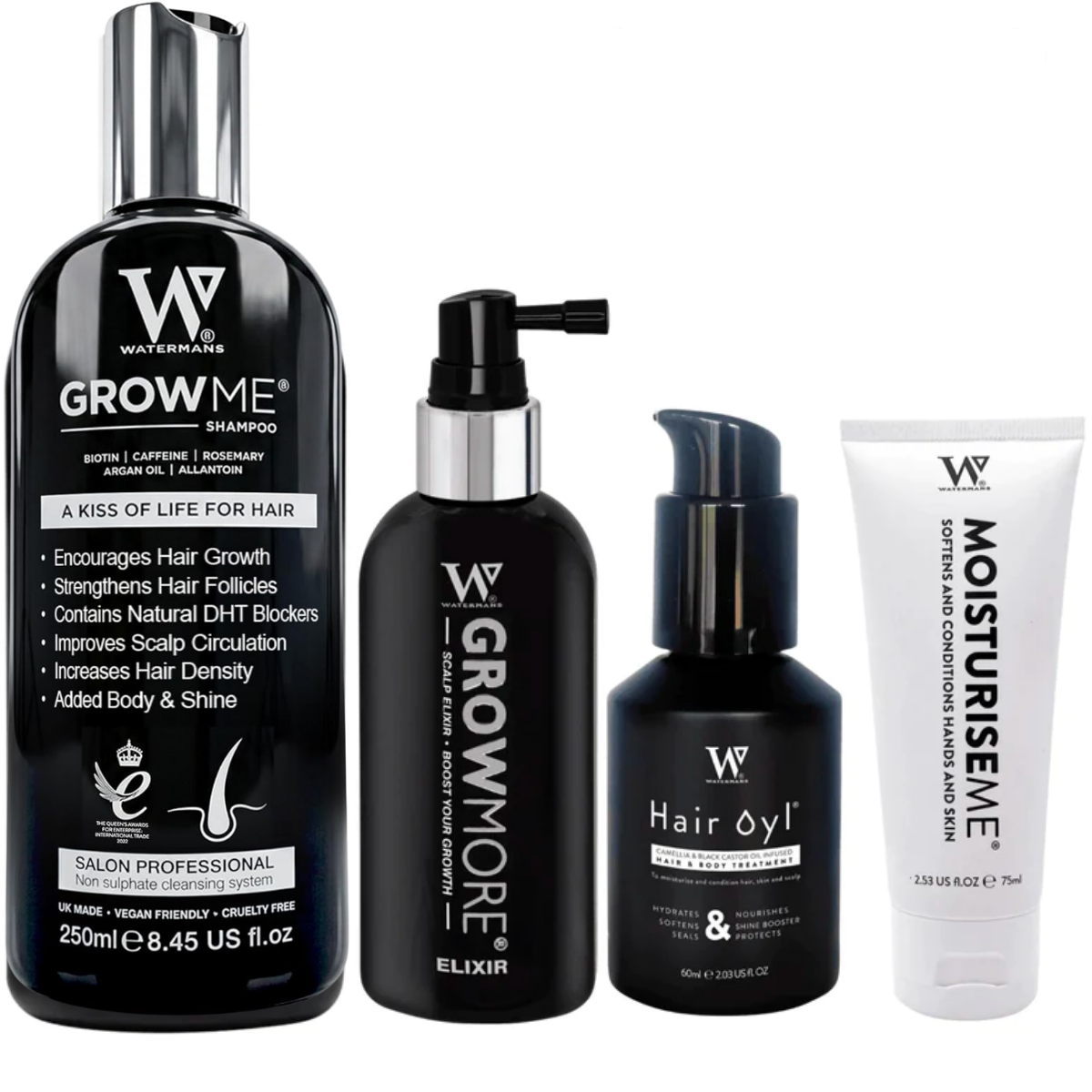
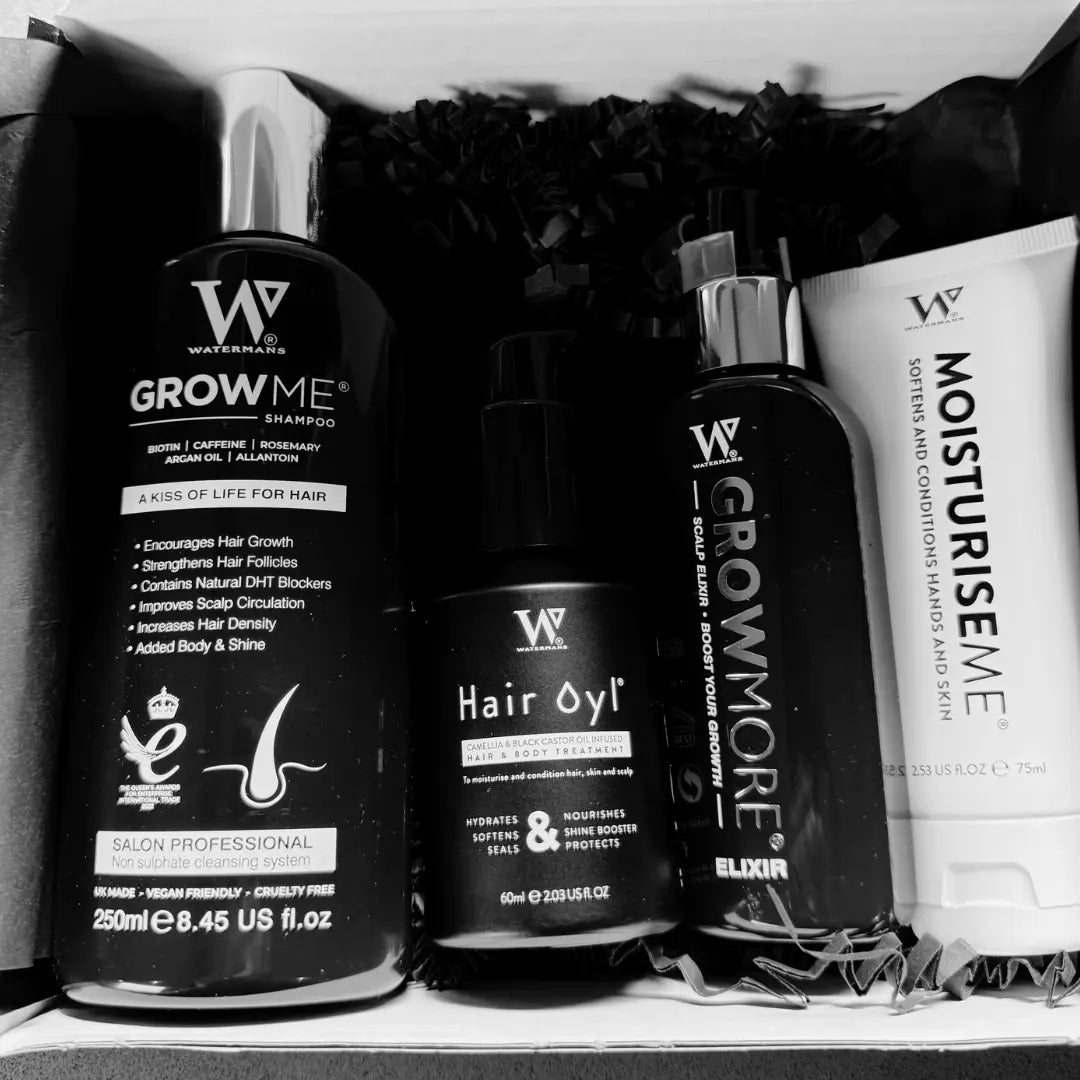
Moisturise Me® Face & Hand Cream, £15.00
A richer, fast absorbing cream built on cupuacu butter, shea butter, cocoa butter, almond oil and allantoin. It suits dry and normal skin, and works well as a winter swap or a cheeks only layer for combination skin. If your bare face test came back clearly oily, choose a lighter gel texture instead. We would rather tell you that than sell you the wrong thing.
How do hormones change your skin type?
Oestrogen supports skin hydration, collagen and barrier function, so when it falls the skin usually becomes drier and thinner. That is why many women notice a distinct shift in the years around the menopause, and why a routine that worked perfectly at 40 can feel inadequate at 50. Androgens drive oil production, which is why puberty, polycystic ovary syndrome and the week before a period all tend to push skin oilier.
The same hormonal shifts affect hair, which is why skin and hair changes so often arrive together. If you have noticed both at once, that pattern is worth understanding rather than treating as two separate problems. Our guides to menopause hair loss and thinning and PCOS related hair loss cover the hair side.

Does your scalp have a skin type too?
Yes, and it frequently does not match your face. It is common to have dry cheeks and an oily scalp, because the scalp carries a far higher density of oil glands than the rest of the body. Treating both with the same logic is a mistake, and so is assuming a greasy scalp needs harsher washing.
The scalp version of the bare face test is simpler. Wash with a mild shampoo, apply nothing, and check at 48 hours. Roots visibly greasy inside a day suggests an oily scalp. Tightness, itching or fine flaking suggests a dry one, though persistent flaking with redness is more likely to be seborrheic dermatitis than dryness, which is a different problem with a different fix. Our guide to keeping your scalp healthy sets out the routine.
What happens if you get your skin type wrong?
The usual outcome is a slow decline rather than a dramatic reaction. Treating dehydrated skin as oily leads to stripping, which produces more oil, which prompts more stripping. Treating combination skin as dry leads to congestion down the centre of the face. Neither goes badly wrong overnight, which is exactly why people persist with the wrong routine for years.
The tell is simple: if your skin has got worse over six months on a routine you have stuck to faithfully, the routine is wrong for your skin, not insufficiently applied. Strip back to cleanser, moisturiser and SPF for a month, re run the bare face test, and rebuild from what you find.
When should you see a GP instead of buying products?
Book an appointment for persistent or painful acne, a rash that spreads or weeps, cracking or bleeding skin, suspected eczema, rosacea or psoriasis, or any mole that changes in size, shape or colour. Skin type is a cosmetic framework and it does not describe disease.
Also see your GP if your skin changed abruptly rather than gradually, particularly alongside changes in your hair, energy or weight. Thyroid problems, iron deficiency and other systemic conditions show up in skin and hair together, and no moisturiser addresses the underlying cause.
Frequently asked questions
How often should I retest my skin type?
Twice a year is enough for most people, ideally at the start of winter and the start of summer. Retest sooner if you move house, change heating, start a new medication, or notice your usual products suddenly feel wrong on your face.
Can I have oily and dry skin at the same time?
Yes, and it is very common. That is either combination skin, where different zones behave differently, or dehydrated skin, where the whole face lacks water while still producing oil. The difference is that combination is zonal and dehydration affects everywhere at once.
Do blotting paper tests work as well as the bare face test?
They are a reasonable quick check but less reliable. Blotting papers only measure surface oil at one moment, so they can miss dehydration entirely and they tell you nothing about tightness or flaking, which are the signals that identify dry skin.
Does diet change your skin type?
Diet influences skin condition more than skin type. Very low fat diets and dehydration can leave skin drier, and there is reasonable evidence linking high glycaemic diets to acne. But eating differently will not turn oily skin into dry skin.
Is skin type inherited?
Partly. Baseline oil production and barrier strength both have a genetic component, so skin type does run in families. Environment, age, hormones and how you treat your skin then modify that baseline considerably over a lifetime.
Should men do the same test?
Yes, the test is identical. Male skin is on average thicker and produces more sebum, so oily and combination results are more common, but the method and the interpretation are exactly the same. Shave before testing so razor irritation does not skew the result.
Can a product change my skin type permanently?
No cosmetic product changes your underlying skin type permanently. A good routine can leave dry skin comfortable and oily skin balanced, but stop using it and your baseline returns. Prescription treatments such as isotretinoin can alter oil production long term, which is a medical effect, not a cosmetic one.
Why does my skin type seem different on holiday?
Because humidity and temperature are two of the strongest influences on how skin behaves. Warm, humid climates commonly make skin look less dry and more shiny within days, and dry aircraft cabins do the opposite. Neither is your true baseline.
One hour, no products, honest answer
Run the bare face test tonight, write down what you find, and choose the texture that matches rather than the one that was recommended to you. Then do the same for your scalp, because it very likely wants something different.
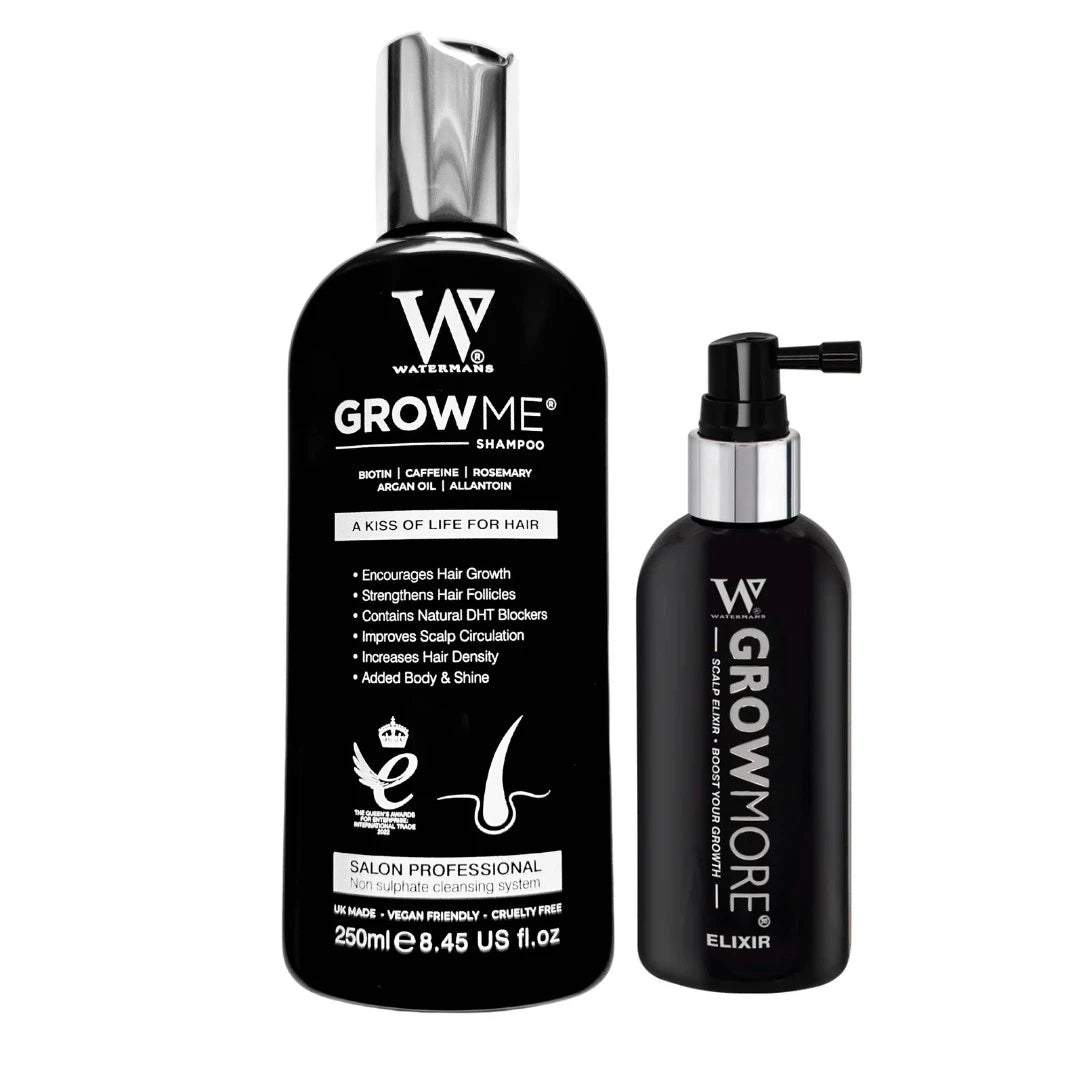
Shop Moisturise Me face and hand cream | Shop Grow Me hair growth shampoo
Watermans is a founder led British brand. Vegan, made in the UK, over 5 million bottles sold since 2012. Our products are cosmetics: for a diagnosed skin condition, see your GP or a dermatologist.
Last updated: August 2026.