


Smelly Scalp: Why It Happens and How to Fix It
A smelly scalp is almost never a washing problem, which is why washing harder rarely fixes it. The odour comes from sebum that has oxidised and been broken down by the yeast and bacteria that live on everyone's skin, and the strongest smells usually come from scalps that are washed too seldom, washed too aggressively, or covered in product residue that traps the lot. Clearing a smelly scalp is mostly about washing the skin properly rather than more fiercely.
Key takeaways
- The smell comes from bacteria and yeast breaking down oxidised sebum on the skin, not from the hair itself.
- Scrubbing harder usually makes it worse, because stripping the skin triggers more oil production and irritation.
- Shampoo belongs on the scalp, and most people apply it to their lengths instead. That single error explains a lot of cases.
- Dry shampoo, heavy oils and unwashed hairbrushes are three quiet contributors people rarely suspect.
- A sour or cheesy smell with flaking and itching points to seborrhoeic dermatitis, which a pharmacy shampoo usually manages well.
- If the smell is genuinely foul, or comes with sores, crusting or hair coming away, that is a GP conversation rather than a shopping one.
Why does my scalp smell?
Your scalp has more sebaceous glands per square centimetre than almost anywhere else on the body, and it is warm, often covered, and rarely exposed to air. Fresh sebum is close to odourless. Left on the skin it oxidises, and the resident microbes, principally Malassezia yeasts and Cutibacterium bacteria, break the fats down into short chain fatty acids. Those breakdown products are what you can smell.
That process is normal and happens on every head. It becomes noticeable when the balance tips: more oil, more time between washes, more residue holding it in place, or more yeast activity than the skin is comfortable with. So a smelly scalp is usually a signal about the routine rather than about personal cleanliness, which is worth saying plainly because this is a subject people feel ashamed to ask about.

What causes a smelly scalp?
Seven causes account for nearly all of it, and most people have two or three at once.
| Cause | How you recognise it | What changes it |
|---|---|---|
| Sebum left too long | Smell builds over days, worst at the roots and the nape | Wash the scalp more often with something gentle |
| Shampoo on the lengths, not the skin | Ends feel dry, roots still greasy and smelly after washing | Apply shampoo to the scalp only, with the finger pads |
| Seborrhoeic dermatitis | Greasy yellowish flakes, itching, redness, sour smell | A pharmacy anti-dandruff shampoo, used as directed |
| Product and dry shampoo residue | Roots feel coated and waxy rather than simply oily | One clarifying wash, then cut dry shampoo right back |
| Sweat under trapped hair | Smell spikes after exercise, hats, helmets or headscarves | Rinse the scalp after sweating, dry fully before covering |
| Dirty brushes and pillowcases | Smell returns within a day of a good wash | Wash brushes weekly, change pillowcases twice a week |
| Going to bed with damp hair | Musty rather than sour, worse in winter | Dry the roots fully before sleeping |
The mistake almost everyone makes
Shampoo is a cleanser for skin, and the scalp is the skin. Most people squeeze it onto the crown and drag it through the mid-lengths, which cleans hair that was not dirty and barely touches the skin that was. Emulsify the shampoo in wet palms first, then apply it to the scalp in sections with the pads of your fingers, never your nails, and let the lather rinse through the lengths on its way out. If your roots still smell after washing, this is nearly always why.
How do you get rid of a smelly scalp?
Work through this in order rather than changing everything at once, so you find out which step was actually doing the work.
One, wash the scalp properly for a fortnight. Shampoo on the skin only, double washing on greasy days, and use the finger pads to move the skin rather than scratching. Most cases improve here alone and go no further.
Two, wash more often, not more harshly. If you are washing twice a week and the smell builds by day three, wash every other day with a mild sulphate-free shampoo. Washing less does not make a scalp produce less oil, and the idea that it does is the most persistent myth in the category. Our guide to how often to wash your hair by hair type covers the frequency question in full.
Three, clear the residue once. A single clarifying wash lifts silicone, styling product and dry shampoo powder that is holding oxidised oil against the skin. Once or twice a month is plenty. If your roots feel coated and waxy rather than oily, read our piece on clearing scalp build-up, which is a related but distinct problem.
Four, add a pharmacy anti-dandruff shampoo if there is flaking. If the smell comes with greasy yellow flakes and itching, seborrhoeic dermatitis is the likely explanation. A shampoo from a pharmacy, the anti-dandruff kind containing zinc pyrithione, used twice a week with a few minutes of contact time, manages it well for most people. We do not make one, and this is a case where you should buy someone else's product.
Five, clean everything the hair touches. Brushes, combs, hats, pillowcases, headbands and the inside of helmets. A brush full of old sebum re-seeds the scalp every morning, and this is the step people skip that explains why the smell keeps coming back.
The fresh scalp reset
One email with the fortnight plan on a single page: the washing technique in detail, how to work out your own wash frequency, what to look for on a pharmacy shampoo label, and the tool and bedding schedule that stops the smell returning a week later.
Which products actually help?
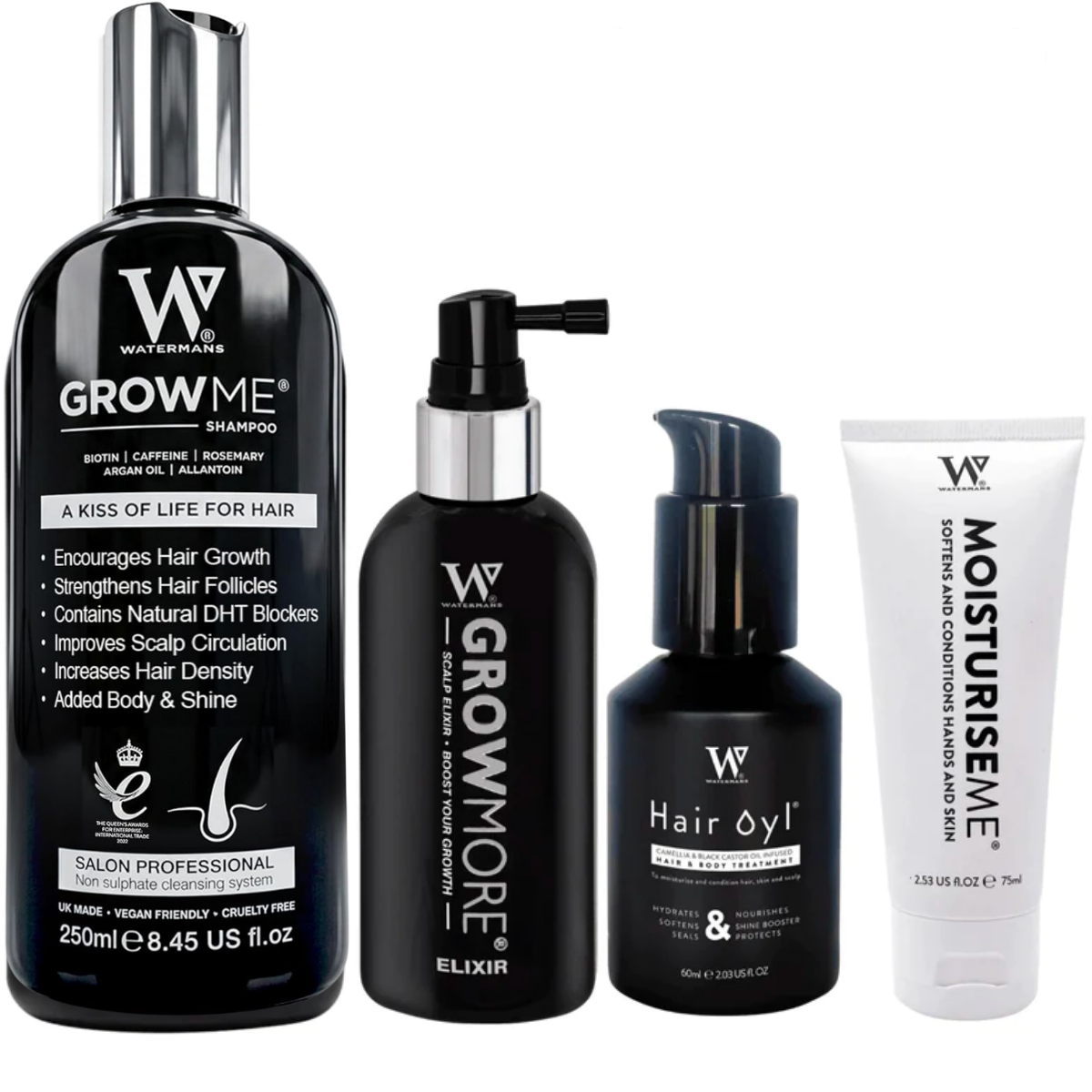
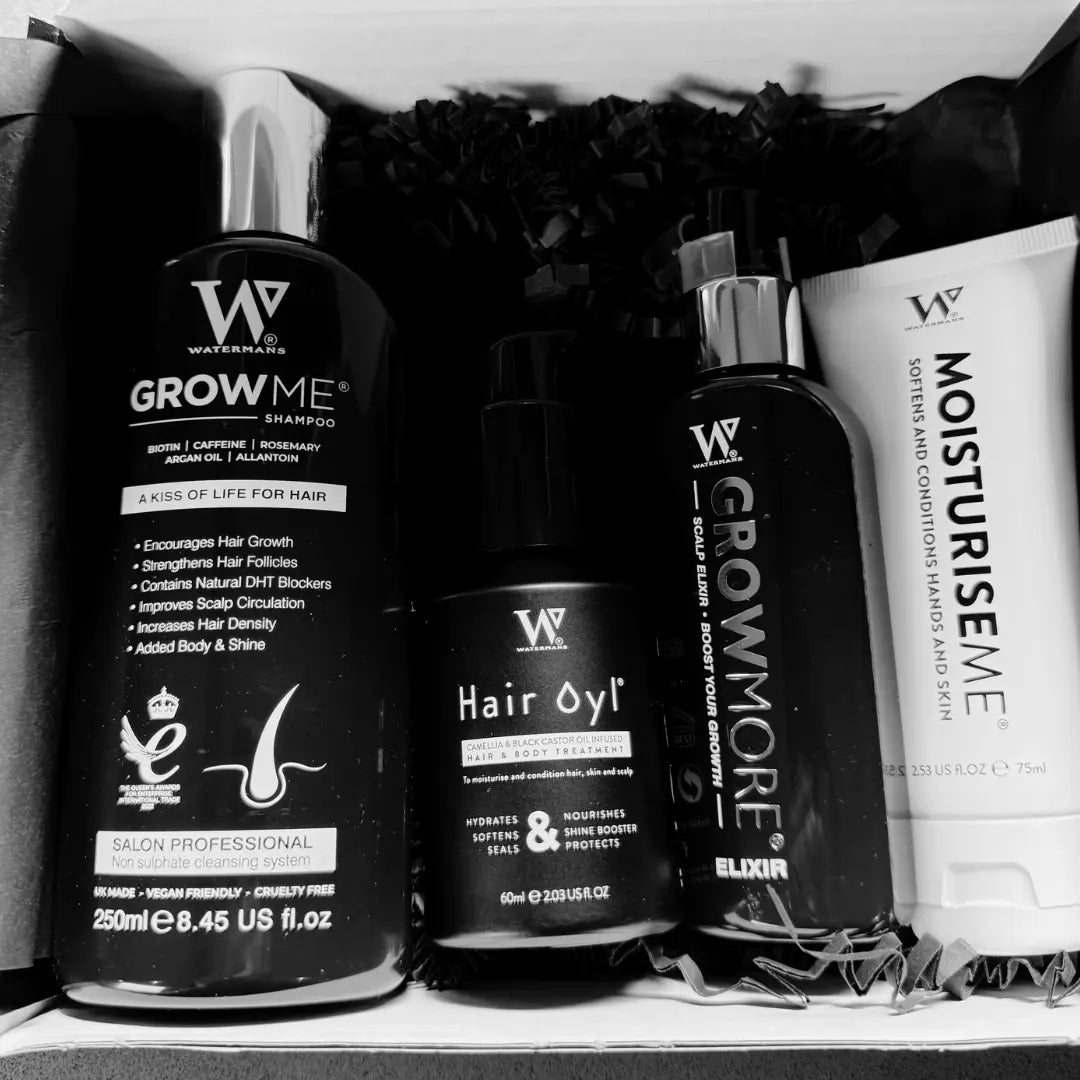
The honest answer is that technique and frequency do more here than any bottle, and that the one product category that genuinely changes a yeast-driven smell is a medicated pharmacy shampoo we do not sell. What we make is a gentle daily cleanser, which matters because the fix for most people is washing the scalp more often without stripping the ends.

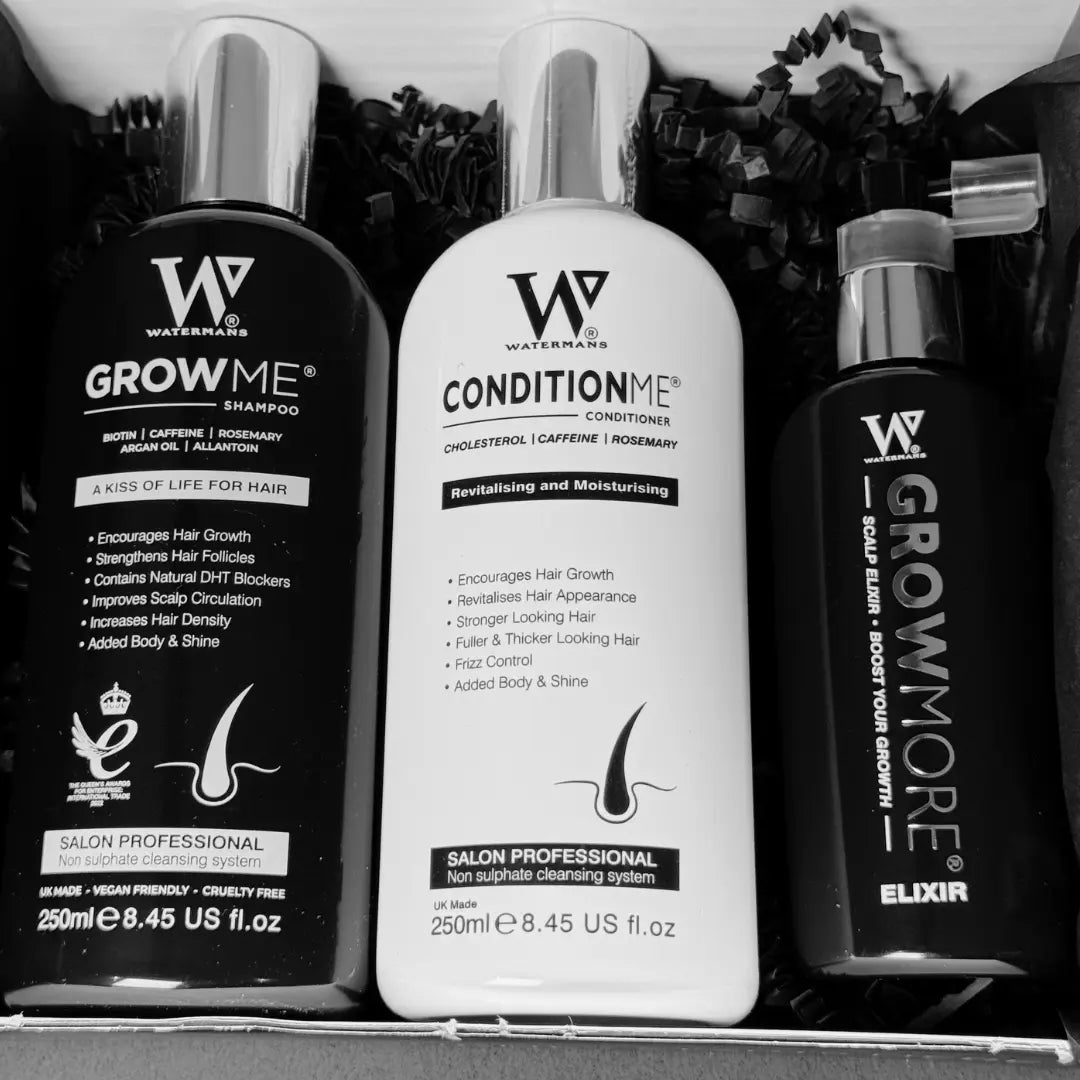
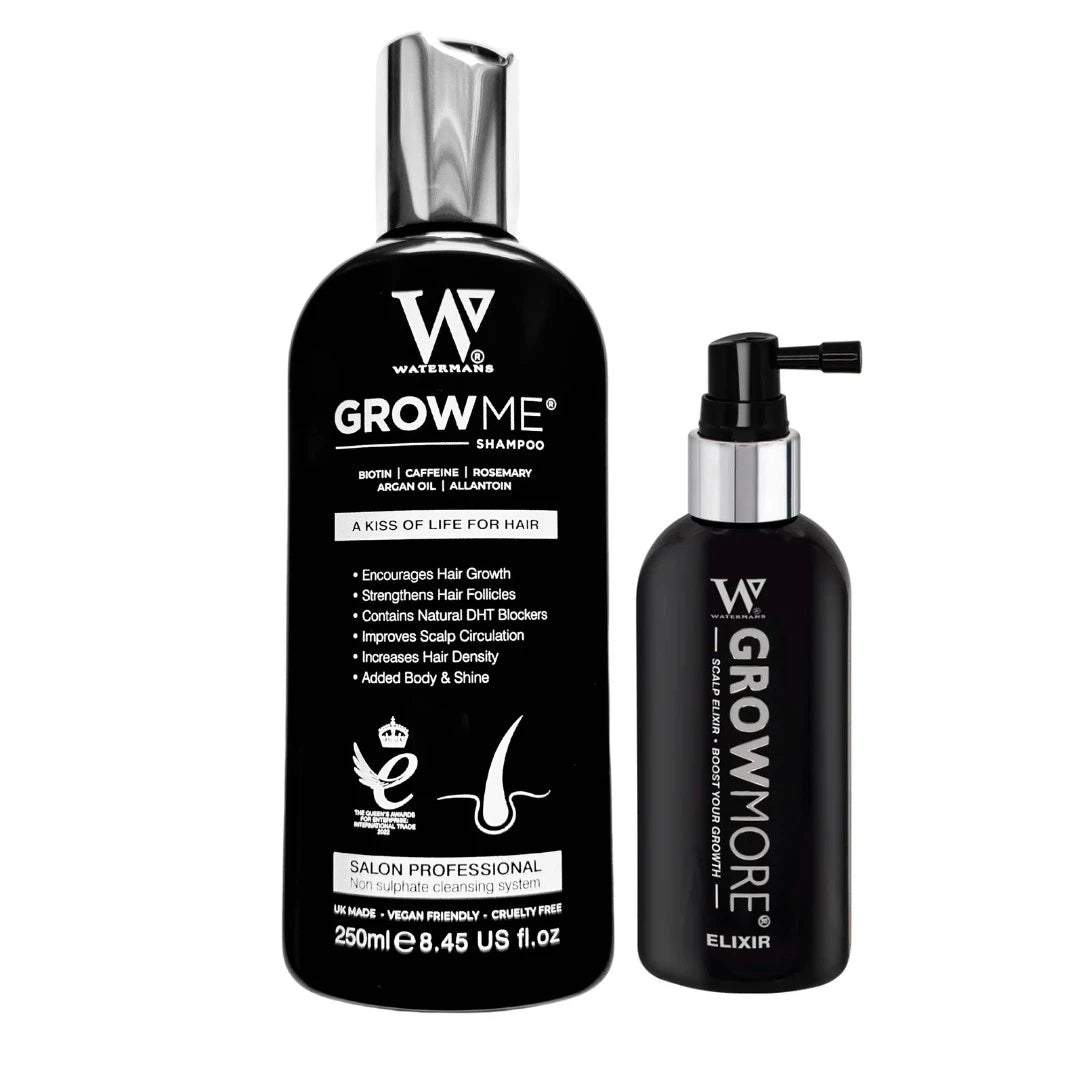
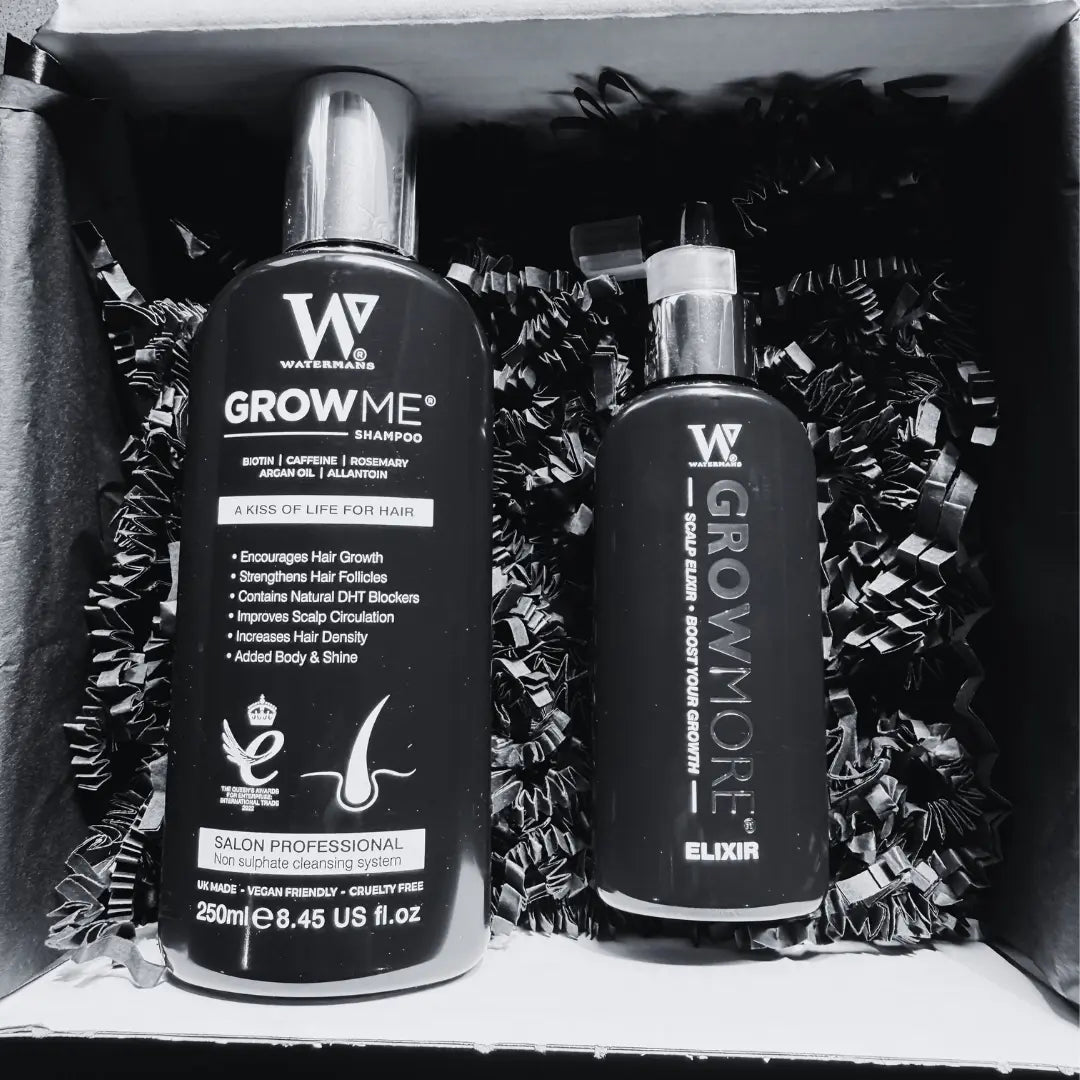
Grow Me® Shampoo, on the scalp only, as often as it needs
Sulphate-free matters specifically here, because clearing a smelly scalp usually means washing more frequently, and a harsh lather punishes the lengths on its way past. Emulsify in wet palms, apply to the skin in sections, double wash on greasy days.

Condition Me® Conditioner, from the ears down, never on the scalp
Conditioner on the roots is a common and avoidable contributor, because it leaves a film exactly where you are trying to keep the skin clear. Keep it to the mid-lengths and ends, where the hair is oldest and genuinely needs it.

Which habits keep a scalp fresh?
- Rinse the scalp with water after heavy sweating, even on a non-wash day.
- Dry the roots fully before bed and before putting on a hat or a helmet.
- Wash hairbrushes weekly in warm water with a drop of shampoo, and let them dry bristles down.
- Change pillowcases twice a week.
- Keep dry shampoo to twice between washes, and never sleep in it repeatedly.
- Keep heavy oils off the scalp unless you are using them as a pre-wash and washing them out.
- Keep your hands out of your hair, since fingers move oil and bacteria straight to the roots.
For the wider picture, our guide to keeping your scalp healthy covers the everyday care that prevents most of these problems arising.
When should you see a GP or pharmacist?
Most cases are a routine problem. A few are not, and it is worth knowing the difference rather than working through shampoos for months.
- The smell is genuinely foul or rotten rather than sour, oily or musty.
- There are sores, crusting, pus, weeping patches or painful lumps.
- There are round scaly patches with broken hairs, particularly on a child, which needs medical attention rather than a cosmetic product.
- Flaking and itching persist after six to eight weeks of a pharmacy shampoo used correctly.
- Hair is coming away from the affected area.
- The smell arrived suddenly alongside other changes in your health.
A pharmacist is a good first stop for the flaking and itching group, and your GP for anything on the rest of that list. We do not run clinics and nothing on this page is a substitute for someone looking at your scalp.
Is a smelly scalp linked to hair loss?
Not directly, and the fear is more common than the link. Odour itself does not damage follicles. What can matter is the underlying condition: persistent inflammation, heavy scratching and untended scalp problems create an environment hair does not do well in, and severe scratching causes hair breakage through simple mechanical damage.
Hair breakage from scratching gives short fragments with blunt ends. Hair shedding is full length hairs with a pale bulb, fifty to a hundred a day being normal. Hair loss showing as a widening parting, bald patches or visible scalp is a medical matter and worth raising with your GP, particularly if it appears alongside sores or scaling.
Watermans products are 100% cosmetic and do not treat medical hair loss. Individual results may vary.
Frequently asked questions
Why does my scalp smell even after washing?
Usually because the shampoo went on the hair rather than the skin. Emulsify it in your palms and apply it directly to the scalp in sections with your finger pads. If it still smells within hours of a proper wash, look at your hairbrush and pillowcase next, since both re-seed the scalp immediately.
Does washing hair less often reduce the smell?
No. Sebum production is driven by hormones and genetics, not by how often you rinse, and leaving oil on the skin gives the microbes more time and more material to work with. Wash the scalp as often as it needs with something gentle.
What does a seborrhoeic dermatitis smell like?
People usually describe it as sour, yeasty or slightly cheesy, and it comes with greasy yellowish flakes, itching and sometimes redness. A pharmacy anti-dandruff shampoo used twice a week with proper contact time manages it well for most people.
Can diet cause a smelly scalp?
The evidence for specific foods is weak. Very strong-smelling foods such as garlic and certain spices can be detectable in sweat for some people, and heavy alcohol intake changes sweat composition, but diet is rarely the main driver compared with washing technique and frequency.
Is it my hair or my scalp that smells?
Almost always the scalp. Hair is dead keratin and produces nothing itself, though it does absorb environmental smells such as smoke and cooking. Section your hair and smell close to the skin at the nape to confirm, since that is usually the worst area.
Does dry shampoo cause a smelly scalp?
It contributes. Dry shampoo absorbs oil but leaves it on the skin along with the powder, and repeated use without a proper wash creates a film that holds oxidised sebum against the scalp. Twice between washes is a sensible ceiling.
Can hormones cause it?
Yes. Puberty, pregnancy, the menopause and hormonal contraception all change sebum production, and any of those can alter how quickly a scalp starts to smell. The routine response is the same, which is washing the skin more often and more gently.
Will a scalp scrub help?
Occasionally, and no more than once a fortnight. Physical scrubs feel effective but can irritate skin that is already inflamed, which tends to increase both oil and flaking. Good washing technique achieves more with less risk.
Why does my scalp smell worse in winter?
Hats, hoods and indoor heating raise the temperature and humidity at the skin, and people wash less often when it is cold. Damp hair pushed under a hat is the single worst combination, so dry the roots first.
Sources and references
- NHS guidance on seborrhoeic dermatitis and dandruff, for symptoms, self-care and when to seek medical advice.
- British Association of Dermatologists public information leaflets on seborrhoeic dermatitis and scalp conditions.
- The peer-reviewed dermatology literature on Malassezia yeasts, sebum composition and the microbial breakdown of skin surface lipids.
- NICE Clinical Knowledge Summaries on seborrhoeic dermatitis, for the recognised self-care and pharmacy options.
The short version
A smelly scalp is skin chemistry rather than poor hygiene, and it responds to washing the skin properly far better than to washing it harder. Put the shampoo on your scalp instead of your lengths, wash as often as your scalp actually needs, clear residue once a month, and clean the brushes and pillowcases that keep putting it back. If flaking and itching come with it, a pharmacy anti-dandruff shampoo is the right next step and it is not one of ours. If the smell is foul or comes with sores, stop shopping and speak to your GP.
Watermans is vegan, UK made, and has sold over 5 million bottles since 2012.