


Moisturiser and Sunscreen for Oily Skin: Picking a Texture
Which moisturiser and sunscreen actually suit oily skin? A gel or gel cream moisturiser built on humectants, and a fluid or gel sunscreen rather than a thick lotion. Texture is what decides whether you wear them daily, and daily is the only version that works. The filter chemistry in a sunscreen barely matters for oiliness. What the filter is suspended in matters enormously.
This is the practical half of oily skin care: what the textures are called, what humectants and occlusives actually do, why "oil free" and "non comedogenic" mean less than you think, which sunscreen formats sit well on a shiny face, and how to stop the pilling that makes people give up on SPF altogether. If you want the ingredient side, meaning what genuinely reduces oil production, that is covered separately in how to control oily skin.
Key takeaways
- Oily skin needs moisturiser. Oil is not water, and skipping hydration does not reduce shine.
- Gel and gel cream are the textures to look for. Rich butter or balm textures are the ones most likely to feel heavy and congest.
- "Oil free" and "non comedogenic" have no standardised legal definition in the UK. Neither is a guarantee.
- Mineral and chemical sunscreen filters both come in light and heavy formulas. Judge the texture, not the filter type.
- Fluid and gel sunscreens suit oily skin best. Look for the words fluid, gel, watery or matte on the packaging.
- Pilling is usually too much product, layering onto a wet layer, or mixing a silicone heavy formula with a water heavy one.
- Your face and your hands need different textures. A rich cream that suits dry hands is the wrong thing on an oily face.

Does oily skin really need moisturiser?
Yes, because oil and water are separate things. Sebum sits on the surface and slows water loss, but it does not supply water to the skin, so an oily face can still be dehydrated. Skipping moisturiser leaves the barrier less able to hold water, which produces tightness, dullness and flaking on top of the shine.
What changes for oily skin is not whether you moisturise but what you moisturise with. Most people who say moisturiser makes them greasy have simply been using the wrong texture: a rich, occlusive cream designed for dry skin. Swap the format and the objection usually disappears. If your routine order is also unclear, our guide to the evidence based basics of skincare routine order sets out what goes on when.
Gel, lotion, cream or balm: which texture suits oily skin?
Product names are marketing, but the texture words on the packaging are reasonably reliable. This is what each one usually means and who it suits.
| Texture | What it is | Suits oily skin? | Watch out for |
|---|---|---|---|
| Gel | Mostly water plus humectants, little or no oil phase | Yes. The lightest option | May not be enough alone in a cold, dry winter |
| Gel cream | A gel with a small oil phase, so slightly more cushion | Yes. The best all round choice for most oily skin | Very little. This is the sweet spot |
| Fluid or emulsion | A very thin lotion, spreads and absorbs fast | Yes, particularly under makeup | Easy to under apply because it disappears so quickly |
| Lotion | Middle weight, pourable, more oil than a gel | Often fine, especially in winter or on combination skin | Can feel heavy by afternoon on a very oily T zone |
| Cream | Thicker emulsion, more emollient and occlusive content | Usually too much for the face, useful on dry patches only | The texture most often blamed for congestion |
| Butter or balm | Anhydrous or near it, heavy butters and waxes | No, not on an oily face | Excellent on hands, elbows, cuticles and lips. Wrong place, not a bad product |
| Facial oil | Pure oil blend, no water phase | Not as a moisturiser. It adds no water at all | Some people tolerate a drop of squalane. Many do not |

What do humectants, emollients and occlusives actually do?
Every moisturiser is built from three kinds of ingredient, and knowing which is which lets you read a label in ten seconds. Humectants pull water in, emollients smooth and soften, and occlusives seal to slow water escaping. Oily skin generally wants the first, a little of the second, and very little of the third.
- Humectants attract and hold water. Glycerin, hyaluronic acid, panthenol, urea, sodium PCA. These are what a gel moisturiser is mostly made of, and they are what oily skin benefits from most.
- Emollients fill the gaps between skin cells so the surface feels smooth. Squalane, fatty alcohols like cetearyl alcohol, and esters like isopropyl myristate. Light ones are fine, heavy ones are the usual culprit in a product that feels greasy.
- Occlusives form a film that slows water loss. Petrolatum, dimethicone, shea butter, waxes and lanolin. Genuinely powerful for dry or damaged skin, and mostly unnecessary on an oily face, where your own sebum is already doing that job. Petrolatum in particular is very effective and very heavy, and its reputation is more mixed than it deserves, which we unpick in the truth about petrolatum.
Niacinamide sits alongside all three as an active rather than a texture ingredient, and it is worth having in an oily skin moisturiser for barrier support as well as its modest effect on sebum. We cover it in more depth in what niacinamide does for skin and scalp.
What do "oil free" and "non comedogenic" legally mean?
Neither term has a standardised legal definition in the UK, and neither is independently verified. "Oil free" only tells you the formula avoids ingredients the brand classes as oils, and plenty of oil free products contain heavy silicones or waxes that feel just as rich. "Non comedogenic" implies testing, but the methods vary between companies and there is no agreed standard to pass.
That does not make the labels useless. They signal what a product is aiming at, and a brand marketing to oily skin usually does formulate lighter. It just means the label is a hint rather than a promise, and your own skin over two weeks is a better test than the front of the tube. For the wider set of claims that sound regulated and are not, see what skincare labels actually mean.
Which sunscreen texture works on oily skin?
Sunscreen is the step oily skin gives up on most often, and almost always because of how it feels rather than anything else. The good news is that formulation has moved a long way, and light SPF textures are now easy to find at pharmacy prices.
| Format | How it feels on oily skin | Best for |
|---|---|---|
| Fluid or watery SPF | Very light, sinks in fast, minimal shine | Daily use and under makeup. The first thing to try |
| Gel SPF | Light and often alcohol containing, which can sting sensitive skin | Hot weather, and men who dislike anything that feels like cream |
| Matte or "dry touch" lotion | Contains absorbent powders, leaves a genuinely matte finish | A shiny T zone and long days |
| Standard lotion or cream SPF | Can feel heavy and look shiny within an hour | Body rather than an oily face |
| Tinted SPF | Often mattifying, and hides the white cast of mineral filters | Replacing light base makeup entirely |
| Stick SPF | Waxy, but excellent for topping up without disturbing makeup | Reapplication, not the main morning layer |
| SPF powder or mist | Feels lovely, and almost nobody applies enough for the stated protection | A supplement to proper application, never a substitute |
Mineral filters, meaning zinc oxide and titanium dioxide, are often assumed to be the drying, chalky option and chemical filters the greasy one. That is not reliable. Both exist in light fluids and in heavy creams, and the vehicle decides the feel. Tinted formulas are a useful trick if a mineral cast is what puts you off, and our review of what the tint in a tinted sunscreen actually does covers that in detail.

Why does my sunscreen pill, roll or slide off?
Pilling is a compatibility and technique problem, not a sign the product is bad. Little balls of product form when a new layer cannot bond to the one underneath, either because that layer is still wet, because there is too much of it, or because a silicone heavy formula is meeting a water or gum heavy one.
- Wait between layers. Give each step 60 seconds to set. This alone fixes most pilling.
- Use less underneath, not less SPF. Sunscreen is the layer you should not skimp on, so cut back the serum instead.
- Press, do not rub. Pat sunscreen in with flat fingers or a light patting motion rather than massaging it around.
- Watch the pairings. A dimethicone heavy primer or SPF over a hyaluronic acid gel is the classic pilling combination. Swap one of the two.
- Skip exfoliating acids that morning. Loose surface cells give the SPF nothing to grip.
- Apply enough. Roughly a quarter to a third of a teaspoon for the face, or the two finger length guide. Underapplying is far more common than pilling.
How do you reapply sunscreen over makeup?
Use a stick or a compact rather than trying to spread lotion over foundation. Press a stick along the high points that get most sun, the nose, cheekbones, forehead and ears, then blot afterwards if it looks shiny. It is imperfect, and imperfect reapplication beats none.
Realistically, most people indoors all day do not need to reapply. The times it matters are a long lunch outside, a commute in strong sun, a day out or any time near water or snow. Blotting paper first, then a stick, then a light press of powder if you want the finish back.
Should you use the same moisturiser on your face and hands?
No, and this is the most common reason people conclude that moisturiser breaks them out. Hands are washed constantly, have a thicker outer layer and almost no sebaceous activity compared with the face, so they want the rich, occlusive butter textures that an oily face does not. Using a hand cream on your face, or a gel on chronically dry hands, will disappoint you in both directions.

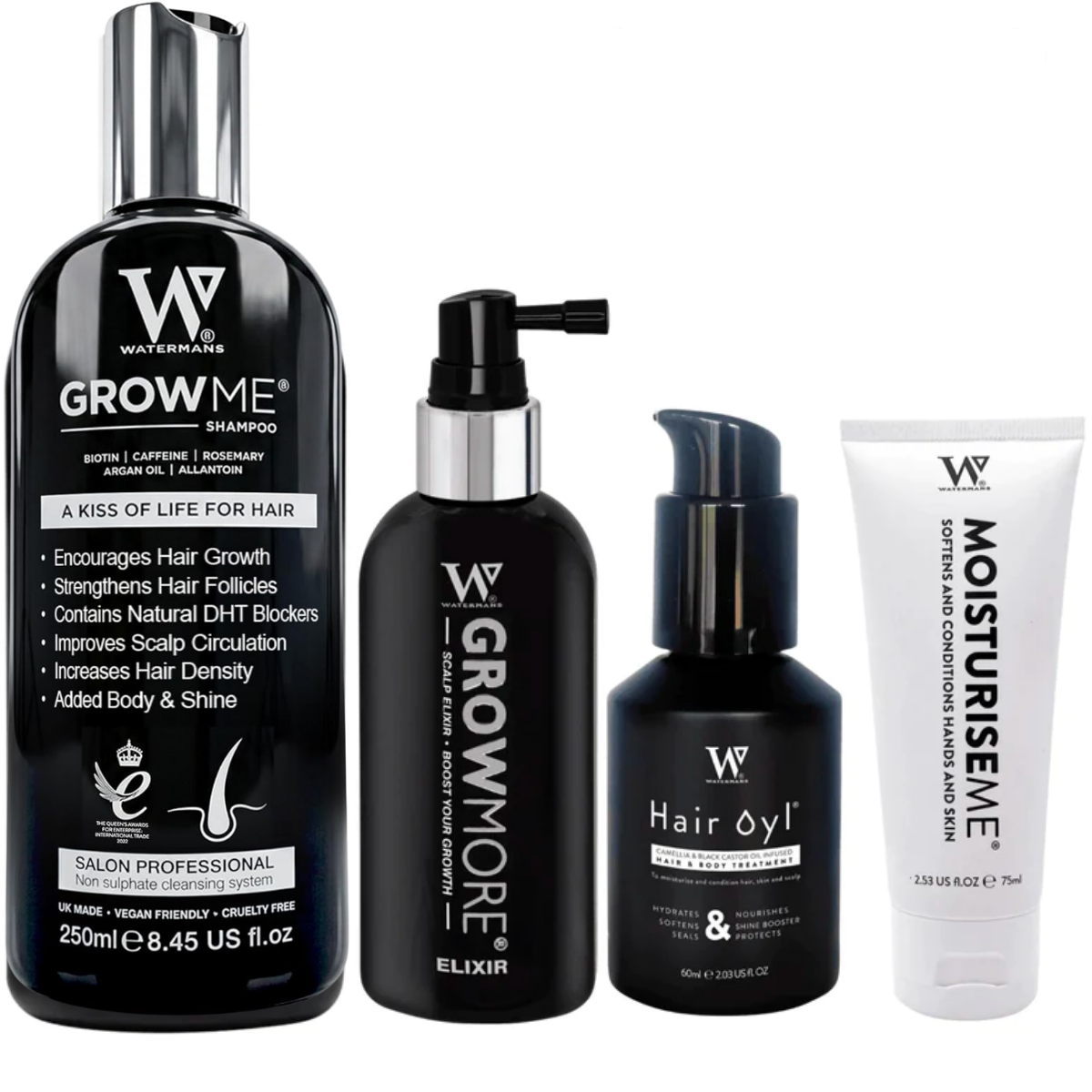
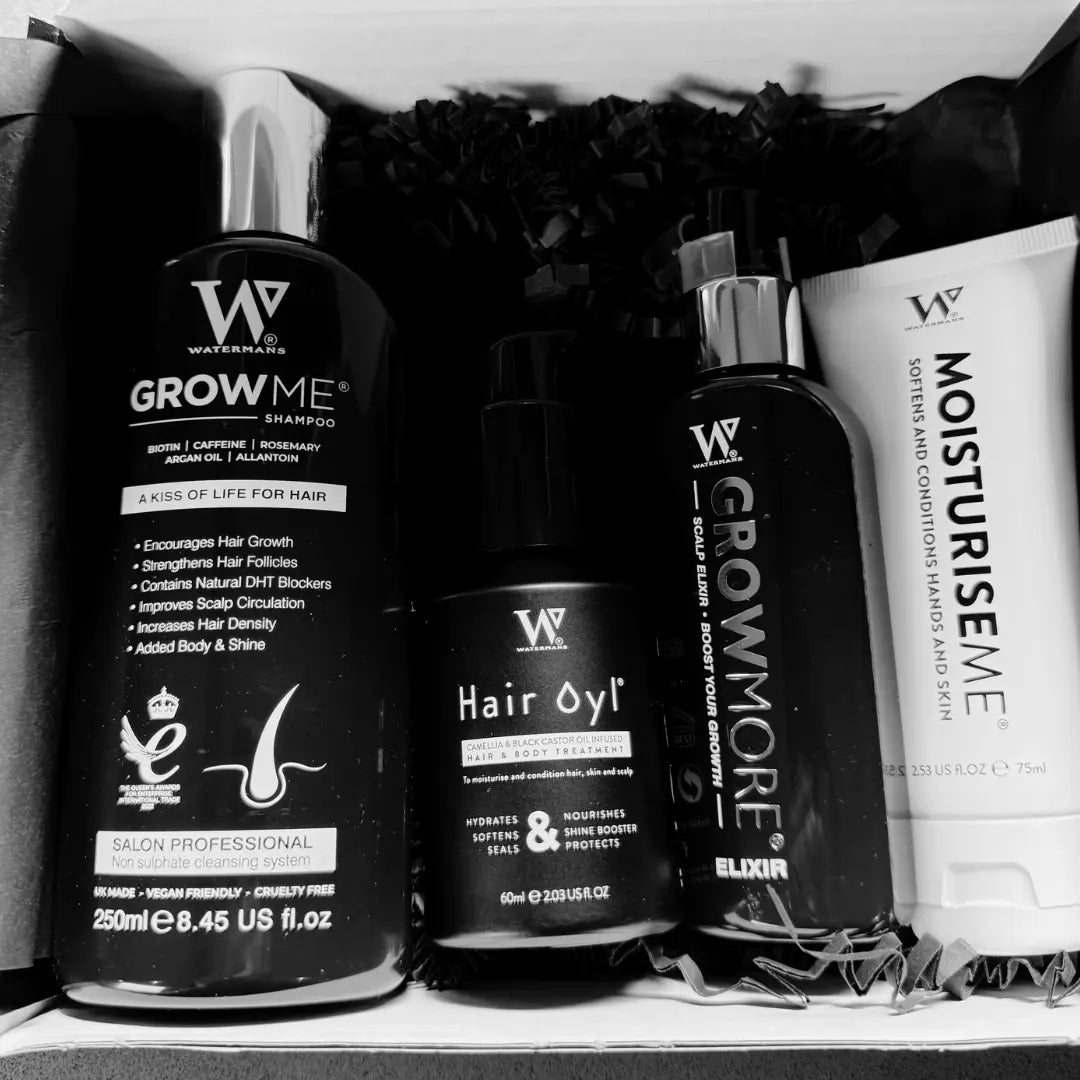
Moisturise Me® Face and Hand Cream, £15.00
A rich butter based cream with cupuaçu, shea and cocoa butters, almond oil and allantoin. This is a genuinely occlusive texture, which is exactly what dry hands, cuticles and rough patches want.
Honest scope, since this article is about oily skin: this is not the texture we would recommend on an oily face. If your face is shiny by mid morning, use a gel or gel cream there and save this for hands and dry areas. It is a moisturiser, not a treatment for any skin condition.
Do hair products cause breakouts along the hairline?
They can, and it has a name: pomade acne, meaning small persistent bumps along the hairline, temples and forehead caused by heavy styling products migrating onto the skin. It is easy to miss because the spots appear on the face while the cause is sitting in your hair, so people treat the forehead harder and harder while the source keeps reapplying itself every morning.
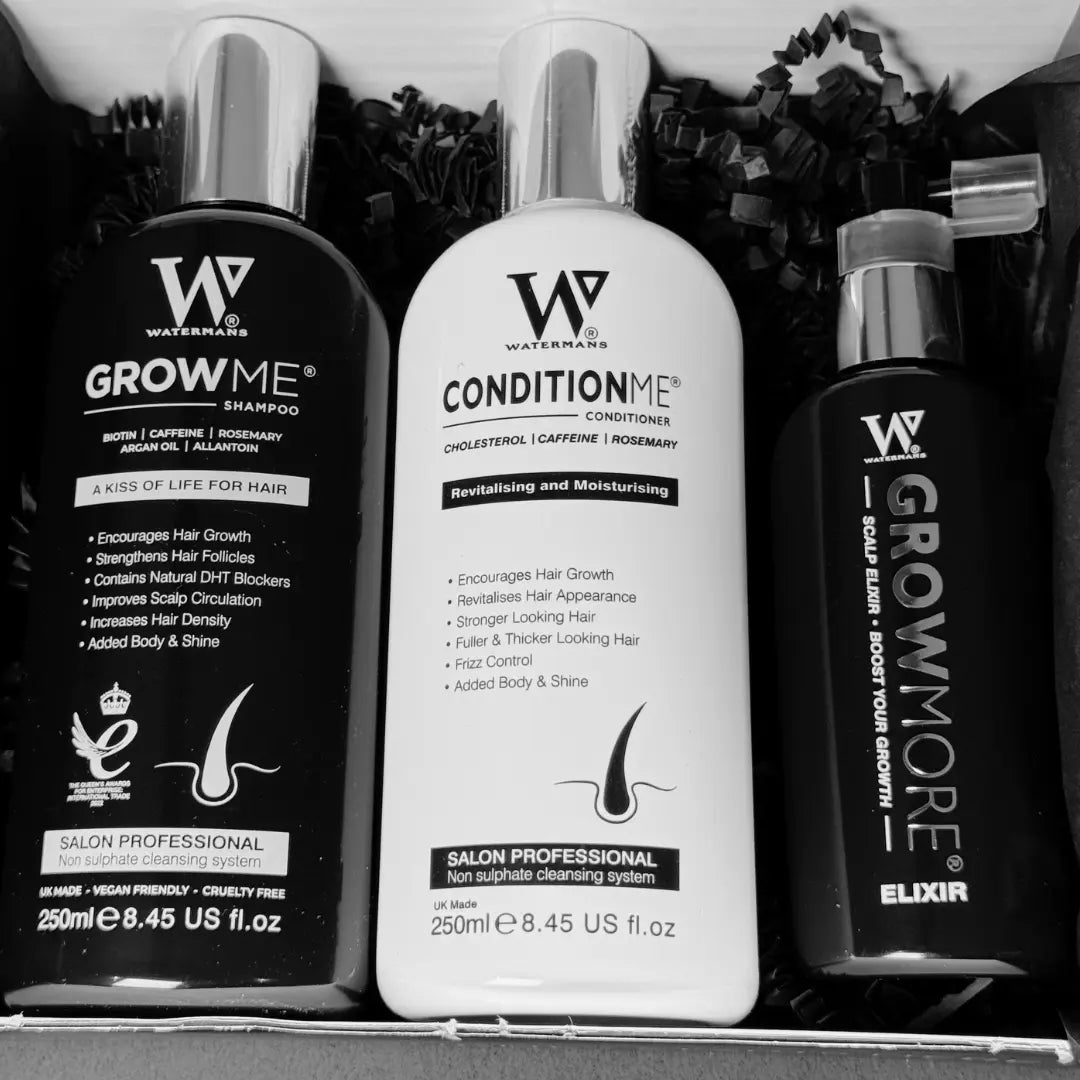
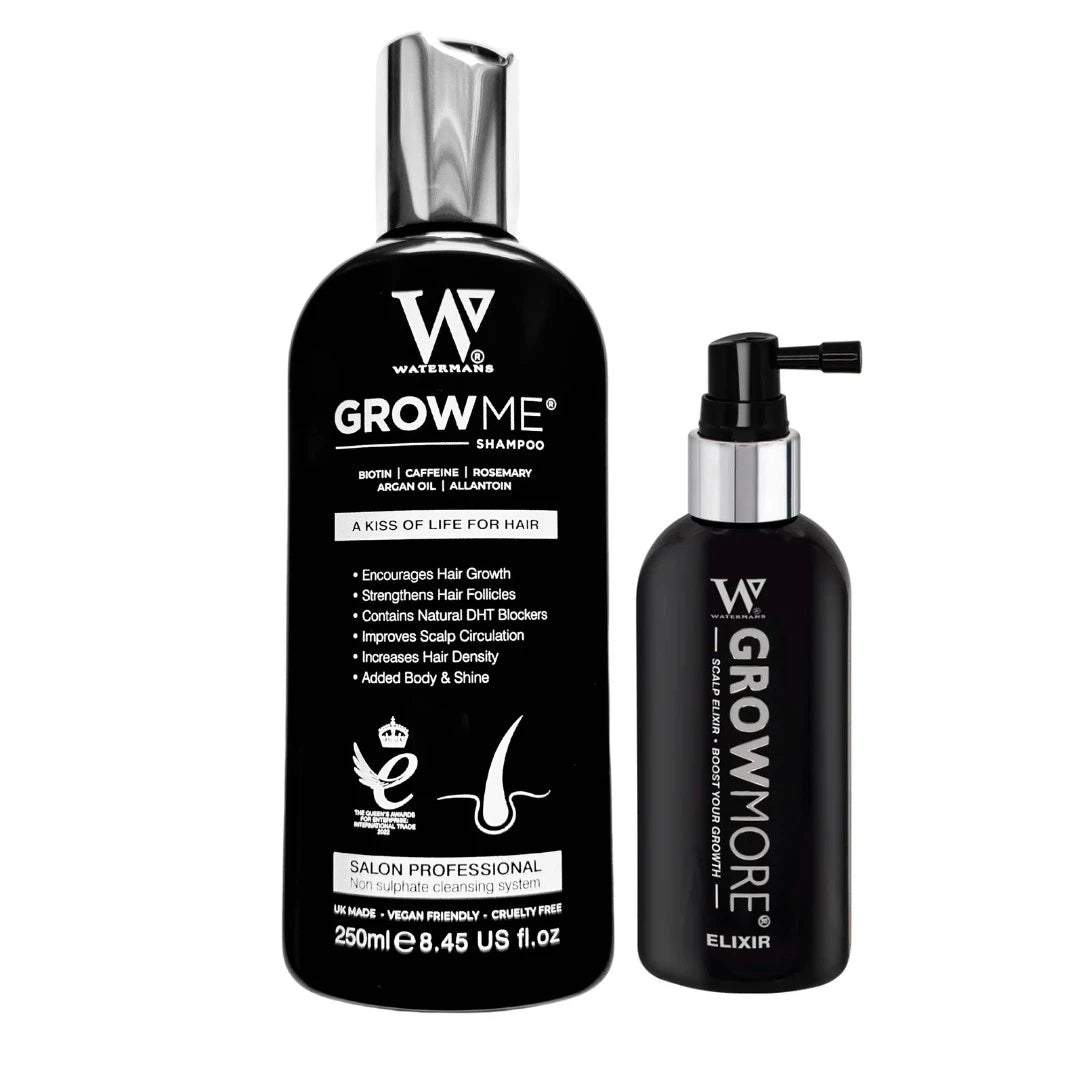
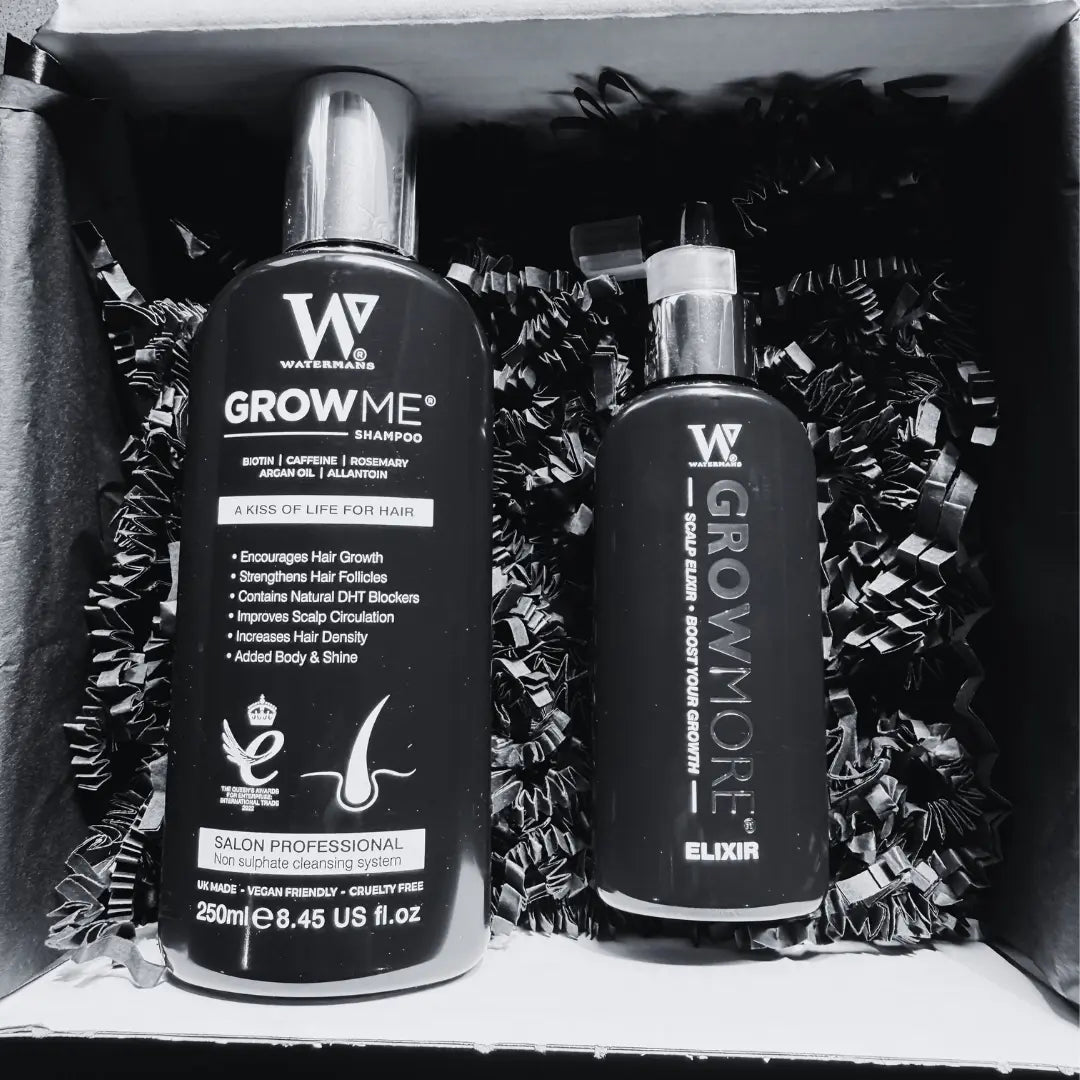
The fix is placement and rinsing rather than a stronger face wash. Keep waxes, pomades, oils and dry shampoo off the first centimetre of the hairline, apply styling product to mid lengths, wash the hairline properly on wash days, and tie hair back at night. A shampoo that rinses clean without stripping helps, because an oily scalp usually needs frequent washing and a harsh formula makes that uncomfortable.

Grow Me® Hair Growth Shampoo, £14.95
Sulfate free, with niacinamide, caffeine and rosemary. Gentle enough for the frequent washing an oily scalp needs, and it rinses clean, which is what matters when product residue at the hairline is part of your breakout pattern.
What it is not: an acne treatment or a face product. If your spots are inflamed, painful or scarring, that is a GP or pharmacist conversation, not a shampoo one.

Frequently asked questions
What is the best type of moisturiser for oily skin?
A gel cream is the best all round choice, because it delivers humectants like glycerin and hyaluronic acid with just enough emollient to feel comfortable. A pure gel suits very oily skin and hot weather, and a light fluid works best under makeup. Avoid butter and balm textures on the face.
Can I skip moisturiser and just use sunscreen?
Many modern sunscreens contain humectants and emollients and are perfectly adequate as a single morning step for oily skin. It is a legitimate simplification, not a shortcut. Keep a light moisturiser for the evening, and add one back in the morning if your skin feels tight.
Is mineral or chemical sunscreen better for oily skin?
Neither, as a rule. What decides the feel is the base the filters sit in, not the filters themselves, and both types come in light fluids and heavy creams. Choose by texture words on the packaging, such as fluid, gel or matte, and by how it feels after four hours on your own face.
Does sunscreen cause acne?
Sunscreen itself rarely causes acne, but a heavy formula can contribute to congestion, and inadequate cleansing at the end of the day is a bigger factor. Switch to a fluid or gel texture and cleanse properly in the evening before concluding you cannot wear SPF.
How much sunscreen should I use on my face?
Roughly a quarter to a third of a teaspoon, or two finger lengths squeezed out, applied to face and neck. Most people use around a quarter of that and get well below the stated SPF. Applying enough of a light formula beats applying a little of a high number.
Does "non comedogenic" mean it will not cause spots?
No. The term has no standardised legal definition and no agreed test to pass, so it reflects the brand's own assessment. It is a reasonable hint that a formula was designed to be light, and no substitute for trialling it on your own skin for two to three weeks.
Why does my makeup slide off by lunchtime?
Sebum breaks down base makeup through the day, so the fix is managing the surface rather than adding more product. A mattifying primer or SPF, thinner base layers, setting powder on the T zone, and blotting paper rather than reapplying foundation over shine.
Can an oily scalp affect my face?
Yes. The scalp is dense with sebaceous glands, and oil plus styling product migrates onto the forehead, hairline and upper back, especially overnight. Washing hair often enough, keeping product off the hairline and tying hair back at night all help more than a stronger facial cleanser.
Where to start
Buy one gel cream moisturiser and one fluid or matte sunscreen, use both every day for three weeks, and change nothing else. That is enough to tell whether texture was your problem all along, which for most people who think they cannot wear moisturiser or SPF, it was. Then add one active, from the evidence in how to control oily skin.
Watermans is a founder led British brand with over 5 million bottles sold since 2012, vegan, cruelty free and made in the UK. Our range covers hair and the scalp side of an oily complexion, and we would rather tell you which of our own products is the wrong texture for your face than sell you the wrong one.
Last updated: August 2026. General information about cosmetic skincare, not medical advice. Speak to a GP or pharmacist about persistent, painful or scarring acne.