

Budget Skincare Actives: What Works and What Is Worth Paying For
Most skincare actives are commodity ingredients, so a 6 pound version and a 60 pound version usually contain the same molecule at a similar strength. Niacinamide, glycerin, salicylic acid and hyaluronic acid all perform the same regardless of what you paid. There are two genuine exceptions where cheap versions can be worse, and they are vitamin C and retinol, both of which depend on formulation and packaging rather than the ingredient itself. This guide explains what each active does, what to look for on the label, and the order to put them on.
Last updated: August 2026
Key takeaways
- Hyaluronic acid pulls water into the outer layer, so it needs a moisturiser applied over it. On its own in dry air it can make skin feel tighter, not softer.
- Pure L-ascorbic acid vitamin C oxidises in light and air. If your serum has turned dark orange or brown, it has degraded. Opaque, airtight packaging is the thing worth paying for.
- Retinol works, and it is the only cosmetic active with a large body of evidence for fine lines and texture. Results take 12 weeks or more, and starting slowly matters more than starting strong.
- Niacinamide at 4 to 5 percent is well evidenced and unusually well tolerated. Higher percentages are marketing, and above 10 percent it more often causes flushing.
- Retinoids and acids make skin more sun sensitive, so daily sunscreen stops being optional the moment you start using them.
- Applying more actives is not better. Three well-chosen ones used consistently beat seven used sporadically.

What do the five main skincare actives actually do?
Almost every serum on a supermarket shelf is built around one of five ingredients. Knowing what each one is for lets you skip the ones that do not address your problem, which is where most of the wasted money goes. Here is the honest summary before we go into each in detail.
| Active | What it genuinely does | Look for | Cheap version fine? |
|---|---|---|---|
| Hyaluronic acid | Binds water in the outer layer, so skin looks plumper and smoother for a few hours | Multiple molecular weights, and glycerin alongside it | Yes, entirely |
| Niacinamide | Improves barrier function, the look of redness, uneven tone and visible oiliness | 4 to 5 percent, high on the list | Yes, entirely |
| Ceramides | Replace lipids the barrier is missing, reducing water loss and sensitivity | Ceramide NP, AP or EOP, plus cholesterol | Yes, entirely |
| Vitamin C | Antioxidant, supports collagen production, evens tone over months | Opaque airtight packaging above all else | Only with the right packaging |
| Retinol | Speeds cell turnover, improves fine lines and texture with sustained use | A stated percentage and opaque packaging | Often yes, if the strength is stated |
Does hyaluronic acid actually hydrate skin?
Hyaluronic acid is a humectant, which means it binds water and holds it in the outer layer of the skin. Applied to damp skin and sealed with a moisturiser, it makes the surface look plumper and smoother, and fine lines less visible. That effect is real, cosmetic and temporary, lasting hours rather than days.
The part that is rarely explained is what happens when you use it wrong. A humectant draws water from wherever it can get it, including from deeper in your own skin, and in a dry environment with nothing sealing it in, that water then evaporates. This is why people report that hyaluronic acid serum makes their skin feel tighter, particularly in winter or on a plane. It is not a faulty product. Apply it to damp skin and put a moisturiser on top, always.
Different molecular weights sit at different depths, which is the one meaningful formulation difference. A serum listing sodium hyaluronate alongside hyaluronic acid, or naming multiple weights, is doing something more considered than one listing a single form. It is still not worth 40 pounds.

Is a cheap vitamin C serum worth buying?
Vitamin C is the first of the two exceptions, and the problem is not the ingredient but its stability. Pure L-ascorbic acid, the best-studied form, oxidises rapidly when exposed to light, air and heat. Once oxidised it stops working, and it can turn into compounds that irritate skin. Packaging genuinely matters here in a way it does not for niacinamide.
The colour test: a fresh L-ascorbic acid serum is clear or very pale straw. If yours has turned deep yellow, orange or brown, it has oxidised and should be replaced. A clear glass bottle with an open dropper is the worst possible packaging for it, however good the formula started out.
If you want the cheap route to work, there are two sensible options. Buy a small bottle of L-ascorbic acid in opaque, airtight packaging and use it within a couple of months. Or choose a more stable derivative such as sodium ascorbyl phosphate, magnesium ascorbyl phosphate or ascorbyl glucoside, which survive far better in ordinary packaging at the cost of being somewhat less potent. For most people on a budget the derivative used consistently beats the pure form left oxidising on a windowsill.
Does supermarket retinol actually work?
Retinol is the second exception, and it is also the cosmetic active with the strongest evidence behind it. Retinoids increase cell turnover and influence collagen production, and their effects on fine lines, texture and uneven tone are better documented than any other over-the-counter ingredient. A supermarket retinol that states its percentage and comes in opaque packaging can be perfectly effective.
What goes wrong is almost always how it is used rather than what was bought. Retinol is not a product you can rush.
- Start twice a week, at night only. Build to alternate nights over a month or two, and only then consider nightly.
- Use a pea-sized amount for the whole face. More does not work faster, it just causes peeling.
- Apply to completely dry skin. Damp skin increases absorption and irritation.
- Buffer if you need to. Moisturiser before, or mixed with, the retinol reduces irritation without eliminating the effect.
- Expect 12 weeks before you judge it. Turnover changes take that long to show as visible texture change, and most people quit at week three.
- Wear sunscreen daily. Retinoids increase sun sensitivity, and skipping this undoes the point of using them.
Two cautions worth stating plainly. Retinoids are not recommended during pregnancy or breastfeeding, and that includes cosmetic retinol, so speak to your midwife or GP. And do not layer retinol with strong exfoliating acids on the same night when you are starting out, because that combination is the fastest route to a damaged barrier.

Why is niacinamide the best value active on the shelf?
Niacinamide is a form of vitamin B3, and it is the closest thing skincare has to a safe default. It supports the skin barrier, improves the appearance of redness and uneven tone, and reduces how oily skin looks. It is water soluble, stable in ordinary packaging, cheap to formulate with, and tolerated by most people including many with sensitive skin.
The useful concentration is around 4 to 5 percent, which is what most of the published work has used. Products advertising 10 percent or 20 percent are competing on a number rather than on evidence, and at higher concentrations flushing and irritation become more common. If a moisturiser you already like lists niacinamide high in its ingredients, you may not need a separate serum at all.
Niacinamide also turns up in hair care for related reasons, since the scalp is skin with the same barrier requirements. We cover that side of it in niacinamide for hair.

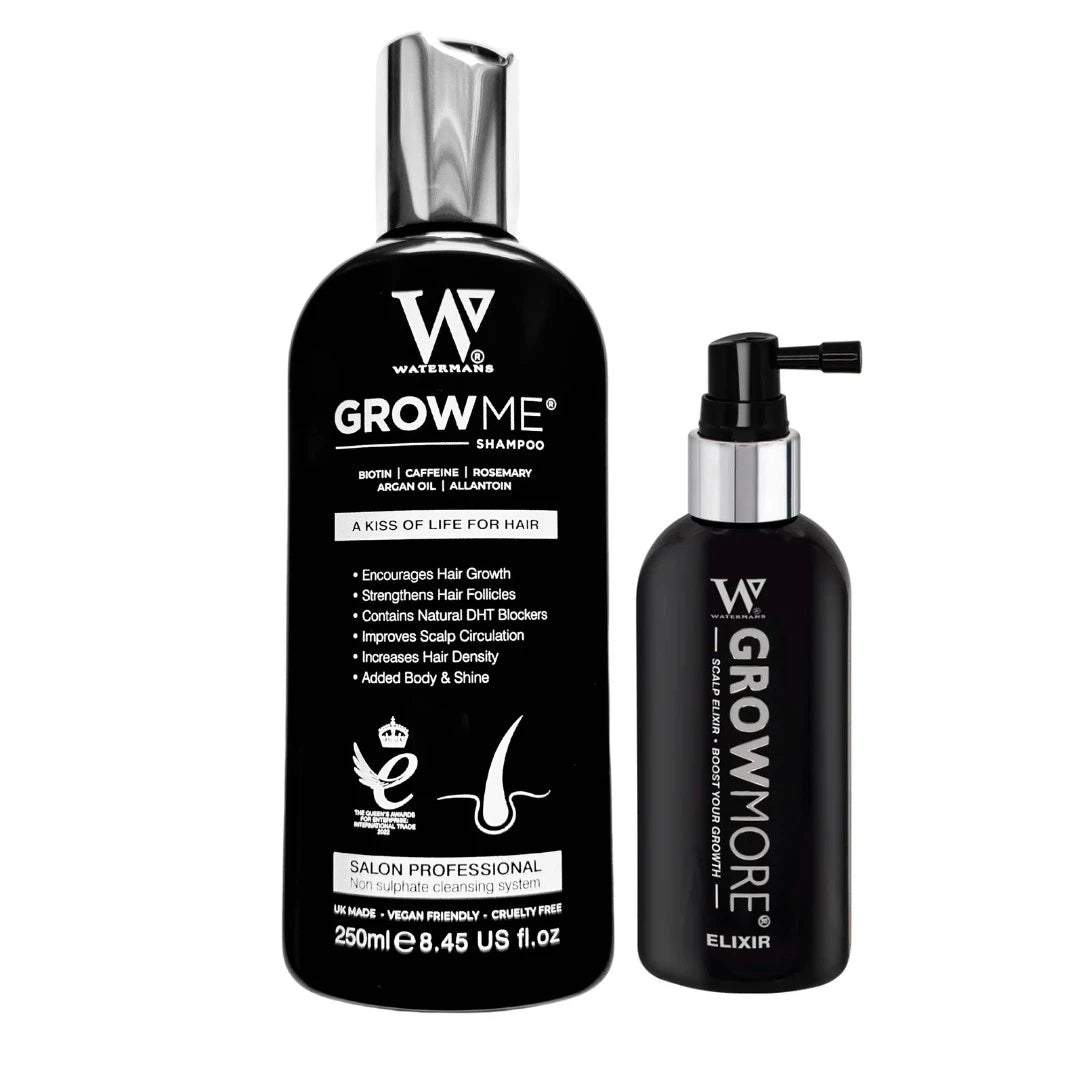
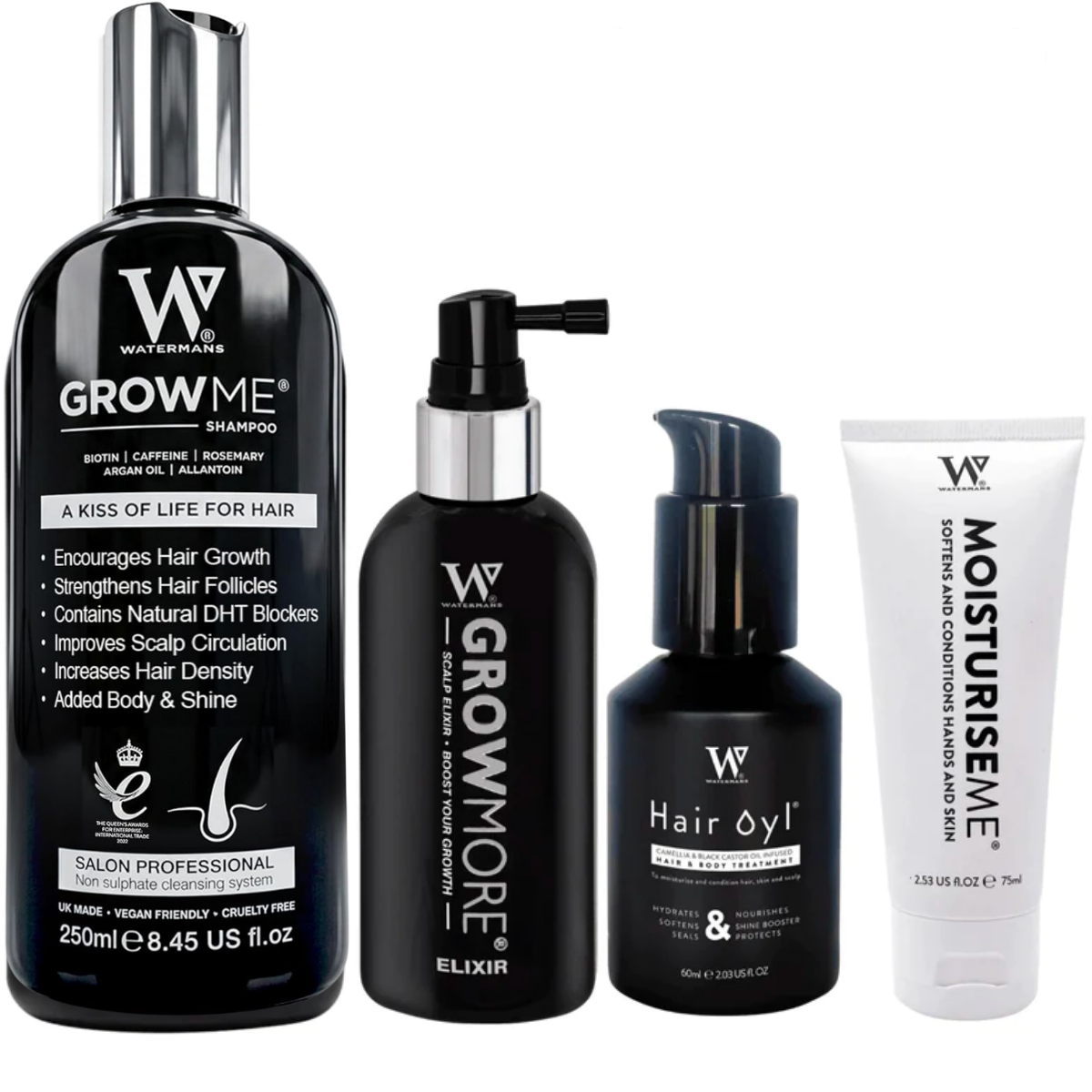
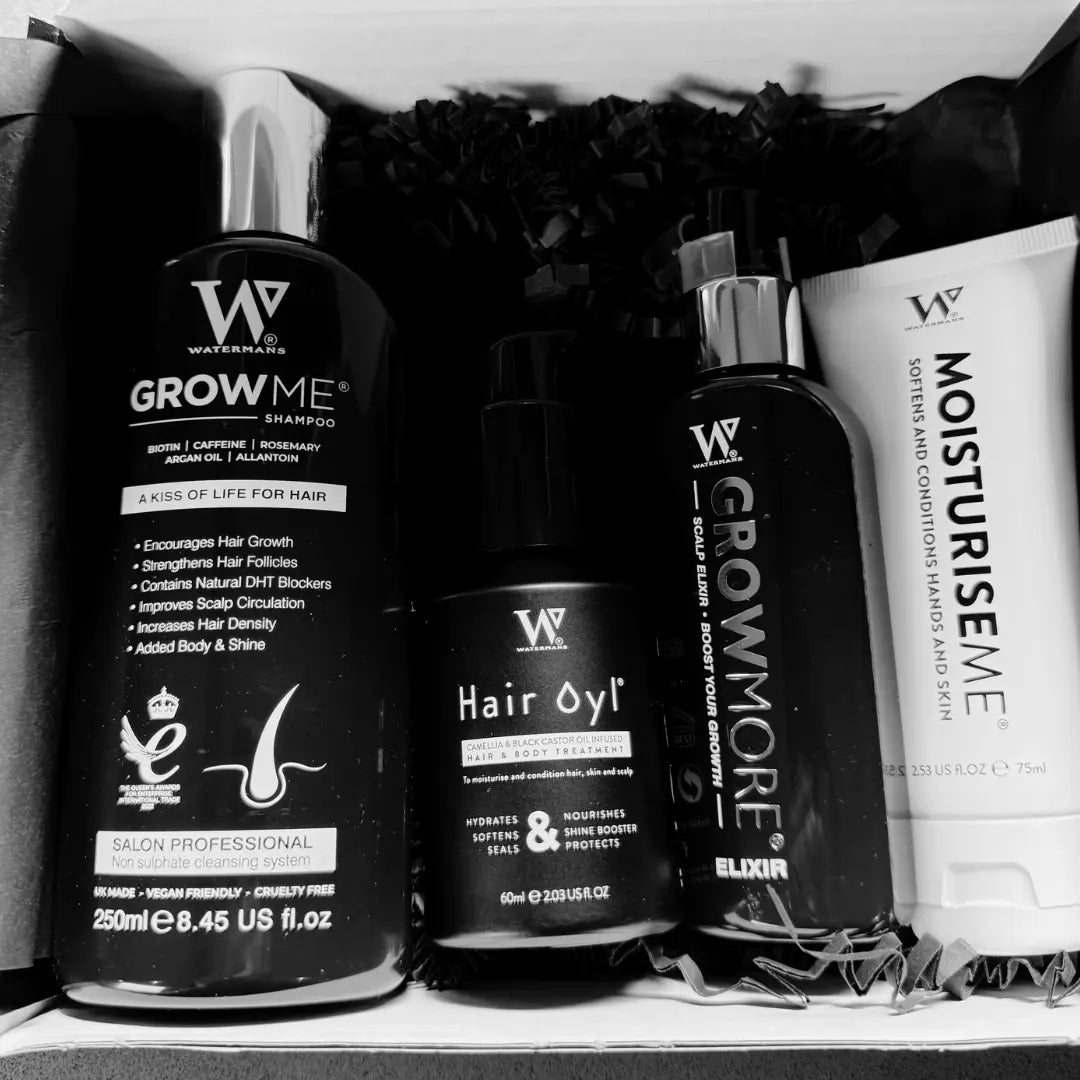
Grow Me Hair Growth Shampoo, GBP 14.95
Included here for one reason: it is the same niacinamide, working on the scalp instead of the face. A sulphate-free shampoo with niacinamide, biotin, caffeine and rosemary that cleanses without stripping and helps reduce breakage for fuller-looking hair. This is hair care, not facial skincare, and it is not a treatment for any skin or hair loss condition.
Vegan, UK-made, from a range that has sold over 5 million bottles since 2012.
What are ceramides, and does everyone need them?
Ceramides are lipids that make up a large share of the mortar holding skin cells together. When they are depleted, water escapes and irritants get in more easily, which is the physical basis of a compromised barrier. Applying them supplies the missing material directly, which is why a ceramide moisturiser often calms reactive skin faster than anything marketed as soothing.
Not everyone needs a dedicated ceramide product. If your skin is comfortable, a normal moisturiser is fine. Ceramides earn their place when skin is dry, tight, flaky, easily irritated, or recovering from over-exfoliation or a course of retinol. They also work better alongside cholesterol and fatty acids than alone, so a formula listing all three is doing more than one listing ceramides only.
This is the same barrier logic that applies to dry skin generally, covered in how to care for dry skin in winter.
What order should you apply skincare actives in?
The general rule is thinnest to thickest, water-based before oil-based, with sunscreen last in the morning. That covers almost every situation and is more useful than any elaborate ten-step diagram. The second rule is that active order matters less than most people fear, and consistency matters more.
| Step | Morning | Evening |
|---|---|---|
| 1 | Water rinse or gentle cleanser | Cleanser |
| 2 | Vitamin C or niacinamide serum | Retinol on dry skin, on its scheduled nights |
| 3 | Hyaluronic acid on damp skin | Hyaluronic acid on non-retinol nights |
| 4 | Moisturiser | Moisturiser, richer if needed |
| 5 | Sunscreen, always last | Nothing further needed |
Combinations to be careful with: retinol plus strong AHA or BHA acids on the same night, especially in the first few months. Benzoyl peroxide applied at the same time as certain retinoids, which can deactivate them, so use them at different times of day. And more than one strong exfoliant at once, which is the single most common cause of a wrecked barrier.

How do you tell if an active is present in a useful amount?
Cosmetic ingredients are listed in descending order of concentration down to 1 percent, after which they can appear in any order. That single rule lets you sanity check almost any claim on the front of a bottle in about ten seconds.
- Find the preservatives, usually phenoxyethanol, sodium benzoate or benzyl alcohol. They are typically used below 1 percent.
- Anything listed after them is present in a small amount. If the hero active sits below the preservatives, the marketing is ahead of the formula.
- Check for a stated percentage. Brands confident in their concentration usually print it. Silence is not proof of weakness, but a number is useful information.
- Ignore long botanical lists at the bottom. Fifteen plant extracts in the last five entries are a decorative flourish, not a formula.
- Check the packaging for anything light sensitive. Vitamin C and retinol in clear glass with an open dropper will degrade regardless of what the label promises.
So what should you actually buy?
A genuinely effective budget routine is four products, and none of them need to be expensive. A gentle cleanser, a moisturiser suited to your skin type, a sunscreen you like enough to wear daily, and one active chosen for your actual concern. That is it. Adding a fifth and sixth serum is where budgets go and results do not follow.
If you are unsure which concern you are treating, start by establishing your skin type properly, because buying actives for the wrong type is the most expensive mistake in this aisle. Our companion guide covers how to buy supermarket skincare for your actual skin type, including the 30 minute bare-skin test and the label claims worth ignoring. For the from-the-inside question, see what diet genuinely does for skin.
An honest note. Watermans is a hair care company, not a skincare brand, so almost every product recommended above is one we do not sell. Where the two genuinely overlap is the scalp, which is skin, and ingredients such as niacinamide that work in both places. If that is your concern, start with Grow Me shampoo or read our scalp health guide.
Cosmetic information only. Retinoids are not recommended in pregnancy or breastfeeding. For persistent acne, rosacea or eczema, see your GP or pharmacist.
Frequently asked questions about budget skincare actives
Is cheap hyaluronic acid as good as expensive hyaluronic acid?
Yes, for practical purposes. Hyaluronic acid is a stable, inexpensive commodity ingredient. The only meaningful formulation difference is whether a serum uses multiple molecular weights, which sit at different depths. Applying it to damp skin and sealing with moisturiser matters far more than price.
Why does my hyaluronic acid serum make my skin feel tight?
Because humectants draw water from wherever they can, including from deeper in your own skin, and without a moisturiser sealing it in that water evaporates. This happens most in dry air and in winter. Apply to damp skin and always follow with a moisturiser.
How do I know if my vitamin C serum has gone off?
Check the colour. A fresh L-ascorbic acid serum is clear or pale straw. Deep yellow, orange or brown means it has oxidised and stopped working. Clear glass bottles with open droppers accelerate this, which is why opaque airtight packaging is worth paying for.
How long does retinol take to work?
Expect at least 12 weeks before judging results, because changes in cell turnover take that long to show as visible texture improvement. Most people abandon retinol around week three, during the irritation phase and before any benefit appears.
What percentage of niacinamide should I look for?
Around 4 to 5 percent, which is the range most published research has used. Products advertising 10 or 20 percent are competing on a number rather than evidence, and higher concentrations more often cause flushing and irritation without added benefit.
Can I use retinol and vitamin C together?
Yes, but separate them by time of day rather than layering them. Vitamin C in the morning under sunscreen, retinol at night on dry skin. Using both at once increases irritation for many people without improving results.
Do I need ceramides if my skin is not dry?
No. Ceramides earn their place when skin is dry, tight, flaky, easily irritated, or recovering from over-exfoliation or retinol. If your skin is comfortable in an ordinary moisturiser, a dedicated ceramide product adds cost without addressing a problem.
Is retinol safe during pregnancy?
Retinoids are not recommended during pregnancy or breastfeeding, and that guidance includes cosmetic retinol as a precaution. Speak to your midwife or GP about what to use instead. Niacinamide and hyaluronic acid are commonly suggested alternatives.