


Supermarket Skincare: How to Buy for Your Actual Skin Type
Supermarket skincare is not a compromise, and the price on the box tells you almost nothing about whether a product suits you. The thing that actually decides whether a routine works is matching it to your real skin type, and most people get that wrong because they diagnose themselves from how their skin feels after washing with a stripping cleanser. This guide gives you a reliable way to work out your type, tells you exactly what each type should look for on a supermarket shelf, and clears up the label claims that are designed to worry you.
Last updated: August 2026
Key takeaways
- Wash your face with a mild cleanser, apply nothing at all, and check it 30 minutes later. That is your real skin type, not the one you get after a foaming wash.
- Oily and dehydrated are different things. Oil is lipid, dehydration is water, and skin can be both at once. Most "combination skin" is one of these being misread.
- Parabens are among the most studied preservatives in cosmetics and are permitted in the UK within strict concentration limits. "Paraben free" is a marketing position, not a safety upgrade.
- "Dermatologically tested" has no legal definition and does not tell you what the test was or what the result showed.
- The scalp is skin and usually behaves like the skin on your face, so an oily face and a greasy scalp are typically the same underlying picture.
- Sunscreen is the only product with strong, consistent evidence for preventing visible skin ageing, and supermarket versions meet the same standards as expensive ones.

How do you work out your actual skin type?
The bare-skin test is the only method that gives a reliable answer, and it takes half an hour. Wash your face with a mild, non-foaming cleanser in lukewarm water, pat dry, and then apply absolutely nothing. No toner, no serum, no moisturiser. Leave it for 30 minutes and then look in good daylight and touch your face.
| What you find after 30 minutes | Your skin type | What it needs most |
|---|---|---|
| Comfortable, no shine, no tightness | Normal or balanced | A light moisturiser and daily sunscreen. Do not overcomplicate it. |
| Shine across forehead, nose and chin | Oily | A gel or lotion moisturiser, gentle cleansing, and no stripping. |
| Tight, rough or visibly flaking | Dry | A richer cream with ceramides or butters, and a cream cleanser. |
| Shiny T-zone but tight, flaky cheeks | Genuine combination | Two textures, or one lotion plus a richer cream on the cheeks only. |
| Shiny and tight in the same places | Oily and dehydrated | Stop stripping it. This is nearly always a routine problem, not a skin type. |
| Stinging, warmth or blotchy redness | Sensitive or reactive | Short ingredient lists, no fragrance, and one new product at a time. |

Why do so many people think they have combination skin?
Genuine combination skin exists, but it is diagnosed far more often than it occurs, because two other things get mistaken for it. The first is normal facial anatomy: the forehead, nose and chin simply carry more sebaceous glands than the cheeks do, so a modest difference in shine across the face is what most skin looks like rather than a condition.
The second is the far more common one. Skin that is shiny and tight at the same time is not two skin types sharing a face. It is oily skin that has been over-cleansed, over-exfoliated or treated with alcohol-heavy toners until the barrier is irritated. Oiliness is about lipid production, which is driven by androgens, genetics, age and skin temperature. Dehydration is about water in the outer layer, which is driven by what you do to it. You can have both, and when you do, the cause is almost always the routine.
The two-week reset: if you suspect this is you, strip the routine right back. One gentle cleanser in the evening, water in the morning, one simple moisturiser, and sunscreen. Nothing else for two weeks. A surprising number of "combination" and "sensitive" faces turn out to be normal skin that was being attacked daily.
What should dry skin look for on a supermarket shelf?
Dry skin is short of lipids, which means it loses water quickly and the barrier stops holding together properly. The fix is not more water applied to the surface, it is putting the lipid layer back and then sealing it, which is why a hydrating serum alone often leaves dry skin feeling worse an hour later.
- Ceramides. These are a core component of the skin barrier itself. Look for ceramide NP, ceramide AP or ceramide EOP high on the list.
- Butters and rich emollients. Shea, cocoa and cupuacu butter sit on the surface and slow water loss physically.
- Glycerin. Cheap, extremely well evidenced, and present in almost every good moisturiser. If it is in the top five ingredients, that is a good sign.
- Squalane. A lightweight oil that mimics a lipid the skin already makes.
- A cream or balm cleanser rather than a foaming one. The cleanser causes more dryness than the moisturiser fixes for a lot of people.
Winter makes all of this harder, because indoor heating drops humidity and cold air holds less moisture. Our guide on caring for dry skin in winter covers the seasonal adjustments, and rescuing dry hands deals with the part of the body that suffers most.


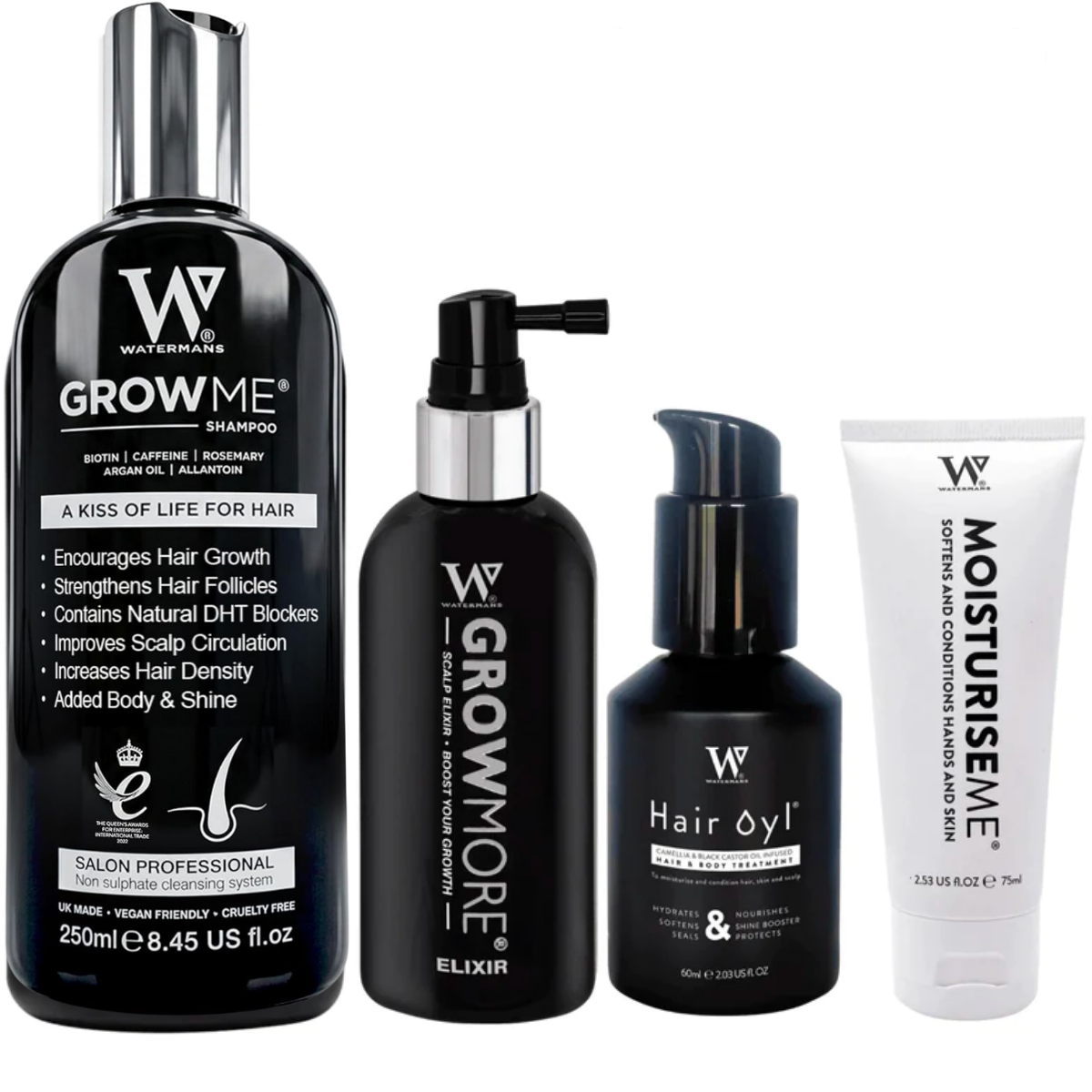
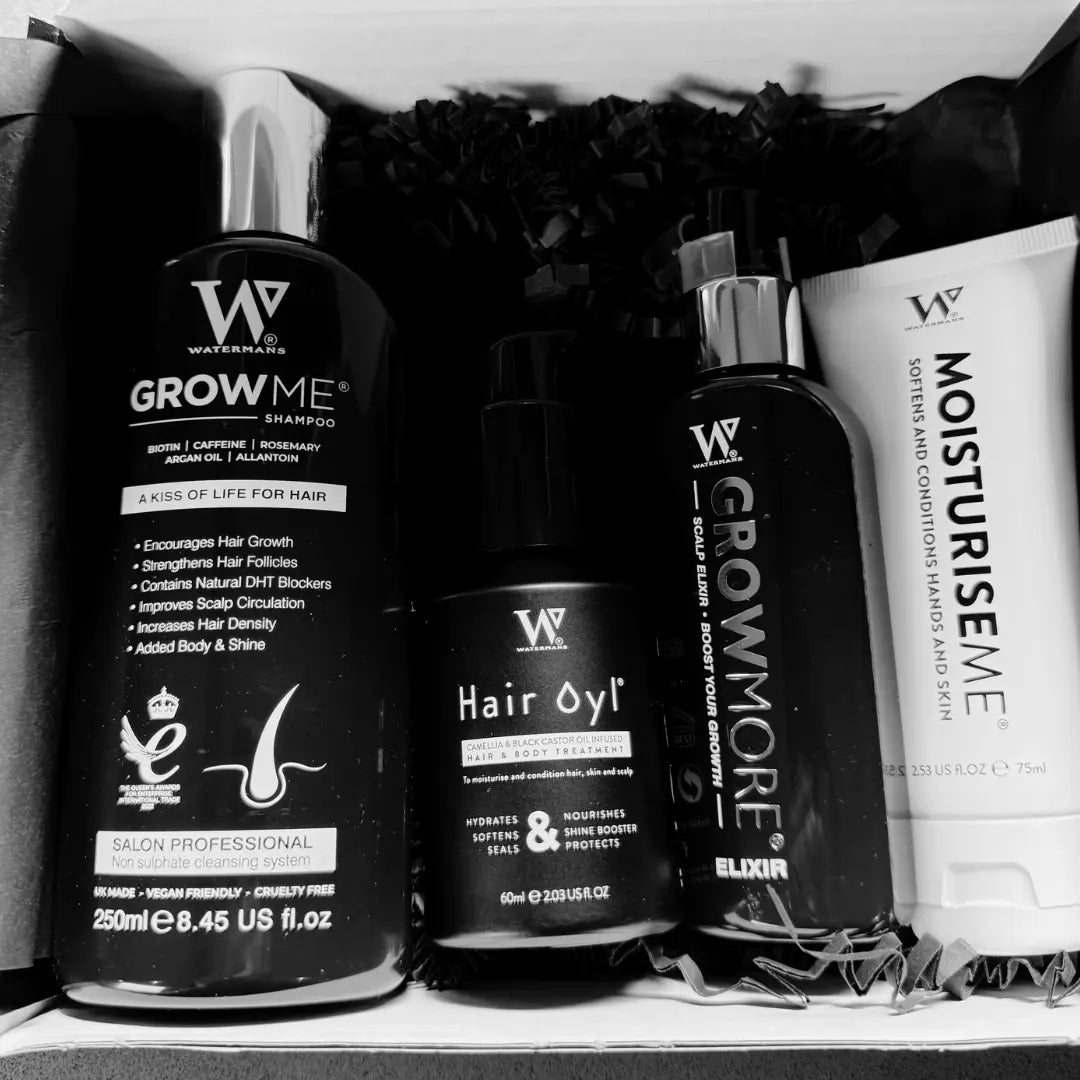
Moisturise Me Face and Hand Cream, GBP 15.00
A rich cream built on cupuacu, shea and cocoa butter with allantoin and almond oil. It is a genuinely good option for dry skin, dry hands and a tight winter face. It is not the right texture for an oily T-zone, which wants a gel or light lotion rather than a butter-based cream.
Vegan and made in the UK.
What should oily and blemish-prone skin look for?
The instinct with oily skin is to attack it, and that is the one approach that reliably makes it worse. Stripping the surface causes irritation and flaking, flaky patches next to shiny ones make oiliness look more dramatic, and the resulting cycle sells a lot of harsh cleanser. Nothing you apply to the surface meaningfully changes how much sebum a gland produces.
- Salicylic acid. Oil soluble, so it can get inside the pore rather than just working on the surface. Supermarket versions at 0.5 to 2 percent are the same active as expensive ones.
- Niacinamide. Well evidenced for the appearance of oiliness, redness and uneven tone. It is also unusually well tolerated.
- A gel or lotion moisturiser. Skipping moisturiser entirely is the most common oily-skin mistake, and it drives the irritation cycle described above.
- A gentle cleanser. If your face feels squeaky, the cleanser is too strong.
Benzoyl peroxide and adapalene are also available over the counter in the UK and are considerably better evidenced for acne than most cosmetic products. They belong to a different category from the skincare in this guide. Persistent, painful or scarring acne is a reason to see a GP or pharmacist rather than to keep buying, because prescription options exist and work.
What does sensitive skin actually mean?
Sensitive skin is not a single condition. It is a description covering several different situations: a genuinely impaired barrier, an allergic contact reaction to a specific ingredient, an underlying condition such as rosacea or eczema, or simply skin that has been irritated by an aggressive routine. Those need different responses, and the shelf cannot tell them apart.
What helps across all of them is reducing variables. Short ingredient lists, fragrance-free formulas, and introducing one new product at a time with a week between each so you can identify what caused a reaction. Fragrance, including natural essential oils, is the most common culprit in cosmetic contact allergy, and "unscented" is not the same as "fragrance free", because a masking fragrance may be present to cover a base smell.
Persistent redness across the central face with visible small vessels, or itchy scaling in the folds of the nose and brows, are patterns worth showing a GP rather than treating with more products. The same scaling pattern on the scalp is seborrheic dermatitis, covered in our guide to treating a flaky scalp.
Are parabens, sulphates and "chemicals" in supermarket skincare dangerous?
This is where the original advice most people are given goes wrong. Parabens are among the most extensively studied preservatives in cosmetics, and the ones still permitted in the UK are allowed within strict concentration limits set by regulators after safety review. Removing them means using an alternative preservative system, and an under-preserved cream growing bacteria is a genuine risk that nobody markets against.
| Label claim | What it actually means |
|---|---|
| Paraben free | A different preservative is being used instead. Not a safety upgrade. |
| Sulphate free | Relevant to shampoo and cleansers, largely meaningless on a moisturiser, which contains no sulphates anyway. |
| Chemical free | Nothing. Water is a chemical. The phrase has no meaning. |
| Natural | No legal definition in UK cosmetics. Natural does not mean gentler, and essential oils are a leading cause of contact allergy. |
| Hypoallergenic | No agreed standard. It signals intent rather than a tested outcome. |
| Non-comedogenic | No regulated test and no certifying body. The brand decides. |
What does "dermatologically tested" actually tell you?
Less than you would hope. "Dermatologically tested" has no legal definition and no minimum standard. It confirms that some form of testing involving a dermatologist took place. It does not tell you how many people were tested, what the test measured, or what the result was, and a product that performed poorly can still carry the phrase truthfully.
It is not a reason to distrust a product, and reputable manufacturers do run proper irritation testing. It is simply not evidence you can compare between two products, so do not pay extra for it. The ingredients list tells you more than any front-of-pack claim, which is the theme running through this whole guide.

Your scalp is skin, and it usually matches your face
This is the part almost every skincare guide leaves out, and it is the most useful crossover in this article. The scalp is skin with a very high density of hair follicles and sebaceous glands. The same factors that make a face oily make a scalp greasy, and the same tendency to dryness or reactivity shows up there too, so your face gives you a fair prediction of what your scalp needs.
- Oily face, greasy scalp. Wash more often, not more harshly. Frequency is not the problem, aggression is.
- Dry, tight face and a flaking scalp. Check whether the flaking is dry and fine (usually dryness) or greasy, yellowish and clustered around the hairline and brows (usually seborrheic dermatitis, which needs different treatment entirely).
- Reactive face, itchy scalp. Fragrance in shampoo is a common and easily missed trigger, and it stays on the scalp longer than most people think.
- Acne along the hairline, temples and back. This is very often product migration from hair care rather than a face problem. Rinse conditioner with your head tipped back.
If your scalp is the part that is bothering you, our guide to keeping your scalp healthy covers the routine, and why hair products can cause itching covers reactions to hair care specifically.
What is genuinely worth spending more on?
Very little, in the supermarket aisle. Formulation quality does vary, and texture, stability and how pleasant something feels genuinely improve with price. But the actives themselves are commodity ingredients, and salicylic acid is salicylic acid whether it costs 4 pounds or 40. The one place price does buy something is a product you will actually use daily, because a routine you abandon has zero effect at any price.
The exception worth taking seriously is sunscreen. It is the only product with strong, consistent evidence behind preventing visible skin ageing, it is regulated to a defined SPF standard, and supermarket versions meet the same standard as luxury ones. In the UK the practical window is roughly April to September, especially between 11am and 3pm when the UV index is 3 or above. Buy one you like the texture of, because that determines whether you wear it.
For the ingredient side of this decision, including what hyaluronic acid, vitamin C and retinol actually do and where the price gap does matter, see our companion guide on budget skincare actives and what is worth paying for. Diet gets asked about constantly too, and we cover the evidence in what actually helps skin from the inside.
An honest note on what we sell. Watermans is a hair care company, not a skincare brand. We make one cream, Moisturise Me, which suits dry skin and dry hands and is deliberately not recommended above for oily skin. Everything else in this guide points at products we do not sell, because that is the honest answer. We have sold over 5 million bottles of hair care since 2012, and that is the part we know.
Cosmetic information only. For persistent acne, rosacea, eczema, or any new or changing mole, see your GP or pharmacist.
Frequently asked questions about supermarket skincare
How do I find out my skin type at home?
Wash your face with a mild cleanser, apply nothing at all, and check it 30 minutes later in daylight. Comfortable means normal, shine across the T-zone means oily, tightness or flaking means dry, and stinging or blotchy redness means reactive skin.
Is supermarket skincare as good as expensive brands?
For actives, generally yes. Salicylic acid, niacinamide and glycerin are commodity ingredients that perform the same regardless of price. Higher prices buy formulation elegance, texture and packaging, which matter for whether you use a product daily but not for what the active does.
Are parabens in skincare dangerous?
Parabens are among the most studied preservatives in cosmetics and the permitted ones are restricted to strict concentration limits in the UK. "Paraben free" means a different preservative is used instead. It is a marketing position rather than a demonstrated safety improvement.
What does "dermatologically tested" mean on a product?
It has no legal definition or minimum standard. It confirms that testing involving a dermatologist happened, but not how many people took part, what was measured, or what the result was. A poorly performing product can carry the phrase truthfully.
Can you have oily and dry skin at the same time?
You can be oily and dehydrated at once, which is different from combination skin. Oiliness is about lipid production driven by hormones and genetics. Dehydration is about water in the outer layer, usually caused by over-cleansing or harsh products, and it responds to a gentler routine.
Does my face skin type predict my scalp type?
Usually yes. The scalp is skin with a high density of sebaceous glands, so an oily face typically comes with a greasy scalp and dry, reactive facial skin often comes with an itchy or flaking one. Greasy yellowish flaking is more likely seborrheic dermatitis than dryness.
Do I need a moisturiser if my skin is oily?
Yes. Skipping moisturiser is the most common oily-skin mistake. Stripping the surface causes irritation and flaking, and flaky patches beside shiny ones make oiliness look worse. Choose a gel or light lotion rather than a butter-based cream.
What is the one product worth buying if I only buy one?
Sunscreen. It is the only product with strong, consistent evidence for preventing visible skin ageing, and supermarket versions meet the same regulated SPF standard as expensive ones. In the UK it matters most from April to September, particularly between 11am and 3pm.