

The Best Moisturiser for Dry Skin: How to Choose One
The best moisturiser for dry skin is not a brand, it is a combination: a humectant to pull water into the skin, an emollient to smooth the surface, and an occlusive to stop that water escaping again. Get all three on the label and you have a good moisturiser, whether it cost four pounds in a supermarket or forty in a department store.
That is genuinely the whole decision. Everything else, the botanical extract on the front, the jar, the name, changes very little about whether your shins stop itching in February. This guide explains what each of the three does, how to spot them in an ingredients list in about twenty seconds, and how to use what you buy so it actually works.
Key takeaways
- Look for three ingredient classes, not a brand: humectant, emollient, occlusive.
- Dry and dehydrated are different. Dry skin lacks oil, dehydrated skin lacks water, and they need different fixes.
- Apply within three minutes of washing, to skin that is still damp. This single habit is free and measurably improves results.
- Winter is worse because cold air holds less water. Indoor heating then removes more, so the same product often stops being enough.
- Thicker beats fancier. For genuinely dry skin, an ointment or balm outperforms an expensive lotion.
- Some dry skin is medical. Eczema, psoriasis and thyroid problems need a doctor, not a better cream.
What dry skin actually is
Dry skin, called xerosis, is a failure of the outermost layer to hold water. That layer, the stratum corneum, works like brickwork: flattened dead cells as the bricks, a lipid mortar of ceramides, cholesterol and fatty acids between them. Inside the cells sits a mixture of humectant compounds known as natural moisturising factor, which holds water in place.
When the mortar is depleted, by cold air, hot water, harsh detergents, age or simply genetics, water escapes through it faster than the body replaces it. This is called transepidermal water loss. As water content in that layer drops, the cells stop shedding cleanly and instead cling together in visible scales, and the surface becomes rough, tight and itchy. Cracks follow, and cracked skin is both painful and a route in for infection.

A moisturiser is not a nutrient. It is a repair of that brickwork, which is why the ingredient classes below map so directly onto the problem.
Dry skin or dehydrated skin?
These get used interchangeably and they are not the same thing. Getting it wrong is why people with shiny, oily, tight skin buy rich creams that make them break out.
| Dry skin | Dehydrated skin | |
|---|---|---|
| What is missing | Lipids, meaning oil | Water |
| Nature of it | A skin type, usually lifelong | A temporary condition, anyone can get it |
| How it looks | Flaky, rough, dull, scaly | Tight, sometimes shiny and oily at the same time |
| What helps | Emollients and occlusives, richer textures | Humectants, gentler cleansing, less hot water |
You can have both at once, and many people in a British winter do.
The three ingredient classes that matter
This is the part worth memorising, because it turns a wall of unfamiliar names into three short lists.
| Class | What it does | Names on the label |
|---|---|---|
| Humectant | Attracts and binds water into the outer layer | Glycerin, hyaluronic acid, urea, glycerol, propylene glycol, sorbitol, xylitol, mannitol, panthenol, honey |
| Emollient | Fills the gaps between skin cells, so the surface feels smooth | Shea butter, cocoa butter, cupuacu butter, squalane, ceramides, triglycerides, almond, jojoba and sunflower oils |
| Occlusive | Forms a barrier that slows water escaping | Petrolatum, mineral oil, dimethicone, lanolin, beeswax, plant waxes |
A good moisturiser for dry skin contains all three. A humectant on its own can even make things worse in very dry air, because it draws water toward the surface where it evaporates, which is why hyaluronic acid serums sometimes leave skin tighter than before when used without anything sealing on top.
Petrolatum deserves a mention because it is unfashionable and extremely effective. It reduces transepidermal water loss more than almost anything else available, costs very little, and does not clog pores in the way its reputation suggests. On cracked hands and heels it outperforms most products at twenty times the price.

How to read a moisturiser label in twenty seconds
- Ignore the front of the box entirely. It is advertising copy and legally constrained to say very little.
- Read the first five ingredients. They make up the bulk of the formula. Everything after that is present in small quantities.
- Check for one name from each of the three lists above. Glycerin near the top is a very good sign.
- Check where the botanical sits. If the plant extract on the front appears second to last, it is there for the label, not for your skin.
- If your skin is reactive, prefer short ingredient lists and no added fragrance. Fragrance is the most common cause of cosmetic contact allergy.
The claim worth spotting. Creams that promise to replace lost collagen cannot do so. Collagen molecules are far too large to pass through the stratum corneum, so applied collagen sits on the surface acting as a perfectly decent humectant and nothing more. That is not a small print detail, it is the entire mechanism.
Why dry skin gets worse in winter
Cold air physically cannot hold as much water vapour as warm air. Step indoors and central heating warms that already dry air without adding moisture, which drops indoor relative humidity further still. Skin then loses water to the room continuously.

Two winter habits then make it considerably worse. Long hot showers feel wonderful and strip lipids efficiently, and hot water is the single most underrated cause of winter dryness. Hand washing does the same thing to hands many times a day. The fix is unglamorous: shorter showers, water warm rather than hot, and moisturiser applied immediately afterwards. Our guide to caring for dry skin in winter covers the seasonal routine in full.
Expect to change texture with the season rather than expecting one product to serve all year. The lotion that suited you in July is very often not enough in January, and that is not a failure of the product.
The three minute rule
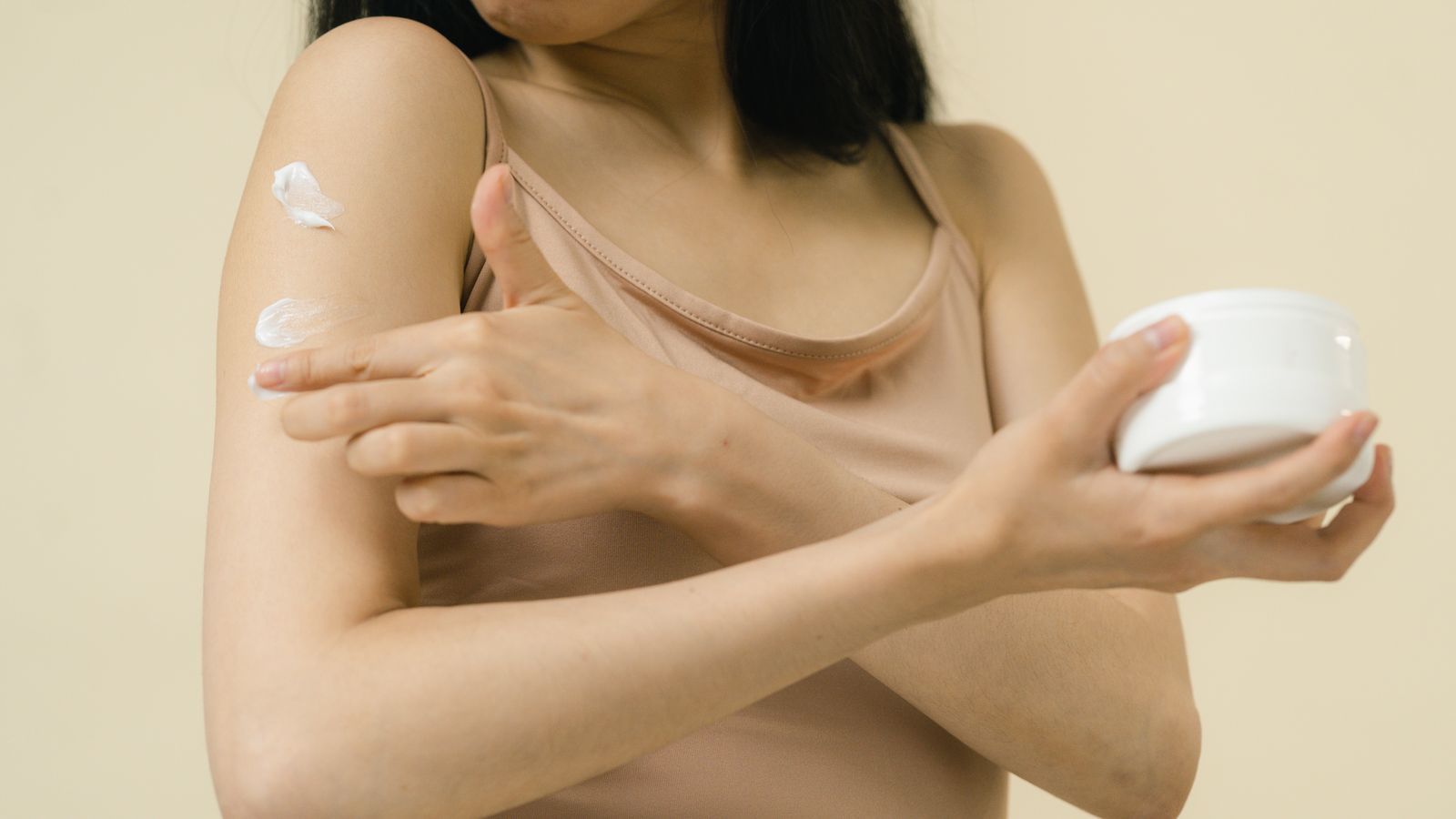
Apply moisturiser within about three minutes of getting out of the bath or shower, to skin that is still visibly damp, patted rather than rubbed dry. You are trapping water that is already there rather than trying to add it later, and this makes a genuine measurable difference to how much the outer layer retains.
It is the highest value habit in this entire article, it costs nothing, and most people do the opposite: dry off thoroughly, get dressed, remember the cream twenty minutes later.

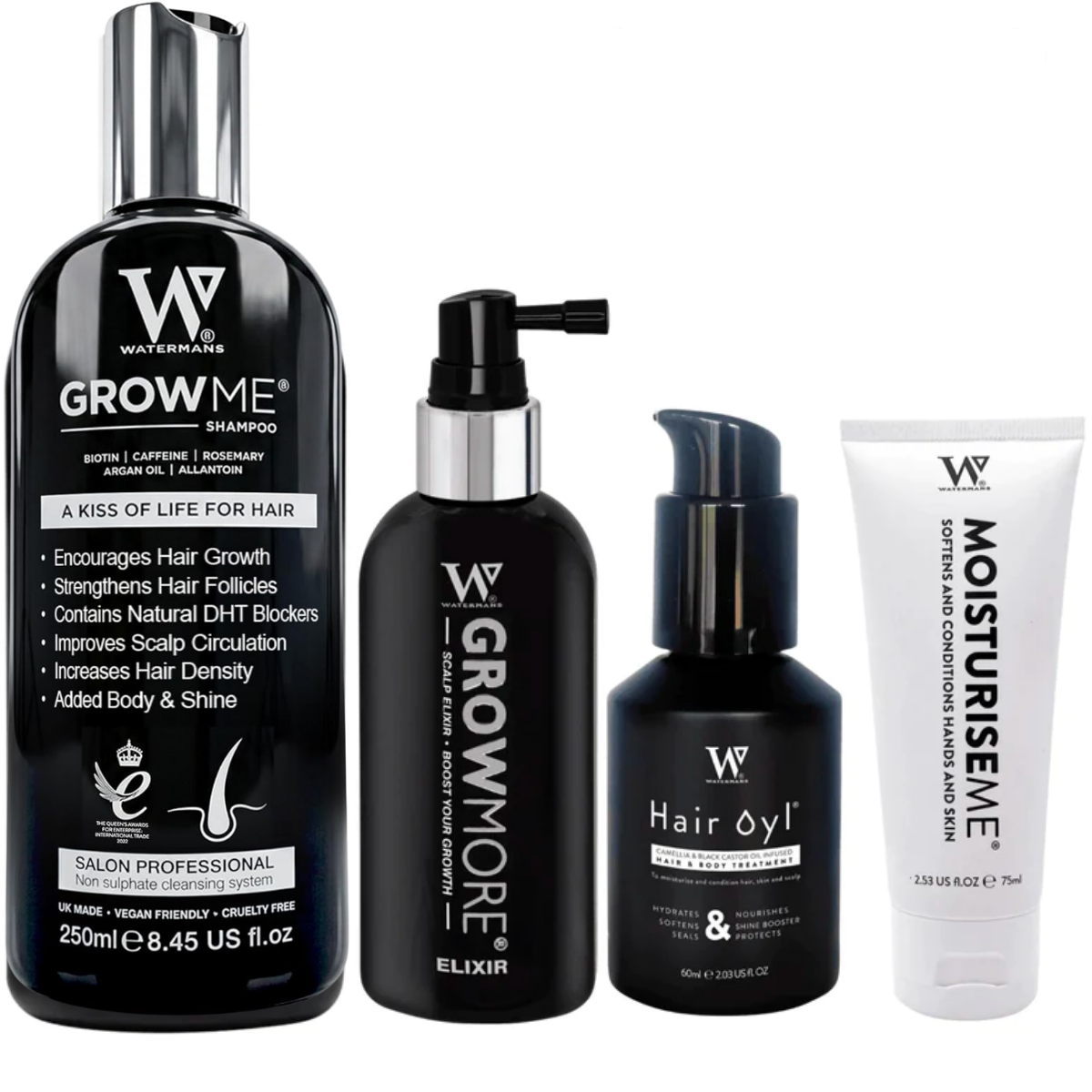
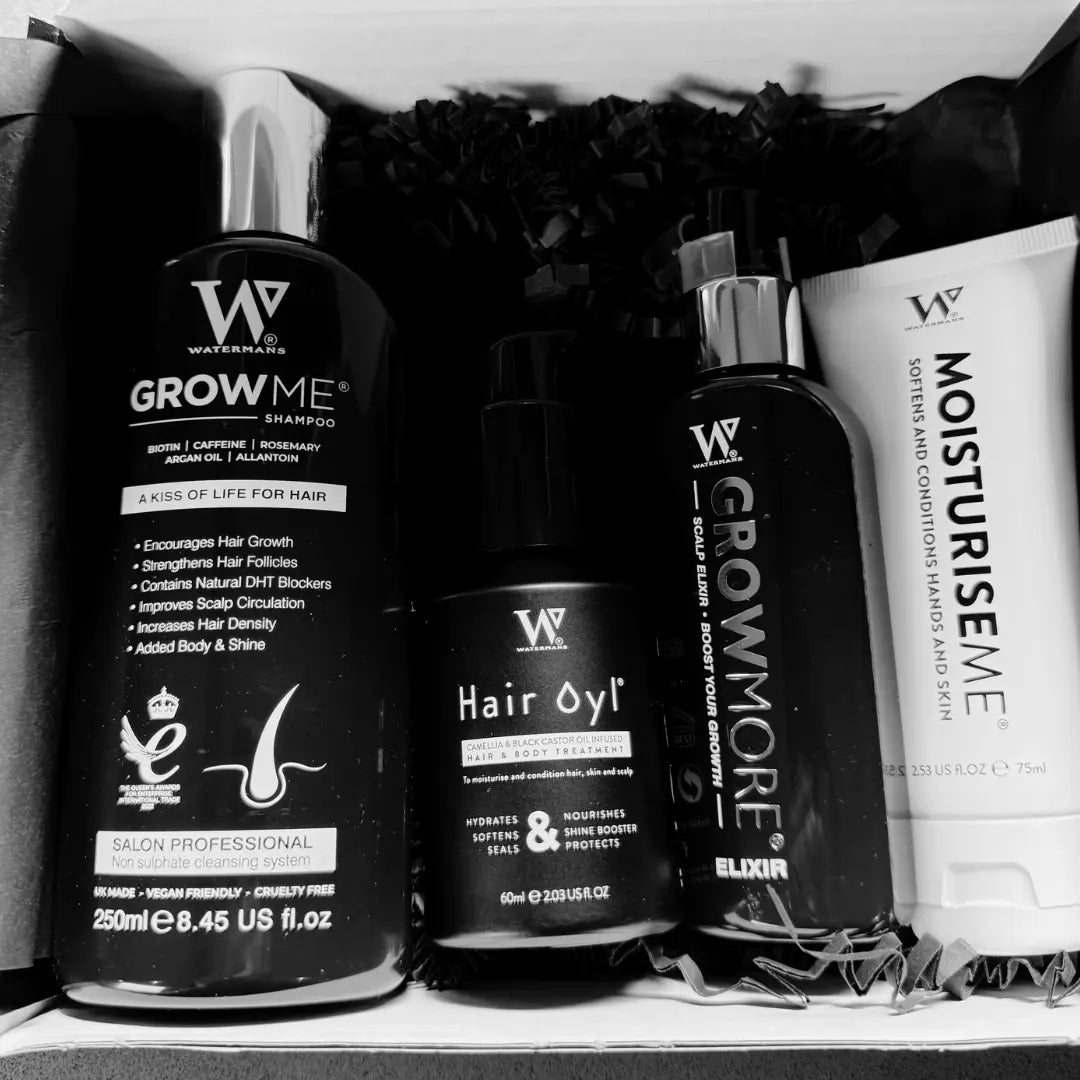
Moisturise Me® Face & Hand Cream, £15.00
Built on the emollient side of the equation above, with cupuacu, shea and cocoa butters plus almond oil and allantoin, for faces and hands that feel tight after washing. Scope: a cosmetic moisturiser. It is not a treatment for eczema or psoriasis, and cracked or inflamed skin should be seen by a pharmacist or GP.
Which texture for which part of you
| Area | What suits it | Why |
|---|---|---|
| Face | Cream, or lotion in warm weather | Needs to sit under sunscreen and makeup |
| Hands | Rich cream by day, ointment overnight | Washed constantly, so protection is removed repeatedly |
| Arms and torso | Lotion or cream | Large area, needs to spread easily |
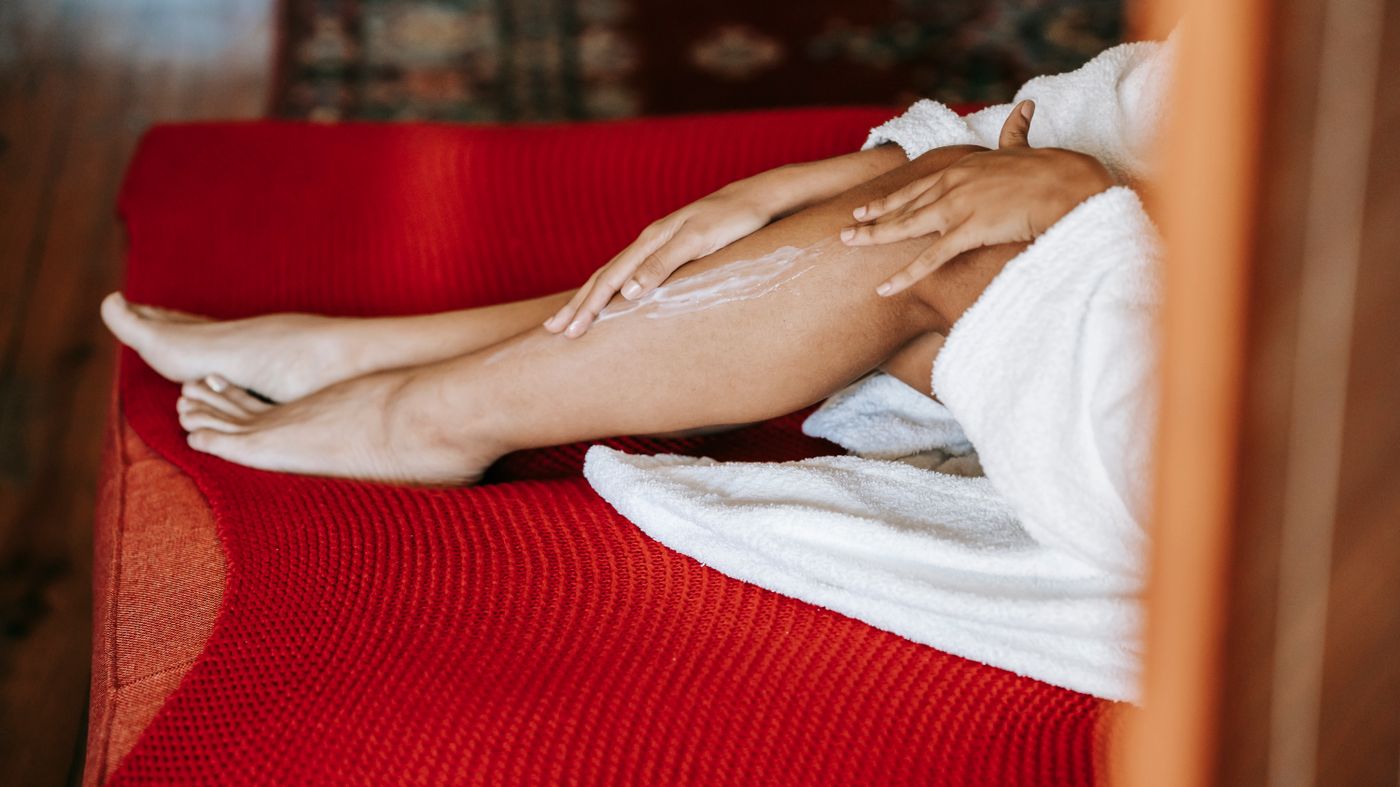
| Shins, elbows, knees | Balm, butter or oil | Few sebaceous glands, so the driest skin on the body |
| Heels | Urea based cream, or ointment under cotton socks | Thick skin needs a humectant that also softens it |
Shins are the surprise on that list for most people. They carry very few oil glands, which is why they are usually the first place to itch in winter and the last to settle.
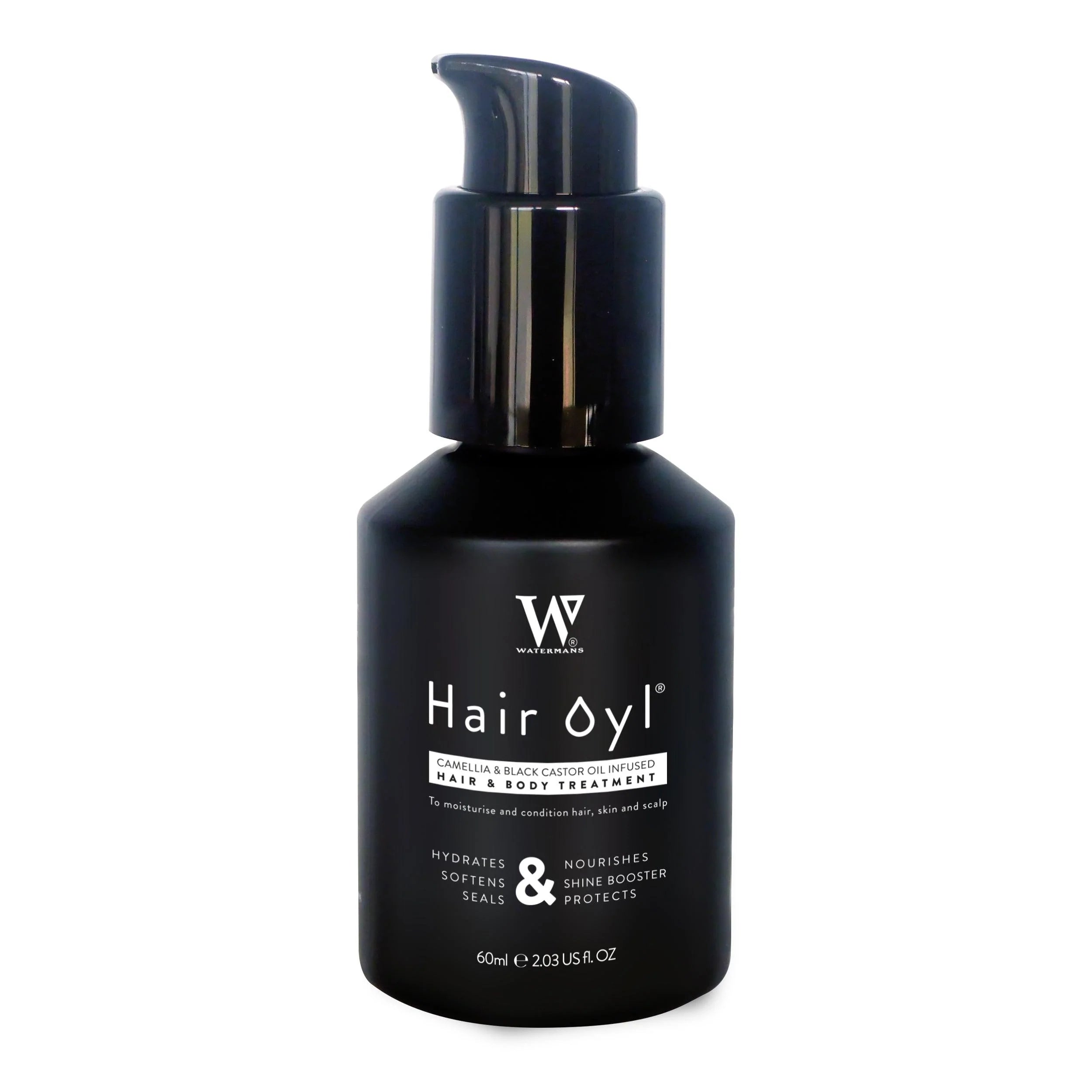
Camellia & Black Castor Hair & Body Oil, £24.95
An emollient oil for the low sebum areas in the table above: shins, elbows, knees. Best applied over a cream on damp skin rather than instead of one, since oils seal but do not supply water. Scope: a body and hair oil. Not for the face, and not a medical treatment.
Hands are the hardest case
Hands break the usual rules because the protection is washed off several times a day. The practical approach is to accept that and work around it: a cream after every wash rather than twice a day, an ointment at night, and cotton gloves over it if skin is cracking. Wear rubber gloves for washing up, since hot water and detergent together are far harder on hands than either alone.
If your hands are the main problem, we go further on this in how to rescue dry hands.
What does not help
- Drinking more water, if you are already adequately hydrated. Surface hydration is governed by your barrier and the humidity around you, not by fluid intake.
- Scrubbing off the flakes. Flaking is a symptom of a damaged barrier, and abrading it produces more flaking a few days later.
- Hot baths to soften skin. They strip lipids. Warm and short is better, followed immediately by moisturiser.
- Alcohol heavy toners and astringents on skin that is already dry.
- Waiting for a product to work overnight. Comfort improves quickly, but barrier repair takes two to four weeks of consistent use.
Straight about our own shelf. Watermans makes hair care and one face and hand cream. We do not make a body lotion, an ointment or a urea heel cream, and for severely cracked skin a plain pharmacy emollient will serve you better and cost less than anything we sell. That is worth saying on a page about choosing a moisturiser.
When dry skin needs a doctor
Persistent dryness is sometimes a symptom rather than a skin type. Speak to your GP or a pharmacist if you have intensely itchy patches that weep, crust or keep returning to the same sites, thick silvery scaling, skin that cracks and bleeds, dryness that appeared suddenly alongside fatigue, weight change or hair thinning, or dryness with unusual thirst. Eczema, psoriasis, an underactive thyroid and diabetes all present this way, and all are managed with treatment rather than with a different cream. Prescription emollients and steroid preparations exist precisely because some dry skin is beyond what cosmetics can address.
Frequently asked questions
What is the best moisturiser for dry skin?
One containing all three ingredient classes: a humectant such as glycerin or urea, an emollient such as shea butter or ceramides, and an occlusive such as petrolatum or dimethicone. Brand and price matter far less than that combination.
What is the difference between dry and dehydrated skin?
Dry skin lacks oil and is usually a lifelong skin type. Dehydrated skin lacks water, is temporary, and can occur in oily skin. Dry skin needs emollients and occlusives, dehydrated skin needs humectants and gentler cleansing.
When should I apply moisturiser?
Within about three minutes of bathing, while skin is still damp and patted rather than rubbed dry. This traps water already in the skin and improves how much the outer layer retains.
Is petroleum jelly good for dry skin?
Yes. Petrolatum reduces transepidermal water loss more effectively than most alternatives and is inexpensive. It works best over a humectant containing product rather than on completely dry skin, since it seals rather than supplies water.
Why is my skin so dry in winter?
Cold air holds less water vapour, and indoor heating lowers humidity further. Hot showers and frequent hand washing strip lipids on top of that. Most people need a richer texture in winter than in summer.
Do collagen creams work?
Not as advertised. Collagen molecules are too large to penetrate the stratum corneum, so applied collagen acts as a surface humectant rather than replacing collagen in the skin.
Does drinking water help dry skin?
Not meaningfully if you are already adequately hydrated. Skin surface hydration depends mainly on barrier function and the humidity around you.
How long does a moisturiser take to work?
Comfort and smoothness improve within days. Genuine barrier repair takes two to four weeks of consistent daily use.
The short version
Buy for the ingredient list rather than the brand, look for all three classes, apply it to damp skin within three minutes of washing, go richer in winter, and see a doctor if the skin is cracking, weeping or scaling rather than simply dry. If dry hair is a problem alongside dry skin, the same seasonal logic applies and is covered in how to rescue dry hair, and the wider principles behind all of this are in the hard truths about skincare.
Watermans has been making vegan, cruelty free hair and skin care in the United Kingdom since 2012, and has sold over 5 million bottles. The full range, including Moisturise Me® Face & Hand Cream, is at watermanshair.com.