


Skincare Myths: 10 Things That Are Not True
Most skincare advice that gets repeated is repeated because it sounds sensible, not because it is true. Oily skin still needs moisturiser. Pores cannot be shrunk. Sunscreen is not a summer product. Natural does not mean gentle. And no shampoo, including ours, regrows hair. Here are ten of the most persistent beliefs, what the evidence actually supports, and what to do instead.
Key takeaways
- Skipping moisturiser on oily skin makes it produce more oil, not less.
- Pore size is largely genetic. You can clear a pore, you cannot resize it.
- UVA passes through cloud and glass all year, so daily SPF is not a summer only habit.
- Botanical extracts and essential oils cause more contact allergy than most synthetic ingredients.
- Drinking extra water does not fix dry skin if you are already adequately hydrated.
- Cosmetic hair products can make hair look fuller. They cannot regrow it, and any brand saying otherwise is overclaiming.
Myth 1: oily skin does not need moisturiser
Oily skin needs moisturiser as much as any other type, because oil and water are different things. Sebum is a lipid that slows water loss, but it does not supply water. Skin can be visibly greasy and short of water at the same time, which is the state most people mean when they say their skin is oily but tight.
Skipping moisturiser also tends to backfire. When the outer layer loses water it signals for more oil, so the shine you were trying to reduce increases. The fix is a light, water based gel or lotion with glycerin rather than no moisturiser at all. Use less, not none.
Myth 2: you can shrink your pores
Pore size is mostly determined by genetics and sebum output, and no topical product changes the structure of a pore. What products can do is empty a pore that is stretched by a plug of oil and dead skin, which makes it look smaller. That is a real, visible improvement, but it is not resizing.
Salicylic acid is the most useful ingredient here because it is oil soluble and can get inside the pore. Retinoids help over months by regulating cell turnover. Cold water, toners and pore strips do not, and pore strips can damage the surrounding skin. Anything advertised as permanently shrinking pores is describing something skincare cannot do.

Myth 3: you only need sunscreen when it is sunny
UVA, the wavelength most associated with visible skin ageing and pigmentation, passes through cloud cover and window glass and is present at fairly steady levels through daylight hours all year. That is why dermatologists talk about daily protection rather than beach protection, and why one side of the face often ages faster in people who drive a lot.
The honest UK compromise most people settle on is broad spectrum SPF 30 or higher every morning from March to October, plus bright winter days and any day spent near snow or water, both of which reflect UV upward. Look for the UVA symbol in a circle on the packaging, which indicates the product meets the recognised UVA standard rather than only filtering UVB.

Myth 4: expensive skincare works better than cheap skincare
Price correlates with packaging, fragrance, marketing spend and retail margin far more reliably than it correlates with the concentration of an evidenced active. Several of the best supported ingredients in skincare, including niacinamide, glycerin and salicylic acid, are inexpensive raw materials, which is exactly why they appear in budget ranges.
What money does sometimes buy is stability and texture: opaque airless packaging for a retinoid, a sunscreen finish you will actually tolerate daily, an elegant cream you look forward to using. Those are real benefits, because a product you use consistently outperforms a better one you abandon. But the ingredient list tells you more than the price tag, which we cover in detail in how to choose skincare in a pharmacy.
Myth 5: natural ingredients are gentler than synthetic ones
Botanical extracts and essential oils are among the most frequent causes of allergic contact dermatitis in cosmetics. Limonene, linalool, citral and geraniol are all naturally occurring fragrance components, and UK and EU rules require them to be declared on the label precisely because of their allergy potential.
Meanwhile some of the best tolerated ingredients in skincare are laboratory made: niacinamide, glycerin, synthetic ceramides, petrolatum. Natural describes where a molecule came from, not how your skin will respond to it. Poison ivy is natural. The useful question is whether an ingredient is well tolerated and well evidenced, not whether it grew.
If your skin reacts to a "clean" or "botanical" product, check the ingredient list for essential oils and named fragrance allergens before blaming the actives. Fragrance is the most common culprit in cosmetic reactions, and it is often the natural fragrance.
Myth 6: skin has to get worse before it gets better
This one is half true, and the half that is false causes real harm. Genuine purging happens with ingredients that speed cell turnover, mainly retinoids and hydroxy acids. They push existing microcomedones to the surface faster, so spots that were already forming appear sooner. That settles within four to six weeks and occurs where you normally break out.
What is not purging: stinging, burning, spreading redness, small itchy bumps, or breakouts in places you never usually get them. That is irritation or an allergic reaction, and continuing through it damages the barrier. The rule of thumb is that purging is faster spots in familiar places and improves by week six, while a reaction is discomfort in unfamiliar places and gets worse.
Myth 7: drinking more water fixes dry skin
If you are already adequately hydrated, drinking extra water does not measurably increase the water content of the outer skin layer. Dehydration severe enough to show in your skin is dehydration severe enough to show elsewhere first. Dry skin is usually a barrier problem, which means water is escaping rather than failing to arrive.
What actually works is reducing water loss: a moisturiser with humectants and occlusives, shorter and cooler showers, a gentler cleanser, and managing indoor heating in winter. Staying properly hydrated is worth doing for many reasons. Resolving flaky cheeks is not reliably one of them.
Myth 8: you need a ten step routine
Three products cover the fundamentals for almost everyone: a cleanser, a moisturiser and a daily broad spectrum SPF. Adding steps increases the chance of irritation, makes it impossible to work out which product caused a reaction, and delivers diminishing returns well before step ten.
More steps also means more actives, and stacking exfoliants, retinoids and acids is the single most common cause of the acquired sensitivity people then buy more products to soothe. Add one thing at a time, wait two weeks, and only keep what earns its place. Our guide to skincare routine order sets out the sequence that matters.

Myth 9: niacinamide and vitamin C cancel each other out
They do not. The claim traces back to research from the 1960s in which niacinamide and ascorbic acid were heated together and converted to niacin, which causes flushing. Those conditions do not resemble a modern, well formulated serum sitting on a face at room temperature.
If the pair does sting on your skin, that is ordinary irritation, usually from the low pH of the vitamin C rather than from a chemical reaction. The practical answer is to use vitamin C in the morning and niacinamide at night, or simply drop the vitamin C, which is the more temperamental and more frequently disappointing of the two. Our guide to which skincare ingredients actually work covers the sensible strengths for both.
Myth 10: a shampoo can regrow your hair
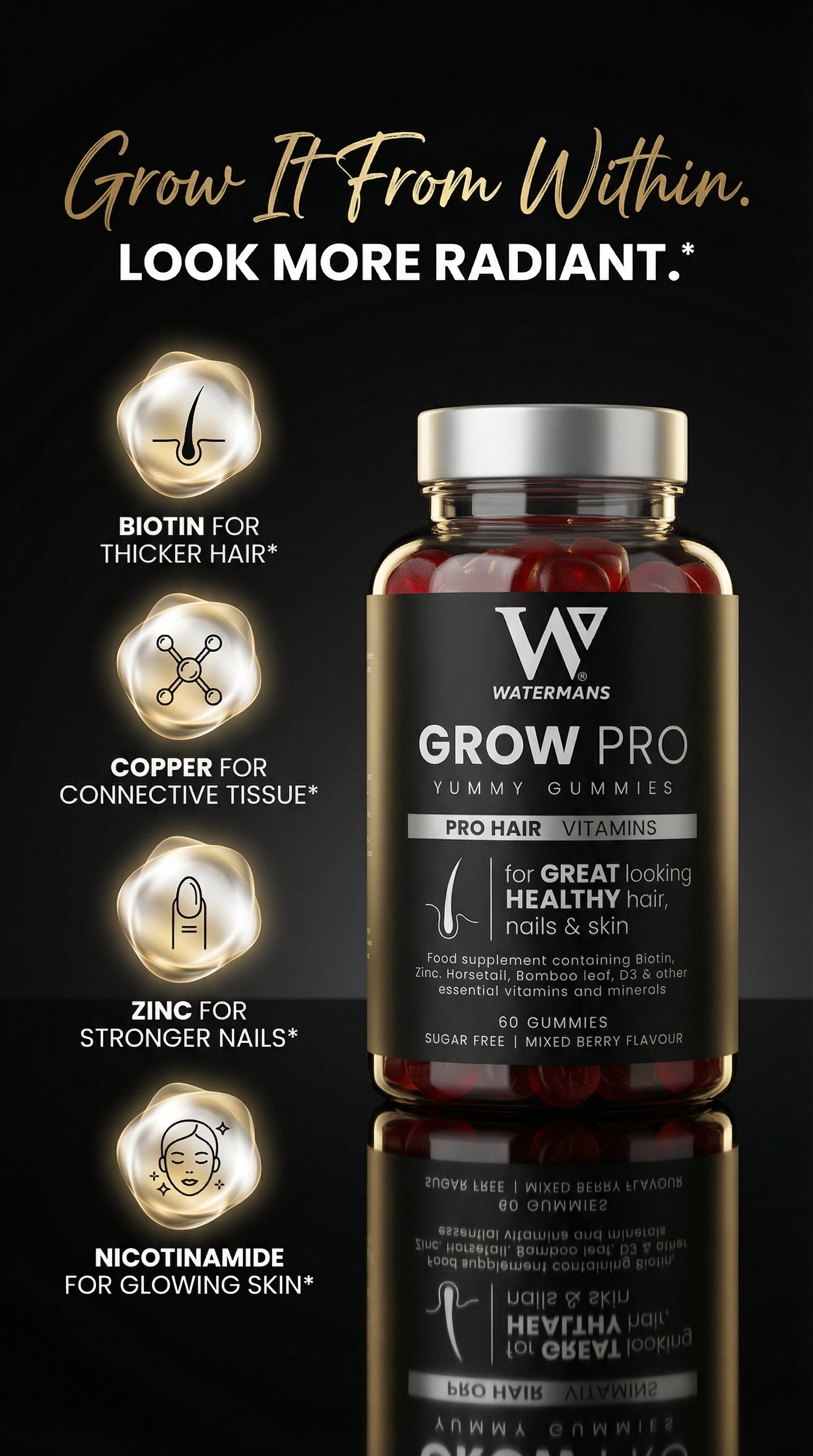
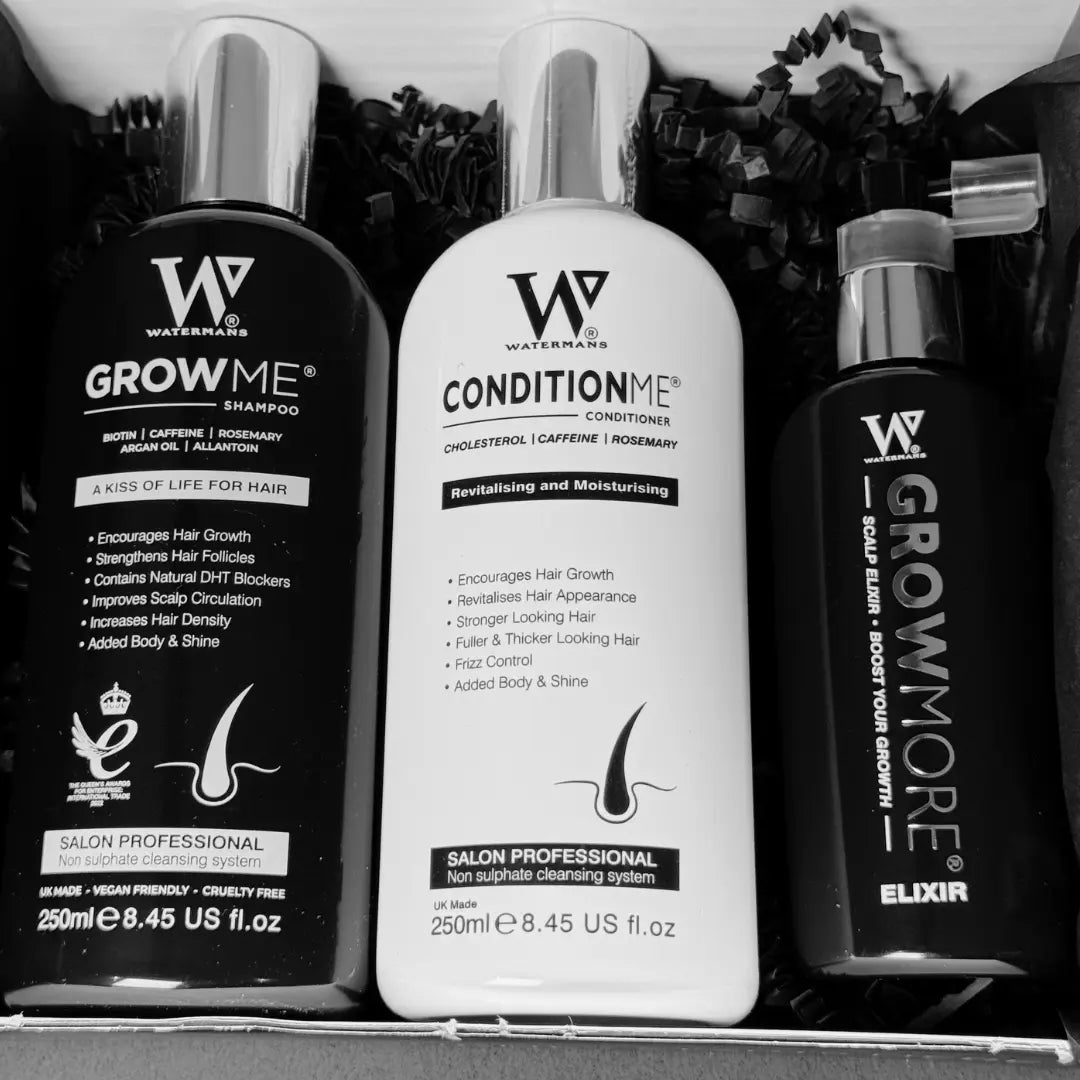
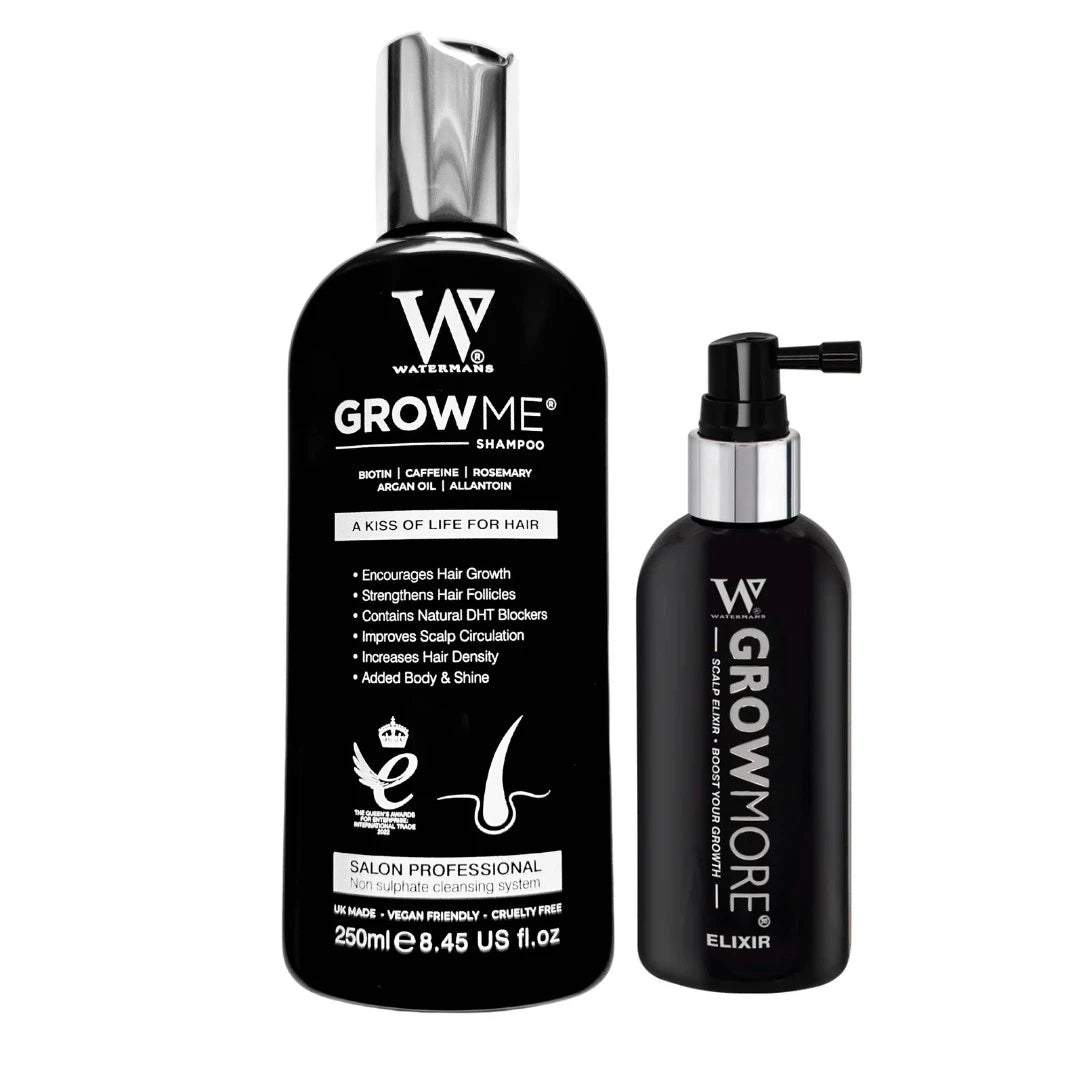
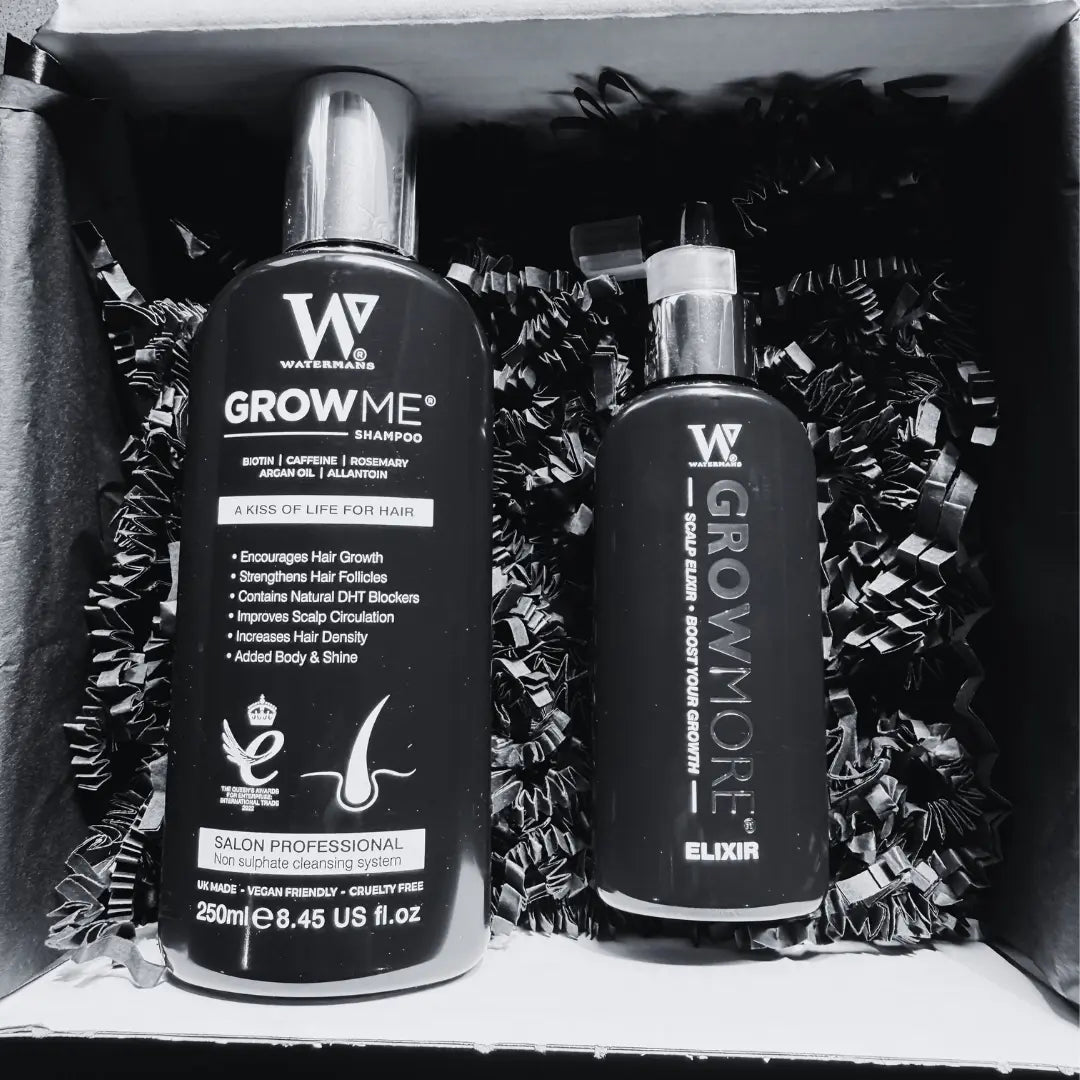
No cosmetic shampoo regrows hair, and we say that as a company that sells hair growth shampoo. A shampoo is on the scalp for perhaps a minute before it is rinsed away. What it can do is clean the scalp well, deliver ingredients such as caffeine and niacinamide that support scalp condition, reduce breakage so length is kept rather than lost, and leave hair looking thicker and fuller. Those are cosmetic effects and they are real, but they are not regrowth.
Genuine regrowth in pattern hair loss comes from medicines, principally minoxidil and finasteride, which are regulated products with side effects and should be discussed with a GP, pharmacist or trichologist. Anything sold over the counter that claims to reverse hair loss, cure baldness or work like a medicine is overclaiming, and under UK advertising rules it should not be saying it. If your hair is shedding, the first step is finding out why, not buying a bottle. Start with how to work out why your hair is thinning.

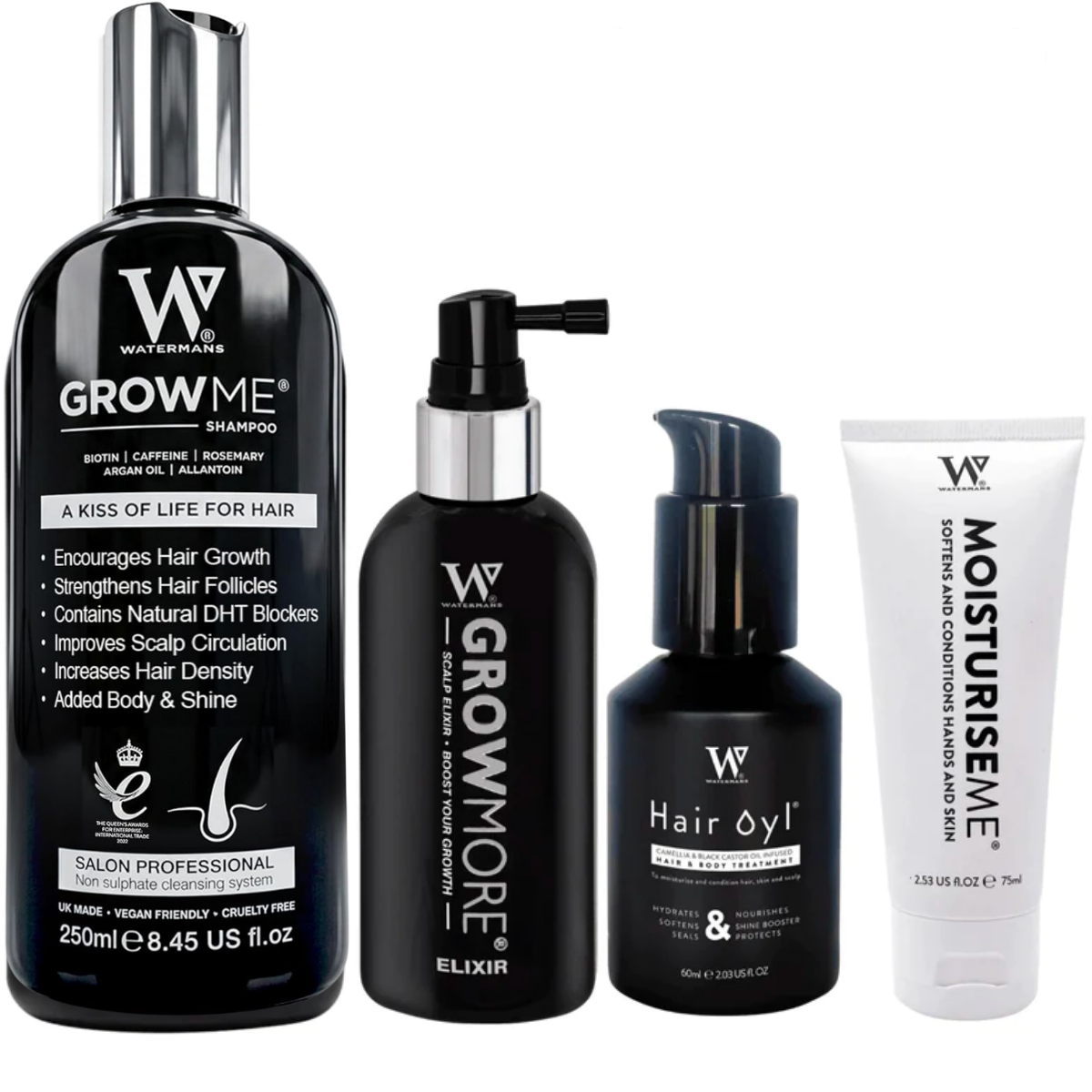
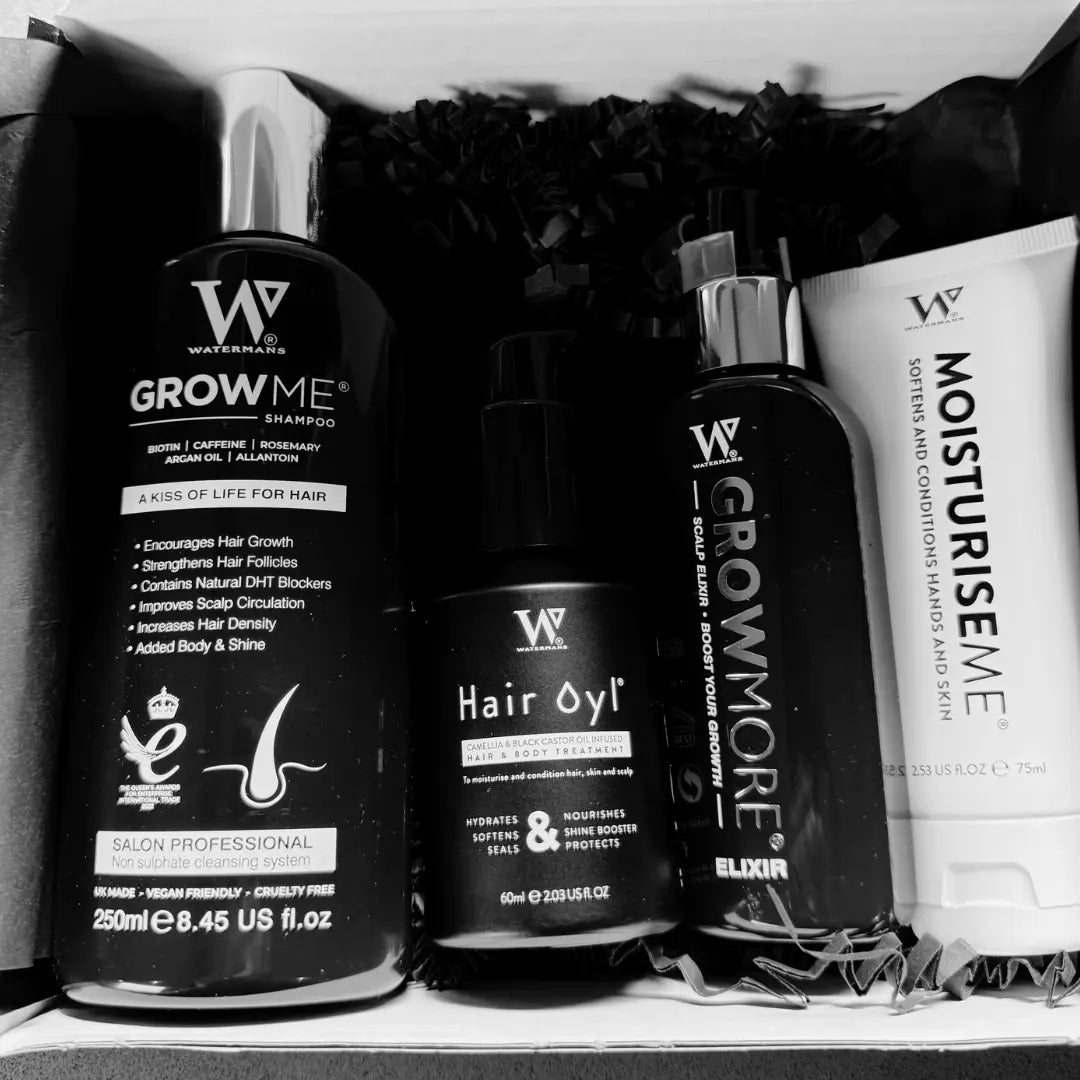
Grow Me® Hair Growth Shampoo, £14.95
What it is: a sulphate free shampoo with caffeine, biotin, niacinamide, rosemary and hydrolysed lupine protein, formulated to support scalp comfort, reduce breakage and leave hair looking fuller. What it is not: a medicine, a treatment for alopecia, or a substitute for seeing a doctor about sudden or patchy shedding. We would rather set the expectation honestly than sell you a miracle.
The ten myths at a glance
| The claim | Verdict | What to do instead |
|---|---|---|
| Oily skin should skip moisturiser | False | Use a light glycerin based gel |
| You can shrink pores | False | Empty them with salicylic acid or a retinoid |
| SPF is for sunny days | False | Daily broad spectrum SPF 30 with a UVA rating |
| Expensive works better | False | Read the first eight ingredients |
| Natural means gentle | False | Choose fragrance free, natural or not |
| Skin must purge first | Partly true | Only with retinoids and acids, only for six weeks |
| Drinking water fixes dry skin | False | Reduce water loss with a moisturiser |
| You need ten steps | False | Cleanser, moisturiser, SPF, then stop |
| Niacinamide cancels vitamin C | False | Use them together or split morning and night |
| Shampoo can regrow hair | False | See a GP or trichologist about the cause |
Why do skincare myths survive so long?
Three reasons keep them alive. Skin improves and worsens on its own, so whatever you happened to be using when it improved gets the credit. Advice repeated confidently by people who look good is persuasive regardless of evidence. And several myths contain a fragment of truth, like purging, which makes the whole claim feel verified.
The defence is boring and effective: change one thing at a time, give it eight weeks, and prefer specific checkable claims over reassuring vague ones. A brand willing to tell you what a product cannot do is usually more reliable about what it can.
When should you stop reading and see a professional?
See your GP for persistent or painful acne, spreading or weeping rashes, cracked or bleeding skin, suspected eczema, rosacea or psoriasis, and any mole that changes in size, shape or colour. See a GP or trichologist for sudden shedding, patchy loss, or a widening parting rather than working through cosmetic products.
Pharmacists are also free to consult and are underused. They can tell you whether an over the counter product suits your problem, check interactions with medication you take, and say clearly when something needs a doctor.
Frequently asked questions
Is it true that you should not use retinol in summer?
No. Retinoids do make skin more sun sensitive, but the answer is daily sunscreen rather than stopping for half the year. Stopping and restarting means repeating the irritating adjustment period every autumn, which is worse for your skin than year round use with SPF.
Does sleeping in makeup really cause ageing?
It causes congestion and irritation rather than ageing as such. Makeup left overnight traps oil and dead skin against the surface, which promotes blocked pores and dullness. The genuine ageing driver is ultraviolet exposure, not one forgotten evening.
Are silicones bad for your skin?
No. Silicones such as dimethicone are inert, well tolerated and non comedogenic for most people. They sit on the surface, smooth texture and reduce water loss. The reputation comes from marketing by brands that chose to leave them out, not from evidence of harm.
Do collagen creams firm the skin?
Not meaningfully. The collagen molecule is far too large to pass through the outer skin layer, so applied collagen acts as a surface moisturiser. Retinoids and daily sun protection are what influence the skin's own collagen over time.
Does exfoliating more often give faster results?
The opposite. Over exfoliation is one of the most common causes of the sensitivity, stinging and flaking that people then treat as a new skin problem. Two to three times a week is plenty for most people, and less during a reactive phase.
Is a facial oil the same as a moisturiser?
No. Oils are occlusive and slow water loss, but they contain no water, so on dehydrated skin they seal in a shortage. Use an oil over a moisturiser if you like the finish, not instead of one.
Can stress really affect your skin and hair?
Yes, and this one is not a myth. Significant physical or emotional stress can trigger telogen effluvium, a diffuse shedding that typically starts two to three months after the event and recovers over six to nine. Our guide to what causes telogen effluvium explains the timeline.
Do hair vitamins work if you are not deficient?
Supplements correct deficiencies. If your iron, ferritin, vitamin D and B12 are all in range, taking more is unlikely to change your hair, and some nutrients cause harm in excess. Ask your GP for blood tests before spending months on supplements.
Fewer products, honestly described
Cleanse, moisturise, protect from UV, change one thing at a time, and treat any claim of a cure as a reason to look elsewhere. That applies to your face and to your scalp.
Shop Moisturise Me face and hand cream | Shop Grow Me hair growth shampoo
Watermans is a founder led British brand. Vegan, made in the UK, over 5 million bottles sold since 2012. We make cosmetics and we describe them as cosmetics: for a diagnosed skin or scalp condition, see your GP.
Last updated: August 2026.