

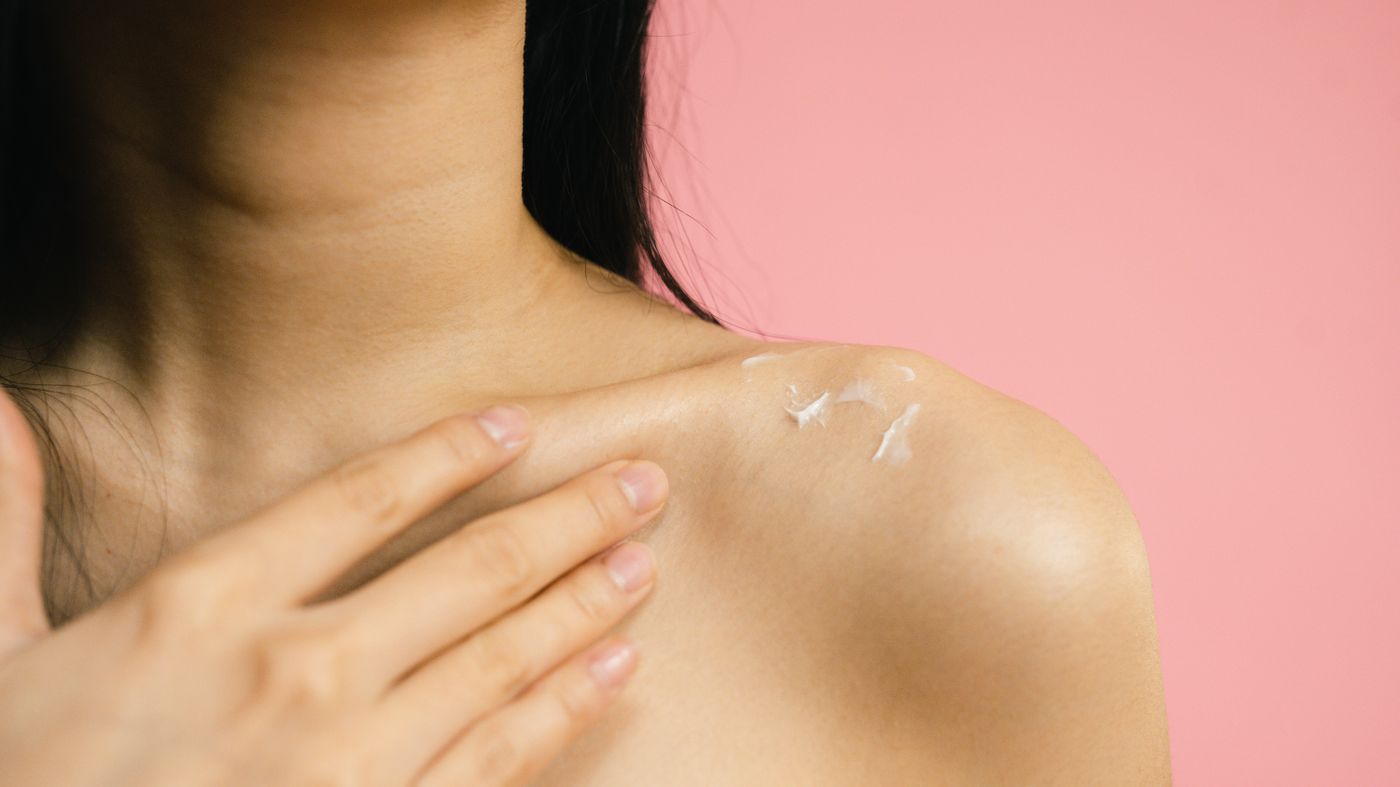
How to Apply Fake Tan Without Streaks: A Safe Self-Tanner Guide
Last updated: August 2026
To apply fake tan without streaks, exfoliate 24 hours before, moisturise dry areas like elbows, knees, ankles and hands, then apply a thin, even layer with a tanning mitt or brush working in circular motions from the ankles upward. Let it dry fully for 10 to 15 minutes before dressing, and avoid water, sweat and tight clothing for 6 to 8 hours while the colour develops. Self-tanner works because of dihydroxyacetone (DHA), a sugar that reacts with amino acids in the outermost layer of dead skin cells. It stains only the surface, so it fades as those cells shed over roughly 5 to 7 days.
Key Takeaways
- Streaks are almost always a prep problem, not a product problem: exfoliate first, then moisturise dry patches.
- DHA colours only the top layer of dead skin, which is why a fake tan lasts about 5 to 7 days and fades unevenly if you skip exfoliation.
- Fake tan offers no sun protection. It gives you zero SPF, so you still need sunscreen.
- Build colour in thin layers over two or three applications rather than one heavy coat.
- Sunbeds are classified as a Group 1 carcinogen by the World Health Organization's cancer agency. Self-tanner is the safer way to look bronzed.
- Apply barrier cream or moisturiser to hands, cuticles and hairline before you start, and rinse your palms straight after.

How do you apply fake tan step by step?
Apply fake tan in eight steps: exfoliate 24 hours ahead, shave or wax 24 hours ahead, shower and dry fully, moisturise the dry areas only, put on a mitt, apply in thin circular layers from ankles up, blend hands and feet last with the leftover product, then air dry for 15 minutes before loose clothing goes on.
The order matters more than the brand. Here is the sequence in full.
- Exfoliate 24 hours before. Use a body scrub, exfoliating mitt or dry brush over the whole body, paying attention to knees, elbows, ankles and knuckles. Doing this a day ahead lets the skin barrier settle rather than tanning freshly scrubbed, slightly raw skin.
- Hair removal 24 hours before, not on the day. Shaving or waxing opens the follicles. Tanning straight afterwards can leave dark speckles at each pore.
- Shower and dry completely. Skip heavy body oils and thick body butters in that shower. Residue creates a barrier the DHA cannot reach through.
- Moisturise only the thirsty bits. A thin film of cream on elbows, knees, ankles, wrists, knuckles, cuticles and the hairline stops those areas grabbing extra pigment.
- Use a mitt or a brush. Bare hands stain palms and nail beds within minutes. A mitt also spreads product far more evenly than fingers.
- Work bottom to top in circles. Start at the ankles and move up in sections: lower legs, thighs, stomach, chest, back, arms. Circular buffing prevents the straight tide lines you get from wiping in one direction.
- Hands and feet last. Use only the residue already on the mitt, and sweep it lightly over the tops of hands and feet. Then run a damp cotton pad between fingers and toes.
- Air dry, then dress loose. Give it 10 to 15 minutes minimum. Dark, loose cotton is safest for the development window.
Quick tip: Do your back last and use a long handled applicator or a tanning brush. Reaching backwards over your shoulder with a mitt is the single most common cause of a streaky, patchy back.
Why do dermatologists recommend fake tan instead of sunbathing?
Dermatologists recommend self-tanner because it produces colour with no ultraviolet exposure at all. UV radiation from the sun and from sunbeds damages DNA in skin cells, drives photoageing, and raises skin cancer risk. Fake tan is a surface cosmetic stain, so it carries none of that UV burden.
The evidence on tanning devices is unusually clear. In 2009, the International Agency for Research on Cancer, part of the World Health Organization, moved UV-emitting tanning devices into Group 1, its highest category, alongside tobacco and asbestos. The NHS advises against sunbed use, and UK law prohibits their commercial use by under 18s under the Sunbeds (Regulation) Act 2010.
There is a second, less discussed reason. A tan from UV exposure is your skin's injury response: melanin production increases because DNA damage has already occurred. A fake tan skips the injury and produces the appearance only.
Fake tan versus sunbed versus sunbathing
| Method | How colour happens | UV exposure | How long it lasts |
|---|---|---|---|
| Self-tanner (DHA) | Surface reaction with dead skin cells | None | 5 to 7 days |
| Gradual tanning lotion | Low dose DHA, built daily | None | 3 to 5 days after you stop |
| Sunbathing | Melanin response to UV damage | High | Weeks, then peels |
| Sunbed | Melanin response to concentrated UV | Very high (Group 1 carcinogen) | Weeks, then peels |
| Tanning drops in moisturiser | DHA diluted into your own cream | None | 3 to 5 days |
What is DHA and how does self-tanner colour your skin?
DHA, or dihydroxyacetone, is a simple three-carbon sugar. When it meets amino acids in the keratin of your outermost skin cells, it triggers a Maillard-type browning reaction, the same family of chemistry that browns toast. The pigments produced are called melanoidins, and they sit in the stratum corneum, the layer of already-dead cells at the very surface.
Three practical consequences follow from that chemistry, and they explain almost every fake tan problem people run into.
- It develops slowly. Colour starts appearing within 2 to 4 hours and reaches full depth at around 8 to 24 hours. Judging your tan 20 minutes after application is how people end up applying a second unnecessary coat.
- It cannot be washed off, only shed. Because the pigment is inside dead cells, it leaves when those cells do. That is why tans fade blotchily on knees and feet, where skin turns over faster and is thicker.
- Thicker or drier skin grabs more. Dry, rough areas have more surface area of loose keratin, so they take up more DHA and go darker. Hence the moisturiser step.
DHA is permitted in cosmetics in the UK and is one of the more established cosmetic ingredients, in use since the 1960s. Standard guidance is that it is for external application to intact skin, and that you should avoid inhaling mist and keep it away from eyes and lips, which is why professional spray booths supply nose filters, eye protection and lip balm.
How should you prep your skin before applying fake tan?

Prep decides the result. Exfoliate the whole body 24 hours before with a scrub or exfoliating mitt, remove hair on the same 24 hour timeline, then shower with a plain, non-oily wash and dry thoroughly. Skip deodorant, perfume and heavy creams immediately before application, since they can react with DHA and turn patches green or grey.
A few specifics people commonly miss:
- Exfoliate mechanically, not chemically, right before. Strong acid exfoliants such as glycolic or salicylic acid used the same day can leave skin uneven in pH and speed up fading. Keep acids to two or three days before.
- Deodorant is a real culprit. Aluminium salts in antiperspirant can react with DHA and produce a green cast under the arms. Apply tan first, deodorant the next day.
- Check for broken skin. Cuts, fresh tattoos, active eczema or sunburn should not be tanned over. Work around them.
- Tie hair back and protect the hairline. A thin smear of cream along the hairline and on the ears stops the tell-tale orange rim.
Which areas need moisturiser before self-tanner?

Moisturise the eight areas that reliably over-absorb DHA: elbows, knees, ankles, heels, knuckles, cuticles, wrists and the hairline. A thin, fully absorbed layer is enough. A thick, greasy layer will block colour entirely and leave pale patches instead of dark ones, so the aim is a barrier, not a mask.
Hands are worth extra care because they are the giveaway. Cream the backs of the hands lightly, cream the cuticles properly, and save whatever is left on the mitt for a single light sweep across the top of each hand. Then wash your palms immediately with soap and a nail brush.

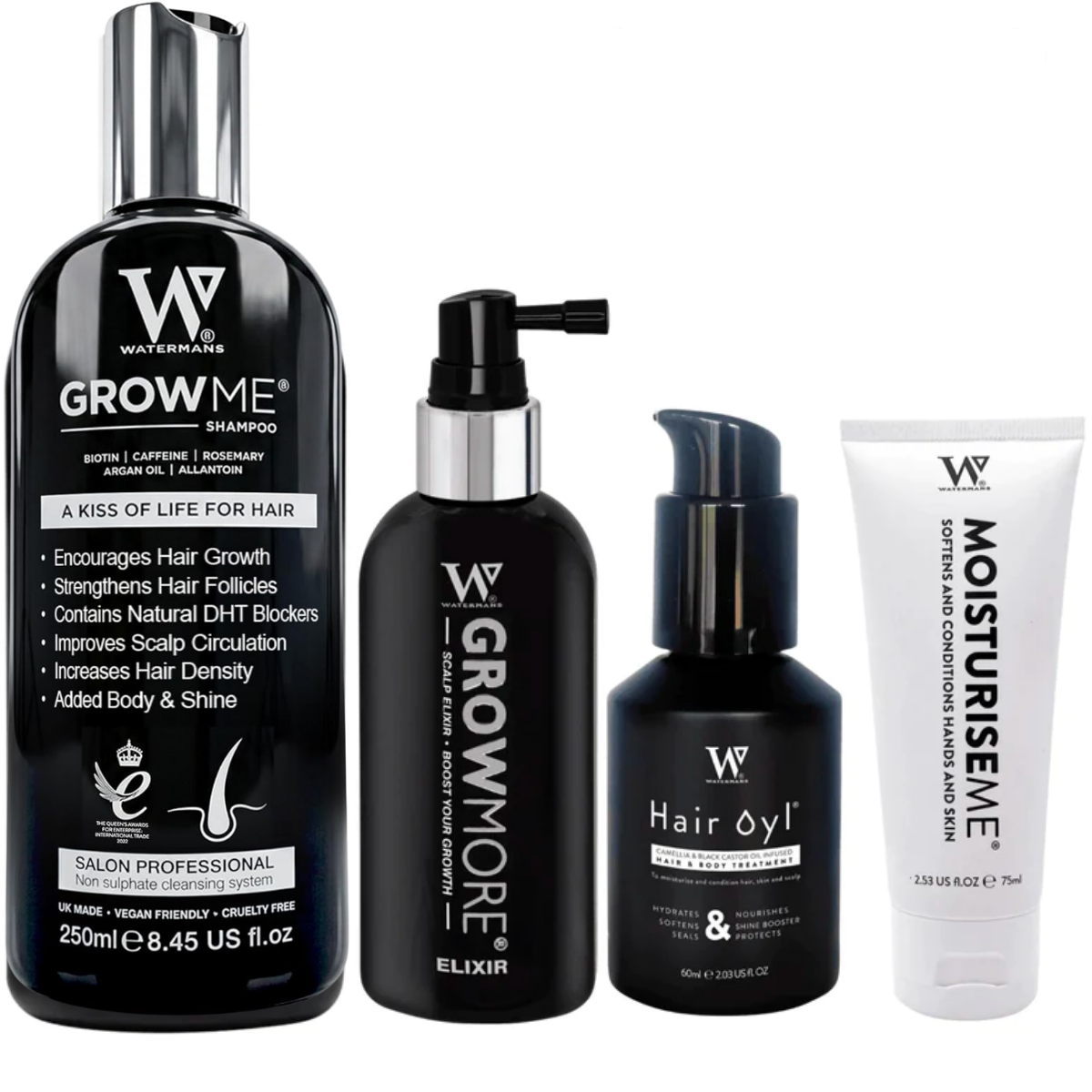
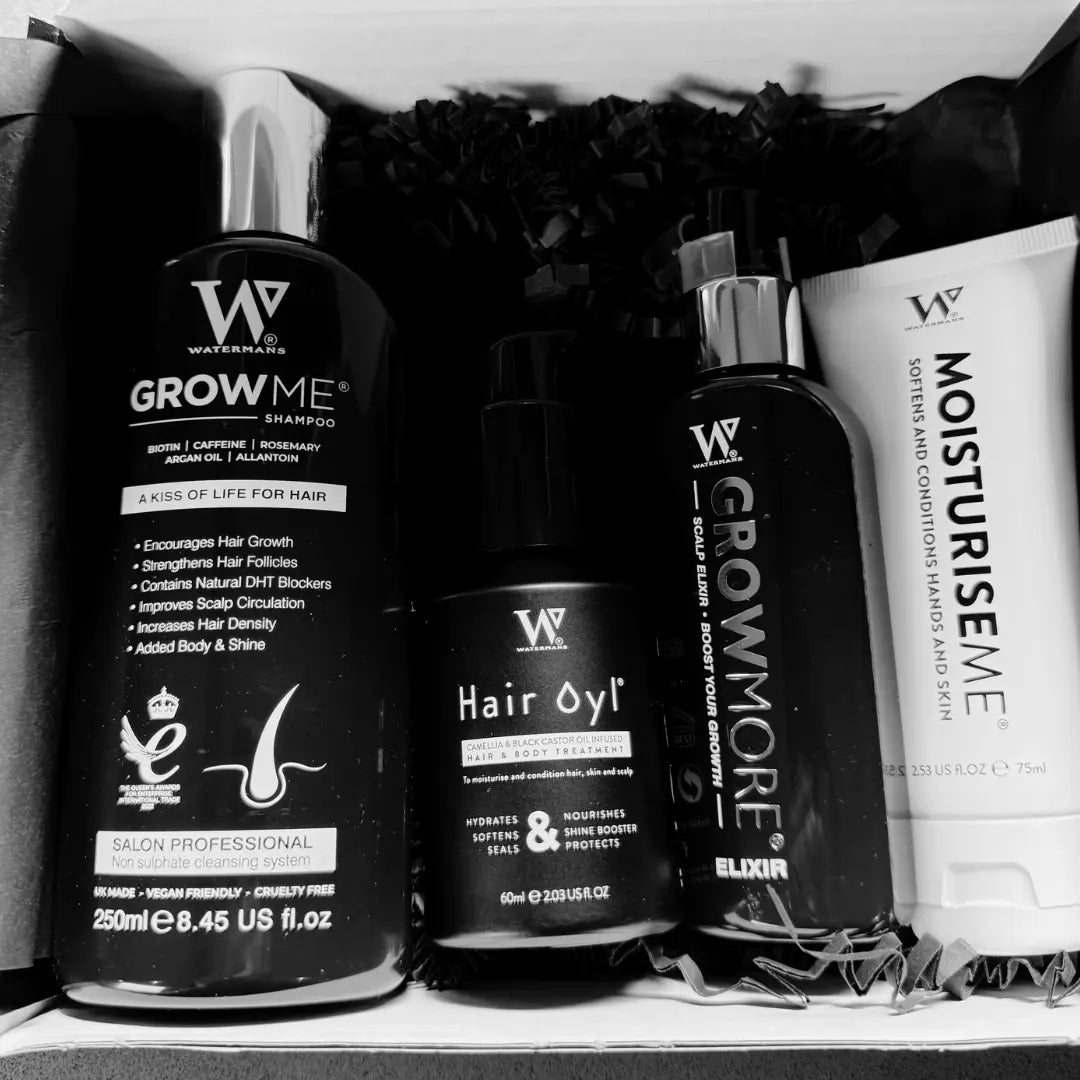
Plumping Moisturise Me® Face & Hand Cream, £15.00
A rich cream with cupuaçu butter, shea butter, cocoa butter, allantoin and almond oil. Useful the day before tanning to soften dry patches, and as the light barrier layer on knuckles, cuticles and the hairline right before you apply.
Should you use a mitt, a brush or your hands?
Use a mitt for large areas and a brush for the face, hairline, feet and hands. Never use bare hands. A mitt keeps DHA off your palms and distributes product in an even film, while a dense brush gives you the control needed around the nose, ears, ankle bones and between the fingers where a mitt is too clumsy.
| Tool | Best for | Watch out for |
|---|---|---|
| Velvet tanning mitt | Legs, arms, torso, back | Wash and dry it between uses or it goes crusty and drags |
| Dense kabuki style brush | Face, hairline, hands, feet, ankles | Buff in small circles, do not paint in strokes |
| Long handled back applicator | Shoulder blades and mid back | Go over the same area twice lightly rather than pressing hard |
| Bare hands | Nothing | Stained palms and nail beds within minutes |

Tanning & Makeup Brush, £7.00
A dense, soft-bristled face and body brush for buffing tanner into the hairline, around the nose and ears, and across the tops of the hands and feet, the four places a mitt tends to leave a hard edge.
How long should you leave fake tan on before showering?
Leave a standard self-tanner on for 6 to 8 hours before rinsing, and an express or rapid formula for 1 to 3 hours depending on how deep you want the colour. The first rinse should be plain warm water with no soap, no scrubbing and no shower gel. The bronzer guide colour washes away and the developed DHA colour stays.
What you do in that window matters as much as the length of it:
- No sweating. Skip the gym, hot yoga and saunas. Sweat runs the developing colour into drip lines.
- No tight clothing. Waistbands, bra straps and socks press the product and leave imprint marks.
- Sleep in dark loose cotton if you are developing overnight, and use an old sheet.
- Do not wash your hands with hot water repeatedly. If you must wash them, use cool water and pat dry.
Does fake tan protect you from the sun?

No. Fake tan provides no meaningful sun protection and should never be treated as a substitute for sunscreen. A DHA tan has a negligible sun protection factor, far below the SPF 30 minimum generally recommended for UK summer sun, so you need a broad spectrum sunscreen applied and reapplied exactly as you would on untanned skin.
This is the most dangerous myth in the category, because a bronzed appearance removes the visual cue that normally makes people cover up. Some self-tanners do contain added SPF, but the protection comes from the sunscreen filters in the formula, not from the tan, and it stops working the moment the product is washed off while the colour remains for days.
How do you fix streaky, patchy or too dark fake tan?
Fix streaky fake tan by exfoliating the affected area with a scrub or exfoliating mitt in warm water, then lightly re-applying to blend. For an over-dark patch, soak in a warm bath for 20 minutes to soften the skin, then buff with a mitt. Lemon juice, bicarbonate of soda paste and baby oil all lift colour, though they lift the surrounding tan too.
| Problem | Cause | Fix |
|---|---|---|
| Dark elbows, knees, ankles | Dry skin absorbed extra DHA | Buff with a damp exfoliating mitt, then moisturise those spots first next time |
| Stained palms or nails | Applied with bare hands, or washed too late | Nail brush with soap, then a lemon juice and bicarbonate paste on the stained edges |
| Straight tide lines | Wiped in one direction instead of circles | Buff the line, feather a light layer across the join |
| Green or grey cast | Reaction with antiperspirant or an acid product | Exfoliate off fully, wait a day, re-tan with no deodorant beforehand |
| Speckled dark dots on legs | Tanned too soon after shaving | Exfoliate, leave a full 24 hours between hair removal and tanning |
| Whole tan too dark | Left on too long, or too many coats | 20 minute warm soak, buff evenly all over, then use a gradual formula next time |
How do you make a fake tan last longer?
A fake tan lasts longer when you slow down skin cell shedding. Moisturise twice daily, take shorter and cooler showers, pat dry instead of rubbing, avoid exfoliating scrubs and rough flannels, skip long chlorine or salt water swims, and top up with a gradual tanning lotion every third day rather than reapplying a full coat.
Realistic expectations help. Skin renews its surface layer roughly every 28 days in younger adults, and more slowly with age, but the specific cells carrying your tan are already at the top of the queue. Five to seven good days is a normal result, and eight to ten is a very good one.
What does fake tan mean for your hair and hairline?
Fake tan can stain the hairline, the ears and light or grey hair at the temples, and the same summer habits that go with tanning, sun, chlorine, salt water and heat styling, dry the hair out. Protect the hairline with a light barrier cream before tanning, rinse hair after swimming, and use a heat protection spray whenever you use a dryer or straighteners.
Blonde, bleached and grey hair is the most vulnerable to picking up a warm cast from tanning products and from pool chemistry. If you notice brassiness developing over a summer, a purple toning shampoo used once a week is the usual answer. For heat styling in the warmer months, a leave-in heat protection spray is the more useful buy. You can read more on summer hair damage in our guide to whether salt water is good for your hair.
For the skin side of the same season, our guides to caring for dry skin and rescuing dry hands cover the moisturising habits that also happen to make a self-tan fade evenly. If you are building a full routine, the order you apply products in matters, which we set out in our guide to skincare routine order. And because lips burn easily and never tan, our piece on choosing a lip sunscreen is worth two minutes before a holiday.
When should you see a doctor rather than reach for tanning products?
See a GP or pharmacist if you develop a rash, itching or swelling after using a self-tanner, if you have a mole that changes in size, shape, colour or edge definition, or if a patch of skin bleeds, crusts or fails to heal within four weeks. Fake tan can also make it harder to monitor moles, so check your skin before you apply, not after.
Patch test any new tanning product on a small area 24 hours before full use, particularly if you have sensitive skin, eczema or a history of contact dermatitis. If you are pregnant and unsure about any cosmetic ingredient, ask your midwife or pharmacist.
Frequently asked questions about fake tan
How long does fake tan take to develop?
Fake tan starts to show colour within 2 to 4 hours and reaches its full depth between 8 and 24 hours after application. Express formulas develop faster, in 1 to 3 hours, because they use a higher DHA concentration. Judge the final result the morning after, not on the same evening.
Can you shower after applying fake tan?
Yes, but wait 6 to 8 hours for a standard formula and 1 to 3 hours for an express one. Use plain warm water with no soap or scrubbing for that first rinse. The cosmetic bronzer guide colour will run off, which is normal, and the developed colour underneath stays put.
Does fake tan cause skin cancer?
There is no evidence that DHA self-tanners cause skin cancer when applied to intact skin as directed, and they involve no UV exposure at all. That is the entire safety argument for using them instead of sunbeds. Standard guidance is to avoid inhaling spray mist and keep the product away from eyes and lips.
Why does my fake tan go orange?
Orange tones usually come from choosing a shade too dark for your natural skin tone, applying too many coats, or using an older formula with a warm bronzer base. Pick a lighter shade with a green or violet undertone base, build gradually over two applications, and exfoliate properly beforehand.
Can you fake tan your face?
Yes, using a facial self-tanner or tanning drops mixed into your usual moisturiser, applied with a brush for control. Facial skin is more reactive than body skin, so patch test first, avoid the eye area and lips, and use fewer drops than you think you need on the first attempt.
How often should you apply fake tan?
Most people re-apply a full self-tan every 5 to 7 days, or top up with a gradual tanning lotion every second or third day to hold the colour steady. Exfoliate fully before each new full application, otherwise the old, patchy tan underneath will show through the new layer.
Does fake tan stain clothes and bedding?
The cosmetic bronzer in most formulas can transfer to fabric before it is rinsed off, and it usually washes out at 40 degrees. Developed DHA colour does not transfer. Wear dark, loose cotton during development, sleep on an old sheet, and wash marked items promptly rather than letting them sit.
Can you fake tan over tattoos?
You can tan over fully healed tattoos, though the colour will dull them slightly and fades unevenly on the raised or textured areas of the ink. Never apply tanner to a tattoo that is still healing. Wait until it has fully closed and settled, which typically takes at least two to four weeks.
Prep the skin, keep the glow
Good tanning is mostly good moisturising. Watermans has been making vegan, cruelty free, UK-made hair and skin care since 2012, with over 5 million bottles sold. Start with the cream that softens the dry patches that ruin a tan.
Shop Moisturise Me® Face & Hand Cream | Shop the tanning brush