

Best Cleanser for Sensitive Skin: How to Choose One That Works
The best cleanser for sensitive skin is a low-foaming or non-foaming formula, fragrance-free, with a pH close to skin's own 4.5 to 5.5, and a short ingredients list. Cream, milk, balm and micellar formats suit reactive skin better than high-foaming gels, because the surfactants that create a rich lather are also the ones most likely to strip lipids out of the skin barrier. Format and pH matter far more than price or brand.
Last updated: August 2026
Key takeaways
- Fragrance is the most common cause of cosmetic contact allergy, so fragrance-free is the first filter to apply.
- Aim for a cleanser at pH 4.5 to 5.5. Traditional soap sits around pH 9 to 10 and is the harshest common option.
- If your skin feels tight or squeaky after washing, the cleanser is too strong for you, whatever the packaging claims.
- Cream, milk, balm and micellar cleansers suit reactive skin better than high-foaming gel washes.
- Once a day at night is enough for most sensitive skin. Water alone in the morning is a perfectly legitimate routine.
- Persistent redness, stinging or bumps are usually a skin condition rather than a product problem. See a GP or dermatologist.
What actually makes a cleanser suitable for sensitive skin?
A cleanser suits sensitive skin when it removes oil, sweat, sunscreen and pollution while leaving the skin barrier intact. That comes down to three things: mild surfactants, a pH near the skin's own, and the absence of common irritants such as fragrance and denatured alcohol. Everything else on the front of the bottle is marketing.
Your skin barrier is a layer of flattened cells held together by a lipid mortar of ceramides, cholesterol and fatty acids. Strong detergents dissolve part of that mortar along with the dirt. On resilient skin the barrier rebuilds within hours. On sensitive skin it rebuilds slowly, so water evaporates faster, irritants get in more easily, and you end up with the familiar cycle of tightness, redness and stinging that gets blamed on the next product you try.
The 60 second test. Wash your face, pat dry, then wait one minute without applying anything. Comfortable skin means the cleanser is fine. Tight, squeaky or slightly stinging skin means it is too stripping, even if it is marketed for sensitive skin.
Which cleanser format suits reactive skin best?
Cream, milk, balm and micellar cleansers are the gentlest formats for sensitive skin because they clean using emollients and mild surfactants rather than high-foaming detergents. Foaming gels are the harshest common format. The table below matches each format to the skin type it genuinely serves.

| Format | How it cleans | Best for | Watch out for |
|---|---|---|---|
| Cream or milk | Emollients lift oil, minimal surfactant, rinse or tissue off | Dry, tight, reactive or mature skin | Can feel like it leaves a film if underrinsed |
| Micellar water | Micelles attract oil and grime onto a cotton pad | Very reactive skin, quick evening clean, travel | Rubbing too hard causes more irritation than the product does |
| Balm or oil | Oil dissolves oil, then emulsifies with water | Heavy sunscreen or long-wear makeup | Fragranced versions are common, check the list |
| Non-foaming gel | Mild surfactants without lather boosters | Combination or oily skin that is also sensitive | Some carry added acids, which is a second variable |
| Foaming gel | Strong surfactants plus lather agents | Resilient, very oily skin | The usual culprit behind post-wash tightness |
| Traditional soap bar | Alkaline saponified fats | Hands and body, not sensitive faces | pH around 9 to 10, disrupts the acid mantle |
If you like the ritual of a lather, a syndet bar is the compromise. Syndet stands for synthetic detergent, and these bars are formulated to a skin-friendly pH rather than the alkaline pH that soap chemistry forces.
Which ingredients calm sensitive skin, and which ones set it off?
Look for glycerin, ceramides, panthenol, colloidal oatmeal, allantoin and squalane. Avoid fragrance, essential oils, denatured alcohol, sodium lauryl sulfate and physical scrub particles. Ingredients lists run in descending order of concentration down to one per cent, so anything in the first five entries is doing real work.
| Helpful in a sensitive-skin cleanser | What it does |
|---|---|
| Glycerin | Humectant that holds water in the outer layers, cheap and very well tolerated |
| Ceramides | Replaces part of the lipid mortar that cleansing removes |
| Panthenol (provitamin B5) | Soothing humectant, widely used in post-procedure skincare |
| Colloidal oatmeal | Long-standing skin protectant for itchy, irritated skin |
| Allantoin | Conditioning agent used to soften and calm rough, reactive skin |
| Squalane | Lightweight emollient, stable and rarely sensitising |
| Common trigger | Why it causes trouble |
|---|---|
| Parfum or fragrance | A single label word can cover dozens of compounds, and fragrance is the leading cause of cosmetic contact allergy |
| Essential oils and their components | Limonene, linalool, citral and geraniol must be declared in the EU and UK precisely because they sensitise |
| Alcohol denat. high in the list | Fast-evaporating solvent that increases water loss from an already fragile barrier |
| Sodium lauryl sulfate | A benchmark irritant used in research to deliberately provoke skin reactions |
| Acids inside a cleanser | Glycolic or salicylic acid in a wash adds a second active while the barrier is wet and vulnerable |
| Menthol, camphor, witch hazel | The cooling sensation is nerve stimulation, not evidence of calming |
| Scrub particles and stiff brushes | Mechanical damage on top of chemical cleansing |
Two label words deserve scepticism. Hypoallergenic has no fixed legal definition, so it signals intent rather than proof. Unscented can still contain a masking fragrance to cover a raw ingredient smell. The phrase that carries real information is fragrance-free, backed by an ingredients list with no parfum and no essential oils.
Why does the pH of your cleanser matter so much?
Healthy facial skin sits at roughly pH 4.7, slightly acidic, and that acidity keeps barrier enzymes working and unhelpful bacteria in check. Traditional soap is alkaline at pH 9 to 10, and pushes skin surface pH up for hours after washing. A cleanser formulated between pH 4.5 and 5.5 lets the skin return to normal almost immediately.
This is the single most useful thing to know about cleansers, and it is why the same person can react badly to a fancy natural soap and perfectly well to a plain supermarket cream cleanser. Brands that formulate for sensitive skin usually state the pH somewhere on the packaging or the product page. If nobody mentions pH at all, that is a small signal in itself.
How should you actually wash your face if your skin is reactive?
Use lukewarm water, clean fingertips, about 20 to 60 seconds of contact, rinse thoroughly, pat dry with a clean towel, then moisturise within about three minutes while the skin is still slightly damp. Technique fixes a surprising share of sensitivity complaints on its own.
- Lukewarm, never hot. Hot water increases lipid removal and leaves skin flushed. Cold water is not a pore-shrinking trick either, it just feels pleasant.
- Fingertips only. Flannels, muslin cloths and silicone brushes add friction that reactive skin does not need.
- Keep it short. Sixty seconds is plenty. Long massaging sessions with a cleanser extend surfactant contact for no benefit.
- Rinse properly. Residue left along the hairline and jaw is a common cause of unexplained bumps.
- Pat, do not rub. A clean towel per few days matters more than the fabric it is made from.
- Moisturise while damp. Applying within about three minutes traps the water you have just added.

Do you need to cleanse twice a day, and is double cleansing worth it?
Most sensitive skin does best cleansing once daily, in the evening, and rinsing with water alone in the morning. Nothing meaningful accumulates on your face overnight except your own sebum, and a second full wash simply doubles the surfactant exposure your barrier has to recover from.
Double cleansing, meaning a balm or oil followed by a gentle second cleanser, earns its place on one specific day: when you have worn a heavy mineral sunscreen, long-wear makeup, or both. On a bare-faced day it is an unnecessary step. Judge it by outcome, not by routine length.
Does hard water make sensitive skin worse?
Hard water plausibly contributes, and roughly 60 per cent of UK households live in a hard water area, so it is worth considering before you blame the next product. Calcium and magnesium ions react with cleanser surfactants to leave a fine residue on the skin, and research in children has linked hard water exposure to a higher likelihood of atopic eczema.
The evidence is not strong enough to justify an expensive whole-house softener purely for your face. Cheaper and more sensible: switch to a low-foaming cleanser that needs less rinsing, use a final splash of filtered or bottled water if your skin is flaring, and do not scrub at the residue.
What should you apply straight after cleansing?
A simple moisturiser, within about three minutes, while skin is still slightly damp. Cleansing always removes some lipids and water, and the moisturiser is what closes that gap. On sensitive skin the moisturiser is doing more of the work than the cleanser is.
Look for the same profile you looked for in the cleanser: emollient butters or oils, a humectant such as glycerin, a soothing agent, and no fragrance in the first half of the list. Rich butter-based creams tend to suit dry, tight, reactive skin better than gel-textured moisturisers.

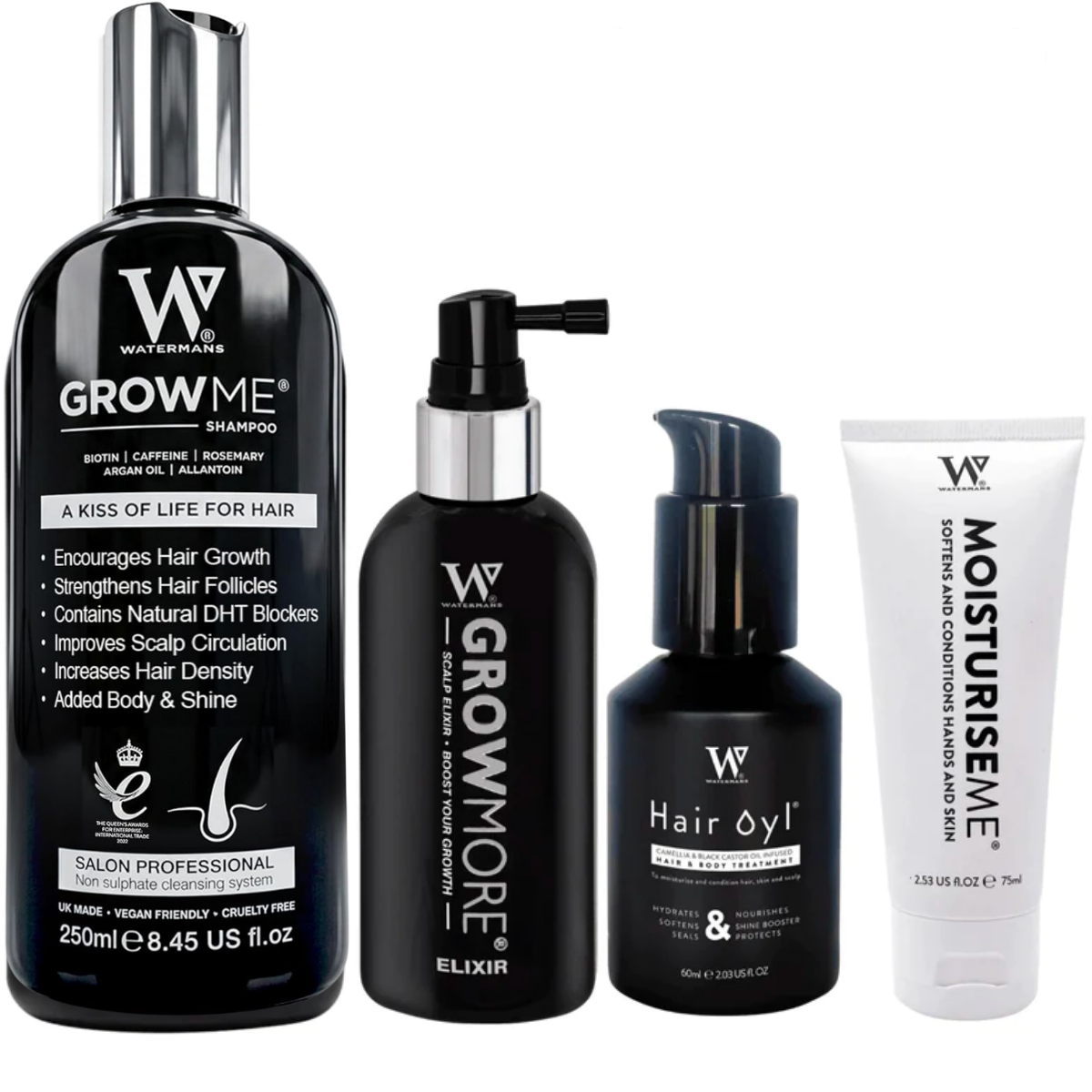
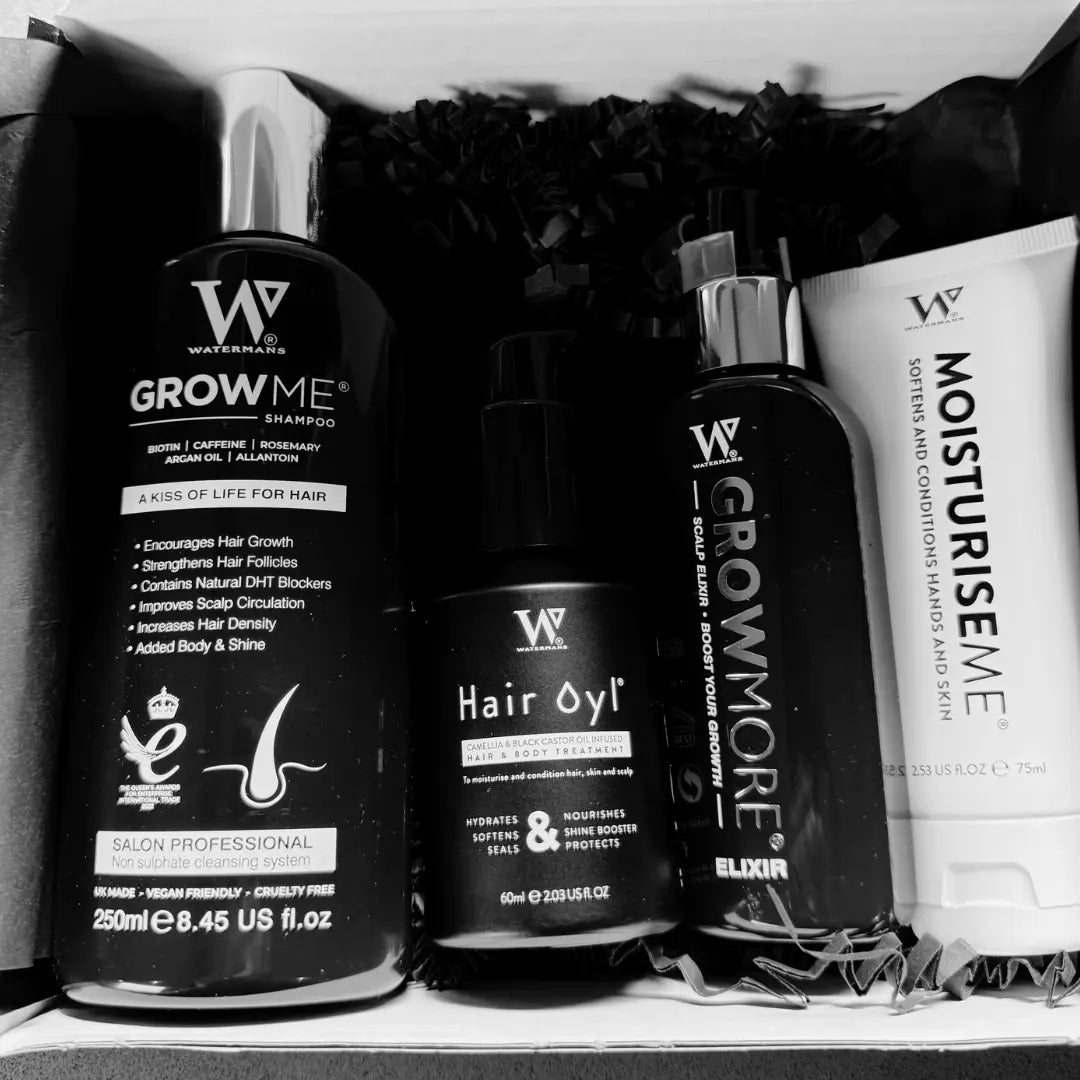
Moisturise Me® Face & Hand Cream, £15.00
A butter-rich, fast-absorbing cream built around cupuacu butter, shea butter, cocoa butter, almond oil and allantoin, so it suits skin that feels tight after washing. Non-greasy enough to sit under makeup, and useful on hands, which take more washing than your face does. It contains almond oil, so skip it if you have a nut allergy, and patch test first as you would with anything new. This is a cosmetic moisturiser for comfort and hydration, not a treatment for eczema, rosacea or any other skin condition.
Shop Moisturise Me
How do you patch test a new cleanser properly?
Apply the product to the same small patch of inner forearm or the skin behind the ear, twice a day, for five to seven days, and introduce only one new product at a time. A single application tells you almost nothing, because allergic contact reactions usually take 48 to 96 hours to appear.
Two practical notes. First, a cleanser is a rinse-off product, so testing it leave-on is a harsher test than real use, which is exactly what you want. Second, if you introduce a cleanser, a serum and a moisturiser in the same week and react, you have learned nothing about which one caused it. Space new products a fortnight apart.
Does sensitive facial skin usually mean a sensitive scalp too?
Often, yes. The scalp is skin, it has the same barrier structure, and people who react to facial cleansers frequently report itching, flaking or tightness after shampooing as well. The mechanism is identical: strong sulfate surfactants and fragrance stripping and irritating the barrier.
The fix is also identical. Choose a sulfate-free shampoo, keep the water lukewarm, wash the scalp rather than scrubbing the lengths, and rinse fully. Our guide to keeping your scalp healthy for longer, stronger hair covers the routine in detail, and the sulfate-free Grow Me hair growth shampoo is formulated without SLS for exactly this reason. If your scalp is visibly scaly, weeping or persistently sore, that needs a GP rather than a shampoo swap.
When is sensitive skin actually a skin condition?
When the redness, stinging or bumps persist despite a gentle routine, you are probably looking at a diagnosable condition rather than a product mismatch. Sensitive skin is a description of a symptom, not a diagnosis, and several common conditions hide behind it.
- Rosacea. Central facial flushing, visible vessels, sometimes papules. Stinging from many products is a hallmark. Our guide to rosacea management and the UK treatment pathway covers what actually helps.
- Atopic eczema. Itch first, then rash, often with a personal or family history of asthma or hay fever.
- Seborrhoeic dermatitis. Greasy scale around the nose, brows and hairline, and the facial cousin of stubborn dandruff.
- Perioral dermatitis. Small bumps around the mouth or eyes, often triggered or worsened by topical steroids.
- Allergic contact dermatitis. A genuine allergy to a specific ingredient, confirmed by dermatology patch testing rather than guesswork.
See a GP or dermatologist if your skin is persistently red, sore, weeping, crusting or spreading, if over-the-counter routines have not helped after six to eight weeks, if symptoms are affecting your sleep or your confidence, or if a reaction came on suddenly and severely. Cosmetics are not a substitute for a diagnosis, and some of the conditions above respond very well to prescription treatment.
Do you need to spend a lot on a sensitive-skin cleanser?
No. Cleanser is the product category where paying more buys you the least, because it is on your face for under a minute and then rinsed away. The formulation principles in this guide are available at every price point, and several of the most widely recommended sensitive-skin cleansers sit in the five to twelve pound range.
Spend the money where the product stays on the skin, which means moisturiser and sunscreen. We covered how to judge that trade-off in is expensive skincare worth it. If your skin also flares in cold weather, caring for dry skin in winter covers the seasonal adjustments, and if sunscreen is the step that stings, our guide to sunscreen for acne-prone and reactive skin explains why and what to change.
Frequently asked questions
What is the best type of cleanser for sensitive skin?
A fragrance-free cream, milk, balm or micellar cleanser at pH 4.5 to 5.5. These formats clean using emollients and mild surfactants rather than high-foaming detergents, so they remove oil and sunscreen without stripping the lipids that hold your skin barrier together.
Is micellar water enough on its own?
For most sensitive skin on a bare-faced day, yes. Micellar water removes sebum, sweat and light makeup with minimal friction. On days with heavy sunscreen or long-wear makeup, follow it with a gentle rinse-off cleanser so nothing is left sitting on the skin overnight.
Should I wash my face twice a day if my skin is sensitive?
Usually not. Cleanse once in the evening and rinse with water alone in the morning. Nothing accumulates overnight except your own sebum, so a second full wash mainly doubles the surfactant exposure your barrier has to recover from each day.
Why does my face sting when I cleanse?
Stinging usually means either the cleanser is too alkaline or too stripping, or your barrier is already compromised so ordinary ingredients now register as irritating. Persistent stinging across many different products is also a recognised feature of rosacea, which is worth raising with a GP.
Are natural or plant-based cleansers gentler on sensitive skin?
Not reliably. Essential oils and botanical extracts are among the most common contact allergens in cosmetics, and traditional natural soap is strongly alkaline. Judge a cleanser on its surfactants, pH and fragrance status, not on whether the marketing describes it as natural.
Can I use a cleanser containing salicylic acid on sensitive skin?
Usually it is better to separate the two jobs. An acid inside a wash acts while the barrier is wet and most vulnerable, and it makes troubleshooting harder because you have two variables. Use a plain gentle cleanser, then apply any acid as a controlled leave-on step.
How long does it take to know whether a cleanser suits me?
Give it two weeks of consistent use, having changed nothing else at the same time. Irritant reactions often show within days, while allergic contact reactions typically take 48 to 96 hours to appear and can build slowly over repeated exposures.
Does hard water make sensitive skin worse?
It may contribute. Calcium and magnesium react with surfactants to leave residue on the skin, and hard water exposure has been linked to a higher likelihood of atopic eczema in children. A low-foaming cleanser that rinses cleanly is a cheaper first response than a water softener.
The short version
Pick a fragrance-free, low-foaming cleanser at pH 4.5 to 5.5, use lukewarm water and your fingertips for under a minute, and moisturise while your skin is still damp. Change one product at a time, patch test properly, and give each change a fortnight before judging it. If a gentle routine does not settle things within six to eight weeks, see a GP or dermatologist, because sensitive skin is a symptom and the underlying condition is usually very treatable.
For the step that stays on your skin, Moisturise Me Face & Hand Cream is a butter-rich, non-greasy option for skin that feels tight after washing. Watermans is a founder-led British brand that has sold more than 5 million bottles since 2012, formulated and made in the UK.