Liquid Hair Vitamins: What Works and What to Skip

Liquid hair vitamins are a delivery format, not a different category of nutrient. A drop of vitamin D in oil and a vitamin D tablet contain the same molecule, and your body does very similar things with both. What genuinely separates the formats is how much active ingredient the dose contains, how accurately you can measure it, what else is in the bottle, and whether you will still be taking it in three months. Those four things decide your result.
Key Takeaways
- Format matters less than dose. Check milligrams and micrograms on the label, not the marketing.
- Liquids absorb slightly faster for a few nutrients, but faster is not the same as more.
- Gummies usually carry the lowest nutrient loads and often leave out iron entirely because of the taste.
- Opened liquids degrade. Vitamin C and B vitamins are sensitive to light, heat and air.
- Supplements help most when they correct a real deficiency, and do very little when they do not.
- More is not better. Excess vitamin A and excess selenium are both recognised causes of hair loss.
- Persistent shedding or a widening parting deserves a blood test from your GP, not a bigger bottle.
Are liquid hair vitamins better absorbed than tablets?
Liquid hair vitamins are absorbed slightly faster than tablets, but the difference in how much nutrient ultimately reaches your bloodstream is small for most vitamins and minerals. A tablet has to disintegrate before absorption can begin, which takes a few extra minutes. A liquid skips that step. For a nutrient you take every day over months, those minutes make no practical difference to your hair.
There are two honest exceptions worth knowing:
- Fat-soluble vitamins. Vitamins A, D, E and K are absorbed better with fat. A liquid suspended in an oil carrier has a genuine, modest edge over a dry tablet taken on an empty stomach. Taking the tablet with a meal that contains fat largely closes that gap.
- People who struggle to swallow tablets. If a tablet is unpleasant enough that you skip it twice a week, a liquid you actually take every day is better in every way that matters. Adherence beats bioavailability.
Liquid, gummy, capsule or tablet: which format should you choose?
Choose the format you will take consistently that carries a sensible dose without a pile of sugar. The table sets out the real trade-offs rather than the sales pitch.
| Format | Typical nutrient load | Real advantages | Real drawbacks |
|---|---|---|---|
| Liquid | Moderate | Fast to absorb; easy to swallow; simple to adjust the amount for children or older adults | Degrades once opened; usually needs sweeteners and preservatives; heavier and pricier to ship; measuring by spoon is imprecise |
| Gummy | Lowest | Genuinely pleasant, so people keep taking them; no water needed | Least room for actives; often contains sugar or sugar alcohols; iron is usually omitted because it tastes metallic; can soften in heat |
| Capsule | High | No taste; protects light-sensitive nutrients; accurate dose every time | Some people find them hard to swallow; you may need several to reach the label amount |
| Tablet | Highest | Cheapest per nutrient; longest shelf life; can hold minerals like iron and magnesium at useful levels | Largest to swallow; can taste chalky; needs to disintegrate first |
Notice that the two formats people find most pleasant, liquids and gummies, are also the two that carry the least active ingredient per dose. That is not a conspiracy, it is chemistry and volume. It does mean you should read the label carefully rather than assuming a nicer product is a stronger one.

Which nutrients should liquid hair vitamins actually contain?
The nutrients with the clearest link to hair in the dermatology literature are iron, vitamin D and zinc, with adequate protein and overall energy intake underpinning all of them. A review of vitamins and minerals in hair loss found the evidence for iron and vitamin D to be the most consistent, and also made the point that most people are cheerfully unaware of: supplementing someone who is not deficient produces little to no benefit.
Here is how the common ingredients on a hair supplement label actually stack up:
- Iron. The most consistently useful, and the one most often missing from liquids and gummies because of the taste. Low ferritin is a genuinely common driver of shedding, particularly in women with heavy periods. It needs a blood test, because too much iron is harmful.
- Vitamin D. Widely low in the UK over winter. The NHS advises considering a daily 10 microgram supplement from October to March. Worth having in the bottle.
- Zinc. A real deficiency affects hair, but excess zinc interferes with copper absorption, so bigger is not better.
- Biotin. The headline ingredient in almost every hair product, and the one with the weakest case. A review of biotin use for hair loss found that deficiency in people eating a normal diet is rare, and that the published benefit is largely limited to those few with a genuine deficiency or an underlying condition.
- Vitamin C. Useful mainly because it improves absorption of iron from plant sources, which is a real and practical benefit.
- Selenium. Needed in tiny amounts, and toxic surprisingly easily. Selenium excess is a recognised cause of hair loss.
- Vitamin A. The one to watch. Too much vitamin A causes hair loss, and the NHS advises against exceeding 1.5mg a day from food and supplements combined.
Get a discount on the hair and scalp range
Join the Watermans mailing list and we will email a discount code straight to your inbox, so you can try the hair and scalp range for less. Vegan, made in the UK, over 6.5 million bottles sold since 2012.
What should you skip when buying liquid hair vitamins?
Skip anything that hides the dose, overloads a single fashionable ingredient, or sells you a timeline it cannot deliver. Specifically, be wary of:
- Proprietary blends. If the label gives one combined figure for a blend rather than an amount per ingredient, you cannot tell whether the useful nutrients are present in meaningful quantities.
- Mega-dose biotin as the main selling point. Ten thousand micrograms of a nutrient you are almost certainly not short of is marketing, not nutrition. It is also worth telling your GP or the nurse taking your blood that you take high-dose biotin, because it can affect the results of some laboratory tests.
- Sugar-heavy formulas. Several gummies a day, every day, adds up. Sugar-free versions using sweeteners like maltitol avoid that, though large amounts can upset some stomachs.
- Before-and-after photographs. Lighting, styling, a fresh cut and camera angle account for most dramatic hair transformations. No supplement works that fast.
- Anything promising a fixed timeline. Hair grows roughly one centimetre a month. Nothing you swallow changes that rate, so a promise of visible change in two weeks is not a claim about biology.

GrowPro® Hair Growth Gummies £22.95
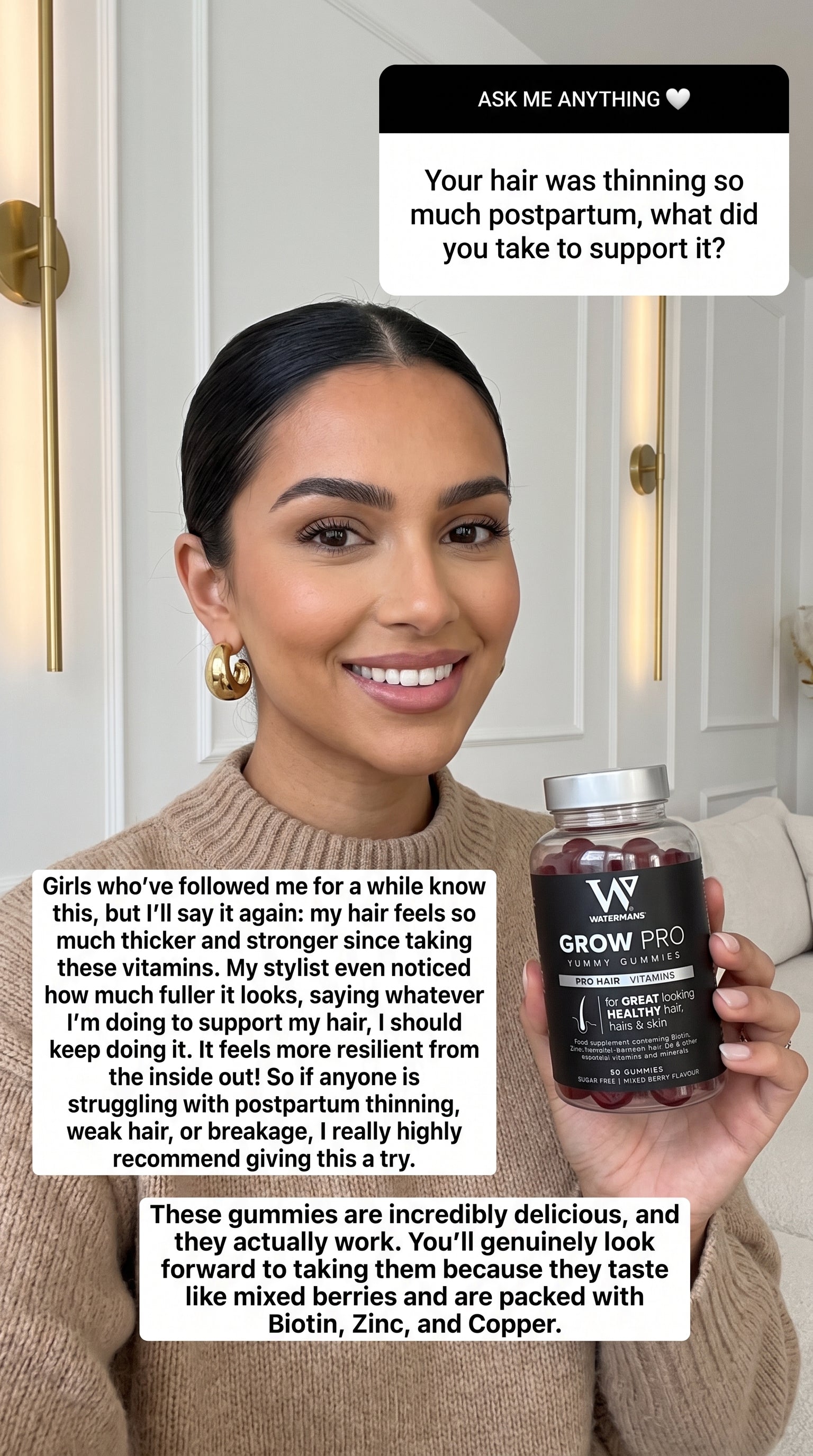
If a gummy is the format you will genuinely stick to, GrowPro is sugar-free and vegan, with biotin, zinc, selenium, MSM, bamboo silica, vitamin C, D3 and B12. These nutrients contribute to the maintenance of normal hair, skin and nails, and two a day is a realistic habit rather than a shelf of bottles you stop opening in March.
View GrowProHow do liquid hair vitamins fit with hair loss, shedding and breakage?
Supplements are aimed squarely at shedding, and only where a nutrient is genuinely short. They do very little for the other two, and knowing which problem you have saves both money and months.
| Problem | What is going on | Does a hair supplement help? |
|---|---|---|
| Hair loss | A follicular problem. The follicle itself miniaturises or is attacked, as in androgenetic alopecia or alopecia areata. The parting widens and density genuinely drops. | No. The process is hormonal or immune, not nutritional. This is a GP conversation. |
| Hair shedding | A cycle problem. Many follicles shift into the resting phase together after illness, surgery, childbirth, crash dieting or severe stress, then release two to three months later. Normal shedding is 50 to 100 hairs a day. | Sometimes, and only if a deficiency such as low ferritin is part of the trigger. Correcting a confirmed shortfall helps. Topping up when you are already replete does not. |
| Hair breakage | A fibre problem. Strands snap along their length from heat, bleach, friction and over-brushing. Root density is unchanged, but hair looks thin and never gains length. | No. Breakage happens to hair that has already left your body. This is a cosmetic care problem. |
The most common expensive mistake is buying supplements for breakage. If you are finding short broken pieces rather than full-length hairs with a white bulb at the end, the fix is on the outside. Our guide to what causes hair damage covers that, and what causes telogen effluvium explains the shedding timeline if the hairs you are losing are full length.
Watermans products are 100% cosmetic and do not treat medical hair loss. Individual results may vary.

Can you get the same nutrients from food instead?
Food covers almost everything on a hair supplement label, and it does so with better absorption context and no dosing guesswork. A supplement earns its place when a specific nutrient is short, when your diet excludes a whole group, or when the NHS actively advises it, as with vitamin D over winter.
| Nutrient | Reliable food sources | Worth supplementing when |
|---|---|---|
| Iron | Red meat, liver, lentils, chickpeas, tofu, dark leafy greens, fortified cereal | A blood test confirms low ferritin. Never guess with iron. |
| Vitamin D | Oily fish, egg yolks, fortified spreads and cereals | October to March in the UK, and year-round if you cover up or rarely go outside. |
| Zinc | Shellfish, meat, seeds, cashews, chickpeas, cheese | A restricted or long-term vegan diet, or a confirmed shortfall. |
| Protein | Eggs, dairy, fish, meat, beans, lentils, tofu, nuts | Intake is genuinely low, which is common during rapid weight loss. |
| B12 | Meat, fish, dairy, eggs, fortified foods | You eat a vegan diet. This one is not optional. |
For the nutrient-by-nutrient detail, our guide to vitamins and minerals for hair growth goes through each one. If it is the collagen question that brought you here rather than the format question, our honest look at liquid collagen covers why hair is keratin rather than collagen.
What should you do while you wait for supplements to work?
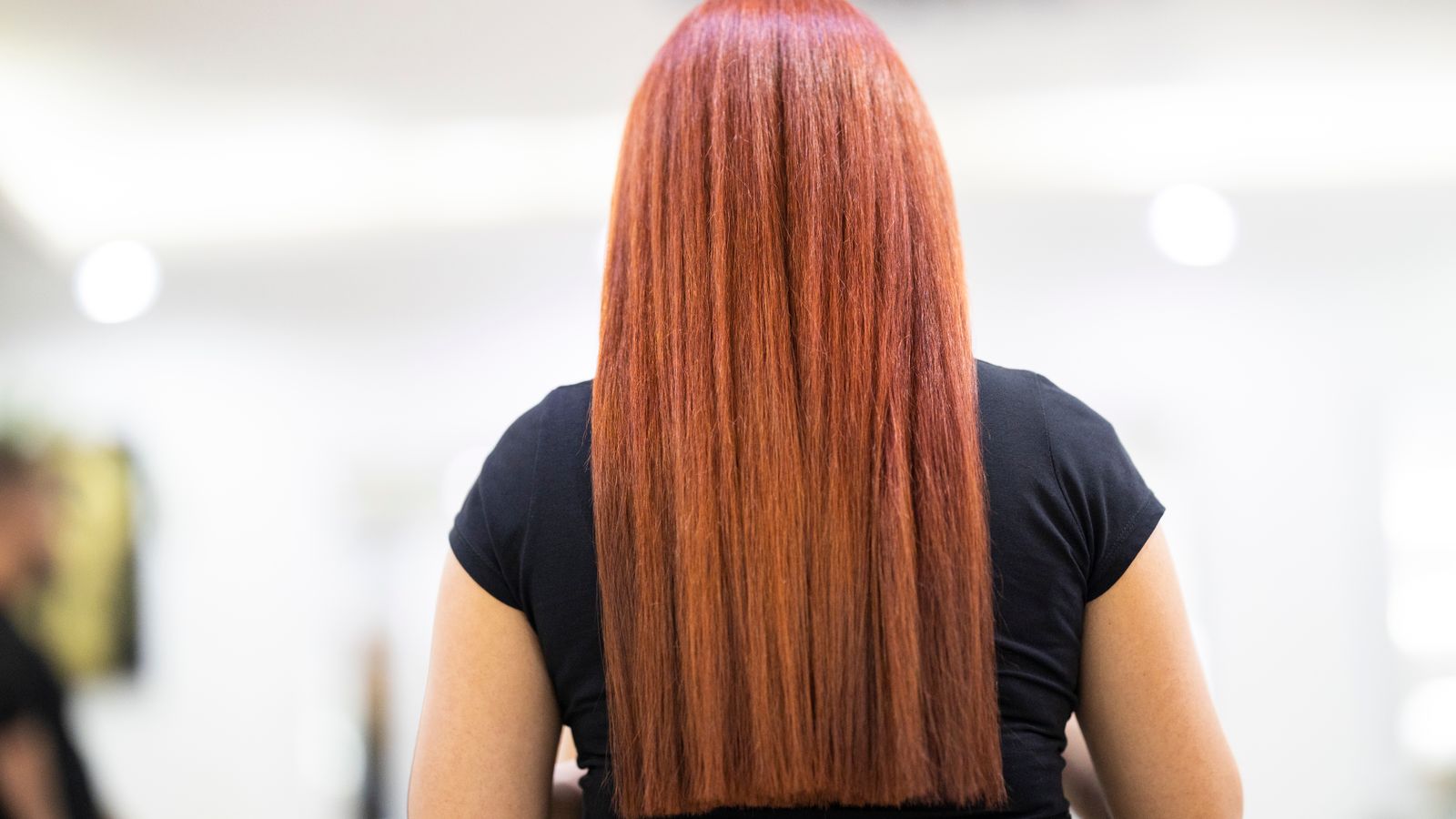
Protect the length you already have, because retention is what makes hair look thick. Any nutritional change takes three to six months to appear in the hair you can see, and in that window the fastest visible wins come from how you handle your hair rather than what you swallow.

Grow Me® Hair Growth Shampoo £14.95
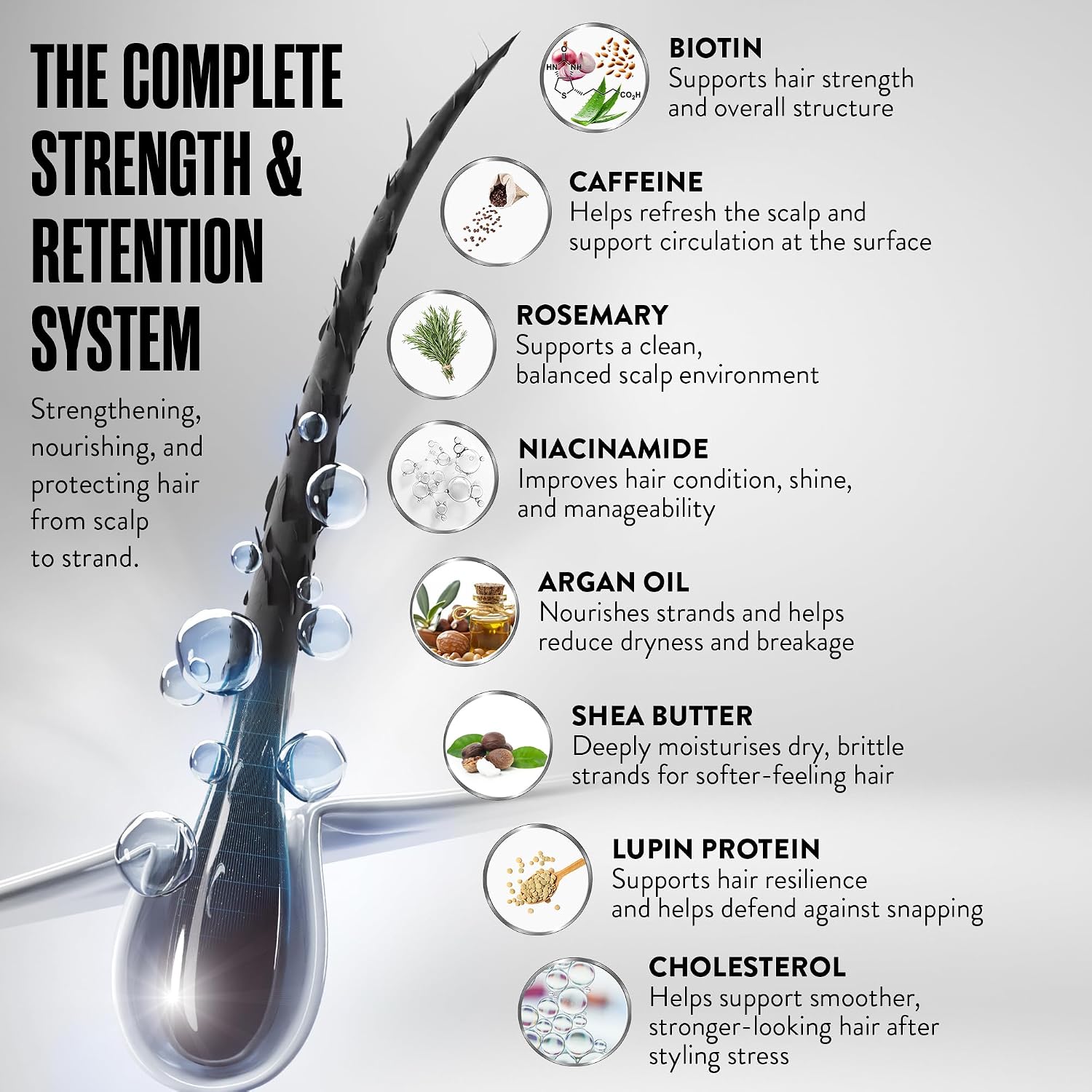
Grow Me is a sulphate-free daily shampoo with biotin, caffeine, rosemary, niacinamide and hydrolysed lupine protein. It is a cosmetic product, not a medical one: it cleanses gently and helps reduce breakage, so more of your length survives to be seen.
View Grow MeAlongside that: turn the heat down on your dryer and straighteners, use a wide-tooth comb on wet hair, sleep on a smoother pillowcase, and loosen tight styles. None of it costs anything and all of it shows within a few weeks, which is faster than any bottle.
Frequently Asked Questions
Are liquid hair vitamins better than gummies?
Liquid hair vitamins usually carry a higher nutrient load than gummies and contain no sugar, so on paper they are the stronger option. Gummies win on the thing that actually decides results, which is whether you keep taking them. Pick the one you will still be using in three months.
How long before a hair supplement makes a difference?
Give it three to six months. Hair grows about one centimetre a month, so any change in what reaches the follicle only becomes visible as new length emerges. If a product suggests results in two weeks, it is describing marketing rather than hair biology.
Can I take a hair supplement alongside other supplements?
Usually yes, but check for overlap. It is easy to double up on the same nutrient across a multivitamin, a hair supplement and a fortified drink, and vitamin A and selenium in particular are ones you do not want to stack. Ask a pharmacist if you take regular medication.
Does a liquid supplement expire faster once opened?
Yes. Once a bottle is opened, air, light and warmth start degrading the contents, and vitamin C and the B vitamins are the most vulnerable. Check the period-after-opening symbol, keep the bottle somewhere cool and dark, and do not stockpile.
Will hair vitamins help if my hair loss is genetic?
No. Androgenetic hair loss is driven by hormones acting on genetically susceptible follicles, and no nutrient changes that process. Supplements can still be worth taking if you have a confirmed deficiency alongside it, but they will not address the underlying pattern. See a GP for the options.
Is it safe to take hair vitamins while pregnant?
Check with your midwife or GP first. Several nutrients found in hair supplements, vitamin A especially, have limits in pregnancy, and pregnancy multivitamins are formulated with that in mind. Do not simply add a hair supplement on top.
Why do my hair vitamins contain no iron?
Almost certainly taste and stability. Iron is metallic and unpleasant in a flavoured liquid or gummy, and it also interacts with other ingredients in the mix. If you suspect low iron is behind your shedding, a blood test and a proper iron supplement from your GP is the right route, not a hair product.
Do hair supplements help with breakage?
Not really. Breakage happens to the fibre after it has left the scalp, and nothing you swallow can reach hair that is already grown. Conditioning, gentler handling and heat protection are what reduce breakage. Supplements only affect the hair your follicles have yet to make.
Sources & References
- Almohanna HM et al., The Role of Vitamins and Minerals in Hair Loss: A Review, Dermatology and Therapy, 2018. PMC6380979
- Patel DP et al., A Review of the Use of Biotin for Hair Loss, Skin Appendage Disorders, 2017. PMC5582478
- NHS, Vitamins and minerals: recommended intakes and upper limits. nhs.uk
- NHS, Vitamin A: how much you need and the risks of too much. nhs.uk
- NHS, Vitamin D: including the advice to supplement over the autumn and winter months. nhs.uk
- British Association of Dermatologists, Telogen Effluvium information leaflet. bad.org.uk
The bottom line on liquid hair vitamins
Liquid hair vitamins are a perfectly reasonable way to take a supplement and a poor reason to expect new hair. The format buys you convenience and, for fat-soluble nutrients in an oil carrier, a small absorption advantage. It does not buy you a nutrient your body was not short of. The people who see a real change from any hair supplement are the ones who were genuinely deficient, which is why a blood test is a better first purchase than a bottle. Get your iron and vitamin D checked if you are shedding, eat enough protein, pick the format you will actually keep taking, and look after the length you already have while you wait.
Watermans is a British, vegan, cruelty-free hair care brand, and we have sold over 6.5 million bottles since 2012.