Alcohol and Hair Health: What Drinking Really Does
It is a fair question, and it usually arrives the morning after a good night out.
Alcohol and hair health are connected, but indirectly. Alcohol does not attack the follicle. It affects hair through the things it disturbs: sleep quality, appetite and nutrient intake, iron and zinc levels, liver function and stress hormones. Heavy or sustained drinking can therefore contribute to a shedding phase two to three months later, while a glass of wine with dinner is very unlikely to show up on your head at all.
Our hair growth shampoo
Grow Me® Hair Growth Shampoo, £14.95. A sulphate free daily shampoo that supports a healthy scalp environment and helps reduce breakage, so lengths hold on and look fuller.
Key Takeaways
- The link is indirect. Alcohol and hair health meet at nutrition, sleep and absorption, not at the follicle itself.
- Dose matters enormously. Occasional moderate drinking sits in a completely different category from sustained heavy drinking, and the evidence reflects that.
- Any effect is delayed. A shedding phase shows up roughly two to three months after the period that caused it, which is why people rarely make the connection.
- Alcohol in your shampoo is a different subject entirely. Some alcohols dry the fibre out, others condition it, and the label tells you which.
- Hangover hair is mostly dehydration and neglect, and that is breakage, not loss.
How does alcohol affect hair, exactly?
Alcohol affects hair by making the body a slightly worse place to grow it. Hair is a non essential tissue, so when resources are short the body deprioritises it quickly and quietly. Sustained heavy drinking reduces the intake and absorption of several nutrients that hair growth genuinely depends on, particularly iron, zinc, folate and B vitamins, partly because alcohol interferes with absorption in the gut and partly because heavy drinkers often eat less well. Alcohol also fragments sleep, and it is during deep sleep that a great deal of tissue repair happens.
None of that is a direct chemical attack on the follicle. It is the difference between a builder with a full skip of materials and a builder rationing them. The building still happens, just not as well, and the first thing to be economised on is the thing the body can live without.
Can drinking cause hair loss, shedding or breakage?
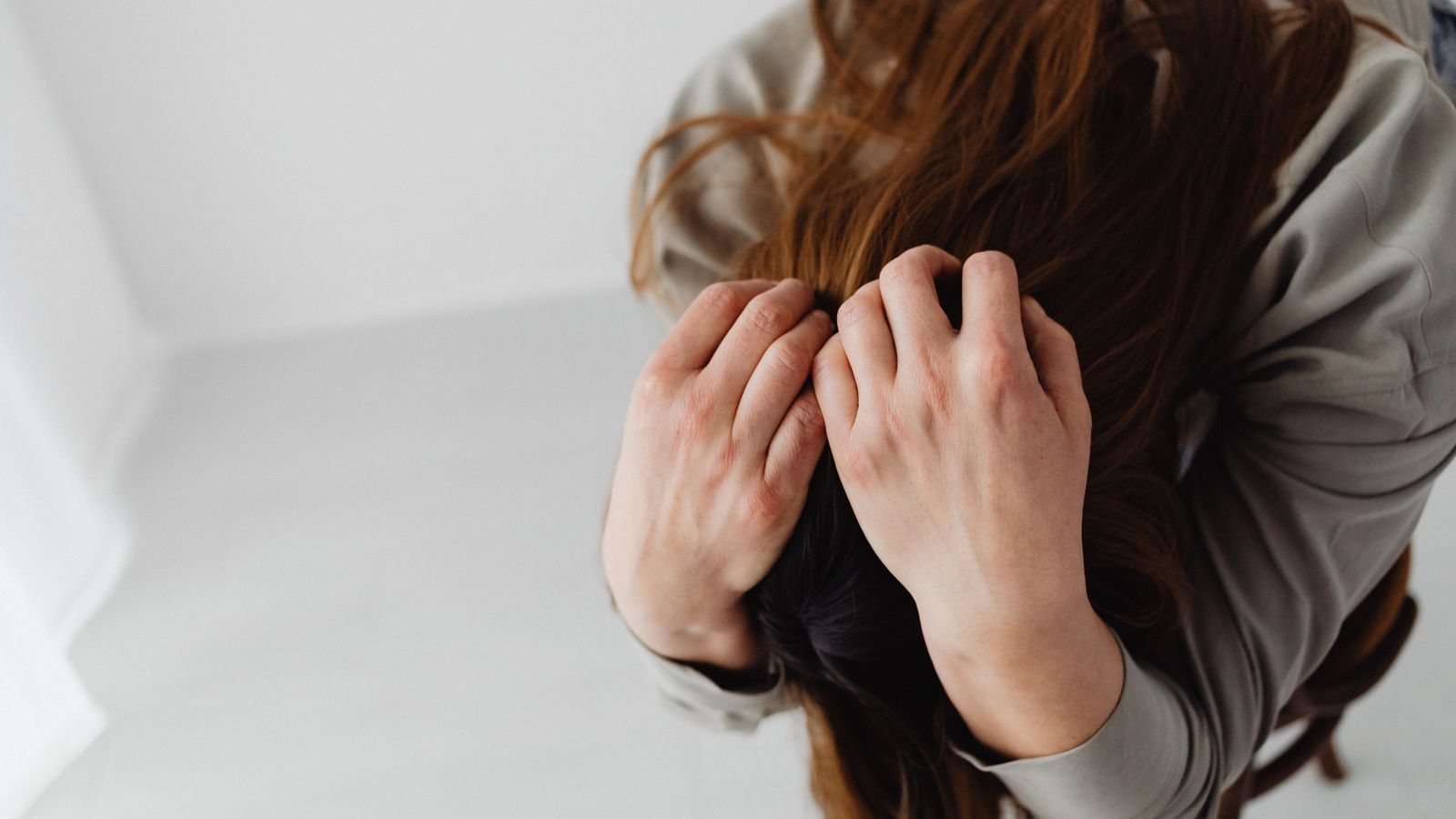
Drinking is most plausibly linked to shedding, not to pattern hair loss, and it causes breakage only indirectly. Those three words describe three different problems and mixing them up is why so much online advice on alcohol and hair health is useless. Shedding is hair released early from the follicle because the whole body was under strain, and it comes out with a small pale bulb at the root. Pattern hair loss is a genetic and hormonal process in which follicles gradually shrink over years, and alcohol does not cause it. Breakage is the fibre snapping along its length, which is what happens when hair is neglected, dehydrated and slept on in a bun for three nights.
| Drinking pattern | Plausible effect on hair | What it is not |
|---|---|---|
| A few drinks a week, eating normally | No meaningful effect expected | Not a cause of thinning on its own |
| Heavy weekends, poor sleep, skipped meals | Dull, dry, more breakage; possible mild shedding if sustained | Not permanent damage to follicles |
| Sustained heavy drinking over months | Nutrient shortfalls, disturbed sleep, a genuine shedding trigger | Not the cause of a receding hairline |
| Stopping after heavy use | Nutrition and sleep improve; hair usually follows within months | Not an instant fix |
If you are trying to work out which of the three you actually have, our guide to why hair starts thinning and how to read the signs is the right next step, because the answer changes what you should do.
Does alcohol dehydrate your hair?
Alcohol dehydrates the body, and dehydrated hair behaves badly, but the mechanism is less dramatic than the internet suggests. Alcohol suppresses a hormone that tells the kidneys to hold on to water, so you lose more fluid than you take in. The hair fibre itself is not living tissue and does not drink, so it is not dehydrated in the way skin is. What actually happens is that the scalp gets drier and less comfortable, and the hair fibre is more prone to static, frizz and snapping because the cuticle is rougher when hair is poorly conditioned and roughly handled.

Worth knowing: one UK unit is 10ml of pure alcohol. A large glass of wine is around three units, so a "couple of glasses" can quietly be six. The NHS low risk guidance is no more than 14 units a week, spread over three or more days. Counting is unglamorous and it is the single most useful thing you can do here.
Which nutrients does alcohol interfere with?
Alcohol interferes most with the nutrients hair growth is fussiest about. Iron is the headline one, because low iron stores are one of the most common findings in people going through a shedding phase, and heavy drinking affects both intake and absorption. Zinc, folate and vitamin B12 follow, and protein intake often drops simply because drinking displaces meals. Vitamin A is a curious exception, because too much of it is linked with hair problems rather than too little, which is a good argument against taking a high dose supplement without a reason.
The honest position on supplements is this. Correcting a real shortfall helps. Taking a hair vitamin on top of an already adequate diet does not do very much, whatever the packaging suggests. If your hair is falling out and you drink heavily, the useful move is a conversation with your GP and a blood test, not a bigger tub of gummies. If your question is about products or a routine rather than a medical one, you can talk to Gail Waterman, our co-founder, as an AI avatar on the Watermans homepage.
Get a discount on your next order
Join the Watermans mailing list and we will email a discount code straight to your inbox. Vegan, made in the UK, over 6.5 million bottles sold since 2012.
Is the alcohol in hair products bad for your hair?
The alcohol on a shampoo label is a completely different question from the alcohol in your glass, and the answer depends entirely on which alcohol it is. Short chain alcohols such as alcohol denat, ethanol, isopropyl alcohol and SD alcohol evaporate quickly, which is useful in a hairspray and drying in a leave in product used daily. Fatty alcohols such as cetyl, stearyl, cetearyl and behenyl alcohol are the opposite: they are waxy, they soften and they are a normal, welcome part of most conditioners.
So if someone tells you to avoid all alcohol in hair products, they have read half the label. Look at where the ingredient sits in the list and what the product is for. A styling spray that dries fast is doing its job. A conditioner built on fatty alcohols is doing its job too. Our guide to choosing a shampoo by what is actually in it covers how to read a label without a chemistry degree.
What does a heavy night do to your hair the next day?
A heavy night affects hair mostly through behaviour, not biology. You sleep badly and rub your hair against a pillow for six restless hours, you skip a proper meal, you go a day or two longer between washes, and you scrape it up into a tight bun to get it out of the way. Every one of those causes mechanical stress on the fibre. The result is dryness, dullness and mid length snapping, all of which show up quickly and all of which are reversible with better handling. Nothing that happens on a single night reaches the follicle.

What actually protects hair if you drink?
Protecting hair while still having a social life is mostly about the surrounding habits rather than abstinence, and this is where alcohol and hair health stops being theoretical. The following list is ordered by how much difference each item genuinely makes.
- Keep drink free days in the week. Spreading intake matters more for the body than the weekly total alone, and it gives sleep a chance to recover.
- Eat before, not instead. Protein and iron rich food on drinking days closes the biggest nutritional gap.
- Match your drinks with water. It will not save your hair by itself, but it takes the edge off the fluid loss and you will handle your hair better the next day.
- Protect the fibre overnight. A loose plait and a smoother pillowcase beat a tight bun and a cotton case for reducing friction.
- Condition properly, especially mid lengths and ends. This is where snapping happens and where it is easiest to prevent.
- Get iron checked if shedding is genuinely heavy, rather than guessing. A blood test through your own GP answers in a week what a forum answers never.
Which products help with the dryness and breakage side?
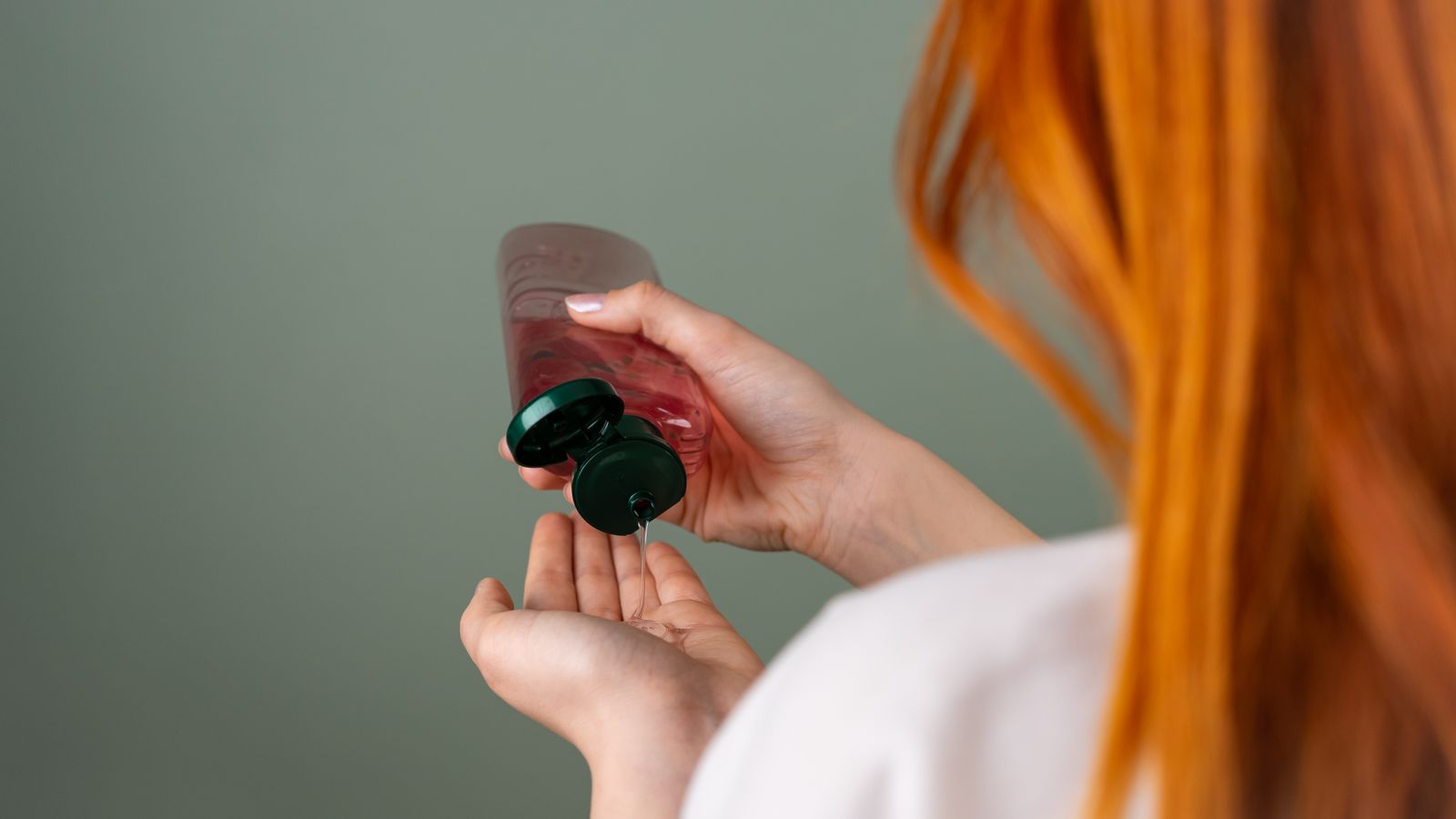
No shampoo undoes a bad month. What good cosmetic care does is protect the fibre you already have, which is exactly the part of alcohol and hair health that is within your control today. These are the three we would point at, and if none of them fits your hair, the honest answer is to change the handling first and buy nothing.

Grow Me® Hair Growth Shampoo
Sulfate free, so it cleans a scalp that has had a heavy week without stripping it. Biotin, caffeine, rosemary and niacinamide, for fuller looking hair and a comfortable scalp.

Masque Me® Hair Mask
A deep conditioning mask for the dry, dull, snapping mid lengths that follow a run of late nights. Once a week is plenty.

GrowPro® Hair Growth Gummies
Biotin, zinc and B vitamins in a sugar free vegan gummy. Sensible if your diet has genuine gaps. Not a substitute for eating properly, and not a reason to skip a blood test.
Watermans products are 100% cosmetic and do not treat medical hair loss. Individual results may vary. Over 6.5 million bottles sold since 2012, made in the UK.
When should you talk to your GP?
Speak to your own GP if shedding has been heavy for more than about three months, if you are drinking at a level you are uneasy about, if you feel unusually tired, cold or breathless, or if your scalp is sore, flaking or inflamed. Iron, ferritin, thyroid and liver function are all straightforward blood tests and they answer questions that no shampoo can. If cutting down feels harder than it should, that is worth raising too, and it is a far more common conversation in a GP surgery than most people expect. If your scalp itself is uncomfortable, our article on what an irritated, inflamed scalp is telling you is a useful companion piece.
Frequently Asked Questions About Alcohol and Hair Health
Will giving up alcohol make my hair thicker?
The realistic answer on alcohol and hair health is that cutting down removes a drag factor rather than adding a benefit. If heavy drinking was contributing through poor nutrition and sleep, cutting down removes that contribution, and hair often looks better within a few months. If your thinning is the genetic pattern type, stopping drinking will improve a great many things about your health but the pattern will continue.
Does beer cause hair loss?
No specific drink causes hair loss. What matters is the amount of alcohol and how it affects eating and sleeping. Beer is not uniquely guilty, and the silicon content sometimes cited in its favour is not present in a meaningful amount either.
Can one heavy night cause shedding?
Very unlikely. Shedding phases follow sustained strain on the body over weeks, not a single evening. What a single night does produce is dry, tangled, roughly handled hair the next day, which is breakage.
Is red wine good for hair because of antioxidants?
The antioxidant argument for red wine is weak and it is not a reason to drink for your hair. Any antioxidants present come with alcohol attached, and you can get the same compounds from food without that trade off.
Does alcohol affect hair colour or greying?
There is no good evidence that alcohol turns hair grey. Greying is largely down to genetics and age. Very heavy drinking accompanied by significant nutritional deficiency can dull hair, which is a different thing from a change in pigment.
Should I avoid shampoos that list alcohol?
Not automatically. Fatty alcohols such as cetearyl and behenyl alcohol are conditioning and useful. Fast evaporating alcohols high in the ingredient list are worth watching in a daily leave in product, but they are entirely appropriate in a hairspray.
How long after cutting down would I see a difference?
Give it three to six months. New hair grows at roughly one centimetre a month, so improvements in the growing environment take a season to become visible, and longer still to look like density.
Does alcohol interact with hair supplements?
Alcohol can worsen the absorption of some of the same nutrients a supplement is supplying, which somewhat defeats the object. If you take supplements and drink heavily, the drinking is the bigger lever.
What is the bottom line on alcohol and hair health?
Alcohol and hair health are linked through nutrition, sleep and absorption rather than through any direct effect on the follicle. Moderate drinking in someone eating well is very unlikely to show on your head. Sustained heavy drinking is a plausible contributor to a shedding phase, showing up two to three months later, and it is also the version worth doing something about for reasons far bigger than hair. Meanwhile, most of what people blame on last night is breakage caused by dryness and rough handling, which good conditioning and gentler treatment of your mid lengths will sort out quickly.
If you want the wash step doing something useful in the meantime, the Grow Me hair growth shampoo is the one most people start with. Vegan, made in the UK.
Sources & References
- NHS, Calculating alcohol units, for the unit definitions and the 14 unit weekly guidance quoted above.
- NHS, Alcohol misuse, for the effects of sustained heavy drinking and where to get help.
- NHS, Vitamins and minerals, for iron, zinc, folate and vitamin A guidance, including the risks of taking too much.
- NHS, Hair loss, for what counts as normal shedding and when to seek advice.
- DermNet, Telogen effluvium, for the delay between a bodily stressor and visible shedding.
- StatPearls, Physiology, Hair, NCBI Bookshelf, for hair growth rates and the growth cycle.
Sources checked on 21 August 2026. Note that research on alcohol specifically and hair is limited, and most of the connection above is inferred from well established effects on nutrition and sleep rather than from studies of drinkers' hair. Where sources are thin, we have said so rather than filled the gap.