Shampoo for Hair Loss: What It Can and Cannot Do
Before you compare bottles, work out whether what you are seeing is loss, shedding or breakage.
A shampoo for hair loss is a cosmetic product, not a medicine. It cleans the scalp, reduces the breakage that makes thinning look worse, and creates a better environment for the hair you already have. No shampoo reaches the follicle or changes the hormones behind pattern thinning. What a good one genuinely does is stop you losing length to snapping while you deal with the underlying cause.
The shampoo we make
Grow Me® Shampoo, £14.95, is sulphate free with biotin, caffeine, rosemary and niacinamide. It supports a healthy scalp environment and reduces breakage for fuller looking hair. See Grow Me® Shampoo.
Key takeaways
- Hair loss, shedding and breakage have different causes and different answers. Getting the label right saves money.
- Shampoo contact time is roughly two minutes, and it rinses off. That is the honest limit of what any wash can do.
- The realistic wins are a comfortable scalp, less build-up and less breakage, which together make hair look fuller.
- Free blood tests from your GP for ferritin, thyroid, vitamin D and B12 are a better first step than any bottle.
- Sulphate free matters most if your scalp is dry or your hair is coloured, and matters little otherwise.
What can a shampoo for hair loss realistically do?
A wash product acts on the scalp surface and the hair fibre, for about the two minutes it is on your head. Within that window it can lift sebum and product build-up, calm flaking, add slip so wet hair survives combing, and deposit conditioning agents that reduce friction. Those are real, measurable effects on how hair looks and behaves.
What it cannot do is reach the follicle, change androgen sensitivity, or bring back a hair the follicle has stopped producing. Pattern thinning is driven by inherited sensitivity to hormones at the root, several millimetres below the surface, and a rinse-off product does not get there. Any shampoo promising to bring hair back is making a claim it cannot keep.

Is it hair loss, hair shedding or hair breakage?
Three different problems get called the same thing, and they need different answers. Hair loss means the follicle is producing finer hair or none at all, which shows up as a widening parting or a thinning crown. Hair shedding means normal hairs leaving at the end of their cycle in unusually large numbers, typically two to three months after an illness, operation, birth, crash diet or period of stress. Hair breakage means the strand snapping partway along its length, so hair gets shorter and rougher without the parting changing.
One look at a fallen hair settles it. A shed hair has a small pale bulb at the root end. A broken hair is the same thickness at both ends with no bulb. If your comb is full of short, bulb-free pieces, a gentler wash and better handling will help a lot. If the parting is widening, the bottle is not the answer and a GP is. Our guide to what causes telogen effluvium covers the shedding timeline in detail.
| What you see | Most likely | First move | Can shampoo help? |
|---|---|---|---|
| Parting looks wider over months | Pattern hair loss | Speak to your GP | Only cosmetically |
| Handfuls 2 to 3 months after a trigger | Shedding | Wait it out, check iron and thyroid | Yes, protects length |
| Short broken pieces, rough ends | Breakage | Gentler washing and handling | Yes, directly |
| Bare round patches | Needs assessment | See your GP promptly | No |
Which ingredients are worth paying for?
Caffeine, rosemary, niacinamide and biotin appear in most of this category. The honest position is that laboratory and small human studies are interesting rather than conclusive, and that none of them is a medicine. Caffeine and rosemary have the most published work behind them, though much of it is small, short or done on isolated follicles rather than on people washing their hair.
Two ingredients do more reliable work. Mild surfactants clean without stripping, which matters because an irritated scalp flakes and itches and makes everything look worse. Conditioning agents and hydrolysed proteins reduce friction so hair survives the comb. Neither is glamorous, and both do more for how your hair looks in six weeks than the hero extract on the front of the bottle.

Should you choose a sulphate free formula?
Sulphate free is worth choosing if your scalp is dry, tight or flaky, if your hair is coloured, or if you wash daily. Sodium lauryl sulphate is an efficient cleanser that can strip more oil than a dry scalp can spare. Milder systems based on cocamidopropyl betaine or glucosides clean perfectly well for most people, with less of that squeaky, stripped feeling.
Sulphate free is not a health claim and it will not change shedding. Someone with an oily scalp who washes twice a week may prefer a conventional formula, and that is a reasonable choice. Treat the label as a comfort decision that suits some scalps rather than a mark of quality.
Get a discount on the thinning hair range
Join the Watermans mailing list and we will email a discount code straight to your inbox, so you can try the thinning hair range for less. Made in the UK, over 6.5 million bottles sold since 2012.
How should you actually wash if hair feels fragile?
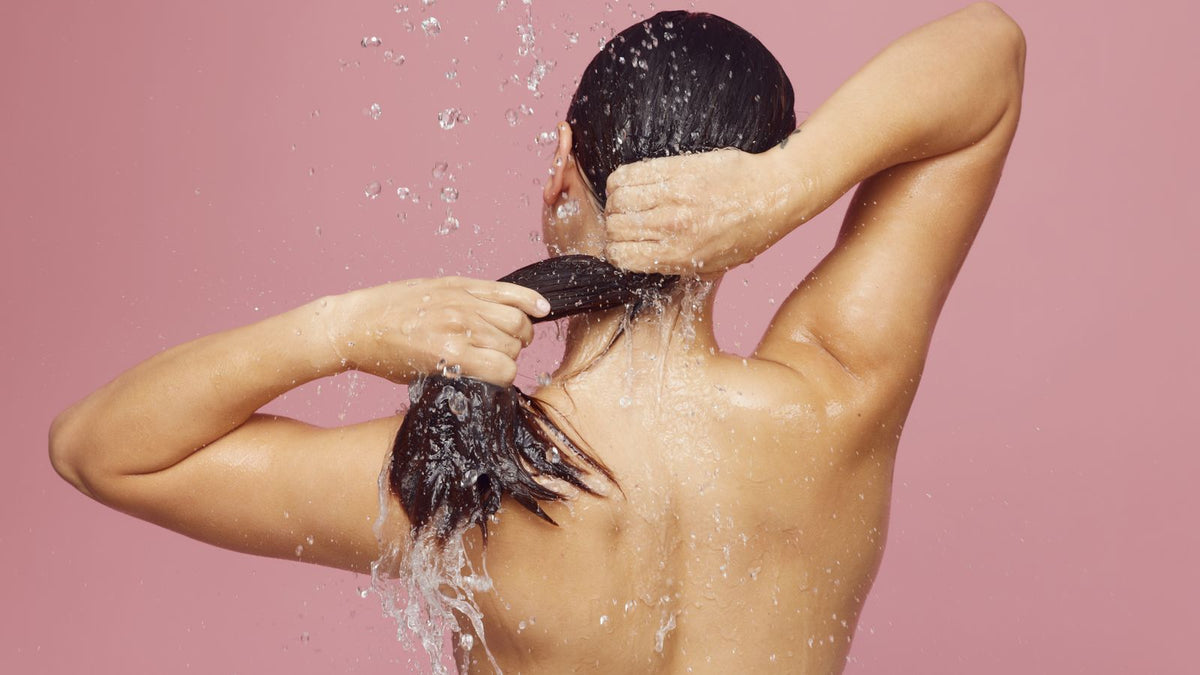
Technique changes results more than most people expect. Wet the hair thoroughly first so the product spreads instead of dragging. Put the shampoo on the scalp, not the lengths, and work it in with the pads of your fingers rather than your nails. The lengths get cleaned by the lather running down as you rinse.
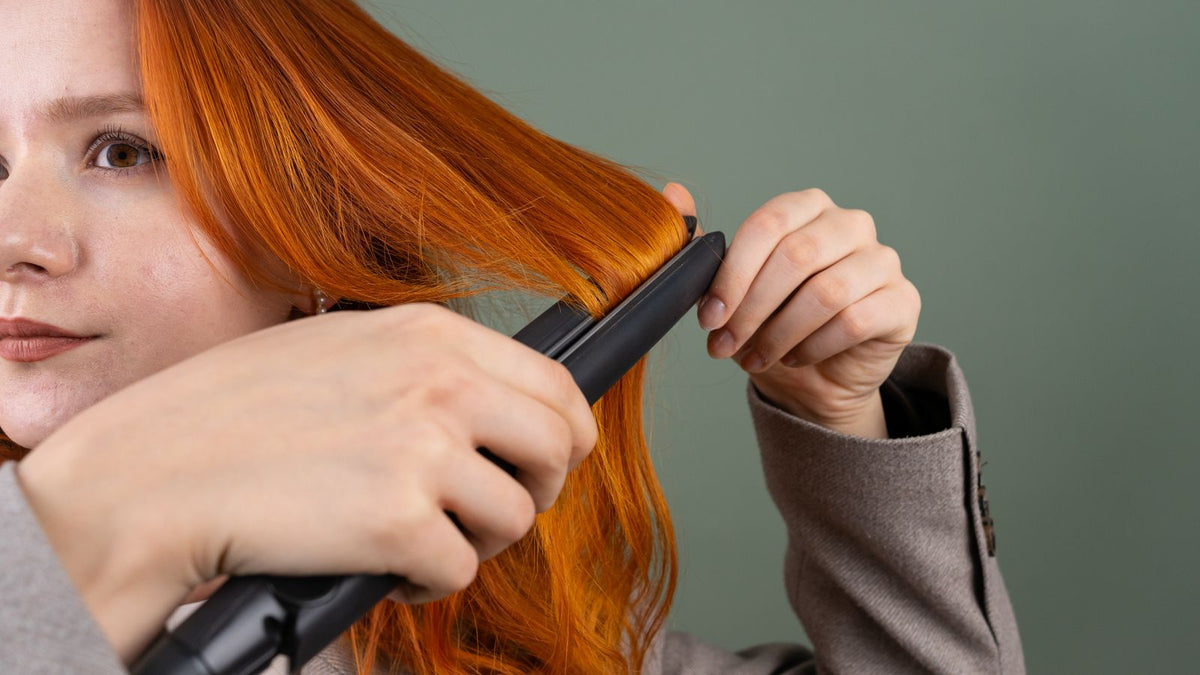
Condition every single wash, from mid-length to ends, and comb it through with a wide tooth comb while the conditioner is still in. Wet hair is at its weakest, so that is the moment breakage happens. Rinse cool if you can bear it, squeeze rather than rub with the towel, and let hair dry most of the way before any brush or hot tool.

Grow Me® Shampoo £14.95
Sulphate free, so it cleans without stripping a scalp that is already dry. Biotin, caffeine, rosemary, niacinamide and hydrolysed lupine protein. Cosmetic care that reduces breakage for fuller looking hair.

Condition Me® Conditioner £13.95
Cholesterol, shea butter and hydrolysed lupine protein for slip and breakage defence. Used every wash, it is the step that keeps the length you already have.
How long should you give a new shampoo before judging it?
Judgement needs a fixed window and a fixed method, or you will convince yourself of whatever you already believed. Give any wash product eight to twelve weeks before forming a view, and twelve weeks before deciding it has failed. Hair grows roughly one centimetre a month, so density changes are invisible before that no matter what is happening.
Track three things and nothing else. Take a photo of the same parting, in the same light, on the same day of the week. Count shed hairs on one wash day a week rather than every day. And note how the hair feels combed wet, because reduced breakage shows up in handling long before it shows up in a photo. Our guide to tracking hair growth honestly sets out the method properly.
One change at a time. Starting a new shampoo, a supplement and a scalp serum in the same week means that in three months you will know something changed but not what did it, and you will keep paying for all three.
What should you check before spending anything?
Four blood tests explain a large share of unexplained shedding, and your GP can arrange all of them free: ferritin (stored iron), thyroid function, vitamin D and B12. Low ferritin in particular is common in menstruating women and is a well recognised contributor. Fixing a genuine deficiency does more than any shampoo, and no shampoo compensates for one left unaddressed.
Write down when the shedding started and what happened two to three months before that. The delay between a trigger and the shed is the single most useful clue, and it is the thing people most often fail to mention in a seven minute appointment. Our guide to telling thinning apart from shedding sets out what to record.

When should you speak to your GP?
Speak to your GP if the parting is visibly widening, if there are bare or patchy areas, if the scalp is sore, scaly or has sores, if heavy shedding has run beyond three months, or if hair changes arrive alongside weight, energy or period changes. None of those are shampoo problems and all of them have answers worth having. If your question is about products or a routine rather than a medical one, you can talk to Gail Waterman, our co-founder, as an AI avatar on the Watermans homepage.
If you want a gentle everyday wash while you work through the cause, our hair growth shampoo is sulphate free, made in the UK, and costs less than most salon bottles.
What is the bottom line on shampoo for hair loss?
Buying a shampoo for hair loss is a reasonable thing to do, provided you buy it for what it actually does. Expect a comfortable scalp, less build-up and noticeably less breakage, which together make hair look fuller. Do not expect it to change a widening parting, and do not let a bottle delay a free blood test that might explain everything.
If you want a wash that does exactly what this page says a wash can do, our sulphate free hair growth shampoo cleans gently, keeps the scalp comfortable and helps reduce the breakage that makes thinning hair look thinner still. It will not change a widening parting, and it is not sold as though it could.
Frequently asked questions: what else do people ask about shampoo for hair loss?
Does shampoo for hair loss actually work?
It works on the scalp and the hair fibre, not on the follicle. Expect less build-up, less breakage and hair that looks fuller. Expect no change to pattern thinning, which is driven several millimetres below the surface.
How long before I see a difference?
Hair feel usually changes within two to three washes. Anything involving length or density takes three to six months, because hair grows roughly one centimetre a month and you are judging new growth.
Should I wash more or less often when hair is shedding?
Wash as often as your scalp needs. Hairs that come out in the shower were already detached; leaving them in place does not keep them. An unwashed, flaking scalp makes thinning look worse, not better.
Is sulphate free better for thinning hair?
Better for a dry or coloured scalp, neutral otherwise. Sulphate free is a comfort choice, not a proven benefit for density, and some sulphate free formulas still clean quite firmly.
Can a shampoo change the hormone side of thinning?
No. Nothing that rinses off after two minutes changes hormone activity at the follicle, and claims of that kind are not ones a cosmetic product can support.
Do I need the matching conditioner?
For fragile or shedding hair, yes. Wet hair is at its weakest, and conditioner is what provides the slip that stops strands snapping when you comb. Keep it on the lengths and off the scalp.
What if my hair is greasy at the roots and dry at the ends?
Shampoo the scalp only and condition the ends only. That combination is normal, especially on longer hair, and treating both halves the same is what causes the complaint.
Is it worth seeing a trichologist first?
See your GP first, because the blood tests that explain most unexplained shedding are free and a trichologist cannot order them. A private assessment can be useful afterwards, once the medical causes are ruled out.
Sources and references
- NHS: Hair loss
- DermNet: Female pattern hair loss
- DermNet: Male pattern hair loss
- DermNet: Telogen effluvium
- NHS: Iron deficiency anaemia
- NHS: Blood tests
Watermans products are 100% cosmetic and do not treat medical hair loss. Individual results may vary.