Best Hair Growth Serum: How to Choose One That Fits Your Hair
Serum is the vaguest word on the shelf. Two bottles labelled the same can do completely different jobs.
Choosing the best hair growth serum starts with deciding what you want it to do, because the category covers two unrelated products. A scalp serum is a leave-on liquid applied to the skin between partings. A hair serum is a finishing oil for the lengths. Only the first is aimed at density and comfort at the root. Match the format to the problem, check the ingredients rather than the front label, and give it three to six months before judging.
The scalp serum we make
Grow More® Scalp Elixir, £25.50, is a leave-on serum with caffeine, rosemary, niacinamide, biotin and hydrolysed lupine protein, for a comfortable scalp and less breakage. See Grow More® Scalp Elixir.
Key takeaways
- Scalp serum and hair serum are different products. Buying the wrong one is the most common reason people say serums do nothing.
- Leave-on beats rinse-off for contact time, which is the one genuine advantage a serum has over a shampoo.
- Caffeine, rosemary, niacinamide and peptides are the common actives. The evidence is promising rather than settled.
- Apply to the scalp in partings, not to the hair. Most of a serum sprayed onto hair never reaches the skin.
- Give it 12 weeks minimum. Hair grows about a centimetre a month, so there is nothing to see before then.
Scalp serum or hair serum: which one do you actually want?
Two products share the word and almost nothing else. A scalp serum is a light, usually water or alcohol based liquid with a nozzle or dropper, designed to be parted into the hair and left on the skin. A hair serum is an oil or silicone blend for mid-lengths and ends, designed to smooth the cuticle and add shine.
Choosing wrongly explains most disappointment in this category. Someone worried about a widening parting who buys a shine oil has bought a product that never touches the area they are worried about. Someone with dry, splitting ends who buys a scalp serum has bought something that will not help the problem either. Decide first whether your concern is at the root or along the strand. Our guide to choosing a scalp serum covers the first case in more detail.
| Scalp serum | Hair serum | |
|---|---|---|
| Where it goes | Skin, in partings | Mid-lengths and ends |
| Texture | Light, watery, non-greasy | Oil or silicone, richer |
| Job | Scalp comfort, density appearance | Shine, frizz, split ends |
| When | Usually nightly or on damp hair | After washing, before or after drying |
| Judge it at | 12 to 24 weeks | Same day |

Which ingredients separate the best hair growth serum from the rest?
Four actives dominate the shelf and each deserves a different level of confidence. Caffeine has the most laboratory work behind it and some small human studies. Rosemary has a handful of small trials and a long traditional history. Niacinamide is well established for skin comfort and barrier support, which matters because the scalp is skin. Peptides are the newest and the least settled. If you have seen Capilia Longa on a label, our guide to Capilia Longa explains what the turmeric stem cell extract can and cannot do.
Two supporting ingredients matter more than people expect. Panthenol and glycerin hold a little moisture at the surface, which reduces the tight, flaky feeling that makes people stop using a product after a fortnight. And a sensible alcohol level keeps the formula light without leaving the scalp stripped. A serum you abandon in week three because it stings is worth nothing regardless of its active list.
Read the position on the list, not just the name. An ingredient listed after the fragrance is present in tiny amounts. If the hero active appears last, you are paying for the story rather than the dose.
How should you apply a scalp serum so it actually works?
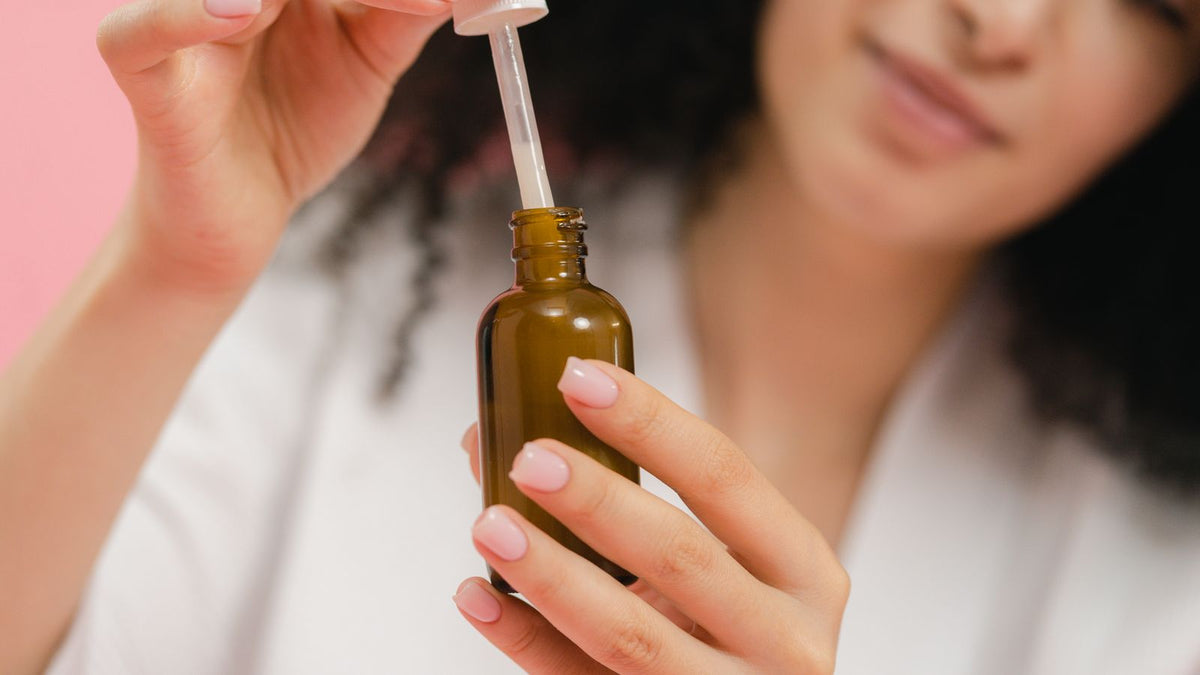
Application decides most of the outcome. Part the hair into four or five rows and apply directly to the exposed skin, moving the parting each time so you cover the whole area of concern rather than one stripe. Use the nozzle or dropper against the scalp, not hovering above the hair.
Massage in for thirty to sixty seconds with the pads of your fingers. The massage spreads the product and increases contact with the skin. Apply to a dry or towel-dried scalp rather than soaking wet hair, because water dilutes the product and carries it away. Nightly is typical, and consistency matters far more than quantity.

Get a discount on the hair growth range
Join the Watermans mailing list and we will email a discount code straight to your inbox, so you can try the hair growth range for less. Vegan, made in the UK, over 6.5 million bottles sold since 2012.
How long before a serum shows anything?
Twelve weeks is the minimum honest window and six months is a fairer one. Hair grows roughly one centimetre a month, and any new hair has to reach a length where it contributes to how dense your hair looks. Before three months there is genuinely nothing to see, which is why so many people conclude a product failed when they simply judged it early.
Measure the same way each time. One photo of the same parting, same light, same day of the week. A tape measure across the parting width. And a note on how the scalp feels, because comfort often improves first. Our guide to tracking hair growth honestly explains why casual mirror checks mislead.

Grow More® Scalp Elixir £25.50
A leave-on scalp serum with caffeine, rosemary, niacinamide, biotin and hydrolysed lupine protein. Cosmetic care that supports a healthy scalp environment and reduces breakage for fuller looking hair.

Grow Me® Shampoo £14.95
Sulphate free, so it cleans without stripping a scalp you are applying a serum to. The same active family as the elixir, in a wash you already do anyway.
Is a serum better value than a shampoo or a supplement?
Contact time is the serum's real advantage. A shampoo is on the scalp for about two minutes and then rinses away, while a leave-on serum stays for hours. That difference is the strongest argument for the format and the reason it costs more per millilitre.
Against that, a serum only helps if you use it consistently, and it does nothing for the lengths. A supplement only helps if you are genuinely short of something, which a blood test settles. The sensible order for most people is: fix a deficiency if you have one, make the wash gentle, then add a leave-on serum if you want to do more. Our guide to which hair vitamins actually matter covers the supplement question.

Who is a scalp serum genuinely for?
Scalp serums suit some situations far better than others, and being honest about that saves money. The best fit is early, diffuse thinning where hair is still growing but finer than it was, a scalp that feels tight or flaky, or someone coming out the far side of a heavy shed who wants to support the new hair coming through.
Poor fits are just as clear. A smooth, shiny bald area has no follicle activity left to support. Sudden patchy loss needs a doctor rather than a bottle. And hair that is snapping along its length is a conditioner and handling problem, so a scalp product will not touch it. Our guide to diffuse thinning explains which category most people fall into.
Which claims should make you put the bottle down?
Four phrases should end your interest immediately. A promise to bring hair back where the scalp is smooth and shiny, because that follicle is no longer producing. A claim of clinical proof on a cosmetic product, which is not a claim a cosmetic can make in the UK. Before and after photos with different lighting, parting and styling. And any named prescription medicine on a shampoo or serum label, which is a regulatory problem rather than a selling point.
Healthy scepticism also applies to percentages. A serum advertising a large percentage of an active tells you the concentration and nothing about whether that concentration was ever tested on a human scalp for the length of time you would use it.
When should you speak to your GP?
Speak to your GP before buying anything if the parting is widening quickly, if there are bare or patchy areas, if the scalp is sore, scaly or has sores, or if shedding has been heavy for more than three months. Blood tests for ferritin, thyroid, vitamin D and B12 are free and settle a lot of questions that no serum can answer. If your question is about products or a routine rather than a medical one, you can talk to Gail Waterman, our co-founder, as an AI avatar on the Watermans homepage.
If your concern is at the root rather than the ends, our leave-on scalp serum is the one to start with, and the shampoo above is the wash that pairs with it.
What is the bottom line on the best hair growth serum?
The best hair growth serum is the one aimed at the right layer, applied to the scalp rather than the hair, and used consistently for at least three months. Ingredients matter less than format, placement and persistence. Expect a more comfortable scalp and less breakage, judge it with photographs rather than memory, and rule out a deficiency before you conclude the bottle failed.
If you want a serum aimed at the scalp rather than the lengths, our leave-on hair growth serum goes directly onto the skin at the parting, stays on overnight, and is built for scalp comfort and fuller looking hair. Give it three months and judge it with photographs.
Frequently asked questions: what else do people ask about best hair growth serum?
What is the best hair growth serum for thinning at the parting?
A leave-on scalp serum applied directly to the skin in partings, not a finishing oil for the lengths. Look for caffeine, rosemary or niacinamide, and commit to nightly use for at least twelve weeks before judging it.
Do hair growth serums actually work?
Scalp serums can improve scalp comfort and reduce breakage, which makes hair look fuller. They are cosmetic products and do not change what the follicle produces, so they will not reverse pattern thinning.
Should I put serum on wet or dry hair?
Towel-dried or dry scalp is better than soaking wet, because water dilutes the product and carries it away from the skin. Damp is fine; dripping is wasteful.
Can I use a scalp serum and a shampoo from different brands?
Yes. There is no formulation reason they need to match. Consistency of use matters far more than buying a matching set, though a gentle sulphate free wash suits a scalp you are applying leave-on products to.
Will a serum make my hair greasy?
A scalp serum should not, because it is light and water based. A hair serum for the lengths is an oil and will weigh fine hair down if you use more than a pea-sized amount on the ends only.
How much should I use each time?
Most droppers deliver about 1ml, which is enough for the top of the head. Coverage across several partings matters more than volume, and doubling the dose does not double the effect.
Is it safe to use every day?
For most people yes, and daily use is usually how these products are designed to be used. Stop if the scalp becomes itchy, red or sore, and speak to your GP if that does not settle.
Should I use a derma roller with it?
Only with care. A 0.25mm roller helps a serum absorb but cannot reach the follicle, and anything longer used at home carries a real infection risk. Clean the device properly every time or leave it alone.
Sources and references
- NHS: Hair loss
- DermNet: Female pattern hair loss
- DermNet: Male pattern hair loss
- NHS: Blood tests
- MHRA (Medicines and Healthcare products Regulatory Agency)
Watermans products are 100% cosmetic and do not treat medical hair loss. Individual results may vary.