Trichologists Bangor: Gwynedd, County Down and Bleach
Searching for trichologists Bangor throws up an immediate problem: there are two Bangors, one in Gwynedd and one in County Down, and they sit in different health systems entirely. Neither has a trichology practice in the town, so the route depends on which Bangor you are in and where your GP registration sits.
Our heat protection spray
Protect Me® Heat Protection Spray, £13.95. A leave in spray that shields hair from heat styling, helps control frizz and keeps colour looking fresher for longer.
Key takeaways
- Two Bangors exist: Gwynedd in north Wales and County Down in Northern Ireland, in separate health systems.
- Neither town has a trichology practice, so the realistic options are Cardiff, Manchester, Belfast or a video consultation.
- Your GP is the route to blood tests and any dermatology referral, whichever Bangor you are registered in.
- Bleach and heat cause breakage that looks exactly like thinning, which matters in a student city with a lot of both.
- Breakage leaves short fragments with no bulb; shedding leaves full-length hairs with a small pale bulb.
- See a GP first for sudden bald patches, a painful or weeping scalp, or any hair loss in a child.
Which Bangor are you searching from?
Bangor in Gwynedd sits on the Menai Strait in north Wales, served by Betsi Cadwaladr and within reach of Manchester or Cardiff. Bangor in County Down sits on Belfast Lough in Northern Ireland, served by Health and Social Care with Belfast roughly 13 miles away. The medical route differs; the hair science does not. If you are further south in Wales, the equivalent guide is trichologists Cardiff and the free NHS Wales route.
- Bangor, Gwynedd. NHS Wales covers your blood tests and any dermatology referral. The nearest registered practitioners are a drive away in Manchester, Chester or Cardiff.
- Bangor, County Down. Health and Social Care covers the same ground, and Belfast is close enough that travel is rarely the obstacle.
- Either way. Trichology is private everywhere in the UK, so no referral is needed and you can approach a practitioner directly.
Everything else on this page applies to both. What trichologists Bangor searches have in common is a coastal town with a young population, and that combination produces a particular pattern of hair problems worth naming plainly.
What does a trichologist actually do?
A trichologist studies the hair and the scalp, working on health rather than styling: why hair sheds, why it snaps, why new growth arrives finer, and why a scalp flakes or feels sore. The strength of the discipline is investigation, connecting a hard term or a bleaching habit to what turned up months later.
In the UK the recognised bodies are the Institute of Trichologists and The Trichological Society, and membership of one is the clearest sign of real training, because the title carries no legal protection. Check the register rather than the website, particularly when you are choosing someone an hour or more away.
The limits are firm. trichologists Bangor clients see cannot issue medication, cannot order NHS blood tests, and cannot tell you which disease you have. A good practitioner is upfront about that and refers you back to a doctor the moment something looks medical.

Is it hair loss, hair shedding or hair breakage?
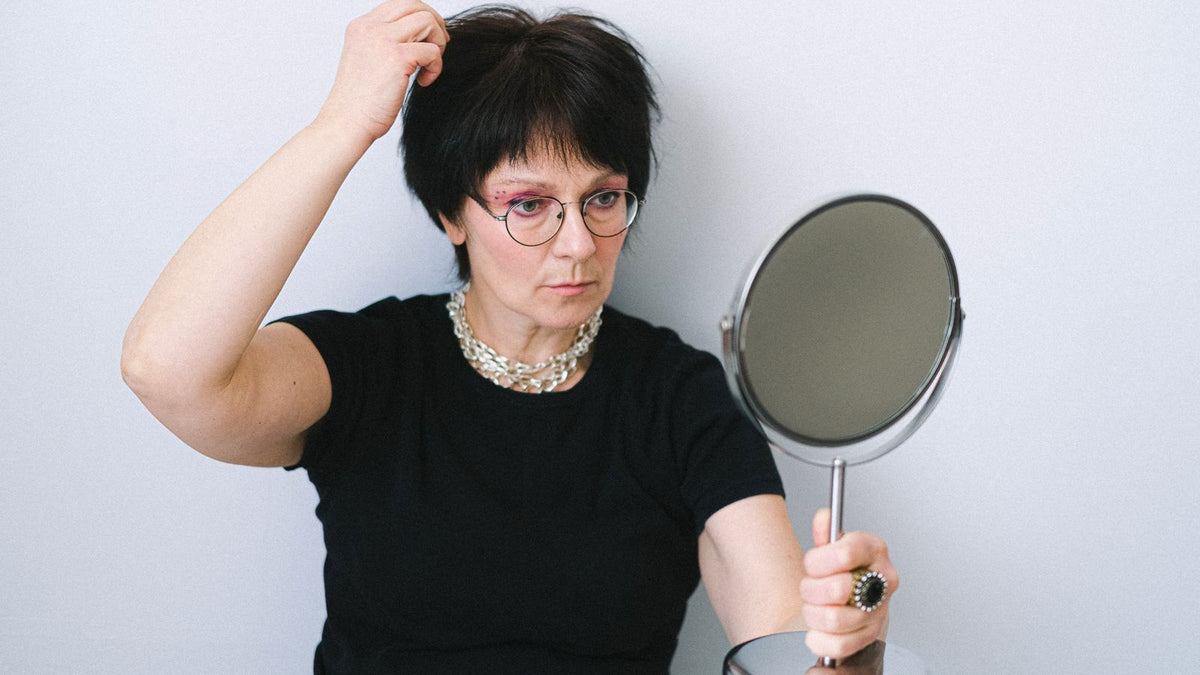
Three different problems share one name, and in a student city the third is badly under-diagnosed. Hair loss is a follicle problem. Hair shedding is a cycle problem. Hair breakage is a fibre problem. Bleach, heat and coastal wind produce breakage that looks in the mirror exactly like thinning.
- Hair loss means the follicle is affected, as in androgenetic alopecia, where follicles sensitive to DHT produce finer and shorter hairs over successive cycles. The hair arriving is thinner than the hair that left.
- Hair shedding means the cycle has been knocked, most often telogen effluvium, where a batch of follicles rests together after a trigger and releases two to three months later. The hairs are full length with a small pale bulb.
- Hair breakage means the fibre is snapping mid-shaft. You find short fragments of uneven length with no bulb at all, often worst around the face and at the mid-lengths where a straightener passes most often.
The test takes a minute and settles most of the worry. Look at the ends of what comes out. A pale bulb means the hair completed its cycle. A blunt or frayed end with no bulb means the fibre snapped, and the follicle underneath is perfectly healthy. Those two findings lead in completely different directions.
Our explainers on what causes telogen effluvium and the three stages of the hair growth cycle go further, and what counts as normal hair loss gives you a benchmark.
Why does bleach cause damage that looks like thinning?
Bleach works by opening the cuticle and removing pigment from inside the hair, which permanently weakens the fibre's structure. Weakened hair stretches further before it snaps and snaps at lower tension, so ordinary brushing, tying and drying start producing breakage that intact hair would have survived without complaint.
The visual result is a head of hair that looks thinner at the ends and around the parting while the scalp itself is entirely healthy. Repeated lightening compounds it, because each round starts from an already-weakened fibre. Combining bleach with daily straightening is the single most reliable way to manufacture this pattern.
The encouraging part is that breakage responds faster than anything else on this page. Cut the heat, reduce the tension, add slip before detangling, and the improvement shows within two to three months rather than six. Nothing repairs a bleached fibre, but you can stop making new damage and grow the old out.
The one-week test
Stop heat styling for a week and detangle from the ends upwards with a wide-tooth comb. If the short broken pieces in your brush drop noticeably, the problem is the fibre rather than the follicle, and the answer is in your routine rather than in a consultation.
Does coastal wind and salt air matter?
Wind and salt make hair tangle and feel rough rather than causing it to fall out. Tangled hair gets brushed harder, and hard brushing on a coastal walk is a genuine cause of breakage, particularly on hair already weakened by colour. The scalp itself is unaffected by sea air in any meaningful way.
The fix is mechanical rather than medical. Tie hair loosely before a windy walk, rinse after swimming in the sea rather than letting salt dry in, and detangle with conditioner and a wide-tooth comb rather than dragging a brush through dry knots. None of that is glamorous, and all of it works.
Get a discount on the hair breakage range
Join the Watermans mailing list and we will email a discount code straight to your inbox, so you can try the hair breakage range for less. Vegan, made in the UK, over 6.5 million bottles sold since 2012.
Where can you actually see trichologists Bangor clients use?
Four routes exist, and they suit different situations. Your GP comes first for tests and referral. Registered practitioners sit in Belfast for County Down, or Manchester, Chester and Cardiff for Gwynedd. Video consultations remove the journey. Your stylist or barber is often the first to notice a change at all.
- Your GP practice. The route to ferritin, thyroid function and vitamin D testing, and to any dermatology referral. It costs nothing.
- A registered practitioner. Belfast from County Down; Manchester, Chester or Cardiff from Gwynedd. This is where scalp microscopy happens.
- A video consultation. No travel and no microscopy, which makes it a sensible first opinion rather than a full assessment.
- Your stylist or barber. Well placed to spot breakage and changing density early, though not to assess the scalp underneath.
Student budgets make the order matter more than usual. Free blood tests through your GP first, then a routine change for eight weeks, then a paid assessment only if the picture has not resolved, is a considerably better use of limited money than doing it the other way round.
What happens at a first trichology consultation?
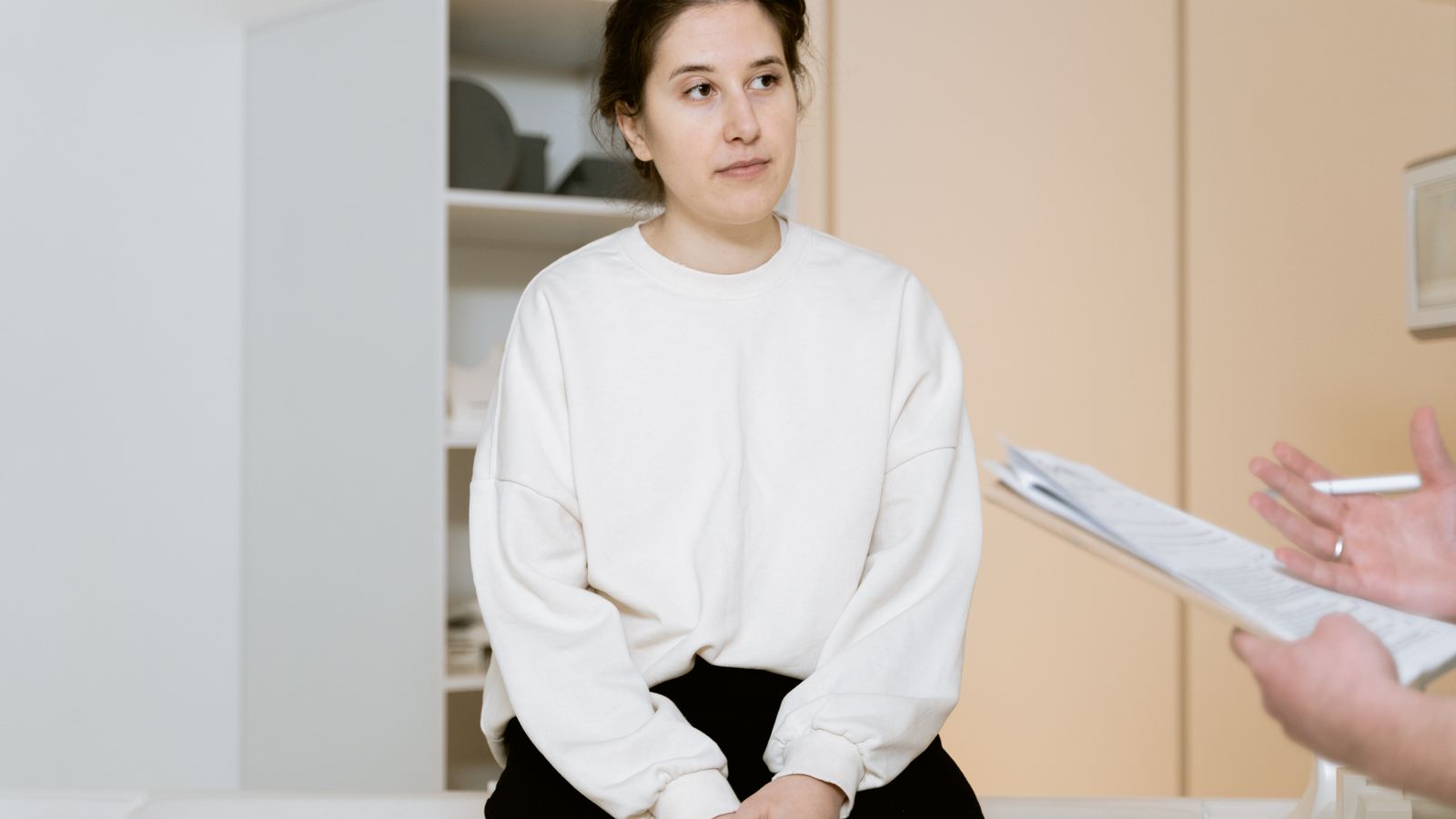
A first visit is an assessment rather than a treatment, and runs to roughly an hour. Expect a full history, scalp microscopy, a pull test, an examination of the hair shaft, baseline photographs, and a written plan with honest timescales. Arrive with unwashed hair, because washing removes the loose hairs a pull test needs.
- Full history. Health, family history, medication, diet, stress, and how you wash, dry, colour and style your hair.
- Scalp microscopy. A magnified, painless look at follicle density, miniaturised hairs, inflammation and scaling.
- Pull test. A gentle tug on a small section to gauge how actively hair is shedding.
- Shaft examination. Separating breakage along the length from loss at the root, which matters most on coloured hair.
- Baseline photographs. Standardised images of parting, crown and hairline for honest comparison later.
- The plan. The likely cause, a timescale, a home routine, and which tests to raise with your GP.
How long until you see a difference?
Breakage improves fastest, within two to three months, which is the good news for anyone whose problem is bleach and heat. Scalp comfort settles within weeks. Density changes last and need four to six months, because hair grows roughly one centimetre a month and nothing shortens that.
| Stage | What usually happens |
|---|---|
| Weeks 1 to 4 | Scalp comfort settles and hair handles more easily. Less snapping during detangling. |
| Months 2 to 3 | Noticeably fewer short broken pieces in the brush, which is the clearest early win where bleach is involved. |
| Months 3 to 4 | Ends look less ragged as damaged length is cut away and undamaged hair grows through. |
| Months 4 to 6 | Density changes become fairly judgeable. The earliest honest point to assess a plan. |

What should a routine look like on a student budget?
Three changes cost nothing and do most of the work: drop the heat, detangle from the ends upwards with a wide-tooth comb, and stop tying wet hair tightly. After that, a conditioner that adds slip and a heat protectant on the days you do straighten are the two purchases that genuinely earn their place.
- Cut the heat days. Every straightening session on bleached hair adds breakage that takes months to grow out.
- Add slip before detangling. Conditioner or a light oil through the mid-lengths turns a tug into a glide.
- Keep the scalp comfortable. Our guide to keeping your scalp healthy covers this properly.
- Eat enough. Adequate calories and protein, plus iron and vitamin D. Restrictive eating is a reliable shedding trigger, and a hard term is a common one.
- Watch new products. See our guide on scalp itching and hair products if anything stings.
Watermans makes UK made hair care designed to support fuller-looking hair as part of a routine like this. These are cosmetic products that support scalp comfort and reduce breakage as part of daily care, and not a substitute for a proper assessment.

Protect Me® Heat Protection Spray, £14.95
A heat protection spray for the days you do straighten or blow-dry. On bleached hair this is the single most useful bottle on the shelf, because the damage you prevent is damage you do not have to grow out.

Masque Me® Hair Mask, £19.95
A deep conditioning mask for mid-lengths and ends, used weekly to add slip so that detangling stops costing you length after a windy week.

Grow Me® Hair Growth Shampoo, £14.95
A sulphate-free daily shampoo with caffeine, rosemary, biotin and niacinamide, gentle enough for the frequent washing a coastal town tends to demand.

When should you see a doctor first?
See your GP before paying for anything private if the change is sudden, patchy or painful. Coin-shaped bald patches, a scalp that is weeping or crusting, and smooth shiny areas where follicle openings appear to have gone all need medical assessment quickly, because scarring conditions respond far better when caught early.
- Sudden, well-defined, coin-shaped bald patches.
- A scalp that is red, painful, crusting, weeping or producing pus.
- Smooth, shiny areas where follicle openings appear to have gone, which can indicate scarring hair loss.
- Hair loss alongside fatigue, unexplained weight change, irregular periods or new facial hair.
- Any hair loss in a child, which should always be seen by a doctor. See our guide to hair loss in children.
University students registered with a campus practice have exactly the same access to these tests as anyone else, and a hard term is a genuine and common trigger for shedding that arrives months later. Asking is free, and the delay between the stress and the shedding is why so many people connect it to the wrong cause. Before you shortlist anyone, three checks that tell shedding, thinning, breakage and a scalp condition apart is worth ten minutes in front of a mirror.
What are the frequently asked questions about trichologists Bangor?
Which Bangor does this page cover?
Both. Bangor in Gwynedd sits in north Wales under NHS Wales, and Bangor in County Down sits in Northern Ireland under Health and Social Care. Neither town has a trichology practice, and the hair science is identical in each.
Is there a trichologist in Bangor itself?
No practice sits in either town. From County Down, Belfast is roughly 13 miles away. From Gwynedd, the nearest registered practitioners are in Manchester, Chester or Cardiff. Video consultations are the alternative where travel is the obstacle.
Do I need a GP referral?
No. Trichology is a private service across the UK and you can approach a practitioner directly. Seeing your GP first is still worth doing, because the blood tests that explain most diffuse shedding are free through them and charged for privately. If your question is about products or a routine rather than a medical one, you can talk to Gail Waterman, our co-founder, as an AI avatar on the Watermans homepage.
Can bleach cause hair loss?
Bleach causes breakage rather than hair loss. It weakens the fibre so it snaps under ordinary handling, which looks like thinning in the mirror while the follicle stays healthy. Short fragments with no bulb at the end are the giveaway.
Does sea air damage hair?
Not directly. Wind and salt make hair tangle and feel rough, and the damage comes from brushing hard through those tangles. Rinsing after a sea swim and detangling with conditioner from the ends upwards prevents most of it.
How long does breakage take to grow out?
You will usually see fewer short broken pieces within two to three months of cutting heat and tension, though growing damaged length out fully depends on how long your hair is, at roughly one centimetre a month.
Which blood tests should I ask for?
Ferritin, thyroid function and vitamin D cover the majority of diffuse shedding. A hard term or a period of poor eating is a common trigger, and the shedding typically arrives two to three months afterwards rather than during it.
Is a video consultation with trichologists Bangor worth it?
As a first opinion, yes. A practitioner can take a full history and review photographs, which is often enough to point you in the right direction. What a video call cannot do is scalp microscopy, so it does not replace an in-person assessment.
What is the bottom line on trichologists Bangor?
Work out which Bangor you are in, because that decides your medical route, then check the ends of the hairs in your brush, because that decides whether you need a consultation at all. Short fragments with no bulb mean bleach and heat rather than follicles, and that improves in two to three months from routine changes alone. Anyone considering trichologists Bangor for sudden or patchy loss should make that a GP appointment instead.
If one product earns its place on bleached or heat-styled hair, make it a heat protection spray, because preventing breakage beats growing it out. Protect Me® heat protection spray is £14.95, made in the UK, from a brand that has sold over 6.5 million bottles since 2012.
Watermans products are 100% cosmetic and do not treat medical hair loss. Individual results may vary.
Sources & references
- NHS, Hair loss: causes, advice and what is available
- DermNet, Telogen effluvium (hair shedding)
- DermNet, Hair loss, balding, hair shedding, alopecia
- British Association of Dermatologists, Telogen effluvium information leaflet
- The Trichological Society, about the society and its register
- NHS 111 Wales, Hair loss
- nidirect, Your local doctor (GP)