Trichologist Carrickfergus: What You Pay For and Why
Two sentences on nidirect should shape every decision about a trichologist Carrickfergus appointment. Most hair loss options are not available on the health service, so you would pay for them privately. And no option is 100 per cent effective. That is official Northern Ireland guidance, not sales resistance, and it sets both the budget and the expectation before anyone quotes you anything.
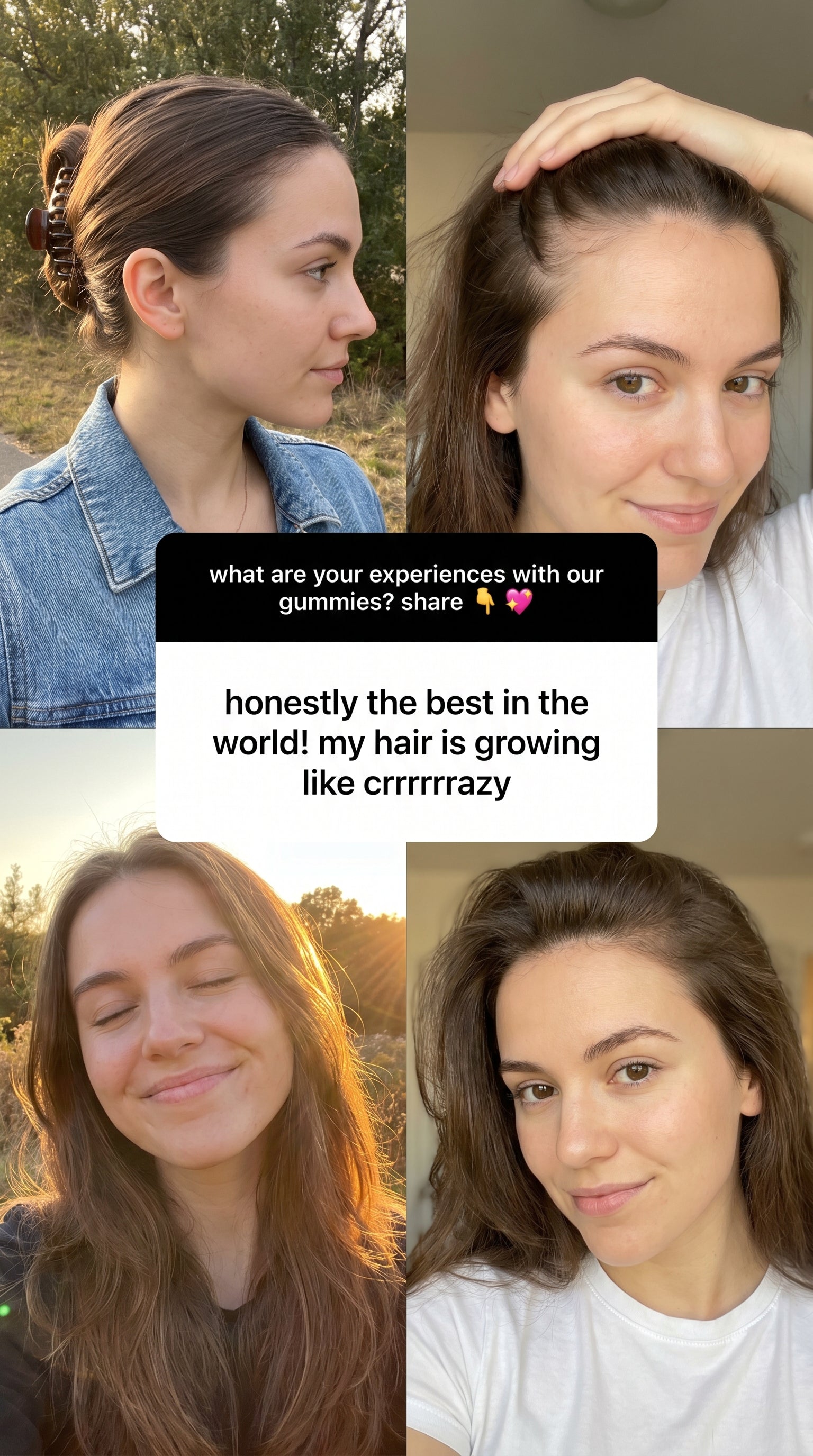
Our hair growth shampoo
Grow Me® Hair Growth Shampoo, £14.95. A sulphate free daily shampoo that supports a healthy scalp environment and helps reduce breakage, so lengths hold on and look fuller.
Key takeaways
- The medical half is free: GP appointment, blood tests, medicine review and a Northern Trust referral.
- nidirect states most hair loss options are not on the health service and that none is 100 per cent effective.
- Get the total in writing, including whether trichoscopy, photographs, written findings and the first review are extra.
- Wigs can be provided through the health service in Northern Ireland in certain circumstances, such as during cancer care.
- Trichologist is not a protected title in the UK, so verify the membership number rather than the website badge.
- Six months for an early read, twelve for a verdict. Hair grows roughly a centimetre a month.
What is free, and what are you actually paying for?
The split is clean once you see it. The health service covers working out what is going on. Private practice covers detailed assessment of the hair and scalp, and a routine. Anyone weighing up a trichologist Carrickfergus appointment should use the first before buying the second, because the free half is the half most likely to name a cause.
| What | Free on the health service | Paid privately |
|---|---|---|
| GP appointment and examination | Yes | Not needed |
| Blood tests and medicine review | Yes | Not needed |
| Dermatology referral, Northern Trust | Yes, via your GP | Not available directly |
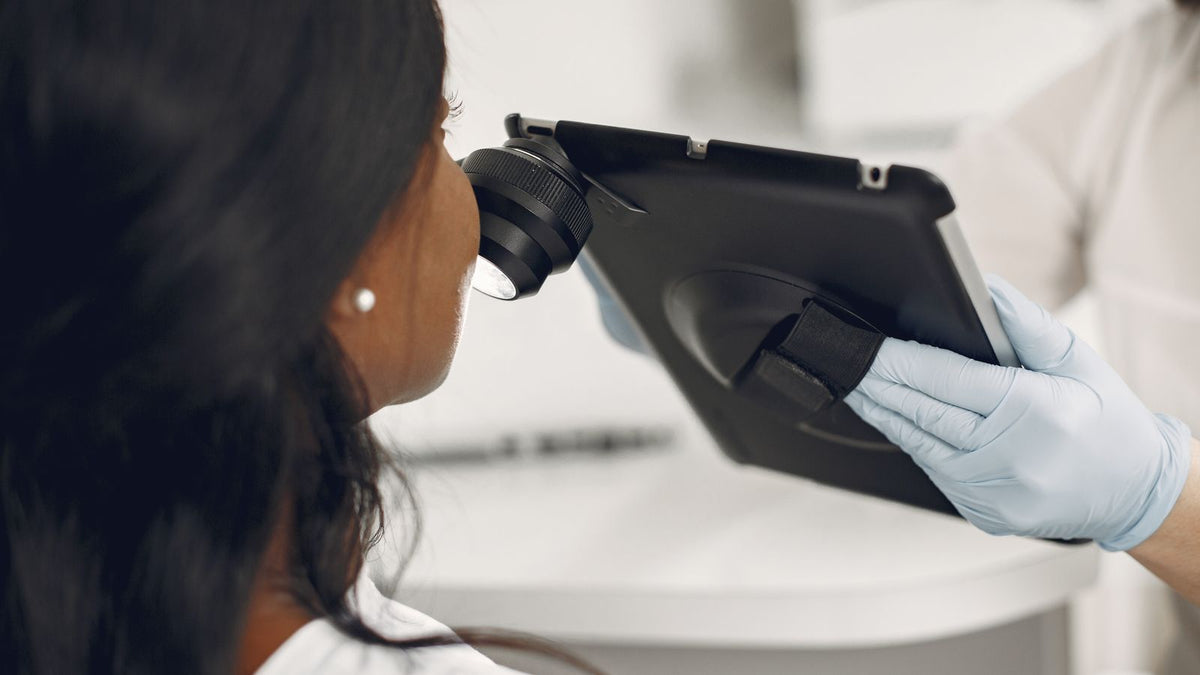
| 45 to 60 minutes and trichoscopy | No | Yes, this is the fee |
| Most hair loss options themselves | No, per nidirect | Yes, ongoing |
| Wigs | In certain circumstances | Otherwise yes |
nidirect states the order as well as the split: see your GP first to get a clear and accurate idea of what is causing your hair loss, before thinking about going to a commercial hair clinic, which can be costly.

Why does nidirect say no option is 100 per cent effective?
Because it is true of every category, and saying so protects people from paying for certainty that does not exist. The same page adds two further qualifiers that matter commercially: the options that do exist do not work for everyone, and they only work for as long as they are used.
That last point is the one that changes a budget. An ongoing cost is a different commitment from a one off fee, and it should be presented that way. Ask directly what happens if you stop, and be wary of any answer implying a permanent result from a temporary course.
None of this means a trichologist Carrickfergus appointment is not worth having. It means the thing worth buying is understanding, magnification and a routine you can review, rather than a promised outcome. A practitioner willing to say all of this out loud is the one to trust.
What should a first consultation fee include?
Seven items, settled in writing before you arrive rather than discovered at the desk afterwards. Ask by email so you have a record, and read any reluctance to put it in writing as information in itself.
- A single total for the first visit, with nothing described as from or starting at.
- Forty five to sixty minutes. A twenty minute slot is not a full assessment.
- Trichoscopy included. If magnified assessment is an add on, the advertised fee is not the real fee.
- Written findings you take home, not verbal advice you will misremember by the weekend.
- Dated baseline photographs, taken on the day and yours to keep.
- Review arrangements. How many over twelve months, what each costs, whether any are included.
- Products priced separately and clearly optional, never folded invisibly into the consultation.
Get a discount on the thinning hair range
Join the Watermans mailing list and we will email a discount code straight to your inbox, so you can try the thinning hair range for less. Made in the UK, over 6.5 million bottles sold since 2012.
When does the health service provide a wig in Northern Ireland?
In certain circumstances, and it is worth asking rather than assuming. nidirect notes wigs can be made available through the health service in Northern Ireland in specific situations, such as for people undergoing cancer care, and advises speaking to your GP or hospital consultant to find out more.
It is not a general entitlement for pattern thinning, so most people looking at hairpieces or toppers are looking at a private cost. That said, it belongs in a budget conversation, because for some kinds of loss a well fitted piece does more for daily life than anything else on the list and nobody mentions it.
If you are in that position, ask your GP practice directly rather than a commercial supplier first. The answer costs nothing to obtain and it changes what the rest of the budget needs to cover.
How do you check a trichologist is properly qualified?
Ask for the professional body and the membership number, then verify it independently. Trichologist is not a protected title in the UK: there is no statutory register and no legal barrier to using the word, so training and marketing look identical from outside. The Institute of Trichologists and The Trichological Society both publish practitioner information.
Then test the boundary. A trichologist cannot write a prescription, cannot order health service blood tests, and should not be managing an autoimmune or scarring condition. A good one says so early and refers you back to your GP where that is right. Vagueness there is the clearest warning sign available.
Read any gallery of before and after photographs as marketing rather than evidence. Lighting, hair length, styling, wet against dry and camera angle can transform apparent density without one new hair existing, which is precisely why your own dated series is worth more than any gallery a trichologist Carrickfergus listing shows you.
How do you tell hair loss, hair shedding and hair breakage apart?
Three different problems with three different price tags, and this is the first thing a trichologist Carrickfergus assessment establishes. and paying for the wrong one is how money disappears here. Work out which you have before you commit to anything ongoing.
- Hair shedding. Whole hairs leaving from the resting phase, with a small pale bulb at the root. nidirect notes 50 to 100 hairs a day is normal, and lists illness, stress, weight loss and iron deficiency among causes of temporary loss. Frequently costs nothing to resolve beyond time and a blood test.
- Hair loss. Follicles producing progressively finer hair at the temples, crown or parting, over years. nidirect describes pattern baldness as permanent and usually familial. This is the category where a paid assessment genuinely earns its fee.
- Hair breakage. The fibre snapping mid length, no bulb on the broken piece, blunt ends of uneven length. Cheapest of the three by a distance, because the fixes are heat, handling and styling rather than anything you buy.
Traction alopecia is the one where delay is the expensive choice. DermNet notes that sustained pulling from tight ponytails, buns, braids, weaves and extensions shows first at the temples and hairline, recovers when caught early, and becomes permanent once the follicles scar. More in what counts as normal hair loss.

How long before you could see a change?
Six months for a first honest read, twelve for a verdict, whichever trichologist Carrickfergus option you choose. Hair grows roughly a centimetre a month, so a follicle that changes what it produces today needs the better part of a year for that change to reach a visible length. Any plan reporting success at eight weeks is describing styling, lighting or breakage, not density.
Set the twelve month decision point at the start and put it in the diary. A flat twelve month photograph series with no revision to the plan in between is the moment to stop paying rather than to renew, and a practitioner who can say in advance what would make them change course is thinking about your outcome rather than their calendar.
Breakage is the exception that flatters everything else. It improves within weeks of changing how wet hair is handled, which is why plans often look promising early and then flatten. Knowing that in advance stops you drawing the wrong conclusion in either direction.

What everyday care is worth the money?
The modest end of the range, honestly framed. Products do not address a medical cause. What a well made routine does is reduce breakage and keep the scalp comfortable, so the hair you already have looks and feels fuller, and it sits alongside the free steps rather than replacing them.

Grow Me® Hair Growth Shampoo, £14.95
Sulphate free daily shampoo with biotin, caffeine, rosemary, niacinamide and hydrolysed lupine protein. Gentle enough to wash as often as your scalp needs without stripping it. Vegan.

Condition Me® Hair Growth Conditioner, £13.95
Shea butter, glycerin, cholesterol and lupine protein for slip and breakage defence, so detangling costs you fewer strands. The everyday partner to Grow Me.

Masque Me® Hair Growth Mask, £24.95
An 8 in 1 deep conditioning mask with rosemary, caffeine, lupine protein, niacinamide and argan oil. Worth a weekly slot when breakage rather than the follicle is doing the damage.
Watermans has sold over 6.5 million bottles since 2012 and is made in Britain, free from sulphates and parabens. Grow Me shampoo is vegan. Condition Me conditioner is not, because its cholesterol comes from lanolin, and neither are our Hair Building Fibres, which use wool keratin. What is not worth buying is a supplement bought to correct a deficiency nobody has confirmed, which is exactly why the free blood tests come first. Our guide to keeping your scalp healthy for stronger hair covers the routine, and why your hair is thinning goes through the causes.
Frequently asked questions
Is any of this available on the health service?
The medical half is. Your GP appointment, blood tests, a medicine review and a dermatology referral through the Northern Health and Social Care Trust are all free. nidirect is explicit that most hair loss options themselves are not available on the health service and would have to be paid for privately.
How much does a first consultation cost?
Each practice sets its own fee, so any figure printed in an article is stale the day it is written. Ask for the total in writing before you commit, including whether trichoscopy, written findings, photographs and the first review are included or charged separately.
Does anything actually work?
nidirect puts it plainly: no option is 100 per cent effective, and the ones that exist only work for as long as they are used. That is worth reading before any conversation about packages, because it sets a realistic ceiling that no practitioner can lift, however the offer is framed.
Will the health service pay for a wig?
In certain circumstances in Northern Ireland, yes. nidirect notes wigs can be made available through the health service in specific situations, such as during cancer care, and advises speaking to your GP or hospital consultant about it. It is not a general entitlement for pattern thinning.
What should the fee include?
Forty five to sixty minutes, a full history, a visual assessment, trichoscopy under magnification, dated baseline photographs, written findings to take home, anything worth raising with your GP, and a review date. If any of those is an extra, you want to know before you arrive.
Should I buy the products the practitioner sells?
Only if the advice survives without them. Ask what they would recommend if you bought nothing from them today. A plan that still makes sense is advice. A plan that falls apart was a sale.
Is a trichologist Carrickfergus practitioner regulated?
Not statutorily. Trichologist is not a protected title in the UK, so there is no register you are legally obliged to be on. Ask which professional body they belong to and for a membership number, then check it against the Institute of Trichologists or The Trichological Society yourself.
How long before I could see a change?
Six months for an early read, twelve for a verdict. Hair grows roughly a centimetre a month, so nothing decided today is visible for the better part of a year. Judge photograph against photograph, never against memory or a bathroom mirror.
What is the cheapest useful thing I can do?
Contact your GP practice about ferritin, a full blood count, thyroid function and vitamin D, then start a dated monthly photograph. Both are free, and nidirect advises seeing your GP before a commercial hair clinic precisely because the free step is the one most likely to find something correctable.
Is my hair shedding or thinning?
Different problems with different price tags. Shedding is whole hairs leaving from the resting phase, often temporary and often free to resolve. Thinning is the follicle producing finer hair over years. Breakage is the fibre snapping, and it is the cheapest of the three to fix because the answer is your routine.
Sources & references
Every factual claim above was checked against the following on 12 September 2026.
- nidirect, Hair loss
- nidirect, Iron deficiency anaemia
- nidirect, Underactive thyroid (hypothyroidism)
- nidirect, Overactive thyroid (hyperthyroidism)
- nidirect, Health conditions A to Z
- nidirect, GP online services
- Northern Health and Social Care Trust
- National Institute for Health and Care Excellence, guidance
- Institute of Trichologists, Find a trichologist
- The Trichological Society
- DermNet, Telogen effluvium
- DermNet, Female pattern hair loss
- DermNet, Traction alopecia
- British Association of Dermatologists, alopecia areata leaflet
- NHS inform, Alopecia (hair loss)
What is the bottom line on trichologist Carrickfergus?
Spend on understanding, not on promises. nidirect sets the frame for any trichologist Carrickfergus decision: the medical half is free, most options are private, and none of them is 100 per cent effective. So use your GP practice for the bloods, the medicine review and any Northern Trust referral, start a dated monthly photograph, then pay for time, magnification and written findings from someone whose membership number you have checked. Judge it at twelve months against the photographs. If your question is about products or a routine rather than a medical one, you can talk to Gail Waterman, our co-founder, as an AI avatar on the Watermans homepage.
The cheapest genuine improvement available to anyone is less breakage, and a gentle daily hair growth shampoo at £14.95 costs a fraction of any consultation.
Watermans products are 100% cosmetic and do not treat medical hair loss. Individual results may vary. This article is general information about hair and scalp care and is not medical advice. If you have sudden, patchy or painful hair loss, hair loss in a child, or hair loss alongside other symptoms, please speak to your GP practice.