Trichologists Perth and Kinross: What They Can and Cannot Do
If you are searching for trichologists Perth and Kinross can offer, the honest picture is that local provision is thin and most people end up travelling to Dundee or Edinburgh. A trichologist is a hair and scalp specialist, not a doctor, so they cannot issue medicines or give you a medical opinion. What a good one does is work out which pattern you are dealing with, tell you what is worth spending on, and send you to your GP when the picture looks medical.
Our complete hair growth routine
Hair Growth Shampoo, Conditioner & Scalp Elixir Set, £53.40. The full three step routine, cleanse, condition and an overnight scalp elixir, bought together for less than buying each alone.
This guide does a fair amount of that work in advance. It separates hair loss from shedding and from breakage, compares the mainstream options on evidence and realistic cost, explains what actually happens in a consultation and how to check somebody's credentials, and sets out the free steps worth taking before you spend a penny privately.
Key takeaways
- Trichologists assess and advise. They cannot issue medicines, order NHS tests or give a medical opinion, and an honest one says so at the start.
- The UK title is not protected in law, so check for Institute of Trichologists or Trichological Society membership before you pay.
- Perth and Kinross has few local practitioners. Dundee is about 22 miles east, Edinburgh about 45 miles south.
- Work out whether you have hair loss, hair shedding or hair breakage first. They have different causes and different answers.
- Ask your GP for ferritin, full blood count, thyroid function and vitamin D before anything private. Those four are free and sometimes explain the lot.
- Nothing shows a change before three months. Six months is the earliest fair point to judge, twelve is the ceiling.
- Shampoos, conditioners and serums are cosmetic support: less breakage, a comfortable scalp, fuller looking hair. They do not act on a medical cause.

What can trichologists Perth and Kinross offer?
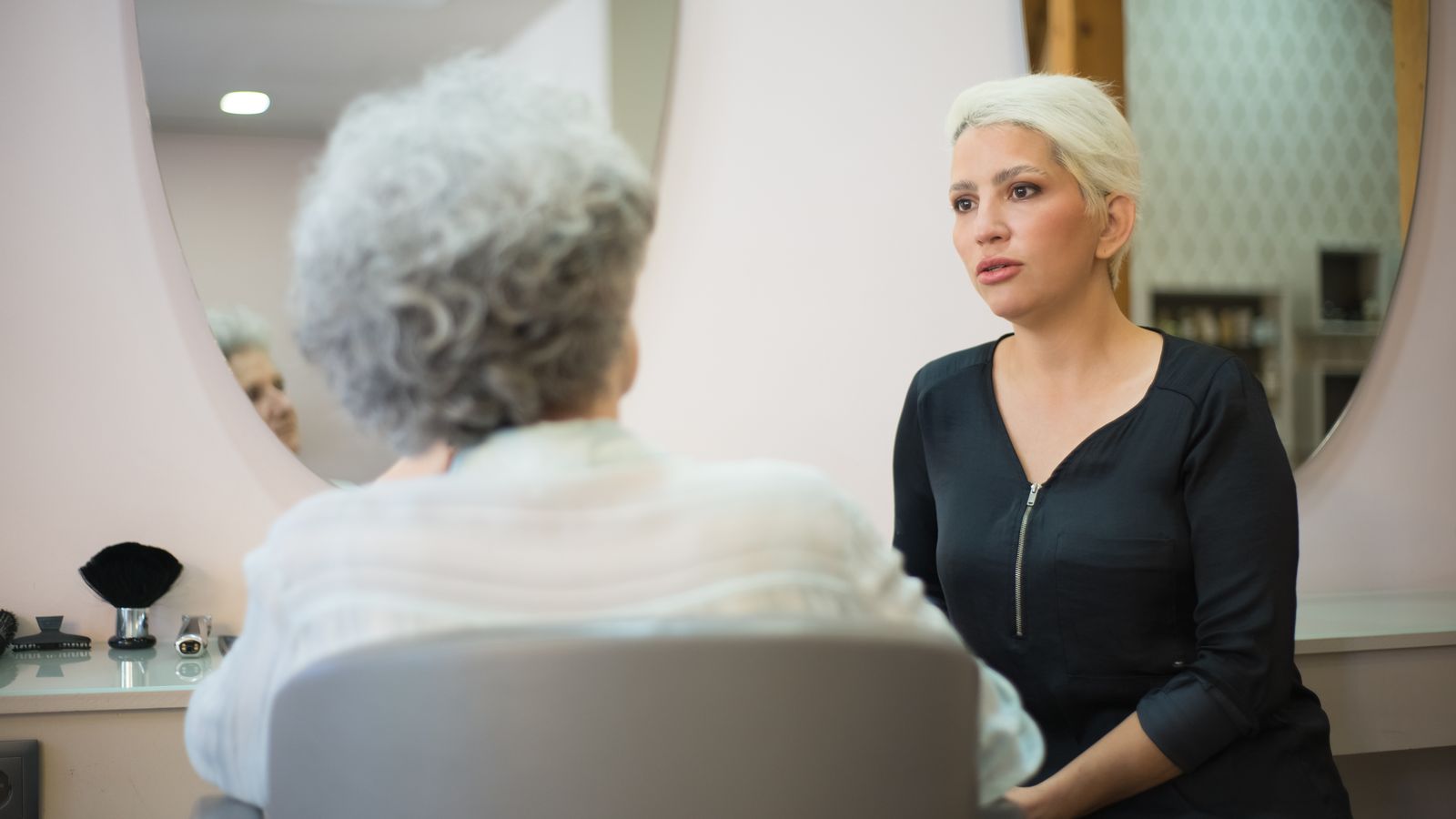
Trichology is the study of hair and scalp health, and a consultation is primarily an assessment rather than a medical appointment. The trichologists Perth and Kinross residents reach, whether locally or over in Dundee, take a structured history, examine the scalp under magnification, and form a judgement about which pattern fits what you are seeing. Most people leave knowing something genuinely useful they did not know before.
What a trichologist cannot do matters just as much. They cannot issue medicines, order tests on the NHS, or give you a medical opinion on a condition. Trichology sits outside statutory healthcare regulation in the UK and the title is not protected in law, which is exactly why professional body membership is the thing to check. A practitioner who is upfront about that boundary, and who sends you to a GP when the picture looks medical, is one worth paying for.
What is the difference between hair loss, hair shedding and hair breakage?
These three get used interchangeably, and that is the single most common reason people buy the wrong thing. Hair loss means the follicle is producing finer hair or has stopped. Hair shedding means whole hairs are completing their cycle and releasing from the root, usually in a wave. Hair breakage means the fibre is snapping partway along while the follicle underneath is perfectly healthy.
| Which one | The tell | What is happening | Who to see |
|---|---|---|---|
| Hair loss | Parting widening over months, scalp showing through, new hairs finer and shorter than the old ones | The follicle is miniaturising, usually through hormone sensitivity, or an autoimmune or scarring cause | GP first. This is the one cosmetics cannot answer |
| Hair shedding | Lots of full length hairs with a small white bulb at one end, often about three months after a trigger | A batch of follicles entered the resting phase together and is now releasing | Often nobody. It usually settles once the trigger has passed |
| Hair breakage | Short broken fragments with no bulb, split ends, a frizzy halo along the parting | The fibre is failing from heat, bleach, friction or wet brushing. The follicle is fine | Nobody. This is a handling and routine fix |
The bulb is the quickest check you can do at home. A hair with a small pale swelling on one end came out of the follicle and belongs in the shedding column. A hair that is blunt or frayed at both ends snapped, and belongs in breakage. Getting this right before you book anything saves both money and months.
What are the options, and which have real evidence?
This is the table most clinics will not put in front of you, and the one worth having in your hand before you sit down with any of the trichologists Perth and Kinross can reach. Costs are approximate UK figures and change, so take them as a guide rather than a quote.
| Option | Evidence | Rough cost | What to expect |
|---|---|---|---|
| Licensed medical options from a pharmacy or GP | Strongest available | Varies | The best evidence for pattern hair loss sits here. We are a cosmetics company and do not name medicines. Ask a pharmacist or your GP what suits you. |
| Correcting low ferritin or a thyroid problem | Strong, where a deficiency exists | Free on the NHS | A blood test and correction. The cheapest genuine win available, and the one most often skipped. |
| Hair transplant surgery | Strong for suitable candidates | £3,000 to £10,000 plus | Surgical and permanent, and only sensible once loss has stabilised. It does nothing to protect the hair that was not moved. |
| Cosmetic routine (sulfate free shampoo, conditioner, serum, heat protection) | Cosmetic benefit only | £15 to £55 | Less breakage, a calmer scalp, fuller looking hair. It does not alter the underlying cause. |
| Microneedling or derma roller | Limited, mostly as an add-on | £10 to £300 per course | Small studies suggest it may add something alongside a medical option. Hygiene matters. Not a standalone answer. |
| Low level laser devices | Mixed and modest | £200 to £1,000 | Some positive trials, mostly small and short. Expensive relative to the likely benefit. |
| Platelet rich plasma | Early and inconsistent | £400 to £1,500 a course | Protocols vary widely between clinics, which is part of why the results do too. |
| Supplements with no deficiency | Little to none | £15 to £40 a month | Useful only if you are genuinely short of something. High dose biotin can distort blood test results. |
| Rosemary oil | One small comparative trial | Under £10 | Cheap and low risk, but the evidence base is far thinner than social media suggests. |
Two things are worth noticing. The options with the strongest evidence are among the cheapest, and most of them do not come from a trichologist at all. Meanwhile the expensive in-clinic offerings cluster in the limited evidence tier. That is not an argument against seeing a trichologist. It is an argument for seeing one who tells you this unprompted.
Which pattern fits what you are seeing?
The right move depends entirely on which pattern you have, which is why buying things before you know is the classic expensive mistake.
Androgenetic alopecia
Follicles sensitive to circulating hormones shorten their growth cycle with each round, producing progressively finer, shorter hairs until they stop producing visible hair at all. Men typically recede at the temples and thin at the crown. Women more often see the central parting widen while the front hairline holds. It is progressive and does not resolve by itself, so this is the pattern where acting early genuinely changes the outcome. Our guide to the stages of pattern hair loss in men and women covers it properly. Readers nearer Kirkcaldy may find our guide to hair and scalp help in Kirkcaldy more useful. We look at widening parting in women separately, with the practical steps.
Telogen effluvium
A stressor pushes many follicles out of the growing phase into the resting phase, and they release together around three months later. Surgery, high fever, childbirth, crash dieting and some medicines are typical triggers. Importantly, this usually recovers on its own once the trigger has passed. More in what causes telogen effluvium.
Alopecia areata and scarring alopecias
Both are medical and neither is a shampoo problem. Alopecia areata produces smooth round patches over days or weeks and is autoimmune. Scarring alopecias destroy the follicle permanently, and acting early is the only thing that limits them. Both need a GP or dermatologist promptly rather than a trichologist.
Traction alopecia
Caused by sustained pulling from tight styling, and visible first at the temples and hairline. It recovers early on, becomes permanent once the follicles scar, and costs nothing to fix by changing how you wear your hair.
What happens in a trichology consultation?
The trichologists Perth and Kinross residents travel to typically allow 45 to 60 minutes. Roughly the first third is history: family pattern, illness, surgery, medicine and supplement start dates, iron and thyroid status, diet, hormones, stress, and how you wash and style. Then a visual assessment of crown, temples and nape, followed by trichoscopy, where magnification shows follicle openings, hair calibre, redness, scale and any scarring.
Hairs of noticeably different thicknesses in the same small area indicate miniaturisation and point towards androgenetic alopecia. Even thinning with healthy follicle openings points towards a shedding phase instead. A pull test on around 50 hairs usually follows, where more than roughly six releasing suggests active shedding. You should leave with baseline photographs of the same partings and written findings, including what to raise with your GP.
Before you spend anything privately: ask your GP for ferritin, full blood count, thyroid function and vitamin D. Those four tests are free, they take a fortnight, and in a meaningful minority of cases they explain the whole thing. Every private option is easier to judge once they are ruled out.
Get a discount on the thinning hair range
Join the Watermans mailing list and we will email a discount code straight to your inbox, so you can try the thinning hair range for less. Made in the UK, over 6.5 million bottles sold since 2012.
How do you find and check trichologists Perth and Kinross can reach?
Perth is not a large market for trichology. Most people in Perthshire travel to Dundee, around 22 miles east, or to Edinburgh, roughly 45 miles south, where the choice is considerably wider. Video consultations handle the history taking well and are a reasonable first step, although somebody does need to look at your scalp under magnification at least once.
Because the title is unprotected, check the credential rather than the website. The Institute of Trichologists, whose members carry MIT or AIT after their name, and the Trichological Society are the recognised UK bodies. Both require assessed training and a code of practice. Expect roughly £50 to £150 for a first consultation in Scotland, with follow ups usually cheaper.
Five questions worth asking before you pay:
- Which professional body are you a member of, and what is your membership number?
- What does the fee include, and how long is the session?
- Do you sell your own product range, and is any advice tied to buying it?
- Will I get written findings and photographs to take away?
- What would prompt you to refer me to a GP or dermatologist?
Be particularly wary of anyone quoting a multi hundred or multi thousand pound programme before they have looked at your scalp. That is a sales process, not a clinical one.

How long does anything take to show a change?
Longer than anyone wants, and any of the trichologists Perth and Kinross residents see will tell you the same. A follicle in the growing phase can run for two to seven years, and a follicle pushed into the resting phase takes around three months to release the old hair and several more to produce a visible replacement. In practice that means:
- Weeks 1 to 8: nothing visible. Some options cause a temporary increase in shedding early on, which is expected and usually a sign follicles are cycling.
- Month 3: the earliest point worth reassessing, and normally what you notice is that shedding has settled rather than that hair has grown.
- Month 6: the fair point to judge. New growth at the parting or hairline should show in photographs even if not in the mirror.
- Month 12: the realistic ceiling. If there is no change by now, change the plan rather than the brand.
Photograph the same parting, in the same light, on the same day each month. Nobody can judge this from memory, and the monthly photo is the difference between an informed decision at six months and a guess. For readers who live far enough away that every visit is a day out, our Highland guide to photographing your scalp for a remote review sets out the shots and the settings in more detail.
See a GP rather than a trichologist if you have:
- Smooth round bald patches appearing over days or weeks
- A painful, burning, weeping or bleeding scalp, or shiny scarred skin with no visible follicle openings
- Hair loss in a child
- Shedding alongside fatigue, weight change, heavy periods or a new medicine
- Loss of eyebrows, eyelashes or body hair as well as scalp hair
What daily routine supports whatever you choose?
Whichever option you land on, breakage will undermine it. Thin hair that snaps looks considerably worse than thin hair that does not, and handling is entirely within your control and costs nothing. Product residue matters too, because a coated, heavy film makes fine hair look thinner than it is, and the Cumbernauld guide to clarifying shampoo and build-up explains how to lift it.
- Wash the scalp two to four times a week, lathering with fingertips rather than nails.
- Detangle from the ends upwards with a wide tooth comb, and never drag a fine brush through soaking wet hair.
- Lower the heat on styling tools and always use a protectant.
- Loosen ponytails, and give braids and extensions genuine breaks.
- Eat enough, with adequate protein. Severe restriction reliably triggers shedding a season later.
Our guide to keeping your scalp healthy for stronger hair covers the routine in more detail, and if you are weighing up the wider picture, the top causes of hair loss and how to address each one is a useful companion read.

What cosmetic support fits alongside medical care?
These are cosmetic products. They do not act on a medical cause of hair loss and we will not pretend otherwise. What they offer is a comfortable scalp and less breakage, which makes the hair you have look and feel fuller. Grow Me shampoo is vegan. Watermans products are made in the UK, and free from sulfates and parabens.

Hair Growth Boost Set (3 step routine), £53.40
Grow Me shampoo, Condition Me conditioner and Grow More scalp elixir together. The simplest way to keep a full routine consistent for the six months it takes to judge anything. For a fuller look at what the NHS covers and what it does not, see what a GP practice can arrange before you pay a trichologist.

Grow More® Scalp Elixir, £25.50
A leave on overnight serum with biotin, caffeine, rosemary and niacinamide, for lower density areas such as a widening parting or receding temples. Cosmetic support, not a medicine.

Grow Me® Hair Growth Shampoo, £14.95
Sulfate free daily cleansing that suits frequent washing, which matters if you are using a topical product and need the scalp clean without stripping it.
Frequently asked questions
Can a trichologist give me medicines?
No. Trichologists cannot issue any medicine. Some options are available directly from a pharmacist in the UK and others need a GP. A trichologist can explain what the categories are and refer you onward, which is a genuinely useful service, but the medicine itself never comes from them.
How much do trichologists Perth and Kinross charge?
Roughly £50 to £150 for a first session in Scotland, depending on length and whether digital scalp imaging is included. Follow ups are usually cheaper. Confirm exactly what is included before you commit, because the range reflects real differences in what you get.
Is there a trichologist in Perth itself?
Local provision in Perth and Kinross is limited, so many people travel to Dundee, about 22 miles east, or Edinburgh, about 45 miles south, where there is more choice. Check professional body membership rather than choosing on distance alone.
Which approach has the best evidence for pattern hair loss?
The licensed medical options available through a pharmacist or GP have the strongest evidence base. Correcting a confirmed iron or thyroid problem is equally well supported where that is the cause, and it is free on the NHS. Both sit outside what a cosmetics company can supply.
Do laser caps work?
The trials are mixed and the reported effects modest, and most of the studies are small and short. Given prices of several hundred pounds, a laser cap is a poor first purchase and a more reasonable last one.
Is a hair transplant worth it?
For the right candidate with stabilised loss and adequate donor hair, results can be excellent and permanent. It is surgery, it costs thousands, and it does nothing to protect the hair that was not moved, so most surgeons expect you to continue medical care afterwards.
Why did my shedding increase after starting something new?
Some approaches push resting follicles to release their old hair early so a new one can start. It typically settles within a couple of months and is not a reason to stop, though it is worth mentioning to whoever advised it.
How long before I should give up on something?
Twelve months is the realistic ceiling for judging most options, with six months the earliest fair assessment. Monthly photographs of the same parting in the same light are the only reliable way to tell, because memory is not up to the job.
Do hair vitamins actually do anything?
They help if you are genuinely short of a nutrient and do nothing measurable if you are not. Get tested rather than guessing, and tell your GP if you take high dose biotin, because it can distort thyroid and cardiac blood results.
What is the bottom line on trichologists Perth?
If you are looking for trichologists Perth and Kinross can offer, expect to travel to Dundee or Edinburgh, and check professional body membership before you check the website. Work out first whether you are dealing with hair loss, shedding or breakage, because they lead to three different answers. Ask your GP for the four free blood tests before you spend anything privately. Then judge whatever you choose at six months, from photographs rather than memory, and keep the daily routine gentle so breakage is not quietly working against you. Just south of here, our Stirling guide explains how to tell product buildup from genuine shedding.
Watermans has sold over 6.5 million bottles since 2012. The range is cruelty free and made in the UK, and it is cosmetic hair care, which is exactly what it says on the bottle.
Shop the 3 step Hair Growth Set, £53.40
Sources & References
- NHS, Hair loss. Causes, what is normal, and when to see a GP.
- NHS, Iron deficiency anaemia. Why ferritin is worth checking before anything private.
- NHS, Underactive thyroid. Thyroid dysfunction as a cause of diffuse shedding.
- British Association of Dermatologists, Alopecia areata. The patchy autoimmune pattern that needs a clinician.
- The Trichological Society. One of the two recognised UK trichology bodies, for checking membership.
Watermans products are 100% cosmetic and do not treat medical hair loss. Individual results may vary.
This article is general information about hair and scalp care, not medical advice. Costs are approximate and change. Watermans is a cosmetics company and does not run clinics or offer consultations. If you have sudden, patchy or painful hair loss, or hair loss alongside other symptoms, please see your GP. If your question is about products or a routine rather than a medical one, you can talk to Gail Waterman, our co-founder, as an AI avatar on the Watermans homepage.