Trichologists Tower Hamlets: Textured Hair and Tension
The single most useful question to ask trichologists Tower Hamlets practitioners before paying anything is not about price or qualifications. It is how much of their work is with afro, coily and textured hair. Tower Hamlets is one of the most ethnically diverse boroughs in England, and the hair problems that come up here most often are tension, dryness and breakage rather than anything a generic hair loss script covers.
Our curly hair set
Curly Hair Shampoo & Conditioner Set, £24.95. A moisture led cleanse and condition pairing made for curls and coils, defining the curl pattern without stripping it.
In short: Ask any trichologists Tower Hamlets practitioner how much textured hair work they do before you pay. Traction alopecia from repeated styling tension is the most common preventable cause seen on afro and coily hair, and it recovers only while the follicle openings are still intact, so changing the tension early matters far more than any product. Tenderness after styling is a warning sign, not something to push through.
Key takeaways
- Ask about textured hair experience first. It changes the value of the session more than the fee does.
- Traction alopecia is preventable and time-sensitive. Early change usually works; years of sustained tension may not.
- Pain is information. A style that gives you a headache or leaves the hairline tender is too tight, full stop.
- Coiled fibres break at the bends. Every curve is a point where force concentrates, so dryness costs length faster.
- Protective styles only protect if they are loose. Tension and duration decide whether a style helps or harms.
- Crown loss, scarring, itching or a child needs a GP, not a styling change or a product.
Why should you ask trichologists Tower Hamlets about textured hair first?
Because curl pattern changes almost everything about the assessment. It changes how the scalp is examined, how a pull test reads, which styling practices are relevant, and what advice is realistic day to day. A practitioner who mostly sees straight hair will give sound advice built for a different fibre, and you will pay full price for it. Our guide to afro and textured hair at a Southwark trichology appointment goes further into tension at the hairline.
Ask the question directly and listen for specifics rather than reassurance. Good answers mention particular styles, wash frequency, detangling method and tension. Vague answers about treating all hair the same are the signal to keep looking. Our guide to retention focused care for afro hair covers the same ground for free if you want to compare.
Verification still matters alongside it. Trichologist is not a protected title in the United Kingdom and there is no statutory register for it, unlike the Health and Care Professions Council register covering titles such as physiotherapist and dietitian. The Institute of Trichologists and The Trichological Society both run assessed training and hold member lists, so confirm membership with the organisation itself.
What makes traction alopecia the most important thing on this page?
Traction alopecia is the most common preventable cause of hair loss associated with tension styling, and timing decides the outcome. Repeated pulling on the same part of the hairline, from tight braids, cornrows, weaves, bonded extensions, wigs fixed under tension, high buns or a scarf tied the same way daily, gradually damages the follicles underneath.
Early on the change is reversible, because the follicle openings are still there. DermNet describes the progression clearly: sustained tension over years can lead to scarring, at which point the follicle is replaced by fibrous tissue and the loss becomes permanent. That is the whole reason this sits at the top of the page rather than in the FAQ.
The early signs are specific and easy to miss. Thinning right at the front hairline or above the ears, small bumps around individual follicles, a fringe of fine baby hairs that no longer fills in, short broken hairs along the edges, and tenderness or a headache after styling. Any one of those is a reason to loosen the style this week rather than after the next install.

Which styles carry the most tension, and what reduces it?
Trichologists Tower Hamlets rank tension by how close to the scalp a style is anchored, how small the sections are, how much weight is added, and how long it stays in. Tight cornrows with added length, sewn-in weaves and bonded extensions sit at the top; loose twists, low buns and worn-out afros sit at the bottom. Duration matters as much as tightness.
| Style | Typical hairline tension | What reduces the risk |
|---|---|---|
| Tight braids or cornrows to the scalp | High, sustained for weeks | Larger sections, looser at the front, out within 6 to 8 weeks |
| Sewn-in weaves and bonded extensions | High, with added weight | Limit added length, rest the hair between installs |
| Wigs fixed with tight bands or glue | Moderate to high at the edges | Adjustable caps, no adhesive on the hairline, satin lining |
| High ponytails and tight buns | Moderate, repeated daily | Vary the position, use fabric scrunchies, wear it lower |
| Locs, especially long or retwisted tightly | Moderate to high at the roots | Looser retwisting, longer gaps, support the weight |
| Loose twists, low buns, worn-out afro | Low | Already the safest choice, watch dryness instead |
Weight is the part people underestimate. Long braids and sewn-in length add load that pulls on the same follicles every hour of the day, including while you sleep, which is why a style that felt fine on day one can be sore by week three. If a style hurts, it is not protecting anything. Our guide to keeping locs without losing the hairline goes into retwisting and weight in detail.
The two week rule
If a new style is still tender, itchy or giving you a headache 48 hours after it went in, it is too tight and it will not settle into comfort. Ask for it to be loosened at the front, or take it down. The hairline is the area that recovers least well from repeated tension, and it is the hardest place on the head to disguise later.
Get a discount on the textured hair range
Join the Watermans mailing list and we will email a discount code straight to your inbox, so you can try the textured hair range for less. Vegan, made in the UK, over 6.5 million bottles sold since 2012.
How do you tell tension damage from shedding and from breakage?
Trichologists Tower Hamlets separate three different problems that all feel like the same thing. Tension damage is hair loss concentrated where the pulling happens, usually the front hairline or above the ears, and it develops over months. Shedding is whole hairs leaving from the root across the whole scalp at once. Breakage is the fibre snapping mid-length, leaving short pieces with no root bulb at all.
Check the ends of the hairs in your comb. A shed hair released at the end of its resting phase has a small pale club at the root; a broken piece has a blunt or frayed end and no bulb. That single check, which costs nothing, separates a follicle problem from a handling problem, and the two need completely different answers. For the stages of traction change and what is still recoverable, see how long the recovery window for thinning edges lasts.
Location separates the third. Loss confined to the edges while the rest of the scalp is dense points to tension. Even loss across the whole head points to a shed. Loss concentrated at the crown or a widening parting points to something else again, and our guide to the three mechanisms behind thinning hair sets out how each one behaves.
Why does textured hair break more easily?
Geometry, mostly. A coiled fibre has a point at every bend where the cuticle is naturally more exposed and where mechanical force concentrates, so combing, stretching and dryness cause snapping sooner than on a straight fibre. The tighter the curl, the more of these vulnerable points there are along a single strand.
Natural oils compound it. Sebum travels down a straight shaft easily and struggles to make its way around every turn of a coil, which is why the ends of textured hair tend to be the driest part of the head and the first to go. Dry hair is stiffer, stiffer hair is more brittle, and brittle hair loses length to the comb rather than to the follicle.
The practical consequence is that length retention, not growth rate, is usually the real problem. Hair grows at roughly a centimetre a month regardless of texture. If length is not increasing, the hair is almost always being lost at the ends rather than failing to grow at the root, and that is a problem cosmetic products can genuinely help with.

What does a good wash day look like for coily hair?
Five steps, in order: detangle gently with conditioner and water before shampooing, cleanse the scalp rather than scrubbing the lengths, condition in sections, detangle with fingers or a wide-tooth comb while the conditioner is still in, and seal damp hair with a leave-in before styling. Detangling dry is where most length is lost.
Frequency is personal, but the scalp and the ends have opposite needs. The scalp benefits from regular cleansing, particularly under braids or a wig where product and sweat build up; the ends benefit from being left alone. Washing in sections keeps the two separate and stops the whole head tangling into one mass while wet.
Overnight care does more than it gets credit for. A satin or silk bonnet or pillowcase cuts the friction of cotton against the cuticle for seven or eight hours a night, every night, which adds up across a year far more than any single product does.

Curly Hair Shampoo & Curl Definition Conditioner Set · £24.95
A sulfate-free cleanse and condition pairing built for curls, coils and textured hair. It keeps moisture in the fibre so detangling takes less length out, and defines curl without a stripped, squeaky finish.

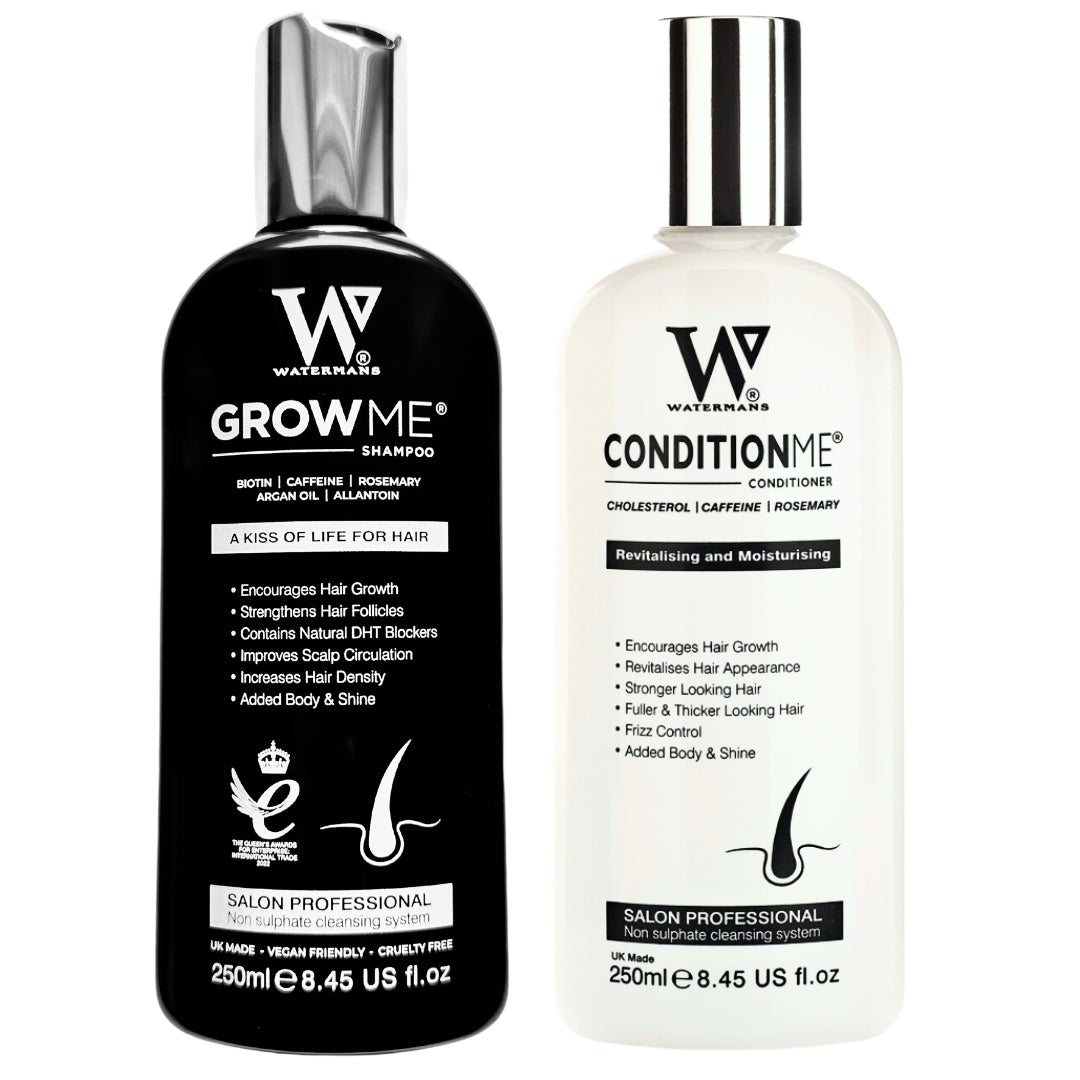
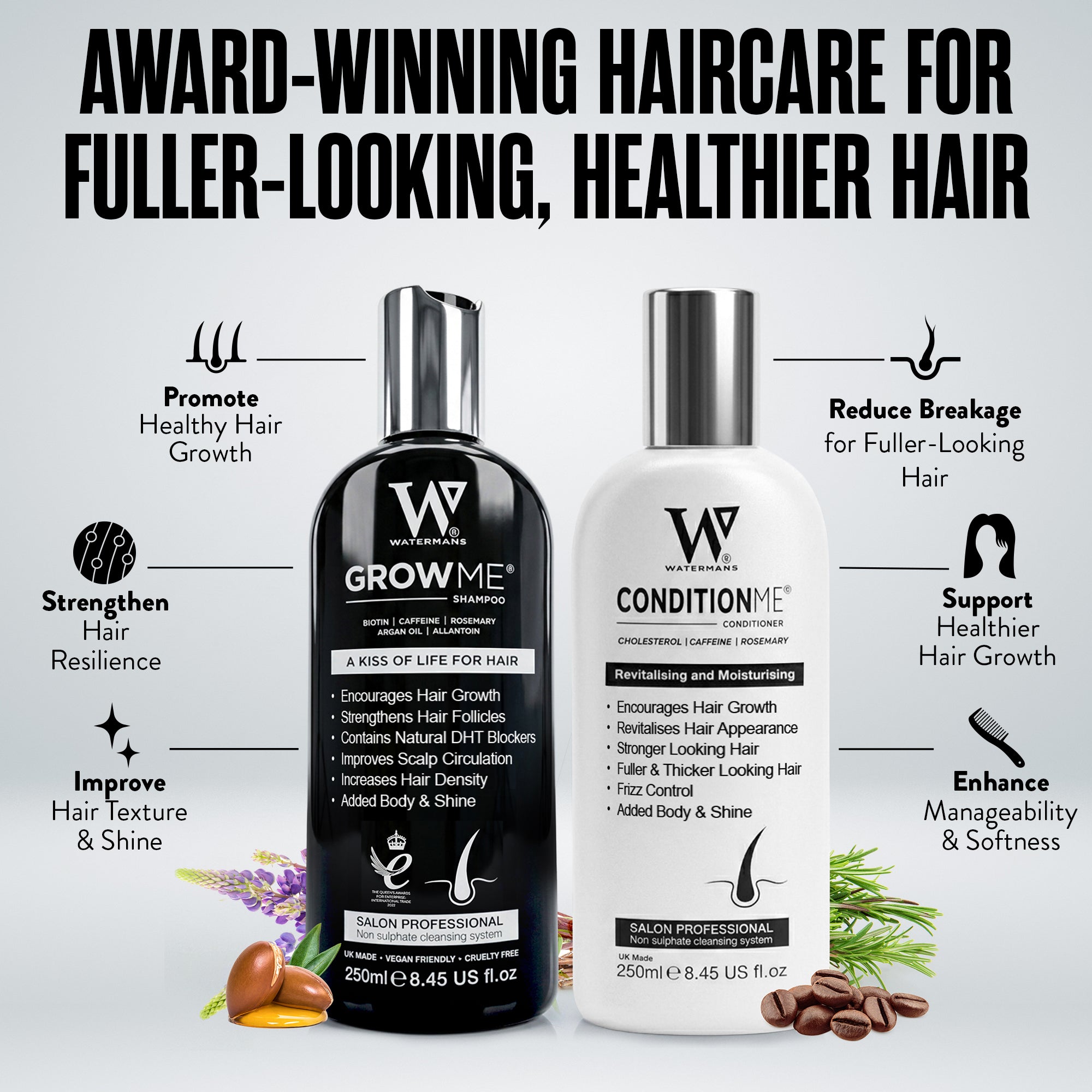
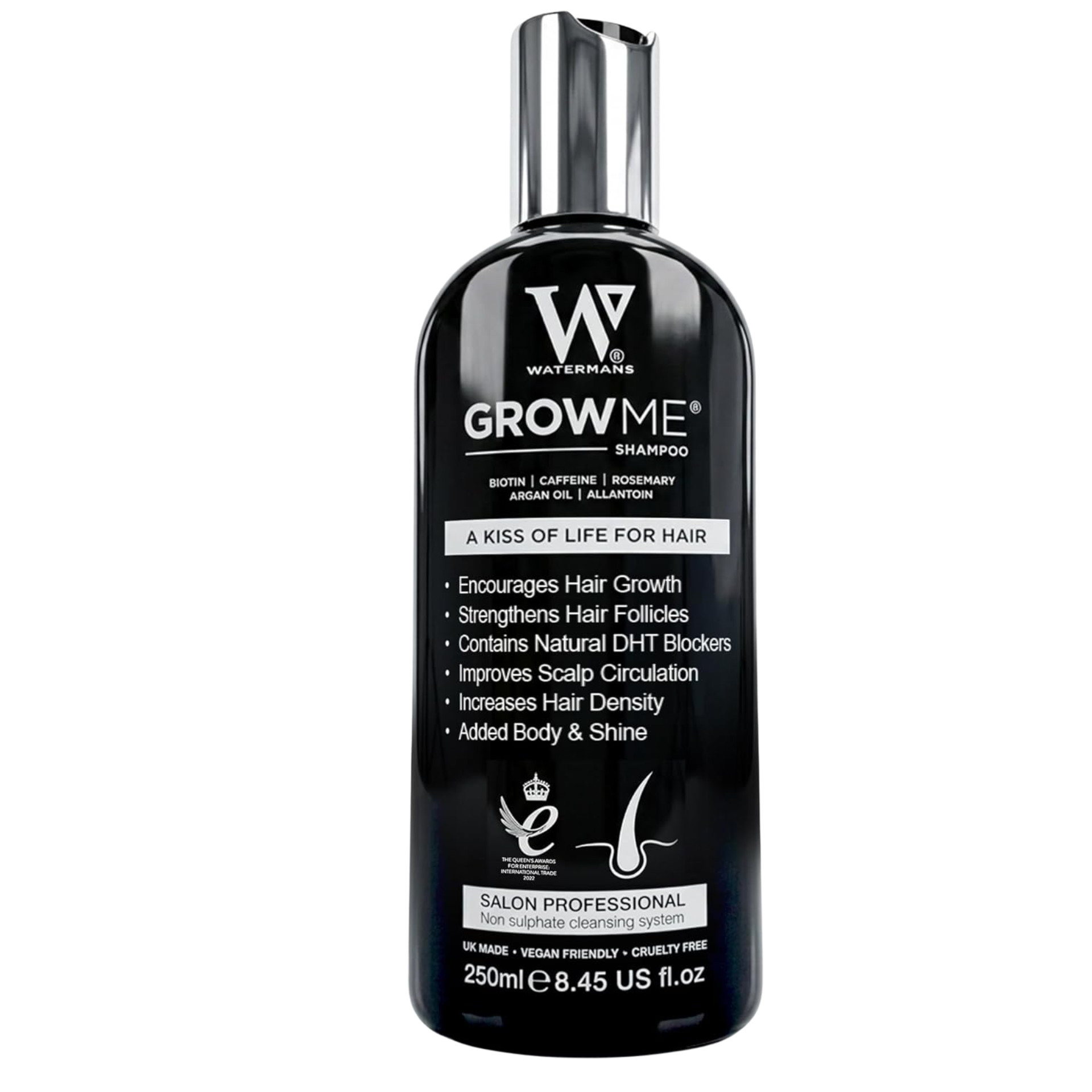
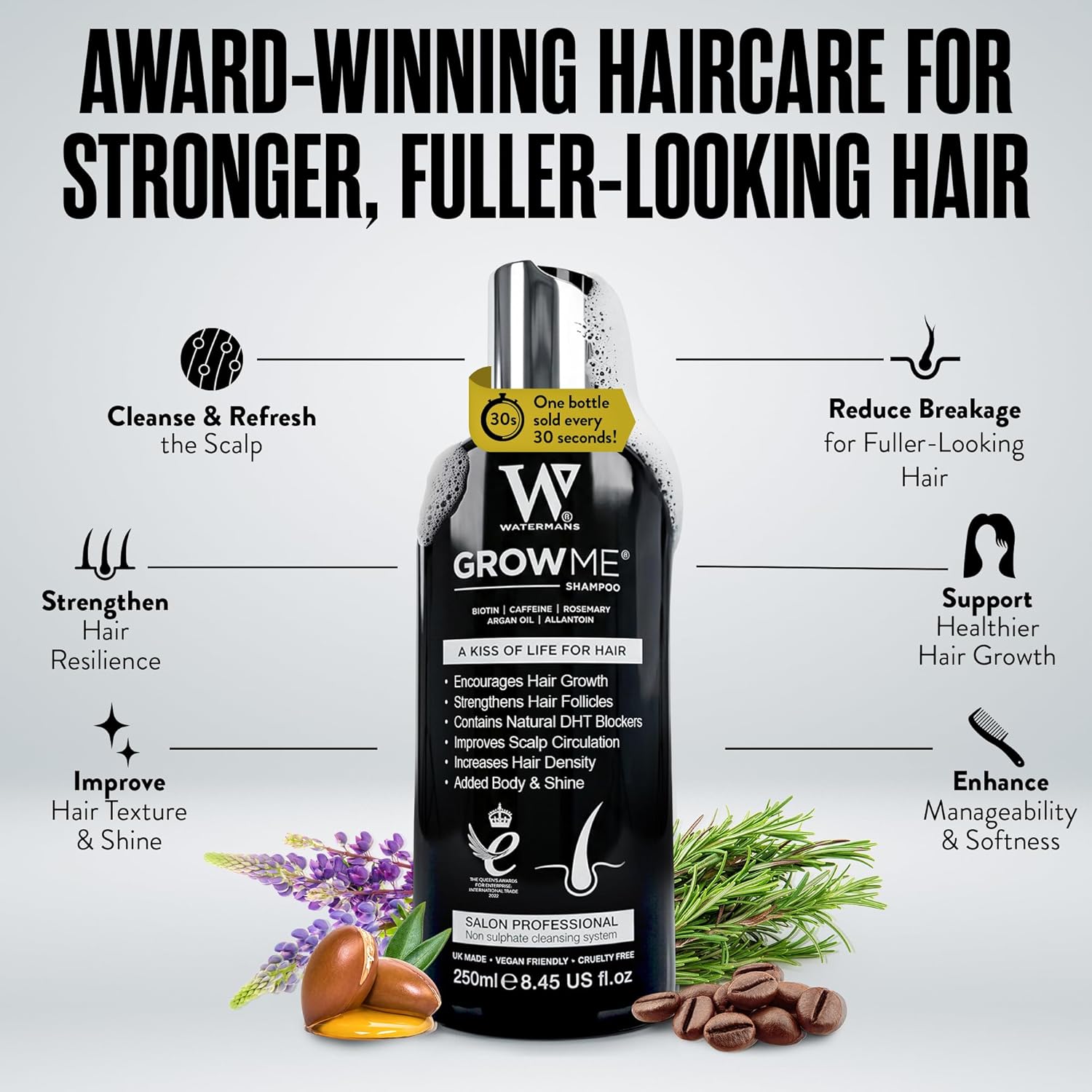
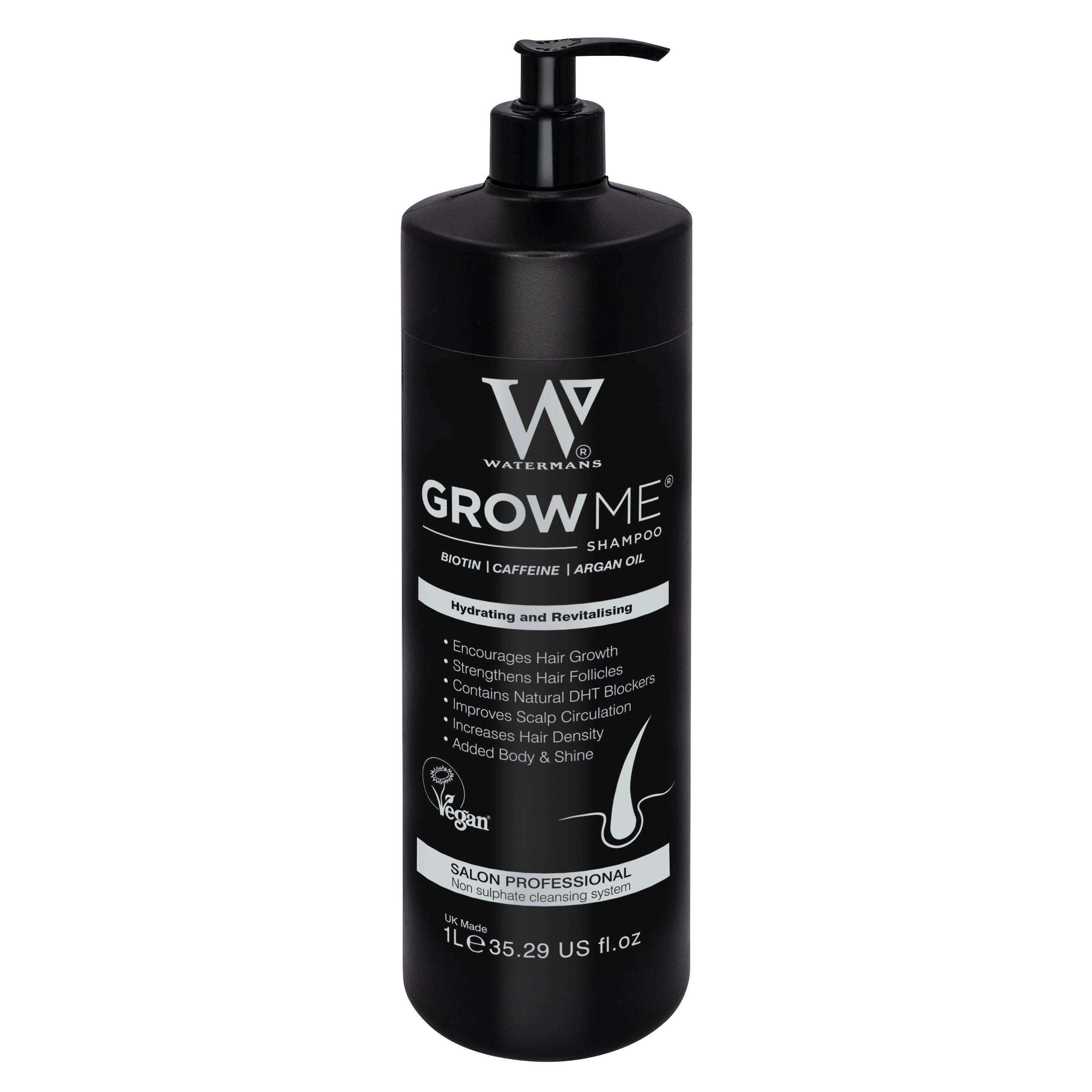
Grow Me® Hair Growth Shampoo · £14.95
A daily shampoo with caffeine, biotin and allantoin that cleanses gently and reduces breakage for fuller-looking hair. Vegan, made in the UK, cosmetic rather than medical.

When should you see a GP instead?
Go to a GP rather than any of the trichologists Tower Hamlets lists if the loss is at the crown or in patches, if the scalp is smooth, shiny, scarring, sore or itchy, if there are pustules or bumps that will not settle, if a child is affected, or if the hair is coming out in clumps with no styling explanation. Those patterns need medical assessment, not a styling change.
Central scalp loss deserves particular attention. Loss that starts at the crown and spreads outwards, sometimes with tenderness or itching and a smooth appearance where follicle openings have disappeared, can indicate a scarring condition, and the British Association of Dermatologists puts scarring alopecias in the time-sensitive category. That is a same-week GP conversation.
NHS referral to dermatology runs through your GP, so a private session does not shorten the route. Our guide to telling patchy hair loss apart describes what the different patterns look like, and Watermans products are cosmetic and cannot help with any medical scalp condition. Before agreeing to any multi-month course, our guide to which trichology add-ons are worth paying for explains what to refuse on a first visit and which four fees to get in writing. If your question is about products or a routine rather than a medical one, you can talk to Gail Waterman, our co-founder, as an AI avatar on the Watermans homepage.
Frequently asked questions
What are the early signs of traction damage?
Thinning right at the front hairline or above the ears, small bumps around individual follicles, tenderness or a headache after styling, short broken hairs along the edges, and a fringe of fine baby hairs that no longer fills in. Any of those is a reason to loosen the style now rather than after the next install, because early change is what decides the outcome.
Do protective styles actually protect hair?
It depends entirely on tension and duration. A style that tucks the ends away without pulling at the roots genuinely reduces daily manipulation and breakage. The same style installed tightly, or left in for months, does the opposite, because the tension never lets up and the roots carry accumulated weight the whole time. If it hurts, it is not protecting anything.
How long should braids stay in?
Six to eight weeks is a widely used upper limit, and shorter is safer for the hairline. Beyond that, new growth at the root increases tension at exactly the point where the style is anchored, and product and sweat build up on a scalp that cannot be cleansed properly. Resting the hair between installs matters as much as the length of any single one.
Why does my textured hair never get longer?
Usually because length is being lost at the ends rather than failing to grow at the root. Hair grows at roughly a centimetre a month regardless of texture, so if length is static the fibre is breaking somewhere along the way. Gentler detangling, more moisture and less heat address that directly, which is why retention rather than growth is the useful target.
Should I see one of the trichologists Tower Hamlets offers, or my GP?
GP first if the loss is at the crown or in patches, if the scalp is sore, scaly, scarring or shiny, or if a child is affected. A trichologist is a better fit once the medical side is clear and the question is genuinely about tension, styling, breakage and wash day, which is the majority of textured hair complaints.
Is a satin bonnet really worth it?
Yes, for a simple mechanical reason. Cotton pillowcases have a rougher surface that lifts the cuticle and pulls moisture out of the hair over seven or eight hours a night. Satin or silk reduces that friction every single night, and small nightly losses are what add up to visible length differences across a year.
What does a session cost in east London?
First sessions commonly run from roughly 75 to 250 pounds across London, with follow-ups lower. None of it is regulated, so ask exactly what is included and whether anything is billed separately. Be cautious about a course of sessions or a product package sold before anyone has actually looked at your scalp.
Can products fix traction damage?
No. Cosmetic products work on the hair fibre and the surface of the scalp, so they cannot change tension damage at the root or anything happening inside a follicle. What they can do is keep moisture in so detangling takes less length out, which on textured hair is a meaningful share of the overall problem but a different claim entirely.
What is the bottom line on trichologists Tower Hamlets?
Choose trichologists Tower Hamlets practitioners on textured hair experience first and verify membership with the professional body, because the title is not protected in UK law. Deal with styling tension now rather than later, since traction alopecia recovers only while the follicle openings are intact. Learn to tell tension damage, a diffuse shed and breakage apart by where the loss sits and whether the hairs have a root bulb. Expect roughly 75 to 250 pounds for a first session, and take crown loss, patches, scarring, pain or a child straight to a GP instead.
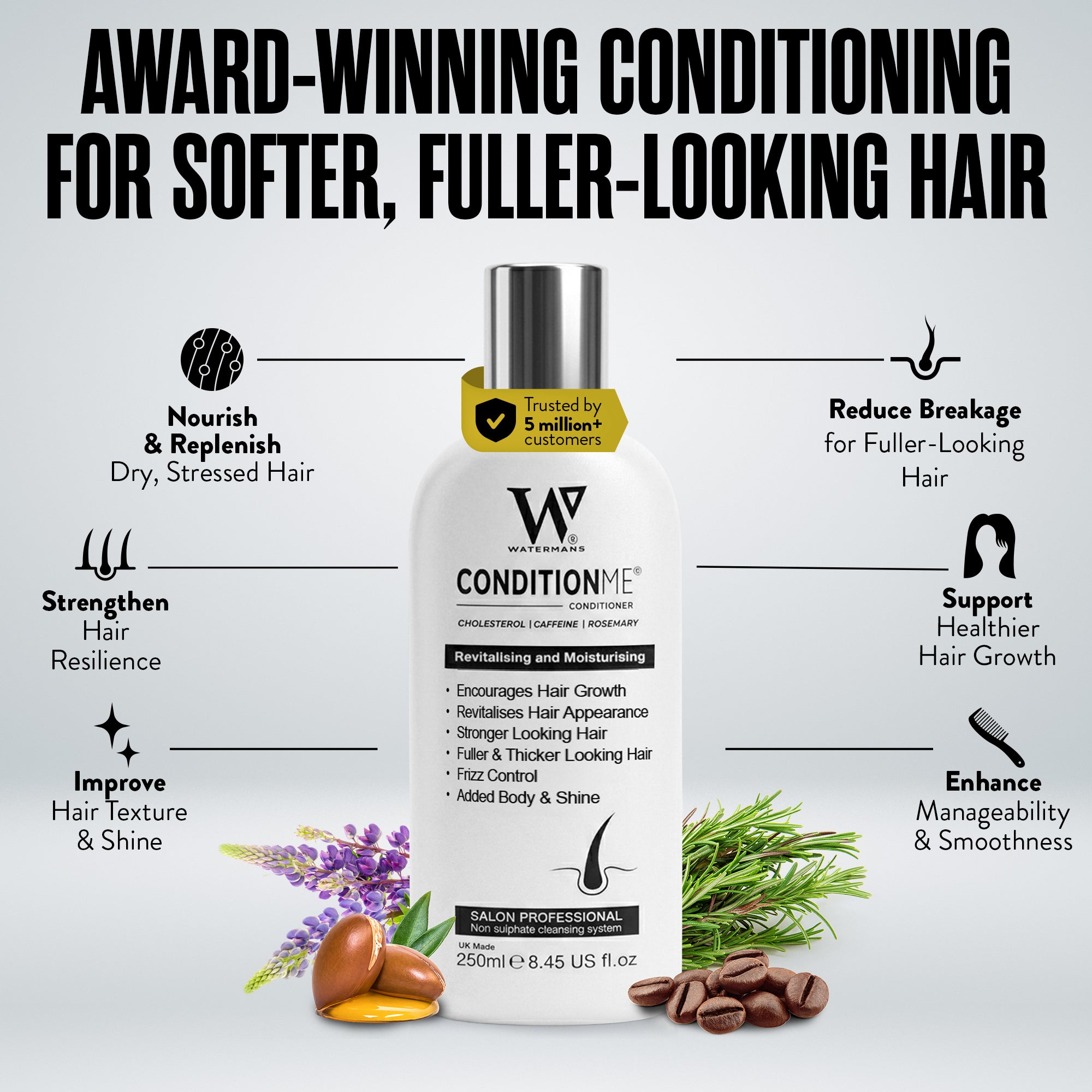
If length is disappearing at the comb rather than the root, start with the wash. Our curly hair shampoo and conditioner set is sulfate-free and made in the UK, built to keep moisture in so detangling takes less out.
Sources and references
- DermNet, traction alopecia: causes, early signs and the progression from reversible change to permanent loss.
- NHS, hair loss: common causes and when to see a GP.
- British Association of Dermatologists, public information leaflets on hair and scalp conditions, including scarring alopecias.
- DermNet, hair care practices in afro-textured hair: fibre structure, fragility and care considerations.
- DermNet, central centrifugal cicatricial alopecia: the scarring pattern that starts at the crown.
- Health and Care Professions Council, Check the Register: the statutory register of protected titles, which does not include trichologist.
- The Trichological Society, professional body and membership information.
- Institute of Trichologists, member directory and training standards.
Important: Watermans products are 100% cosmetic and do not treat medical hair loss. Individual results may vary.