Why Results Fade After the First Few Months: Hair Guide
Why results fade after the first few months is the single most common question people ask about any hair routine, and the answer is rarely that the product broke. Three things usually happen at once: the easy gains have already been made, your eye has adjusted to the new normal, and the underlying reason your hair changed in the first place has carried on regardless. Separating those three is the whole job, and it changes what you should do next.
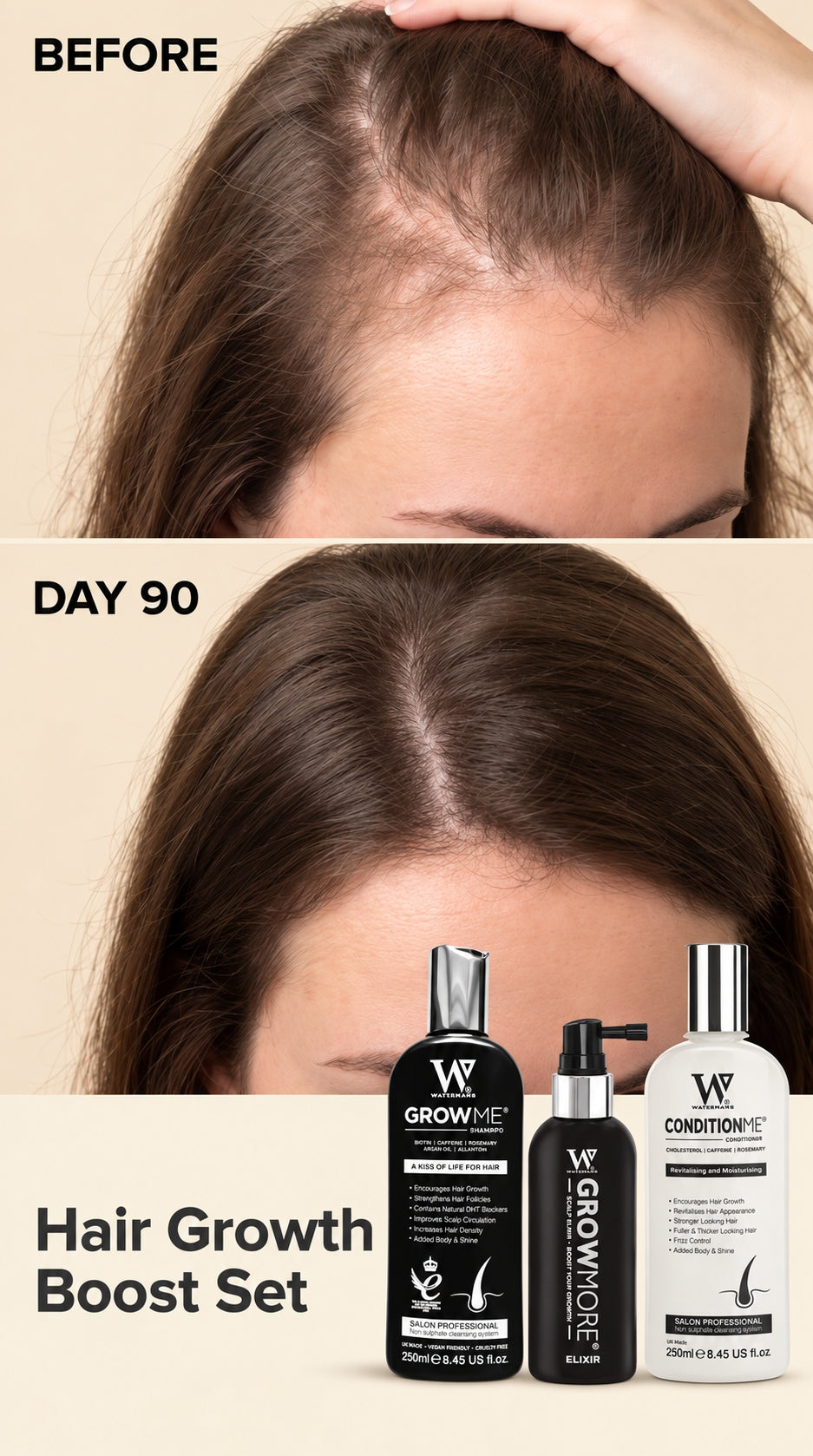
Our hair growth shampoo
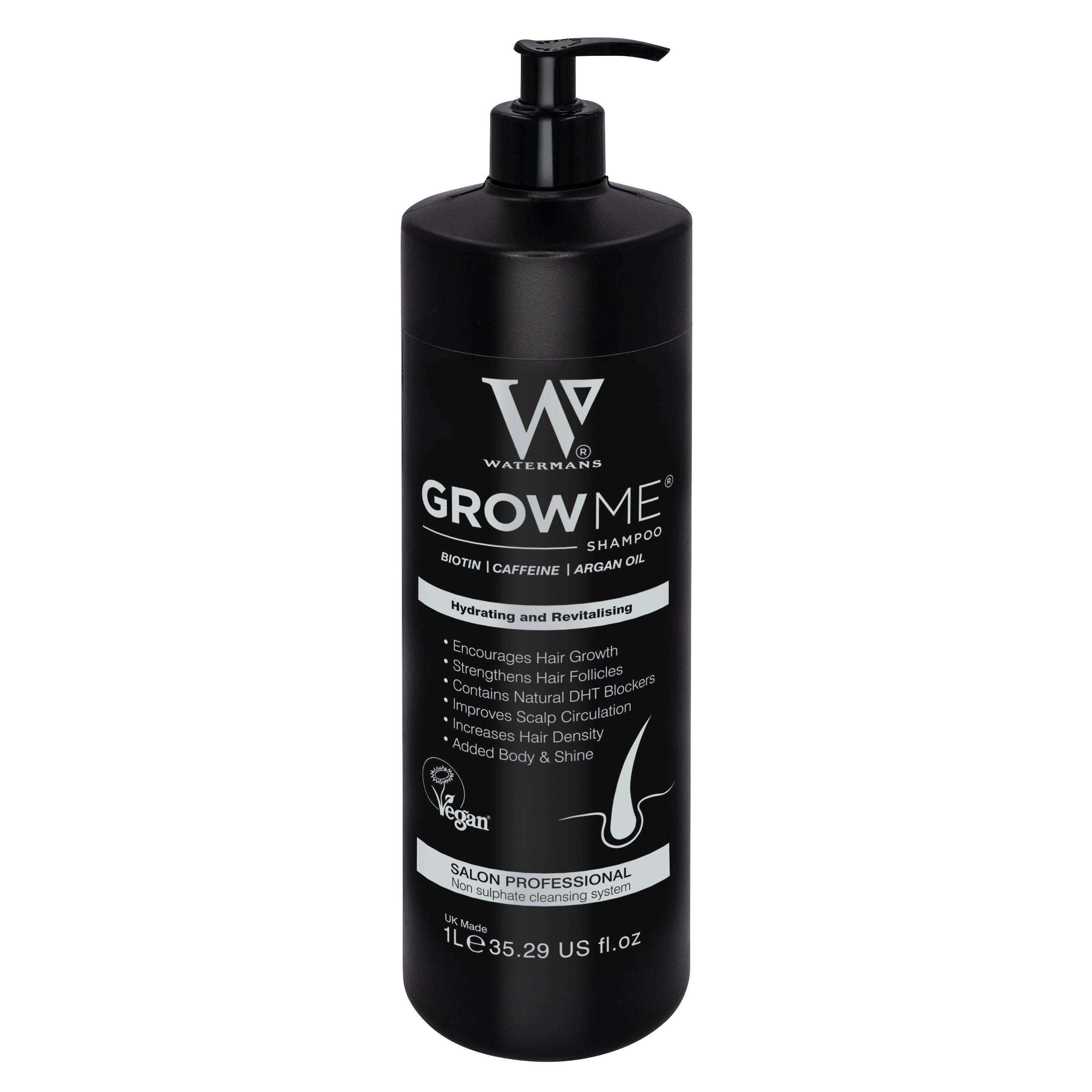
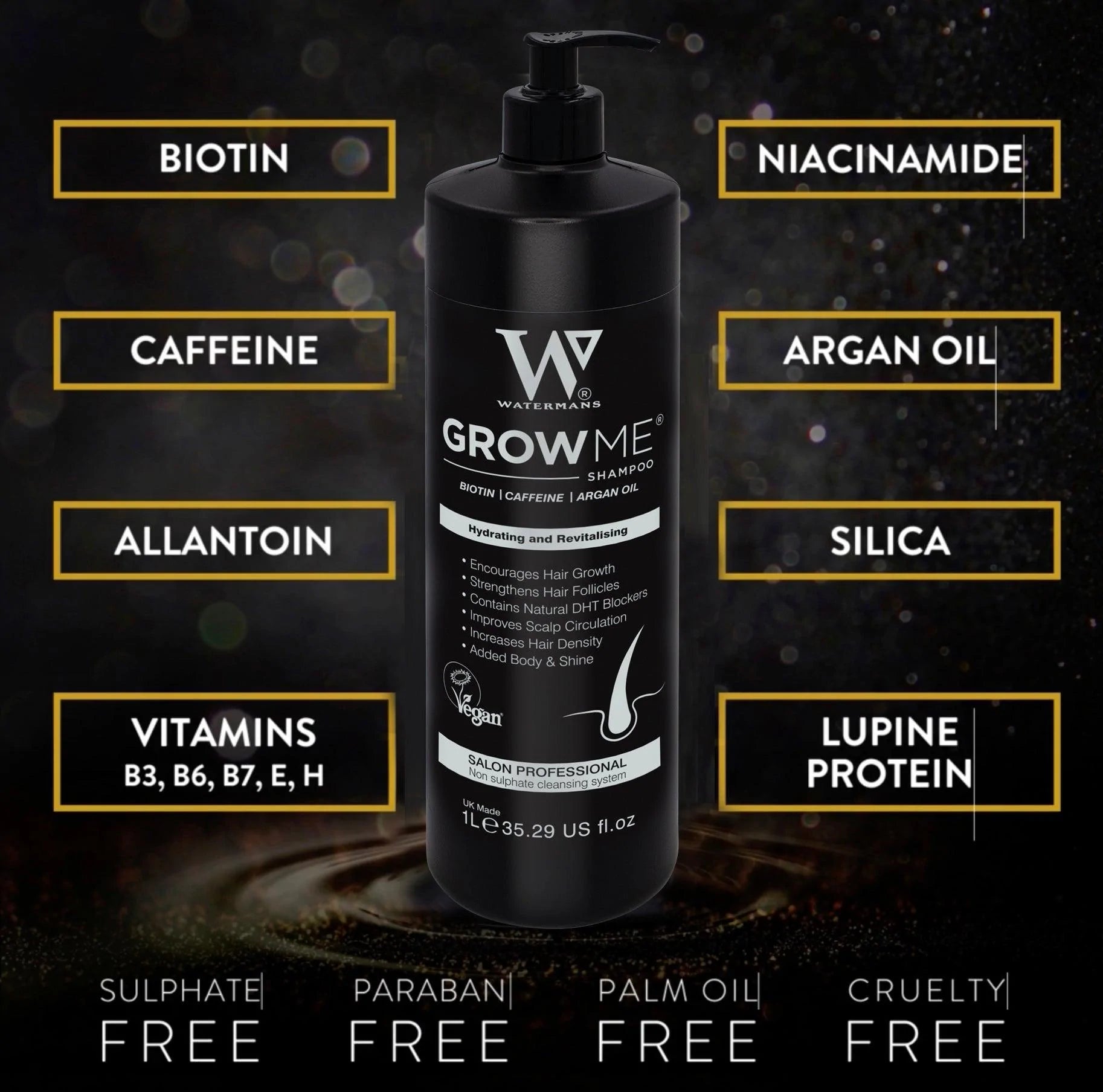
Grow Me® Hair Growth Shampoo, £14.95. A sulphate free daily shampoo that supports a healthy scalp environment and helps reduce breakage, so lengths hold on and look fuller.
Key takeaways
- The first gains are the cheapest. Condition, shine and reduced breakage improve fast, then flatten, because there is only so much damage to undo.
- Your baseline moved. Month six is being compared with month three, not with the day you started. That alone accounts for a lot of the fade.
- Photographs settle arguments. Same light, same parting, same angle, once a month. Memory is a poor instrument for this.
- Cosmetic products do not lose potency in your bathroom cabinet over three months. The formula is doing what it did in week one.
- If nothing has changed by twelve months, stopping is a legitimate answer and saves you money.
Why results fade after the first few months: what is the honest answer?
The fade is usually a flattening of a curve rather than a reversal. In the first eight to twelve weeks, a decent routine repairs surface damage, reduces snapping and improves how light reflects off the cuticle. Those wins are real, they are quick, and they are finite. Once the accumulated damage is dealt with, the rate of visible improvement drops sharply, because there is nothing left to repair, only condition to maintain.
What people experience as fading is normally that flattening, not a decline. The hair is often no worse than it was at month three. It has simply stopped getting better at the same speed.

What is actually happening between month three and month six?
Three separate processes overlap in that window, and they pull in different directions.
- Surface repair completes. Conditioning agents, proteins and oils can improve the fibre you already have. Once the mid lengths and ends are in good order, further gains are small.
- New growth arrives. Hair grows around one centimetre a month, so by month six you have roughly six centimetres of hair that grew entirely under the new routine. That is the part genuinely worth judging, and it is nearest the roots.
- The original cause continues. If the reason for the change was pattern hair loss, a thyroid problem, low iron or ongoing tension from tight styling, none of those pause because you bought a shampoo.
That third point is the uncomfortable one, and it is the most common genuine reason behind why results fade after the first few months. A cosmetic routine improves the hair you have. It does not act on the cause.
| What you notice | Typical timescale | Does it keep improving? |
|---|---|---|
| Softness, slip, less tangling | 1 to 3 washes | No, it plateaus early and then holds |
| Shine and cuticle smoothness | 2 to 6 weeks | No, it plateaus and then holds |
| Fewer short broken hairs | 6 to 12 weeks | Slowly, as damaged length is cut off |
| Length retention, hair reaching further | 6 to 12 months | Yes, this is the slow win |
| Scalp comfort | 2 to 8 weeks | Holds while the routine holds |
| Follicular density in pattern hair loss | Not applicable | No, a cosmetic routine does not act here |
How much of the fade is real and how much is the photograph?
A surprising amount is the photograph, or the absence of one. People start a routine while feeling worried, take a first picture under harsh bathroom light with hair pushed back, then take the month six picture in the morning with hair flat and unwashed. The comparison is meaningless, and it usually flatters the earlier photo or the later one at random.
Fix the method and the question often answers itself. Same room, same time of day, same light, hair dry, same parting, front and crown, once a month, and keep them in one folder. If you have those, you can settle the argument in ninety seconds instead of worrying about it for a fortnight. Our guide to how long before hair products show results sets out realistic timings for each of these.

Does a cosmetic product stop working over time?
No, formulas do not become weaker with familiarity. A shampoo that cleansed and conditioned in week one is doing the same thing in month six. There is no mechanism by which a cosmetic ingredient becomes less effective because your scalp has met it before, and the idea that you must rotate products to keep them effective is marketing rather than science.
Two things can genuinely change, though. Build up from leave on products can accumulate and make fine hair look flatter, which reads as the product losing its effect. And a bottle stored open in a hot, steamy bathroom for a year can degrade. Both are fixed easily: clarify occasionally, and replace anything that smells or looks different from new.
Worth saying plainly: if your hair is thinning because of pattern hair loss, the fade you are seeing is the condition continuing underneath a routine that was never able to act on it. No shampoo, serum or supplement changes that, ours included. That is a conversation for your GP or a dermatologist, and the sooner you have it the more options tend to be on the table.
How do hair loss, hair shedding and hair breakage each behave at this point?
The three are different problems on different clocks, and they explain most of the confusion around month four.
- Hair loss means the follicle itself is changing, as in androgenetic alopecia. It progresses slowly over years and does not respond to cosmetic care. If this is the driver, the routine was never going to hold the line on its own.
- Hair shedding is a hair cycle event such as telogen effluvium. It typically peaks two to three months after the trigger and settles within six to nine months. Someone who started a routine at the peak will see a dramatic early improvement as the shed ends naturally, then a plateau. That plateau is very often mistaken for a product failing.
- Hair breakage is the fibre snapping along its length from heat, bleach, friction or tension. It responds well to conditioning and heat protection, improves in the first two to three months, and then holds steady rather than continuing to improve.
Read that list again with your own timeline next to it and the picture usually clarifies. Our article on hair shedding and what genuinely helps covers the cycle in more depth, and stopping hair breakage at home covers the fibre side.
Get a discount on your next order
Join the Watermans mailing list and we will email a discount code straight to your inbox. Made in the UK, over 6.5 million bottles sold since 2012.
What should you change, and what should you leave alone?
Change less than you want to. The instinct at month four is to overhaul everything, which destroys the only useful evidence you have. Before you touch anything, be clear about which of the explanations for why results fade after the first few months applies to you, because each one has a different answer and only one of them involves buying something. A sensible order looks like this.
- Check the photographs first. If there is no real decline, change nothing and keep going to month twelve.
- Clarify once if you use leave on products daily and the roots look flat. Build up is common and easily reversed by one clarifying wash.
- Look at the cause, not the shelf. Iron, thyroid, recent illness, crash dieting, a new medicine or a stressful year all matter more than which bottle you buy. Your GP can check the first two with a blood test.
- Fix the mechanical damage if breakage is the issue. Lower heat, protection every time, looser styles, a trim.
- Only then change a product, one at a time, and give the change twelve weeks.
If you have reached twelve months with good photographs and honestly nothing has improved, then stopping is a perfectly reasonable decision. A routine that has not earned its place after a year is not going to earn it in month thirteen.

Which products actually keep earning their place after month three?
The ones that reduce breakage, because breakage is the part of the picture that keeps responding. Length retention is slow, cumulative and genuinely worth the maintenance.

Grow Me Shampoo
Sulphate free daily cleanse with biotin, caffeine, rosemary and niacinamide. Cosmetic support for a comfortable scalp and fuller looking hair. Vegan, made in the UK, over 6.5 million bottles sold since 2012.

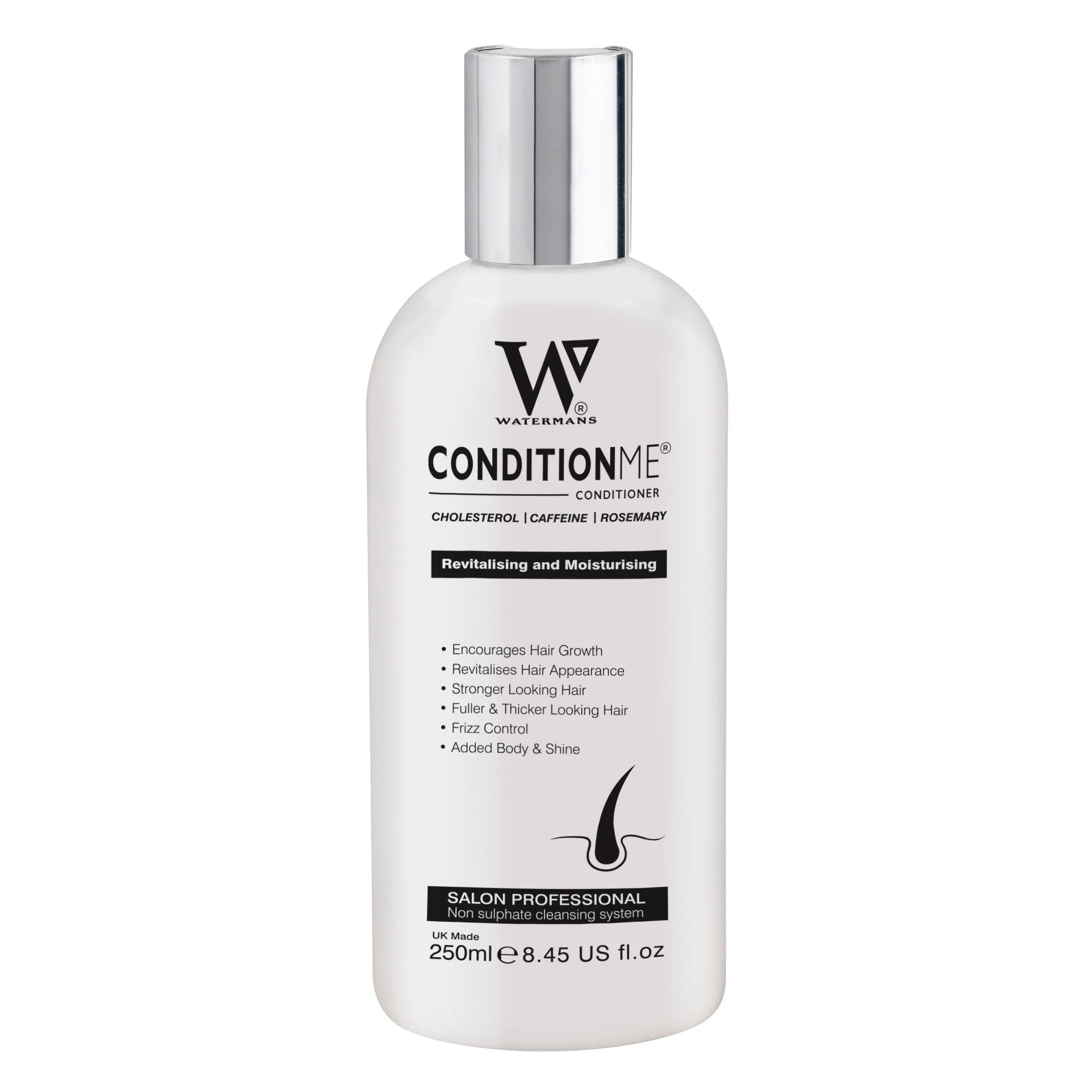
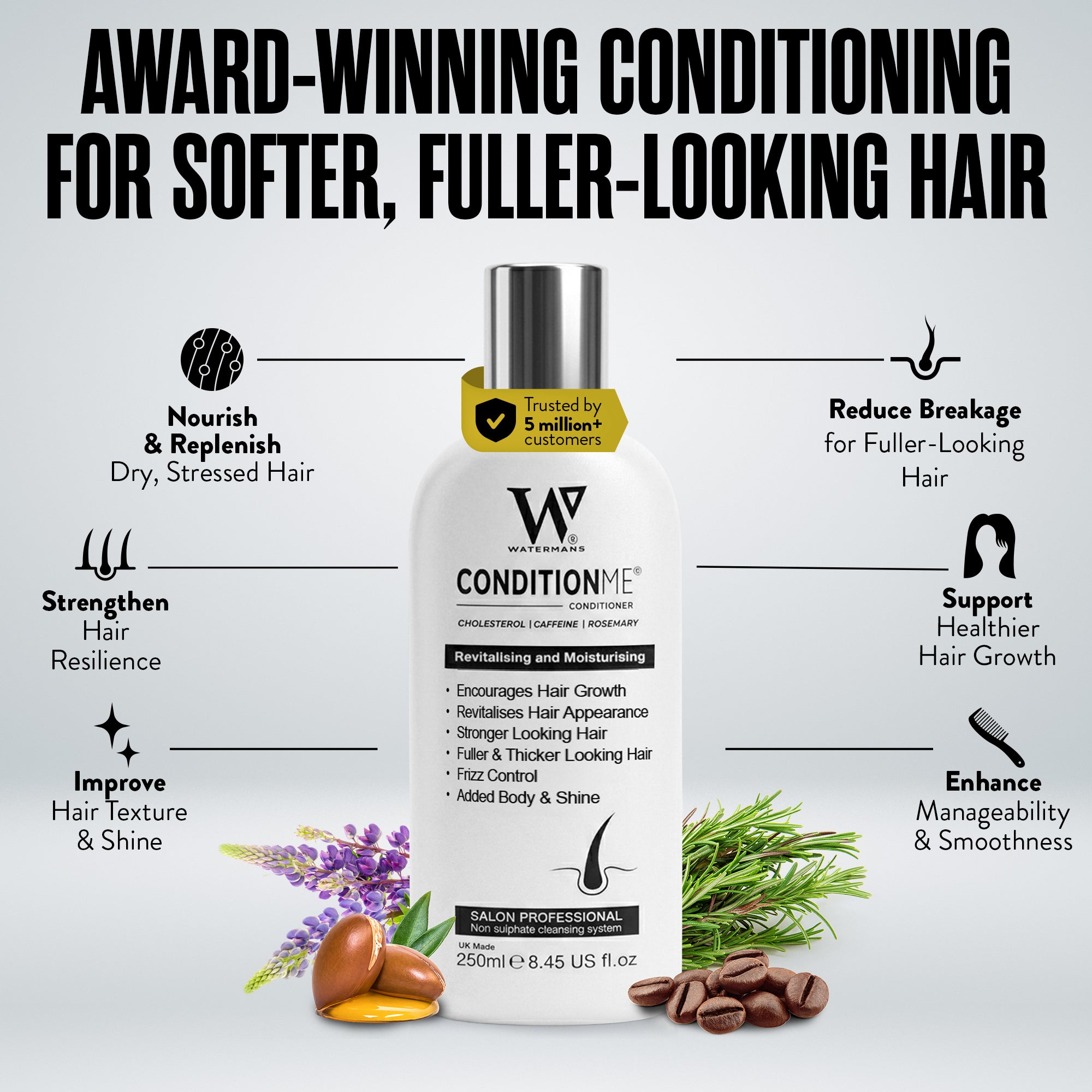
Condition Me Conditioner
The breakage defence half of the routine, mid lengths to ends, every wash. This is the one that quietly matters at month six, because retained length is what makes hair look longer and thicker over a year.
Frequently asked questions
Is it normal for a hair routine to stop showing progress at three months?
Yes, and it is the usual pattern rather than the exception. Surface condition improves fast and then plateaus. Length retention improves slowly over six to twelve months. A flat month four sits between the two and is not a sign that anything is wrong.
Should I switch products when results fade after the first few months?
Not immediately. Switching resets your evidence and starts a new twelve week clock. Check your photographs, clarify once if you use leave on products daily, and look at underlying causes before you change anything on the shelf.
Can my scalp become used to a shampoo?
No. There is no tolerance effect for cosmetic ingredients on the scalp. What people usually notice is product build up or a change in water hardness, hair length or the weather, none of which is the formula becoming weaker.
Does hair get worse before it gets better?
Sometimes, if a shed was already under way when the routine started. The shedding was going to happen anyway, and the timing makes it look caused by the new product. A shed that begins within days of starting something new is usually coincidence rather than cause.
How long should I give a routine before deciding it has failed?
Twelve months with monthly photographs. Six months tells you about condition and breakage. Twelve months tells you about retention and density, which is the part most people actually care about.
Could a plateau mean I need a stronger product?
Rarely. Stronger concentrations mostly buy irritation rather than results in cosmetic products, and an irritated scalp sheds more, not less. Consistency at a comfortable level beats intensity almost every time.
What if my hair is genuinely worse, not just flat?
A genuine decline is different from a plateau and is worth taking to your GP, especially if it came with a change in your health, weight, periods, energy or a new medicine. Ask about iron studies and thyroid function. If your question is about products or a routine rather than a medical one, you can talk to Gail Waterman, our co-founder, as an AI avatar on the Watermans homepage.
Does seasonal shedding explain why results fade after the first few months?
It can. Many people shed a little more in late summer and autumn, so a routine started in spring will hit that seasonal bump around month five or six. It usually settles on its own within a few weeks.
Sources and references
- NHS, Hair loss, for causes of temporary and pattern hair loss and when to seek help.
- NICE Clinical Knowledge Summaries, Female pattern hair loss, for the progressive nature of pattern hair loss.
- British Association of Dermatologists information leaflets, for telogen effluvium and its typical course.
- Committees of Advertising Practice, the UK advertising codes, for what a cosmetic brand is required to be able to substantiate.
What is the bottom line on fading results over time?
Why results fade after the first few months comes down to three things happening together: the quick surface wins are finished, your point of comparison has moved, and whatever caused the change in your hair is still there. Take proper monthly photographs, clarify once if build up is likely, look at iron, thyroid, stress and styling before you look at the shelf, and change one variable at a time. Then give it to twelve months and make a real decision, including the decision to stop. Response varies far more than the marketing admits, as our guide to why the same hair product gives different results sets out.
If you want something to act on today, Grow Me hair growth shampoo is the simplest place to begin. Made in the UK, with over 6.5 million bottles sold since 2012.
Watermans products are 100% cosmetic and do not treat medical hair loss. Individual results may vary. If your hair is thinning quickly, or you have a sore or scaly scalp, please speak to your GP or a dermatologist.