Hair Nutraceuticals: What Hair Supplements Can and Cannot Do
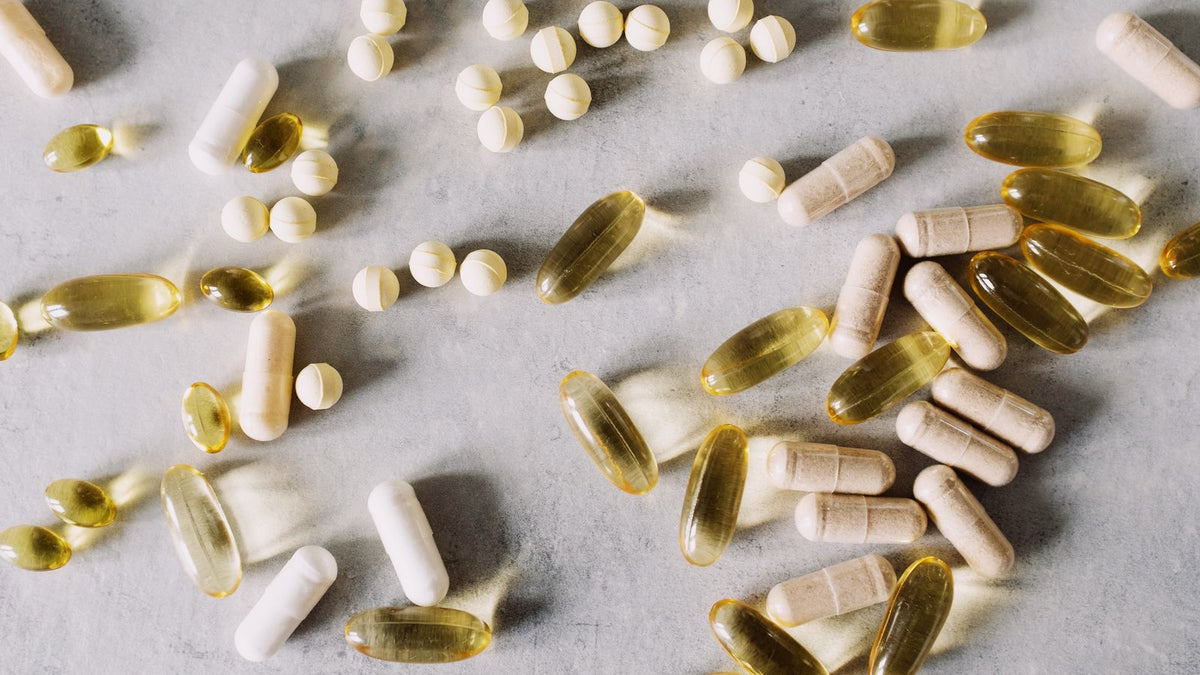
Hair nutraceuticals are the supplements, gummies, powders and drinks sold to support healthier-looking hair, and the shelves are full of them. Some are simple multivitamins with a hair-themed label, others blend biotin, zinc, collagen, marine extracts and botanicals. This guide explains what is usually inside them, what the evidence says about nutrients and hair, who is most likely to notice a difference, the safety points worth knowing and how to read a label before you spend your money.
Our hair, skin and nails gummies
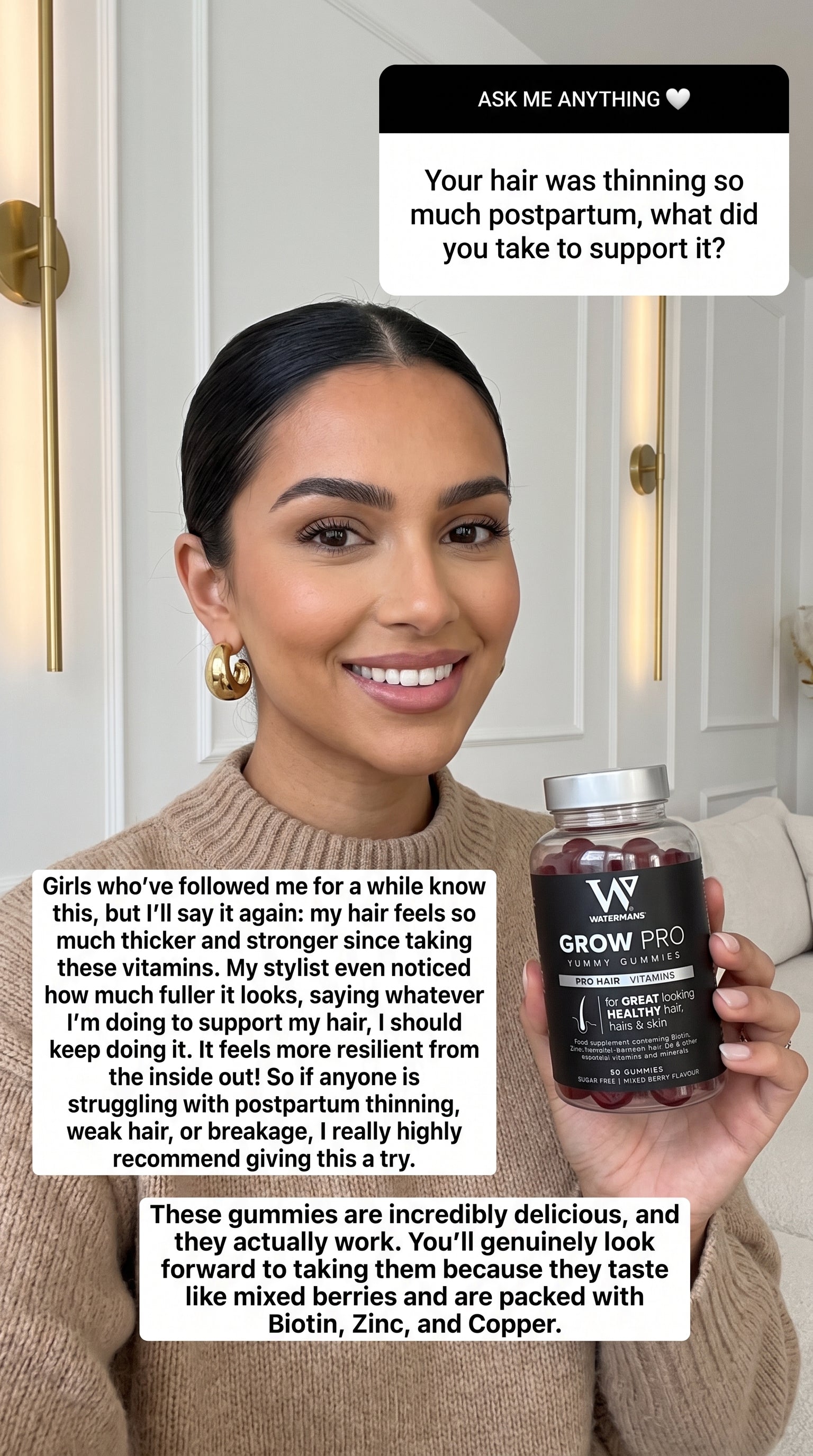
GrowPro® Hair, Skin & Nails Gummies, £22.95. Sugar free daily gummies for people who would rather chew than swallow a tablet, supporting hair care from the inside out.
Hair nutraceuticals are food supplements that combine vitamins, minerals and other nutrients aimed at healthy hair, such as biotin, zinc, iron, vitamin D and collagen. The NHS says most people get the nutrients they need from a varied, balanced diet, and a 2019 review found the clearest role for supplements is filling a genuine gap, for example low iron or vitamin D. They support normal hair; they are not a medicine for hair loss.
Key takeaways
- The NHS says most people should get all the nutrients they need from a varied and balanced diet, although some people may need supplements.
- A 2019 review in Dermatology and Therapy found the strongest case for correcting a real deficiency rather than adding more on top of a good diet.
- The same review warns that too much vitamin A, and possibly too much selenium, can contribute to hair loss, so more is not better.
- Biotin can affect some blood test results, so tell whoever takes your blood that you use a supplement containing it.
- The NHS advises not taking more than 10mg of vitamin B6 a day from supplements unless a doctor advises it.
What are hair nutraceuticals?
Nutraceuticals for hair are products that sit between food and medicine: they are sold as food supplements, usually as capsules, tablets, gummies or powders, and contain nutrients that play a part in normal hair growth. In the UK they are regulated as food, not as medicines, so they cannot legally make medical claims about any illness, including hair loss. InnerX is one of the brands people ask about by name, and we look at what InnerX hair supplements can and cannot do.
Instead, labels use approved wording about normal function, such as a nutrient contributing to the maintenance of normal hair. That wording is a good sign that the brand is playing by the rules. A label promising medical results for hair loss or a brand new hairline is a red flag, because no food supplement can lawfully say that.

What is usually inside hair supplements?
Hair supplements usually contain a mix of B vitamins, minerals and structural nutrients, with the exact formula varying a great deal from brand to brand. The most common ingredients fall into four groups.
| Ingredient group | Common examples | Why it is included |
|---|---|---|
| B vitamins | Biotin (B7), niacin (B3), pantothenic acid (B5), B6, B12, folic acid | Involved in energy release and normal cell growth, including in the follicle |
| Minerals | Zinc, iron, selenium, copper, iodine | Needed in small amounts for normal hair and skin; iron deficiency is a known cause of shedding |
| Other vitamins | Vitamin D, C, A and E | Vitamin C helps the body absorb iron; low vitamin D is common in the UK in winter |
| Structural and botanical extras | Collagen, keratin, MSM, silica from bamboo or horsetail, marine extracts | Added to support hair structure; evidence varies by ingredient |
Our guide to hair vitamins looks at each vitamin individually, and our guide to zinc supplementation covers the mineral most often paired with biotin.
Do hair nutraceuticals work?
Hair nutraceuticals are most likely to make a visible difference when they correct a genuine shortfall, because a follicle that lacks raw materials cannot grow its best hair. When the diet already covers everything, the evidence for extra benefit is much thinner, and the honest answer is that results vary from person to person.
A 2019 review by Almohanna and colleagues in Dermatology and Therapy looked at vitamins and minerals in non-scarring hair loss. It concluded that iron and vitamin D matter where levels are low, that vitamin C intake should be adequate because it helps iron absorption, and that large, well-designed trials are still needed to measure the effect of supplements in people without a deficiency. It also noted that deficiencies in nutrients such as iron, vitamin D, folate, B12 and selenium may be involved in premature greying.
That makes supplements a support act rather than a solution. They work best alongside a decent diet, a gentle hair routine and, where shedding is heavy, a GP check to rule out other causes.
Food first, then fill the gaps
Protein at every meal, oily fish or another vitamin D source, iron from red meat, pulses or leafy greens, and zinc from seeds, nuts and shellfish cover most of what hair needs. A supplement makes most sense when your diet is restricted, your appetite is low, you follow a vegan diet, or a blood test has shown a gap.

Who is most likely to benefit from hair supplements?
The people most likely to benefit from hair supplements are those whose diet or circumstances make a shortfall likely. The NHS says some people may need to take extra supplements even though most people get what they need from food.
- Heavy periods or low iron. The NHS lists hair loss among the symptoms of iron deficiency anaemia, with more hair coming out when brushing or washing.
- Restricted or plant-based diets. Vegan diets need planning for B12, iron, zinc and iodine.
- Low sun exposure. Vitamin D is harder to get from sunlight in the UK between October and March.
- After illness, surgery or a crash diet. These are recognised triggers for temporary shedding, and eating well supports recovery.
- Pregnancy and after birth. Needs change, so ask a midwife or GP which supplements suit you.
If you are shedding heavily, ask your GP about a blood test before buying anything. Knowing your iron and vitamin D levels tells you far more than any label can. Our guide to biotin supplementation covers the most popular single ingredient in detail.
Get a discount on the thinning hair range
Join the Watermans mailing list and we will email a discount code straight to your inbox, so you can try the thinning hair range for less. Vegan, made in the UK, over 6.5 million bottles sold since 2012.
Are hair nutraceuticals safe?
Hair supplements are generally safe when taken as directed, but stacking several products can push some nutrients too high. The same 2019 review notes that too much vitamin A can contribute to hair loss, and that too much selenium may do the same, so doubling up can backfire.
- Check for overlap. A multivitamin, a hair gummy and a skin supplement may all contain vitamin A, zinc or selenium. Add up the totals.
- Watch vitamin B6. The NHS advises not taking more than 10mg a day from supplements unless a doctor advises it.
- Mention biotin before blood tests. The review warns that biotin can lead to false laboratory results, so tell whoever takes your blood.
- Pregnancy. Avoid high-strength vitamin A supplements and check with a midwife or pharmacist.
- Medicines. Ask a pharmacist before combining supplements with regular medicines.

How do you read a hair supplement label?
You read a hair supplement label by checking the amount of each nutrient, the percentage of the nutrient reference value (NRV), and the wording of the claims. The NRV tells you how much of your daily need one serving provides, which is more useful than a long ingredients list.
| What to check | What good looks like | Red flags |
|---|---|---|
| Nutrient amounts | Clear amounts per serving with an NRV percentage | Proprietary blends with no amounts |
| Claims | Approved wording such as contributing to the maintenance of normal hair | Medical promises about hair loss, or claims to work like a medicine |
| Serving size | A realistic daily serving, such as 2 gummies | Very high multiples of the NRV for vitamin A or selenium |
| Diet and allergens | Vegan, gelatine-free or allergen information if you need it | No allergen information |
| Sugar | Sugar-free or low sugar for daily gummies | Several grams of sugar per serving |

GrowPro Hair Growth Gummies £22.95
Sugar-free, vegan hair, skin and nail gummies with biotin, zinc, MSM, bamboo silica and vitamins C, D3 and B12. Biotin and zinc contribute to the maintenance of normal hair. Two a day alongside a varied diet.
Is it hair loss, shedding or breakage?
Before choosing a supplement, it helps to know whether you are dealing with hair loss, hair shedding or hair breakage, because nutrition is linked to some of these far more than others.
| Problem | What is happening | Is nutrition likely to be involved? |
|---|---|---|
| Hair shedding | Whole hairs fall from the root, often 2 to 4 months after illness, stress or a diet change | Sometimes; low iron and crash diets are recognised triggers |
| Hair breakage | The fibre snaps part-way along from heat, bleach or friction | Rarely; gentler styling helps far more than supplements |
| Hair loss | Follicles produce finer hairs over time, or hair falls in patches | Usually not; genetics, hormones or medical causes are more likely, so see a GP |
Whatever the cause, looking after the hair you have makes a visible difference. A gentle shampoo keeps the scalp comfortable and does not strip already fragile hair.

Grow Me® Hair Growth Shampoo £14.95
A gentle, sulfate-free shampoo with caffeine, biotin, rosemary and niacinamide, applied to the scalp for fuller-looking hair. Vegan and made in the UK.
When should you see a GP instead of buying supplements?
You should see a GP instead of buying supplements if you are losing hair in patches, shedding heavily for more than a few months, noticing a widening parting, or feeling tired, breathless or unusually cold. The NHS advises seeing a GP if you are worried about hair loss, and a simple blood test can show whether iron, vitamin D or thyroid levels need attention. Watermans does not give medical advice. If your question is about products or a routine rather than a medical one, you can talk to Gail Waterman, our co-founder, as an AI avatar on the Watermans homepage.
What are the frequently asked questions about hair nutraceuticals?
What are hair nutraceuticals?
They are food supplements, such as capsules, gummies or powders, that combine vitamins, minerals and other nutrients involved in normal hair growth.
How long do hair supplements take to show results?
Hair grows slowly, so give any supplement about three months alongside a good diet before judging it.
Can I take hair supplements with a multivitamin?
Check the labels first. Doubling up can push vitamin A, zinc or selenium too high, and too much vitamin A can contribute to hair loss.
Does biotin affect blood tests?
It can. A 2019 review warns biotin can lead to false laboratory results, so tell whoever takes your blood that you use it.
Are gummies as good as tablets?
The format matters less than the amounts. Compare the nutrient levels and NRV percentages, and look for sugar-free gummies if you take them daily.
Are hair supplements suitable for vegans?
Some are. Check the label for gelatine and animal-derived ingredients, and make sure B12, iron and zinc are covered.
Can supplements fix hair loss?
No food supplement can lawfully make medical claims about hair loss. They support normal hair when your diet falls short; see a GP about ongoing hair loss.
What is the bottom line on hair nutraceuticals?
The bottom line on hair nutraceuticals is that they are most useful when they fill a real gap in your diet, such as low iron or vitamin D, and far less useful stacked on top of a diet that already covers everything. Eat well first, read labels for amounts and NRVs, avoid doubling up on vitamin A and selenium, mention biotin before any blood test, and see a GP about heavy shedding or patches.
If you want a simple daily top-up, sugar-free hair vitamins with biotin and zinc are an easy place to start.
Sources & references
- Almohanna HM, Ahmed AA, Tsatalis JP, Tosti A, The Role of Vitamins and Minerals in Hair Loss: A Review, Dermatology and Therapy, 2019 (PubMed Central), checked 19 September 2026.
- NHS, Vitamins and minerals, checked 19 September 2026.
- NHS, B vitamins and folic acid, checked 19 September 2026.
- NHS, Iron deficiency anaemia, checked 19 September 2026.
- NHS, Hair loss, checked 19 September 2026.
- Food Standards Agency, Food supplements, checked 19 September 2026.
Watermans products are 100% cosmetic and do not treat medical hair loss. Individual results may vary.