InnerX for Hair Supplements: What They Can and Cannot Do
People searching for innerx for hair supplements are asking one practical question: can a capsule taken daily do anything useful for thinning or shedding hair? The honest answer is that ingestible hair supplements correct deficiencies, and correcting a genuine deficiency does help. Where nutrient levels are already normal, adding more has very little to offer. So the useful step is a blood test first, and a purchase second, in that order.
Our hair, skin and nails gummies
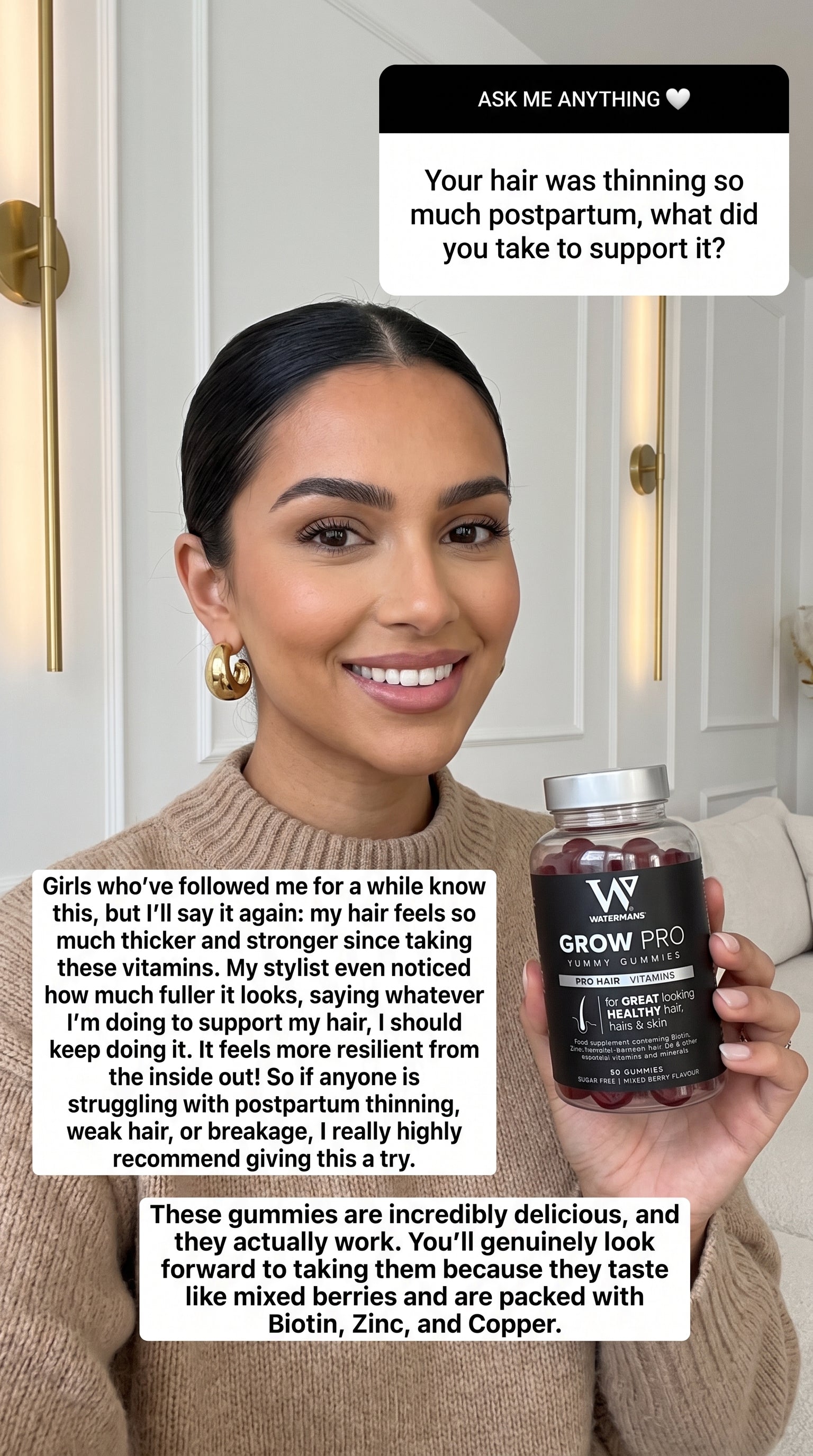
GrowPro® Hair, Skin & Nails Gummies, £22.95. Sugar free daily gummies for people who would rather chew than swallow a tablet, supporting hair care from the inside out.
Key takeaways
- A supplement fixes a shortage. If you do not have a shortage, it has very little left to do, whatever the marketing implies.
- Iron, vitamin D, zinc and B12 are the nutrients most often genuinely low, and all four are ordinary blood tests your GP can arrange.
- High dose biotin interferes with some laboratory blood tests, including thyroid and heart ones. Tell whoever takes your blood that you take it.
- Separate hair loss at the follicle, hair shedding from the growth cycle, and hair breakage where the fibre snaps. Only some of these respond to nutrition at all.
- We sell a hair supplement and we still think the blood test comes first. That is the honest order.
What do people mean by innerx for hair supplements?
The phrase innerx for hair supplements describes the ingestible half of hair care: capsules, gummies, powders and drinks taken daily, as opposed to shampoos and serums applied to the scalp. Products in this category vary enormously, but the formulas cluster around a familiar list. Biotin, zinc, iron, vitamin D, vitamin C, selenium, marine or bovine collagen, amino acids such as L lysine, and a handful of botanical extracts appear in most of them.
We cannot verify the formula, sourcing or results of any brand we do not make, and we are not going to pretend otherwise on a page selling our own. What we can do is set out what the category as a whole is genuinely capable of, so that the next label you read is easier to judge. Every point below applies to our own gummies exactly as much as to anyone else’s capsule.
What can a hair supplement genuinely do?
A hair supplement supplies nutrients. That is the whole mechanism, and it is a narrower one than most packaging suggests. Hair is a high turnover tissue built mostly from keratin, a protein, and building it requires a steady supply of amino acids plus a set of vitamins and minerals that act as the machinery. When one of those inputs is genuinely short, the body deprioritises hair before it deprioritises anything vital, and the hair cycle suffers. Restore the missing input and the constraint is removed. For the nutrients behind the keratin itself, our guide to keratin vitamins for hair sets out which ones genuinely matter.
The corollary is the part the marketing leaves out. If nothing is missing, there is no constraint to remove, and taking more of a nutrient you already have enough of does not push the system past normal. This is why honest labelling on innerx for hair supplements and every competitor uses phrases such as contributes to the maintenance of normal hair, which is an authorised nutritional statement, rather than any promise about density.
The claims that are actually permitted
In Great Britain, only a short list of nutrition and health claims is authorised. Biotin and zinc may be described as contributing to the maintenance of normal hair. Iron may be described as contributing to the reduction of tiredness. Nothing on the list allows a supplement to be sold as a solution for hair loss, and a brand making a stronger claim than the list permits is telling you something useful about the brand.
Which nutrients actually have evidence behind them?
Four have a genuine, well documented link to the hair cycle, and the rest are mostly along for the ride. It is worth knowing which is which before paying for a formula with thirty ingredients on the label.
| Nutrient | How strong is the link to hair | Worth testing? |
|---|---|---|
| Iron (ferritin) | Strong. Low iron stores are a common and reversible contributor to shedding, particularly in women with heavy periods | Yes. Ask for ferritin plus a full blood count |
| Vitamin D | Reasonable. Receptors sit in the follicle and deficiency is very common in the UK, especially over winter | Yes, and supplementing in winter is standard NHS advice anyway |
| Zinc | Reasonable. Genuine deficiency causes hair changes, but true deficiency is uncommon on a normal diet | Only if diet is restricted or absorption is a known issue |
| Protein overall | Strong, and routinely underestimated. Persistent low intake is a direct constraint on a protein tissue | No test needed. Count what you actually eat for three days |
| Biotin | Weak in practice. Deficiency does cause hair problems, but it is rare, and supplementing without deficiency has little effect | Rarely useful, and it interferes with other blood tests |
| Collagen | Weak. It is digested into ordinary amino acids like any other protein, so it is protein with a premium attached | No |
| Selenium, copper, silica | Weak. Genuine deficiency is unusual, and excess selenium causes hair problems of its own | No |
The pattern is consistent: the nutrients that matter are the ones people are actually short of. That is why any sensible use of innerx for hair supplements starts with finding out what, if anything, is missing. Our deeper dives on biotin and what it does and on vitamins for hair growth go through the individual nutrients in more detail.
When does a supplement make a real difference?
In three situations, and they are worth recognising because in all three the effect can be substantial. The first is a confirmed deficiency, most often iron, where correcting it can end a shed that had refused to settle for months. The second is a genuinely restricted diet, whether through illness, a very low calorie phase, a restrictive eating pattern or bariatric surgery, where a broad supplement acts as a floor under an intake that is not reliably meeting the basics. The third is winter in the UK, where vitamin D supplementation is recommended for almost everyone regardless of hair.

Outside those three, expect very little, and be suspicious of before and after photographs. Someone photographed at the worst point of a shed and again nine months later will look dramatically better whether or not they took anything, because the shed was always going to end. That is the single most misleading thing in supplement marketing, and it is not unique to any one brand.
Is your problem hair loss, hair shedding or hair breakage?
Nutrition is relevant to one of these far more than the others, so telling them apart decides whether a supplement is even the right category of answer. Hair loss means the follicle itself has stopped producing a useful hair, which shows as a widening parting, a receding hairline or a defined bare patch. Hair shedding is the growth cycle releasing hairs that have finished their run, and each hair comes out from the root with a small pale bulb on the end. Hair breakage is the fibre snapping partway along its length, leaving short pieces of uneven length with no bulb.
| What you are seeing | What it usually is | Does nutrition help? |
|---|---|---|
| Full length hairs with a pale bulb at the root, all over the scalp | Shedding from the growth cycle | Yes, if a nutrient is genuinely low. Otherwise no |
| Short broken pieces of different lengths, no bulb | Breakage | Barely. This is a handling and conditioning problem |
| A parting widening slowly over a year or more | Thinning at the follicle | No. This needs a GP conversation |
| A smooth, coin shaped bare patch appearing over days | Not nutritional | See a GP promptly |
| Heavy shedding two to three months after an illness or a diet | Telogen effluvium | Often yes, because the trigger and a nutrient gap frequently arrive together |
If your hair is snapping rather than shedding, no capsule will help and a conditioner will. If the shed followed a clear trigger a few months earlier, our guide to what causes telogen effluvium explains the timeline you should expect.
Get a discount on the thinning hair range
Join the Watermans mailing list and we will email a discount code straight to your inbox, so you can try the thinning hair range for less. Made in the UK, over 6.5 million bottles sold since 2012.
Why does a blood test beat guessing?
Because guessing costs more and tells you nothing. A ferritin test, a full blood count and thyroid function are ordinary tests, and between them they cover most of the reversible causes of a shed. If ferritin comes back low, you now know what to correct and roughly how long it will take. If everything is normal, you have learned something equally valuable: the answer is not in a capsule, and you can stop spending on one.
There is also a safety argument. Taking iron you do not need is not harmless, because the body has no easy route to excrete the excess. Excess selenium causes hair problems rather than solving them. Very high vitamin A intake is associated with hair shedding. More is not a neutral choice, which is a reason to know your numbers before choosing what to take.
What is the problem with high dose biotin?
High dose biotin interferes with a range of laboratory blood tests, and this is a documented safety issue rather than a marketing quibble. Many common tests use a biotin based method, so a large amount circulating in the blood can push results too high or too low depending on the test. Thyroid results and the troponin test used to assess chest pain are among those affected, which means a distorted result can matter a great deal.
The practical advice is simple and worth following. Tell whoever takes your blood that you take a biotin supplement, and ask whether to stop it for a few days beforehand. This applies to every high strength biotin product on the market, ours included. It is one of the few genuinely important things to know about innerx for hair supplements and the wider category, and it is rarely on the front of the box.
Can you get the same nutrients from food?
For most people, yes, and it is usually cheaper. Iron comes from red meat, liver, lentils, tofu, fortified cereals and dark leafy greens, and pairing plant sources with vitamin C improves absorption. Zinc comes from shellfish, meat, seeds and wholegrains. Protein, the one people most often fall short on without realising, comes from anything with meaningful protein in it, spread across the day rather than loaded into one evening meal.

Vitamin D is the honest exception. Between October and March at UK latitudes there is not enough sunlight to make it, so the NHS advises a daily supplement through those months for everyone. That is a nutritional recommendation for general health rather than a hair claim, but low vitamin D is common enough that it is worth ruling out when hair is the presenting worry.
Where does cosmetic hair care fit alongside a supplement?
Alongside, not instead of, and it does a different job. Nothing applied to the scalp changes the hair cycle, and nothing swallowed protects the fibre from a straightener. Cosmetic care works on the hair that already exists: keeping the scalp comfortable, reducing breakage so hairs reach their full length instead of snapping halfway, and making the density you have look fuller. That is a genuinely useful job during a shed, because breakage stacked on top of shedding is what makes thinning look far worse than it is.


GrowPro® Hair Growth Gummies
Our own entry in this category, and the same rules apply to it. Biotin and zinc contribute to the maintenance of normal hair, which is a nutritional statement, not a promise about density. Most useful as a floor under a diet that has slipped, and no substitute for a blood test.

Grow Me® Hair Growth Shampoo
A sulphate free daily shampoo that cleans without stripping. Fingertips into the scalp, lukewarm water, and no scrubbing the lengths.

Condition Me® Hair Growth Conditioner
The practical anti breakage step, and the one that changes things fastest. Mid lengths and ends every wash, left a couple of minutes, so detangling stops snapping hair that was never going to fall out.
Watermans products are 100% cosmetic and do not treat medical hair loss. Individual results may vary.
How should you judge a supplement claim?
Five questions handle almost every label, and they work on any brand.
- Does it name a nutrient and an authorised statement, or does it promise an outcome? Contributes to the maintenance of normal hair is authorised. A promise about density is not.
- Does the evidence cited involve people with a deficiency? A study correcting a shortage says nothing about someone who has none.
- How long is the before and after gap? Nine months is long enough for a shed to end on its own, so the photographs prove nothing.
- Are the amounts sensible? Several thousand per cent of the reference intake is a marketing decision, not a nutritional one, and it is what causes the blood test interference above.
- What happens if you stop? If a product only works while you keep buying it and nothing was ever deficient, that is worth noticing.
When should you speak to a GP rather than buy a supplement?
Five situations, and in all of them a capsule is the wrong first move. Speak to your GP if shedding has been heavy for more than six months, if your parting is visibly widening rather than the whole scalp thinning evenly, if you can see smooth defined bare patches, if your scalp is sore, scaly, scarred or intensely itchy, or if the hair change comes with fatigue, breathlessness, unexplained weight change or altered periods.
Ask specifically about ferritin, a full blood count and thyroid function. Watermans sells cosmetic hair care and a food supplement, and does not run clinics, so anything needing an examination or a test result belongs with your own GP. If your question is about products or a routine rather than a medical one, you can talk to Gail Waterman, our co-founder, as an AI avatar on the Watermans homepage.
Frequently asked questions
Do innerx for hair supplements actually work?
They work in the specific sense that correcting a nutrient shortage removes a constraint on the hair cycle. If a blood test shows you are low in iron or vitamin D, correcting that can genuinely change a shed. If your levels are normal, expect very little, because there is no shortage left to fix.
How long before a hair supplement shows anything?
Three months at the absolute minimum, and six before you can draw a conclusion. Hair grows roughly a centimetre a month and the cycle works in months, so anything that appears to help within a fortnight is either coincidence or the shed ending on its own schedule.
Is biotin safe to take every day?
Biotin itself has no known toxic level and is water soluble. The genuine issue is that high amounts interfere with several laboratory blood tests, including thyroid tests and the troponin test used when assessing chest pain. Tell whoever takes your blood that you take it.
Should I take a supplement or get a blood test first?
A blood test first. It costs less than a year of capsules, it tells you which nutrient if any is actually short, and a normal result saves you from spending on something that had nothing to work with.
Can a supplement help with pattern thinning?
No. Pattern thinning is driven by how follicles respond to hormones over time, not by nutrition, so nutrients do not change its course. Good nutrition still matters for the hair you have, but it is not an answer to that particular problem.
Are gummies as good as capsules?
The format matters less than the contents and whether you actually take them daily. Gummies suit people who dislike swallowing capsules, which is not a trivial advantage, since the supplement nobody finishes has an effect of exactly zero.
Is collagen worth it for hair?
It is protein with a premium attached. Collagen is digested into ordinary amino acids like any other protein, so the case for it over simply eating enough protein is weak. If your overall protein intake is genuinely low, fixing that matters much more than the source.
Can you take too much?
Yes, and this is underappreciated. Excess selenium causes hair problems of its own, very high vitamin A intake is linked to shedding, and iron you do not need is not easily excreted. More is not a neutral choice, which is the argument for testing rather than stacking products.
What is the bottom line on innerx for hair supplements?
The honest summary of innerx for hair supplements, and of every product in that category including our own, is that they are a way of correcting a shortage rather than a lever that pushes hair past normal. That makes the order of operations the important part. Find out whether anything is genuinely low, correct it if it is, eat enough protein, and put the rest of the effort into the things that reliably change how hair looks: gentle handling, conditioning every wash, and less heat and tension. If the shed has run past six months or the parting is widening, that is a GP conversation and no capsule substitutes for it.
If you want to support it from the inside as well as the outside, the GrowPro hair vitamins are the easy step. Vegan and made in the UK.
Sources and References
- NHS. Vitamins and minerals. nhs.uk. Reference intakes and the risks of taking too much of individual nutrients.
- NHS. Vitamin D. nhs.uk. The advice to supplement through the autumn and winter months at UK latitudes.
- NHS. Iron deficiency anaemia. nhs.uk. Background on ferritin, heavy periods and the blood tests worth asking for.
- US Food and Drug Administration. Safety communication on biotin interference with laboratory tests, updated 2019. The source for the thyroid and troponin interference described above.
- Great Britain nutrition and health claims register. The authorised wording for biotin and zinc contributing to the maintenance of normal hair.
- British Association of Dermatologists. Information leaflets for the public on telogen effluvium and female pattern hair loss.