Hair Growth Products for Men and Women: What Differs
Cosmetic hair growth products for men and women are functionally the same thing. A shampoo does not know who is using it, and the words on the front of the bottle usually describe the fragrance and the packaging colour rather than the formula. What genuinely differs is three things: the pattern the loss takes, how likely a correctable medical cause sits underneath it, and which licensed medicines a doctor can offer. Those matter far more than which aisle you shop in.
Our hair growth shampoo
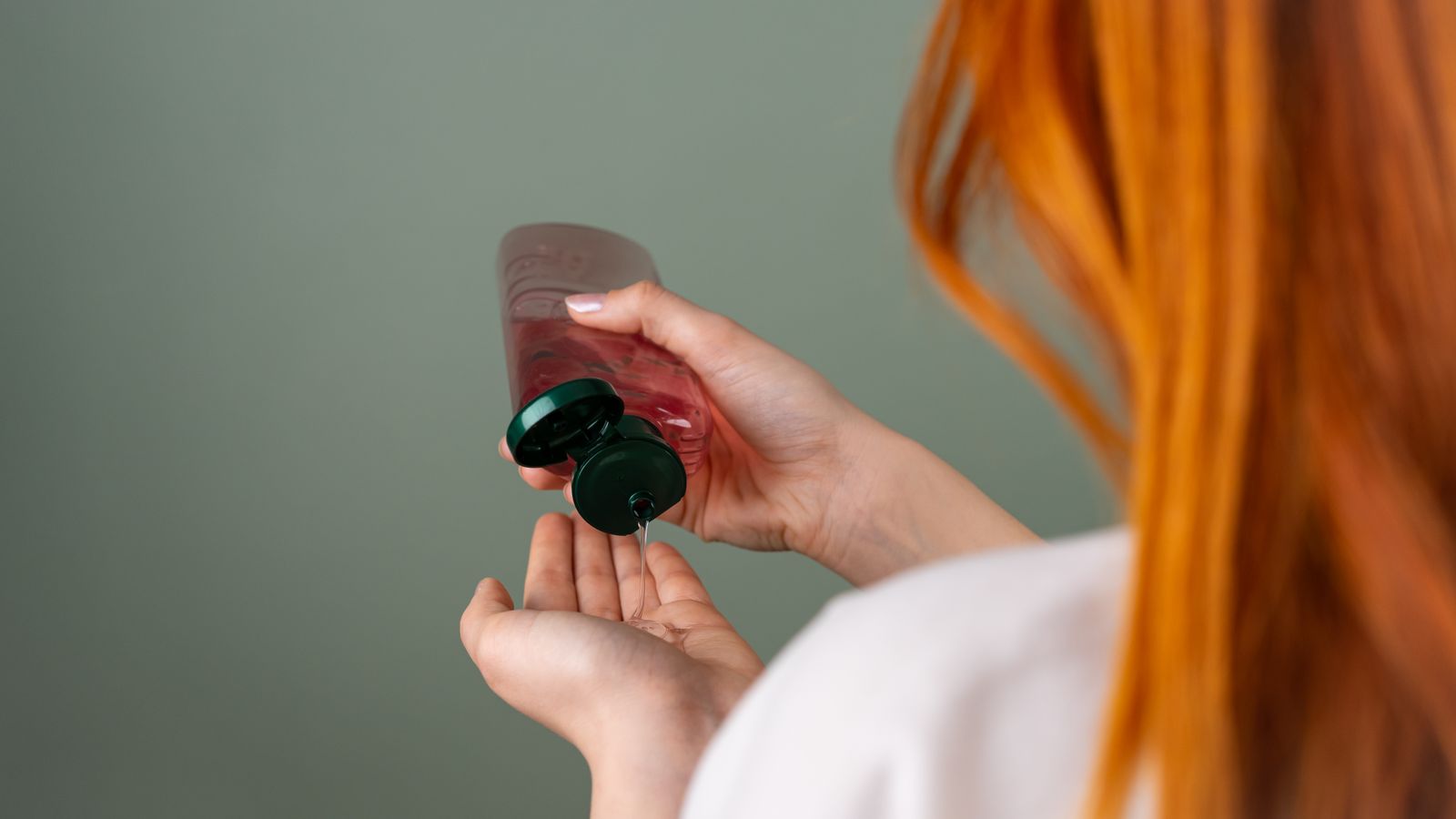
Grow Me® Hair Growth Shampoo, £14.95. A sulphate free daily shampoo that supports a healthy scalp environment and helps reduce breakage, so lengths hold on and look fuller.
Key takeaways
- Shampoos, conditioners, masks and serums are essentially unisex. Choose by scalp type and hair texture, not by the label's gender.
- Men typically lose hair at the temples and crown. Women typically see diffuse thinning with a widening parting and a preserved hairline.
- Women are considerably more likely to have a treatable driver underneath, such as iron deficiency, thyroid disease or a hormonal cause, so testing comes before shopping.
- Some licensed oral medicines are approved for men only, with real contraindications in pregnancy. That is a safety distinction, not marketing.
- Pharmacy treatments differ in licensed strength and dosing between the versions sold for men and for women. Follow the pack and ask the pharmacist.
- Concealing fibres are honest, immediate and entirely cosmetic. They do nothing for growth and that is fine.
Is there any real difference between men's and women's hair products?
In cosmetic terms there is far less difference than the marketing implies. Surfactants lift oil the same way from anyone's scalp and cationic conditioning agents smooth the cuticle the same way on anyone's hair, so a formula suited to a dry, coarse texture suits that texture whoever owns it.
The chemistry behind hair growth products for men and women does not vary by sex. Surfactants lift oil the same way from anyone's scalp. Cationic conditioning agents smooth the cuticle the same way on anyone's hair. If a product is well formulated for a dry, coarse texture, it is well formulated for a dry, coarse texture regardless of who owns it. For a problem-first way to choose, see our guide to the best products for hair growth and thickness.
There are a couple of genuine, modest physiological differences. Men tend to produce somewhat more sebum, so a product aimed at men is often formulated to clean a bit more assertively and to feel light rather than rich. Men on average also wear their hair shorter, which means less accumulated damage along the length and less need for heavy conditioning. Those are real considerations, but they are about oil and length, not about sex as such, and plenty of women have oily scalps and short hair.
What is usually different between a men's and a women's version of the same product is fragrance, packaging colour, and price. It is worth checking the ingredients list on both and buying whichever suits your scalp, at whichever price is lower.
What genuinely differs in the pattern of hair loss?
The pattern is the first real difference, and it changes what you should expect and where you should apply things. Men typically lose hair at the temples and crown. Women typically see diffuse thinning across the top, a widening parting, and a hairline that stays put.
| Feature | Typical in men | Typical in women |
|---|---|---|
| Where it starts | Temples and crown | Across the top, widening at the parting |
| The hairline | Recedes, often into an M shape | Usually preserved at the front |
| How it progresses | Can reach complete baldness in defined areas | Diffuse thinning, complete baldness is uncommon |
| Typical onset | Often twenties and thirties | Often around and after the menopause, though it can be earlier |
| First noticed by | Photographs, the barber, the crown in a mirror | A thinner ponytail, more scalp showing at the parting |
| Underlying mechanism | Follicle sensitivity to DHT, progressive miniaturisation | Same miniaturisation process, frequently with additional drivers |
In both cases the underlying process is androgenetic, meaning susceptible follicles gradually miniaturise, producing finer and shorter hairs with each cycle until they stop producing a visible hair at all. Pattern hair loss and its stages in men and women covers that mechanism properly.

Do you need a medical assessment before you buy anything?
A medical assessment comes first far more often for women than for men, and this is the most practical of the three differences. Iron deficiency, thyroid disease and hormonal causes are common, correctable, and invisible to any product on a shelf.
When a man in his late twenties notices his temples receding and his father and grandfather did the same, androgenetic hair loss is the overwhelmingly likely explanation. Investigation is often unnecessary.
When a woman notices diffuse thinning, the differential is much wider. Iron deficiency, thyroid disease, polycystic ovary syndrome, the postpartum period, perimenopause and the menopause, significant weight loss, and telogen effluvium following illness or stress are all common and all behave differently. Several are correctable, and correcting them can produce a recovery no cosmetic product could ever deliver.
The practical consequence is straightforward. A woman with new or accelerating thinning gets much better value from a GP appointment and a blood test than from a shopping basket. Ferritin, full blood count and thyroid function are the usual starting point, and hormonal tests may be added depending on the picture. How to work out why your hair is thinning walks through that process, and menopause and thinning hair covers the most common hormonal driver.

What can a GP or pharmacist offer that a shampoo cannot?
A GP or pharmacist can offer licensed medicines, which is the one place where the difference between men and women stops being cosmetic and becomes a safety matter. Nothing below is a recommendation, and every part of it belongs in a conversation with a clinician who knows your history.
Pharmacy options are sold over the counter in the UK for both men and women. The licensed strengths and application instructions differ between the versions marketed to each, so the correct approach is to follow the pack you actually buy and ask the pharmacist if anything is unclear. A temporary increase in shedding during the first weeks is a recognised effect of some of them, and any benefit lasts only while use continues.
Some oral medicines are licensed for men only. Where that is the case it is because of a real risk of harm to a developing foetus, so they are not licensed for women, and women who are pregnant or may become pregnant are advised not to handle crushed or broken tablets. This is a genuine safety point rather than a marketing distinction, and it is the clearest example of why male and female hair loss are not simply the same problem in different packaging. The MHRA licenses medicines in the UK, and cosmetics like ours sit under an entirely separate regime.
Other options for women are sometimes used outside their original licence. That is a conversation for a doctor who knows your medical history, and never something to source online from a site that does not ask you a single question.
Cosmetic products, including ours, sit entirely outside that category. They are not medicines, they are not dispensed by a pharmacist, and they cannot do what a licensed medicine does.

Get a discount on the thinning hair range
Join the Watermans mailing list and we will email a discount code straight to your inbox, so you can try the thinning hair range for less. Made in the UK, over 6.5 million bottles sold since 2012.
What can each category of product honestly do?
Sort hair growth products for men and women by what each category can actually do rather than by who it is marketed at. The ladder below runs from immediate cosmetic cover at the top to medical options at the bottom, with an honest timescale against each.
| Category | What it can realistically do | Time to judge |
|---|---|---|
| Concealing fibres and root sprays | Immediate cosmetic coverage of visible scalp. Entirely appearance level. | Instant |
| Conditioners, masks, heat protection | Reduce breakage so length is retained. The fastest real improvement available. | 2 to 4 weeks |
| Growth-oriented shampoos | Clean the scalp, support comfort, reduce breakage, improve fullness of appearance. | 90 days |
| Leave-on scalp serums | Same category of ingredients as a shampoo but with hours of contact rather than minutes. | 90 days |
| Supplements | Genuinely useful if you are deficient. Little evidence of benefit if you are not. | 3 to 6 months |
| Licensed topical treatment | Established evidence in pattern hair loss. Must be continued to maintain benefit. | 4 to 6 months |
| Prescription oral medicines | The strongest evidence base, with sex-specific licensing and real contraindications. | 6 to 12 months |
| Surgical restoration | Redistributes existing follicles. Does not stop ongoing loss elsewhere. | 9 to 12 months |
The most common mistake in this whole category: buying at the bottom of the ladder while expecting results from the top of it. A shampoo doing its job well is still a shampoo. If you want the outcomes associated with licensed treatment, that conversation belongs with a GP, and a good cosmetic routine sits comfortably alongside it.
Are concealing fibres worth using?
Concealing fibres are worth using, and they deserve more respect than they get precisely because they do not pretend. They are keratin fibres that cling to existing hair, thicken its apparent diameter and darken the scalp showing through underneath, with the effect visible in seconds and gone at the next wash.
They are keratin fibres that carry a static charge and cling to existing hair, thickening its apparent diameter and darkening the scalp showing through underneath. The effect is immediate, it looks convincing in ordinary light, and it washes out. There is no claim about growth attached because there is no growth involved. If you want a way to judge the claims before you buy, our guide to hair loss products explains what counts as evidence and what does not.
They work best where hair is thinning rather than absent, because they need existing hairs to cling to. A completely bare area gives them nothing to hold. They suit a widening parting or a thinning crown particularly well, which means they are useful to both men and women for different reasons.
The practical cautions: apply to dry hair, style before applying rather than after, use a fixing spray if you are out in wind or rain, and match the shade to your roots rather than your lengths if your hair is coloured.
When do hair supplements earn their place?
Supplements earn their place when you are genuinely deficient and not otherwise, and that is equally true for men and women. Iron deficiency is the standout and is considerably more common in women who menstruate, and the NHS advises everyone in the UK to consider a vitamin D supplement over autumn and winter.
If you are deficient in something that matters to hair, correcting that deficiency can produce real improvement. Iron deficiency is the standout, and it is considerably more common in women who menstruate. Vitamin D deficiency is widespread in the UK. Significant protein restriction from crash dieting will show up in your hair within months.
If you are not deficient, the evidence that adding more helps is weak. Taking a hair supplement without knowing your levels is guessing, and a blood test costs less than a year of guessing. Our guide to biotin sets out where it does and does not help.
Important if you are having blood tests: high dose biotin can interfere with some laboratory immunoassays, including certain thyroid and hormone tests, and can produce misleading results. Tell your GP what supplements you take, and ask whether to stop biotin before testing. This matters a great deal for exactly the people reading this article, who are both taking hair supplements and being investigated for thyroid problems.
How should you choose hair growth products for men and women?
Choose hair growth products for men and women by scalp type and hair texture, which is a far more useful sorting method than the gender on the label. Work down the list below and pick the description that matches what you actually have.
- Oily scalp, short hair. Frequent washing, a light formula, minimal conditioning at the root. Common in men and equally valid for women who fit it.
- Fine hair, easily flattened. Avoid heavy conditioning agents and silicones near the root. Volume is lost to weight before it is lost to anything else.
- Coarse, dry, curly or coily. Wash less often, condition generously, prioritise moisture retention and gentle detangling.
- Colour treated. Sulphate free cleansing to slow colour loss, and more attention to the ends where processing damage concentrates.
- Flaking or itching. The anti-dandruff active is the priority. Sort the scalp condition before optimising anything else.
- Visible scalp at the parting or crown. Consider fibres for the immediate problem while a longer term approach is discussed with a GP.
When should you see a GP rather than buy a product?
See a GP rather than buying anything when any of the signs below appear, for either sex. Booking that appointment is not an overreaction, and low iron and an underactive thyroid are both checkable with a simple blood test.
- Hair loss in distinct round patches, or loss of eyebrows or eyelashes.
- Rapidly accelerating loss, or a parting widening noticeably over a few months.
- Scalp pain, burning, pustules, or smooth shiny areas with no visible follicle openings, which can indicate scarring hair loss where being seen early genuinely matters.
- Shedding alongside fatigue, weight change, heavy periods, or changes to skin and nails.
- In women, thinning accompanied by irregular periods, acne or unusual facial hair growth, which may point to a hormonal cause worth investigating.
- Sudden heavy shedding two to three months after illness, surgery, childbirth or significant weight loss.
- Any noticeable hair loss in a child.
Which Watermans products suit both men and women?
Our own hair growth products for men and women are unisex by design. The shampoo and conditioner are formulated for scalp and hair type rather than for a gender, and the fibres come in shades rather than in his and hers versions.

Grow Me® Hair Growth Shampoo, £14.95
Sulphate free and unisex. Biotin, caffeine, rosemary, niacinamide and hydrolysed lupine protein. Cleanses gently and helps reduce breakage for fuller-looking hair.
What it is not: a medicine, and no substitute for a licensed medicine or a proper medical assessment.

Hair Building Fibres 23g, £19.95
Keratin fibres that cling to existing hair to cover a visible parting or thinning crown. Immediate, washes out, works for anyone.
What it is not: a growth product of any kind. It conceals, and it needs existing hair to cling to.
Watermans is a UK brand and we have sold over 6.5 million bottles since 2012.
Frequently asked questions
Can hair growth products for men and women be swapped?
Yes, for cosmetic products there is no barrier at all. Check that the fragrance suits you and that the formula matches your scalp type, then buy whichever is better value. The same is true the other way round.
Why are some hair loss medicines licensed for men only?
Where an oral medicine is licensed for men only, it is because of a real risk of harm to a developing foetus. Those medicines are not licensed for women, and women who are pregnant or may become pregnant are advised not to handle crushed or broken tablets. Any question about them belongs with a doctor.
Do pharmacy hair loss treatments differ for men and women?
Yes. Licensed strengths and dosing instructions differ between the versions marketed for men and for women. Follow the instructions on the pack you actually buy and ask the pharmacist, who can check it against anything else you take. If your question is about products or a routine rather than a medical one, you can talk to Gail Waterman, our co-founder, as an AI avatar on the Watermans homepage.
Is male hair loss easier to identify than female hair loss?
It is usually easier to recognise, because the pattern is distinctive and the cause is usually straightforward. Female thinning has a wider range of possible causes, which means more investigation but also more chance of finding something correctable.
Do hair growth vitamins work for both men and women?
They help the same way for both, which is by correcting a deficiency if you have one. If your levels are normal, the evidence for added benefit is weak regardless of sex. Get tested rather than guessing.
Are hair loss concealers obvious?
Applied to dry hair, matched to your root colour and set with a fixing spray, modern fibres are difficult to detect in ordinary light. They work best over thinning hair rather than bare scalp, since they need something to cling to.
At what age should I start doing something about it?
Whenever you first notice a consistent change, for either sex. Miniaturisation is progressive, and it is easier to maintain the hair you have than to recover hair that has been gone for years. That argues for asking early rather than waiting.
Will using products marketed at the opposite sex cause any problem?
For cosmetic products, no. For medicines it is entirely different, and the licensing distinctions exist for real safety reasons. Never take or borrow someone else's prescription medicine.
What is the bottom line on hair growth products for men and women?
Ignore the gendered packaging on hair growth products for men and women, and choose instead by scalp type, hair texture and what the product category can honestly deliver. Where sex genuinely matters is in the pattern the loss takes, in how likely a treatable cause is sitting underneath it, and in which licensed medicines apply. Men with a classic receding pattern and a family history usually know what they are dealing with. Women with new diffuse thinning should get a blood test before they get a basket. Either way, a good cosmetic routine works best alongside the right medical answer rather than instead of one. If you want the detail on that, our guide to thinning hair products for women walks through it step by step.
If you want one unisex bottle to start with, Grow Me is our sulphate-free hair growth shampoo, formulated for scalp type rather than for a gender.
Watermans products are 100% cosmetic and do not treat medical hair loss. Individual results may vary.
Sources & references
- NHS, Hair loss: normal daily shedding, common causes, and when to see a GP.
- Endotext via NCBI Bookshelf, Male Androgenetic Alopecia: the mechanism and natural history of pattern hair loss.
- DermNet, Hair loss: how hair loss, shedding and breakage differ.
- NHS, Iron: deficiency symptoms worth a blood test alongside shedding.
- NHS, Underactive thyroid: a checkable cause of hair and nail changes.
- Medicines and Healthcare products Regulatory Agency: the UK regulator that licenses medicines, as distinct from cosmetics.