Tamanu Oil for Hair: Honest Benefits and Allergy Cautions
Tamanu oil for hair is a thick, dark green, strongly scented oil pressed from the nut kernel of the tropical Calophyllum inophyllum tree. Used sparingly on damp mid lengths and ends, it is a genuinely good emollient: it adds slip, cuts down combing damage and leaves hair looking glossier. It is also nut derived and a documented cause of allergic contact dermatitis, so it needs a patch test more than most oils do.
Our hair and body oil
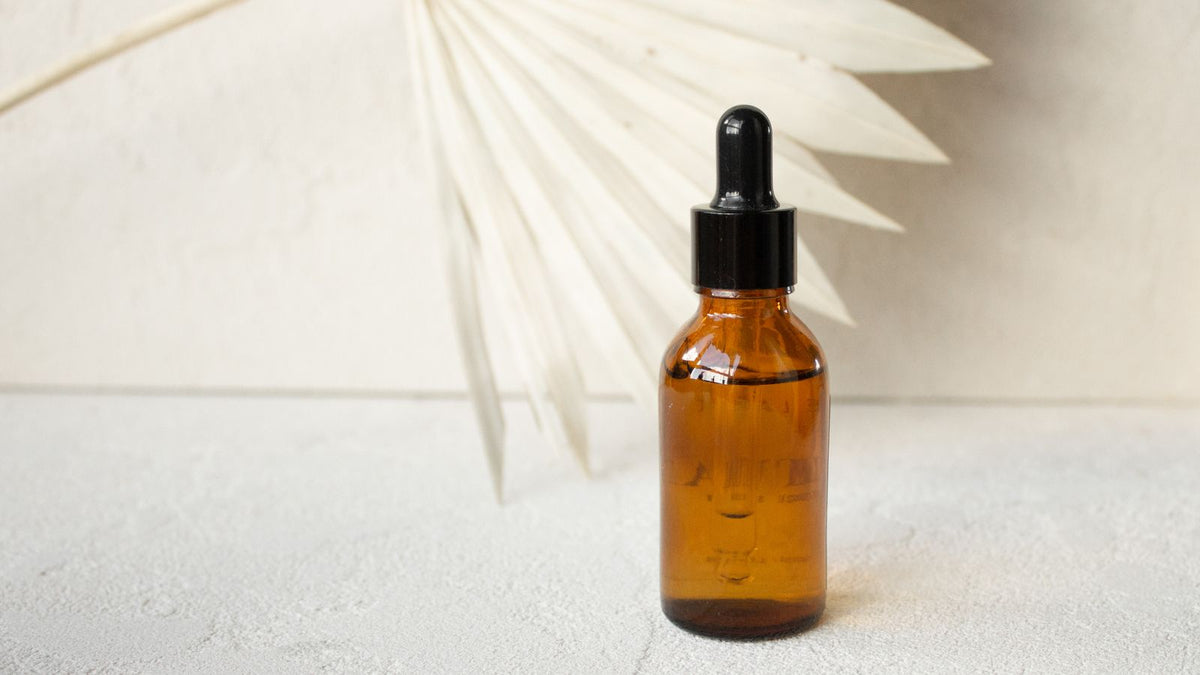
Camellia & Black Castor Hair & Body Oil, £24.95. Adds hydration and shine to dry lengths and smooths the hair before a blow dry, without weighing fine hair down.
Key Takeaways
- Tamanu is a conditioning oil, not a growth product. No human trial shows it changes hair count or density.
- Its honest strength is reducing breakage: better slip means fewer snapped fibres, and fewer snapped fibres means more length kept.
- It comes from a tree nut kernel. If you have a nut allergy, do not use it without asking your GP or allergy service first.
- Allergic contact dermatitis to tamanu oil is documented in the dermatology literature, not merely theoretical. Patch test for 24 hours.
- It is heavy and strongly scented. A few drops is the correct dose, and a pre wash treatment suits it better than a leave in.
- Sort out whether you have hair loss, hair shedding or hair breakage first. Only the last of the three responds to an oil.
What is tamanu oil, and where does it come from?
Calophyllum inophyllum is a coastal tree found across the Indian and Pacific Ocean tropics, known in English as the beauty leaf tree and in Polynesia as tamanu. The fruit contains a single nut, and the kernel inside is dried for weeks until it turns sticky and oily, then cold pressed. The result is unusually thick for a plant oil, dark green, and carries a heavy nutty smell that some people dislike intensely.
Chemically it is mostly oleic and linoleic acid, like many cosmetic oils, but it also carries a distinctive fraction of resins and neoflavonoids, including calophyllolide and inophyllolide. Those minor constituents are what interest researchers, and they are also the most likely culprits behind the allergic reactions described below.
Quality varies a great deal. Genuine cold pressed tamanu is opaque, viscous and green, and it thickens in a cold bathroom. If what you have bought is thin, pale and almost odourless, it has probably been refined heavily or cut with a cheaper carrier oil, and you are paying a premium for something closer to sunflower oil.
Does tamanu oil for hair actually make hair grow?
No. There is no published human trial testing tamanu oil for hair growth, hair count or density, and anyone claiming a percentage improvement is quoting something that does not exist.
What does exist is early laboratory and formulation work on skin, which is worth describing accurately rather than borrowing. Researchers have identified antioxidant metabolites in Calophyllum inophyllum alongside several other tropical plants, examined its potential in atopic dermatitis, and formulated tamanu oil into gels tested for anti scarring activity. All of that is interesting, all of it is about skin rather than scalp, and none of it has progressed to the kind of randomised human trial that would justify a growth claim.
So the honest position on tamanu oil for hair is the same as for almost every botanical oil. It works on the outside of the fibre. It makes hair easier to comb, less prone to snapping, and shinier because a smoother cuticle reflects more light. It does not reach the follicle, and follicles are where growth is decided.
Why this distinction matters commercially. An oil that reduces breakage will genuinely make your hair look thicker in three months, because you keep length you were previously losing to snapping. That is a real, visible result. It is just a different mechanism from growing more hair, and conflating the two is how people end up disappointed and out of pocket.
Hair loss, hair shedding or hair breakage: which one do you have?
These three get lumped together as "hair loss" and they need completely different responses. Working out which one you are looking at is worth more than any product decision.
Hair loss is follicular. The follicle is producing progressively finer, shorter fibres or has stopped producing at all, and you see a widening parting or scalp showing through. Oils do not reach this.
Hair shedding is a cycle event. Too many follicles enter their resting phase at once, usually two to four months after illness, surgery, childbirth or a period of poor eating. The hairs are full length with a small pale bulb at the root, and the cycle normally settles over six to twelve months.
Hair breakage is fibre failure. The hair snaps partway along, so you find short pieces with no bulb, plus split ends and a rough feel. Heat, bleach, tight styles and aggressive detangling cause it. This is the one an oil genuinely helps with, and it is also the one most often mistaken for thinning, because breakage around the hairline looks exactly like a receding one.
| What is coming out | Most likely | Does an oil help? |
|---|---|---|
| Short fragments, no bulb, ends look split or frayed | Breakage | Yes, genuinely. This is what oils are for. |
| Full length hairs with a pale bulb, in handfuls, months after a life event | Shedding | No. It runs its course. Protect what is left. |
| No obvious fallout, but the parting keeps widening | Hair loss | No. Worth a GP appointment. |
If you are in the third row, book with your GP rather than buying oils. Ferritin and thyroid checks are ordinary primary care and they change what you should do next. Our guide to everyday habits that reduce breakage covers the handling side if you are in the first row.

Is tamanu oil safe if you have a nut allergy?
This is the part most articles skip, and it is the part that matters most. Tamanu oil is pressed from a tree nut kernel, and it has a documented record of causing allergic contact dermatitis in people using it cosmetically.
Two separate reports in the journal Contact Dermatitis describe this. The first, published in 2004, documented allergic contact dermatitis from tamanu oil in cosmetic use. The second, published in 2022, described two further cases. These are case reports rather than population studies, so they tell you the reaction happens and is real, not how common it is. That is still more evidence of harm than most botanical oils carry.
Practical consequences, in order of importance:
- If you have a diagnosed nut allergy, do not use it without clearing it with your GP or allergy service first. Cosmetic oils from nuts are not automatically safe just because they go on skin rather than in your mouth.
- Patch test every time you open a new bottle. Put a small amount behind your ear or inside your elbow, leave it 24 hours, and look for redness, itching or small bumps. Sensitisation can develop after you have used something happily for months, so a single clear test years ago is not a permanent pass.
- Stop at the first sign of irritation and do not push through it. An allergic contact reaction gets worse with continued exposure, not better.
- Keep it off broken skin. If your scalp is already sore, cracked or weeping, see a pharmacist before putting anything oily on it.
Seek medical advice, not a different oil, if your scalp is persistently red, sore, weeping or losing hair in defined round patches. Those are signs for a GP to look at, and no cosmetic oil is the right answer to them.
Get a discount on the dry and breakage prone hair range
Join the Watermans mailing list and we will email a discount code straight to your inbox, so you can try the dry and breakage prone hair range for less. Made in the UK, over 6.5 million bottles sold since 2012.
How to use tamanu oil for hair: what are the steps?
Tamanu is heavy. Nearly every bad experience with it comes from using far too much, so the method below is built around restraint.
- Patch test first. Behind the ear, 24 hours, every new bottle. Given the allergy record, this is not optional.
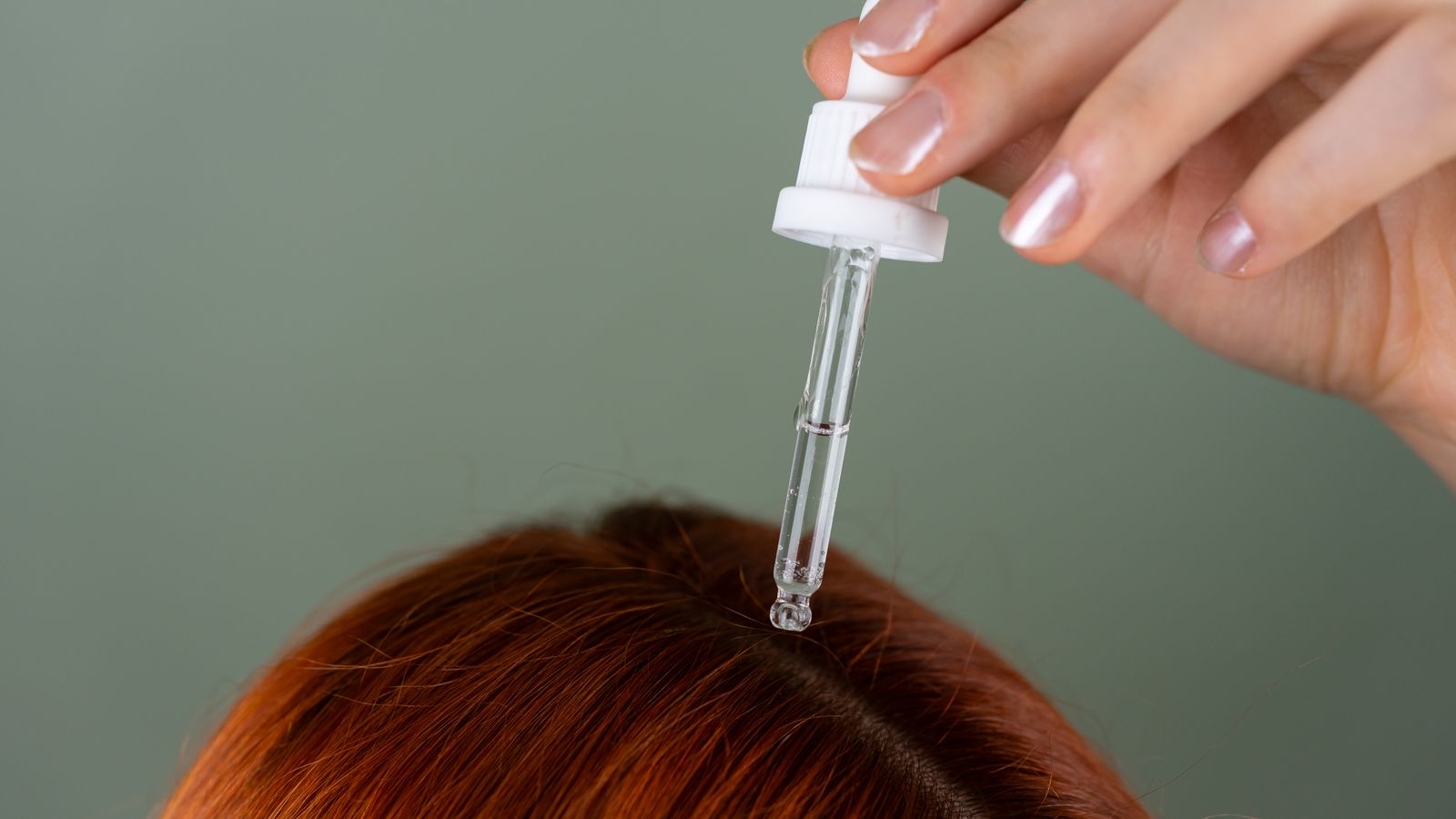
- Warm a small amount. Two to four drops for short hair, up to eight for long thick hair. Rub it between your palms until it loosens; it is often semi solid in a cold room.
- Mid lengths and ends only. Work it through the bottom two thirds. Keep it off the roots unless you are specifically doing a scalp massage, because it is occlusive enough to leave fine hair looking greasy for days.
- Leave it 30 minutes to an hour before washing. Tamanu suits a pre wash treatment far better than a leave in. A shower cap over the top helps it soften the fibre.
- Shampoo it out, twice if needed. One wash rarely shifts it. Condition as normal afterwards.
- Once a week is enough. More often and you will be fighting build up rather than benefiting from it.
If you want it as a leave in rather than a pre wash, dilute it heavily. One part tamanu to four or five parts of a light oil such as argan or camellia gives you the slip without the weight or the smell. Our guide to what argan oil really does for hair explains why the lighter carrier does most of the cosmetic work anyway.

How does tamanu compare with other hair oils?
Oils are not interchangeable. They differ in how far they penetrate the fibre, how heavy they feel, and what they cost.
| Oil | Weight | Best use | Main drawback |
|---|---|---|---|
| Tamanu | Very heavy | Pre wash treatment on coarse, dry or damaged lengths | Nut derived, documented allergen, strong smell |
| Coconut | Medium | Pre wash, the best studied for reducing protein loss | Can feel stiff on fine hair |
| Argan | Light | Leave in shine and frizz control | Sits on the surface, little penetration |
| Castor | Very heavy | Scalp massage, sealing very dry ends | Sticky, hard to wash out, easy to overdo |
| Camellia | Light | Everyday slip on fine hair | Effect is subtle |
If you have fine hair, tamanu is probably the wrong choice and camellia or argan is the right one. If you have coarse, dry, high porosity or heavily bleached hair, tamanu earns its place as a weekly pre wash.

Where do cosmetic products fit alongside tamanu oil for hair?
An oil is one step of a routine, not a routine. What actually decides how thick your hair looks in six months is how gently you wash it, how well you condition it, and how much heat and tension it absorbs in between.

Camellia & Black Castor Hair & Body Oil · £24.95
A blended alternative if tamanu is too heavy or the nut question rules it out. Light camellia for slip, black castor for sealing dry ends, and no strong smell to work around.

Masque Me® Hair Mask · £24.95
If dryness and breakage are the problem, a weekly deep conditioner does more measurable good than an oil layered over damaged hair. Use it in place of a tamanu pre wash, not as well as.

Condition Me® Conditioner · £13.95
The everyday version of the same job. Better detangling means fewer fibres snapped at the comb, which is where most avoidable length is lost.
Made in the UK, and over 6.5 million bottles sold since 2012. If you are not sure you are getting the basics right, start with how to use conditioner properly before adding an oil on top.
Frequently asked questions
Can you leave tamanu oil in your hair overnight?
You can, but it is heavy and strongly scented, so most people find an hour before washing gives the same softness without the pillowcase problem. If you do leave it overnight, use less than you think and cover your hair.
Is tamanu oil safe if you have a nut allergy?
Tamanu oil is pressed from a tree nut kernel and allergic contact dermatitis to it is documented in the dermatology literature. If you have a diagnosed nut allergy, do not use it without clearing it with your GP or allergy service first.
How often should you use tamanu oil on hair?
Once a week as a pre wash treatment is enough for most people. More often tends to cause build up, which makes hair look limp and dull rather than conditioned.
Does tamanu oil help with dandruff?
There is no trial showing it clears flaking. If your scalp is persistently flaky, itchy or sore, a pharmacist can recommend something appropriate and a GP can look at it if that does not settle it.
Why does my tamanu oil smell so strong?
That heavy nutty smell is normal for genuine cold pressed tamanu and comes from the kernel itself. An almost odourless, pale, runny oil has usually been refined heavily or blended down with a cheaper carrier.
Can tamanu oil for hair make thinning worse?
Not directly, but heavy build up can weigh fine hair down so it looks flatter and thinner, and an allergic reaction that irritates the scalp is unhelpful for any hair. Use it sparingly and stop if your scalp reacts.
Is tamanu oil better than coconut oil for hair?
Coconut oil has more evidence behind it for reducing protein loss during washing, so as a pre wash it is the better studied choice. Tamanu is heavier and suits coarse or very dry hair, but it carries an allergy risk coconut oil does not.
Sources & References
- Le Coz CJ, Lefebvre C. Allergic contact dermatitis from tamanu oil (Calophyllum inophyllum, Calophyllum tacamahaca). Contact Dermatitis, 2004. PubMed 15500678
- Amsler E, et al. Two cases of allergic contact dermatitis to Tamanu oil. Contact Dermatitis, 2022. PubMed 35293632
- Pribowo A, et al. Potential of Tamanu (Calophyllum inophyllum) Oil for Atopic Dermatitis. Evidence-Based Complementary and Alternative Medicine, 2021. PubMed 35069754. Skin, not scalp, and early stage.
- Krishnappa M, et al. An Integrated Computational and Experimental Approach to Formulate Tamanu Oil Bigels as Anti-Scarring Agent. Pharmaceuticals (Basel), 2024. PubMed 38256935. Formulation study.
- Chambon M, et al. Identification of Antioxidant Metabolites from Five Plants (Calophyllum inophyllum and others). Antioxidants (Basel), 2023. PubMed 37891949
- NHS. Food allergy and Contact dermatitis, on recognising allergic reactions and when to seek advice. nhs.uk
What is the bottom line on tamanu oil for hair?
Tamanu oil for hair is a good, heavy, old fashioned conditioning oil with one meaningful catch. Used as a weekly pre wash on coarse or dry lengths, it softens the fibre, improves slip and reduces the breakage that quietly costs you length. It does not grow hair, no study says it does, and the marketing that claims otherwise is inventing evidence. Because it comes from a tree nut and has a documented record of allergic contact dermatitis, patch test every new bottle and avoid it entirely if you have a nut allergy unless your GP says otherwise. Sort out whether you are dealing with hair loss, shedding or breakage first, and if your parting is genuinely widening, that is a conversation for your GP rather than a bottle of oil. If your question is about products or a routine rather than a medical one, you can talk to Gail Waterman, our co-founder, as an AI avatar on the Watermans homepage.
Rather than decanting something from the kitchen, the Camellia and Black Castor hair oil is made for hair and skin. Made in the UK.
Watermans products are 100% cosmetic and do not treat medical hair loss. Individual results may vary.