Hydration Mask for Hair: How to Use One Properly
A hydration mask for hair is a richer, longer-contact conditioner designed to put water back into dry, rough or coarse hair and then hold it there. The three things that decide whether it works are placement, contact time and frequency: mid-lengths and ends of damp hair, the full ten to thirty minutes, and roughly once a week. Which jar you buy matters far less than getting those three right.
Our weekly hair mask
Masque Me® Hair Mask, £24.95. A deep conditioning weekly mask for dry, stressed lengths, adding gloss and hydration where heat and colour have taken their toll.
Key takeaways
- A mask is a conditioner with more actives and a longer contact time, not a different category of product.
- Apply to damp, towel-blotted hair. Soaking wet hair dilutes it straight down the drain.
- Mid-lengths and ends, which are the oldest and driest hair. Keep it off the roots.
- Once a week suits most people. Very dry or coily hair can take twice, fine hair often prefers fortnightly.
- Longer than the stated time adds nothing. Absorption plateaus, it does not keep climbing.
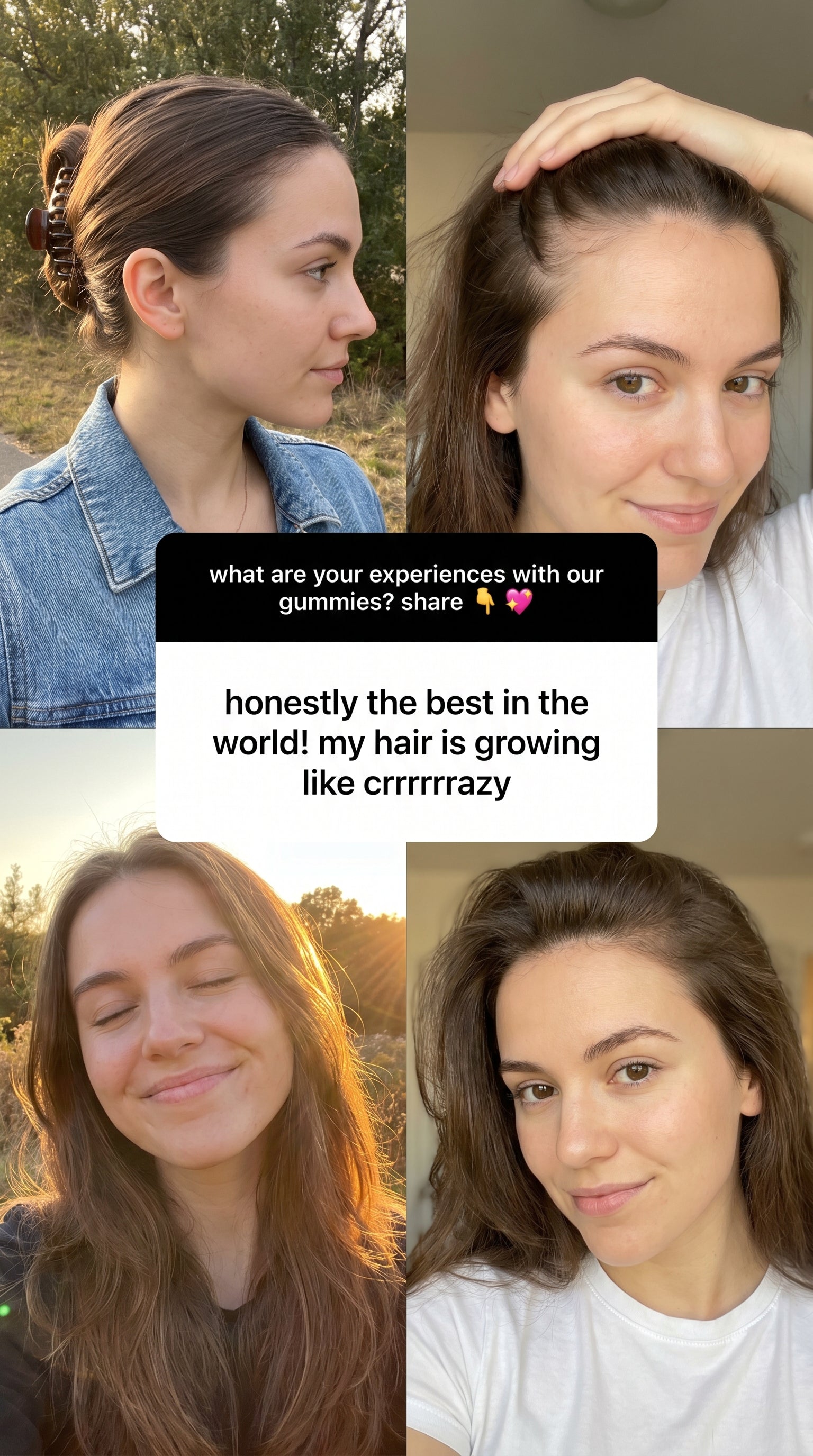
- Masks help hair breakage. They do nothing about hair loss or shedding, which begin at the follicle.
What does a hydration mask for hair actually do?
A hydration mask for hair does two jobs at once, which is why it feels more dramatic than an ordinary conditioner. It delivers humectants, ingredients such as glycerine, aloe and panthenol that pull water into the fibre, and it delivers a heavier load of lipids, the oils, butters and fatty alcohols that then slow that water from leaving again. A regular conditioner does the same thing in a lighter form over a shorter contact time.
The result on hair that has been dry for a while is a genuine change in how it behaves. Well hydrated hair is flexible. It bends around a brush, stretches slightly and returns. Dehydrated hair behaves like dry spaghetti and snaps at the point of bend. Restoring flexibility is what stops length disappearing to breakage, and it is the honest mechanism behind hair that looks thicker after a few weeks of consistent masking.
What a mask cannot do is rebuild the internal structure of a strand that has already been damaged. Hair is dead protein once it leaves the follicle. A mask manages the consequences of damage extremely well, and that is a different claim from repair.

How is a hydration mask for hair different from a conditioner?
The difference is concentration and contact time rather than chemistry. Both products deposit conditioning agents onto the fibre. A mask carries more of them, in a thicker base, and asks you to leave it on long enough for that deposition to happen properly.
| Everyday conditioner | Hydration mask | Leave-in or serum | |
|---|---|---|---|
| Contact time | 1 to 3 minutes | 10 to 30 minutes | Stays on |
| Frequency | Every wash | Weekly, give or take | Every wash or daily |
| Texture | Cream, rinses fast | Thick, rich | Light cream, oil or spray |
| Main job | Detangle, smooth, everyday slip | Deep hydration and softness | Finish, seal and protect |
| Rinsed out | Yes | Yes | No |
Using a mask instead of conditioner at every wash is the most common way to overshoot. Using conditioner and never using a mask is the most common way to undershoot. The two are a pair, and the underlying logic of water first then seal is set out in our guide to hydrating versus moisturising hair.
Which ingredients should a hydration mask for hair contain?
Good masks pair a humectant group with a sealing group. Missing either half is why some expensive jars leave hair feeling coated but still brittle, or soft in the shower and rough by lunchtime.
- Humectants: glycerine, aloe vera, panthenol, honey. These pull water into the fibre. Panthenol is the most useful of them on fine hair because it softens without adding weight.
- Sealing oils: argan, camellia, jojoba. Surface acting, smoothing, and light enough not to flatten most hair types.
- Coconut oil. The one oil with good evidence for getting inside the fibre. A well known cosmetic science study found it reduced protein loss in hair where mineral oil and sunflower oil did not.
- Butters: shea, cocoa, mango. The heavy sealers. Excellent on coarse, curly and coily hair, too much on fine hair.
- Fatty alcohols: cetyl, cetearyl, behenyl. Not the drying kind. These build the lamellar structure that makes a conditioner deposit properly, described in detail in a 2025 review of conditioner formulation.
- Hydrolysed proteins, in moderation. Wheat, lupine or keratin proteins temporarily fill surface gaps. Useful if hair is also weak, stiffening if overdone.

How do you apply a hydration mask for hair properly?
Application is where most of the benefit is won, and almost everyone gets at least one of these steps wrong.
- Shampoo first, then squeeze the water out. Hair should be damp, not dripping. Water still running out of the hair dilutes the mask and carries it away before it deposits.
- Section the hair. Two sections for shoulder length, four or more for thick or long hair. Unsectioned application means the underneath layer gets nothing.
- Apply from the ends upward. The ends are the oldest hair on your head and have taken years of washing, brushing and weather. Give them the most and work up to about ear level.
- Comb it through with a wide-tooth comb. This distributes it evenly and detangles at the moment when there is maximum slip to protect the fibre.
- Leave it the stated time. Ten to thirty minutes depending on the product. Set a timer rather than guessing.
- Rinse thoroughly, finishing cool. Rinse until the hair no longer feels slippery, then a cool final rinse to help the cuticle lie flat.
The two minute version. If you have no patience for any of the above, do just this: towel-blot before applying, and keep it off the roots. Those two changes alone fix most disappointing mask results.
Get a discount on the dry and coarse hair range
Join the Watermans mailing list and we will email a discount code straight to your inbox, so you can try the dry and coarse hair range for less. Made in the UK, over 6.5 million bottles sold since 2012.

How long should you leave a hair mask on?
Ten to thirty minutes covers almost every product on the market, and the number printed on the jar is the number to follow. Deposition of conditioning agents onto the fibre happens quickly and then levels off. Leaving a mask on for two hours does not double anything. It mostly makes you late.
Overnight masking is a popular idea that deserves more scepticism than it gets. Hair that stays wet for many hours takes up water and swells, and repeated swelling and drying is itself a form of mechanical stress on the cuticle. If you want to do something overnight, a pre-wash oil on dry hair is the safer version of that habit, because it does not hold the fibre in a swollen state all night.
How often should you use a hydration mask for hair?
Once a week is the right starting point for most people, then adjust based on what your hair does over the following month.
- Fine or oily hair: every ten to fourteen days. Weekly often tips into limpness.
- Normal to slightly dry hair: once a week, ends focused.
- Coarse, curly or coily hair: once or twice a week, with more product and heavier sealing ingredients.
- Bleached or heavily coloured hair: once or twice a week while it recovers, then settle back to weekly.
- Hard water areas: weekly, plus a clarifying wash roughly monthly to shift mineral deposits that make everything feel coated.
Adjust by result rather than by schedule. If hair feels soft and has bounce, the frequency is right. If it feels soft but limp and refuses to hold any shape, you are masking too often.
Does heat help a hydration mask for hair absorb?
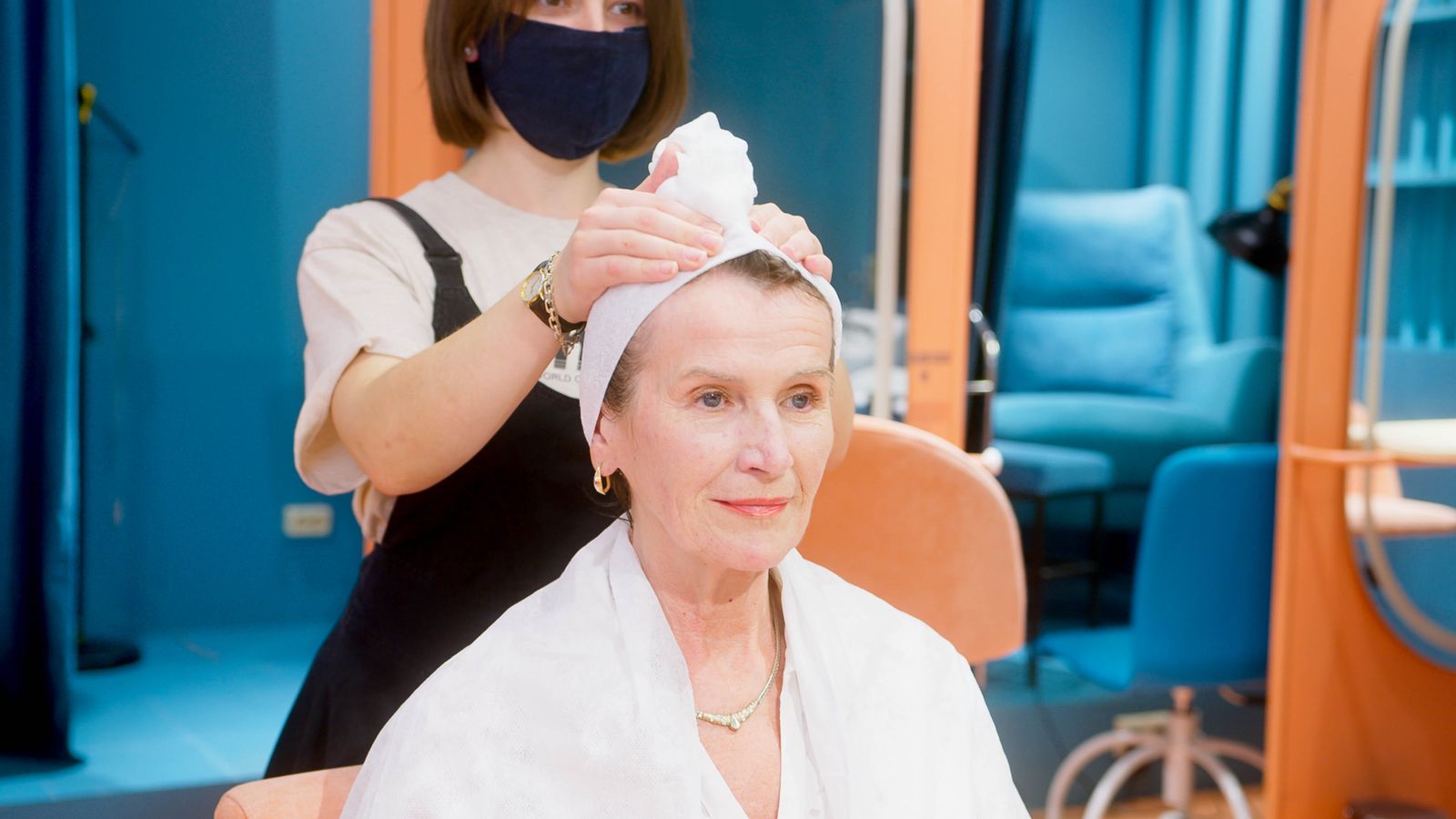
Gentle warmth helps a little and is not essential. Mild heat, from a shower cap with a warm towel over it, slightly lifts the cuticle and can improve how the conditioning agents deposit. That is why salons put clients under a dryer hood with a mask on.
Real heat is a different matter. A hot hairdryer aimed at a masked head is doing more damage through heat than the mask is undoing through hydration. Warm towel yes, hot air no. And if you skip the heat step entirely you still get most of the benefit, so it is genuinely optional.
Can you use a hair mask too often?
Yes, and the symptom is not what people expect. Over-conditioned hair does not feel dry. It feels soft, almost spongy when wet, limp when dry, and it loses whatever shape or curl pattern it used to hold. Fine hair goes flat within about two weeks of over-masking. This is sometimes called moisture overload.
The second failure mode is build-up, where heavy butters and oils accumulate faster than shampoo removes them. Hair looks dull and feels coated even the day after washing. Both problems respond to the same fix: one clarifying wash, then go back to masking less often with a lighter formula.
The stretch test. Take a shed strand, wet it, and pull gently. Stretches a long way and does not spring back means too much moisture and not enough protein. Snaps immediately with no give means it is dry and needs more. It is a rough guide to which way your routine is leaning, nothing more.
Should a hydration mask for hair go on the scalp?
Generally no. The scalp produces its own sebum and a rich mask on the roots leaves hair greasy within a day, sometimes with an itchy or coated feeling. The hair that needs a mask is the hair furthest from the scalp, because it is the oldest.
There is one exception. If your scalp itself is genuinely dry and flaky, a light application at the roots occasionally can help, but a product built for the scalp is a better answer than a lengths mask used off-label. Persistent flaking, itching or soreness is worth a pharmacist or GP conversation rather than more conditioner.
What does the science say about deep conditioning?
The research on conditioning is unglamorous and fairly settled. A 2025 review in Advances in Colloid and Interface Science describes how the fatty alcohol and surfactant structure in a conditioner forms a lamellar gel network that deposits onto the fibre, which is the mechanism behind the slip and softness you feel. The overview of hair cosmetics in the International Journal of Trichology sets out the same picture across conditioners, oils and masks: smoothing, sealing and friction reduction rather than structural change. Our guide to is lamellar water bad for hair is the place to go next on that.
The most practical finding is about combing. Research on hair breakage during combing found conditioning measurably reduced breakage in both wet and dry combing, which matters because wet combing is the single most mechanically violent thing most people do to their hair each week. A mask that makes the comb glide is preventing real, countable damage.
On water itself, work on hair moisture sorption shows the fibre continually exchanges water with the surrounding air and does not release it on the same curve it absorbed it. That is the technical version of a familiar experience: hair behaves differently on a humid day than a dry one, and a sealing layer changes the terms of that exchange.
Where reputable sources disagree is on how much penetration matters. Coconut oil has good evidence for entering the fibre. For most other oils the evidence supports surface effects only, and some formulators argue the industry over-sells penetration generally. The practical advice holds either way, because the surface effects are the ones you can actually feel.
Is dry hair the same as hair loss, shedding or breakage?
Dryness belongs to only one of those three, and the distinction decides whether a mask is the right purchase at all.
- Hair breakage is the fibre snapping partway along its length. The evidence is short broken pieces with no bulb, a fuzzy halo of flyaways, and hair that never seems to get longer. This is the category dryness lives in, and it is the one a hydration mask for hair addresses.
- Hair shedding is a growth cycle event, where more follicles than usual enter the resting phase at the same time. It typically appears two to three months after a trigger such as childbirth, illness, surgery or a period of high stress, and the hairs come out from the root with a small pale bulb.
- Hair loss is a follicle change, as in androgenetic alopecia, where follicles produce progressively finer strands over years. No conditioner, mask or oil reaches that process.
Sorting out breakage often makes hair look noticeably fuller within a couple of months, because you keep the length you grow. That is a genuine and visible improvement and it is not the same thing as changing what is happening at the follicle. If hair is coming out from the root in clearly increased amounts, or the parting is widening, the NHS guidance on hair loss is a sensible starting point and a GP conversation is worth having. The wider question of what actually damages hair is covered in our breakdown of the four causes of hair damage. If your question is about products or a routine rather than a medical one, you can talk to Gail Waterman, our co-founder, as an AI avatar on the Watermans homepage.
Watermans products are 100% cosmetic and do not treat medical hair loss. Individual results may vary.

Which Watermans products fit here?
Three products cover the weekly deep step and the everyday steps either side of it.

Masque Me, 8-in-1 Deep Treatment, £24.95
The weekly deep step, with argan oil, provitamin B5 and hydrolysed lupine protein to soften, smooth and hydrate hair that is dry, coarse or frizz-prone. A cosmetic product, not a medical one.

Condition Me, Hair Growth Conditioner, £13.95
The everyday step in between. Glycerine and shea butter for softness, with cholesterol and hydrolysed lupine protein for breakage defence at the point where you comb.

Camellia and Black Castor Hair and Body Oil, £24.95
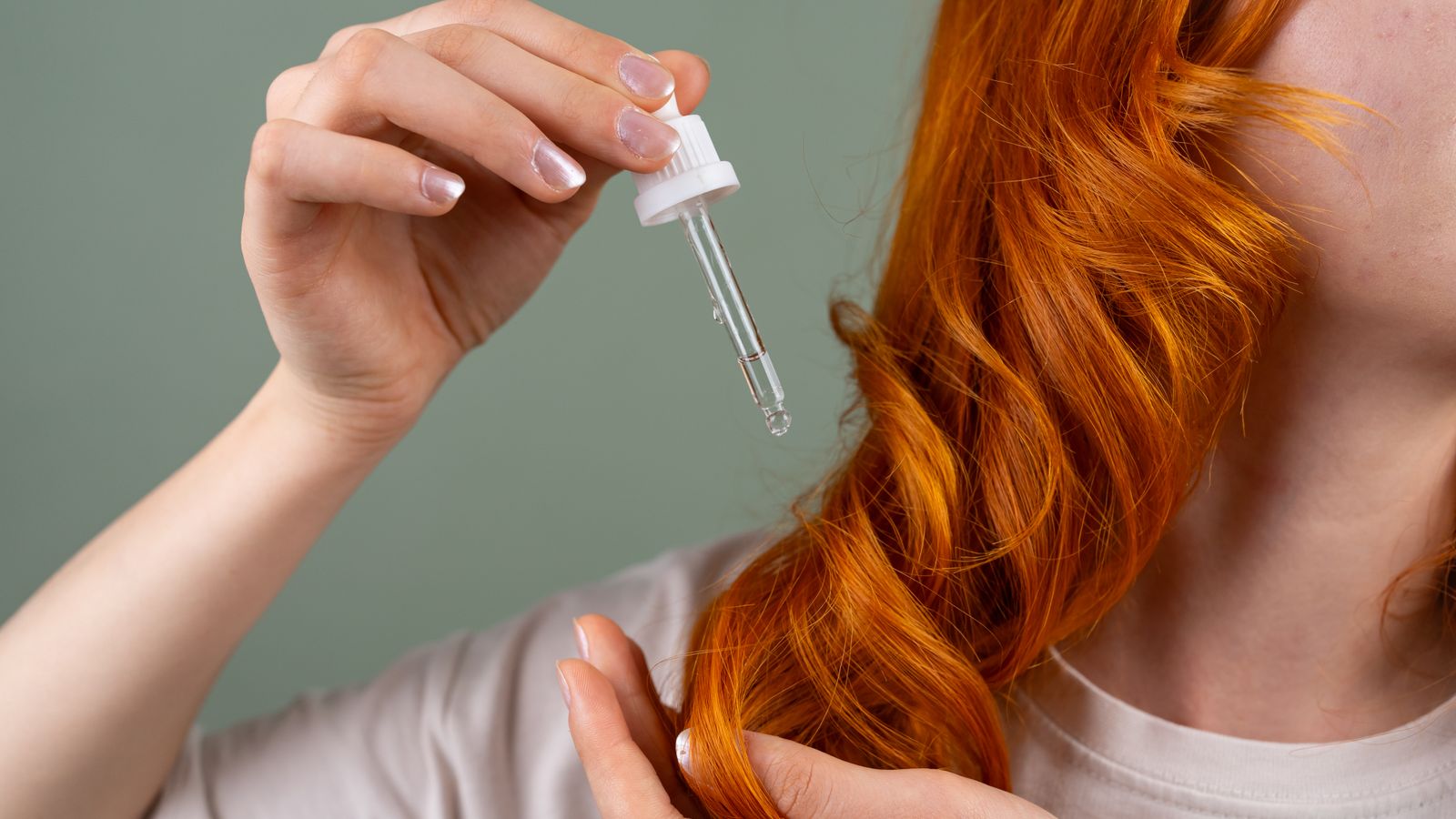
The sealing step after the rinse, and a good pre-wash oil on dry hair the night before a mask. Made in the UK, like everything we make.
If a mask is the finishing move rather than the whole plan, the lighter daily step is covered in our guide to hydrating hair serums, and the full rescue sequence for badly dried out hair is in the four step routine for fixing dry hair.
Frequently Asked Questions
What does a hydration mask for hair do?
It delivers humectants that pull water into the hair fibre and lipids that slow that water from leaving again, over a longer contact time than an everyday conditioner. The result is softer, more flexible hair that snaps less when you comb it.
How long should I leave a hair mask on?
Ten to thirty minutes, following the time on the jar. Deposition levels off quickly, so leaving it on for hours adds very little and overnight use keeps the fibre swollen for longer than is helpful.
How often should I use a hair mask?
Once a week suits most hair. Fine or oily hair often does better every ten to fourteen days, while coarse, curly, coily or bleached hair can take once or twice a week.
Should a hair mask go on wet or damp hair?
Damp, towel-blotted hair. Hair that is still dripping dilutes the mask and carries it down the drain before the conditioning agents can deposit onto the fibre.
Can I put a hair mask on my scalp?
Generally no. The scalp makes its own oil and a rich mask at the roots leaves hair greasy quickly. Focus on the mid-lengths and ends, which are the oldest and driest hair on your head.
Can you use a hair mask too often?
Yes. Over-conditioned hair feels soft but limp, loses its shape or curl pattern and can feel spongy when wet. A clarifying wash resets it, then mask less often or switch to a lighter formula.
Does heat help a hair mask work better?
Gentle warmth from a shower cap and a warm towel helps slightly by lifting the cuticle. Hot air from a hairdryer does more harm than the mask does good, and skipping heat altogether still gives you most of the benefit.
Will a hair mask help with hair loss?
No. A mask works on the hair fibre, so it helps with breakage, where strands snap partway along their length. Hair loss and shedding start at the follicle and the growth cycle, which no rinse-out product reaches.
What is the bottom line on hydration mask for hair?
A hydration mask for hair is the highest value ten minutes in a hair routine, provided you spend those ten minutes correctly. Apply it to damp rather than dripping hair, keep it on the mid-lengths and ends, leave it the stated time and no longer, and use it about once a week rather than at every wash. Expect softer, more flexible hair that breaks less at the comb and holds its length. Do not expect it to change hair density, because that begins at the follicle and no rinse-out product reaches it.
For a deeper treatment than a conditioner can manage, use the Masque Me deep conditioning hair mask once a week. Made in the UK, with over 6.5 million bottles sold since 2012.
Sources & References
- Martel JL, Miao JH, Badri T, Fakoya AO. Physiology, Hair. StatPearls, NCBI Bookshelf. ncbi.nlm.nih.gov/books/NBK499948
- Exploring formulation, manufacture and characterisation techniques of lamellar gel networks in hair conditioners: a review. Advances in Colloid and Interface Science, 2025. PMID 39955857
- Gavazzoni Dias MFR. Hair cosmetics: an overview. International Journal of Trichology, 2015. PMID 25878443
- Hair breakage during combing III: the effects of bleaching and conditioning on wet and dry combing. Journal of Cosmetic Science, 2007. PMID 17728947
- Rele AS, Mohile RB. Effect of mineral oil, sunflower oil, and coconut oil on prevention of hair damage. Journal of Cosmetic Science, 2003. PMID 12715094
- Learning from hair moisture sorption and hysteresis. International Journal of Cosmetic Science, 2022. PMID 35892223
- NHS. Hair loss. nhs.uk/conditions/hair-loss