Hydrate vs Moisturize Hair: What the Difference Really Means
Hydrate vs moisturize hair is not two words for the same job. Hydrating means putting water into the strand, using humectants such as glycerine, aloe and panthenol. Moisturising means sealing that water in afterwards with oils, butters and emollients. Hair that is dry despite a shelf of products is usually getting one half and not the other, almost always the seal. For hands specifically, our guide to choosing a hand cream for dry hands covers texture, ingredients and timing.
Our hair growth conditioner
Condition Me® Hair Growth Conditioner, £13.95. Detangles and strengthens the hair fibre so lengths snap less on the brush and look thicker through the ends.
Key takeaways
- Hydration adds water. Moisturising traps it. They are two different steps, not synonyms.
- Order matters: water first, seal second. Reversing it puts a barrier over dry hair.
- Humectants can pull water the wrong way in dry indoor air if nothing seals them.
- Dull, limp and lifeless usually means water. Rough, coarse and frizzy usually means seal.
- Coarse, curly and coily hair generally needs more of both. Fine hair needs lighter versions of both.
- Dryness is a fibre problem, not a follicle problem, so it is separate from hair loss.
Hydrate vs moisturize hair: what is the actual difference?
The difference is water versus the barrier that holds water. Hydration is a measurement of how much water sits inside the cortex of the strand. Moisture, in the way the hair care industry uses the word, is the oily film that slows water from leaving again. A hydrating product carries humectants, which are ingredients that attract water and hold onto it. A moisturising product carries lipids, which are oils, butters and fatty alcohols that sit on the cuticle and reduce evaporation.
Both British and American spellings float around the search results, so hydrate vs moisturize hair and hydrate vs moisturise hair describe exactly the same pair of steps. The rest of this guide uses the British spelling in ordinary sentences.
The practical consequence is simple. A humectant with nothing over it is a glass of water left uncovered on a radiator. A sealing oil applied to hair that never got any water is cling film over an empty bowl. Neither one alone gets you soft hair, which is why so many people cycle through products and conclude that nothing works.

What does hydrating hair actually mean?
Hydrating hair means raising the water content of the hair fibre itself. Keratin is hygroscopic, meaning the fibre takes up water from the air and from anything wet you put on it, and the amount it holds shifts with the humidity around it. Water is what makes a strand flexible. A well hydrated strand bends, stretches slightly and springs back. A dehydrated one behaves like dry spaghetti and snaps at the point of bend.
Humectants are the ingredients that do this work:
- Glycerine. The workhorse humectant, cheap, effective and present in most conditioners near the top of the ingredients list.
- Aloe vera. Water rich and mildly humectant, common in leave-in sprays and curl creams.
- Panthenol, provitamin B5. Draws in water and also gives a genuine softening and light film-forming effect.
- Honey and molasses derivatives. Natural humectants, sticky, best diluted inside a formula rather than used neat.
- Hyaluronic acid. Popular from skincare, and it does hold water, though on hair the molecular weight decides whether it sits on the surface or does anything useful. Our guide to the honest downsides of hyaluronic acid on hair covers where it disappoints.
Hydrating products feel light and watery: mists, leave-in sprays, thin conditioners, gel-textured masks. They are the first half of the job and they are not optional.
What does moisturising hair actually mean?
Moisturising hair means laying down a lipid layer that slows water loss from the fibre. Healthy hair already has a natural fatty layer bonded to the outside of the cuticle. Bleach, heat, hard water and time strip it, and once it is gone the strand loses water fast and roughens. Research comparing the external lipid layer across different hair types found the surface lipid coating differs measurably between hair types, which is one reason the same conditioner performs differently on different heads.
The sealing ingredients worth knowing:
- Coconut oil. The unusual one. Its lauric acid content and straight molecular shape let it penetrate the fibre rather than only coat it, and a well known cosmetic science study found it reduced protein loss in hair where mineral oil and sunflower oil did not.
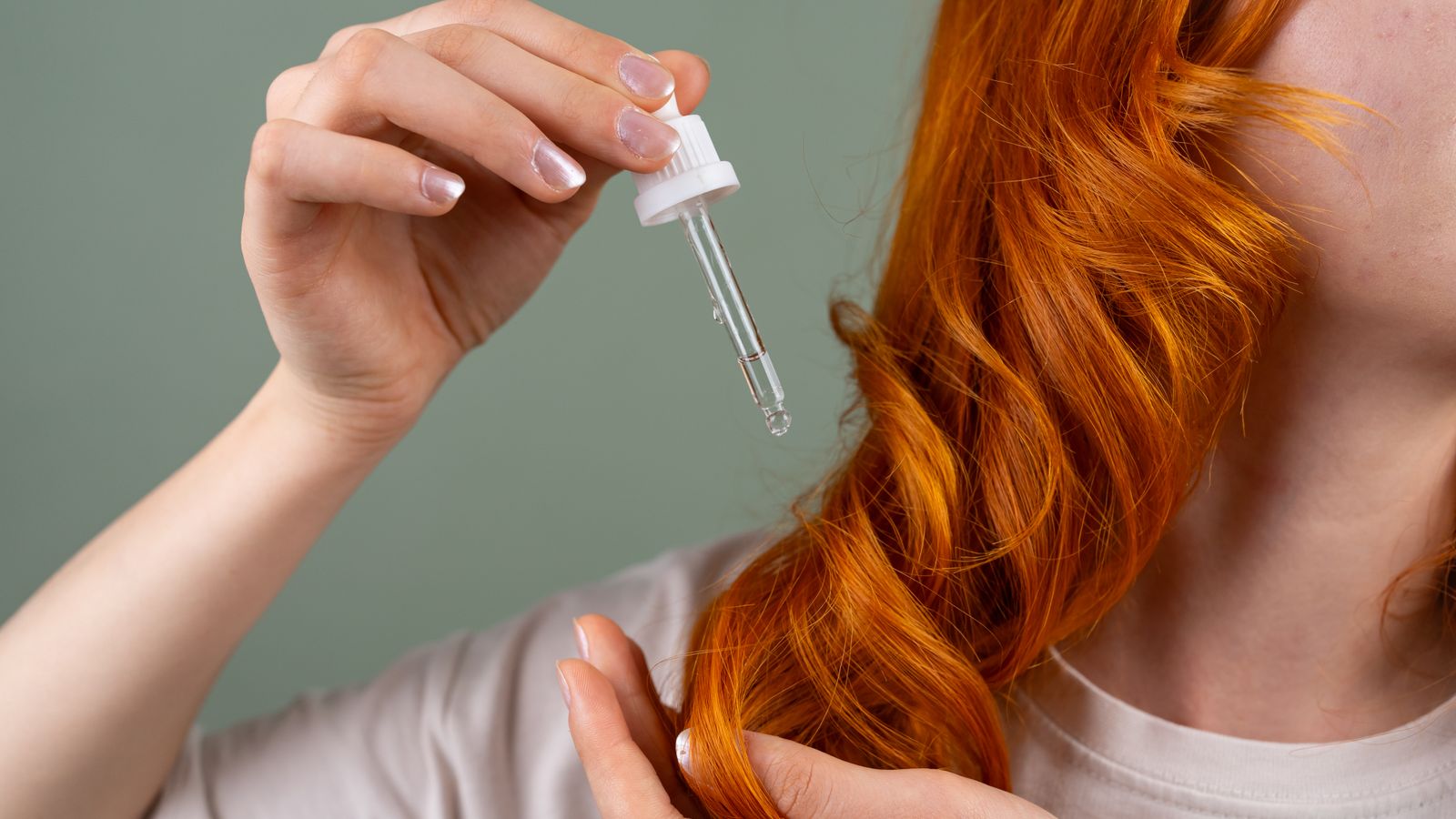
- Argan, jojoba and camellia oils. Mostly surface acting. Smooth the cuticle, add slip and shine, weigh hair down less than butters.
- Shea and cocoa butters. Heavy sealers for coarse, curly and coily hair. Too much on fine hair and it goes flat.
- Fatty alcohols, cetyl and cetearyl. Not drying alcohols. These are the waxy backbone of most conditioners and are a large part of why conditioner feels like conditioner.
- Silicones. Excellent sealers and frizz control. They build up on some routines and wash out easily on others depending on your shampoo.

Why does the order matter, water before oil?
The order matters because oil does not travel through oil. A lipid film is a barrier in both directions. Applied over a damp, hydrated strand it holds water in. Applied over a dry strand it holds the dryness in and blocks the water you apply later from getting anywhere near the cortex.
This is the single most common mistake in a hair routine. People reach for oil because their hair feels dry, apply it to bone dry hair, get a temporary shine, and cannot understand why the hair underneath is still brittle a week later. The shine is optical. Nothing was added to the inside of the fibre.
There is a second reason the order matters, and it is about humidity. Humectants move water down a gradient. In damp air they pull moisture from the atmosphere into the hair. In dry air, and a heated British house in January is dry air, an unsealed humectant can pull water out of the strand and into the room. Sealing after hydrating removes that risk entirely.
How do you tell whether your hair needs water or oil?
Your hair tells you through how it fails. Dull, flat, thirsty hair that soaks up product and stays limp is short of water. Rough, coarse hair that frizzes within an hour of drying is short of a seal. Most hair that has been coloured or heat styled is short of both.
| What your hair is doing | What it is short of | What to reach for |
|---|---|---|
| Dull, limp, no bounce, drinks product and stays thirsty | Water | Humectant leave-in, water based conditioner, a longer conditioner contact time |
| Rough to the touch, frizzes an hour after drying, tangles fast | Seal | Cream or a few drops of oil on damp mid-lengths and ends |
| Straw-like, snapping mid-length, colour fading fast | Both | Weekly deep mask, then hydrate and seal at every wash |
| Greasy roots but dry ends | Both, but placed correctly | Everything from the ears down, nothing rich on the scalp |
| Feels soft wet, awful dry | Seal, applied while still damp | Apply the cream or oil before the hair has finished drying, not after |
One caveat worth naming. If hair feels weak and stretchy when wet, and it keeps snapping despite plenty of moisture, the shortfall may be structural rather than hydration related. That is the point at which a protein or bond step matters more than another mask, and the four real causes of hair damage are worth reading before you buy anything else.
Get a discount on the dry and dehydrated hair range
Join the Watermans mailing list and we will email a discount code straight to your inbox, so you can try the dry and dehydrated hair range for less. Made in the UK, over 6.5 million bottles sold since 2012.
What does the science say about hair and water?
Hair fibre science backs the two step logic rather than the marketing around it. Work on hair moisture sorption published in the International Journal of Cosmetic Science describes how keratin fibres take up and release water as the surrounding humidity changes, and how that uptake shows hysteresis, meaning the fibre does not give water back on the same curve it took it up. In plain terms, hair is constantly trading water with the room, and what you put on the surface changes the terms of that trade.
The evidence on oils is more specific than most product copy admits. The cosmetic science study on coconut, mineral and sunflower oils found a reduction in protein loss with coconut oil, which is attributed to its ability to get inside the fibre rather than sit on it. That is a real, measurable finding, and it is also narrower than the claim that oils in general repair hair. Most oils do not penetrate. They smooth, and smoothing is worth having, but it is a surface effect.
Conditioners themselves are better understood than people assume. A 2025 review of lamellar gel networks in hair conditioners sets out how the fatty alcohol and surfactant structure in a conditioner deposits onto the fibre, and separate combing research shows conditioning measurably reduces breakage during wet and dry combing. That last point matters more than shine: the moment hair is most vulnerable is when it is wet and you are dragging a comb through it. Related reading: our guide to hair gel hold shine.
Where sources disagree is on humectants in low humidity. Some formulators argue the glycerine reversal effect is overstated at the concentrations used in real products. Others treat it as a routine formulation concern. Both positions are defensible, and the practical advice survives either way, because sealing after hydrating removes the question entirely.
Which ingredients hydrate, and which ones seal?
The ingredient list is where hydrate vs moisturize hair stops being theory. Almost every conditioning ingredient on a label is doing one of the two jobs, and once you can tell them apart you can read a bottle in about ten seconds instead of trusting the front of the pack. Our guide to reading the back of a hair product bottle covers the rest of what that list is quietly telling you.
| Ingredient | Job | Best for |
|---|---|---|
| Glycerine | Hydrate | All hair types, seal afterwards in dry air |
| Panthenol (B5) | Hydrate and soften | Fine hair that cannot take heavy oils |
| Aloe vera | Hydrate | Curly and wavy hair, leave-in sprays |
| Coconut oil | Penetrate and seal | Pre-wash use on coarse or porous hair |
| Argan and camellia oil | Seal and smooth | Mid-lengths and ends on most hair types |
| Shea butter | Seal, heavily | Coarse, curly and coily hair |
| Cetyl and cetearyl alcohol | Seal, lightly | Everyday conditioner, all hair types |
What does a hydrate vs moisturize hair routine look like day to day?
A working routine puts the two steps in a fixed order and stops there. Complexity is not what makes hair soft. Sequence is.
- Cleanse without stripping. A gentler, sulphate-free wash leaves more of the natural lipid layer in place, which means less to replace afterwards.
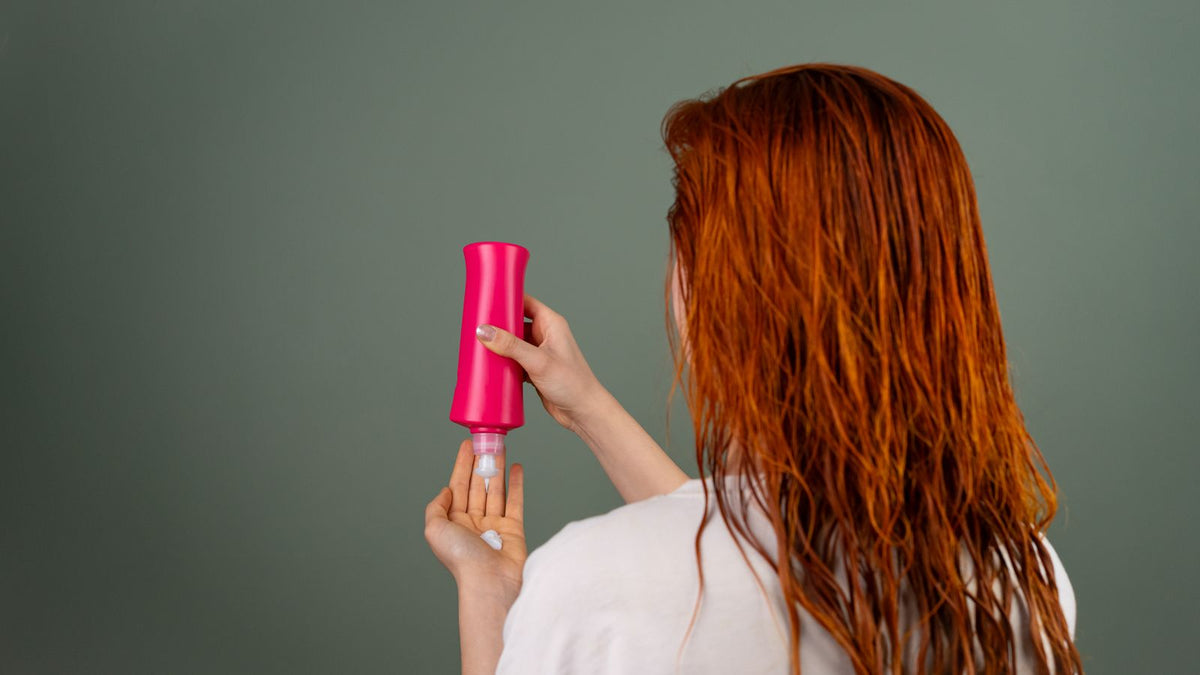
- Hydrate on wet hair. Conditioner or a leave-in while the hair is still properly wet, not towel-blotted to nearly dry. Give it two or three minutes rather than ten seconds.
- Seal on damp hair. A pea to almond sized amount of cream or a few drops of oil through the mid-lengths and ends, while there is still water in the hair to trap.
- Detangle with a wide-tooth comb. Wet hair is at its weakest, and the combing research is clear that this is where breakage happens. Start at the ends, work upward.
- Dry gently. Squeeze with a microfibre towel or an old cotton t-shirt, never rub. Air dry where the weather and your patience allow.
- Deep mask weekly. One longer contact treatment a week does more than three rushed conditioner applications.
If your starting point is hair that is already badly dried out, the sequencing above will help but a rescue plan works faster. We have set one out step by step in the four step routine for fixing dry hair.

How does hair type change the hydrate vs moisturize hair balance?
Hair type changes the ratio, not the order. Everyone hydrates first and seals second. What differs is how much of each, and how heavy the sealing layer should be.
- Fine, straight hair. Hydration is easy, sealing is where it goes wrong. Use light emollients, keep everything off the roots, and favour a spray or milk over a butter.
- Medium, wavy hair. The most forgiving. A standard conditioner plus a light cream on the ends usually covers it.
- Coarse, curly and coily hair. The cuticle is more open along the bends of the curl, so water escapes faster and needs a heavier seal to stay in. This is the hair type that genuinely benefits from butters and layered products.
- Colour treated or bleached hair. The natural lipid layer is depleted, so it behaves like a more porous version of whatever it was before. Expect to hydrate more often and seal more thoroughly.
- Hard water areas. Mineral deposits leave hair feeling coated and dry at once. A clarifying wash occasionally, then straight back into the hydrate and seal sequence.
Can you over-hydrate or over-moisturise hair?
Yes, in both directions, and the two failures look different. Over-conditioned hair goes limp, loses definition, and feels almost spongy or slippery when wet without ever feeling strong. This is sometimes called moisture overload, and it usually follows weeks of masks with no protein or clarifying step in between.
Over-sealing is more common. Too much oil or butter builds up, dulls the hair, attracts dust and leaves the scalp feeling coated. The tell is hair that looks worse the cleaner it is supposed to be. The fix in both cases is the same: a clarifying wash, then rebuild the routine with less product and a longer conditioner contact time instead.
Quick check. Take one shed strand, wet it, and stretch it gently. If it stretches a long way and does not spring back, that is moisture overload. If it snaps almost immediately with no stretch at all, it is dry and under-hydrated. Neither result is a verdict on anything, it is just a useful read on which way your routine is leaning.
The same thin-to-thick logic governs what you put on your face, which we explain in our guide to skincare routine order.
Is dryness the same as hair loss, shedding or breakage?
Dryness is none of those three, and confusing them wastes months. The distinctions are worth stating plainly.
- Hair loss is a follicle issue. The follicle produces a finer strand or stops producing altogether, as in androgenetic alopecia. Nothing you apply to the length of the hair changes what the follicle is doing.
- Hair shedding is a cycle issue. More follicles than usual move into the telogen resting phase at once, often two to three months after an illness, a birth, a crash diet or a period of high stress. The hairs come out from the root, complete with a small white bulb.
- Hair breakage is a fibre issue, and this is the one hydration touches. The strand snaps somewhere along its length. You find short broken pieces with no bulb, a rough halo of flyaways, and length that never seems to increase even though the hair keeps growing.
Dry hair sits squarely in the breakage category. Getting the hydrate and seal balance right lets you keep the length you grow, which is why hair often looks thicker within a couple of months even though nothing changed at the follicle. If hair is coming out from the root in noticeably increased quantities, that is a different problem and worth a GP conversation rather than a new conditioner. The NHS has straightforward guidance on when hair loss is worth getting looked at. If your question is about products or a routine rather than a medical one, you can talk to Gail Waterman, our co-founder, as an AI avatar on the Watermans homepage.
Watermans products are 100% cosmetic and do not treat medical hair loss. Individual results may vary.
Which Watermans products fit each step?
Three products cover the two steps of hydrate vs moisturize hair for most people, and there is no need for more than that.

Condition Me, Hair Growth Conditioner, £13.95
The everyday hydrate and slip step, with glycerine and shea butter for softness and cholesterol and hydrolysed lupine protein for breakage defence. This is the one that reduces the snapping you cause when you comb.

Masque Me, 8-in-1 Deep Treatment, £24.95
The weekly long-contact step with argan oil and provitamin B5, doing both jobs at once on hair that is dry, coarse or frizz-prone. Cosmetic care, not a medical product.

Camellia and Black Castor Hair and Body Oil, £24.95
The sealing step. A few drops through damp mid-lengths and ends to slow water loss and smooth the cuticle. Made in the UK, like everything we make.

If conditioner is the step you suspect you have been rushing, and most people have, our step by step guide to using conditioner properly is worth five minutes.
Frequently Asked Questions
What is the difference between hydrate vs moisturize hair?
Hydrating adds water to the hair fibre using humectants such as glycerine, aloe and panthenol. Moisturising seals that water in using oils, butters and fatty alcohols. Hydration comes first, sealing comes second.
Should I hydrate or moisturise my hair first?
Hydrate first, always. Oils and butters are barriers in both directions, so applying them to dry hair locks the dryness in and blocks water applied later from reaching the cortex.
Can hair be hydrated and still feel dry?
Yes. Hair that has taken up water but has no sealing layer loses that water quickly, especially in heated indoor air, so it feels soft in the shower and rough two hours later.
How often should I use a deep mask?
Once a week suits most hair. Very dry, coarse or curly hair can take twice a week. Fine hair often does better every ten to fourteen days, because heavy sealing weighs it down.
Do humectants make hair drier in winter?
They can, if nothing seals them. Humectants move water toward whichever side holds less, so in very dry indoor air an unsealed humectant can draw water out of the strand. Sealing after hydrating removes the risk.
Is dry hair a sign of hair loss?
No. Dryness is a fibre problem and shows up as breakage, short snapped pieces with no root bulb. Hair loss and shedding come from the follicle and the growth cycle, and hairs come out from the root with a small white bulb.
Can you over-moisturise hair?
Yes. Over-conditioned hair goes limp and loses definition, and over-sealed hair builds up, dulls and coats the scalp. A clarifying wash resets both, then rebuild with less product and longer conditioner contact time.
Does curly hair need more moisture than straight hair?
Generally yes. The cuticle lifts along the bends of a curl, so water escapes faster and natural scalp oils travel down the strand less easily. Curly and coily hair usually needs both more water and a heavier seal.
What is the bottom line on hydrate vs moisturize hair?
The whole hydrate vs moisturize hair question comes down to one sequence: put water in, then keep it there. Humectants do the first job, lipids do the second, and doing either one alone is why dry hair stays dry through an expensive shelf of products. Read your hair by how it fails, dull and limp means water, rough and frizzy means seal, adjust the ratio to your texture, and give the conditioner longer than ten seconds. Dryness is a fibre problem and it responds to routine. Hair coming out from the root is a different question and belongs with a GP.
For slip through the comb and fewer snapped ends, reach for our breakage defence hair growth conditioner. Made in the UK.
Sources & References
- Martel JL, Miao JH, Badri T, Fakoya AO. Physiology, Hair. StatPearls, NCBI Bookshelf. ncbi.nlm.nih.gov/books/NBK499948
- Learning from hair moisture sorption and hysteresis. International Journal of Cosmetic Science, 2022. PMID 35892223
- Rele AS, Mohile RB. Effect of mineral oil, sunflower oil, and coconut oil on prevention of hair damage. Journal of Cosmetic Science, 2003. PMID 12715094
- Gavazzoni Dias MFR. Hair cosmetics: an overview. International Journal of Trichology, 2015. PMID 25878443
- Exploring formulation, manufacture and characterisation techniques of lamellar gel networks in hair conditioners: a review. Advances in Colloid and Interface Science, 2025. PMID 39955857
- Hair breakage during combing III: the effects of bleaching and conditioning on wet and dry combing. Journal of Cosmetic Science, 2007. PMID 17728947
- External lipid function in ethnic hairs. Journal of Cosmetic Dermatology, 2019. PMID 30866162
- NHS. Hair loss. nhs.uk/conditions/hair-loss