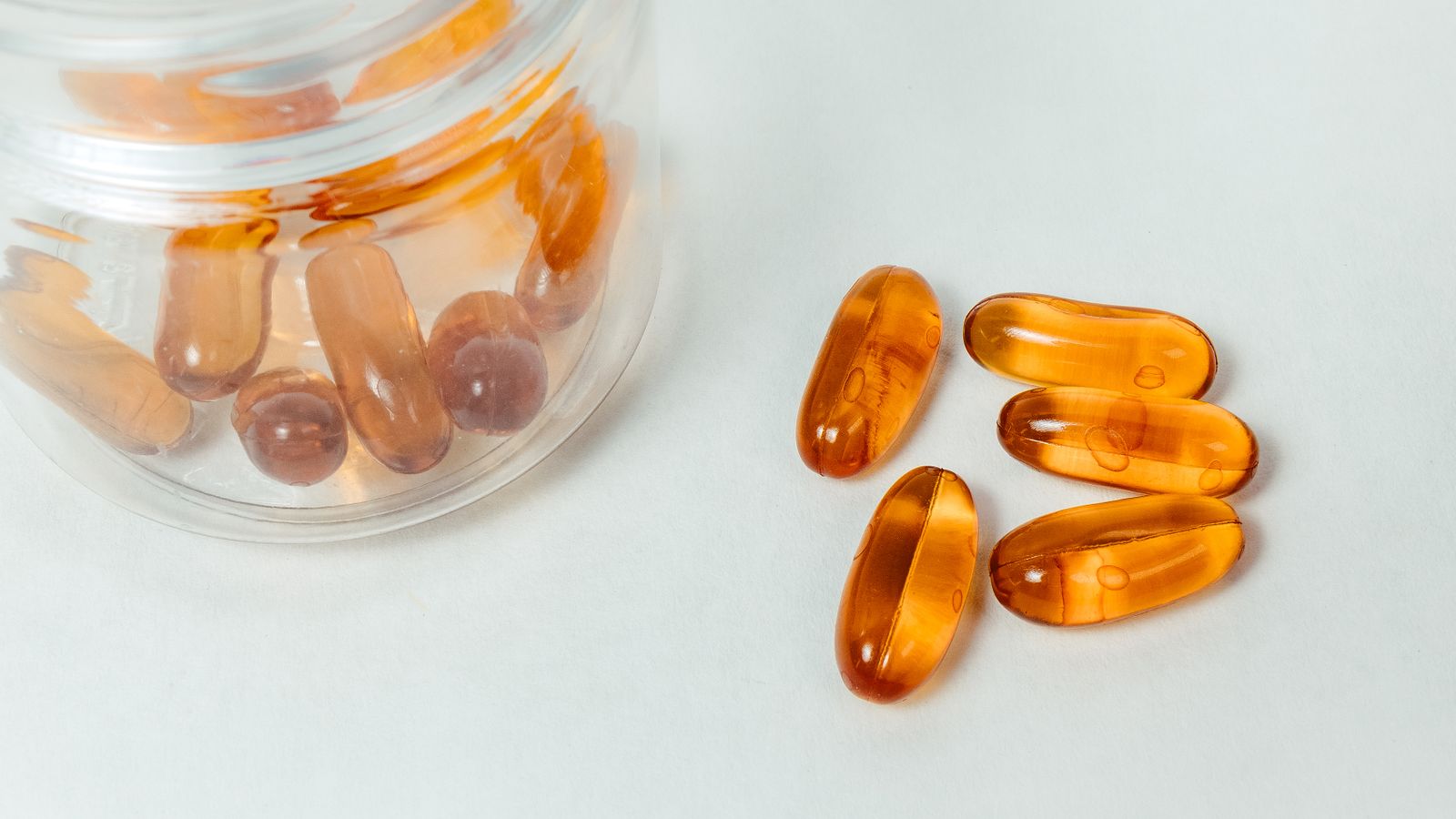
Is Biotin Safe for Liver Health? What Evidence Says
Is biotin safe for liver health? For most healthy adults, yes. Biotin is a water soluble B vitamin, so the body excretes what it does not use rather than storing it in the liver, and there is no established pattern of liver injury from ordinary supplement amounts. The genuine caution with biotin is something else entirely: high intakes distort common blood test results, including the cardiac test used when someone arrives at hospital with chest pain. If fatty food is also leaving you bloated and your stools pale, read the fat malabsorption symptoms worth knowing about.
Our hair, skin and nails gummies
GrowPro® Hair, Skin & Nails Gummies, £22.95. Sugar free daily gummies for people who would rather chew than swallow a tablet, supporting hair care from the inside out.
Key takeaways
- Is biotin safe for liver function in healthy adults? On current evidence, yes. Biotin is water soluble and is not stored or concentrated in the liver.
- The real risk is laboratory interference, not liver damage. Biotin can push thyroid, hormone and cardiac test results in the wrong direction.
- UK guidance from the Department of Health and Social Care is that 0.9mg a day or less from supplements is unlikely to cause harm.
- Many hair gummies contain several times that, often 5mg to 10mg, which is where the test interference comes from.
- Tell any doctor or nurse taking your blood that you take biotin, and ask whether to stop for a few days first.
- Biotin deficiency is genuinely rare, and the evidence that extra biotin helps hair in people who are not deficient is weak.
- If you have an existing liver condition, ask your own clinician before starting any supplement.
What is biotin and what does it actually do?
Biotin is vitamin B7, sometimes called vitamin H. It works as a coenzyme in the reactions that build fatty acids and break down amino acids and glucose. The NHS describes it as needed in very small amounts to help the body make fatty acids, and notes that the bacteria living naturally in your bowel produce biotin themselves, which is one reason genuine deficiency is unusual in people eating an ordinary diet. Our guide to biotin for hair loss sets out what the reviews found and the blood test warning.
Because keratin is a protein and hair is largely keratin, biotin ended up marketed as a hair vitamin. The logic is not wrong, it is just incomplete. Being necessary for a process is not the same as being the limiting factor in it, and for most people biotin is not the ingredient in short supply.
How does the body handle biotin?
Biotin is water soluble. That single fact does most of the work in answering the safety question. Fat soluble vitamins such as A and D accumulate in body tissue, and vitamin A in particular has a well documented association with liver injury at high intakes. Water soluble vitamins behave differently: the kidneys filter the surplus and it leaves in urine, usually within hours. There is no depot of biotin building up in the liver waiting to cause trouble.
This is also why megadose biotin products are unusual among supplements in being both largely harmless and largely pointless. Most of a 10mg gummy is in the toilet by the evening.
Is biotin safe for liver health at everyday amounts?
On the evidence available, yes. Biotin does not appear in the standard lists of supplements associated with liver injury, unlike high dose vitamin A, green tea extract, anabolic steroids or certain herbal preparations. Reviews of biotin supplementation have not identified a toxicity threshold, and no adverse effects have been established even at intakes far above dietary levels.
Two honest caveats belong here. First, the absence of reported harm is not the same as proof of safety at any amount. The NHS puts this plainly: there is not enough evidence to know what the effects of high daily doses of biotin supplements might be. Second, most supplement bottles contain more than one ingredient, and it is entirely possible for a hair, skin and nails product to be problematic because of something other than the biotin in it. Read the whole label, not the headline ingredient.
Is biotin safe for liver disease or an existing liver condition?
This is a question for your own clinician rather than for a website. If you have cirrhosis, hepatitis, fatty liver disease or any condition being monitored with liver function tests, two things change. Your ability to clear substances may be altered, and, more immediately, biotin can distort the blood tests being used to follow your condition. That second point is the one people miss. A supplement that does no harm to the organ can still make the numbers used to watch it unreliable.
The practical answer: take the bottle to your appointment, show the label, and ask. That is a two minute conversation that removes the guesswork entirely.
Why does biotin interfere with blood tests?
This is the part of the biotin story that genuinely matters, and it has nothing to do with the liver. People search is biotin safe for liver health and walk away reassured, having never met the risk that actually applies to them.
A great many laboratory immunoassays use a biotin and streptavidin binding system to capture whatever they are measuring. When there is a large amount of free biotin circulating in the blood, it competes with that system and the result comes back wrong. Depending on how the particular assay is built, the error runs in either direction: some results read falsely high, others falsely low.
The tests most often affected include:
- Thyroid function tests. High biotin can mimic the pattern seen in an overactive thyroid, and people have been investigated and even started on medicines for a thyroid problem they did not have.
- Cardiac troponin. This is the serious one. Troponin is the blood marker used to identify a heart attack, and biotin interference can make a genuinely raised troponin read as normal. The US Food and Drug Administration has warned about this specifically, following a reported death where a falsely normal troponin contributed to a missed heart attack.
- Hormone assays. Testosterone, oestrogen, cortisol, parathyroid hormone and vitamin D results can all be affected.
- Some cancer marker and fertility tests.
The fix is simple and costs nothing. Tell whoever is taking the blood that you take a biotin supplement. Many laboratories advise stopping biotin for two to three days before testing, and longer if you take a very high dose, but that instruction should come from the clinician who ordered the test rather than from a blog.

How much biotin do you actually need?
Far less than a hair gummy contains. There is no UK reference nutrient intake set for biotin, because deficiency is so rare, and the Department of Health and Social Care advice is that taking 0.9mg or less a day from supplements is unlikely to cause harm. That is 900 micrograms.
| Source | Typical biotin content | Relative to the 0.9mg guidance |
|---|---|---|
| A varied everyday diet | Roughly 30 to 60 micrograms a day | Well below, and enough for almost everyone |
| A general multivitamin | 50 to 150 micrograms | Comfortably below |
| A hair, skin and nails supplement | Often 5,000 to 10,000 micrograms (5mg to 10mg) | Five to eleven times the guidance, and the usual cause of test interference |
If a product does not tell you its biotin content in micrograms or milligrams, that is worth noticing. Our own guide to how much biotin to take for hair goes through the numbers in more detail.
Get a discount on the hair supplement range
Join the Watermans mailing list and we will email a discount code straight to your inbox, so you can try the hair supplement range for less. Vegan, made in the UK, over 6.5 million bottles sold since 2012.
Which foods contain biotin?
Biotin is spread thinly across a wide range of foods rather than concentrated in a few, which is another reason a varied diet covers it. Good everyday sources include egg yolk, nuts and seeds, oily fish such as salmon, sweet potato, mushrooms, avocado, wholegrains and dairy. We have a separate guide to reishi mushroom for hair growth if that is the part you need.
One curiosity worth knowing: raw egg white contains avidin, a protein that binds biotin and blocks its absorption. Eating large quantities of raw egg white over a long period is one of the few documented ways to induce biotin deficiency. Cooking denatures avidin, so an omelette is not a problem.

Does biotin actually help hair?
Only where there is a deficiency to correct, and that is uncommon. A published review of biotin use for hair loss found that the case reports showing benefit almost all involved people with an underlying condition causing genuine biotin deficiency, such as an inherited enzyme disorder, a very restricted diet or certain medicines. In people with normal biotin status, the evidence that extra biotin improves hair is thin.
Vitamin C attracts similar claims and has been tested far more thoroughly, which we cover in our guide to vitamin C immune system evidence.
That does not make a supplement pointless, but it does change what it is for. A well formulated hair supplement is nutritional insurance across several nutrients rather than a biotin megadose, and the nutrient most likely to be genuinely low in a woman with thinning hair is iron, not biotin. A blood test for ferritin is more useful than another gummy. Our honest look at hair vitamins covers which nutrients have real support behind them.
Is it hair loss, hair shedding or hair breakage?
People reach for biotin when hair feels thinner, and the three things that produce that feeling need different responses.
- Hair loss is follicular. The follicle miniaturises or stops producing, as in pattern hair loss. No supplement changes that process, and biotin has nothing to offer it.
- Hair shedding is a hair cycle event. Illness, childbirth, surgery, rapid weight loss or severe stress push many follicles into the resting phase together, and they shed two to three months later. It typically settles within six to nine months, and where a genuine nutritional shortfall was part of the trigger, correcting it helps. What causes telogen effluvium explains the delay.
- Hair breakage is the fibre snapping partway along its length from heat, bleach, tension or rough handling. Nothing you swallow reaches a hair that has already grown out of the scalp. This one is solved at the bathroom shelf, not the supplement cupboard.
Check the brush before you buy anything. Shed hairs are full length with a small pale bulb at the root. Broken hairs are shorter and have no bulb.
Where does a sensible supplement fit?
Alongside food, not instead of it, and with realistic expectations. If you eat erratically, have recently been pregnant, are going through menopause or have lost weight quickly, a modest daily supplement is a reasonable safety net. If you eat well and your bloods are normal, the honest answer is that it will probably do very little.

GrowPro® Hair Gummies, £22.95
A sugar-free vegan gummy with biotin and zinc, which contribute to the maintenance of normal hair, plus vitamin C, MSM and silica-rich botanicals. Two a day. A food supplement, not a medicine, and not a substitute for a varied diet. Tell your GP you take it before any blood test. If your question is about products or a routine rather than a medical one, you can talk to Gail Waterman, our co-founder, as an AI avatar on the Watermans homepage.
View GrowPro Gummies
Grow Me® Shampoo, £14.95
A sulfate free daily cleanse for a comfortable scalp and stronger looking strands. This is the half of the routine that addresses breakage, which is the part of thinning-feeling hair a supplement cannot reach. Vegan, made in the UK.
View Grow Me ShampooFrequently asked questions
Can biotin damage your liver?
There is no established pattern of biotin causing liver injury. Biotin is water soluble and the surplus is excreted rather than stored, and it does not appear on the standard lists of supplements linked to liver problems. Vitamin A, green tea extract and some herbal products are a different matter, so check every ingredient in a combined supplement rather than only the biotin.
Is biotin safe for liver enzymes on a blood test?
Biotin does not raise liver enzymes, but it can interfere with the immunoassay methods used for many other blood tests run at the same time. Liver function tests themselves are usually measured by a different chemical method that biotin does not affect. The safest approach is still to tell the person taking the blood that you take it.
Is it possible to take too much biotin?
No toxicity threshold has been established, and the NHS notes there is not enough evidence to know the effects of high daily doses. UK advice is that 0.9mg a day or less from supplements is unlikely to cause harm. Above that, the practical problem is not poisoning but distorted blood test results.
How long before a blood test should I stop taking biotin?
Guidance commonly suggests two to three days, and longer for very high doses, but the right answer depends on the specific test and the laboratory running it. Ask the clinician who ordered the test rather than deciding yourself, and never stop a medicine your doctor has told you to take on the same reasoning.
Is biotin safe for liver problems that are already being monitored?
Ask your own clinician before starting it. The concern is less about harm to the organ and more that biotin can make the blood tests used to monitor your condition unreliable, which can lead to the wrong conclusion about how you are doing. Take the bottle with you and show the label.
Can I get enough biotin from food?
Almost certainly. Biotin appears in egg yolk, nuts, seeds, oily fish, sweet potato, mushrooms, avocado, wholegrains and dairy, and the bacteria in your bowel make some as well. Deficiency is rare outside specific medical situations.
Does biotin actually make hair grow?
In people who are genuinely deficient, correcting the deficiency helps. In people with normal biotin levels, the published evidence is weak. If your hair is thinning, ferritin and thyroid blood tests will tell you more than another biotin gummy will.
Who might genuinely benefit from a biotin supplement?
People with an inherited biotin metabolism disorder, people on long term anticonvulsant medicines, people who have had certain kinds of bowel surgery, those on very restricted diets, and anyone whose clinician has identified low biotin. That is a short list, and it is worth being honest that most buyers are not on it.
Is biotin safe for liver, and what is the bottom line?
Is biotin safe for liver health? For healthy adults the answer is yes on all current evidence, because biotin is water soluble, is not stored in the liver, and has no established liver toxicity. The caution that actually matters is laboratory interference: high dose biotin can make thyroid, hormone and cardiac test results wrong, in either direction, and a falsely normal troponin has contributed to a missed heart attack. UK guidance sits at 0.9mg a day from supplements, while many hair gummies contain five to ten times that. So take a sensible amount, tell any healthcare professional taking your blood that you take it, and get a ferritin test before you spend more money on biotin.
If your diet is the weak link, our hair vitamins are the simple version. Vegan, made in the UK.
Watermans products are 100% cosmetic and do not treat medical hair loss. Individual results may vary. Food supplements are not a substitute for a varied diet and a healthy lifestyle. This article is general information and is not medical advice. Speak to your GP or pharmacist about supplements, especially if you have a liver condition or take other medicines.
Sources & References
- NHS, B vitamins and folic acid, for the biotin section, the role in fatty acid production, gut bacteria as a source, and the 0.9mg Department of Health and Social Care advice.
- US Food and Drug Administration, Biotin interference with troponin lab tests, on assay interference and the reported death linked to a falsely normal troponin.
- Patel DP, Swink SM, Castelo-Soccio L. A Review of the Use of Biotin for Hair Loss. Skin Appendage Disorders, on why reported benefit clusters in people with an underlying deficiency.
- NHS, Vitamins and minerals, for general context on water soluble versus fat soluble vitamins.