Biotin for Hair Loss: What It Does and What It Cannot
It is the most bought hair supplement in Britain and the least supported by evidence.
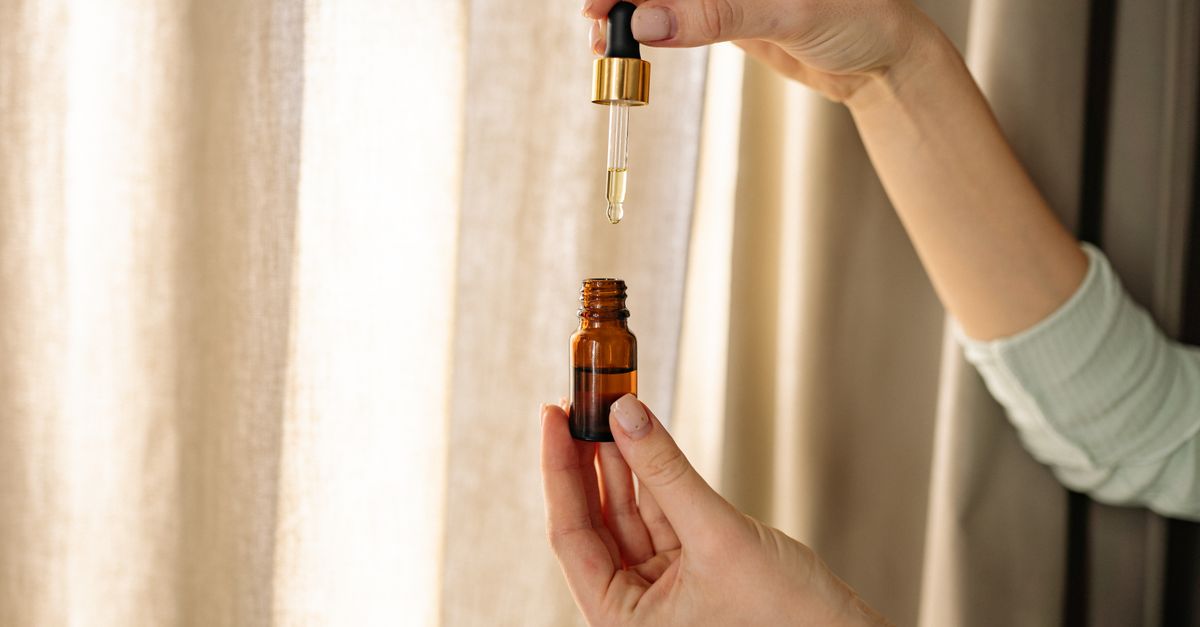
Biotin for hair loss is sold on a simple promise, and liquid biotin for hair is the format with the loudest version of it: a drinkable vitamin B7, usually in a dropper bottle at 5,000 to 10,000 micrograms a serving. Biotin does have an authorised European claim for contributing to the maintenance of normal hair, and a genuine deficiency does cause hair problems. What the published reviews consistently find is that in people who are not deficient, supplementing does nothing measurable to hair growth.
Our hair, skin and nails gummies
GrowPro® Hair, Skin & Nails Gummies, £22.95. Sugar free daily gummies for people who would rather chew than swallow a tablet, supporting hair care from the inside out.
Key takeaways
- Biotin has a permitted claim for contributing to the maintenance of normal hair. That is a maintenance claim, not a growth claim, and the difference matters.
- A 2017 review of biotin for hair loss in Skin Appendage Disorders found no randomised controlled evidence of benefit in healthy people, and true deficiency is uncommon.
- A 2024 review reached the same conclusion, and warns that high strength biotin can distort blood test results.
- Liquid biotin for hair is absorbed well, but so is the tablet, and so is an egg. The format is a convenience choice, not a potency one.
- If your hair is thinning, ferritin and thyroid tests through your GP will tell you far more than any supplement will do for you.
What is biotin actually doing in the body?
Biotin, also called vitamin B7, is a coenzyme for five carboxylase enzymes that handle fat, glucose and amino acid metabolism. Keratin, the protein your hair is built from, depends on that machinery working. So the logic behind the supplement is not silly: without enough biotin, keratin production suffers, and people with a genuine deficiency can develop hair loss along with a scaly rash and brittle nails.
The leap that the marketing makes is from "you need some" to "more is better". Those are different claims. Almost every nutrient your hair needs behaves the same way: a shortage causes problems, and a surplus does nothing extra once the shortage is gone.
What does the evidence say about biotin for hair loss?
The evidence on biotin for hair loss is unusually clear for a supplement question, and it is not what the category would like you to believe: every reported case of benefit involved an underlying deficiency or condition, and the one placebo controlled trial found no difference between biotin and placebo.
A review published in Skin Appendage Disorders in 2017 gathered every case in the literature where biotin had improved hair or nails. There were 18. Every single one involved an underlying problem: an inherited enzyme deficiency, brittle nail syndrome, uncombable hair syndrome or a similar condition. The authors concluded plainly that biotin has no proven efficacy in hair and nail growth in healthy people, and that true biotin deficiency is uncommon.
A 2024 review in the Journal of Clinical and Aesthetic Dermatology revisited the question and found only three studies that met its inclusion criteria. The strongest, a double blind placebo controlled trial, found no significant difference in hair growth between biotin and placebo. Its summary was that the use of biotin as a hair supplement is not supported by high quality studies.
One number gets quoted endlessly and deserves its context. A study of 541 women reporting hair loss found low biotin in 38 percent of them, which sounds decisive until you read that most of those women had a confounding factor, such as a medicine or an existing skin condition, that explained the low level. The reviewers who cite it do not treat it as evidence for supplementing everyone.

How much biotin do you actually get from food?
Enough, in almost every ordinary diet. Biotin is in eggs, liver, salmon, nuts, seeds, dairy, sweet potato and mushrooms, and the bacteria in your gut make some as well. Adequate intake in adults is measured in tens of micrograms a day. A 10,000 microgram supplement is therefore in the region of two hundred times what you need, which is where the lab test problem below comes from. We have a separate guide to reishi mushroom for hair growth if that is the part you need.
| Source | Roughly how much biotin | Worth knowing |
|---|---|---|
| One cooked egg | Around 10 micrograms | Cooked only. Raw egg white binds biotin and blocks absorption. |
| Nuts, seeds, salmon, liver | Single figures to low tens of micrograms | A varied diet covers the daily requirement without effort. |
| A typical liquid supplement | 5,000 to 10,000 micrograms | Far above requirement. This is the level that interferes with blood tests. |
| A hair, skin and nails formula | Varies widely | Usually combined with zinc, silica and other nutrients rather than biotin alone. |
Who is genuinely likely to be short of it?
The list is short, and if you are not on it, the odds that biotin is your hair problem are low.
- People with an inherited biotinidase deficiency, which is usually picked up in childhood.
- Long term users of certain anticonvulsant medicines, which increase biotin breakdown.
- People with significant alcohol dependence or long term malabsorption.
- Anyone eating large amounts of raw egg white, which binds biotin and blocks it.
- Pregnancy, where mild depletion is relatively common, and worth raising with a midwife rather than self treating.
The safety point most labels never mention. High strength biotin interferes with immunoassays that rely on the streptavidin and biotin bond, which is a large share of routine blood tests. That includes troponin, the test used to check for a heart attack, and thyroid tests, where there are documented cases of people being wrongly worked up for thyroid disease. If you take a high strength supplement, tell whoever is taking your blood, and ask whether to stop it for a few days beforehand.

Is the liquid form better than tablets?
Not meaningfully, and the marketing around this is the weakest part of the category. Biotin is water soluble and absorbs readily in either form. A liquid genuinely suits people who dislike swallowing tablets, and it makes small servings easier to measure. It is not more potent, it does not bypass digestion, and paying a premium for absorption you were already getting is not a good trade.
What the format does change is honesty about strength. Liquids are usually sold with a stated amount per millilitre, so it is easier to see that a serving is hundreds of times the daily requirement. That is a useful thing to look at before you buy.
Get a discount on your next order
Join the Watermans mailing list and we will email a discount code straight to your inbox. Vegan, made in the UK, over 6.5 million bottles sold since 2012.
What is the honest expectation from liquid biotin for hair?
If you are deficient, correcting it can make a real difference and it belongs with a doctor who has tested you. If you are not, the realistic expectation is that nothing visible changes, and that is what the trials found. That is the whole story of biotin for hair loss: a shortage matters, a surplus does nothing extra.
There is a second reason people believe it worked, and it is worth naming. Most people start a supplement at the point where shedding is at its worst, which is usually near the end of a shedding episode. Three months later the shed has settled on its own schedule and the bottle gets the credit. Our guide to how long a shedding episode actually runs explains the timeline that produces this illusion.

GrowPro® Hair Growth Gummies
A sugar free vegan hair, skin and nails gummy with biotin alongside zinc, MSM, bamboo silica, horsetail and B vitamins. Zinc and biotin contribute to the maintenance of normal hair. Being straight with you: if you eat a varied diet and your bloods are normal, this is a top up rather than a fix, and it will not change pattern hair loss.
What actually moves the needle instead?
Four things, roughly in order of how much difference they make.
- Get tested rather than guessing. Ferritin, full blood count, thyroid function and vitamin D through your GP. Iron deficiency in particular is common in women and is a real, correctable cause of hair problems, which biotin is not.
- Eat enough protein and enough calories. Hair is one of the first things the body deprioritises when either runs short, and no capsule substitutes for a plate.
- Reduce breakage. Much of what people read as thinning is hair snapping partway along the shaft. That is a fibre problem and it responds quickly to gentler handling and better conditioning.
- Work out which problem you have. Hair loss is follicles miniaturising. Shedding is a cycle disturbance. Breakage is the fibre failing. Only the third is a hair care problem at all.

Grow Me® Hair Growth Shampoo
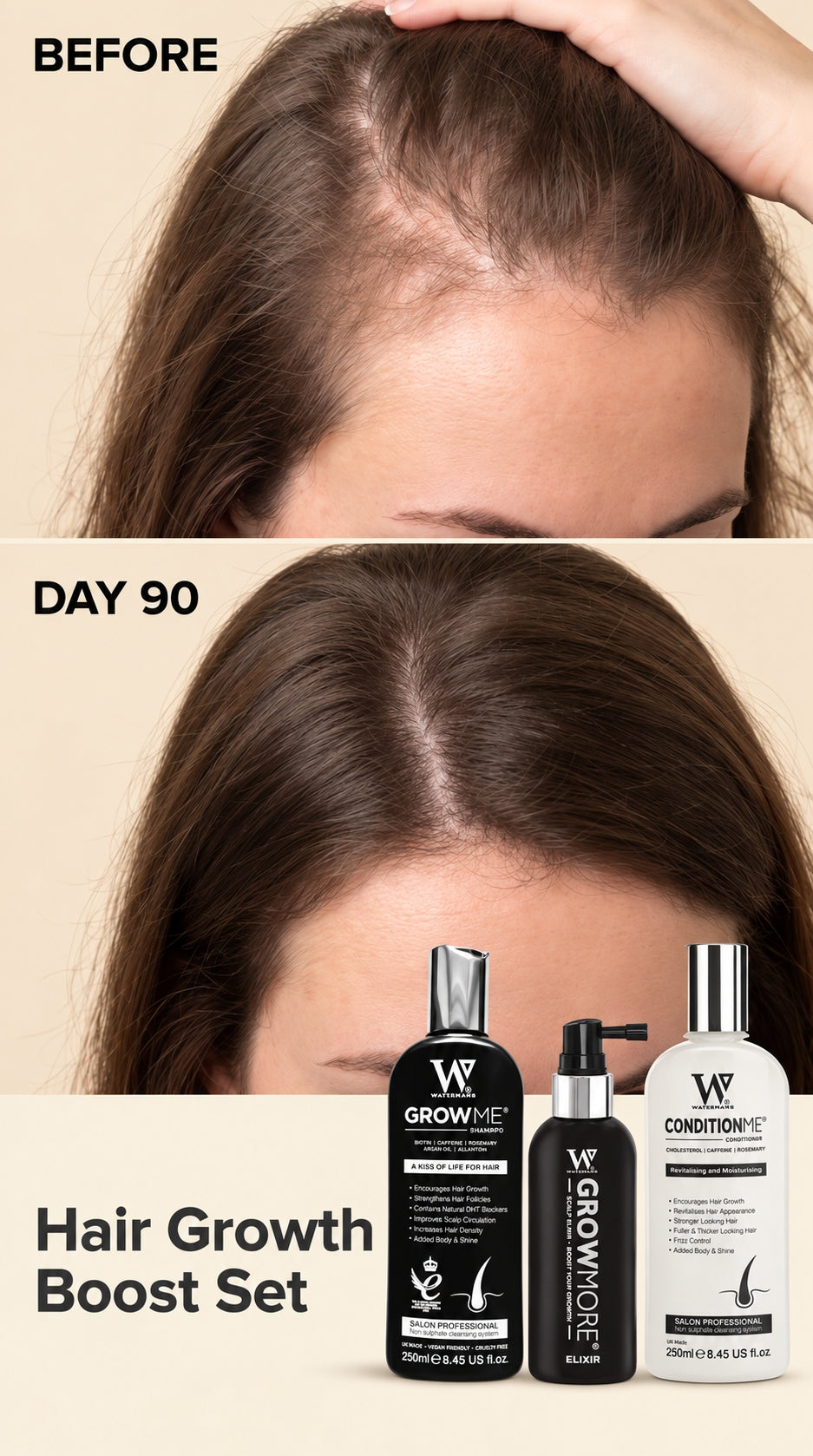
A sulfate free shampoo with biotin, caffeine, rosemary and niacinamide. It cleans without stripping and reduces breakage, so hair reaches its length instead of snapping. It is cosmetic. It does not correct a deficiency and it does not act on the hair cycle.

Does biotin for hair loss work differently for men and women?
Biotin for hair loss works the same way in men and women, which is to say only when a deficiency exists. The difference is who is more likely to be short of something: women with heavy periods are more often low in iron rather than biotin, and pregnancy can mildly deplete biotin, so the useful blood test differs between the two.
For men, thinning at the crown or temples is overwhelmingly pattern hair loss, which no vitamin changes. For women, diffuse shedding is more often a cycle disturbance with a trigger two to three months earlier, and iron is the nutrient worth checking first. In both cases the honest order is the same: test, correct a real shortfall, and reduce breakage while you wait.
How do you choose one if you still want to?
Plenty of people will take it anyway, and that is a reasonable choice for a cheap, safe vitamin. If you do, buy sensibly.
- Ignore the number on the front. A bigger figure is not a better product once you are past the daily requirement.
- Prefer a combined formula over biotin alone, since zinc and other nutrients also carry authorised claims for normal hair, and a single nutrient in isolation is the least likely thing to be missing.
- Check the wording. "Contributes to the maintenance of normal hair" is an authorised claim. Any wording promising to bring lost hair back, or to undo an inherited pattern, is marketing, and in the UK it is not a claim a supplement is allowed to make.
- Note the date you started and give it a fair run of three to six months alongside a monthly photo, so you are judging it against evidence rather than mood.
- Tell your GP you take it, particularly before any blood test.
Our companion pages on what biotin does for hair growth, how supplementation works in practice and whether biotin is safe for your liver cover the neighbouring questions people usually ask next.

Frequently Asked Questions
Does liquid biotin for hair actually work?
In people with a genuine deficiency, correcting it helps. In people who are not deficient, the published reviews found no measurable effect on hair growth, including a double blind placebo controlled trial that found no difference against placebo.
How long before I would see anything?
If you are deficient and correcting it, months rather than weeks, because hair grows about a centimetre a month and the visible change is new growth. If you are not deficient, there is no timeline, because there is nothing to wait for.
Is 10,000 micrograms safe?
Biotin has low toxicity and no established upper limit, and high strengths are generally tolerated. The real risk is not toxicity, it is the interference with blood tests, which can lead to a wrong result on a heart or thyroid test.
Should I stop taking it before a blood test?
Ask the person arranging the test. Many labs advise pausing high strength biotin for a few days beforehand. The important part is that they know you take it, because an unflagged supplement is how a misleading result gets acted on.
Is liquid better absorbed than tablets?
Not meaningfully. Biotin is water soluble and absorbs well in both forms. Choose a liquid because you prefer it, not because you expect more from it.
Can biotin make hair fall out?
There is no good evidence that it does. If shedding started after you began a supplement, look for a trigger about three months earlier, since the timing of a shedding episode very often coincides with someone starting something new.
Does biotin for hair loss help male or female pattern hair loss?
No. Pattern hair loss is follicles miniaturising under a genetic and hormonal influence. No vitamin changes that, and any product implying it does is making a claim it cannot support.
Is it worth taking during pregnancy?
Mild biotin depletion is relatively common in pregnancy, but pregnancy is exactly when you should take supplement decisions to a midwife or GP rather than to a blog, because several ordinary supplements are not suitable.
What is the bottom line on biotin for hair loss?
Biotin for hair loss is a safe, inexpensive vitamin sold on a promise that the evidence does not support, and liquid biotin for hair is simply the dearest way to buy it. Biotin matters, and a deficiency genuinely damages hair, but deficiency is uncommon and the reviews found nothing measurable in people who have enough. If your hair is changing, spend the money on a GP blood test for ferritin and thyroid first, eat enough protein, and cut the breakage you can actually control. If you take a high strength supplement anyway, tell whoever takes your blood, because that is the one way this bottle can genuinely affect your health. If your question is about products or a routine rather than a medical one, you can talk to Gail Waterman, our co-founder, as an AI avatar on the Watermans homepage.
If you want to support it from the inside as well as the outside, the GrowPro hair vitamins are the easy step. Made in the UK, with over 6.5 million bottles sold since 2012.
Watermans products are 100% cosmetic and do not treat medical hair loss. Individual results may vary. Watermans is a UK made and cruelty free brand, with over 6.5 million bottles sold since 2012.
Sources & References
- Patel DP, Swink SM, Castelo-Soccio L, A Review of the Use of Biotin for Hair Loss, Skin Appendage Disorders, 2017, on all 18 reported cases involving an underlying condition, the absence of randomised controlled evidence in healthy people, and true deficiency being uncommon.
- Biotin for Hair Loss: Teasing Out the Evidence, Journal of Clinical and Aesthetic Dermatology, August 2024, on only three qualifying studies, the placebo controlled trial showing no difference, and interference with streptavidin and biotin immunoassays including troponin and thyroid tests.
- European Food Safety Authority, Scientific Opinion on health claims related to biotin, including maintenance of hair, EFSA Journal 2009;7(9):1209, the basis of the authorised maintenance of normal hair wording.
- NHS, Hair loss, on iron deficiency and other temporary causes, and on seeing a GP to establish the cause.