Is Pomade Bad for Your Hair? An Honest Answer
Is pomade bad for your hair? Not for the hair itself. Pomade sits on the outside of the fibre and contains nothing that weakens it, so a tin of Murray's or any similar product is not damaging your hair in the way bleach or a straightener does. The genuine problems are all about the scalp and about removal: heavy oil based formulas build up, block follicles and are difficult to wash out, and that is where the trouble starts.
Our hair growth shampoo
Grow Me® Hair Growth Shampoo, £14.95. A sulphate free daily shampoo that supports a healthy scalp environment and helps reduce breakage, so lengths hold on and look fuller.
Key takeaways
- The honest answer to is pomade bad for your hair is no, not for the hair fibre. Nothing in a standard pomade weakens keratin.
- The real risks are scalp based: build up, blocked follicles and spots along the hairline from heavy oil based products left in too long.
- Oil based pomades like Murray's hold and shine better but need shampoo applied to dry hair to remove. Water based washes out with a normal shampoo.
- Pomade does not cause inherited hair loss. Worn with constantly tight, pulled back styles it can contribute to traction damage at the hairline.
- Fine hair usually looks thinner under heavy pomade, not thicker. Lighter and more matte is the better choice.
What is pomade, and what is actually in it?
Pomade is a styling product that holds hair in place while staying pliable, which is what separates it from gel. Gel sets hard and cracks. Pomade lets you restyle through the day.
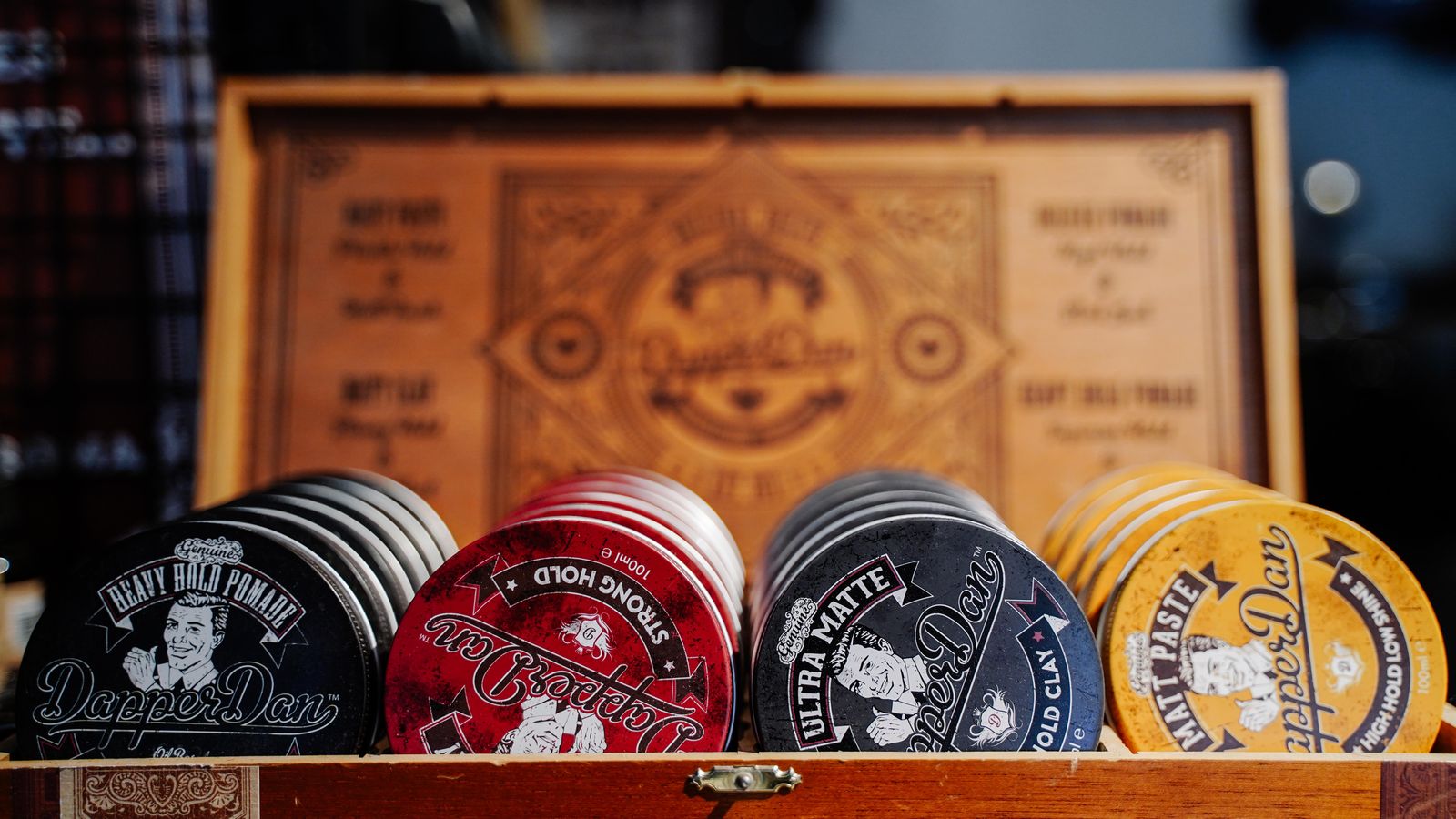
There are two families. Oil based pomades, the traditional kind, are built on petrolatum, mineral oil and waxes. Murray's Superior Hair Dressing, first sold in 1925, is the archetype: a firm, waxy, high shine product with a very strong hold, which is why it has kept a devoted following for a century. Water based pomades came later and use water, polymers and humectants to achieve a similar look with far easier removal.
None of those ingredients are aggressive toward hair. Petrolatum in particular is one of the most inert substances in cosmetics: it sits on the surface, does not penetrate the fibre and does not react with keratin. That is the whole reason the answer to is pomade bad for your hair is not the alarming one people expect.
So is pomade bad for your hair, honestly?
For the hair shaft, no. There is no oxidising agent, no alkali and no protein disruptor in a pomade. It does not alter the internal structure of the fibre. You could wear pomade every day for years and the hair growing out of your head would be structurally unchanged by it.
For the scalp, it depends entirely on what you use and how you wash. A heavy oil based product worked down to the roots and topped up for several days without a proper wash is a genuine problem. It traps oil, sweat and dead skin against the skin surface, and for some people that produces the small spots along the hairline and temples sometimes called pomade acne. If that describes you, a pharmacist can advise, and the first thing to change is the product placement and the washing routine rather than anything else. Related reading: our guide to pomade acne.
So the fair verdict is that pomade is not damaging, but heavy pomade plus poor removal is a combination worth fixing.
The single most useful tip on this page
To remove oil based pomade, put the shampoo on DRY hair before you add any water. Water makes oil bead away from the shampoo. Work it through the dry product first, then add water gradually. This one change solves most pomade complaints.

Oil based versus water based: which should you choose?
This is the decision that determines most of your experience, so it is worth making deliberately rather than by accident.
| Oil based pomade | Water based pomade | |
|---|---|---|
| Base | Petrolatum, mineral oil, waxes | Water, polymers, humectants |
| Hold and shine | Strong, lasting, high shine | Firm but softer, ranges from matte to shine |
| Restyles through the day | Yes, stays pliable | Less so once it sets |
| Washing out | Needs shampoo on dry hair, often more than once | Rinses out easily with ordinary shampoo |
| Build up risk | Higher, especially on the scalp | Low |
| Suits | Thick, coarse hair, classic slick styles | Fine hair, daily use, anyone who washes less often |
If you are new to pomade, or your hair is on the finer side, start water based. If you want the genuine mid century slick and your hair is thick enough to carry it, oil based earns its reputation, as long as you accept the washing routine that comes with it.
What about Murray's specifically?
Murray's is the product most people are picturing when they ask this question, so it deserves a direct answer. It is a firm, petrolatum based pomade with an exceptionally strong hold, and it has been in continuous production since the 1920s.
It is not bad for your hair. It is, however, at the demanding end of the category. It is stiff enough that many people warm a small amount between the palms before applying, it gives a high shine finish that is not to every taste, and it is among the harder pomades to wash out. Used with a proper removal routine on hair thick enough to suit it, it does exactly what it has always done. Used casually, topped up for days on end and rinsed rather than washed, it is the product most likely to leave you with a coated scalp.
The judgment is not really about the brand. It is about matching a heavy oil based product to the right hair and the right routine.
Get a discount on the hair styling range
Join the Watermans mailing list and we will email a discount code straight to your inbox, so you can try the hair styling range for less. Made in the UK, over 6.5 million bottles sold since 2012.

How do you wash pomade out properly?
Start dry. Shampoo goes onto dry or barely damp hair, worked through the product with your fingers before any water is introduced. This is the step almost everyone gets wrong, and it is why so many people believe oil based pomade is impossible to remove.
Add water slowly. Once the shampoo has combined with the product, introduce water gradually and keep working it through. You should feel the texture change as the emulsion forms.
Rinse thoroughly and repeat if needed. A second, shorter wash is normal with heavy oil based products, and it is better than one aggressive scrub.
Condition afterwards. Shampooing twice is drying, particularly on the mid lengths and ends, and a conditioner puts back the slip that repeated washing removes. Our step by step guide to using a hair cleanser properly covers the technique in more detail, and how to use conditioner properly covers the part most people rush.
One honest note about our own products, since it matters here. A sulphate free shampoo is gentler day to day and is what we would recommend for most people, but sulphates are more aggressive degreasers, so a very heavy oil based pomade may need two sulphate free washes where one stronger wash would have done. That is a real trade off and worth knowing before you choose. Our piece on whether sulphate free shampoo is really better sets out both sides.
Is it hair loss, hair shedding or hair breakage?
People often start worrying about pomade because they think their hair is thinning, and that is usually the real question hiding behind is pomade bad for your hair. It is worth separating the three things that can look alike.
Hair breakage is the fibre snapping, leaving short pieces of uneven length and a halo of shorter hairs. Pomade does not cause it, but combing stiff, heavily producted hair, and the daily backwards drag of a slick style, can. Being gentler at the comb is the fix.
Hair shedding is whole hairs leaving the scalp with a white bulb at the root. Fifty to a hundred a day is normal, and a temporary increase after illness, stress or a crash diet is telogen effluvium, which settles on its own. It has nothing to do with styling products, though people often notice it on wash day and blame the product they just removed. What causes telogen effluvium explains the timeline.
Hair loss is the follicle miniaturising over years, showing as a receding hairline or thinning crown. This is inherited and has nothing to do with pomade. The one genuine styling related exception is traction damage, where hair is pulled tight in the same direction every day for years, and that is about tension rather than about the product. Pattern hair loss, its stages and causes covers the inherited version, and what causes hair damage covers the mechanical side.
How do you get the best from pomade without the downsides?
Almost everyone who ends up asking is pomade bad for your hair got there through one of four habits, and all four are easy to change.
Keep it off the scalp. Start applying a centimetre away from the roots. This alone removes most of the build up and spot problems.
Use less than you think. Most people use two or three times what they need. A pea sized amount, warmed between the palms and distributed evenly, holds better than a lump worked into one section.
Give your scalp a clear day. One day a week with no product and a proper wash keeps things comfortable.
Match the weight to your hair. Fine hair looks thinner, not thicker, under a heavy high shine pomade, because it clumps into separated strands and shows more scalp.
What should you wash and condition with?
The routine matters more than the specific bottle, but for daily use the useful qualities are a shampoo that cleans without stripping and a conditioner that puts slip back after a double wash.

Grow Me® Shampoo, £14.95
A sulphate free daily shampoo with biotin, caffeine, rosemary and niacinamide, for a comfortable scalp and stronger looking strands. Gentle enough for frequent washing, though very heavy oil based pomade may need two passes. Vegan, made in the UK, over 6.5 million bottles sold since 2012.
View Grow Me® Shampoo
Condition Me® Conditioner, £13.95
A breakage defence conditioner that restores slip after washing, which matters when styling product means you wash more often than most.
View Condition Me® Conditioner
Masque Me® Hair Mask, £24.95
A deep conditioning mask for the weekly slot if daily styling and frequent washing have left the mid lengths and ends feeling dry.
View Masque Me® Hair Mask
Frequently asked questions
Is pomade bad for your hair if you use it every day?
Daily use is fine for the hair fibre itself, which is not damaged by sitting under a styling product. The risk with daily use is on the scalp, where an oil based pomade left in for days can block follicles and cause spots along the hairline. If you use pomade daily, wash properly rather than just rinsing, and give your scalp an occasional clear day.
Does pomade cause hair loss?
Pomade itself does not cause the inherited thinning most people mean by hair loss. Two indirect routes exist. Heavy product combined with tight, pulled back styles worn constantly can contribute to traction alopecia at the hairline, and an inflamed, blocked scalp is not a comfortable environment for hair. Neither is caused by the pomade on its own.
Is oil based or water based pomade better for your hair?
Water based is easier to live with, because it washes out with ordinary shampoo and is far less likely to build up. Oil based holds better, lasts longer and gives the classic high shine finish, but it needs a proper wash to remove and is the type most associated with build up and scalp spots. Neither damages the hair fibre.
How do you get oil based pomade out of your hair?
Apply shampoo to dry or barely damp hair first, before adding water. Water makes the oil bead away from the shampoo, so wetting the hair first is what makes people think the product will not shift. Work the shampoo through the dry product, then add water gradually and rinse. Repeat once if needed.
Does pomade cause dandruff?
It does not cause dandruff directly, but heavy build up can make an existing flaky scalp worse by trapping oil and dead skin against the skin surface. If flaking persists after you have cleansed properly for a couple of weeks, it is worth asking a pharmacist about, because that is usually a scalp condition in its own right rather than a product problem. If your question is about products or a routine rather than a medical one, you can talk to Gail Waterman, our co-founder, as an AI avatar on the Watermans homepage.
Is pomade bad for your hair compared with gel or wax?
Not especially. Gel is more likely to make hair feel stiff and can flake, and strong hold gels can make hair brittle when it is repeatedly bent while set hard. Wax is closer to pomade and carries the same build up considerations. All of them sit on the hair rather than changing it, so the differences are about comfort, finish and washing out.
Can pomade make thin hair look thicker?
A light matte product can, by adding texture and separation so hair sits with more apparent volume. A heavy, greasy, high shine pomade does the opposite, clumping fine hair into visible strands and showing more scalp. If your hair is fine and you want it to look fuller, go lighter and matte rather than heavier.
Should you put pomade on the scalp?
No. Apply it to the hair, starting a centimetre or so away from the roots. The scalp is where blocked follicles and spots happen, and there is no styling benefit to putting product directly on the skin.
Is pomade bad for your hair, and what is the bottom line?
Is pomade bad for your hair? No. It sits on the surface, contains nothing that weakens keratin, and the hair growing from your scalp is unaffected by it. What deserves attention is the scalp and the wash. Keep pomade off the roots, use less than you think, shampoo onto dry hair before adding water, and give your scalp one clear day a week. Do that and a heavy oil based classic like Murray's is a perfectly reasonable thing to wear every day. Skip it and the build up will convince you the product was the problem, when the routine was.
If you would rather start small, swap the wash first and see how the scalp feels on our sulphate free hair growth shampoo. Vegan, made in the UK.
Watermans products are 100% cosmetic and do not treat medical hair loss. Individual results may vary. If spots along the hairline or a persistently flaky scalp continue after you have changed your washing routine, speak to a pharmacist or your GP. This article is general information and is not medical advice. Speak to your GP or a pharmacist about any concern with your health or your scalp.
Sources & References
- Gavazzoni Dias MFR, Hair Cosmetics: An Overview, International Journal of Trichology, 2015, on styling products, film formers and how they sit on the hair surface.
- Billero V, Miteva M, Traction alopecia, StatPearls, NCBI Bookshelf, on sustained tension from tight styles as a cause of hairline damage.
- NHS, Acne, on blocked follicles, what makes spots worse, and when to seek advice.
- NHS, Dandruff, on flaking scalps, what causes them and how they differ from product build up.
- NHS, Hair loss, on the common causes of hair loss and when to see a GP.