Rice Water for Low Porosity Hair: Use It Carefully
Rice water for low porosity hair is the one combination that needs real caution, because this is the hair type most likely to react badly to it. A tightly packed cuticle already resists absorbing moisture and already sits on the protein-heavy side of the balance, so adding surface protein can tip hair into stiffness fast. Used sparingly, roughly once a month, with warmth and a proper moisturising follow-up, it can still add body and shine.
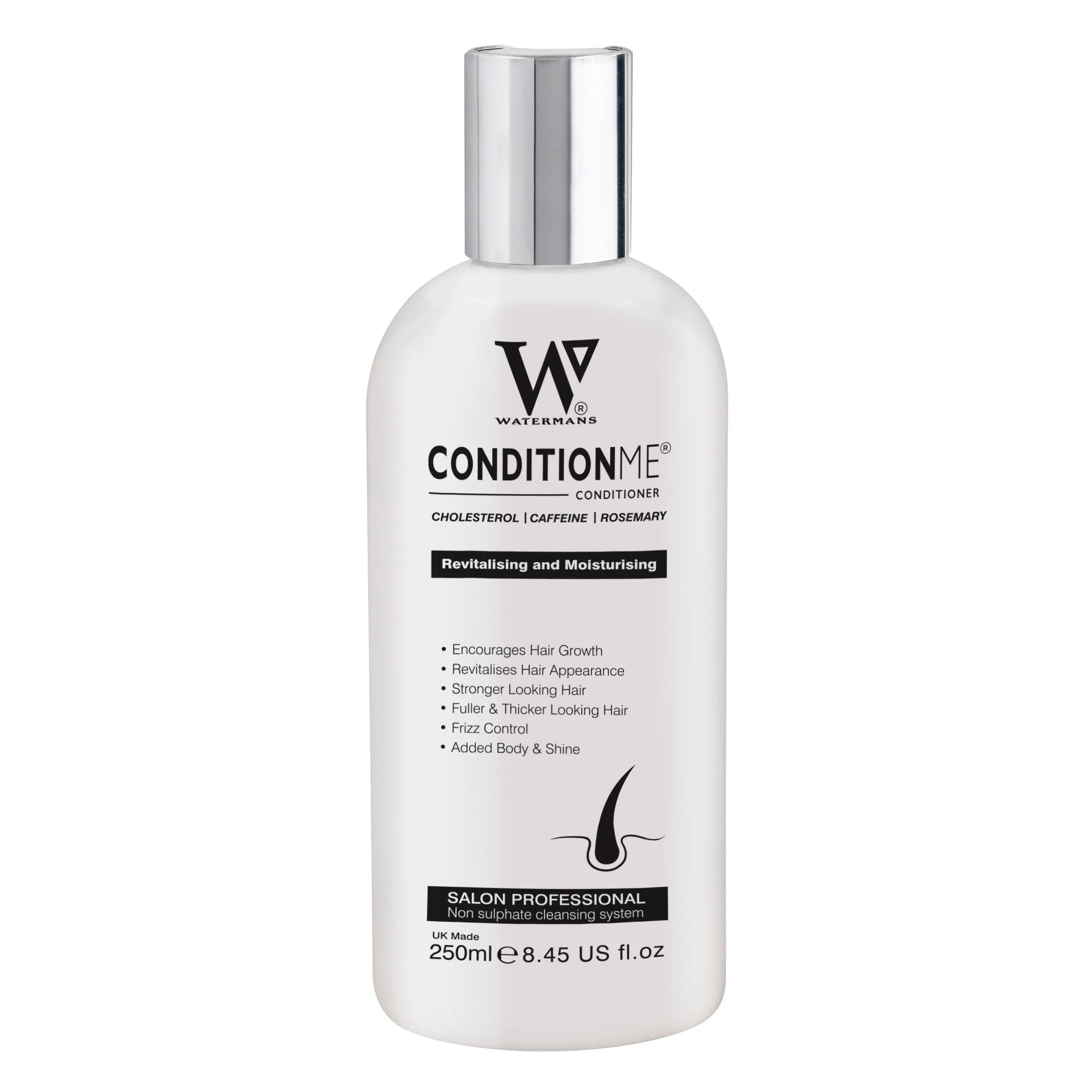
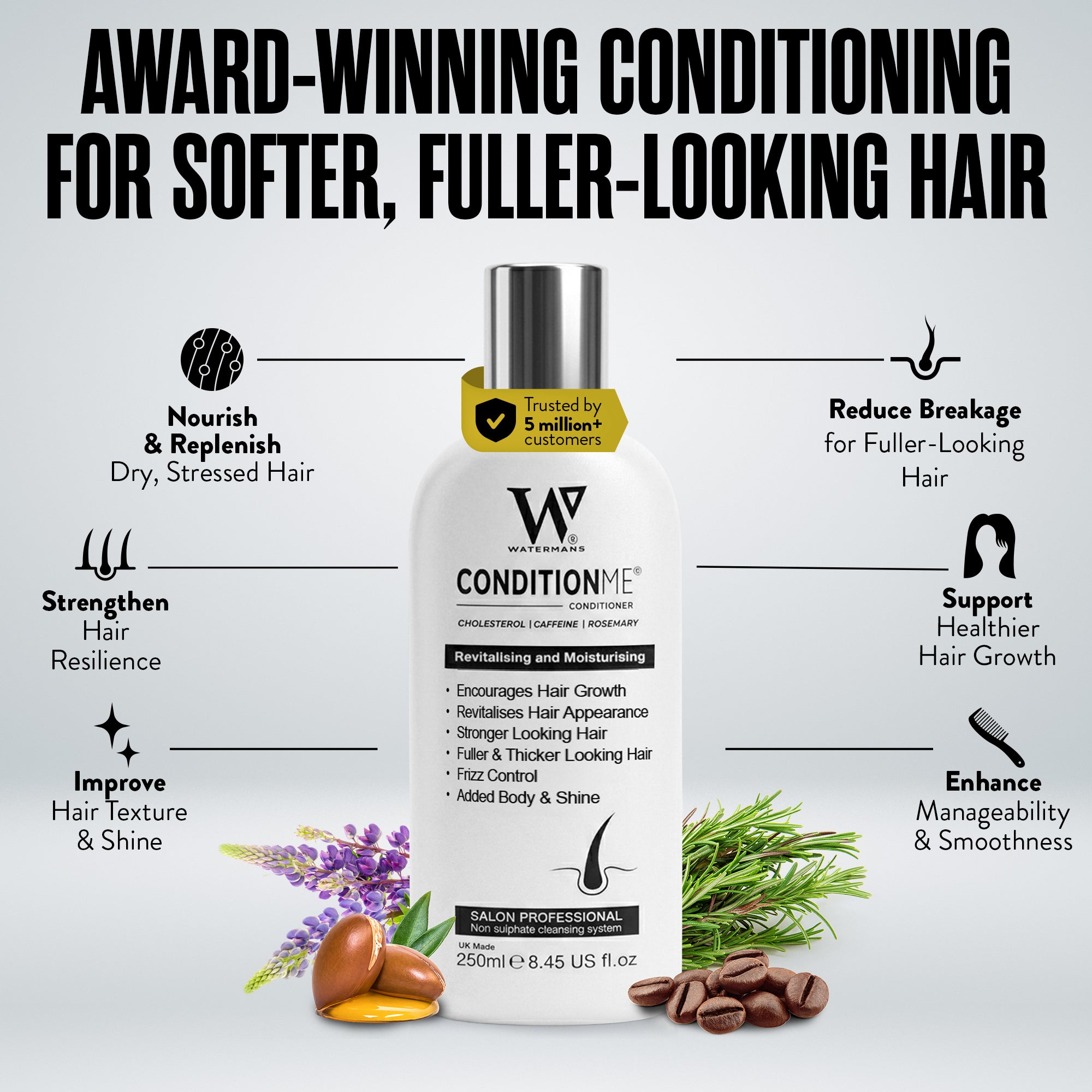
Our hair growth conditioner
Condition Me® Hair Growth Conditioner, £13.95. Detangles and strengthens the hair fibre so lengths snap less on the brush and look thicker through the ends.
Key takeaways
- Low porosity hair resists taking things in. That includes water, conditioner and a rice rinse, so application technique matters more here than for any other hair type.
- Rice water is a mild protein and starch rinse. It coats and stiffens the fibre, which reads as body and shine in the right dose.
- The failure mode is protein overload: stiff, straw-like, brittle hair that snaps instead of stretching.
- Start at once every three to four weeks, not weekly, and always follow with a moisturising conditioner or mask.
- It does not change how fast hair grows from the follicle. It may reduce breakage, which looks similar over months but is a different mechanism.
What does low porosity actually mean?
Porosity describes how readily the cuticle lets water and other substances in and out. The cuticle is a layer of overlapping scales, like roof tiles, and in low porosity hair those scales lie flat and tightly packed. That is usually a sign of a healthy, undamaged fibre, which is worth saying because low porosity is so often described as a defect. It is not. It simply changes how you have to work with it.
In practice it means water beads on the surface and takes a while to soak in, products sit on top and can look like build-up within a day, hair takes a long time to dry, and heavy oils and butters go straight to greasy without ever conditioning anything. The float test is the quick check: a clean strand in room-temperature water tends to float rather than sink.
What is in rice water, and what does it do?
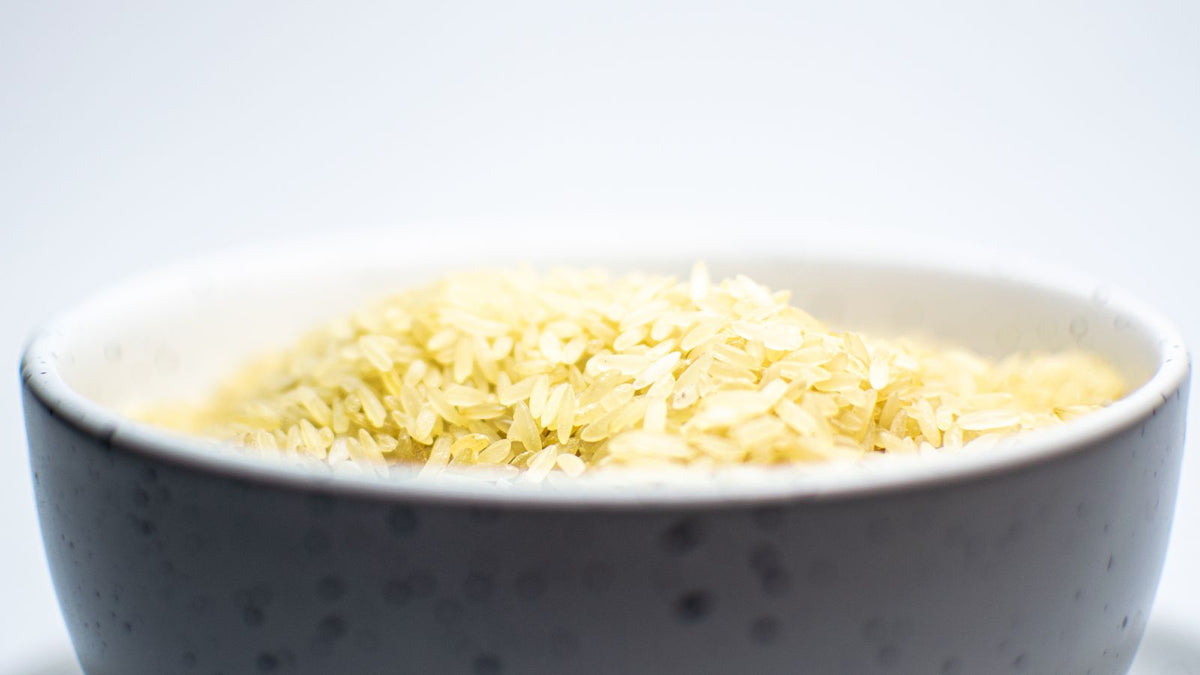
Rice water is the starchy liquid left after soaking or boiling rice. It contains starch, small amounts of amino acids and rice proteins, some B vitamins, and inositol, which is the compound most often cited in the folk claims. When it dries on the hair it leaves a thin, slightly stiffening film. Related reading: our guide to liquid vitamins for hair growth.

That film is the whole of what rice water for low porosity hair actually does. It fills small surface irregularities, so light reflects more evenly and hair looks shinier. It adds a little rigidity, so fine strands feel thicker and hold shape better. And it reduces friction slightly, which can mean less snapping during detangling. What it does not do is enter the cortex or reach the follicle, and no amount of rinsing changes what happens below the scalp.
Why is rice water for low porosity hair riskier than for other types?
Two reasons stack up. First, low porosity hair typically has an intact cuticle with its own protein structure in good order, so it does not need extra protein the way damaged, high porosity hair often does. Adding some to hair that has plenty is how you reach overload.
Second, the moisture side of the balance is already the weak point. Low porosity hair struggles to take water in, so it tends to run dry despite conditioning, and protein without adequate moisture is exactly the recipe for a stiff, brittle result. For high porosity hair, which loses water constantly through a lifted cuticle, a protein rinse plugs gaps and genuinely helps. The same rinse on low porosity hair is adding to the side of the scale that was already heavier.
| Low porosity | High porosity | |
|---|---|---|
| Cuticle | Flat and tightly packed | Lifted, gapped or damaged |
| Takes water in | Slowly and reluctantly | Quickly |
| Loses water | Slowly | Quickly |
| Usual need | Moisture, and help getting it in | Protein and sealing |
| Response to a rice rinse | Stiffness comes on fast; use sparingly | Usually well tolerated; can use more often |
| Sensible starting frequency | Once every 3 to 4 weeks | Every 1 to 2 weeks |
The stretch test, before and after
Take a shed hair, wet it, and pull gently. Healthy hair stretches a little and springs back. Hair with too much protein snaps almost immediately with no stretch. Hair with too much moisture and too little protein stretches a long way and stays limp. Do this before you start and again a few days after a rinse, and you will know which direction you moved.
Get a discount on the low porosity hair range
Join the Watermans mailing list and we will email a discount code straight to your inbox, so you can try the low porosity hair range for less. Made in the UK, over 6.5 million bottles sold since 2012.
How do you make it, and does fermenting matter?
Making rice water for low porosity hair takes ten minutes. Rinse half a cup of rice first to remove surface dust, then cover it with two cups of water and leave it for 30 minutes. Strain, and that is the plain version. To ferment, leave the strained liquid at room temperature in a covered jar for up to 24 hours, until it smells noticeably sour, then refrigerate and use within a week.
For this hair type, fermented is usually the better choice. Fermentation lowers the pH, and a lower pH encourages the cuticle to lie flatter, which suits hair whose cuticle is already its strength. The plain version is closer to neutral and slightly more likely to leave a dull, starchy film. Whichever you make, dilute it: many people use it neat and then wonder why their hair went rigid. Half rice water and half plain water is a sensible starting strength for low porosity hair.
If you would rather compare formats before committing, our guide to rice oil versus rice water for hair runs through the differences between the rinse and the oil, which are frequently confused.
How should you actually apply it?

With rice water for low porosity hair, technique is where most of the difference lies, because getting anything into low porosity hair is the whole challenge.
- Start clean. Shampoo first. A rinse applied over product residue sits on top of it and does nothing except add to the layer.
- Use warmth, gently. Apply to warm, damp hair and cover with a cap for 10 to 15 minutes. Mild warmth encourages the cuticle to open slightly, which is the only way in. Never apply high heat for this.
- Mid lengths and ends only. There is nothing on the scalp that needs a protein film, and low porosity scalps flake easily under residue.
- Rinse thoroughly. More thoroughly than feels necessary. Leftover starch is the usual cause of the dull, coated result people blame on the protein.
- Follow with moisture, always. A rich conditioner or a mask, mid lengths down, two minutes minimum. This step is not optional; it is what stops a protein rinse becoming protein overload.
Our step by step on how to use conditioner properly covers the conditioning technique in more detail, and it matters more here than the rinse itself.
How do you spot protein overload before it gets bad?
The signs are consistent and they arrive within a wash or two. Hair feels stiff and rough despite being freshly conditioned. It looks dull rather than shiny. Strands snap cleanly instead of stretching. Curls lose definition and clump oddly. Detangling suddenly takes longer than it used to.
The fix is not more conditioner on top of more protein. Stop the protein entirely, use a rich moisturising conditioner or a deep mask for the next two or three washes, and be patient, because the film has to grow out or wash off rather than being neutralised. Our guide to fixing dry hair with a four step routine covers rebuilding a routine after this kind of setback, and what causes hair damage is worth reading if you are not certain whether the roughness is protein or genuine damage.
Does any of this affect hair loss?

It is worth separating three things people routinely merge. Hair loss means the follicle has stopped producing normally, as in androgenetic alopecia. Hair shedding means the growth cycle has pushed an unusual number of follicles into their resting phase at once, as after illness, childbirth, surgery or rapid weight loss. Hair breakage means the fibre snapped along its length while the follicle carried on working perfectly well.
A rinse applied to the lengths has no route to the follicle, so it cannot affect the first two in either direction. It sits squarely in the third category, where reducing friction and snapping is a real and modest benefit, and where overdoing the protein makes breakage worse rather than better. Shed hairs carry a small pale bulb at the root end; broken hairs are short, blunt and bulbless. That distinction tells you whether your routine is even the right thing to be adjusting.
Where does Watermans fit?
We sell hair care, so weigh our view accordingly. We would still rather you knew that a kitchen rinse is unstandardised: the protein content varies with the rice, the soak time and the batch, which is precisely why low porosity hair reacts unpredictably to it. A formulated conditioner sets its protein and moisture balance deliberately, and for a hair type this easy to tip, that predictability is worth something.
Our range is sulphate free, made in the UK, with over 6.5 million bottles sold since 2012. It is built around cutting breakage so more of the hair you already grow stays on your head and the density you have looks as full as it can. That is a cosmetic job and we say so plainly.

Condition Me® Hair Growth Conditioner
Conditioning through the mid lengths and ends, and the right follow-up after any protein rinse. Two minutes, then rinse cool so the cuticle lies flat.

Masque Me® Hair Growth Mask
A weekly deep conditioner, and the product to reach for if a rice rinse has left hair stiff. Use it in place of conditioner rather than on top of it.

Grow Me® Hair Growth Shampoo
A sulphate free daily shampoo to start from clean, since low porosity hair shows residue faster than any other type.
Watermans products are 100% cosmetic and do not treat medical hair loss. Individual results may vary.
When should you speak to a GP?
Adjusting your routine is the right response to stiff texture, dullness, residue or strands that snap when you comb them. It is the wrong response to a widening parting, a receding hairline, visible scalp at the crown, patches with no hair at all, or a shed that has run past six months. A GP can arrange blood tests for iron, ferritin, thyroid function and vitamin D. Sudden patchy loss, a painful or scarred scalp, or hair changes alongside other unexplained symptoms should be looked at promptly rather than managed from the kitchen. If you are not sure which type you have, our hair porosity guide explains a better home test than the float trick. If your question is about products or a routine rather than a medical one, you can talk to Gail Waterman, our co-founder, as an AI avatar on the Watermans homepage.
Frequently asked questions
Is rice water for low porosity hair a good idea at all?
It can be, but it is the riskiest hair type to use it on. Low porosity hair already resists absorbing things and already tends to sit on the protein-heavy side of the balance. Rice water adds more surface protein, so the margin between a rinse that adds body and one that leaves hair stiff is narrower than for anyone else.
How often should I use it?
Use rice water for low porosity hair once every three to four weeks rather than weekly. Most of the stiffness people report comes from frequency, not from the ingredient. If hair feels good a few days after a rinse, you can consider going slightly more often. If it feels straw-like, stretch the gap out or stop.
How do I know if my hair is low porosity?
Drop a clean, product-free strand into a glass of room-temperature water and leave it a few minutes. Low porosity hair tends to float, because a tightly packed cuticle resists taking water in. It is a rough test rather than a laboratory measurement, but it agrees with the everyday signs: water beads on your hair, products sit on top, and it takes a long time to dry.
Should I ferment it, and does fermenting change anything?
Fermenting lowers the pH, which helps the cuticle lie flat, and the smell is genuinely unpleasant. For low porosity hair the fermented version is usually the better choice of the two, because a lower pH suits a cuticle you want to keep smooth. Ferment for no more than 24 hours at room temperature, then refrigerate and use within a week.
Will rice water for low porosity hair cause protein overload?
It can, and this hair type is the most likely to get there. The signs are hair that feels stiff, straw-like, brittle or oddly rough despite being conditioned, and strands that snap rather than stretch when pulled gently. The fix is to stop the protein, use a rich moisturising conditioner or mask for two or three washes, and let the hair recover.
Do I need to use heat with it?
Gentle warmth helps rather than being essential. Low porosity hair takes anything in slowly, so applying the rinse to warm, damp hair and covering it with a cap for ten to fifteen minutes gives it a better chance than a cold rinse straight down the drain. Never use high heat on hair for this.
Does rice water make hair grow faster?
There is no reliable evidence that it changes the rate at which hair grows from the follicle, and growth rate is largely genetic. What a protein rinse can plausibly do is reduce breakage, so hair reaches a longer length before snapping. That looks like faster growth over months without being the same thing.
Is rice water for low porosity hair better than a shop-bought protein treatment?
A formulated product has one clear advantage: the protein is usually hydrolysed to a controlled molecular size and the pH is set deliberately. A kitchen rinse is unstandardised, so the strength varies batch to batch. Rice water is cheaper and perfectly reasonable to try, but if your hair reacts badly to unpredictability, a formulated product is the more controllable option.
What is the bottom line on rice water for low porosity hair?
Rice water for low porosity hair is worth a try and worth treating carefully, in that order. The rinse works by leaving a thin protein and starch film on the outside of the fibre, which adds shine and body, and low porosity hair is the type least in need of extra protein and most likely to go stiff on it. So dilute it, ferment it if you can tolerate the smell, apply it warm to clean damp hair for ten to fifteen minutes, keep it off the scalp, rinse it out properly, and follow every single time with a moisturising conditioner or mask. Start once a month rather than once a week, run the stretch test before and after, and stop at the first sign of stiffness. Done that way it is a cheap, mild, occasionally lovely addition to a routine. Done weekly and neat, it is the fastest route to straw.
If the ends are rough and porous, the Masque Me hair mask is where to put your effort. Made in the UK.
Sources and References
- Robbins, C. R. Chemical and Physical Behavior of Human Hair, 5th edition, Springer. Standard reference for cuticle structure, porosity, protein adsorption and the pH behaviour of the fibre.
- Gavazzoni Dias, M. F. R. Hair cosmetics: an overview. International Journal of Trichology, 2015. Background on protein treatments, conditioning agents and matching products to hair texture.
- Inamasu, S. et al. The evaluation of the effect of inositol on hair. Journal of Cosmetic Science, 2010. One of the few pieces of published work behind the rice-derived inositol claims made for these rinses.
- Dias, M. F. R. G. et al. The shampoo pH can affect the hair: myth or reality? International Journal of Trichology, 2014. Used for why a lower pH rinse helps the cuticle lie flat.
- British Association of Dermatologists. Information leaflets for the public on hair care and hair breakage. bad.org.uk.
- NHS. Hair loss. nhs.uk. Guidance on the common causes of hair loss and shedding, and when to speak to a GP.