Microneedling for Hair Loss at Home: Does It Work and Is It Safe?
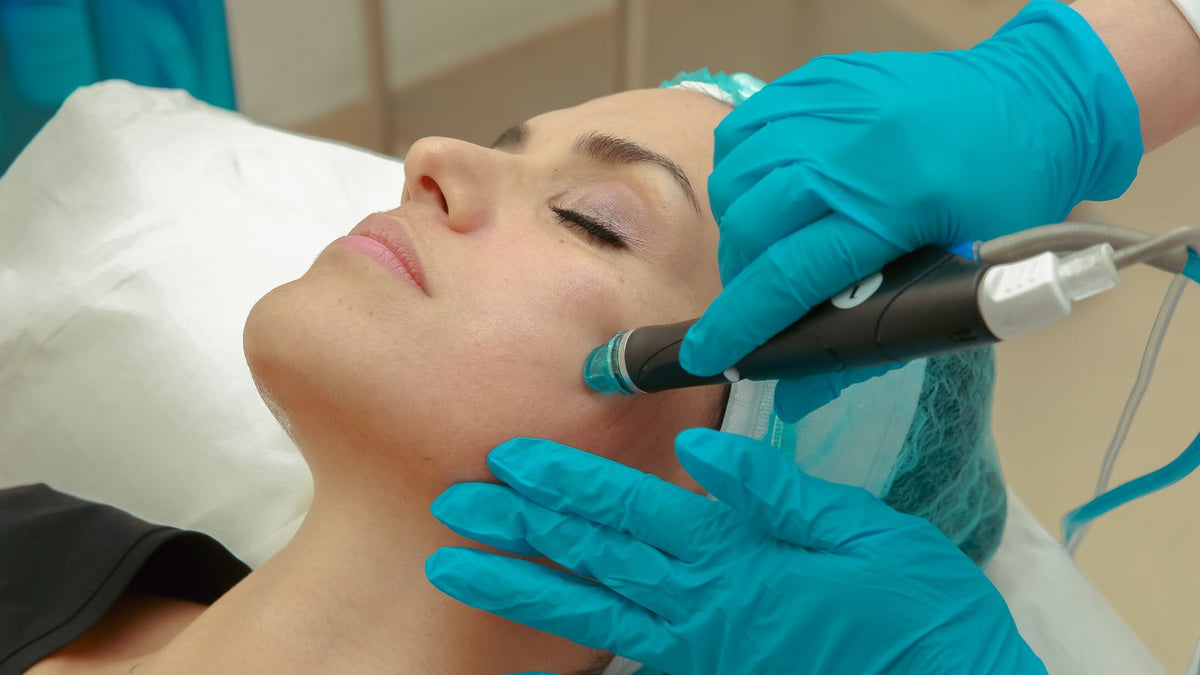
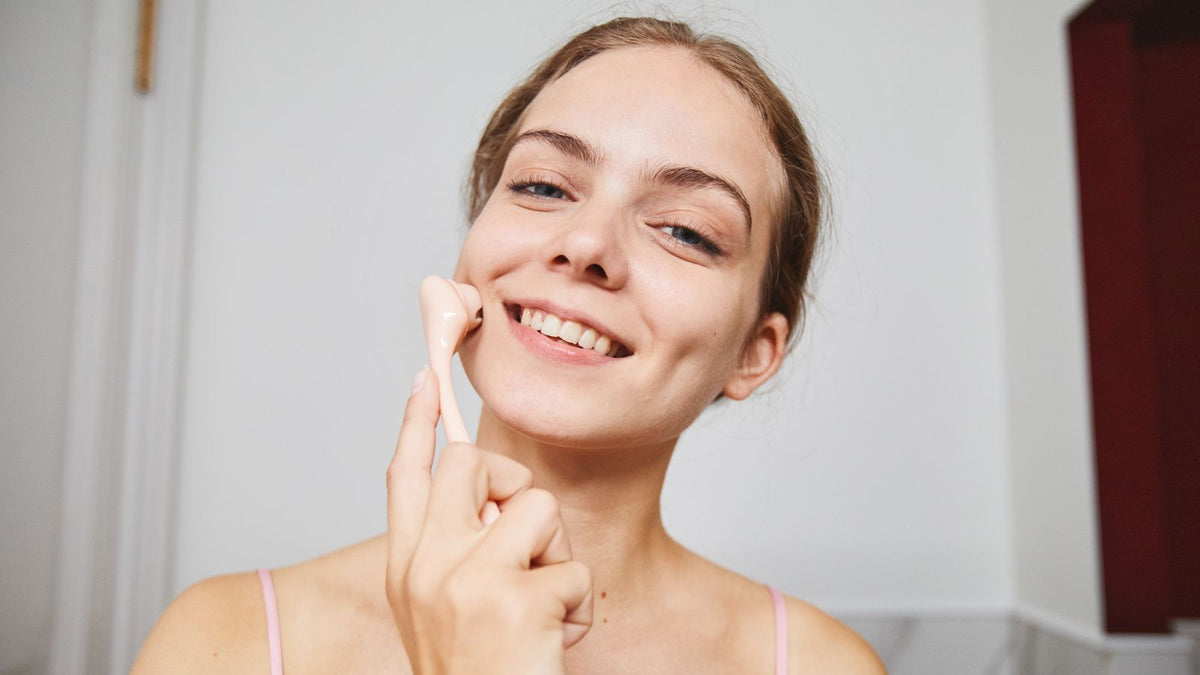
Microneedling for hair loss at home means rolling or stamping very fine needles across the scalp to create controlled micro injury. The published evidence is thin, comes mostly from small studies that combined it with a topical medicine rather than testing it alone, and does not support it as a standalone answer. If you try it, needle length and hygiene matter far more than frequency, and a sore or inflamed scalp is a reason to stop rather than push on.
Our overnight scalp elixir
Grow More® Overnight Scalp Elixir, £25.50. A leave in scalp serum worked into the roots at night, supporting a healthy scalp environment while you sleep.
Key takeaways
- The idea is that controlled micro injury triggers wound healing signals in the skin. That mechanism is real in skin research. Whether it changes hair counts on its own is not established.
- The most cited trial combined microneedling with a standard topical medicine and compared it against that medicine alone. It was small, ran for twelve weeks, and cannot tell you what microneedling does by itself.
- Needle length is the main safety variable. Short devices used gently are low risk. Longer needles used at home are where infection and scarring reports come from.
- Hygiene is not optional. Devices need disinfecting before and after, replacing regularly, and never sharing. A dirty roller on a broken skin barrier is a genuine infection risk.
- Do not do it on an inflamed, flaky, sore or infected scalp, over moles or raised lesions, or if you take blood thinning medication without asking your GP first.
Does microneedling for hair loss at home actually work?
The honest answer is that nobody knows how well it works alone, because almost nobody has tested it alone. The evidence base is small, mostly conducted in clinics rather than bathrooms, and built around combination use.
The most frequently cited study is a randomised evaluator blinded trial published in the International Journal of Trichology in 2013. It enrolled one hundred men with pattern hair loss and compared a standard topical medicine on its own against the same medicine plus weekly microneedling, over twelve weeks. The combination group showed a larger increase in hair count. That is a genuine result and it is also a narrow one: the trial had no microneedling only arm, so it cannot separate what the needling contributed from what the medicine did, and twelve weeks is barely one hair cycle stage. Later work has been similarly small, similarly short and similarly combined.
What the evidence does and does not say
It suggests microneedling may add something when used alongside an existing medical approach, in men with pattern hair loss, under supervision. It does not show that microneedling for hair loss at home works on its own, does not cover women adequately, and says nothing at all about shedding caused by illness, stress or iron levels. Where sources disagree, the disagreement is mostly about how much weight to put on studies this small.

How is microneedling supposed to work on the scalp?
Fine needles create thousands of tiny punctures that the skin then repairs. That repair process involves growth factors, increased local blood flow and changes in gene expression around the follicle, and it is the same mechanism used in dermatology for scarring and skin texture, where the evidence is considerably stronger. The hypothesis for hair is that those same signals reach the follicle and influence the growing phase.
A second proposed mechanism is absorption. Temporarily disrupting the skin barrier lets topically applied substances penetrate further. This is exactly why the combination trials were designed the way they were, and it is also the single biggest safety consideration, because increased absorption applies to anything you put on afterwards, including things that were never intended to reach deeper layers.
Is it safe to do at home, and what needle length?
Short needles used on intact, healthy skin are low risk. Longer ones are not a home procedure. The general pattern in the literature and in dermatology practice is that devices up to around 0.5mm are considered suitable for home use on the scalp, while anything longer belongs with a trained professional using sterile single use equipment.
| Needle length | Typical use | Suitable at home? |
|---|---|---|
| 0.2mm to 0.3mm | Very superficial, mainly comfort and mild stimulation | Yes, low risk, and correspondingly modest expectations |
| 0.5mm | The length most home protocols describe for the scalp | Cautiously, with strict hygiene and no more than weekly |
| 1.0mm and above | Clinic depth, reaches the dermis properly | No. This is where infection, bleeding and scarring reports come from |
| 1.5mm and above | Professional procedures for scarring and skin texture | Never at home under any circumstances |
Longer is not stronger, it is just riskier. The scalp has a rich blood supply and sits directly over bone in places, and needles long enough to cause meaningful bleeding are also long enough to cause damage that does not heal neatly. If you want depth, that is a reason to see a professional, not a reason to buy a longer roller.

What does a sensible at home routine look like?
Less often than you think, and cleaner than you think. A sensible programme of microneedling for hair loss at home is built around giving skin time to repair between sessions, and the most common home mistakes are going too frequently and skipping the hygiene steps.
- Frequency. Once a week at 0.5mm is the outer limit most protocols describe. Every ten to fourteen days is a reasonable and more conservative choice.
- Before. Wash your hair and let the scalp dry completely. Disinfect the device in isopropyl alcohol for several minutes and let it air dry.
- Technique. Work in small sections, four to six light passes in each direction, lifting the roller between directions rather than dragging it round corners. Light pressure throughout. You are aiming for pink, not for blood.
- After. Leave the scalp alone. No actives, no fragranced products, no styling product and no colouring for at least twenty four hours.
- Device care. Disinfect again, air dry, store in its case, and replace it after roughly ten to fifteen uses. Needles blunt quickly and blunt needles tear rather than puncture.
Our step by step guide to cleaning a derma roller properly covers the disinfection routine in detail, and the difference between microneedling and dermarolling explains which device type suits which situation.
Do not apply a medicine straight afterwards
Because microneedling increases absorption, applying a medicated topical to a freshly needled scalp can push far more of it through the skin than intended. If you use anything medicated on your scalp, ask your GP or pharmacist how to space it around microneedling for hair loss at home rather than guessing. Ordinary cosmetic products are best kept to non needling days too.
Get a discount on the scalp care range
Join the Watermans mailing list and we will email a discount code straight to your inbox, so you can try the scalp care range for less. Made in the UK, over 6.5 million bottles sold since 2012.
Who should not do this at all?
Some people should skip it entirely rather than proceed carefully. Do not use a scalp roller if you have an active scalp infection, cold sores or shingles anywhere nearby, psoriasis, eczema or seborrhoeic dermatitis flaring on the scalp, keloid scarring tendencies, poorly controlled diabetes, or if you are taking blood thinning medication or having chemotherapy. Also avoid rolling over moles, warts or any raised or changing lesion. We have a separate guide to hair thinning with diabetes if that is the part you need.
If your scalp is sore, itchy, flaking or inflamed, that is a signal to find out why rather than to puncture it. A scalp condition needs identifying by your GP or a pharmacist first, and needling inflamed skin reliably makes it worse. None of the research behind microneedling for hair loss at home was carried out on scalps that were already irritated.
Hair loss, hair shedding or hair breakage: is this even the right tool?
Microneedling is aimed at one of these three and useless for the other two. Hair loss in the follicular sense means follicles producing progressively finer hair, as in pattern hair loss, and that is the only scenario the microneedling research has looked at. Hair shedding means whole hairs leaving the scalp in unusual numbers after a trigger such as illness, childbirth, crash dieting or low ferritin, and it typically settles by itself within six to nine months. Hair breakage means the strand snapping partway along while the root stays put.
Needling a scalp that is shedding because of low iron or a recent illness will not shorten that episode, and needling a scalp when the real problem is breakage from heat and tension addresses nothing at all. Work out which you have first. Our guides to pattern hair loss and what causes telogen effluvium set out the differences.

What can you use on the days in between?
Keep the routine boring and gentle. Whatever you decide about needling, the scalp does better with mild cleansing and the hair does better with less breakage, and those two things are within anyone's control. Save any leave on product for days when you have not needled, so the skin barrier is intact when you apply it.

Grow More® Scalp Elixir £25.50
A leave on scalp elixir with biotin, caffeine, rosemary, niacinamide and allantoin, aimed at scalp comfort and making lower density areas look fuller. Use it on non needling days, on a dry scalp, not immediately after a session.

Grow Me® Hair Growth Shampoo £14.95
Sulfate free daily shampoo with biotin, caffeine, rosemary and niacinamide. Cleans without stripping, which matters if you are already disrupting the scalp barrier once a week.

Condition Me® Conditioner £13.95
Cholesterol, shea butter and hydrolysed lupine protein for slip, so the comb passes through instead of snapping hair at the mid lengths.
When should you speak to your GP instead of buying a roller?
Before you start, ideally. A GP can check iron levels and thyroid function, both of which are common and easily missed contributors to shedding, and can talk through the medical options for pattern hair loss that actually have a substantial evidence base behind them. Microneedling is not a replacement for finding out what is going on.
Speak to your GP promptly if hair is coming out in smooth round patches, if your scalp is sore, scaly or intensely itchy, if you develop redness, swelling, pus or increasing pain after a needling session, or if hair changes come alongside fatigue, weight change or irregular periods. Any sign of infection after using a device needs seeing quickly rather than waiting. If your question is about products or a routine rather than a medical one, you can talk to Gail Waterman, our co-founder, as an AI avatar on the Watermans homepage.
Important: Watermans products are 100% cosmetic and do not treat medical hair loss. Individual results may vary.
What is the bottom line on microneedling for hair loss at home?
Microneedling for hair loss at home sits in an awkward position: a plausible mechanism, a genuinely interesting but very small evidence base, and almost no data on using it by itself. If you want to try it, stay at 0.5mm or below, go no more often than weekly, disinfect the device before and after, replace it regularly, leave the scalp alone for a day afterwards, and never apply a medicated product straight onto a freshly needled scalp. Get your iron and thyroid checked first, because a blood test explains more shedding than a roller ever will, and keep the rest of your routine gentle so breakage is not quietly undoing your effort. For the wider picture including clinic sessions, needle depths and the infection risk, see what scalp microneedling actually involves. We look at how often to apply a hair product separately, with the practical steps.
Frequently Asked Questions
Does microneedling for hair loss at home really work?
The evidence is limited and mostly comes from small studies that paired microneedling with a standard topical medicine rather than testing it alone. Those studies suggest it may add something in men with pattern hair loss. There is no good evidence that it works by itself, and none covering shedding caused by illness, stress or low iron.
What needle length should I use on my scalp?
Home protocols generally describe 0.5mm as the upper limit, with 0.2mm to 0.3mm as a gentler starting point. Anything from 1.0mm upwards belongs in professional hands with sterile single use equipment. Longer needles are riskier rather than more effective.
How often should I microneedle my scalp?
No more than once a week at 0.5mm, and every ten to fourteen days is a more conservative choice. Skin needs time to repair between sessions, and going more often increases irritation and infection risk without any evidence of extra benefit.
Should it bleed?
No. Pinpoint bleeding is sometimes described as an endpoint in clinic procedures, but at home you are aiming for mild pinkness that settles within a few hours. Bleeding means you are pressing too hard or using needles that are too long for a home setting.
Can I put a serum on straight after microneedling?
Better not to. Needling temporarily increases how much of anything applied passes through the skin, including ingredients only ever intended to sit on the surface. Leave the scalp bare for at least twenty four hours and apply leave on products on the days in between instead.
How do I clean a derma roller properly?
Soak it in isopropyl alcohol for several minutes before and after each use, rinse under hot running water first if there is any debris, then let it air dry fully before storing it in its case. Never share a device, and replace it after roughly ten to fifteen uses because blunt needles tear skin.
Can women use microneedling on the scalp?
Women do use it, but the published studies are overwhelmingly in men with pattern hair loss, so the evidence does not really extend to female pattern hair loss or to menopausal thinning. The safety rules are the same either way, and getting ferritin and thyroid checked first is more valuable.
How long before I would see anything?
The combination studies ran for around twelve weeks before measuring, and hair changes generally take three to six months to become visible because hair grows roughly a centimetre a month. If you see nothing after six consistent months, that is a reasonable point to stop.
When you are ready to put a routine behind the reading, Grow Me hair growth shampoo is the first bottle to reach for.
Sources and References
- Dhurat R et al., A Randomised Evaluator Blinded Study of Effect of Microneedling in Androgenetic Alopecia, International Journal of Trichology, 2013
- NHS: Hair loss
- British Association of Dermatologists (skinhealthinfo.org.uk): Male pattern hair loss
- British Association of Dermatologists (skinhealthinfo.org.uk): Female pattern hair loss
- British Association of Dermatologists (skinhealthinfo.org.uk): Telogen effluvium