Nutrients That Support Hair Strength: What Actually Helps
The nutrients that support hair strength are mostly the ordinary ones: enough protein and calories, iron, zinc, vitamin D and the B vitamins. Hair is one of the first things the body gives up on when supplies run short, which is why deficiency shows in hair before it shows almost anywhere else. The honest catch is that topping up a nutrient you already have enough of does nothing at all.
Our hair, skin and nails gummies
GrowPro® Hair, Skin & Nails Gummies, £22.95. Sugar free daily gummies for people who would rather chew than swallow a tablet, supporting hair care from the inside out.
Key takeaways
- Correcting a genuine shortfall helps. Adding more of something you are not short of does not.
- Iron is the one most often low in the UK, particularly in women with heavy periods.
- Not eating enough protein or enough calories overall affects hair faster than any single micronutrient.
- A blood test through your GP is the only way to know what is actually low. Guessing is expensive and can backfire.
- Too much of some nutrients, notably vitamin A and selenium, is itself a cause of hair loss.
- Food first. Supplements are for filling a confirmed gap, not for insurance.
Which nutrients that support hair strength actually matter?
A short list does most of the work, and it is less exotic than the supplement aisle suggests. Hair is made largely of keratin, a protein, and it is produced by some of the fastest dividing cells in the body. That combination makes the follicle unusually sensitive to protein supply, to overall energy intake, and to the handful of minerals and vitamins involved in cell division and oxygen transport.
| Nutrient | Why hair cares | Good food sources | Most likely to be short |
|---|---|---|---|
| Protein | Hair is keratin, a protein. Low intake limits the raw material | Eggs, dairy, fish, meat, beans, lentils, tofu | People dieting hard or eating very little |
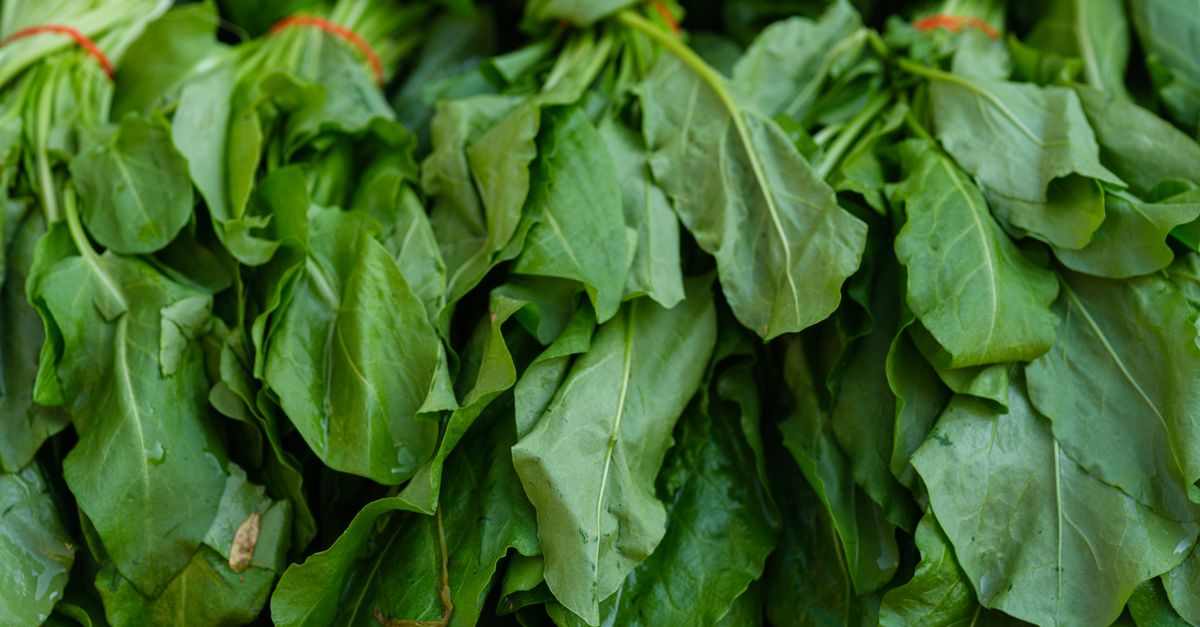
| Iron | Carries oxygen to fast dividing follicle cells | Red meat, lentils, beans, fortified cereal, spinach | Women with heavy periods, vegetarians, vegans |
| Zinc | Involved in cell division and protein synthesis | Shellfish, meat, seeds, nuts, wholegrains | Restricted diets, some gut conditions |
| Vitamin D | Has a role in the follicle cycle | Oily fish, eggs, fortified foods, sunlight | Almost everyone in the UK in winter |
| B12 and folate | Needed for red blood cell and new cell production | Meat, dairy, eggs, leafy greens, pulses | Vegans, older adults, some gut conditions |
| Biotin | Genuinely essential, and genuinely rare to be short of | Eggs, nuts, seeds, salmon, sweet potato | Very few people. Deficiency is uncommon |

Biotin deserves a special mention because it is the most heavily marketed and the least often needed. It is genuinely essential, but deficiency is rare in people eating a normal mixed diet, and the reviews that have looked at supplementing it in people who are not deficient have not found a measurable benefit for hair. We go into that in more detail in our guide to liquid biotin for hair.
Does food or a supplement matter more?
Food matters more for almost everyone, and it is where most of the nutrients that support hair strength are meant to come from. The reason is simple and unglamorous: most people who have a hair related nutritional problem are not short of one exotic micronutrient, they are eating too little overall. Rapid weight loss, very low calorie diets, missed meals and restrictive eating patterns affect hair reliably, and no capsule compensates for an energy deficit. The body will not spend resources on hair while it is short of what it needs for everything else.
Where food genuinely cannot close the gap, a supplement is sensible. Iron deficiency usually needs a supplement rather than more spinach, and it should be taken on GP advice because the amount matters and iron interacts with other things. Vitamin D is the other reasonable exception in the UK, where sunlight is insufficient through the winter and supplementation is officially advised for the general population.

What does not work is the scattergun approach of taking a hair vitamin containing twenty ingredients in the hope that one of them was the missing piece. If you were short of iron, a multivitamin with a token amount of iron will not correct it. If you were not short of anything, the whole thing is an expensive way to produce well nourished urine.
How do you know which nutrients you are actually low in?
A blood test through your GP is the only reliable answer, and it is worth asking for rather than guessing, because the symptoms of the common shortfalls overlap almost completely. Tiredness, feeling cold, brittle nails and increased hair shedding could point to iron, thyroid, B12 or simply not eating enough, and no amount of reading will separate those from the outside.
The tests generally worth asking about are full blood count, ferritin, thyroid function, vitamin D and, if your diet is restricted or you are over sixty, B12 and folate. Ferritin is the one most often overlooked, because it measures stored iron and can be low while a standard full blood count still looks normal. Ask for the actual numbers rather than just being told they are fine, since normal ranges are wide.

Go in with specifics. Note when the shedding started, what changed in the two to three months before that, your periods if relevant, any diet changes, and any other symptoms. Our article on a sudden increase in hair shedding explains why that three month window matters so much, and what causes telogen effluvium covers the nutritional triggers in more depth.
Get a discount on your next order
Join the Watermans mailing list and we will email a discount code straight to your inbox. Made in the UK, over 6.5 million bottles sold since 2012.
Can taking too much of a nutrient harm your hair?
Yes, and this is the part the supplement aisle never mentions. Excess vitamin A is a recognised cause of hair loss, and it accumulates in the body because it is fat soluble, so a high dose taken daily for months is a genuine risk rather than a theoretical one. Selenium is the other well documented example, where too much causes hair loss and brittle nails, and the gap between a useful amount and a harmful one is narrower than for most nutrients.
Excess zinc causes its own problem indirectly, by interfering with copper absorption. Iron taken without a confirmed shortfall is not benign either, since the body has no easy way to get rid of surplus iron. The general point is that the nutrients that support hair strength are not vitamins in the folk sense of harmless and more is better. They are substances with a useful range, and both ends of that range have consequences.
This is the honest argument for testing before supplementing rather than after. If you are low, correcting it may genuinely change what your hair does over the following months. If you are not, you are paying for a small risk and no benefit.
What about protein, calories and crash dieting?
Undereating affects hair more predictably than any single micronutrient, and it outranks all the individual nutrients that support hair strength as a practical cause. When intake drops sharply, the body reduces spending on functions it can survive without, and growing hair is high on that list. The result is a diffuse shedding that typically appears two to three months after the diet started, by which time most people have stopped connecting the two.
Protein specifically matters because hair is made of it. Most people in the UK eating a varied diet get enough without thinking about it, but very restrictive eating, poorly planned vegan diets, and the aftermath of weight loss surgery are all situations where intake can genuinely fall short. Spreading protein across meals rather than loading it into one is the practical advice, and it costs nothing to do.
If you are losing weight deliberately, the hair friendly version is slow, with adequate protein and without cutting whole food groups. Rapid loss is the pattern most associated with shedding afterwards. That is not an argument against losing weight, it is an argument for doing it at a pace the rest of the body can keep up with.

GrowPro® Hair, Skin and Nails Gummies
Sugar free vegan gummies with biotin, zinc, MSM, bamboo silica and vitamins C, D3, E, B3 and B12. Worth being straight about what this is for: nutrients contribute to the maintenance of normal hair, so this helps if your intake is short. If your bloods come back fine, it is not going to add anything, and we would rather you knew that before buying. For the practical side of getting those nutrients in when you can barely eat, see how to eat for your hair on a small appetite.
On the outside of the hair, the job is different and much narrower. Once a hair has left the follicle it is not alive and cannot be fed, so nothing applied to it changes its nutritional status. What a good conditioner such as Condition Me® Hair Growth Conditioner does is reduce breakage and make detangling easier, so you keep more of the length you have grown. That is worth having alongside sorting the diet out, and it is a different mechanism entirely.
Watermans products are 100% cosmetic and do not treat medical hair loss. Individual results may vary. Watermans is a UK made and cruelty free brand, with over 6.5 million bottles sold since 2012.
Frequently asked questions
Which nutrients that support hair strength should I take first?
None of them, until you know what you are low in. The one exception in the UK is vitamin D through the autumn and winter, which is advised for the general population. For everything else, a blood test comes before the purchase.
How long before better nutrition shows in my hair?
Expect three to six months. Correcting a shortfall affects hair that is about to be produced, not hair already grown, and new hair needs months to become long enough to see. Nothing about nutrition works faster than the hair cycle allows.
Is biotin worth taking for hair?
Only if you are genuinely deficient, which is uncommon. Reviews of supplementing biotin in people with normal levels have not found a measurable hair benefit. High dose biotin can also interfere with some blood tests, including thyroid ones, so mention it if you are having bloods taken.
Can a vegan diet cause hair problems?
It can if it is poorly planned, mainly through iron, B12 and sometimes protein or zinc. A well planned vegan diet with fortified foods and a B12 supplement is not a problem for hair. The issue is planning rather than the diet itself.
Does drinking more water help hair?
Not beyond ordinary hydration. Hair that has left the follicle is not alive and does not draw moisture from what you drink. Dehydration is bad for you generally, but drinking extra water is not a hair strategy.
Are hair vitamins a waste of money?
They are if you are not short of anything, and useful if you are. The problem with most hair vitamins is that they contain small amounts of many nutrients, so they neither correct a real deficiency properly nor do anything if there was not one.
My bloods are normal but my hair is still shedding. What now?
Normal bloods make nutrition an unlikely explanation, so look at the three to six months before the shedding started for illness, stress, weight loss or childbirth. If it continues past six months or comes with a sore, scaly or scarred scalp, go back to your GP. If your question is about products or a routine rather than a medical one, you can talk to Gail Waterman, our co-founder, as an AI avatar on the Watermans homepage.
What is the bottom line on nutrients that support hair strength?
The nutrients that support hair strength are protein, calories, iron, zinc, vitamin D and the B vitamins, and the only ones worth supplementing are the ones a blood test shows you are short of. Eat enough, get ferritin and thyroid checked before you spend anything, be wary of high doses of vitamin A and selenium, and give any correction three to six months before judging it. If the bloods come back normal, the answer is somewhere other than the supplement aisle, and looking there will save you both money and time.
If you want to support it from the inside as well as the outside, our hair vitamins are the easy step. Vegan, made in the UK.
Sources & References
- NHS, Vitamins and minerals, on what each nutrient does, food sources, the UK vitamin D advice for autumn and winter, and the harms of taking too much of the fat soluble vitamins.
- NHS, Iron deficiency anaemia, on causes including heavy periods and restricted diets, on testing, and on why iron supplements should be taken on medical advice.
- NHS, Hair loss, on temporary hair loss following weight loss, illness and iron deficiency, and on when to see a GP.