Trichologists Croydon Near Me: What a Bald Patch Means and Who to See First
Found a smooth, coin-sized bald patch, or a gap in your beard or brows? Here is what it means and who to see first.
If you searched for trichologists Croydon near me because you found a round bald patch, see your own GP first. A smooth, coin-sized patch on the scalp, beard or brows is most often alopecia areata, an autoimmune condition in which the hair often grows back on its own within a year. Scaling, broken hairs, soreness, pus or shiny scarred skin point to other causes that need a doctor promptly. A registered trichologist can then add close checks, photo tracking and gentle care advice.
Key takeaways
- A smooth, round patch that is not red or scaly is most often alopecia areata, which NICE says has a lifetime risk of around 2%.
- A scaly, itchy patch with broken hairs may be a fungal infection, which the NHS says needs a GP, not just a pharmacy product.
- Shiny, scarred-looking skin, pain, pus or fast-spreading patches are urgent reasons to see your GP.
- A registered trichologist adds close checks, styling advice and photo tracking, but medicines and NHS referral stay with your GP.
- Before booking any of the trichologists Croydon near me searches list, check the Institute of Trichologists or Trichological Society directories.
What is a round bald patch on the scalp most likely to be?
A round, smooth bald patch on the scalp, beard or eyebrows is most likely alopecia areata, an autoimmune condition that attacks growing hair follicles, although a fungal infection, tight hairstyles, hair pulling or a scarring condition can leave a similar-looking patch.
NICE puts the lifetime risk of alopecia areata at around 2%, and a 2022 UK study of 4.16 million people found that onset peaked between the ages of 25 and 29. The skin inside the patch, the hairs at its edge and how fast it changes are what separate the causes.
| Possible cause | What the patch looks like | Other clues | First step |
|---|---|---|---|
| Alopecia areata | Smooth, round or oval, normal-looking skin, not scaly | Short tapering hairs at the edge, nail pits, beard or brow patches | Your GP |
| Fungal scalp infection (tinea capitis) | Scaly, itchy patch with broken hairs or black dots | Redness, crusts, pus or a painful swelling; someone at home or a pet affected | Your GP, promptly |
| Traction from tight styles | Thin or bare strip at the hairline, temples or where hair is pulled | Short broken hairs, sore bumps, a fringe of hair left at the very edge | Loosen styles; GP if it persists |
| Hair pulling (trichotillomania) | Irregular shape, often one side more than the other | Stubbly hairs of different lengths; brows or lashes may be affected | Your GP, for support |
| Scarring conditions, such as lichen planopilaris | Smooth, shiny or white skin with no visible follicle openings | Redness and scale around hairs at the edge; itch, pain or burning | Your GP, urgently |
Our guide to what alopecia areata is and how it behaves covers the commonest cause in depth.
Is a bald patch hair loss, shedding or breakage?
A bald patch can be true hair loss, where the follicle stops making hair, shedding, where the growth cycle releases whole hairs early, or breakage, where the hair fibre snaps, and each of the three points to a different cause and a different first step.
The NHS says losing 50 to 100 hairs a day is normal, and shedding is usually spread across the scalp rather than gathered into one patch.
- Hair loss. Hairs have left the root and are not yet being replaced, as in alopecia areata and scarring conditions.
- Shedding. Full-length hairs with a small pale bulb fall from all over, often months after an illness; see our Derby guide to shedding after illness.
- Breakage. Short snapped stubs stay in the skin, as with scalp ringworm, tight styles or hair pulling.
The edge check
Zoom your phone camera on the border of the patch in daylight. Short hairs tapering towards the scalp suggest alopecia areata; scale, black dots or crusts suggest infection; stubble of mixed lengths suggests pulling or breakage. Show your GP what you see.
What does alopecia areata look like, and will the hair grow back?
Alopecia areata usually starts as one or more smooth, coin-sized bald patches that are not red or scaly, and the British Association of Dermatologists says that for four out of five people with limited hair loss the hair grows back completely within a year, although new patches can appear later on.
NICE is more cautious, putting recovery within a year at up to half of affected people. Both agree that less hair lost at the start means a better outlook, and the BAD puts the chance of full recovery at about 1 in 10 when more than half the scalp hair goes early.
- Where it shows. NICE says the scalp and beard are most often affected, and the eyebrows and eyelashes less often.
- Nails. Estimates of nail pitting or ridging vary widely: NICE says 10 to 15% of people, DermNet 10 to 40% and Alopecia UK up to 50%.
The UK study found higher rates in people of Asian ethnicity and in urban areas, though several of its authors worked for a drug company. The BAD links alopecia areata with thyroid disease and with anxiety and depression, so tell your GP how the patch makes you feel.
Could a scaly, itchy patch be a fungal scalp infection?
A scaly, itchy patch with broken hairs could be tinea capitis, a contagious fungal infection also called scalp ringworm, and the NHS advises seeing a GP, because scalp ringworm usually needs antifungal tablets and a medicated shampoo that a GP arranges. An itchy scalp with no bald patch can simply be product residue, as our Woking guide to dry shampoo build-up and an itchy scalp explains.
The BAD says tinea capitis is commonest in children but affects adults too, spreading through close contact, shared combs, hats and towels, and pets. It can mimic dandruff, eczema or alopecia areata, a laboratory culture can take up to six weeks, and left alone it can cause permanent scarring and hair loss.
- Signs to act on quickly. Pus-filled spots, yellow crusts, matted hair or a painful, soft, boggy swelling, sometimes with fever or swollen glands in the neck.
- Protect the household. The BAD advises not sharing combs, hats, towels or helmets, washing bedding, towels and hats at 60°C, and skipping the hairdresser until it clears.
Can tight hairstyles or a hair-pulling habit leave bald patches?
Tight hairstyles and a hair-pulling habit can both leave bald patches: DermNet describes traction alopecia as hair loss from prolonged tension on the hair, and the NHS says trichotillomania can leave oddly shaped patches, often worse on one side of the head.
DermNet names tight buns, cornrows, braids, weaves and extensions among the causes of traction, and notes that follicles survive early on but prolonged tension can destroy them, so loosen styles quickly. Our Bradford guide to textured hair and traction covers the styling side.

Hair pulling is nothing to be ashamed of. DermNet estimates it affects up to 4% of people, and the NHS says it can involve the beard, brows and lashes and often happens without thinking. Your GP can check for a skin infection and refer you for habit reversal training, a form of talking therapy. If the thinning sits mostly on one side of your head, our Taunton guide to hair thinning on one side explains the everyday habits that usually cause it and the signs that need a GP.
What do scarring patches look like, and why are they urgent?
Scarring patches look smooth, shiny, white or reddened, with no visible follicle openings, and they are urgent because conditions such as lichen planopilaris destroy hair follicles permanently, so a dermatologist needs to see them early, before more hair is lost for good.
DermNet describes lichen planopilaris as uncommon, mostly affecting young adult women, with redness and scale around the hairs at the edge of a patch and sometimes itch, pain or burning. Severe fungal infection and years of traction can also end in scarring.
See your GP soon, not later, if you notice
Shiny or scarred-looking skin; pain, burning or tenderness; pus, crusts or a soft swelling; scaling with broken hairs; fever or swollen neck glands; patches that spread or join up within weeks; or loss of eyebrows and eyelashes alongside scalp patches.
When should you see your GP before trichologists Croydon near me?
See your GP before searching for trichologists Croydon near me whenever you find a smooth bald patch, and do so promptly if the skin is scaly, sore, red, crusted, weeping or shiny, if patches spread or merge quickly, or if you feel unwell, because those signs point towards infection or scarring.
The NHS advises seeing a GP about the cause before thinking about a commercial hair clinic. NICE guidance says your GP should check the extent of loss, your nails, beard, brows and lashes, family history and how the loss affects you, and can refer you to NHS dermatology if the cause is uncertain.

NICE also lists simply waiting when hair is already coming back, alongside medicines a GP or dermatologist can discuss, camouflage, wigs and support from Alopecia UK.
What can a trichologist add for bald patches, and what can they not do?
A registered trichologist can add a close look at the scalp, a detailed history of your styling and habits, photo tracking and camouflage advice, but a trichologist is not a doctor, so medicines, blood tests and NHS referral stay with your GP.
The Institute of Trichologists runs a two and a half year Level 5 course with 126 hours of hands-on practice. That training is most useful once medical causes are checked and you want someone to follow a patch over time or advise on styling around it.
| Who | Best for | What they cannot do |
|---|---|---|
| Your GP | First look at any patch, infection checks, blood tests, NHS referral, medicines | Long styling or camouflage sessions |
| NHS dermatologist | Uncertain, extensive or scarring patches and specialist options | See you on the NHS without a GP referral |
| Registered trichologist | Close checks, habit and styling advice, photo tracking, camouflage tips | Supply medicines or arrange NHS referral |
| Alopecia UK | Support groups, wig information, self-advocacy help | Examine your scalp |
Get a discount on the fuller-looking hair range
Join the Watermans mailing list and we will email a discount code straight to your inbox, so you can try the fuller-looking hair range for less. Vegan, made in the UK, over 6.5 million bottles sold since 2012.
How do you find a qualified trichologist near Croydon?
Finding a qualified trichologist near Croydon starts with the Institute of Trichologists Find a Trichologist register or the Trichological Society, rather than the first search advert, because a professional directory lets you confirm training and membership before you pay for a visit about a bald patch.
The Institute's register is accredited by the Professional Standards Authority, which is accountable to Parliament, and the Trichological Society has run trichology courses for over 25 years. Before booking one of the trichologists Croydon near me listings, run these checks:
- Check the register. Search the practitioner's name on either directory.
- Ask about your GP. A good trichologist wants to know what your GP found and sends you back if a patch looks infected or scarred.
- Get the fee first. Ask what the first visit includes, in writing.
- Be wary of promises. Walk away from anyone who promises a patch will fill in or sells a long product course on day one.
How do you photo-track a bald patch at home?
Photo-tracking a bald patch at home means taking the same close-up every two to four weeks, in the same light and from the same distance, with a coin beside it for scale, so you and your GP can see whether it is spreading or filling in.
NICE asks GPs to judge the extent of hair loss, and dated photos show that better than memory. Alopecia UK points people to a free app, Onballa, with a hair gallery for tracking changes over time.

- Fix the setup. Same room, same window light, same phone distance, no flash.
- Add scale. Hold a coin next to the patch, then take one wide photo and one close-up of the border.
- Check beyond the scalp. Photograph your brows, beard line and nails too.
- Write it down. Note the date, any new patches, and any itch, pain or scale.
How can you care for and cover a patch in the meantime?
Caring for and covering a patch in the meantime means handling the surrounding hair gently, protecting bare skin from the sun and using camouflage such as hair fibres, a new parting or soft styles, all options the British Association of Dermatologists describes.
The BAD says hair fibres or cosmetics can camouflage hair loss, bald patches need sun block or a hat, and extensions should go in without too much tension. Brow pencils, eyebrow stickers and microblading can fill gaps in the brows.
- Move the parting. A side or zigzag parting often hides a small patch.
- Style softly. Use loose styles and soft scrunchies, and never pull hair tight over the patch.
- Detangle gently. Condition, then comb from the ends upwards so fragile hair around the edge snaps less.
Fibres need hair to hold on to
Hair building fibres cling to existing hairs, so they suit a thin parting or the edges of a patch. A completely smooth patch gives them nothing to grip, so a parting change, a hat, a scarf or a hairpiece covers it better.

A 23g cosmetic concealer whose fibres cling to existing hairs so a thin parting or the edges of a patch look fuller. It washes out with your next shampoo and does nothing to the patch itself, so use it alongside your GP's advice.

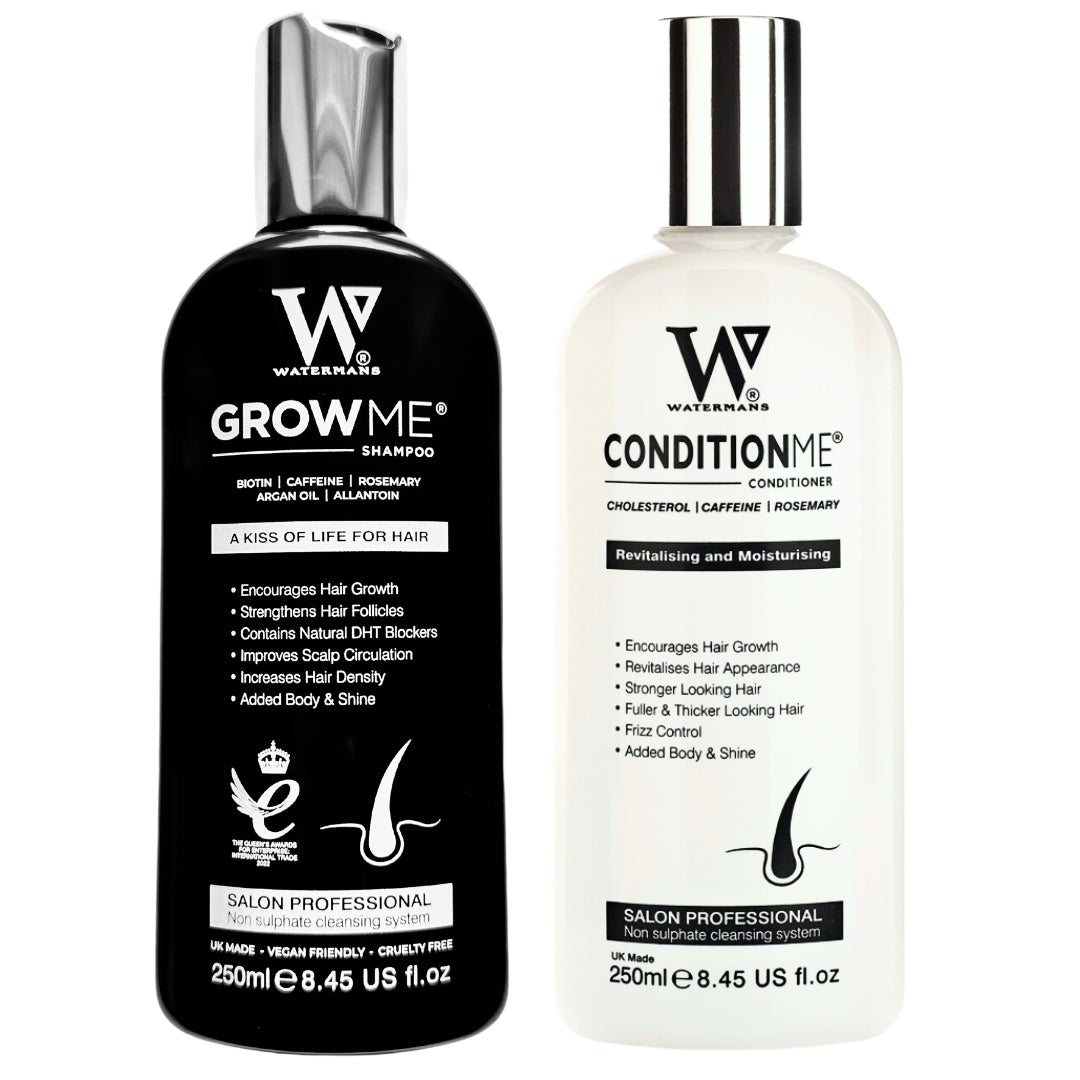
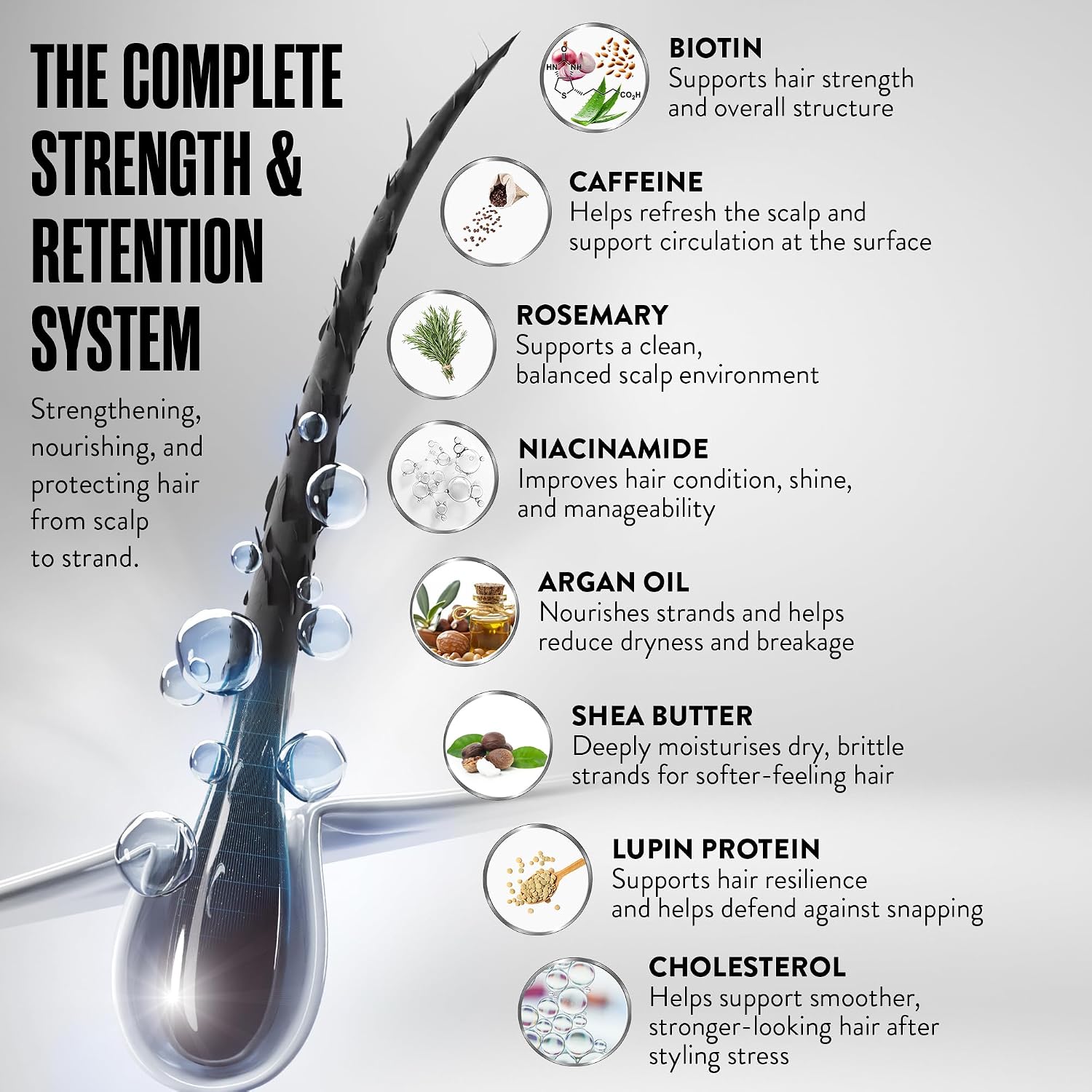
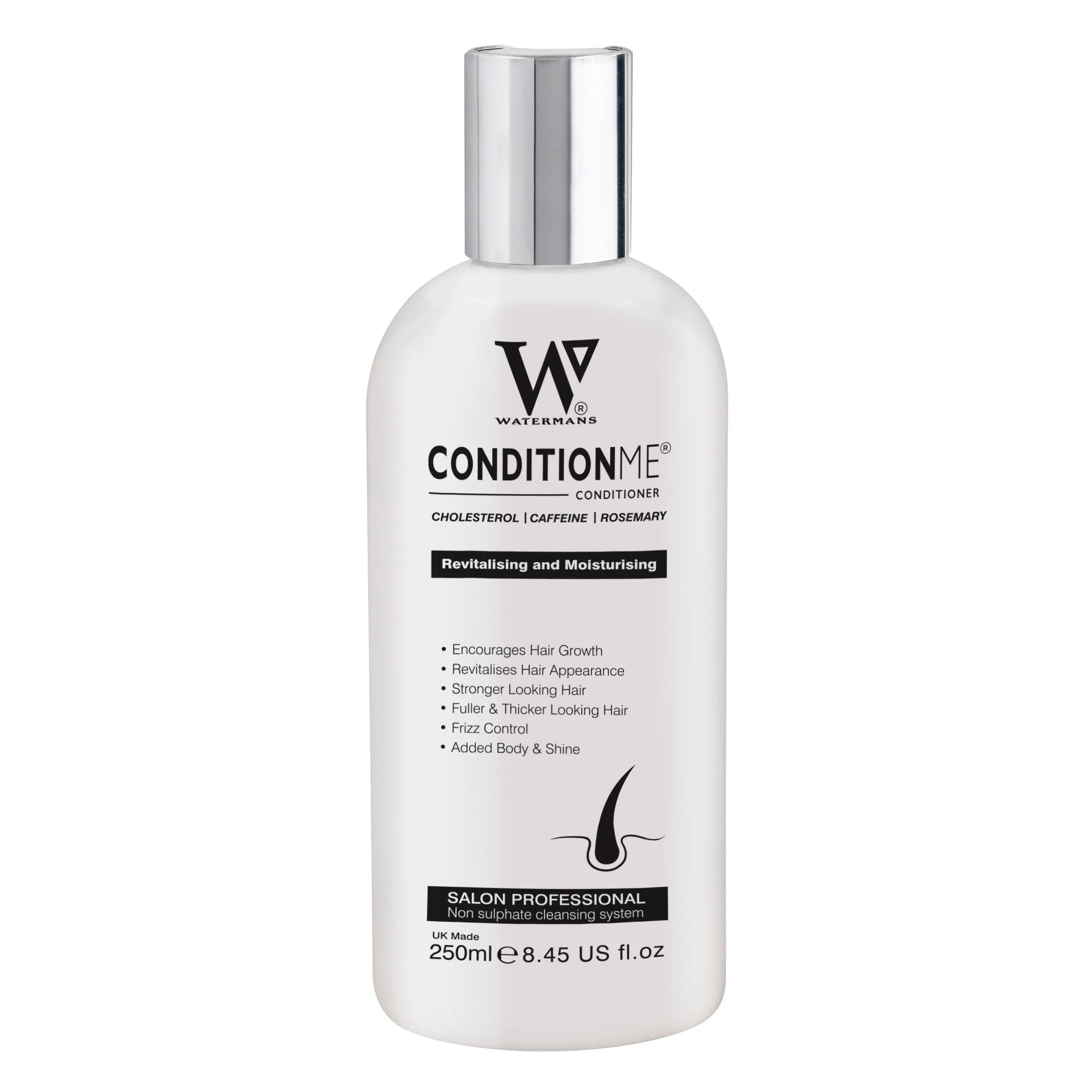
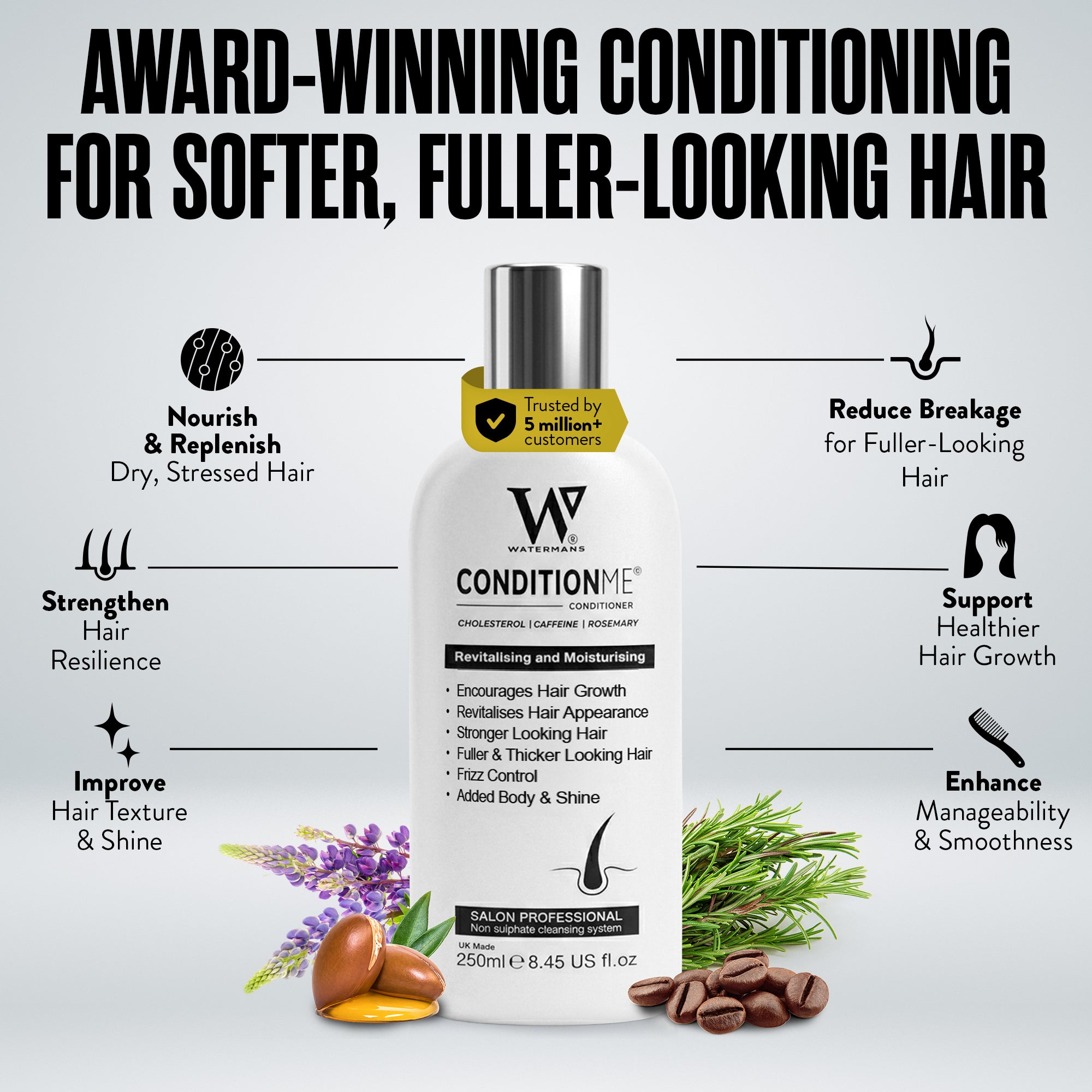
An everyday conditioner with cholesterol, shea butter, glycerin and hydrolysed lupine protein. It is general hair care and not a fix for patches: it adds slip so the fragile hair around a patch snaps less when you comb it, which reduces breakage.
For more ways to disguise sparse areas, our Plymouth guide to covering thin areas walks through fibres, partings and cuts step by step.
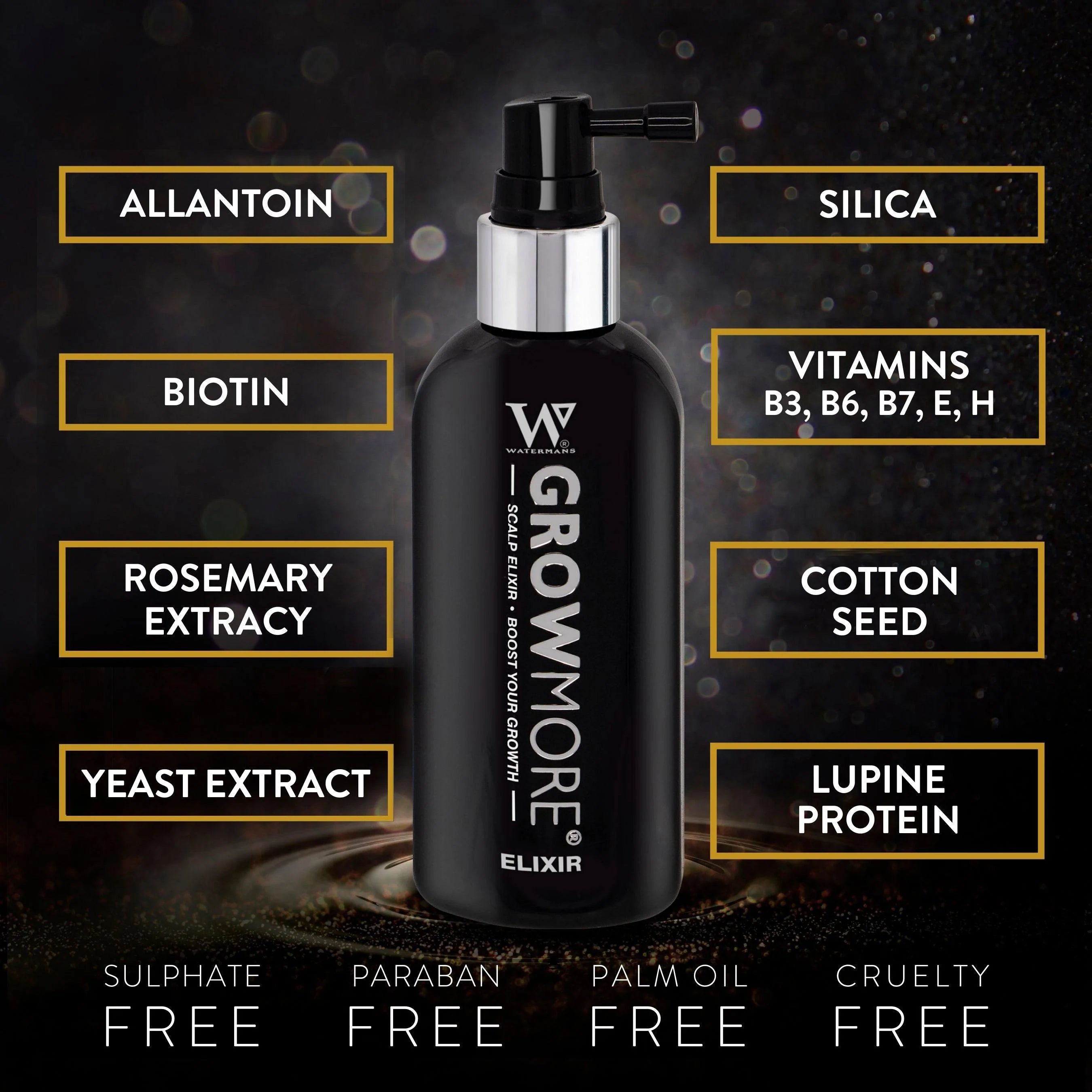
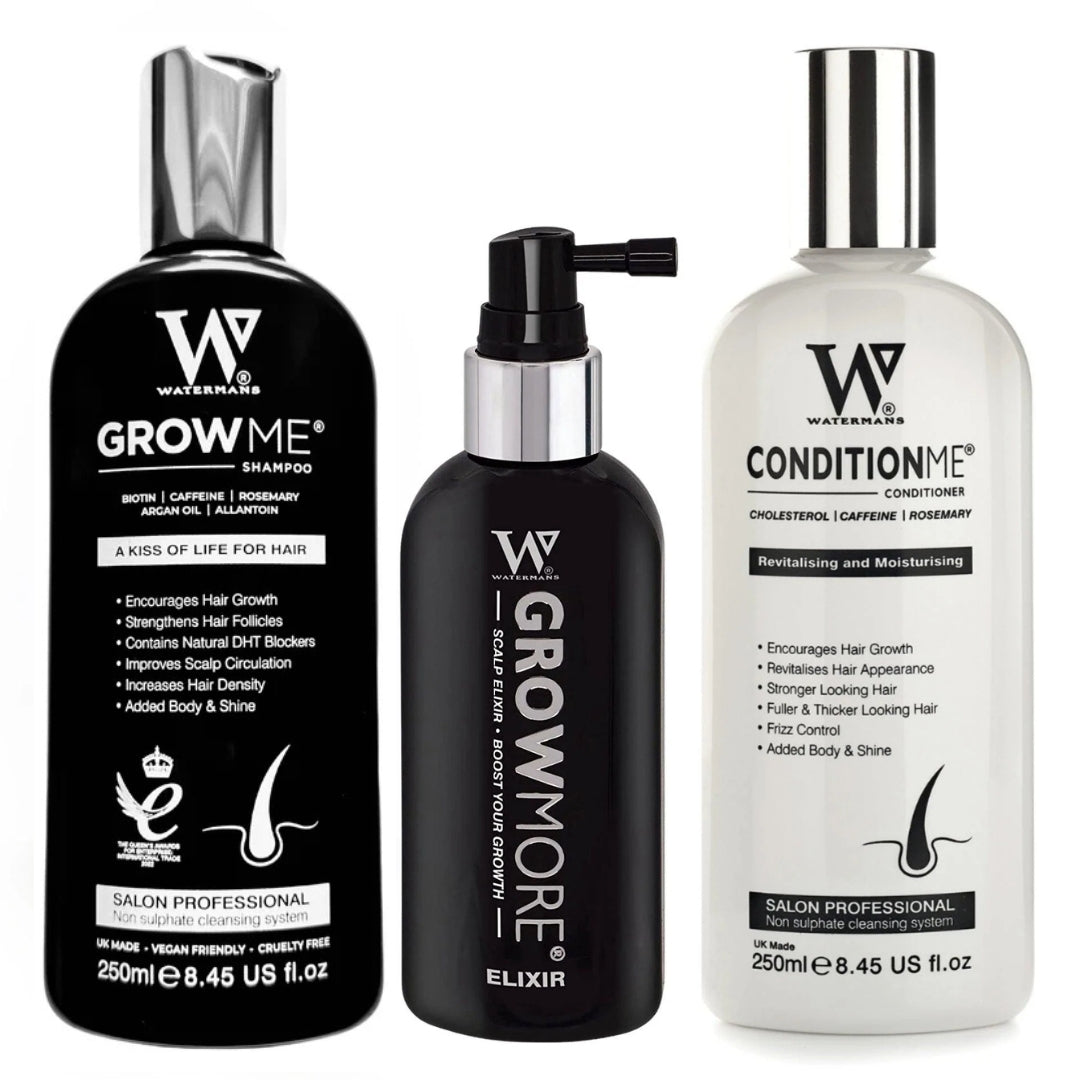
We sell hair care, so weigh our view accordingly. Watermans hair care is vegan apart from Condition Me conditioner, made in the UK, with over 6.5 million bottles sold since 2012. They are cosmetic: they help hair look fuller and reduce breakage, and none of them changes what is happening inside a bald patch.
Frequently asked questions
Should I look for trichologists Croydon near me or see my GP about a bald patch?
See your GP first. A smooth round patch is most often alopecia areata, but infection and scarring conditions can look similar and need a doctor. Once your GP has checked it, a registered trichologist can add close checks, styling advice and photo tracking. Use the Institute of Trichologists register to find one.
Will a bald patch from alopecia areata grow back?
Often, yes. The British Association of Dermatologists says four out of five people with limited loss see complete growth within a year, while NICE puts recovery within a year at up to half. New patches can appear later, and the outlook is poorer when more than half the scalp hair goes early.
Is a bald patch contagious?
Alopecia areata is not contagious, the British Association of Dermatologists says. A fungal scalp infection is, spreading through close contact, shared combs, hats and towels, and pets. If a patch is scaly, itchy or has broken hairs, see your GP and avoid sharing combs, hats or towels until it has been checked.
Can stress cause bald patches?
The evidence is mixed. The British Association of Dermatologists lists stress among suggested triggers for alopecia areata but says the link may be coincidental. DermNet reports a French study in which 65% of respondents blamed stress. Stress can also drive hair pulling, so mention any habit to your GP.
Do bald patches in the beard or eyebrows mean the same thing?
Often. NICE says alopecia areata most commonly affects the scalp or beard, and less often the eyebrows and eyelashes. A fungal infection can also affect the beard, and the NHS says hair pulling can involve the beard, brows and lashes. Show your GP every area affected, not just the scalp.
Can I get a wig on the NHS for alopecia?
Some wigs are available on the NHS, though you may have to pay unless you qualify for help. The NHS says synthetic wigs last 6 to 9 months and real-hair wigs 3 to 4 years. Alopecia UK and the British Association of Dermatologists publish a charter on NHS wig provision.
Sources & references
- NHS, Hair loss
- NHS, Ringworm
- NHS, Trichotillomania (hair pulling disorder)
- NICE Clinical Knowledge Summaries, Alopecia areata
- British Association of Dermatologists, Alopecia areata
- British Association of Dermatologists, Tinea capitis
- DermNet, Alopecia areata
- DermNet, Tinea capitis
- DermNet, Traction alopecia
- DermNet, Trichotillomania
- DermNet, Lichen planopilaris
- Alopecia UK, Understanding alopecia areata
- Harries M et al. The epidemiology of alopecia areata: a population-based cohort study in UK primary care. Br J Dermatol, 2022
- The Institute of Trichologists, Find a Trichologist
- The Trichological Society
What is the bottom line on trichologists croydon near me?
A smooth, round bald patch is most often alopecia areata, which frequently fills in on its own, but scaly, sore, crusted or shiny patches can be infection or scarring and need your GP promptly. Before you book any of the trichologists Croydon near me searches turn up, see your GP, then choose a registered practitioner for close checks, photo tracking and styling advice.
For a thin parting or the edges of a patch while you wait, hair building fibres such as our 23g concealer cling to existing hairs to make the area look fuller, then wash out with your next shampoo.
Watermans products are 100% cosmetic and do not treat medical hair loss. Individual results may vary.