Trichologist Taunton: Why Is My Hair Thinning on One Side?
One side of your hair looking flatter or sparser than the other is common, and the cause is often your pillow.
If you are searching for a trichologist Taunton because your hair is thinning on one side, check your everyday habits first. Sleeping on the same side, always parting the same way, a side ponytail, a headset or bag strap, and heat styling one side more can all leave that side broken and sparse. A smooth round bald patch, broken hairs with scaling, redness, pain, pulling hairs out or a sudden change needs your own GP first.
Our heat protection spray
Protect Me® Heat Protection Spray, £13.95. A leave in spray that shields hair from heat styling, helps control frizz and keeps colour looking fresher for longer.
Key takeaways
- The NHS says we can lose between 50 and 100 hairs a day, so a few strands on one side of the pillow are ordinary on their own.
- Breakage (snapped lengths), shedding (whole hairs released by the growth cycle) and hair loss (a change in the follicle) look different, and one-sided habits mostly cause breakage.
- The British Association of Dermatologists links tight ponytails, hair clips and tight head scarves with traction alopecia, which can recover if the pulling ends early but can become permanent.
- The NHS says hair-pulling patches may affect one side of the head more than the other, so a sparse side you keep touching is a reason to speak to your GP.
- Save a trichologist Taunton search for breakage that carries on after about three months of evened-out habits, once your GP has looked at anything medical.
Why is my hair thinning on one side?
Hair usually thins on one side because that side takes more daily wear than the other: you sleep on it, part your hair over it, tie a ponytail towards it, rest a headset or bag strap against it, or give it more heat and brushing, so its lengths snap and look sparser.
Most of these habits cause breakage rather than true hair loss. The NHS says we can lose between 50 and 100 hairs a day, often without noticing, so some hair on one side of the pillow or brush is normal. What matters is whether the thinner side has short, snapped pieces, a changed scalp, or both.
A small difference between the two sides is also normal. Few heads are perfectly symmetrical, and the crown whorl, the spiral where hair fans out at the top of the head, turns one way, so hair tends to fall and part more easily to one side. For a wider self-check of every kind of thinning, including gradual thinning across the top, see our guide to why hair thins and what the pattern tells you. Readers nearer Merthyr Tydfil may find our guide to planning a trichology trip from Merthyr Tydfil more useful.
Is thinning on one side hair loss, shedding or breakage?
Thinning on one side can be any of three different things: hair breakage, where the fibre snaps along its length; hair shedding, where whole hairs fall out at the end of their growth cycle; or hair loss, where the follicle itself changes, and each one needs a different response.
- Hair breakage. Short, uneven pieces with no bulb at either end, gathered around the parting, the nape or wherever a strap, band or elastic rubs. The follicle is untouched and keeps growing, but the lengths on that side look thinner.
- Hair shedding. Full-length hairs with a small, pale bulb at the root. Shedding usually shows across the whole scalp rather than on one side, because the growth cycle runs in every follicle.
- Hair loss. The scalp itself looks different: a smooth patch, a thinning edge where hair is pulled, or thinning that spreads. The British Association of Dermatologists (BAD) describes alopecia areata as small, coin-sized, round patches of baldness.
| What you notice | Breakage | Shedding | Hair loss |
|---|---|---|---|
| Hairs you find | Short fragments, blunt or frayed ends | Whole hairs with a small bulb | Often few; the change shows on the scalp |
| Where | The side that is rubbed, tied or heated | All over, not one side | A patch, an edge or a widening area |
| Scalp | Looks normal | Looks normal | May be smooth, red, scaly or shiny |
| First step | Even out your habits for three months | Usually settles; GP if heavy or ongoing | Speak to your own GP |
A quick way to tell them apart is to collect the loose hairs from the thinner side for a week, lay them on white paper and sort them into full-length hairs with a bulb and short pieces without one. A pile of mostly short pieces points to how that side is handled, not to your follicles.
Can the side you sleep on make your hair thinner on that side?
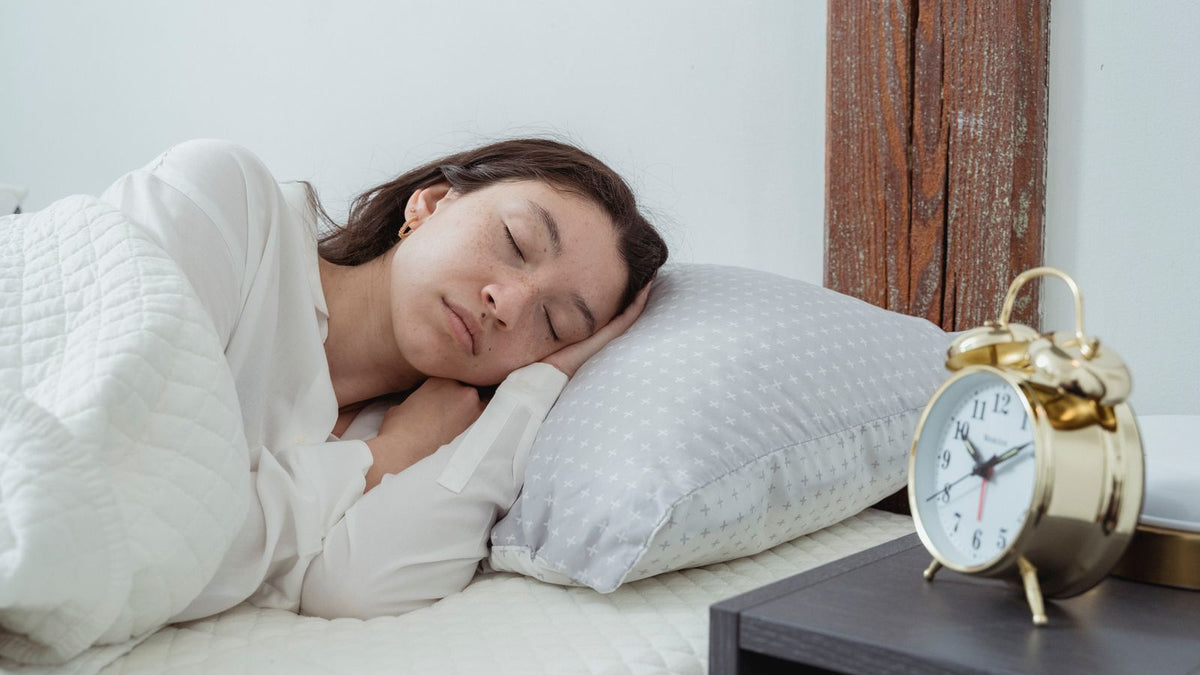
Sleeping on the same side every night can make hair on that side look thinner, because your head turns and presses on the same lengths for hours at a time, and that repeated rubbing against a pillowcase roughens the cuticle, tangles the ends and snaps weaker strands, which shows up as breakage rather than hair loss.
A 2015 review of hair cosmetics in the International Journal of Trichology describes weathering, the gradual wear of the hair shaft from root to tip caused by daily grooming, and says it contributes to tangling and frizz. The same review says friction from everyday grooming can disrupt the layers that hold the fibre together. A night on one side adds a small dose of that wear to the same lengths, around 365 times a year.
Wet hair makes it worse. The review notes that wet, undamaged hair can be stretched by 30% of its length without harm, but stretching it between 30% and 70% causes irreversible changes. Going to bed with damp hair and lying on it is one of the easiest ways to snap one side.
What about silk? We searched the PubMed database in September 2026 for a trial comparing pillowcase fabrics and hair and found none, so a silk or satin pillowcase is a low-risk thing to try rather than an established answer. The habits below cost nothing:
- Dry hair before bed. Even ten minutes on a low dryer setting is kinder than a night of damp friction.
- Tie it loosely, high and central. A loose plait or soft scrunchie on top of the head keeps the lengths off the side you lie on, where a low side bun would press into the pillow.
- Swap sides. Start the night on your other side, or move your pillow to the other side of the bed so you face a different way.
Does always parting your hair on the same side make it look thinner?
Always parting your hair on the same side can make the parting look wider and thinner over time, because the same line of scalp is exposed to light, sun and styling every day, while the hair you sweep over it is brushed, clipped and heated in the same direction, which adds wear to that one section.
Your crown whorl plays a part too. In a 2020 study of 317 healthy young men published in Developmental Neuropsychology, the crown whorl turned clockwise in 76.7% and anticlockwise in 23.3%, and its direction had no link with which hand, foot or eye the men favoured. Because hair leaves the whorl in a spiral, most people find a natural parting on one side, and flattening hair against that direction shows more scalp. There is more on healthy hair crown in a separate guide.
Bathroom lighting exaggerates the difference. An overhead bulb shines straight down a parting and makes the scalp look brighter than it does in daylight, so compare the two sides in the same light each time, ideally near a window.
- Move your parting. Shift it a centimetre or two every few weeks so a different line of scalp takes the exposure.
- Flip the direction. Blow-dry the roots against the way they usually fall, then let them settle back for lift.
- Cover up in strong sun. A hat on bright days protects an exposed parting from sunburn.

Can ponytails, clips and hair ties thin one side of your hair?
Ponytails, clips and hair ties can thin one side of your hair when they pull on the same spot every day, because constant tension snaps lengths at the elastic and, if the pull is strong enough to strain the scalp, can cause traction alopecia, a genuine form of hair loss where the tension is highest.
The BAD says the pattern of traction alopecia depends on the hairstyle and where the tension sits: tight ponytails cause hair loss at the front and side margins of the scalp, tight buns at the sides and back, and hair clips and tight head scarves have also been linked with it. A side ponytail, or a clip always fixed above the same ear, puts that pull on one side only.
The same leaflet says traction alopecia can get better when it has been present for only a few weeks or months, once the tension is removed, but long-term, repeated pulling can damage the follicles and leave permanent hair loss. Look for a rim of short, finer hairs at the edge of a thinning patch, which the BAD calls the fringe sign, and for redness, small spots or flakes at the margin closest to the pull.
Traction is more common with braids, weaves and tightly curled hair, and our Bradford guide to textured hair and traction goes into those styles in more detail.
- Change position. Wear your ponytail high one day, low the next, and centre it rather than always on one side.
- Choose softer ties. Fabric-covered or spiral ties without a metal join grip less hair.
- Listen to your scalp. The American Academy of Dermatology (AAD) lists pain from tightly pulled hair, stinging, crusts on the scalp and tenting, where sections of scalp are pulled up like a tent, as signs to change a style straight away.
- Take clips out at home. A claw clip worn for eight hours on the same side is a steady pull you can give a rest every evening.

Can headphones, headsets, helmets or bag straps rub hair thin on one side?
Headphones, headsets, helmet straps and bag straps can rub hair thin on one side when they press or slide against the same patch for hours, because steady friction wears and snaps the lengths underneath, and the American Academy of Dermatology says constant rubbing from hats and head coverings can even lead to traction alopecia.
The AAD adds that the risk rises if you pull your hair back tightly before covering it. We could not find a study measuring headphone bands or bag straps against hair, so that guidance on hats and coverings is the closest evidence available. The pattern is easy to spot yourself: breakage from a one-ear work headset sits above that ear, breakage from an over-ear band runs across the crown, and a cross-body bag strap snaps the ends at the nape and shoulder on the side where it hangs. For rubbing centred on the back of the neck, from collars, scarves or a car headrest, our Bebington guide to breakage at the nape covers that spot.
- Swap ears. If you wear a single-ear headset at work, move it to the other ear at lunch or on alternate days.
- Loosen the band. Over-ear headphones only need enough grip to stay put; extend the band a notch and take them off between calls.
- Line the helmet. A thin, smooth liner or scarf under a cycle or motorbike helmet stops the straps and pads dragging the same strands, and loosely tied hair shifts less.
- Alternate shoulders. Carry your bag on the other side for a week, or tuck long hair inside your collar before the strap goes on.

Does heat styling or your dominant hand damage one side more?
Heat styling and your dominant hand can damage one side more, because most people reach their easier side quickly and struggle with the other, so one side can end up with extra passes of a hot iron or a dryer held too close, while the awkward side is tugged harder with a brush to get it smooth. Where the difference shows along the parting, our guide to whether changing your parting helps sets out the cosmetic options.
A 2011 study in the Annals of Dermatology dried hair tresses 30 times under different settings and found the hair surface became more damaged as the temperature rose. A dryer held 15 cm away for 60 seconds, reaching about 47°C, and kept moving caused less damage than leaving hair to dry naturally, while drying at 5 cm reached 95°C. The authors concluded that a dryer at 15 cm with continuous motion was the gentler option.
The AAD says excessive heat can damage every hair type and advises limiting blow drying and flat or curling irons, using low or medium settings and a product that protects hair from heat. The 2015 review explains why that product matters: a heat protector spreads heat along the fibre surface and helps avoid water boiling inside the hair, which leaves bubbles in the shaft.
- Start with the awkward side. Style it first, while your arm is fresh and you are not rushing.
- Count your passes. Give each section the same number of passes with the iron on both sides, and use the lowest setting that works.
- Use two mirrors. A hand mirror behind your head shows the back and the far side, so you stop guessing and over-heating.
- Brush from the ends. Detangle the lengths first on both sides, then work up, so your stronger hand does not yank through knots at the root.

Protect Me® Heat Protection Spray
A leave-in conditioning spray with panthenol, niacinamide and sunflower oil that protects hair from heat up to 230°C, £13.95 in September 2026. Mist it through both sides before you dry or straighten, so the side you style more gets the same protection as the rest.

Get a discount on the thinning hair range
Join the Watermans mailing list and we will email a discount code straight to your inbox, so you can try the thinning hair range for less. Made in the UK, over 6.5 million bottles sold since 2012.
Which signs mean one-sided thinning is not a habit and needs your GP?
One-sided thinning needs your own GP rather than a change of habit when you see a smooth round bald patch, broken hairs with scaling or crusting, a red, sore or painful scalp, hair you find yourself pulling out, or a sudden change over days or weeks, because those signs point beyond pillows, partings and straps.
Speak to your own GP first if you notice
- A smooth, round bald patch, even a small one.
- Broken hairs with scaling, itching, crusts or redness on that part of the scalp.
- Pain, soreness, spots or a shiny, smooth area where a tight style used to sit.
- Hairs you pull out yourself, or an urge to pull that is hard to resist.
- Hair coming out in handfuls, or thinning that changes quickly over days or weeks.
A smooth, round patch is the sign most worth acting on. The BAD describes alopecia areata as a common, non-scarring condition that usually causes small, coin-sized, round patches, and says the hair can potentially grow back because the roots have not been permanently lost. Our Croydon guide to what a bald patch means covers patches in more depth.
Broken hairs with scaling can be a fungal infection rather than friction. The BAD explains that tinea capitis, or scalp ringworm, can cause itching, redness and dryness, and sometimes bald patches because infected hairs are brittle and break easily. It spreads through close contact and shared combs, hairbrushes, hats and towels. The NHS says scalp ringworm usually needs antifungal tablets and shampoo from a GP, so see your GP rather than relying on a pharmacy cream.
Sudden or widespread change has other causes too. The NHS lists illness, stress, weight loss and iron deficiency among the causes of temporary hair loss, and advises seeing a GP to get an idea of what is causing hair loss before thinking about a commercial hair clinic. That applies before any trichologist Taunton search as well.
Could pulling your own hair explain thinning on one side?
Pulling your own hair can explain thinning on one side, because trichotillomania, the hair-pulling condition, can leave patches concentrated in one area, and the NHS says those bald patches may have an unusual shape and affect one side of the head more than the other, often without the person noticing each pull.
Hair pulling is nothing to be ashamed of. DermNet estimates it affects up to 4% of people, and the NHS says pulling can happen in response to stress or without really thinking about it. The NHS advises seeing your GP if you are pulling your hair out. Your GP may look at the areas where hair is missing to check that nothing else, such as a skin infection, is causing it, and may refer you for cognitive behavioural therapy (CBT).
The NHS also shares tips from people who live with the condition for moments when the urge comes: squeeze a stress ball or use a fidget toy, wear a bandana or a close-fitting hat such as a beanie, put plasters on your fingertips, or practise deep breathing until the urge passes. A new shampoo will not change a pulling habit, so start with your GP.
How can you even out the habits behind one-sided thinning?
Evening out the habits behind one-sided thinning means spreading daily wear across both sides: switching the side you sleep on or tying hair loosely at night, moving your parting, alternating ponytail, clip, headset and bag positions, and giving the awkward side of your head the same low heat and gentle handling as the easy side.
| Habit | What it does to that side | Simple swap |
|---|---|---|
| Sleeping on one side | Friction tangles and snaps the lengths you lie on | Dry hair first, loose plait on top, swap sides |
| Same parting every day | One strip of scalp shows more; one side gets styled more | Shift the parting a centimetre or two every few weeks |
| Side ponytail or clip | Snapping at the elastic; traction if tight | Centre it, loosen it, vary the height |
| Headset or headphones | Rubbing above one ear or across the crown | Swap ears, loosen the band, take breaks |
| Helmet or bag strap | Snapped ends at the nape and shoulder | Smooth liner, alternate shoulders, tuck hair in |
| Heat on the easy side | Rough, dry, frizzy lengths that break | Low or medium setting, heat protector, equal passes |
| Brushing with your strong hand | Harder tugging on the side you reach across to | Detangle from the ends up, slowly, on both sides |
Judge the change over about three months, taking photos of both sides in the same light each month, because snapped lengths take time to grow past the point where they broke. Keep the same washing and styling routine through that period so you can tell which swap made the difference.
While you wait, a gentle wash and a little cover can help the thinner side look fuller. We sell hair care, so weigh our suggestions accordingly; both are cosmetic and neither changes how a follicle behaves.

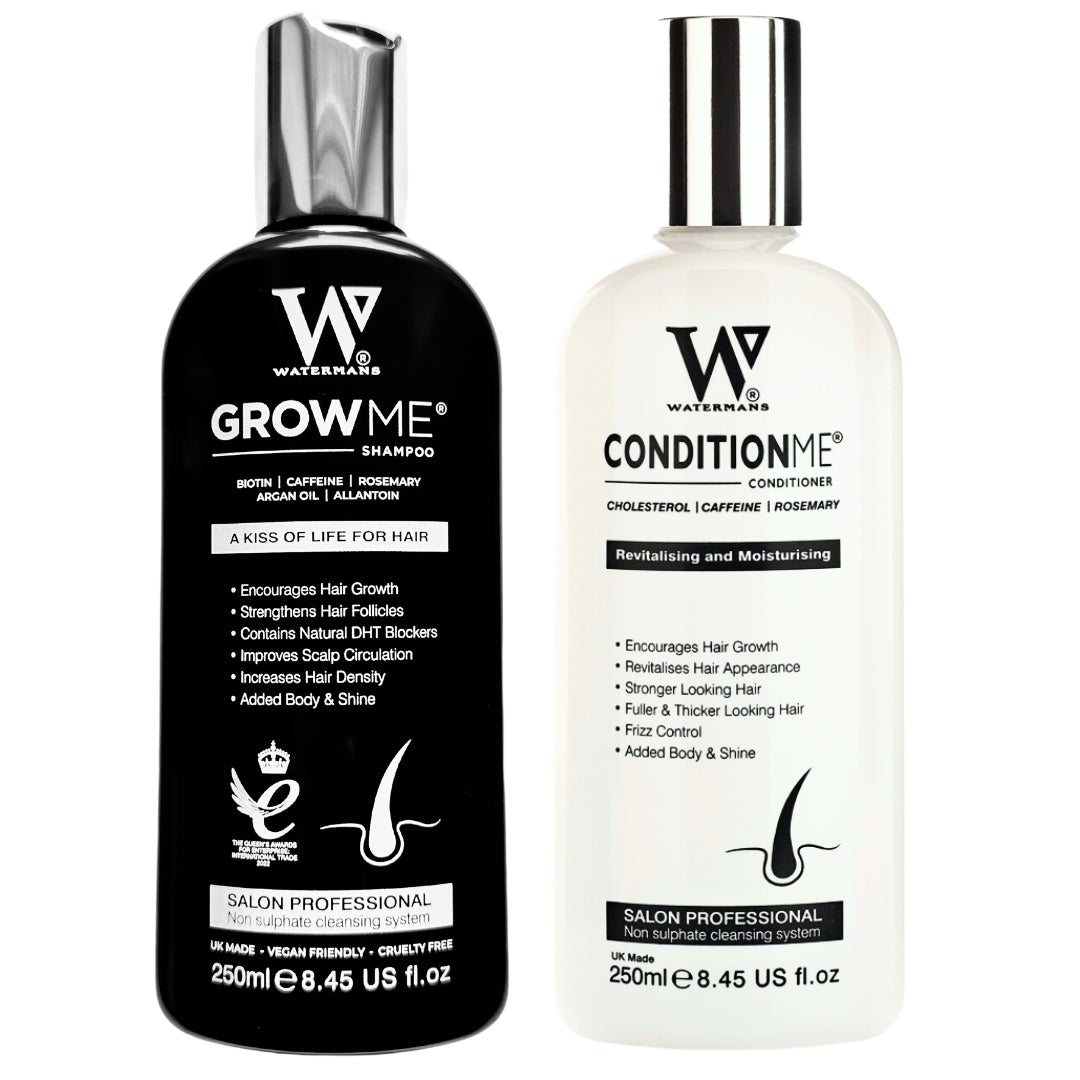
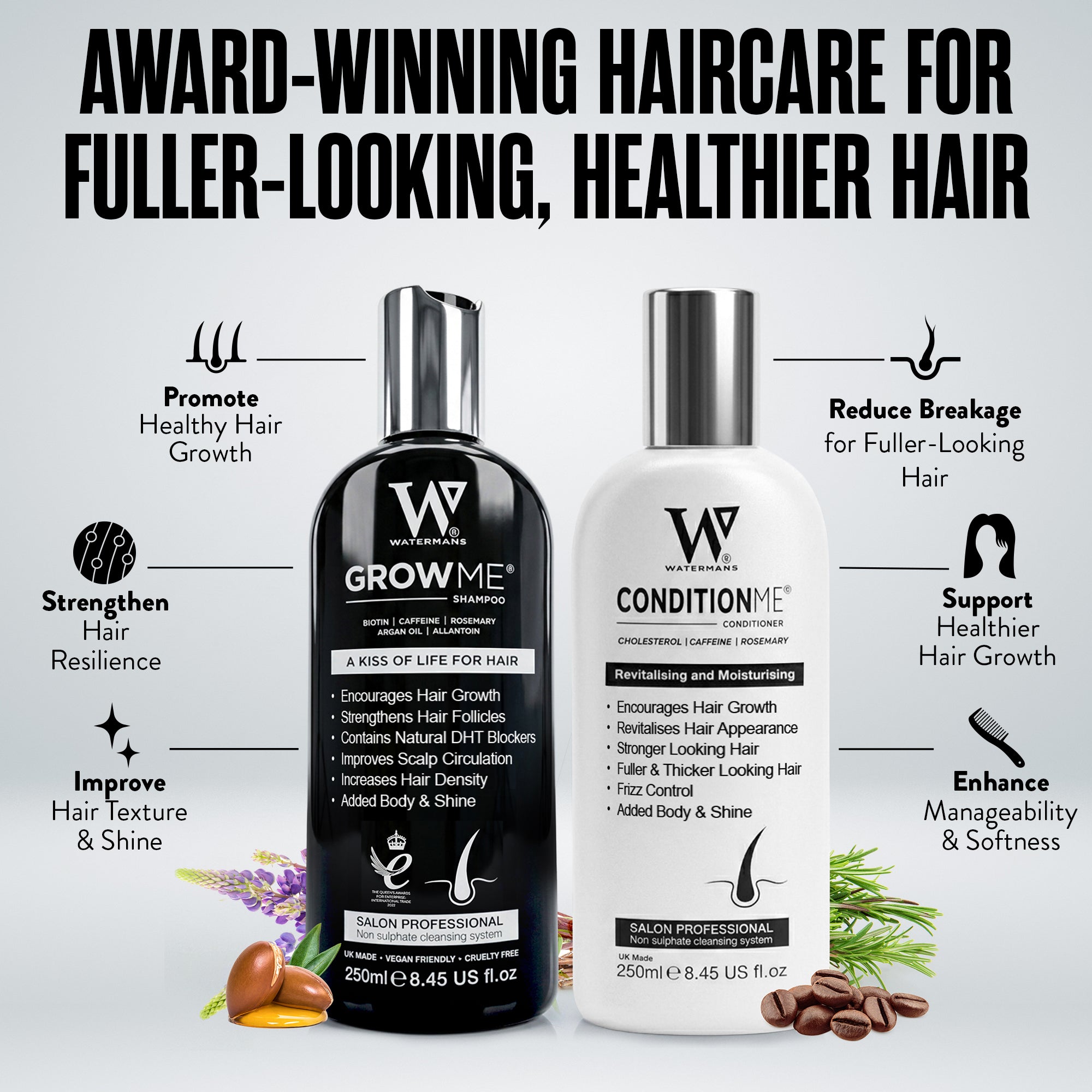
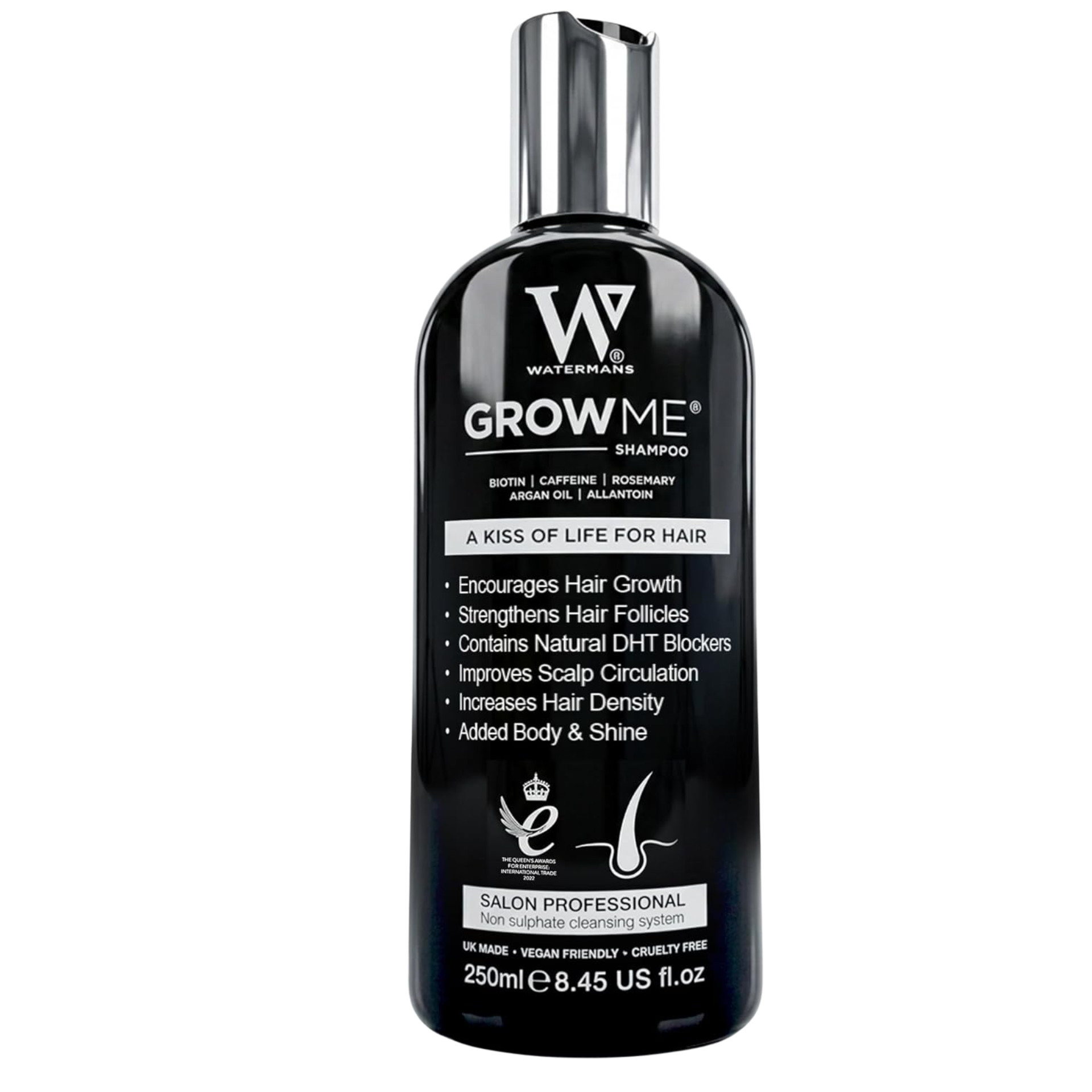
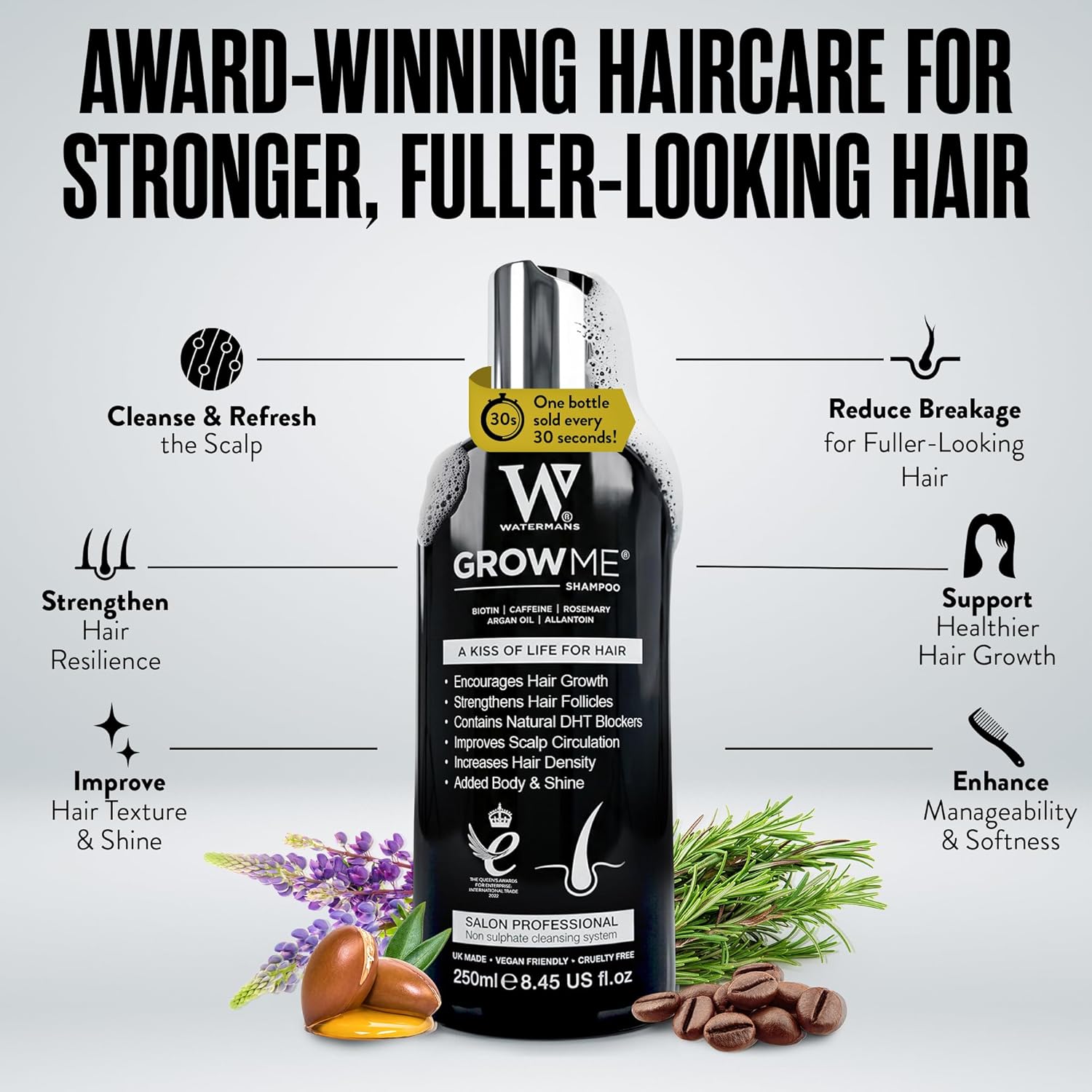
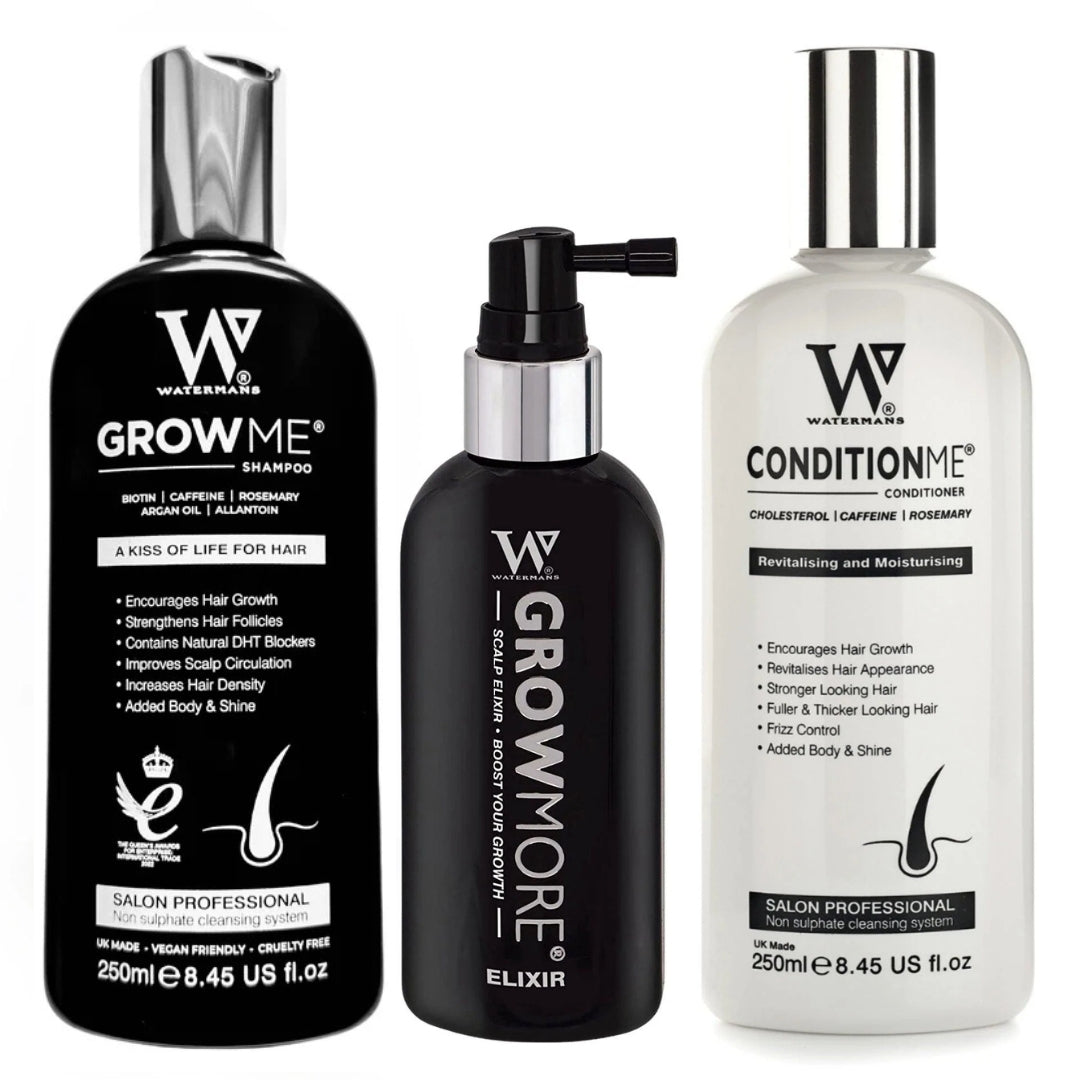
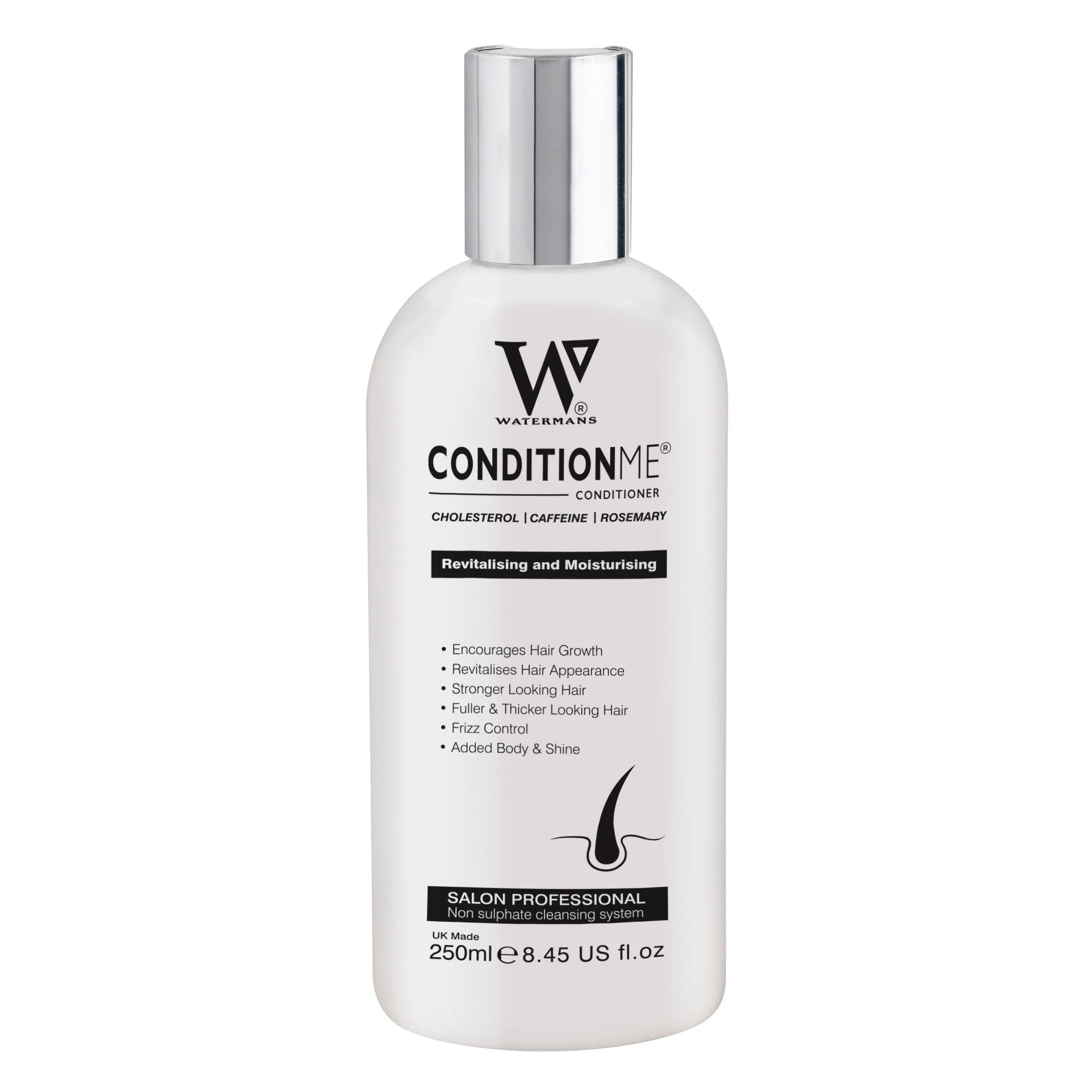
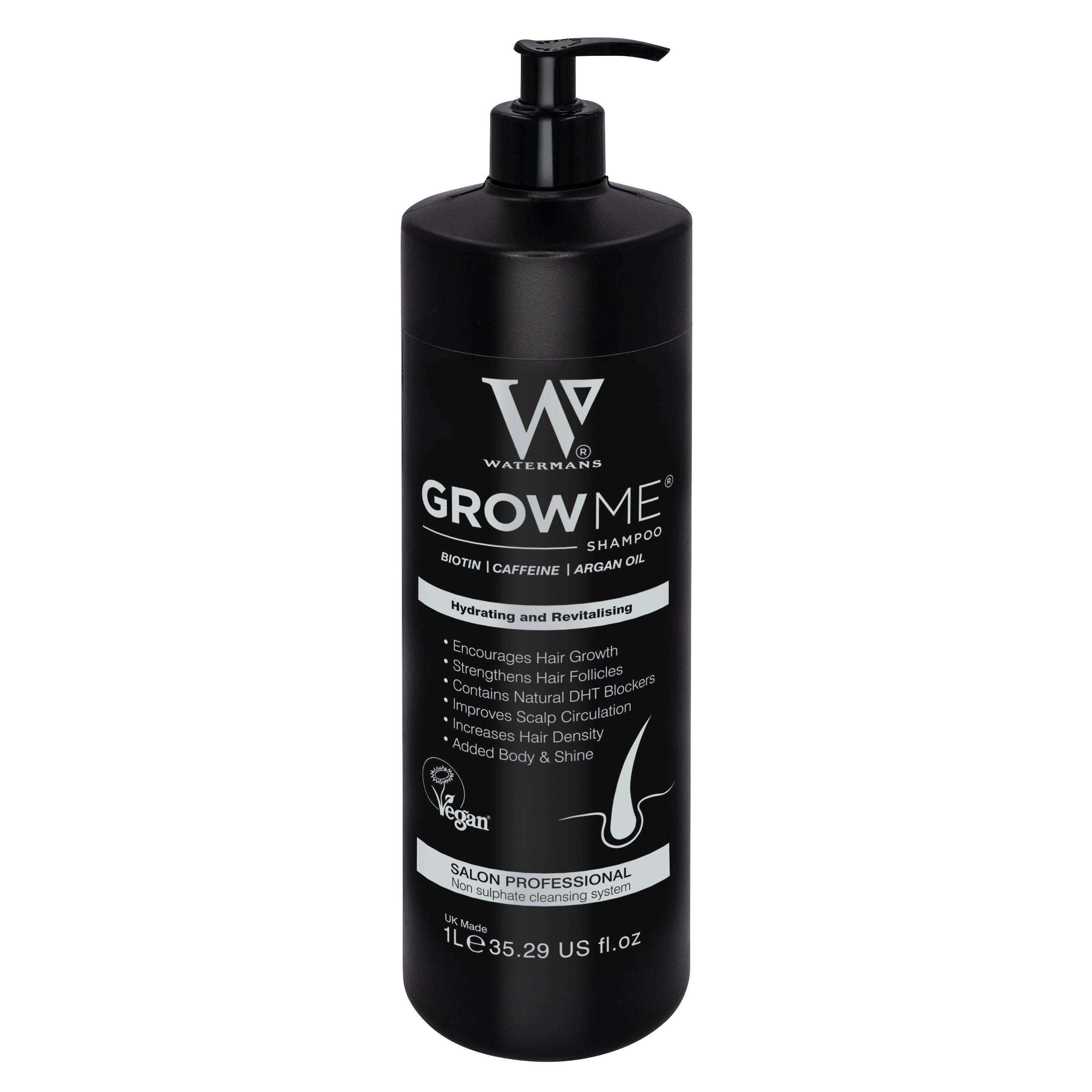
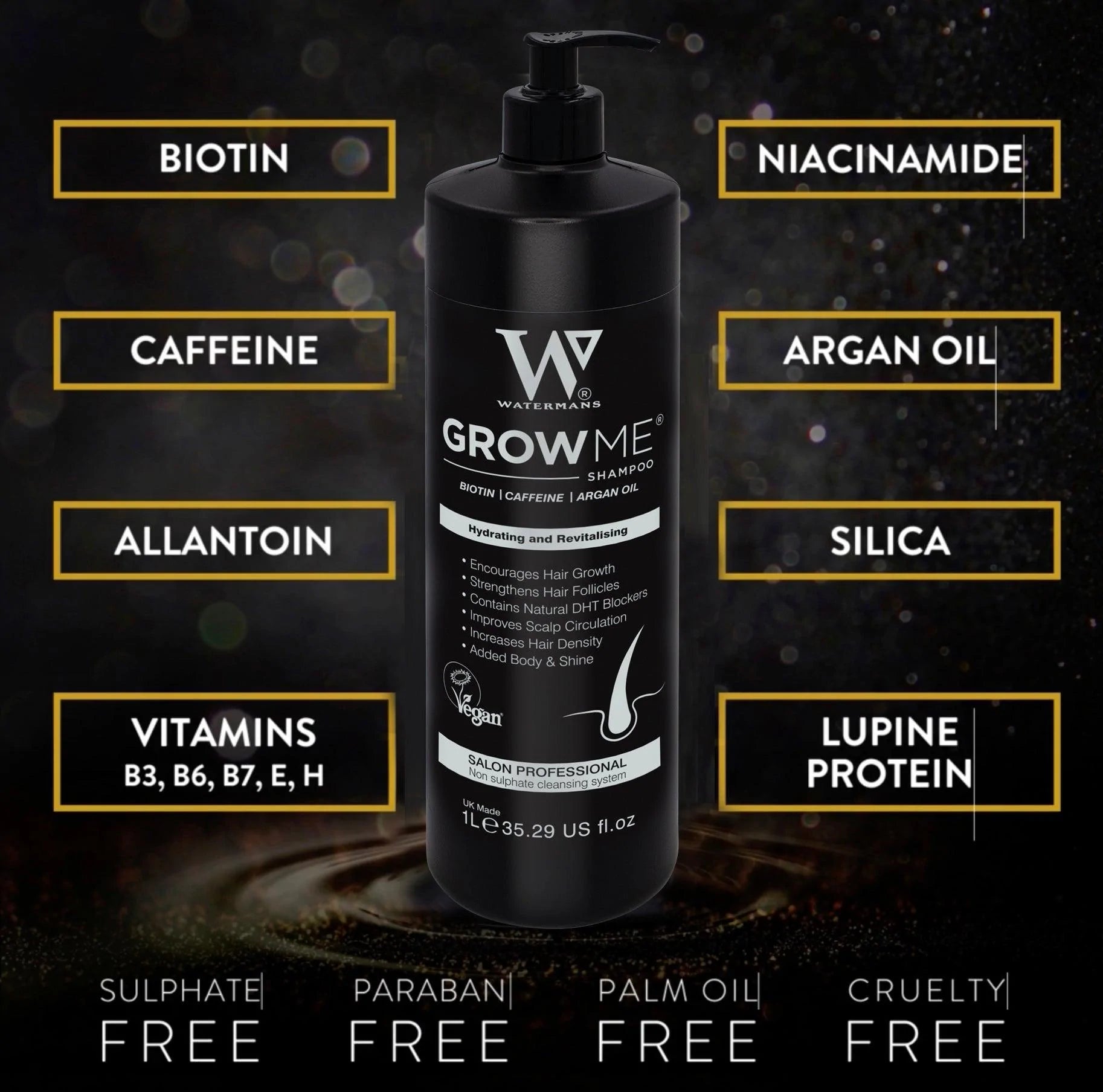
A sulfate-free 250ml shampoo with caffeine, biotin, rosemary and niacinamide, £14.95 in September 2026. Massage it into the whole scalp and leave it for 3 to 4 minutes for a gentle clean that helps hair look and feel fuller and reduces breakage.

InstaHair® Hair Building Fibres
A 23g hair fibre concealer, £19.95 in September 2026. Shake a little over a sparse-looking parting or the thinner side of the crown to disguise visible scalp for the day. It is a cosmetic cover, not a fix for the cause.
When is a trichologist Taunton worth seeing for one-sided thinning?
A trichologist Taunton residents can reach privately is worth seeing when one side keeps breaking after about three months of evened-out habits, when your GP has found no medical cause but you want the hair and scalp examined under magnification, or when you would like help working out which part of your routine is doing the damage.
In Taunton, as elsewhere in Somerset, the NHS route for hair and scalp problems starts with your GP. Hospital dermatology for the county is run by Somerset NHS Foundation Trust, whose Musgrove Park Hospital is on Parkfield Drive in Taunton, and the trust says its dermatology service is provided by consultants, specialty doctors and specialist nurses. Your GP decides whether a referral is needed.
A trichologist is a private hair and scalp practitioner, not a doctor. The Institute of Trichologists keeps a Find a Trichologist register with a UK section, and says its registrants subscribe each year, follow a code of professional practice and ethics, and have completed an education programme to qualify. Before paying anyone a trichologist Taunton search turns up, confirm they are listed there, and ask three questions:
- Will you look at the broken hairs on my thinner side under magnification?
- Will you go through how I sleep, part, tie, cover and style my hair?
- If anything looks medical, will you send me back to my GP?
Watermans does not run clinics or offer hair assessments, in Taunton or anywhere else. We make cosmetic hair care: Grow Me is vegan and made in the UK, and over 6.5 million bottles have been sold since 2012. If your question is about products or a routine rather than a medical one, you can talk to Gail Waterman, our co-founder, as an AI avatar on the Watermans homepage.
What are the most frequently asked questions about hair thinning on one side?
Should I see a trichologist Taunton for hair thinning on one side?
Not first. Most one-sided thinning comes from how that side is slept on, parted, tied, rubbed or heated, so even out those habits for about three months. See your own GP first for a smooth patch, scaling, soreness, pulling or sudden change. A registered trichologist helps most when breakage carries on after that.
Can sleeping on one side cause hair loss on that side?
Sleeping on one side mostly causes breakage rather than hair loss. Friction against the pillow roughens and tangles the lengths you lie on, especially if your hair is wet, so they snap and that side looks thinner. Hair loss, where the scalp itself changes, is a different problem and a reason to speak to your GP.
Why is my parting getting wider on one side?
A parting worn in the same place every day shows the same strip of scalp and puts extra styling on the hair beside it, so it can look wider over time. Move it a centimetre or two and compare photos in the same light. If thinning spreads across the top of the head, speak to your own GP.
Can headphones cause hair loss?
We could not find a study on headphones and hair. The American Academy of Dermatology says constant rubbing from hats and head coverings can lead to traction alopecia, so a tight band worn for hours on the same spot can plausibly snap hair there. Loosen the band, swap sides and take breaks.
Is it normal for one side of my head to have less hair?
A small difference is normal. The crown whorl turns one way, clockwise in 76.7% of the men in a 2020 study, so hair falls and parts more easily to one side. The NHS says losing 50 to 100 hairs a day is normal. A patch, redness or a sudden change is not, and needs your GP.
What does a bald patch on one side mean?
A smooth, round patch is often alopecia areata, which the British Association of Dermatologists says usually causes small, coin-sized patches. A scaly patch with broken hairs can be scalp ringworm, and an oddly shaped patch can come from hair pulling. Each needs your own GP rather than a change of shampoo.
Can hair grow back after traction on one side?
Often, if caught early. The British Association of Dermatologists says traction alopecia can get better when it has been present for only weeks or months and the tension is removed, but long-term pulling can damage follicles permanently. DermNet notes that prolonged, excessive tension destroys follicles. A smooth, shiny area needs your GP. If you live on the coast, our Torquay guide to sun, sea and chlorine damage covers what salt water, pool water and UV actually do to the hair fibre.
Sources & references
- NHS, Hair loss
- NHS, Trichotillomania (hair pulling disorder)
- NHS, Ringworm
- British Association of Dermatologists, Traction alopecia
- British Association of Dermatologists, Alopecia areata
- British Association of Dermatologists, Tinea capitis
- DermNet, Traction alopecia
- DermNet, Trichotillomania
- American Academy of Dermatology, Hairstyles that pull can cause hair loss
- American Academy of Dermatology, Tips for healthy hair
- Gavazzoni Dias MF. Hair cosmetics: an overview. Int J Trichology, 2015
- Lee Y et al. Hair shaft damage from heat and drying time of hair dryer. Ann Dermatol, 2011
- Çetkin M, Bayko S, Kutoğlu T. Hair whorl direction: the association with handedness, footedness, and eyedness. Dev Neuropsychol, 2020
- The Institute of Trichologists, Find a Trichologist
- Somerset NHS Foundation Trust, Dermatology
- Somerset NHS Foundation Trust, Musgrove Park Hospital
What is the bottom line on trichologist Taunton?
Hair that thins on one side is usually telling you about your routine: the side you sleep on, the way you part, where your ponytail, headset or bag strap sits, and which side gets more heat. Spread that wear across both sides for about three months and compare photos. See your own GP first for a smooth patch, scaling, soreness, pulling or sudden change, and save a trichologist Taunton search for breakage that carries on after that.
For a gentle wash while you even out your habits, a sulfate-free shampoo such as Grow Me cleans the scalp with caffeine, biotin, rosemary and niacinamide and helps hair on both sides look and feel fuller.
Watermans products are 100% cosmetic and do not treat medical hair loss. Individual results may vary.