Trichologists Sunderland Near Me: Gym, Sport and Hair Worries
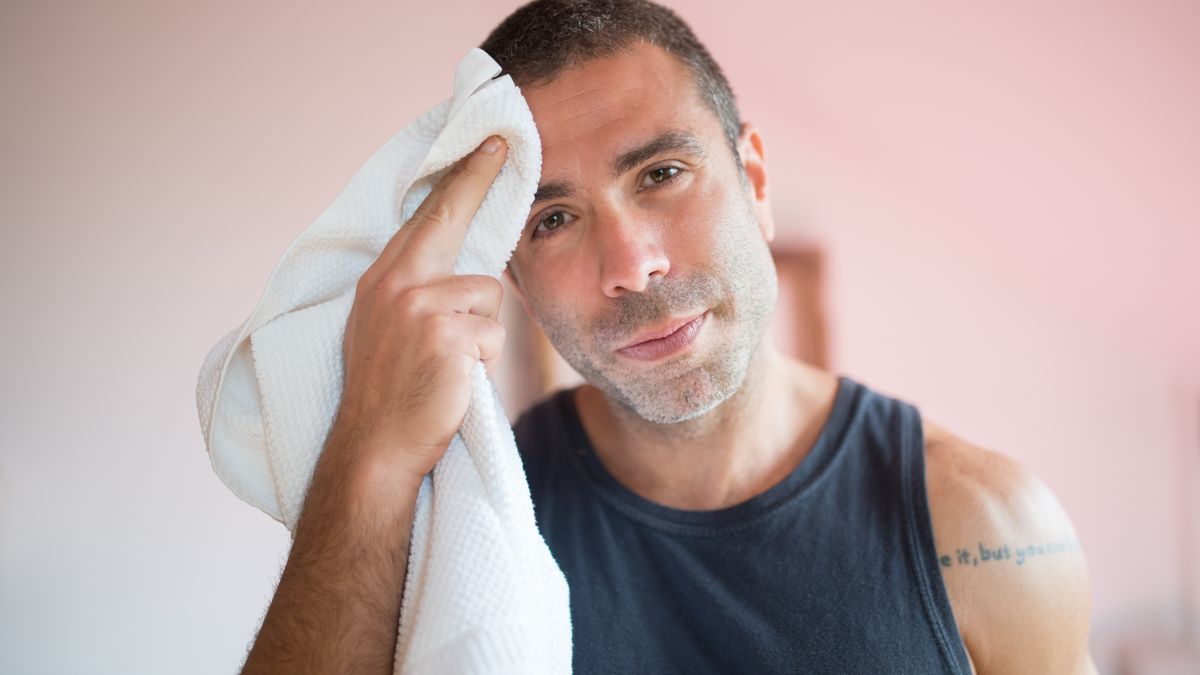
Training hard and finding more hair on your gym towel? Here is how to work out what is really going on.
If you searched for trichologists Sunderland near me because your hair seems thinner since you started training hard, sort the problem before you book anything. Short snapped pieces usually mean breakage from friction, tight ponytails or rough towelling. Full-length hairs falling in handfuls a few months after a harsh cut usually mean shedding. A receding hairline or thinning crown points to pattern hair loss, which anabolic steroids can speed up. Washing after every session and ordinary protein shakes are not recognised causes.
Our hair growth shampoo
Grow Me® Hair Growth Shampoo, £14.95. A sulphate free daily shampoo that supports a healthy scalp environment and helps reduce breakage, so lengths hold on and look fuller.
Key takeaways
- Gym life can bring three different problems: breakage (the fibre snaps), shedding (the growth cycle releases whole hairs early) and pattern hair loss (follicles slowly shrink).
- Friction from helmets and caps, and tension from tight ponytails, mostly cause breakage and, over years, traction hair loss at the hairline.
- The British Association of Dermatologists lists extreme dieting among the triggers of shedding, which usually starts months after the cut.
- The creatine worry rests on one small 2009 study that never measured hair; a 2025 trial found no hair difference from placebo.
- Anyone using steroids, or with patches, scarring or sudden loss, should see a GP before searching for trichologists Sunderland near me.
Is your gym hair problem breakage, shedding or pattern hair loss?
Gym-related hair worries fall into three separate problems: breakage, where the hair fibre snaps partway along its length; shedding, where the growth cycle releases whole hairs early; and pattern hair loss, where follicles gradually shrink and make finer hairs, each with its own causes, timescale and fix.
The NHS says losing 50 to 100 hairs a day is normal, so what matters is a change from your own baseline and the kind of hair you find. A shed hair is full length with a small pale bulb; a snapped hair is short with a blunt end. DermNet explains that pattern hair loss comes from an inherited sensitivity to dihydrotestosterone (DHT), a hormone made from testosterone, which shortens the growing phase from three to six years to weeks or months.
| Gym habit | Most likely problem | What you notice | First step |
|---|---|---|---|
| Sweat and daily washing | None alone; rough drying adds breakage | Frizz and short pieces on the towel | Mild shampoo, conditioner, pat dry |
| Helmets, caps and scrum caps | Breakage from friction; traction if straps pull | Broken hairs at the hairline | Liner, looser hair underneath |
| Tight ponytails and buns | Breakage, then traction hair loss over years | Broken hairs at the temples, a sore scalp | Lower, looser, varied ties |
| Cutting diets and very low calorie phases | Shedding | Full-length hairs from all over, months later | Slower cuts, enough protein and iron |
| Protein shakes | No recognised hair link | Nothing specific | Count them as food |
| Creatine | Disputed; no hair change in the one trial that measured hair | Nothing specific | Weigh the two studies below |
| Anabolic steroids or testosterone boosters | Pattern hair loss can start or speed up | Receding temples, thinning crown, wider parting | See a GP |
Does sweating and washing after every session damage your hair?
Sweating and washing after every session do not damage hair follicles, and the American Academy of Dermatology (AAD) says people with straight hair and an oily scalp may want to shampoo every day, so the real risks after training are rough towelling, tangling and hot blow-drying, which snap the fibre.
The British Association of Dermatologists notes that shed hair is most noticeable after washing or brushing, but those hairs were already on their way out. If your hair is dry, curly or thick, the AAD suggests shampooing when needed, at least once every two to three weeks, with a water rinse and conditioner in between.
- Pat, do not rub. The AAD says rubbing hair dry roughly can damage it, so wrap it in a towel or cotton T-shirt.
- Keep the heat down. Blow-dry on a low or medium setting with a heat protection product, as the AAD advises.
Swimmers should read our Portsmouth guide to sea, salt and chlorine hair for the pool side of things.

A sulfate-free 250ml shampoo with biotin, caffeine, rosemary, niacinamide and argan oil. It cleans gently enough for washing after every session and helps hair look and feel fuller.

Protect Me® Heat Protection Spray
A leave-in spray with panthenol, niacinamide and sunflower oil that protects hair from heat up to 230°C. Mist it on before a quick post-gym blow-dry to reduce breakage and frizz.
Can helmets, caps and scrum caps cause hair loss at the hairline?
Helmets, caps and scrum caps can roughen and snap hair where they rub, and the American Academy of Dermatology recognises frictional alopecia where boots, socks or tight clothing repeatedly rub the skin, but good research on sports headgear and scalp hair specifically is thin.
The AAD says hair lost to friction tends to come back once the rubbing stops. We could not find a good-quality study tracking hair density in cyclists, riders or rugby players, so claims that helmets cause baldness go beyond the evidence. Tension is better established: DermNet defines traction alopecia as hair loss from prolonged or repetitive pulling, which a tight chin strap or hair scraped back under a helmet adds.

- Loosen what sits underneath. Tie hair low and loose rather than in a tight high ponytail under the helmet.
- Add a smooth layer. A thin, clean liner or skull cap takes friction off the hairline.
Our guide on whether wearing a hat every day is bad for your hair covers the everyday version of the same question.
Can a tight gym ponytail or bun pull your hair out?
A tight gym ponytail or bun can pull hair out over time, because constant tension on the same follicles causes traction alopecia, and the American Academy of Dermatology warns that hair worn tightly pulled back day after day can lead to permanent hair loss. Early changes are mostly breakage, so loosening the style soon matters.
DermNet notes that traction alopecia was first described in 1907 in people from Greenland who wore tight ponytails, and lists tight buns, braids, extensions and even very long, heavy hair among the causes. Watch for short broken hairs at the temples, small sore bumps where hair is pulled, and a hairline that looks fuzzy rather than clean.

The sore scalp test
If your scalp aches when you let your hair down after training, the style was too tight. Use soft scrunchies or spiral ties, tie it higher on some days and lower on others, and take it down as soon as the session ends.

A conditioner with cholesterol, shea butter, glycerin and hydrolysed lupine protein. It adds slip so sweaty, tied-back hair detangles with less snapping, which reduces breakage and helps lengths look thicker.
Get a discount on the active lifestyle hair range
Join the Watermans mailing list and we will email a discount code straight to your inbox, so you can try the active lifestyle hair range for less. Made in the UK, over 6.5 million bottles sold since 2012.
Can a harsh cutting diet or very low calorie phase make your hair shed?
A harsh cutting diet or very low calorie phase can make your hair shed, because the British Association of Dermatologists lists marked weight loss and extreme dieting among the common triggers of telogen effluvium, where many growing hairs switch to resting at the same moment and then fall out together weeks or months later.
StatPearls, on the NCBI Bookshelf, places the trigger about three months before shedding starts, with a range of one to six months, so the cut rarely gets the blame. The link is old news: JAMA published a report titled Alopecia in crash dieters in 1976. The AAD adds that too little biotin, iron, protein or zinc can cause noticeable hair loss.
Our Wolverhampton guide to shedding after weight loss covers the timeline and checks in full. The athlete's short version:
- Cut more slowly. Aggressive deficits are the risky part, not being lean.
- Protect protein and iron. Keep both steady throughout the cut.
- Write down the dates. Note when the cut started and when shedding began, for your GP or trichologist.
Do protein shakes, creatine and other supplements cause hair loss?
Protein shakes and creatine have not been shown to cause hair loss, although the creatine worry persists because of one small 2009 study, and the clearer supplement risk for hair is taking too much of certain minerals, such as selenium, which the NHS links with loss of hair and nails.
The 2009 study, in the Clinical Journal of Sport Medicine, gave 20 college rugby players creatine or placebo. DHT rose 56% after a week of loading at 25 g a day and stayed 40% above baseline after two weeks at 5 g a day, while testosterone did not change. It never measured hair, and it drew a published letter and author reply in 2010.
| Study | Who took part | What it found | Limits |
|---|---|---|---|
| van der Merwe and colleagues, 2009 | 20 rugby players, three weeks | DHT up; testosterone unchanged | Hair not measured; small and short |
| Lak and colleagues, 2025 | 45 trained men aged 18 to 40, 38 finished, 12 weeks at 5 g a day | No difference from placebo in DHT, hair density, follicle count or hair thickness | Men only; 12 weeks; several authors advise supplement brands |
The disagreement is plain: the older study raised a hormonal question without looking at hair, and the newer trial looked at hair and found nothing, though it was short and some authors have commercial ties. Neither shows that creatine causes hair loss, and neither shows that it protects hair.

Protein shakes are food in a bottle. A 2025 review in Cureus linked whey protein with acne flares, not hair loss, but flagged overuse of niacin, selenium and zinc in cases of hair loss and nail problems. The NHS says too much selenium causes selenosis, which in its mildest form can lead to loss of hair and nails, and that 350 micrograms a day or less from supplements is unlikely to cause harm.

Sugar-free vegan gummies, taken two a day, with biotin and zinc, which contribute to the maintenance of normal hair. They sit alongside a balanced diet during a cut, not instead of one.
What do anabolic steroids and online testosterone boosters do to your hair?
Anabolic steroids can bring on or speed up pattern hair loss, because they copy the effects of male hormones such as testosterone, and the NHS lists hair loss among the physical effects of anabolic steroid misuse in both men and women, alongside heart, liver and blood pressure problems. Related reading: our guide to hair shedding after steroid treatment.
In follicles with an inherited sensitivity, DermNet explains, DHT made from testosterone shortens the growing phase, so extra androgen gives those follicles more to react to. A 2025 review in the International Journal of Dermatology adds that hormone changes from performance-enhancing substances can bring on or speed up female pattern hair loss.
In the UK, anabolic steroids are Class C drugs. If you cannot be sure what is in a testosterone booster bought online, be just as cautious and show the pack to your GP or a pharmacist. Our explainer on what testosterone really does to hair goes deeper.
Using steroids? Start with your GP
The NHS links anabolic steroid misuse with high blood pressure, high cholesterol, heart attack, stroke, and liver or kidney problems. Tell your GP what you take; no shampoo or trichologist can offset what the hormones are doing.
What does a hair-friendly routine look like for someone who trains?
A hair-friendly routine for someone who trains keeps tension, friction and heat low around every session, uses a mild shampoo and conditioner whenever sweat builds up, and protects the diet from crash cuts, so the growth cycle has what it needs and the hair fibre has fewer reasons to snap.
- Before training. Tie hair low and loose with a soft scrunchie, and wear a clean liner under headgear.
- After training. Take the tie out, wash or rinse, and condition every time.
- Drying. Pat dry, comb from the ends up, and blow-dry on low or medium heat with heat protection.
- Each month. Photograph your hairline and parting in the same light, so slow change is easy to spot.
- At the table. Avoid crash cuts and skip high-strength mineral products you do not need.
When should you see a GP before trichologists Sunderland near me?
See a GP before searching for trichologists Sunderland near me if you have smooth bald patches, a sore, red or scaling scalp, shiny scarred skin where hair used to grow, sudden heavy loss, other symptoms such as tiredness or weight change, or if you use anabolic steroids or unlabelled testosterone products.
The NHS advises seeing a GP to find out what is causing your hair loss before thinking about a commercial hair clinic. Round, smooth patches can be alopecia areata, which the British Association of Dermatologists describes as an autoimmune condition. Your GP can arrange blood tests and refer you to NHS dermatology.
A trichologist earns the fee when medical causes are ruled out but you cannot tell traction from early pattern thinning, or you want your hairline tracked over months. Search results for trichologists Sunderland near me list private practitioners, so check each is a member of the Institute of Trichologists, which runs a Find a Trichologist register, or the Trichological Society.
We sell hair care, so weigh our view accordingly. Grow Me shampoo is vegan, and Watermans hair care is made in the UK, with over 6.5 million bottles sold since 2012. They are cosmetic: they reduce breakage and help hair look and feel healthier.
Frequently asked questions
Should I look for trichologists Sunderland near me if I train a lot and my hair is thinning?
Start by sorting the problem. Short snapped hairs point to breakage from friction or tight styles, which a gentler routine can fix. Shedding after a harsh cut usually settles. A receding hairline, thinning crown or any steroid use needs your GP first. A registered trichologist helps most when the cause stays unclear.
Does creatine cause hair loss?
The evidence does not show that it does. A 2009 study of 20 rugby players found DHT rose during creatine use but never measured hair. A 2025 trial in which 38 trained men finished found no difference from placebo in hormones or hair measures, though several of its authors advise supplement companies.
Is it bad to wash my hair after every gym session?
No. Washing does not harm the follicle, and the American Academy of Dermatology says people with straight hair and an oily scalp may want to shampoo daily. Use a mild shampoo, condition every time, pat hair dry rather than rubbing, and keep blow-dryer heat on a low or medium setting.
Can wearing a helmet or scrum cap make me go bald?
There is little direct research on sports headgear. Rubbing can snap hairs along the hairline, and the American Academy of Dermatology says hair lost to friction tends to come back once the rubbing stops. Tight straps or hair scraped back underneath add pulling, so keep hair loose and low under the helmet.
Do protein shakes cause hair loss?
Protein shakes are not a recognised cause of hair loss. A 2025 review linked whey protein with acne flares rather than hair problems. The bigger supplement risk is excess minerals: the NHS says too much selenium can cause selenosis, which in its mildest form can lead to loss of hair and nails.
Do anabolic steroids cause hair loss?
Yes, they can. The NHS lists hair loss among the physical effects of anabolic steroid misuse in both men and women, and a 2025 review says hormone changes from performance-enhancing substances can bring on or speed up female pattern hair loss. Anyone using steroids should talk to a GP about hair and wider health.
Sources & references
- NHS, Hair loss
- NHS, Anabolic steroid misuse
- NHS, Vitamins and minerals: others (selenium)
- British Association of Dermatologists, Telogen effluvium
- British Association of Dermatologists, Alopecia areata
- American Academy of Dermatology, Hair loss: 18 causes
- American Academy of Dermatology, Tips for healthy hair
- DermNet, Traction alopecia
- DermNet, Male pattern hair loss
- StatPearls, Telogen Effluvium (NCBI Bookshelf)
- van der Merwe J et al. Three weeks of creatine monohydrate supplementation affects dihydrotestosterone to testosterone ratio in college-aged rugby players. Clin J Sport Med, 2009
- Green G. Creatine supplementation and DHT:T ratio in male rugby players. Clin J Sport Med, 2010
- Lak M et al. Does creatine cause hair loss? A 12-week randomized controlled trial. J Int Soc Sports Nutr, 2025
- Parga AD, Coven H. When Diet Trends Go Viral: Cutaneous Manifestations of Social Media-Driven Fad Diets and Supplements. Cureus, 2025
- Brinks AL et al. Alopecia in Female Athletes Using Androgenic and Anabolic Steroids: Pathophysiology and Management. Int J Dermatol, 2025
- Goette DK, Odom RB. Alopecia in crash dieters. JAMA, 1976
- The Institute of Trichologists
- The Trichological Society
What is the bottom line on trichologists sunderland near me?
Most gym hair worries are breakage from friction, tight ponytails and rough drying, or shedding months after a harsh cut, and both respond to a gentler routine and a steadier diet. Creatine has not been shown to cause hair loss, protein shakes are not a recognised cause, and anabolic steroids are the habit with a clear link. Before you book any of the trichologists Sunderland near me searches turn up, see your GP about patches, scarring, sudden loss or steroid use. If your question is about products or a routine rather than a medical one, you can talk to Gail Waterman, our co-founder, as an AI avatar on the Watermans homepage.
For washing after every session, a sulfate-free shampoo such as Grow Me keeps wash day gentle, with biotin, caffeine and rosemary in a 250ml bottle to help hair look and feel fuller.
Watermans products are 100% cosmetic and do not treat medical hair loss. Individual results may vary.