Trichologists Walsall: Oily Scalp, Greasy Roots and Flat Hair
Roots greasy by lunchtime and hair flat by the afternoon? Here is what is really going on, and who can actually help.
If you are looking at trichologists Walsall because your roots are greasy by lunchtime and your hair falls flat, start with what you can check at home. Oily scalps are mostly down to genes, hormones, heat and product build-up, and daily washing is fine for straight hair. Greasy yellow scale with redness or itch points to seborrhoeic dermatitis, so see a pharmacist or GP first. A trichologist earns the fee when oiliness comes with thinning you cannot explain.
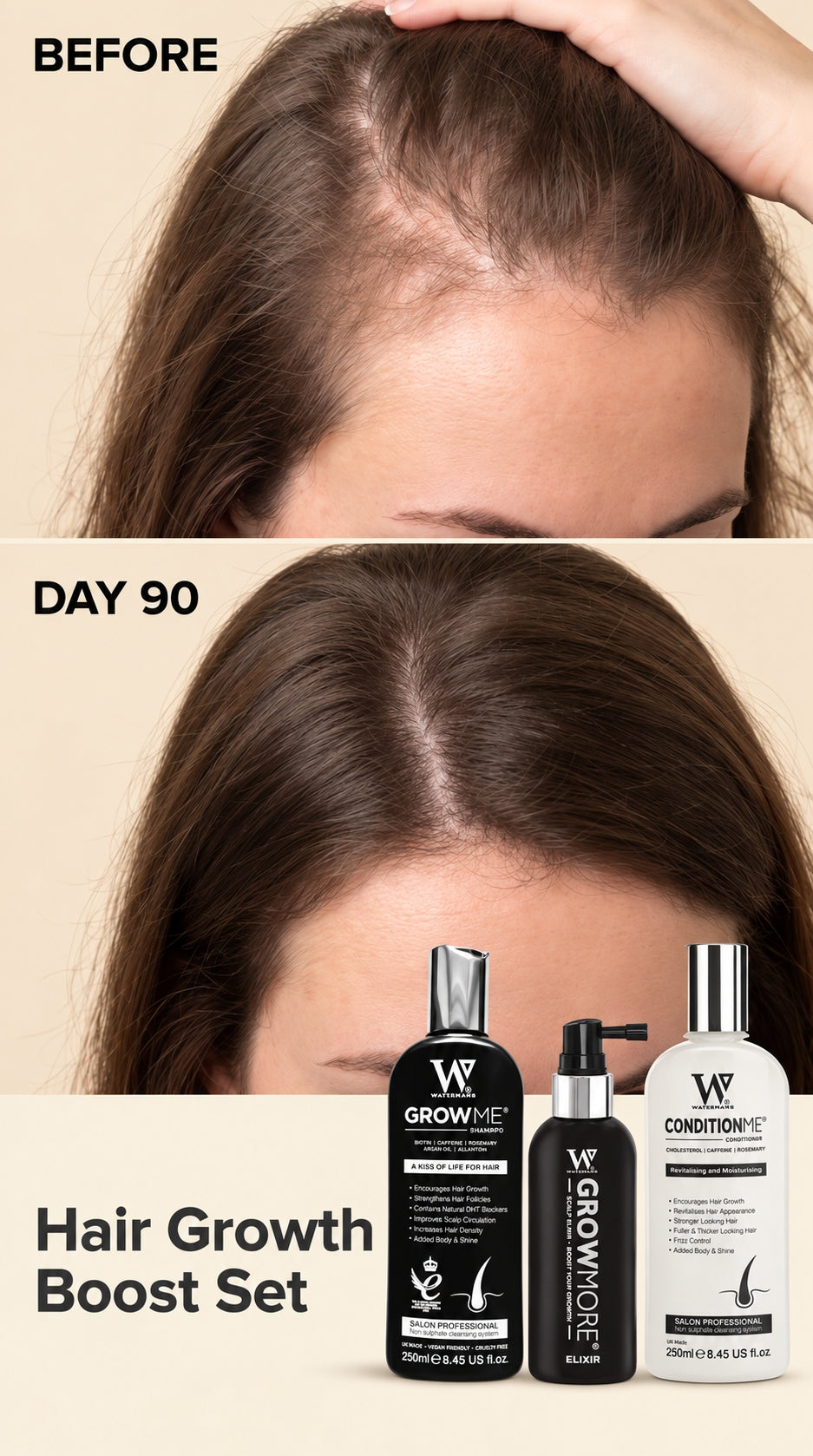
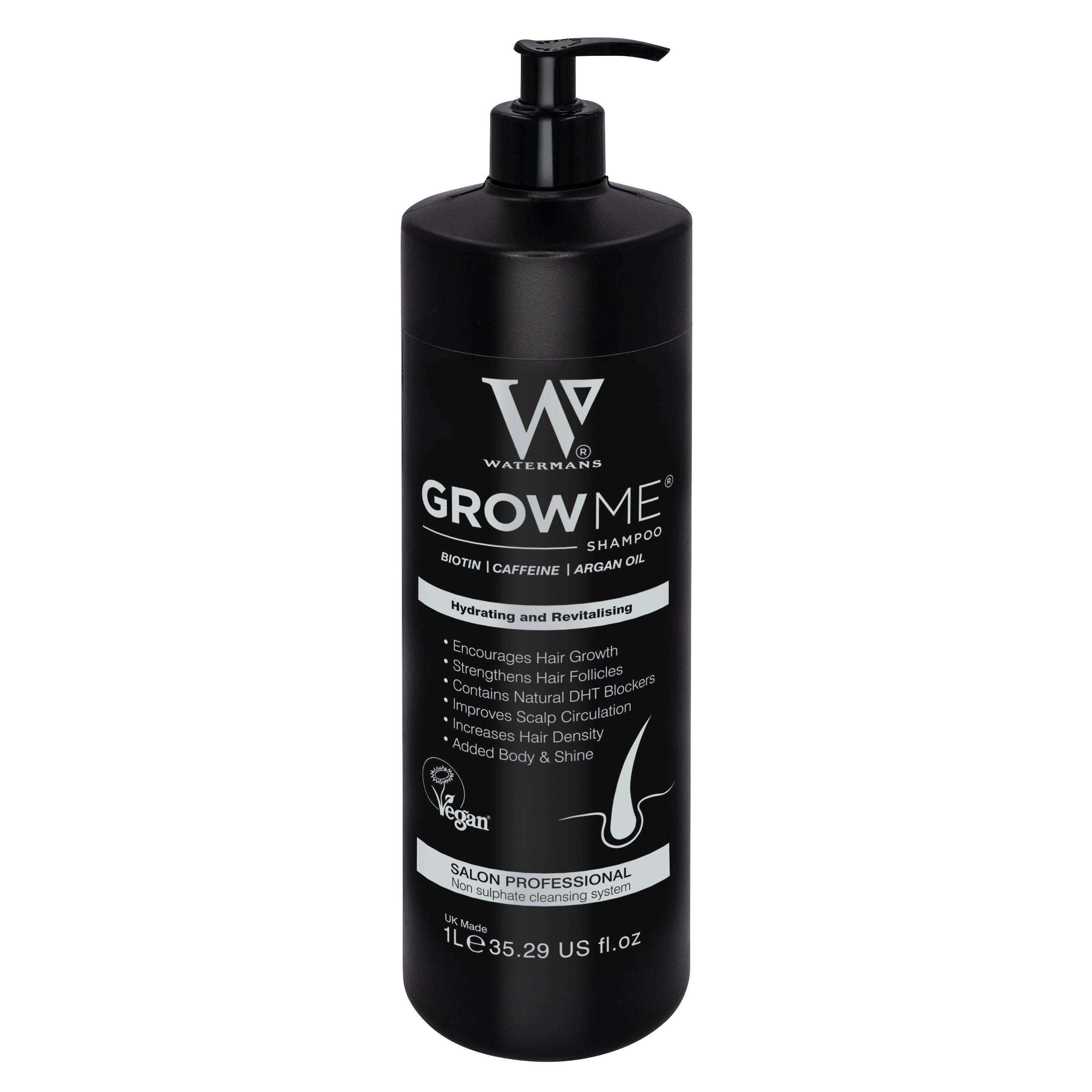
Our hair growth shampoo
Grow Me® Hair Growth Shampoo, £14.95. A sulphate free daily shampoo that supports a healthy scalp environment and helps reduce breakage, so lengths hold on and look fuller.
Key takeaways
- Scalp oil output is largely inherited: in a 1988 UK twin study, identical twins had virtually identical rates of sebum excretion.
- The American Academy of Dermatology says straight hair with an oily scalp may need shampoo every day; we found no good evidence that washing less makes the scalp oil up less.
- Dry shampoo on repeat, conditioner on the roots and heavy oils all leave roots flat and greasy.
- Greasy yellow scale, redness and itch suggest seborrhoeic dermatitis; the NHS says see a GP if a pharmacy anti-dandruff shampoo has not helped after 4 weeks.
- Oily skin with acne, irregular periods, extra facial hair or thinning deserves a GP visit before you contact any of the trichologists Walsall searches bring up.
Why do some scalps produce more oil than others?
Some scalps produce more oil than others because sebum output is set largely by your genes and hormones, then nudged up or down by age, sex, heat and humidity, so two people with an identical routine can have very different roots by the end of the same day.
Sebum is the oil made by the sebaceous glands that sit alongside your hair follicles. DermNet describes excessively oily skin, called seborrhoea, as the result of overactive sebaceous glands, and names the scalp and face as the areas most often affected. The inherited part is strong: in a 1988 twin study from Hull Royal Infirmary, 20 pairs of identical twins had virtually identical rates of sebum excretion, while non-identical twins differed significantly.
- Hormones. DermNet links oily skin in women to excess androgens, often alongside polycystic ovaries.
- Heat, sweat and humidity. A 2012 review in Skin Pharmacology and Physiology notes that skin oiliness varies with diet, age, gender, ethnicity and hot, humid climates.
- Hair type. Fine, straight hair tends to look greasy faster than thick or curly hair, and the American Academy of Dermatology groups straight hair with oily scalps in its washing advice.

Does washing your hair every day make your scalp oilier?
Washing your hair every day has not been shown to make your scalp oilier: the American Academy of Dermatology says people with straight hair and an oily scalp may want to shampoo daily, and a 2021 wash-frequency study found no objective harm to hair from a daily washing routine.
The idea that skipping washes trains your scalp to make less oil is everywhere, but we could not find a good-quality study showing it. If washing more often leaves your lengths knotted, our Telford guide to detangling wet hair without breakage covers the safest way to comb through.
| Source | Who or what | What it says | Limits |
|---|---|---|---|
| American Academy of Dermatology | Dermatologists' hair care advice | Straight hair and an oily scalp: perhaps daily. Dry, textured, curly or thick hair: when needed, at least once every 2 to 3 weeks. | General guidance, not a trial |
| Punyani and colleagues, 2021 | Two studies in Asian adults with no scalp conditions | Satisfaction peaked at 5 to 6 washes a week; daily beat weekly on every measure, with no objective harm to hair. | Paid for entirely by Procter & Gamble, a shampoo maker |
| Rubaian and colleagues, 2026 | Online survey of 4,796 people in Saudi Arabia | Washing more often went with better hair and scalp condition. | Shows a link, not a cause; self-reported |
The sources agree for oily, straight hair and part company on curly and textured hair, where the AAD accepts far less frequent washing. Its answer for an oily scalp with dry lengths is to shampoo the scalp, not the whole length.
Hair in the drain is not a sign of harm: the British Association of Dermatologists notes that shedding is most noticeable after washing or brushing, and the NHS says losing 50 to 100 hairs a day is normal. Our West Bromwich guide to hair myths explains why wash-day shedding looks worse than it really is.

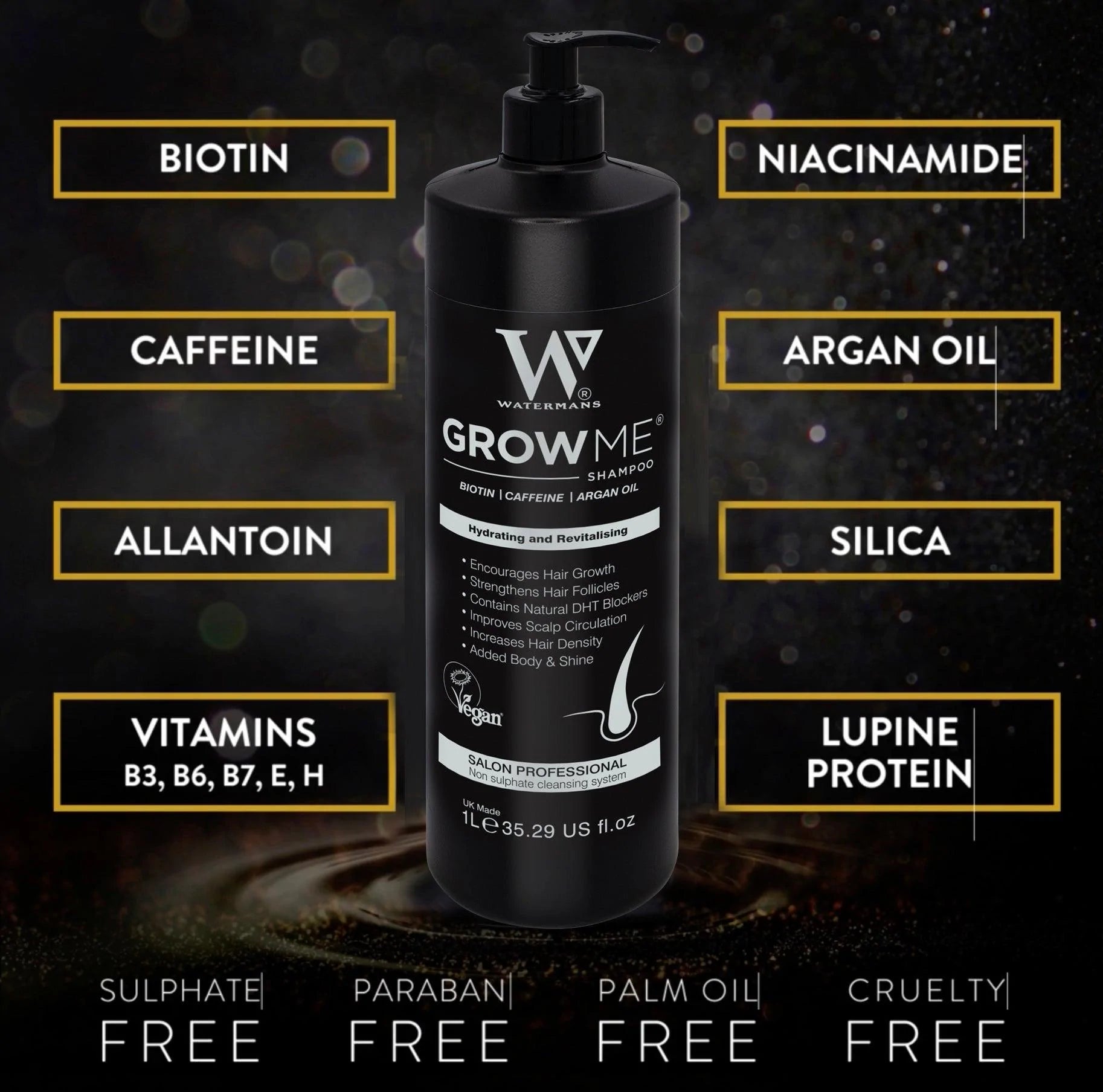
A sulfate-free 250ml shampoo with biotin, caffeine, rosemary and niacinamide. Lather it at the scalp as often as your roots need, daily if they need it, for a gentle clean that helps hair look and feel fuller.
Could dry shampoo, conditioner or oils be weighing your roots down?
Dry shampoo, conditioner and hair oils can all weigh your roots down, because dry shampoo soaks up oil without removing it, conditioner and oils add an extra coating to the hairs that are already greasiest, and anything left behind between washes gradually builds up on the scalp and roots.
The American Academy of Dermatology advises putting shampoo on the scalp to wash away built-up products, dead skin and excess oil, and conditioner on the ends if your hair is fine or straight. Conditioner-only washing, or co-washing, is gentle, but a 2019 review in Skin Appendage Disorders warned it may lead to build-up because residues collect under the cuticle scales. Heavier styling layers such as gel, wax and hairspray raise their own questions, covered in our Chester guide to styling products and hair loss. Scrubbing the roots harder is rarely the answer, as our guide to scalp scrubs, exfoliation and thinning hair explains.
- Dry shampoo on repeat. Used several days running, it layers powder over oil you have not removed.
- Conditioner at the roots. Fine and straight hair only needs it on the ends.
- Heavy oils and serums. Made to coat and smooth, they read as limp and greasy near the roots.
- Styling layers. Mousse and sprays build up if a quick wash never reaches the scalp.

The two-wash test
If hair still looks flat and coated after one wash, lather the scalp a second time and rinse for longer. If your roots then stay fresh for longer, build-up was part of it. If hair feels coated straight after washing, hard water may be adding to it; see our Southampton guide to hard water and hair.
Our guide on whether sulfate-free shampoo is good for oily hair covers the full debate, including why hair can feel greasier for a fortnight after switching. If you are comparing bottles, our Newport guide to reading shampoo labels explains ingredient order and what volumising claims can mean.

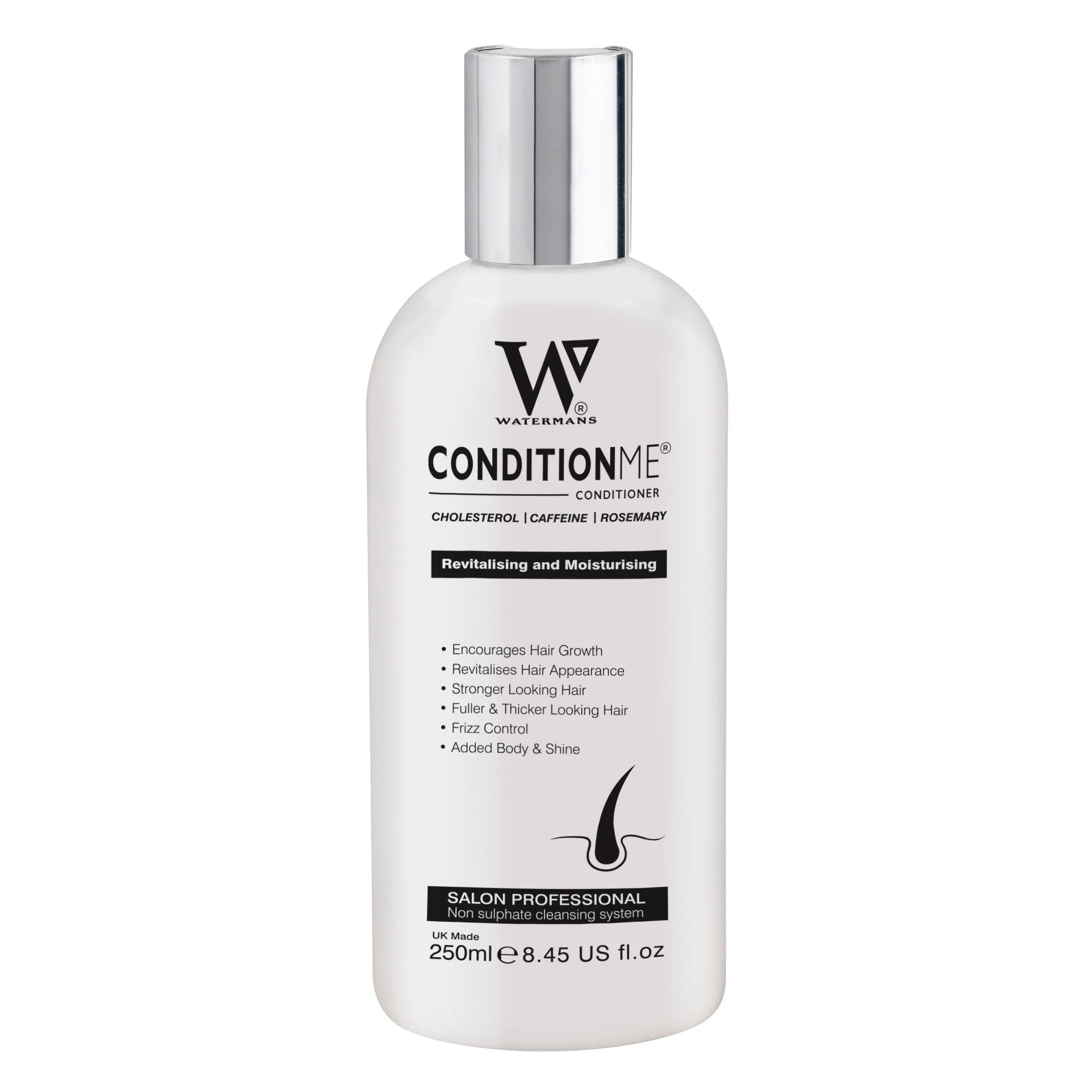
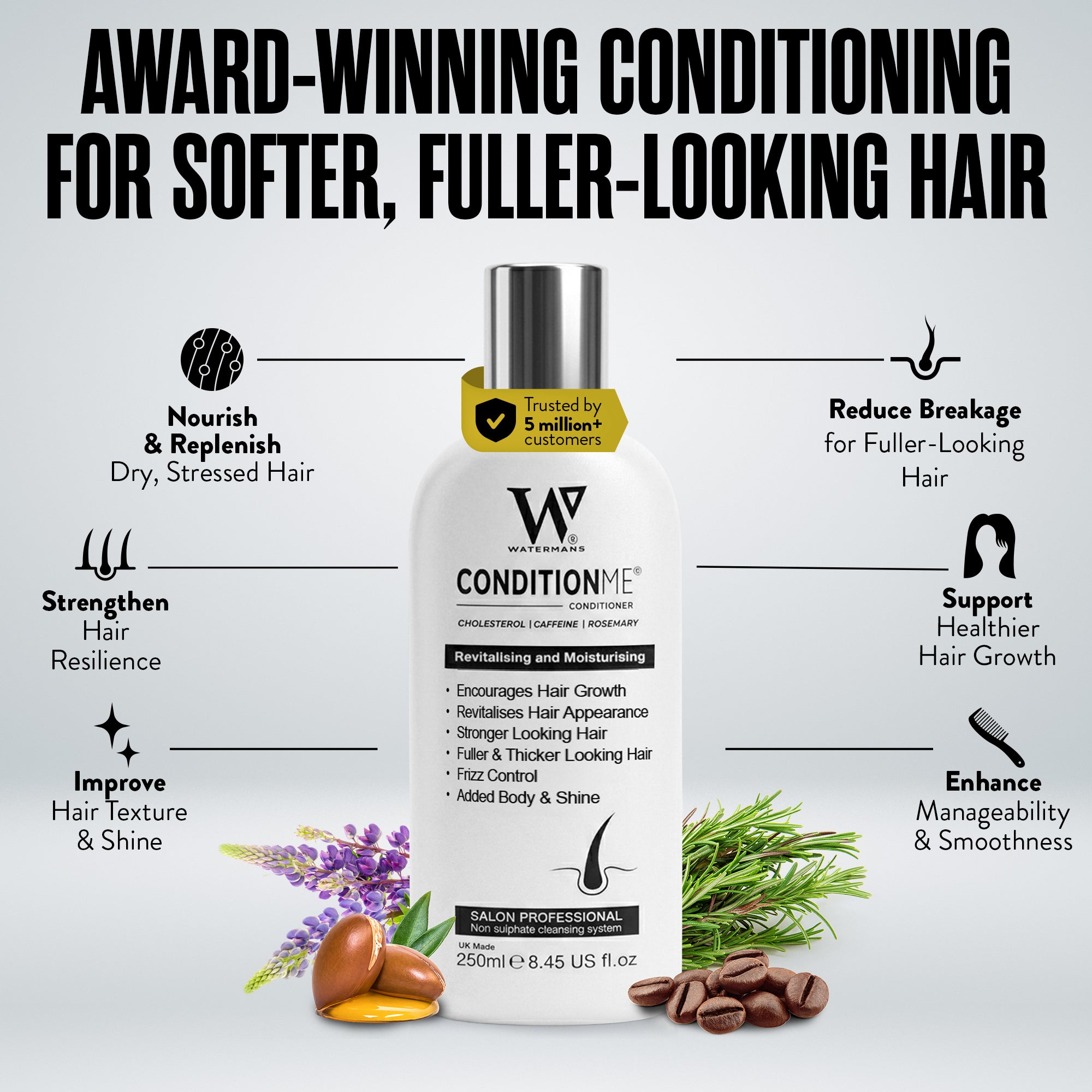
A conditioner with cholesterol, shea butter, glycerin and hydrolysed lupine protein. Keep it on the mid-lengths and ends, where it adds slip and reduces breakage, and away from roots that are already greasy.
Get a discount on hair care for an oily scalp
Join the Watermans mailing list and we will email a discount code straight to your inbox, so you can try hair care for an oily scalp for less. Made in the UK, over 6.5 million bottles sold since 2012.
Is it an oily scalp, dandruff or seborrhoeic dermatitis?
An oily scalp means shiny, greasy roots on a calm, comfortable scalp, whereas dandruff adds white flakes, and seborrhoeic dermatitis adds greasy yellow scale with redness or discolouration and itch or soreness, sometimes spreading to the eyebrows, the creases beside the nose or the skin behind the ears.
The British Association of Dermatologists describes seborrhoeic dermatitis as a rash of the greasy skin zones, slightly more common in men and often appearing between 30 and 40, and notes that dandruff affects almost half of all adults. DermNet puts seborrhoeic dermatitis at 3% to 12% of the population.
| Sign | Plain oily scalp | Dandruff | Seborrhoeic dermatitis |
|---|---|---|---|
| Flakes | None | Small white flakes on hair and shoulders | Greasy yellow or white scale, sometimes thick |
| Skin colour | Normal | Normal; the AAD says dandruff is not inflamed | Red, or pink, purple, lighter or darker on darker skin tones |
| Feel | Comfortable | Can itch | Itchy, sore or sensitive |
| Seasons | Often worse in heat and humidity | Stress and cold weather can worsen it, says the NHS | Winter flares, often better in summer, say DermNet and the AAD |
| First step | The wash routine below | Anti-dandruff shampoo for up to 4 weeks | Pharmacist, then GP |
The NHS says dandruff is not caused by poor hygiene and suggests an anti-dandruff shampoo for up to 4 weeks. The AAD lists zinc pyrithione and salicylic acid among the ingredients to look for, and both the AAD and the BAD say these shampoos often need 5 to 10 minutes on the scalp. See your GP if flakes outlast that, the itch is bad, or itchy patches appear on your face or body.
An itchy, flaky scalp is a subject of its own, covered in our Chatham guide to itchy, flaky scalps.
Can an oily scalp cause hair loss or thinning?
An oily scalp on its own is not a recognised cause of hair loss, but greasy roots clump into strands that show more scalp, so healthy hair can look thinner than it is, and oiliness can sit alongside hormone-related thinning that is worth checking properly with your own GP.
Separate the three problems people lump together:
- Hair loss. The follicle changes and makes finer, shorter hairs over time, as in pattern hair loss.
- Hair shedding. The growth cycle releases more whole hairs than usual, often months after a trigger such as illness.
- Hair breakage. The fibre snaps along its length, often from rough drying or hot tools used to lift flat roots.
DermNet notes that a few women with female pattern hair loss have raised androgen levels and tend to have acne, irregular periods and excess facial and body hair, a picture typical of polycystic ovary syndrome, although most women with that condition do not lose hair. The NHS now calls it polyendocrine metabolic ovarian syndrome (PMOS) and lists oily skin and acne, irregular periods, excess hair growth and hair loss among its main symptoms.
Unsure whether your hair is fine or genuinely thinning? Our Swindon guide to fine hair versus thinning walks through the home checks.
See your GP first if
You have oily skin or acne with irregular periods, new facial hair or thinning; smooth bald patches; greasy yellow scale that has not settled after 4 weeks of pharmacy shampoo; a sore, weeping or scarred scalp; or sudden, heavy shedding. A GP can arrange blood tests and refer you to NHS dermatology.
When is an oily scalp worth a trichologist assessment?
An oily scalp is worth a trichologist assessment once a pharmacist or GP has ruled out medical causes but you still have greasy roots together with a widening parting, a thinner ponytail or shedding you cannot explain, or when you want an independent, unhurried review of your scalp and routine.
The NHS advises seeing a GP to get an idea of what is causing your hair loss before thinking about a commercial hair clinic. Many people who search for trichologists Walsall with greasy roots and nothing else would do better starting with the routine below.
- What a trichologist can do. Take a detailed history of your products, routine and diet, examine scalp and hair, often under magnification, and track change over months.
- What they cannot do. Give you medicines. Most trichologists are not doctors, so anything needing medicines or blood tests goes back to your GP.
How do you check the trichologists Walsall searches bring up?
The trichologists Walsall searches bring up are private practitioners, so the simplest check is membership of a recognised professional body: the Institute of Trichologists runs a Find a Trichologist register, and the Trichological Society is the other main UK body, so ask which one they belong to and confirm it before you pay.
The Institute of Trichologists says its register is accredited under the Accredited Registers programme run by the Professional Standards Authority, an independent body accountable to Parliament. For an oily scalp, ask three questions:
- Will you look at my scalp under magnification and go through my products and wash routine?
- If this looks like seborrhoeic dermatitis or a hormone issue, will you send me back to my GP?
- Are you recommending products you sell, and can I keep using my own?
We sell hair care, so weigh our view accordingly. Grow Me shampoo is vegan, and Watermans hair care is made in the UK, with over 6.5 million bottles sold since 2012. They are cosmetic: they help hair look and feel fuller and healthier and reduce breakage, but they do not change how much oil your glands make.
What routine keeps greasy roots fresher and flat hair lifted?
A routine that keeps greasy roots fresher and flat hair lifted means shampooing the scalp as often as it needs, daily if necessary, rinsing thoroughly in lukewarm water, keeping conditioner on the mid-lengths and ends, cleaning brushes and pillowcases often, and lifting roots with low heat instead of heavy products.
Whether or not you end up seeing one of the trichologists Walsall has, try this first:
- Wash the scalp, not the lengths. Work shampoo into the roots with your fingertips, not your nails, and let the rinse run through the lengths.
- Go lukewarm. The AAD lists hot showers among the triggers for seborrhoeic dermatitis, because hot water dries the scalp.
- Rinse for longer than feels necessary. The AAD warns that cleanser left on the skin can irritate it.
- Condition from the mid-lengths down. Fine or straight hair only needs it on the ends.
- Clean your tools. Wash brushes and combs whenever oil or fluff collects, and change pillowcases often, because both press sebum back onto clean hair.
- Lift at the root. Blow-dry the roots first, against the way they fall, on a low or medium setting with heat protection, as the AAD advises.


Protect Me® Heat Protection Spray
A leave-in spray with panthenol, niacinamide and sunflower oil that protects hair from heat up to 230°C. Mist it through before a root-lifting blow-dry, with a light hand at the roots, to reduce breakage and frizz.
What are the most frequently asked questions about greasy roots?
Should I see one of the trichologists Walsall search results list for greasy hair?
Not for greasy hair alone. Start with a scalp-first wash routine and less product at the roots. See a pharmacist or GP first for yellow scale, redness or itch, or for oiliness with acne and irregular periods. A registered trichologist helps most when greasy roots come with thinning or shedding you cannot explain.
How often should I wash an oily scalp?
As often as it needs. The American Academy of Dermatology says people with straight hair and an oily scalp may want to shampoo every day, while dry, textured, curly or thick hair can go longer, at least once every 2 to 3 weeks. Focus the shampoo on the scalp and rinse thoroughly.
Does washing less train your scalp to produce less oil?
We could not find good evidence that it does. A 2021 study funded by a shampoo maker found daily washing beat once-weekly washing with no objective harm to hair, and a 2026 survey of 4,796 people linked washing more often with better scalp condition. Neither found that washing more made things worse.
Is dry shampoo bad for an oily scalp?
Dry shampoo is fine as a one-day bridge, but it soaks up oil rather than removing it, so using it several days running leaves powder and sebum sitting on the scalp. Wash it out properly at the next shampoo, lathering the scalp twice if roots still look flat and coated.
How can I tell seborrhoeic dermatitis from an oily scalp?
A plain oily scalp is greasy but calm and comfortable. Seborrhoeic dermatitis adds greasy yellow or white scale, redness or discoloured patches, and itch or soreness, and it can spread to the eyebrows, the sides of the nose and behind the ears. The NHS suggests a GP if pharmacy shampoo has not helped within 4 weeks.
Can an oily scalp make my hair fall out?
Oil itself is not a recognised cause of hair loss, but greasy roots clump together and show more scalp, so hair can look thinner than it is. Oily skin together with acne, irregular periods, extra facial hair or thinning can point to a hormone condition, so mention all of them to your GP. If your question is about products or a routine rather than a medical one, you can talk to Gail Waterman, our co-founder, as an AI avatar on the Watermans homepage.
Sources & references
- NHS, Hair loss
- NHS, Dandruff
- NHS, Polyendocrine metabolic ovarian syndrome (PMOS)
- British Association of Dermatologists, Seborrhoeic dermatitis
- British Association of Dermatologists, Telogen effluvium
- DermNet, Seborrhoeic dermatitis
- DermNet, Seborrhoea
- DermNet, Female pattern hair loss
- American Academy of Dermatology, Tips for healthy hair
- American Academy of Dermatology, Dandruff tips from dermatologists
- American Academy of Dermatology, Seborrheic dermatitis: overview
- American Academy of Dermatology, Seborrheic dermatitis: self-care
- Punyani S et al. The Impact of Shampoo Wash Frequency on Scalp and Hair Conditions. Skin Appendage Disord, 2021
- Rubaian NB et al. The Relationship Between the Frequency of Hair Shampooing and the Condition of Hair and Scalp Among the Population of Saudi Arabia. Dermatol Res Pract, 2026
- Gavazzoni Dias MFR. Pro and Contra of Cleansing Conditioners. Skin Appendage Disord, 2019
- Sakuma TH, Maibach HI. Oily skin: an overview. Skin Pharmacol Physiol, 2012
- Walton S, Wyatt EH, Cunliffe WJ. Genetic control of sebum excretion and acne, a twin study. Br J Dermatol, 1988
- The Institute of Trichologists, Find a Trichologist
- The Trichological Society
What is the bottom line on trichologists walsall?
Greasy roots and flat hair usually come from inherited sebum output, hormones, heat and build-up, and the fix is a scalp-first routine: wash as often as your roots need, keep conditioner off the roots and go easy on dry shampoo and oils. Greasy yellow scale, redness or itch needs a pharmacist or GP, as does oiliness with acne, irregular periods or thinning. Save the trichologists Walsall searches bring up for thinning or shedding that stays unexplained after those checks.
For washing as often as your roots need, a sulfate-free shampoo such as Grow Me cleans the scalp gently, with biotin, caffeine and rosemary in a 250ml bottle to help hair look and feel fuller.
Watermans products are 100% cosmetic and do not treat medical hair loss. Individual results may vary.