Trichologist in Harlow: Costs, Referrals and When to Go
A trichologist in Harlow is a hair and scalp specialist you pay to see privately, usually between £50 and £150 for a first appointment, with no referral needed and no waiting list. They are not doctors and the title is not legally protected in the UK, so the credential to look for is membership of the Institute of Trichologists or the Trichological Society. For sudden shedding, patchy loss or a sore, broken scalp, your GP is the better first call and it is free.
Our hair growth shampoo
Grow Me® Hair Growth Shampoo, £14.95. A sulphate free daily shampoo that supports a healthy scalp environment and helps reduce breakage, so lengths hold on and look fuller.
Key takeaways
- Anyone in England can legally call themselves a trichologist. There is no register you must join and no exam you must pass.
- The two credentials worth checking are the Institute of Trichologists and the Trichological Society. Both publish searchable member lists.
- Expect £50 to £150 for a first private appointment and roughly 45 to 60 minutes of it.
- A GP is free, can order blood tests, and can refer you on to NHS dermatology. A trichologist in Harlow cannot do any of those three things.
- Go to your GP first if hair is coming out in patches, the scalp is painful or weeping, or the shedding started suddenly after illness, surgery or a new medicine.
- Bring photographs taken over time. They are the single most useful thing you can carry into any hair appointment.
- Watermans is a hair care company, not a clinic. We do not examine anyone and we have no consulting rooms in Essex or anywhere else.
What does a trichologist in Harlow actually do?
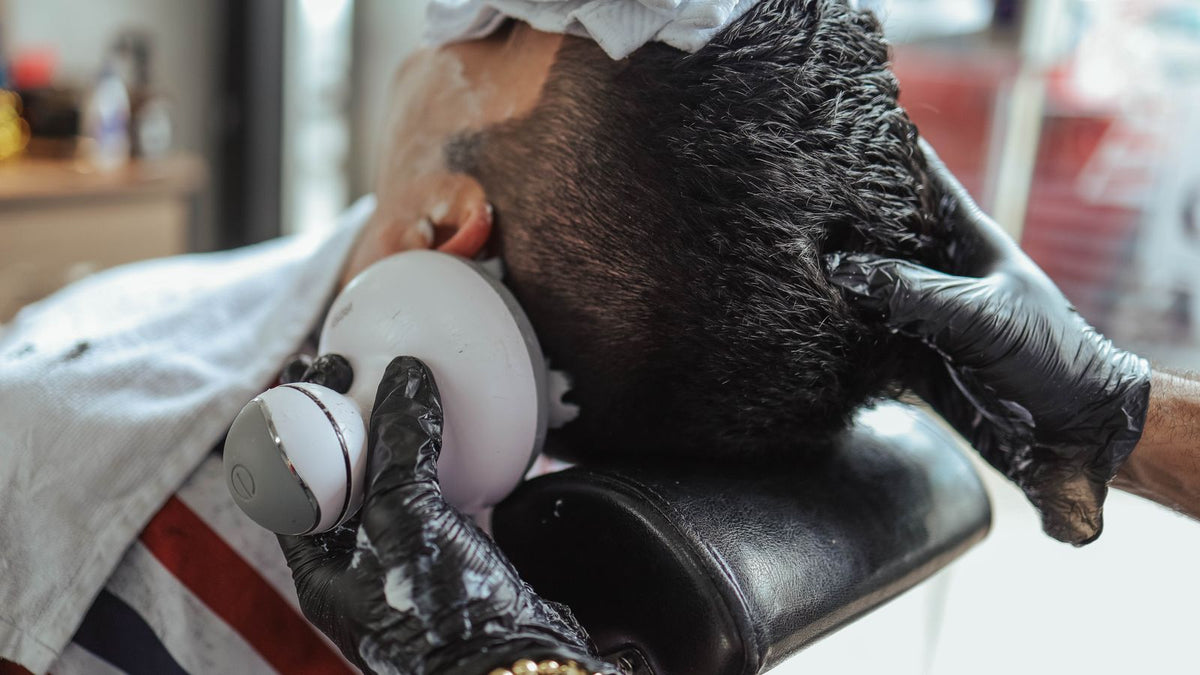
Trichology is the study of the hair and scalp. A trichologist looks at your scalp closely, often with a magnifier or a small handheld camera, asks a long list of questions about your health, diet, family history and routine, and then gives you an opinion on what is driving the change and what to do about it. Good ones spend most of the appointment listening.
What they typically offer: a close look at the scalp skin and the follicle openings, a hair pull test, measurements or photographs of density at the parting and crown, advice on washing, styling and heat, guidance on diet and supplements, and a written plan you take away. Some sell their own products, some sell topical formulas made up in the room, and some sell nothing at all. If you eat a vegan or plant-based diet, our Ipswich guide to vegan diets, iron and hair shedding covers the nutrients worth checking with your GP first.
What they cannot offer: blood tests on the NHS, a referral into hospital dermatology, or any medicine that needs a doctor's signature. They also cannot access your medical records. That boundary matters, because a large share of unexplained hair shedding turns out to have a cause that shows up in a blood test rather than under a magnifier.
Is trichologist a protected title in the UK?
No, and this is the single most important thing on this page. Titles like physiotherapist, dietitian and pharmacist are protected by law, which means using them without the qualification is a criminal offence. Trichologist is not on that list. There is no statutory register, no compulsory training, and nothing stopping someone completing a weekend course and hanging up a sign.
That does not make the field worthless. It means the burden of checking falls on you, and the check takes about two minutes.
The Institute of Trichologists is the older of the two UK bodies, founded in 1902, and its members use the letters MIT or AIT after their name. The Trichological Society is the other recognised body and its members use MTTS or similar. Both maintain public member directories you can search by area, which is the practical way to find someone genuinely qualified near Harlow rather than trusting whoever paid the most for the top advert.
Ask directly: which body are you a member of, what is your membership number, and how long was your training. A qualified practitioner will answer without hesitating. Anyone who bristles at the question has told you what you needed to know.
GP or trichologist: which should you see first?
For most people the honest answer is the GP, and not because the NHS route is glamorous. It is because the GP can run the blood tests that rule things in or out, and those results change what any specialist would sensibly advise.
| What you are seeing | Go to | Why |
|---|---|---|
| Round, smooth bald patches | GP, promptly | This pattern needs a medical opinion and possibly hospital dermatology |
| Sudden heavy shedding after illness, birth, surgery or crash dieting | GP | Blood tests for iron, ferritin, thyroid and vitamin D are the useful first step |
| Painful, weeping, crusting or spotty scalp | GP or pharmacist | Broken skin needs medical care, not a shampoo change |
| Child losing hair | GP, always | Causes in children differ and some are infectious |
| Gradual widening parting over years | Either | Pattern change is slow, so there is time to get both views |
| Flaking, itching, oiliness with no hair change | Pharmacist first | Most scalp flaking settles with the right wash routine and costs almost nothing |
| Breakage from bleach, heat or tight styles | Hairdresser, then trichologist | This is a fibre problem, not a follicle problem |
| Nobody has explained anything and you want an hour of attention | Trichologist | Time is genuinely what you are buying, and NHS appointments are ten minutes |
Harlow sits in west Essex, so your NHS route runs through your own surgery and then, if needed, on to dermatology at the Princess Alexandra Hospital. Private trichology tends to cluster in central London, which is around thirty five minutes from Harlow Town into Liverpool Street, with a smaller number of practitioners across Essex and Hertfordshire. Being on that line is genuinely useful here: it widens your choice a long way past what is walkable.
What does a trichologist in Harlow cost?
Fees are not standardised because the profession is not regulated, but the ranges are fairly consistent across the south east.
| Item | Typical range | Worth paying for? |
|---|---|---|
| First appointment, 45 to 60 minutes | £50 to £150 | Yes, if you get a written plan and honest limits |
| Follow up, 20 to 30 minutes | £30 to £80 | Only when there is something new to review |
| Private blood panel arranged privately | £80 to £200 | Usually not, your GP can request the same tests free |
| In house topical formulas | £40 to £120 a month | Ask what is in it and what evidence supports it before agreeing |
| Package of six sessions paid up front | £300 to £900 | Rarely. Pay as you go until you trust them |
The pattern to watch for is a modest consultation fee attached to an expensive ongoing product commitment. That is a sales structure, not a care structure. A practitioner confident in their advice will happily let you buy nothing on the day.
Get a discount on your next order
Join the Watermans mailing list and we will email a discount code straight to your inbox. Made in the UK, over 6.5 million bottles sold since 2012.

What happens at a first appointment?
Most first appointments with a trichologist in Harlow follow the same shape, and knowing it in advance makes the hour far more productive.
The history comes first, and it is long. Expect questions about when the change started, whether it was sudden or gradual, family history on both sides, recent illness, surgery, pregnancy, weight change, medicines, iron levels, thyroid, diet, stress, and every product you use. Vague answers here waste the appointment, so think about the timeline beforehand.
Then the scalp examination. Good light, a magnifier or a small camera, and a look at the parting, crown, hairline and nape. They are looking at the skin as much as the hair: redness at the follicle openings, scale, oiliness, and whether the follicle openings are still visible at all.
Then measurement. Photographs of the parting and crown, sometimes a hair pull test where a small bundle is drawn gently to see how many release. The pull test is a rough tool, not a precise one, and a fair practitioner will say so.
Then the plan. This should be written down and it should distinguish clearly between what is likely, what is possible and what is guesswork. It should also say what would make them send you to a doctor instead.
Take photographs with you. Same spot, same light, hair dry and parted the same way, one a month going back as far as you have. Memory is unreliable about hair and photographs are not. If you have never done this, start today, because the version of you sitting in that room in six months will be grateful.
How do you choose well, and what are the red flags?
Green flags, when you are comparing one trichologist in Harlow against another: a checkable membership of the Institute of Trichologists or the Trichological Society, a clear fee published before you arrive, willingness to say a cause is uncertain, an explicit route back to your GP, and no pressure to buy anything on the day.
Red flags, in rough order of how much they should worry you:
- A promise of a specific result, or any language suggesting an outcome is certain. Nobody honest promises hair.
- Before and after photographs with different lighting, different partings or different hair lengths. That is photography, not progress.
- A large package payment demanded at the first appointment.
- Refusal to name their qualification or the body they belong to.
- Discouraging you from seeing your GP, or dismissing blood tests as unnecessary.
- A private in house formula whose ingredients they will not fully disclose.
- Claims that a shampoo alone will resolve pattern hair loss. It will not, and nor will ours.
If you are still working out what is actually happening to your hair before you spend anything at all, our guide on how to work out why your hair is thinning walks through the patterns, and the shedding that follows illness or stress covers the single most common temporary cause.
What is the difference between hair loss, hair shedding and hair breakage?
These three get run together constantly, including by people selling things, and separating them is most of the value any specialist adds.
Hair loss means the follicle itself producing finer hair or stopping altogether. Pattern hair loss, alopecia areata and scarring conditions sit here. It is gradual, it shows as a widening parting or a receding line, and it is the category where medical input matters most.
Hair shedding means more hairs than usual leaving the head because the growth cycle was disturbed, typically two to three months after a trigger such as illness, childbirth, a general anaesthetic, a crash diet or severe stress. It is dramatic, it frightens people, and it usually recovers on its own.
Hair breakage means the fibre snapping partway along its length. Bleach, heat, tight styles and rough detangling cause it. It looks exactly like thinning in the mirror and it is a completely different problem with a completely different fix.
A useful home check: look at the loose hairs. A shed hair has a small pale bulb at the root end. A broken hair has a blunt or frayed end and no bulb. That one observation redirects a lot of people away from the wrong shelf entirely.
Watermans products are 100% cosmetic and do not treat medical hair loss. Individual results may vary.

What can you do this week while you decide?
None of this replaces a GP or a trichologist in Harlow, and all of it is free or nearly free.
Start the photograph series. Parting, crown, hairline. Same window, same time of day, dry hair. Monthly.
Take the tension off. Loosen ponytails and buns, sleep with hair down, and vary where the elastic sits. If a style hurts on day one it is too tight, and sustained pulling at the hairline causes damage that eventually stops recovering.
Count roughly, do not count exactly. Losing somewhere between fifty and a hundred hairs a day is normal and nobody needs to tally them. What matters is a clear change from your own baseline, sustained over weeks.
Sort the scalp out separately from the hair. If there is flaking or itching, that is its own problem and it is usually the cheapest one to fix. Our guide to telling a dry scalp apart from dandruff points you at the right shelf, and if the scalp is sore rather than flaky, the tender scalp guide covers that pattern. If you suspect a new shampoo is behind the itching, our Chelmsford guide to sulfates, parabens and other shampoo ingredient scares sets out what the evidence really says.
Write the timeline down. When it started, what else was happening in your life three months before that, and what has changed since. You will need it whichever door you walk through.
Where do our products fit, honestly?
We make cosmetic hair care. It supports the condition of the hair you have and the comfort of the scalp it grows from. It is not a substitute for finding out what is going on, and on a page about seeing a specialist it would be dishonest to pretend otherwise.

Grow Me Shampoo, the everyday wash while you work out the cause
Sulfate free, with biotin, caffeine and rosemary. It cleans without stripping, which matters if you have been washing less out of worry and letting oil and product build up on the skin. Fingertips, warm water, twice or three times a week.

Condition Me Conditioner, for the breakage half of the problem
Slip is the point. Hair that detangles easily gets pulled far less at the root and snaps far less along its length, which is the part of thinning-looking hair you can genuinely improve from a bottle. Mid lengths and ends, every wash.
Frequently asked questions
Do I need a GP referral to see a trichologist in Harlow?
No. Trichology is private and self referred, so you can arrange an appointment directly. That convenience is also the reason to check credentials yourself, because no NHS gatekeeper has checked them for you.
Is trichology available on the NHS?
Not as a service in its own right. The NHS route for hair and scalp problems runs through your GP, who can request blood tests and refer you to hospital dermatology where that is appropriate. Dermatology is the medical specialty that covers hair and scalp disease.
Can a trichologist tell me why my hair is falling out?
Often they can identify the likely pattern from the scalp and your history, which is genuinely useful. What they cannot do is order the blood tests that confirm or exclude iron deficiency, thyroid problems or other internal causes. That is why the two routes work better together than apart.
How much does a first appointment cost?
Typically £50 to £150 in the south east for 45 to 60 minutes, with follow ups lower. Ask for the fee in writing before you attend, and ask specifically whether products are included or extra.
Is a trichologist worth the money?
It depends what you want. If you want an unhurried hour, a proper look at your scalp and a written plan, many people find that worth £100. If you want a definite answer about an internal cause, blood tests through your GP will get you further for nothing.
What should I bring with me?
Monthly photographs of your parting and crown, a list of every medicine and supplement you take, any blood test results you already have, and a written timeline of when the change began. Do not style or heavily product your hair that morning.
Can a shampoo fix hair loss?
No. Cosmetic products work on the hair fibre and the scalp surface, so they can reduce breakage and make hair look thicker and healthier. They do not change what a follicle is doing beneath the skin, and any brand telling you otherwise is overselling.
Does Watermans run a clinic in Harlow?
No. We are a UK hair care company. We do not examine anybody, we have no consulting rooms anywhere, and we have no commercial relationship with any practitioner listed by either trichology body.
Sources and references
- The Institute of Trichologists, public member directory and membership requirements, for the MIT and AIT designations and the 1902 founding date.
- The Trichological Society, public register and qualification structure, for the alternative UK credential.
- UK Health and Care Professions Council register of protected titles, for the confirmation that trichologist is not among them.
- NHS guidance on hair loss, for the recommended first steps and the referral route through general practice to dermatology.
- NICE Clinical Knowledge Summaries on hair loss and on alopecia areata, for the presentations that warrant a medical opinion.
- British Association of Dermatologists public information on traction alopecia, for the early reversible stage and the later scarring stage.
What is the bottom line on trichologist in Harlow?
A trichologist in Harlow gives you something the NHS struggles to: an unhurried hour, a proper look at your scalp and a written plan, for £50 to £150. What they cannot give you is a blood test, a hospital referral or anything requiring a doctor. Since the title is not protected in law, check membership of the Institute of Trichologists or the Trichological Society before you pay, and walk away from promised outcomes, big up front packages and secret formulas. If your hair is coming out in patches, your scalp is broken or the shedding began suddenly, see your GP first. Start photographing your parting today, take the tension off your styles, and be clear whether you are dealing with loss, shedding or breakage before you buy anything at all. If your question is about products or a routine rather than a medical one, you can talk to Gail Waterman, our co-founder, as an AI avatar on the Watermans homepage.
For the everyday version of all this, Grow Me hair growth shampoo does the scalp work while you get on with the rest.
Grow Me shampoo is vegan, Watermans is UK made, and we have sold over 6.5 million bottles since 2012.