Trichologist Hounslow: Get the Blood Tests First
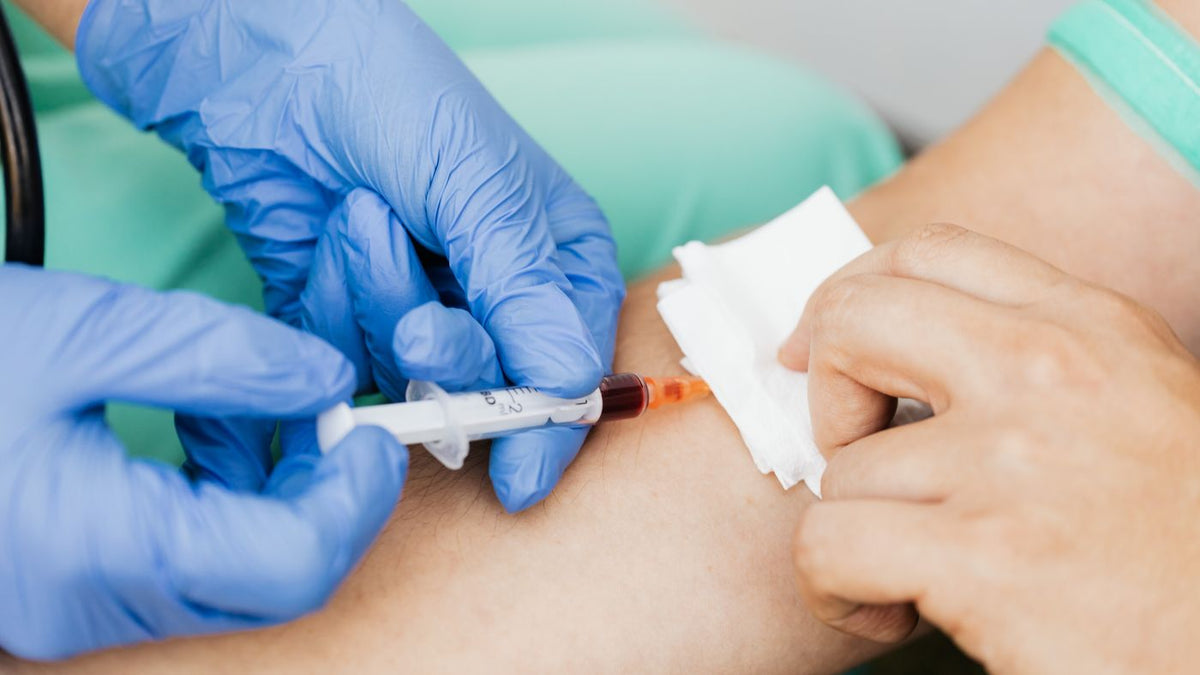
The most useful thing to know about a trichologist Hounslow appointment is that it should be your second appointment, not your first. A private consultation cannot order blood tests, and a large share of sudden hair shedding is explained by four results your GP can request for nothing. Get those first, then spend the private money on someone interpreting them and building a plan around your actual hair.
Our hair and body oil
Camellia & Black Castor Hair & Body Oil, £24.95. Adds hydration and shine to dry lengths and smooths the hair before a blow dry, without weighing fine hair down.
In short: Before booking a trichologist Hounslow consultation, ask your GP for ferritin with a full blood count, thyroid function, vitamin D and vitamin B12. Trichology is unregulated in the UK and cannot order tests or supply medicines, so a private appointment is most valuable once those numbers exist. Expect roughly 75 to 250 pounds in west London, and take printed results plus photographs taken months apart in the same light.
Key takeaways
- Bloods first, appointment second. Ferritin, full blood count, thyroid, vitamin D and B12 are free through a GP.
- Ferritin is the most informative single test, because stores can be low while a full blood count still reads normal.
- Oiling reduces breakage. It does not stop shedding. Oil the lengths, go gently at the roots.
- Pure henna is usually fine; additives are not. Avoid so-called black henna and tell your colourist.
- West London water is hard, which roughens the fibre and makes combing harder. That is a breakage problem.
- Expect 75 to 250 pounds for a first private consultation. Nothing about that price is regulated.
Why should blood tests come before a trichologist Hounslow consultation?
Blood tests come first because they change the answer. Diffuse shedding across the whole scalp has a short list of common contributors, and four of them show up on a standard panel your GP can request. Paying privately to be told to go and get those tests is the most common wasted expense in this entire area, and it delays the useful part by weeks.
The panel worth asking for, and why each one is on the list:
- Ferritin with a full blood count. Ferritin measures iron stores, and NICE guidance names it as the first-line test for iron deficiency. Stores can be depleted while haemoglobin is still normal, which is exactly the situation that gets missed.
- Thyroid function. The NHS lists hair thinning among the recognised features of an underactive thyroid, and both underactive and overactive thyroid states affect the hair cycle.
- Vitamin D. Low readings are common across the UK through autumn and winter, and the NHS recommends a daily supplement for everyone during those months.
- Vitamin B12. Worth checking on any diet that excludes animal products, which is common locally, and easily corrected once identified.
Ask for the numbers, not just the verdict
“Normal” covers a very wide range, particularly for ferritin, where the bottom of the reference range and a level associated with good hair growth are not the same number. Ask for a printout with the actual values and the reference ranges, and take it with you. It is the single most useful document you can bring to any private appointment.
Our guide to preparing for a hair loss consultation lists everything worth taking, and how thyroid problems show up in hair explains why one of those four tests comes up so often.
What can a trichologist do, and what can they not?
A trichologist can take a detailed history, examine the scalp under magnification, assess the hair shafts, perform a pull test and write a plan. That is a genuine service and an hour of focused attention that a ten-minute GP appointment cannot provide. It is worth paying for, in the right order.
What they cannot do is request NHS tests, take a scalp biopsy, supply medicines or refer you to dermatology. Trichologist is not a protected title in UK law, so there is no statutory register behind the word and no minimum training requirement. Ask which professional body someone belongs to, verify that membership with the body itself, and read a clear account of what falls outside their scope as the best signal available.
Get a discount on the thinning hair range
Join the Watermans mailing list and we will email a discount code straight to your inbox, so you can try the thinning hair range for less. Vegan, made in the UK, over 6.5 million bottles sold since 2012.
Does hair oiling help or harm?
Hair oiling helps the fibre and does nothing for the follicle, and both halves of that sentence matter. Oil applied along the lengths before washing reduces how much water the fibre absorbs and swells, and reduces friction while combing. Less swelling and less friction means less breakage, which is a real and measurable benefit to the hair you already have.
What oiling cannot do is change a shed. Shedding starts in the follicle below the skin, and nothing sitting on the surface reaches it. Two specific risks are worth naming as well. Vigorous massage on an already shedding scalp pulls out hairs mechanically and adds stress. And heavy oil left on a flake-prone scalp for days can worsen seborrhoeic dermatitis, because the yeast involved in that condition feeds on skin lipids.

The sensible version: oil the mid-lengths and ends as a pre-wash treatment, be gentle at the roots, leave it for an hour or two rather than overnight if your scalp flakes, and wash it out properly. Our guides to how to use hair oils and what they can do and flaky scalp care cover both sides of this in more depth.

Camellia & Black Castor Hair & Body Oil · £24.95
A lightweight camellia and black castor oil for mid-lengths and ends, or as a pre-wash treatment. Useful if hair has become dry and snappy in the comb, which adds visible thinness on top of anything else happening.
Is henna safe for hair?
Pure henna is generally kind to the hair fibre. It coats the strand rather than lifting the cuticle the way oxidative colour does, and many people find the result feels thicker and behaves better. Used on its own, it is one of the gentler ways to add colour.
The problems come from what gets added to it. So-called black henna frequently contains para-phenylenediamine at concentrations never intended for skin contact, and that ingredient is a well-recognised cause of severe allergic reactions and lasting sensitisation. Separately, metallic salts present in some compound henna products can react with peroxide during later salon colouring, producing heat and damage. Always tell a colourist that you have used henna, and never accept a black henna application on skin.

What does hard water do to hair in west London?
Hard water roughens and dulls the fibre without touching the follicle. Thames Water supplies most of west London and states that all water in its region is hard, which on its own published scale means above 200 mg/l of calcium carbonate. Mineral deposits sit on the cuticle, scatter light badly and increase drag through the comb.
That drag is where the actual damage happens, and it is mechanical. A clarifying wash every week or two, conditioning from mid-lengths to ends at every wash, and detangling from the ends upward with a wide-tooth comb deal with most of it at no cost. Softeners and shower filters exist, but changing how you handle wet hair is the higher-yield move.


Grow Me® Hair Growth Shampoo · £14.95
A sulfate-free everyday shampoo with biotin, caffeine, rosemary and niacinamide. It cleanses without stripping, supports a healthy scalp environment and reduces breakage, so hair looks and feels fuller. It is cosmetic and does not act on the follicle cycle underneath a shed. The same order of work applies a few miles east, and our guide to what to sort out before a trichologist appointment in Ealing sets out the root check, the blood panel and the medicine timeline in full.
Our guide to the everyday habits that reduce breakage covers the handling side, and what causes telogen effluvium explains the delayed shed that hard water often gets blamed for.
Frequently asked questions
What should I do before booking a trichologist Hounslow appointment?
Book a GP appointment and ask for ferritin with a full blood count, thyroid function, vitamin D and vitamin B12. Those four results explain a large share of sudden diffuse shedding, they are free, and a private consultation that starts from real numbers is a completely different conversation from one that starts from a description.
Which blood tests matter most for hair?
Ferritin is the single most informative, because iron stores can be low enough to affect hair while a standard full blood count still reads as normal. Thyroid function matters because the NHS lists hair thinning among the recognised features of an underactive thyroid. Vitamin D and B12 are commonly low in the UK, particularly in winter and on restricted diets.
Does hair oiling actually work?
It does one thing well and another thing not at all. Oils applied to the hair fibre reduce water swelling during washing and cut friction while combing, which measurably reduces breakage, and coconut oil is the one most often singled out for penetrating the fibre. What oiling does not do is change what the follicle is doing below the skin, so it cannot stop a shed.
Can oiling make hair loss worse?
It can, in two specific ways. Vigorous massage and tugging while applying oil to an already shedding scalp pulls out hairs that were on their way anyway and creates mechanical stress. And heavy oil left for days on a scalp prone to flaking can worsen seborrhoeic dermatitis, because the yeast involved feeds on skin lipids. Oil the lengths, go gently at the roots, and wash it out.
Is henna bad for hair?
Pure henna is generally kind to the fibre and coats the strand, which many people find makes hair feel thicker. The real problems are additives. So-called black henna often contains para-phenylenediamine, which is a recognised cause of severe skin reactions, and metallic salts in some compound henna can react violently with peroxide used in later salon colouring. Tell any colourist about henna use.
Does hard water in west London affect hair?
Yes, cosmetically. Thames Water supplies most of west London and states that all water in its region is hard, which on its published scale means above 200 mg/l of calcium carbonate. Mineral deposits roughen the cuticle, dull the shine and make combing harder, and the harder combing is where the breakage comes from. It does not pull hair from the follicle.
What does a private consultation cost around here?
First consultations in west London commonly run from roughly 75 to 250 pounds, with follow-ups lower. None of this is regulated and prices vary widely between practices a few miles apart. Ask what the fee includes, whether anything is charged extra, and be wary of a course of sessions sold before any assessment has happened.
Can any shampoo stop hair falling out?
No. Cosmetic products act on the hair fibre and the scalp surface, and a shed begins in the follicle below the skin where nothing applied to the outside reaches. What a good shampoo does is cleanse without stripping and reduce breakage, which matters because thin-looking hair is usually a shed plus years of accumulated breakage rather than either on its own.
What is the bottom line on trichologist Hounslow?
A trichologist Hounslow appointment is worth having, second. Ask your GP first for ferritin with a full blood count, thyroid function, vitamin D and vitamin B12, and take the printed numbers with you along with photographs taken months apart in the same light. Because the title is unregulated in the UK, verify professional body membership with the body itself, and expect roughly 75 to 250 pounds for a first consultation in west London. Oil the lengths rather than scrubbing the roots, keep henna pure and tell your colourist, and regard hard water as a breakage problem rather than a hair loss one. If your question is about products or a routine rather than a medical one, you can talk to Gail Waterman, our co-founder, as an AI avatar on the Watermans homepage.
If washing is leaving your hair rough and snapping in the comb, change that first. Our hair growth shampoo is sulfate-free, vegan and made in the UK, and it is built to keep the length you already have.
Sources & references
- NICE, Clinical Knowledge Summaries: iron deficiency anaemia: ferritin as the first-line test for iron deficiency.
- NHS, underactive thyroid: recognised features including hair thinning.
- NHS, blood tests: what common panels measure and how they are requested.
- NHS, vitamins and minerals: UK reference intakes, autumn and winter vitamin D advice, and cautions on high doses.
- NHS, hair loss: common causes and when to see a GP.
- Thames Water, water hardness: the published scale and the statement that all water in the region is hard.
- DermNet, telogen effluvium: the delay between trigger and shedding, and recognised causes.
- Health and Care Professions Council, Check the Register: the statutory register of protected titles, which does not include trichologist.
- British Association of Dermatologists, public information leaflets on hair and scalp conditions, including reactions to hair dye ingredients.
Important: Watermans products are 100% cosmetic and do not treat medical hair loss. Individual results may vary.