Trichologists Liverpool: Assessment or Sales Pitch?
Search for trichologists Liverpool wide and most of what comes back will not be trichology at all. It will be surgical and aesthetic providers offering a free assessment, because that is where the money in hair has moved. The two services are genuinely different: trichologists Liverpool based assess hair and scalp and sell you nothing you cannot walk away from, while a surgical provider's free hour exists to sell a procedure. Knowing which room you are in is the whole game. Reports often come back full of terms nobody explains, so it is worth knowing how to read the report you were given before acting on any recommendation in it.
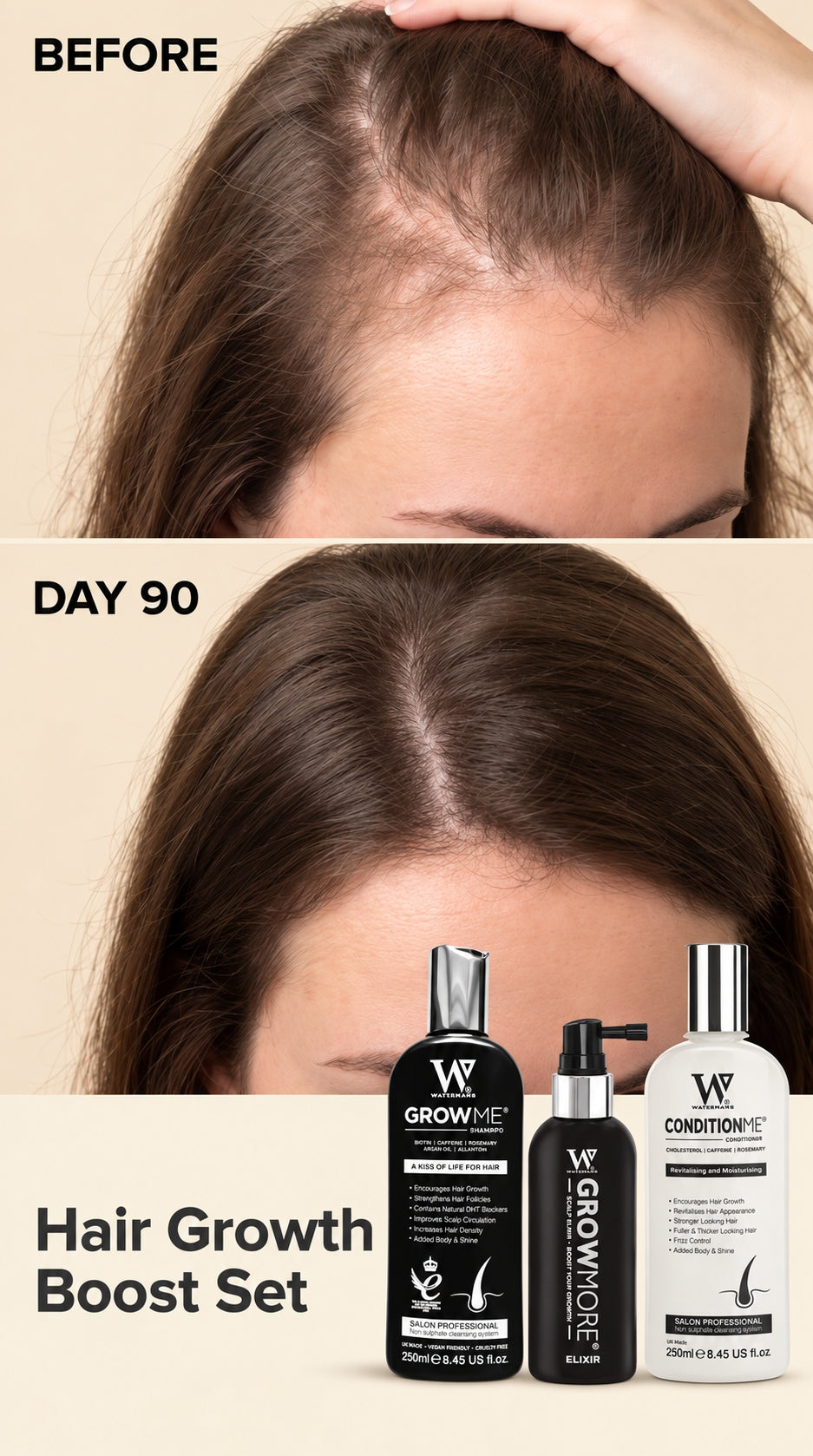
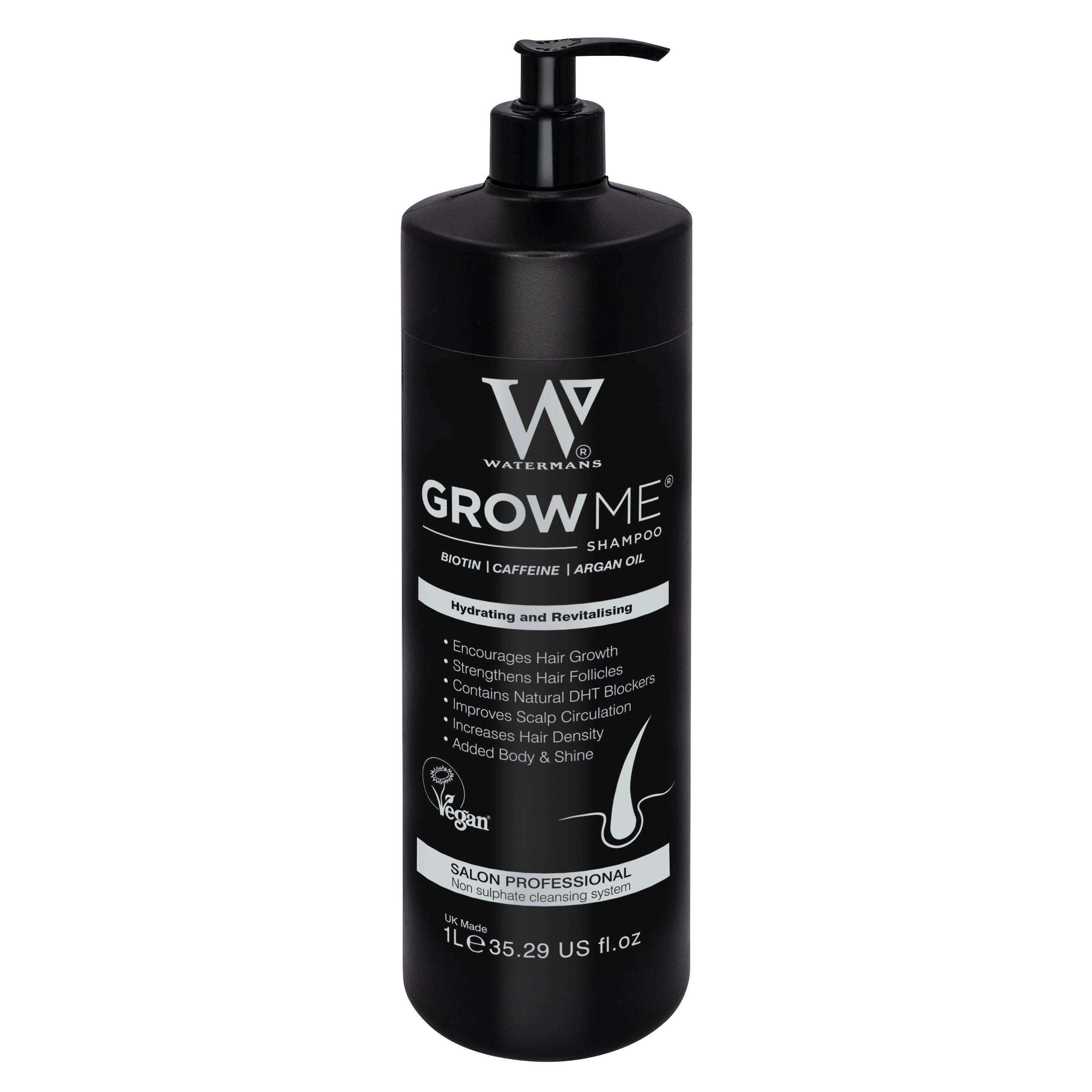
Our hair growth shampoo
Grow Me® Hair Growth Shampoo, £14.95. A sulphate free daily shampoo that supports a healthy scalp environment and helps reduce breakage, so lengths hold on and look fuller.
Key takeaways
- Most results are not trichology. Many businesses using the word clinic are surgical or aesthetic providers whose main product is a procedure.
- Ask who you will see, by name, and where they are registered. Adviser, coordinator and consultant are job titles, not qualifications.
- A free assessment changes the incentive. The business earns nothing unless you buy, so the hour is paid for by the people who say yes.
- Surgery moves hair, it does not create it, and pattern hair loss carries on afterwards in the untouched areas.
- Get the free blood tests first. Ferritin, full blood count, thyroid function and vitamin D, usually arranged by your GP at no cost.
- Go to your GP first if it is sudden, patchy, painful, affects a child, or comes with other symptoms.
What do trichologists Liverpool based do, and how is that different from a hair clinic?
A trichologist specialises in hair and scalp. A first visit is mostly history taking, followed by a close scalp examination, usually through a magnifying dermatoscope, and an assessment of density and shaft quality at the crown, the parting and the hairline. The output is an understanding of what is happening and an approach that covers scalp care, hair handling, nutrition and, where appropriate, a recommendation that you see a doctor. A trichologist is not a doctor, cannot issue medicines and does not perform surgery.
A hair clinic, in the way the word is usually used in advertising, is frequently a surgical or aesthetic business. Its main product is a procedure, its assessment is often free, and the person who sees you may be a sales coordinator rather than the surgeon or a registered practitioner. That model is legal and can be perfectly reputable. It is simply a different thing, with a different incentive, and it is not what most people mean when they type trichologists Liverpool into a search box.
A word on where we stand. Watermans makes cosmetic hair care in the UK. We do not run clinics, we perform no procedures, we offer no consultations, and nothing here is medical advice. We wrote this because the search results for this phrase are dominated by adverts. If your question is about products or a routine rather than a medical one, you can talk to Gail Waterman, our co-founder, as an AI avatar on the Watermans homepage.

How do you tell an independent assessment from a sales appointment?
You can usually tell before you arrive, from the website and one phone call. The table below sets out the two models side by side.
| What you are looking at | An independent assessment | A sales appointment |
|---|---|---|
| The fee | A published price for a defined length of visit | Free, or refunded against the procedure |
| Who sees you | A named practitioner on a public register | An adviser or coordinator with no register entry |
| What they measure | Scalp, density and shaft quality across several zones | Graft count and the size of the area to be filled |
| The findings | Given in writing, with images you keep | A quote, often with a same day discount |
| Options offered | Include doing nothing for now | Almost always the procedure they sell |
| Medical cases | Referred to your GP with a letter | Absorbed into the sales process |
| Follow up | An interval and a measure of progress | A finance application |
The single most useful question to ask on the phone is this: who will I be seeing, and what is their registration? If the answer is a name you can find on the Institute of Trichologists or Trichological Society register, or a doctor you can find on the medical register, you are in reasonable hands. If the answer is a job title such as adviser, coordinator or consultant with no register behind it, you now know what the hour is for.
How do you check trichologists Liverpool wide are properly qualified?
Trichology is not a protected title in the UK, so anybody may legally use it. That makes the professional register the filter that matters.
- The Institute of Trichologists runs a recognised qualification and lists its members, who use the postnominals MIT or AIT.
- The Trichological Society is the other established UK body, with its own training pathway and its own register.
For anyone offering surgery, the checks are different and stricter. Providers carrying out surgical procedures in England must be registered with the Care Quality Commission, and that register is public. Doctors are separately registered with the General Medical Council. Neither register tells you whether someone is skilled at hair surgery specifically, but a provider that appears on neither is a straightforward no. If that sounds familiar, our piece on what is genuinely worth paying for with hair loss.
Get a discount on the thinning hair range
Join the Watermans mailing list and we will email a discount code straight to your inbox, so you can try the thinning hair range for less. Made in the UK, over 6.5 million bottles sold since 2012.
What should you do before you consider surgery at all?

Establish what is actually happening to your hair first, because the answer determines whether surgery is even the right category of solution. Three facts do most of the work here, and a good practitioner will say all three unprompted.
- Surgery moves hair, it does not create it. Grafts are taken from one part of your scalp and placed in another. Total hair is unchanged; what changes is where it sits.
- Pattern hair loss continues afterwards. The transplanted hair may persist while the untouched hair around it carries on thinning, which is how people end up needing a second and third procedure they had not planned for.
- Shedding and breakage are not surgical problems at all. If your hairs are coming out full length with pale bulbs, or snapping short with no bulb, an operation is the wrong answer to the question.
Before you go anywhere near a surgical assessment, ask your GP for ferritin, a full blood count, thyroid function and vitamin D. Those four tests are usually free, they rule in or out the most common non surgical causes, and a reputable provider will want to see them anyway. If you are weighing up techniques, our honest comparison of DHI and FUE covers what actually differs between them, and our guide to spotting damaged grafts deals with the aftercare question most providers gloss over.
What does a first visit cost in Liverpool?
Liverpool sits below London and broadly in line with Manchester. Expect a paid trichology visit to run to somewhere in the low to middle hundreds of pounds depending on length, with follow ups shorter and cheaper. Confirm each of the following before you commit.
- The fee and the length of the visit. Thirty minutes and ninety minutes are very different products at similar prices.
- Who you will see, by name, and where that name appears on a register.
- Whether imaging is included, and whether you get copies to keep.
- Whether you leave with findings in writing. A written record is what makes a second opinion possible.
- Whether anything is compulsory in order to come back.
Resist comparing a paid trichology fee against a free surgical assessment as though they were the same purchase. One is an hour of assessment you own outright. The other is a sales meeting that is paid for by the people who say yes.
Hair loss, hair shedding or hair breakage: which one are you describing?
These three are constantly lumped together and they need completely different answers. Look at what is actually coming out before you decide anything, and certainly before you consider a procedure. If you mostly notice it on wash day, our Blackpool guide to wash-day shedding explains why the plughole exaggerates it.
| Hair loss | Hair shedding | Hair breakage | |
|---|---|---|---|
| Where it happens | The follicle itself | The growth cycle | The hair fibre |
| What you see | Finer hairs, a widening parting or bare patches | Handfuls of full length hairs, each with a small white bulb | Short broken ends with no bulb, split tips, frizz at one length |
| How fast | Years | Weeks to months, and usually self limiting | Improves within weeks once the cause stops |
| Best first call | Your GP or a dermatologist | Your GP, for blood tests | A hairdresser or a trichologist |
If your parting has widened gradually over years and the hairs look finer than they used to, our explainer on the three mechanisms is the right next read. If you are not sure which column you are in, our three clue self check walks through it step by step.
What protects the hair you already have?

Whatever route you eventually take, the hair currently on your head is worth protecting, and that part costs almost nothing. Cosmetic care will not alter follicle biology, but breakage is what makes thinning look worse than it is, and breakage responds to handling within weeks. If you are tempted to buy a cheap product online in the meantime, our Ashford guide to spotting fake, counterfeit and dupe hair care shows what a genuine UK label must carry.
- Keep the scalp clean and comfortable. An itchy, flaking scalp invites scratching, and scratching snaps hair.
- Turn the dryer heat down and hold it further from the head.
- Condition the mid lengths and ends every wash, and detangle from the ends upward.
- Loosen tight styles. Sustained tension at the hairline is a well recognised cause of hair loss at the front and temples.
- Photograph the same spot in the same light once a month, so you are judging change on evidence rather than on how you felt this morning.

A sulfate free daily shampoo with biotin, caffeine, rosemary and niacinamide. It cleanses without stripping and supports a healthy scalp environment. Cosmetic care, not a medical product and not an alternative to one.

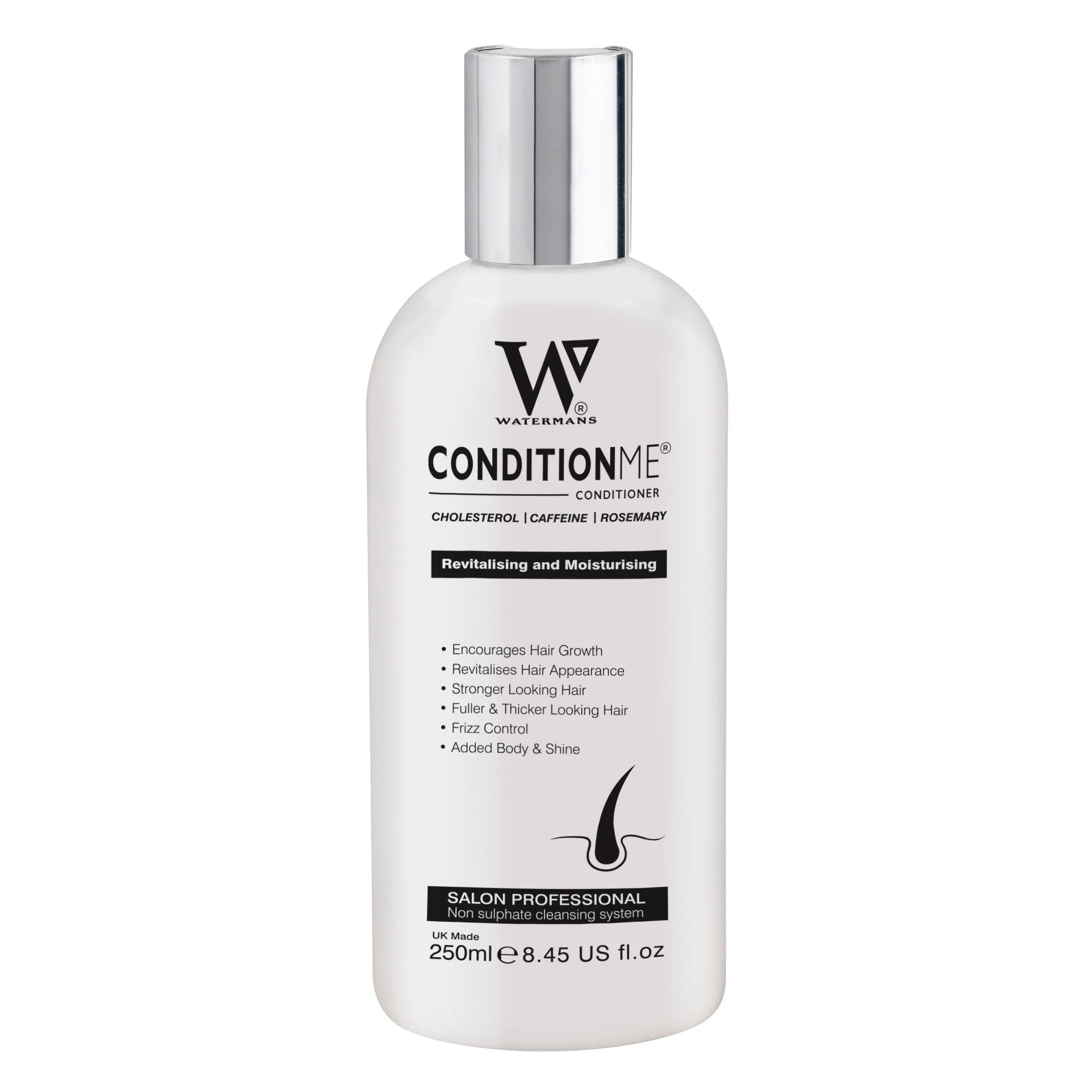
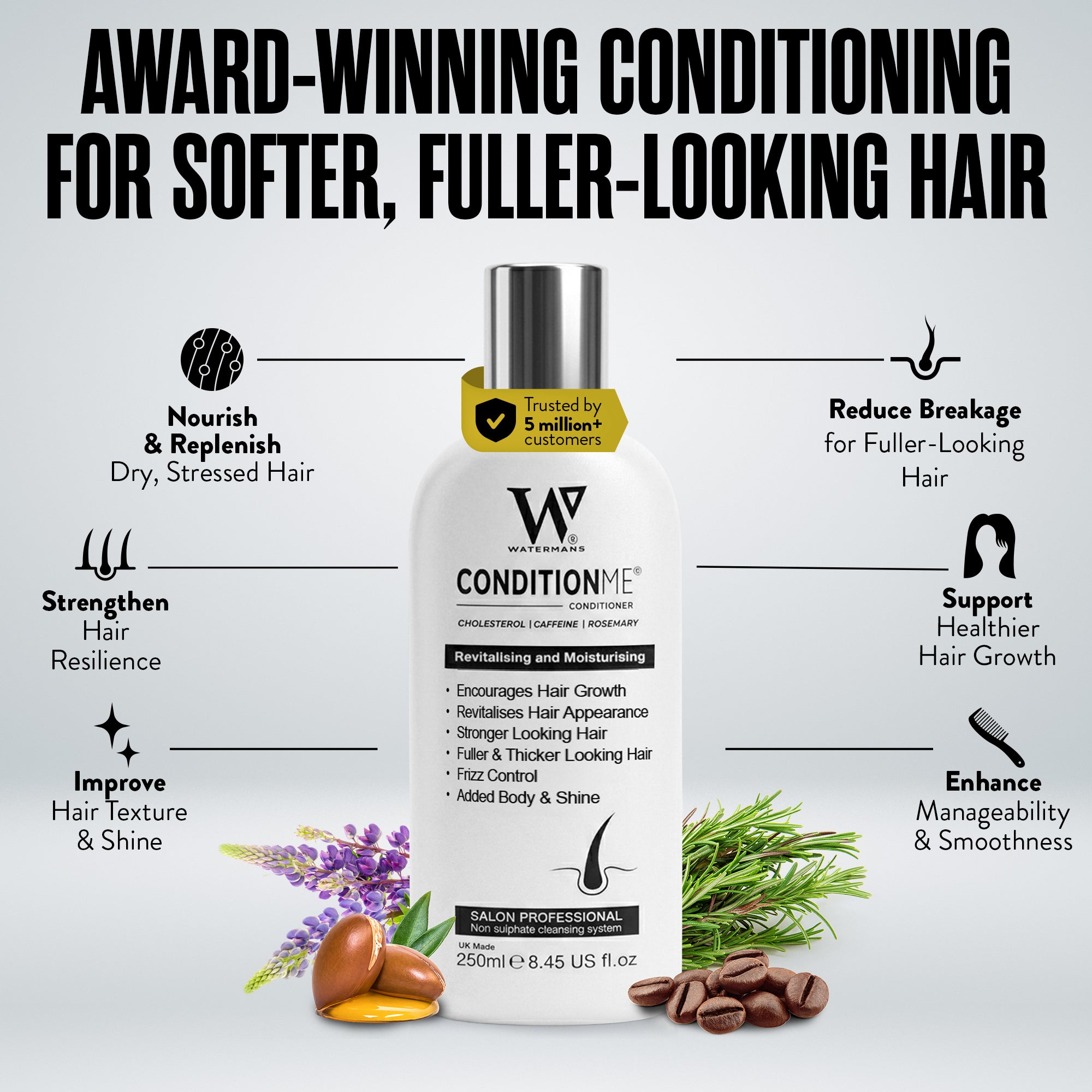
A breakage defence conditioner with cholesterol, shea butter and hydrolysed lupine protein. It improves slip so detangling costs you fewer hairs, and leaves strands feeling stronger and looking thicker.
Watermans is made in the UK, and has sold over 6.5 million bottles since 2012.
Frequently asked questions
Are trichologists Liverpool based available on the NHS?
No. Trichology is not an NHS specialty, so trichologists Liverpool wide all work privately. The NHS route for hair and scalp problems runs through your GP, who can examine the scalp, arrange the standard blood tests and refer you to a dermatologist where that is appropriate. That route costs you nothing and is the better first step for anything sudden, patchy or painful.
Is a hair clinic the same as a trichologist?
Often not. Many businesses using the word clinic are surgical or aesthetic providers whose main product is a procedure, and the free assessment is the first step in selling it. A trichologist is a hair and scalp specialist who is not a doctor and who does not perform surgery. Both can be entirely legitimate, but they are different services with different incentives, and you should know which one you are walking into.
How much do trichologists Liverpool charge?
Liverpool sits below London and broadly in line with Manchester. A first visit commonly lands somewhere in the low to middle hundreds of pounds depending on how long it runs, with follow ups shorter and cheaper. Be careful comparing that against a free surgical assessment, because the two are not the same product and the free one is paid for later.
Why is a free consultation a warning sign?
Not always, but it changes the incentive. If the assessment is free, the business makes nothing unless you buy the procedure, so the person in the room is being paid to convert rather than to assess. A paid assessment can be honest about the answer being do nothing for now, because it has already been paid for that hour.
What should I do before considering a hair transplant?
Establish what is actually happening first. Get the medical causes excluded through your GP, know whether you are looking at pattern hair loss, a shedding phase or breakage, and understand that surgery moves existing hair rather than creating new hair. Pattern hair loss also continues after surgery, so anyone planning a transplant needs a view on what the rest of the scalp will be doing in ten years.
Are hair transplant clinics regulated in the UK?
Providers carrying out surgical procedures in England must be registered with the Care Quality Commission, and you can search that register yourself. Doctors are separately registered with the General Medical Council. Neither register tells you whether a specific practitioner is good at hair surgery, but an unregistered provider or an operator who is not on a medical register is an immediate reason to walk away.
How do I check trichologists Liverpool wide are qualified?
Trichology is not a protected title in the UK, so anyone may use it. The Institute of Trichologists and The Trichological Society both publish searchable member directories. Check the directory itself rather than a badge on a website, and ask which named person you will actually be seeing on the day.
When should I see my GP instead?
See your GP first if hair is coming out in discrete round patches, if the scalp is painful, blistered or looks shiny and smooth where hair used to be, if the change happened over weeks, if a child is affected, or if you have other symptoms such as fatigue, weight change or altered periods. Those pictures belong on the medical route from the start.
What is the bottom line on trichologists Liverpool?
The hard part of finding trichologists Liverpool wide is not the search, it is telling an assessment apart from an advert. Ask who you will see and where they are registered, be sceptical of a free hour, and insist on findings in writing. Establish whether you are dealing with hair loss, a shedding phase or breakage before anyone talks to you about a procedure, and get the free blood tests from your GP first. For anything sudden, patchy, painful or accompanied by other symptoms, your GP is the faster, cheaper and more appropriate first call. Meanwhile, protect what you already have.
If you want a straightforward starting point rather than a shelf of products, that is Grow Me hair growth shampoo. Vegan and made in the UK.
Watermans products are 100% cosmetic and do not treat medical hair loss. Individual results may vary.
Sources & References
- NHS. Hair loss. Causes, patterns and when to see a GP.
- NHS. Cosmetic procedures. What to check before agreeing to any private procedure in the UK.
- Care Quality Commission. Register of providers. Surgical providers in England must be registered and the register is public.
- StatPearls, NCBI Bookshelf. Hair Transplantation. What the procedure does and does not change.
- The Institute of Trichologists. Official website and member register.
- The Trichological Society. Official website and register.