Trichologists Redditch: Wigs, Toppers and Hair Fibres
People looking for trichologists Redditch are often at a specific point: they want to know what is happening to their hair, and separately, they want something that helps today. Those are two different questions, and the second one has better answers than most people realise. Wigs, toppers and hair fibres are cosmetic camouflage, and used sensibly they buy back a great deal of ordinary confidence.
The coverage option trichologists Redditch searches lead to
Of the three options on this page, hair fibres are the one we make. Hair Building Fibres, £19.95 for 23g, are keratin fibres that cling to the hair you still have to make a thinning parting look denser in about a minute. They wash out, and they sit alongside a topper or wig rather than replacing either.
The short answer: hair fibres cling to existing hair and suit a thinning parting, toppers cover the crown and blend into hair you still have, and wigs cover everything and need no hair underneath. All three are purely cosmetic and none affects the follicle. Searching for trichologists Redditch is worth doing when the cause of the loss is unclear, but coverage itself does not require anyone to work out the cause first. Cutting it short is the other option worth weighing up, and the short crop decision for men covers when that genuinely helps and what a cropped scalp then needs.
Key takeaways
- Fibres, toppers and wigs are cosmetic camouflage. None of them changes what the follicle is doing, and none of them makes hair loss worse by itself.
- Fibres need existing hair to cling to, so they suit thinning rather than bare areas.
- Clipping a topper into the same spot every day puts repeated tension on those follicles, which is a genuine traction risk. Move the clips.
- NHS wigs are free for under-16s, under-19s in full-time education, people on certain benefits and HC2 certificate holders.
- Unexplained, recent or patchy hair loss deserves a GP opinion, whether or not you decide to cover it.
What coverage options do trichologists Redditch usually discuss?
Coverage falls into four groups: hair building fibres, scalp camouflage powders and sprays, hairpieces including toppers and wigs, and permanent options such as scalp micropigmentation. The first three are removable and reversible, which makes them the sensible starting point. Costs run from roughly 15 pounds for a pot of fibres to several hundred pounds for a human hair topper.
Hair and scalp specialists tend to steer people towards the least committal option that solves the visible problem, because hair loss patterns change over time and a permanent solution locks in a decision made during the most distressing phase. Trichology sits outside the NHS in the UK, so a private session is paid for out of pocket, commonly 40 to 90 pounds for a first assessment.
What none of these options do is alter the follicle. Coverage is cosmetic. If the underlying cause is something a doctor can help with, covering it up does not close that door, and the two can run in parallel.
How do hair building fibres actually stay on?
Hair building fibres are short strands of keratin cut to a few millimetres and given an electrostatic charge, so they cling to the hair shafts already on your head rather than to the scalp. Applied over a thinning parting they increase the apparent density of what is there, because light no longer reaches the scalp through the gaps. Watermans fibres come in a 23g pot and are made from wool keratin.
Two things determine whether they look convincing. The first is that you need hair to work with: fibres have nothing to hold onto on a bare patch and will simply sit on skin. The second is application. Shake them on from a few inches above, work from the centre of the thin area outwards, then press gently with a palm rather than combing them through.
They wash out with ordinary shampoo, and they should be washed out rather than layered day after day. A residue of keratin fibres and hairspray left on the scalp across a week is a straightforward way to end up itchy.


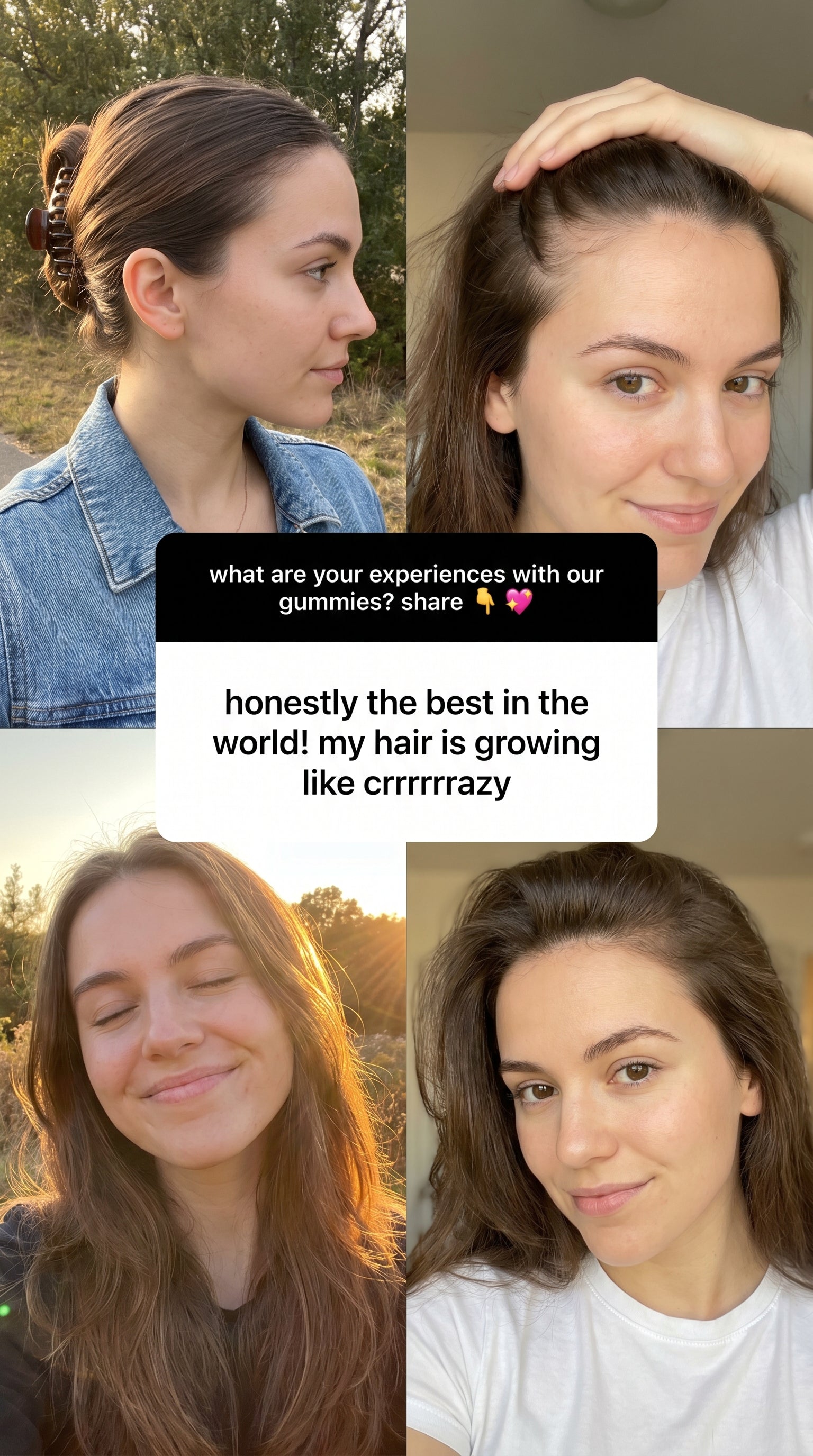
Wool keratin fibres in a 23g pot that cling to existing hair to reduce the contrast between hair and scalp at the parting. Purely cosmetic, washes out with your next shampoo, and not suitable for vegans.
Does cosmetic coverage cause hair loss, shedding or breakage?
Cosmetic coverage does not cause hair loss at the follicle, but two of the three problems people worry about are genuinely possible. Hair loss means follicles producing finer hair or none. Shedding means more hairs than usual completing their cycle, against a baseline of roughly 50 to 100 a day. Breakage means the fibre snapping while the root stays in place.
Fibres cause none of the three when washed out properly. Toppers and wigs can cause the first and third if worn carelessly: clips gripping the same few follicles daily create sustained tension, which is a recognised route to traction-related hair loss, and combs dragged through a hairpiece attached to your own hair cause breakage at the join.
The prevention is simple and costs nothing. Rotate clip positions, take the piece off at night, and detangle your own hair before attaching anything. Our guide to a receding hairline in women covers the tension question from the opposite direction.
If the hair loss is patchy rather than diffuse
Distinct round bald patches, sudden loss, or loss with scaling or scarring are not the diffuse thinning that fibres are designed for, and they need a GP's opinion rather than a cosmetic fix. Alopecia UK is a good source of independent support and information while you wait to be seen.
How do you choose between fibres, a topper and a wig?
Choose by how much hair you still have in the area you want to cover, and by how much time you want to spend each morning. Fibres suit diffuse thinning with plenty of fine hair present and take about a minute. Toppers suit a thin crown or parting with good hair at the sides. Wigs suit extensive or total loss and need no hair underneath.
| Option | Best for | Typical cost | Daily effort |
|---|---|---|---|
| Hair building fibres | Diffuse thinning, visible parting | Around 15 to 30 pounds a pot | About a minute |
| Scalp powder or spray | Small bare patches, temple corners | Around 10 to 25 pounds | About a minute |
| Topper or hairpiece | Thin crown, hair intact at sides | Roughly 100 to 600 pounds | Five to ten minutes |
| Full wig | Extensive or total loss | NHS entitlement may apply | Five minutes |
A practical point people rarely hear: a shorter cut often does more for the look of thinning hair than any product, because length pulls hair flat and makes the parting read wider. Our guide to hair thinning on one side is worth reading alongside this.

Get a discount on the thinning hair range
Join the Watermans mailing list and we will email a discount code straight to your inbox, so you can try the thinning hair range for less. Made in the UK, over 6.5 million bottles sold since 2012.
What should you know about NHS wigs before buying privately?
NHS wig entitlement is more generous than most people assume, and it is worth checking before spending several hundred pounds. In England, wigs are supplied free to under-16s, to under-19s in full-time education, to people receiving certain benefits including Income Support and income-based Jobseeker's Allowance, and to anyone with a valid HC2 certificate. Provision differs in Scotland, Wales and Northern Ireland.
Access usually runs through a hospital department rather than a GP, most commonly where hair loss relates to hospital care you are already receiving. The NHS offers wigs in tiers, from stock synthetic through partial human hair to bespoke human hair, with set charges for those who are not exempt.
Charges change, so check the current figures on the NHS website for your nation rather than relying on a number quoted in an article. Ask the hospital team directly, because the department that arranges it is often not the one you would think to ask.
How do you keep the scalp comfortable under a wig or topper?
Skin under a hairpiece gets warmer and stays damper than exposed scalp, which suits the yeast that lives on everyone's skin and can lead to itching and flaking. Wash the scalp properly on the days you are not wearing the piece, take it off at night, and let the scalp dry completely before putting anything back on.
- Wash the scalp, not just the hair. Fibres, sprays and sweat all accumulate at the roots.
- Never attach a piece to damp hair. Warm and damp under a base is the environment flaking prefers.
- Rotate clip positions weekly. Same clip, same follicles, every day is the traction pattern to avoid.
- Use a wide-tooth comb on your own hair first. Detangling before attachment prevents breakage at the join.
- Give the scalp days off. Even one uncovered day a week helps.

A sulphate-free everyday shampoo that washes fibres and styling residue out of the roots without stripping fine hair. Vegan, and made in the UK.

When should you see a GP rather than search for trichologists Redditch?
See a GP if hair loss came on suddenly, if it is patchy rather than evenly spread, if the scalp is scarred, sore, scaling or inflamed, if you are losing eyebrow or eyelash hair too, or if hair loss follows a new medicine or a significant illness. A GP can refer you into NHS dermatology at no cost, and some causes are time-sensitive.
Private specialists including trichologists Redditch are worth the fee when you want an unhurried look at your hair and scalp and a written plan, which a ten minute GP slot cannot provide. They cannot write a prescription, so anything requiring medicine still runs through your GP. Check for Institute of Trichologists or Trichological Society membership, because the title is not protected by UK law. Before agreeing to any multi-month course, our guide to which trichology add-ons are worth paying for explains what to refuse on a first visit and which four fees to get in writing. If your question is about products or a routine rather than a medical one, you can talk to Gail Waterman, our co-founder, as an AI avatar on the Watermans homepage.
If you are weighing up something permanent rather than removable, our guide to scalp micropigmentation, risks and rules sets out what that involves and what can go wrong.
Frequently asked questions
Can I get a wig on the NHS?
In England you may be entitled to an NHS wig if you are having certain kinds of hospital care, and wigs are supplied free to under-16s, to under-19s in full-time education, to people receiving certain benefits and to anyone holding a valid HC2 certificate. Charges differ across the UK, so check the current NHS entitlement page for your nation before you buy privately.
Do hair fibres damage your hair?
Hair building fibres sit on the outside of existing hair and wash out with shampoo, so they do not affect the follicle. The risk is indirect: heavy daily use with inadequate washing can leave residue on the scalp. Wash thoroughly on the days you use them and your scalp environment stays much the same as it was.
Will a topper make my hair loss worse?
A topper clipped into the same few centimetres of hair every day places repeated tension on those follicles, and sustained tension is a recognised cause of traction-related hair loss. Moving the clip position regularly, choosing the lightest base you can, and taking it off at night removes most of that risk.
What is the difference between a topper and a wig?
A topper covers part of the scalp, usually the crown or parting, and blends into your own hair around it, so it suits people who still have hair at the sides and back. A wig covers the whole head and does not rely on your own hair at all, which makes it the option when hair loss is extensive or total.
Do hair fibres work if I have very little hair left?
Fibres need existing hair to cling to, because they attach to the hair shaft rather than the scalp. On a thinning parting with plenty of fine hair still present they work well. On a fully bare patch they have nothing to hold, and the result looks patchy, so a topper or scalp camouflage makes more sense there.
Are hair fibres suitable for vegans?
Watermans Hair Building Fibres are made from wool keratin, so they are not suitable for vegans. Some other brands use plant-derived or synthetic fibres. If this matters to you, check the source material on the pack rather than assuming, because keratin on a label usually means animal origin.
How much does a good topper cost?
Synthetic toppers typically start around 100 to 200 pounds, and human hair pieces commonly run from around 400 pounds upwards depending on base size and hair quality. A synthetic piece usually lasts around four to six months with regular wear, while human hair lasts longer but needs styling like your own hair does.
Should I see a trichologist before buying a wig or topper?
If you already know the cause of your hair loss and just want coverage, you do not need to. If the loss is recent, patchy or unexplained, get it looked at first, because some causes change how you should approach coverage, and a GP referral into NHS dermatology costs nothing. Camouflage works just as well once you know the cause as it does before you do.
What is the bottom line on trichologists Redditch?
Cosmetic coverage is the fastest thing you can change about hair loss, and it carries almost no risk when used sensibly. Match the option to how much hair you still have: fibres for a thinning parting, a topper for a thin crown with good sides, a wig for extensive loss, and check NHS entitlement before buying privately. Searching for trichologists Redditch makes sense when you want the cause investigated properly, and a GP is the right first call for sudden, patchy or scarring loss.
Keep the three things separate as you decide. Hair loss happens at the follicle, shedding is the cycle running faster, and breakage is the fibre snapping. Coverage helps with how all three look, but only the first is a reason to get checked.
If fibres look like the right fit for your parting, our hair loss concealer fibres are the simplest place to start, and they wash straight out if you decide they are not for you.
Watermans products are 100% cosmetic and do not treat medical hair loss. Individual results may vary.
Sources & References
- NHS, Help with wigs and fabric supports: entitlement, exemptions and the HC2 certificate.
- NHS, Hair loss: when hair loss should be seen by a GP.
- British Association of Dermatologists, Hair and scalp information leaflets: traction hair loss and scalp care.
- Alopecia UK, Support and information: independent charity guidance on coverage and living with hair loss.
- Institute of Trichologists, Find a trichologist: UK membership and training standards.