Trichologists Stoke-on-Trent: Postpartum Shedding Help
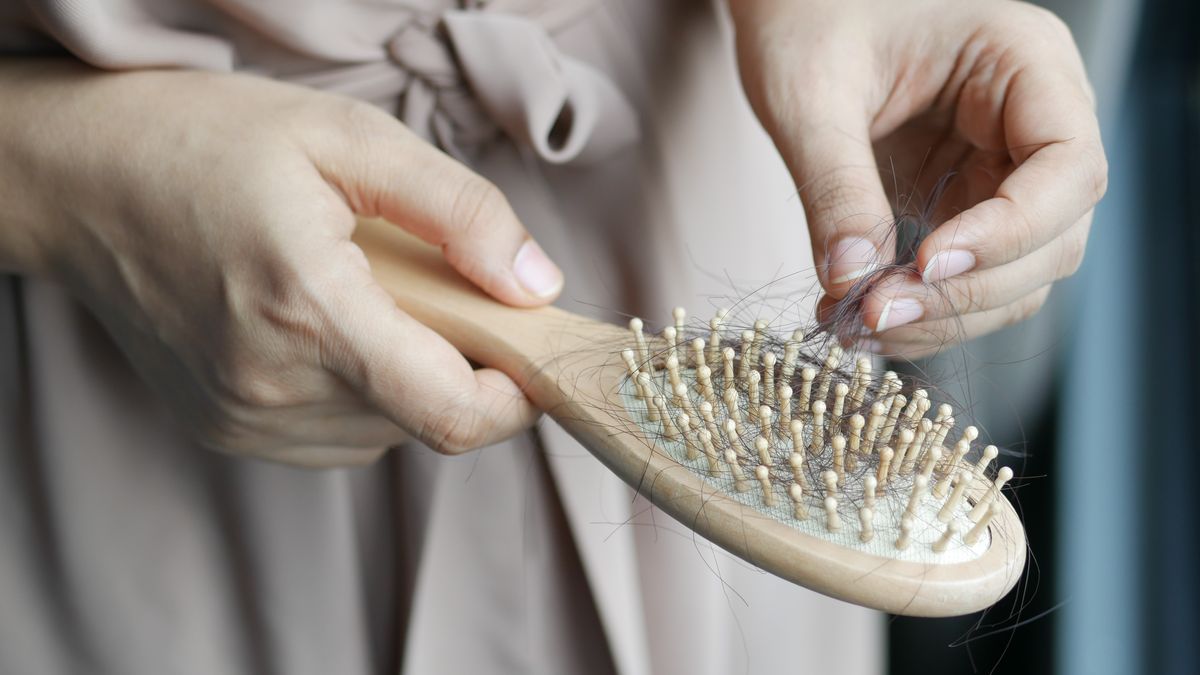
Finding handfuls of hair in the shower a few months after birth is frightening. It is also very common.
Many new mothers searching for trichologists Stoke-on-Trent are dealing with postpartum shedding. During pregnancy more hairs stay in the growth phase. After birth they move into the resting phase together and fall out, usually starting two to four months later. It generally settles within six to twelve months. See your GP if heavy shedding carries on beyond that, or comes with tiredness, low mood, feeling cold or palpitations, because low iron and thyroid changes are both common after birth.
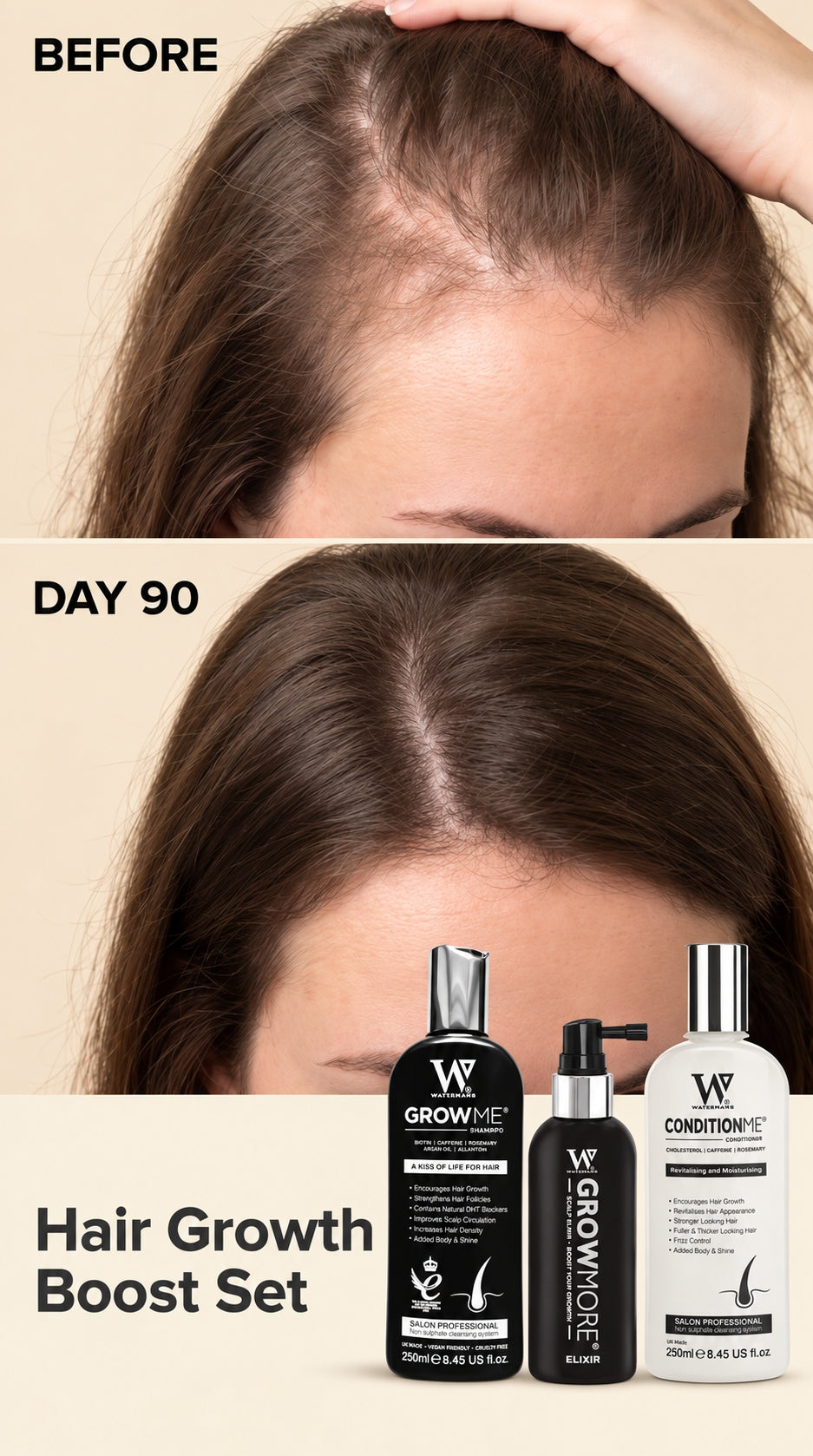
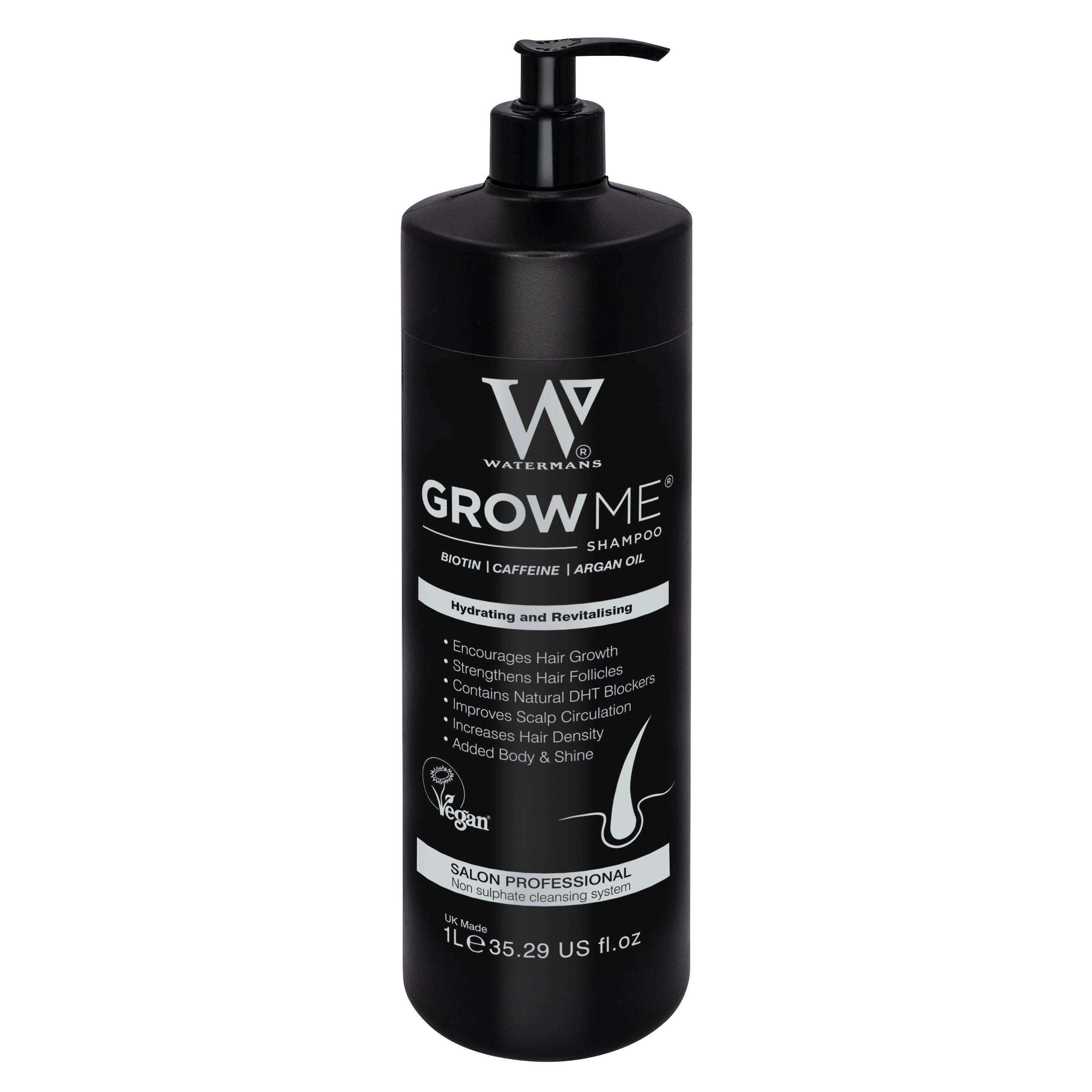
Our hair growth shampoo
Grow Me® Hair Growth Shampoo, £14.95. A sulphate free daily shampoo that supports a healthy scalp environment and helps reduce breakage, so lengths hold on and look fuller.
Key takeaways
- Postpartum shedding is a delayed release of hairs that were held in the growth phase during pregnancy.
- It usually starts two to four months after birth and settles within six to twelve months.
- Low iron and thyroid changes after birth can cause or prolong shedding, and a GP can check both.
- Most new mothers do not need a trichologist. One is worth seeing if shedding lasts beyond a year or a thinning pattern appears.
- Gentle washing, soft hair ties and a little less heat mean fewer hairs are lost to breakage on top of the shed.
Why does hair shed after having a baby?
Hair sheds after having a baby because of the growth cycle, not because anything is wrong with the follicles. Each hair grows for several years in the anagen phase, rests for around three months in the telogen phase, and then falls out as a new hair starts beneath it. Normally only a small share of follicles are resting at any one time, which is why most people lose around 50 to 100 hairs a day without noticing. Shedding after an illness, a high fever or surgery follows the same resting-phase pattern, and our Derby guide to hair shedding after illness or surgery covers that trigger.
High hormone levels in pregnancy keep more hairs in the growth phase than usual, which is why many women find their hair feels thicker while pregnant. After birth, those hormone levels drop, and the follicles that were held over move into the resting phase at the same time. Around two to four months later, they all release together. That is postpartum shedding, a form of telogen effluvium. If you are still pregnant and wondering why your hair feels fuller, your scalp oilier or your texture different, our Doncaster guide to hair changes during pregnancy covers the months before the birth.
It helps to separate it from two other things that can happen in the same months:
- Hair shedding is the process above: long hairs with a small pale bulb at the root, from all over the head.
- Hair breakage is hair snapping along its length. It is common in new mothers because hair is tied up tightly all day, pulled by little hands, and dried quickly. Broken pieces are short with no bulb.
- Hair loss in the stricter sense means the follicle itself is changing, as in female pattern hair loss. Occasionally the months after birth make an existing pattern more visible, which is one reason to keep an eye on the parting.
| Time after birth | What is typical | What to do |
|---|---|---|
| 0 to 2 months | Hair still feels much as it did in pregnancy | Nothing, beyond a gentle routine |
| 2 to 4 months | Shedding starts, often suddenly and heavily | Soft ties, gentle detangling, mention it at your postnatal check |
| 4 to 6 months | Shedding usually at its peak, thinner feeling at the temples | Keep going gently, and eat and drink as well as you can |
| 6 to 12 months | Shedding easing, short new hairs visible at the hairline | Nothing extra if it is clearly improving |
| Beyond 12 months | Still heavy, or a widening parting | GP for bloods, then a specialist if needed |
Our guides to postpartum hair loss and what causes telogen effluvium explain the cycle in more depth.

How much shedding is normal after birth?
Shedding several times more than usual is normal after birth, and it can look alarming in the shower, in the brush and on the pillow. What matters is the pattern: hair coming from all over rather than one patch, hairs that are full length with a bulb, a gradual easing after the peak, and short new hairs appearing at the front hairline, which many women notice as stubborn wisps that will not lie flat. Short snapped pieces without a bulb are breakage instead, which our Stockport guide to split ends and length retention covers.
Wisps at the hairline are a good sign
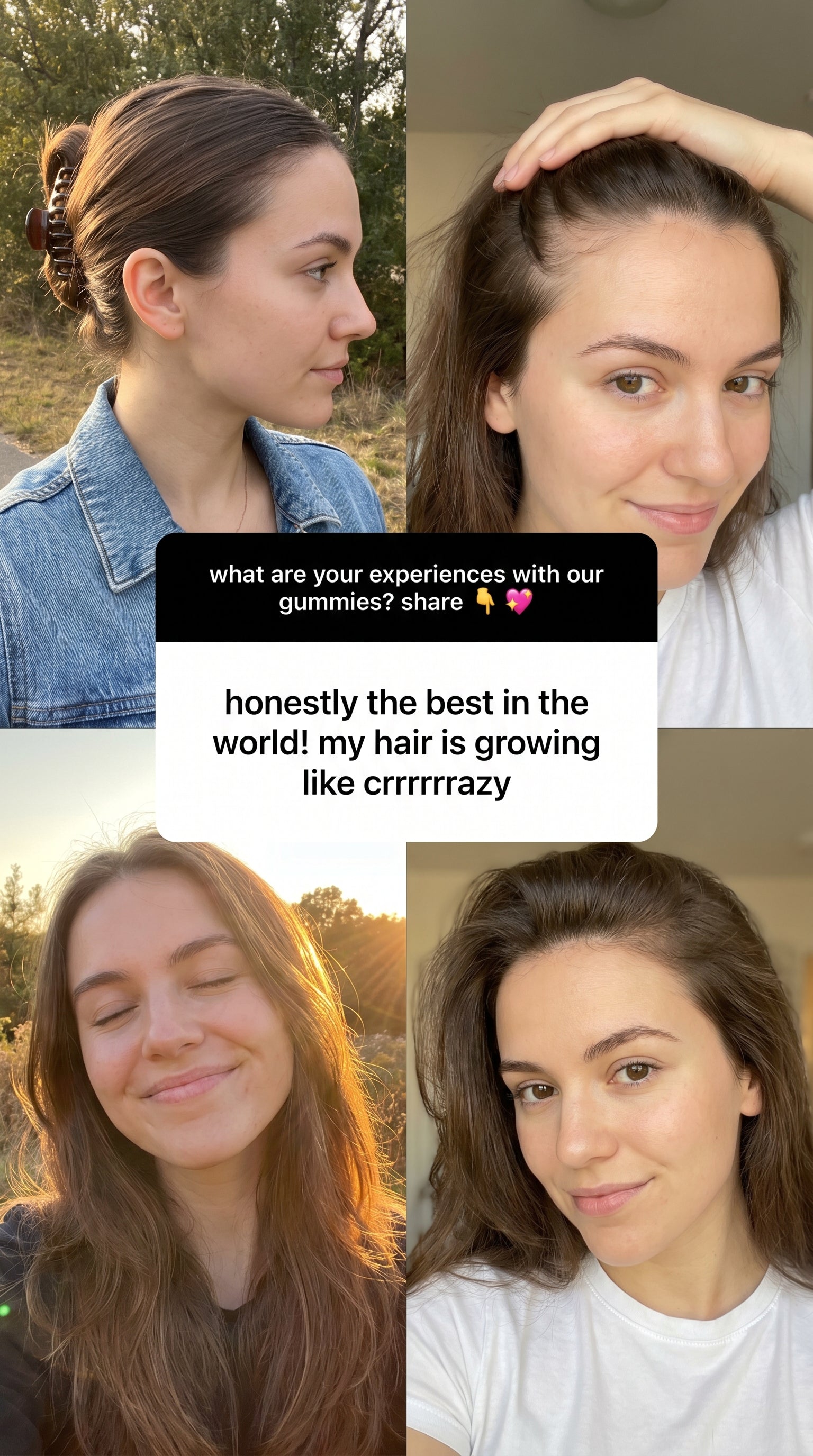
Those short, fluffy hairs sticking up around your face six months or so after birth are new hairs growing in to replace the ones that shed. They are frustrating to style, and they are exactly what you want to see.
Get a discount on the postpartum shedding range
Join the Watermans mailing list and we will email a discount code straight to your inbox, so you can try the postpartum shedding range for less. Made in the UK, over 6.5 million bottles sold since 2012.
When is it more than postpartum shedding?
It is worth speaking to your GP if the shedding is still heavy after six to nine months, if it seems to be getting worse rather than better after the peak, or if it comes with other symptoms. Two causes are particularly common after birth and both are simple to check with a blood test.
- Low iron. Blood loss at delivery, and the demands of pregnancy, often leave iron stores low. Tiredness, breathlessness, pale skin and heavy shedding can all follow. A ferritin test shows your stores.
- Thyroid changes. The thyroid can become temporarily overactive and then underactive in the year after birth. Palpitations, anxiety, then tiredness, feeling cold and weight gain are the usual clues, alongside hair changes.
- Low mood. Feeling persistently low, anxious or unable to enjoy things is common after having a baby and deserves attention in its own right. Tell your GP or health visitor.
Your six week postnatal check is a good moment to mention shedding, even if it has barely started. Our guide to thyroid related hair loss covers the thyroid picture in more detail.

Do you need trichologists Stoke-on-Trent for postpartum shedding?
Usually not. Most postpartum shedding settles on its own, and the useful medical checks are free through your GP. Trichologists Stoke-on-Trent practices are worth considering if shedding continues beyond a year, if your parting is widening or the crown is thinning, if breakage is making things look worse, or if you simply want a measured baseline and a calm, expert opinion.
Stoke-on-Trent and Newcastle-under-Lyme have a small number of local practitioners, and Manchester is under an hour by train with a much wider choice. Our Manchester guide describes what a good visit looks like from the inside. Because "trichologist" is not a protected title in UK law, check the Institute of Trichologists and Trichological Society directories, and ask about fees, follow ups and whether they will send you back to your GP if needed.
How should you care for your hair in the first year?
Care in the first year is about losing as little extra hair as possible to breakage while the shed runs its course. Nothing you do at home changes the timing of the shed itself, so do not let anyone sell you a rescue plan. Keep it simple.
- Keep washing. Washing does not cause shedding. Hairs that come out in the shower were already loose, and letting them build up only makes the next wash look worse.
- Condition every time. Conditioner on the mid lengths and ends means less pulling when you detangle.
- Swap tight bands for soft ones. Scrunchies or spiral ties, and change where your ponytail sits each day.
- Turn the heat down. Let hair dry most of the way before a dryer, and keep irons at 180°C or below.
- Eat and drink what you can. Regular meals with protein and iron rich foods matter more than any supplement. If you are breastfeeding, check any supplement with your pharmacist, midwife or health visitor first.
- Consider a cut. A few centimetres off, or some layers around the face, can make the new wisps blend in and the ends feel less thin.

A sulfate free daily shampoo with biotin, caffeine, rosemary and niacinamide. It cleanses without stripping and supports a healthy scalp environment. Cosmetic care, not a medical product and not a substitute for one.

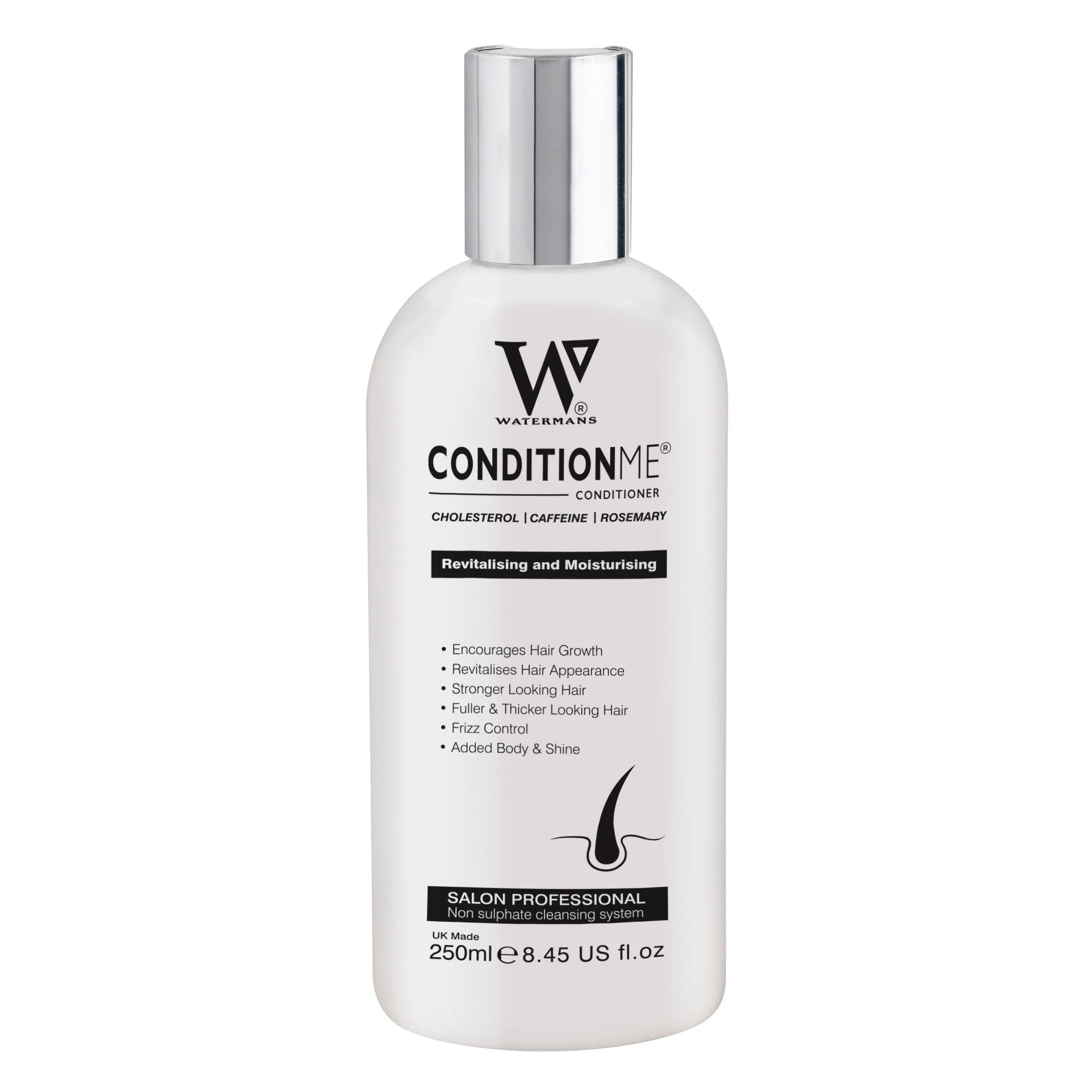
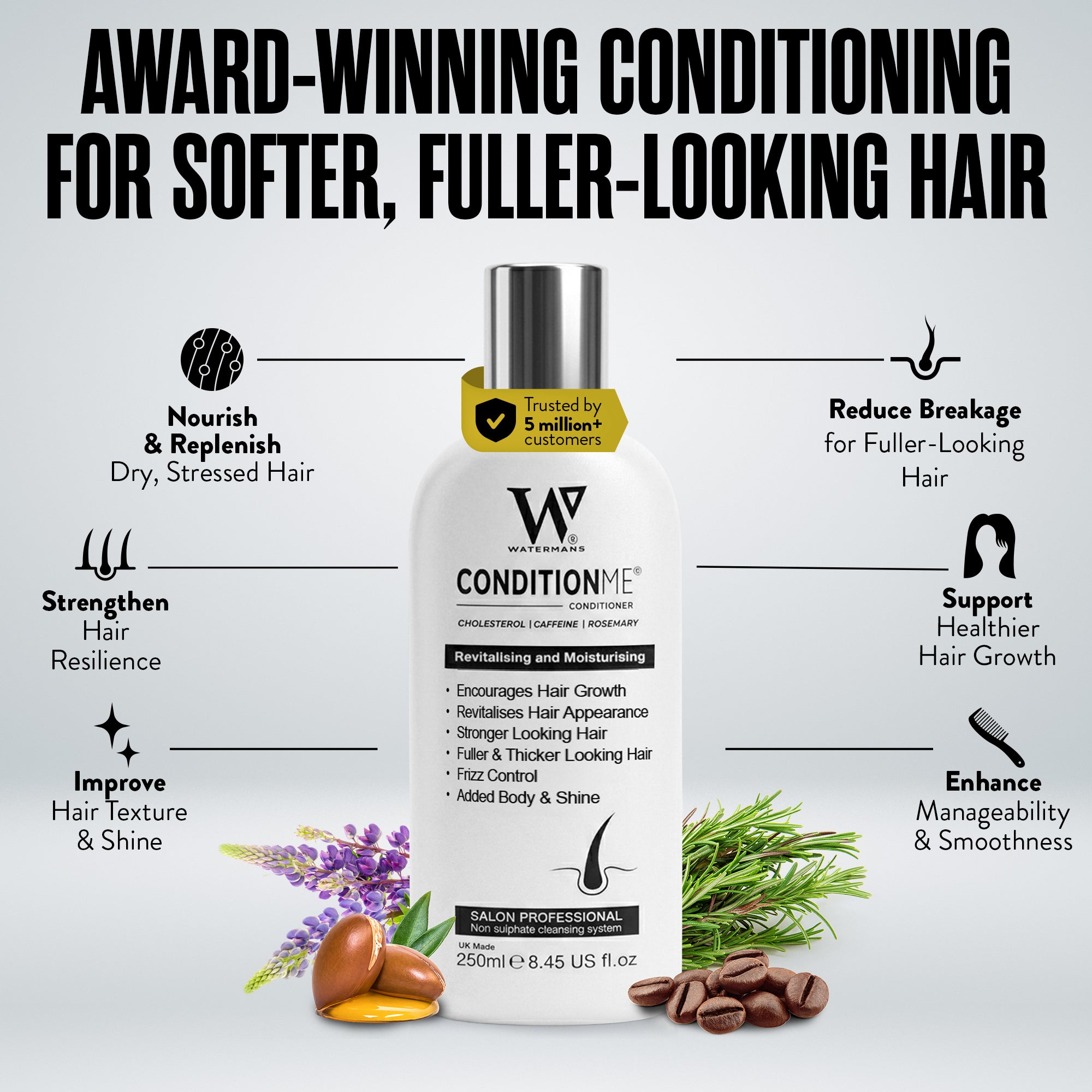
A breakage defence conditioner with cholesterol, shea butter and hydrolysed lupine protein. It improves slip, so detangling costs you fewer hairs and strands feel stronger and look thicker.
What can you do about the wisps at the hairline?
The short new hairs that appear around the face six to nine months after birth are best handled by working with them rather than against them, because they are fragile and easily broken. They will lengthen at roughly a centimetre a month and blend in over the following year.
- Face framing layers. Ask for a few soft layers around the front so the new hairs have somewhere to sit instead of sticking straight up.
- A little light cream or balm. A pea sized amount smoothed over with your fingertips calms flyaways without weighing the rest of the hair down.
- Soft headbands and wide clips. They hold the front back without the tension of a tight band pulling on new growth at the hairline.
- Go easy with heat. Straightening the wisps flat every morning breaks them off before they have a chance to lengthen. Low heat, or none, gives them time.
- Change your parting. Flipping the parting to the other side, or softening it into a zigzag, often hides a thinner area at the temples far better than any product.
When should you see a GP?
See your GP if heavy shedding continues beyond six to nine months or gets worse after the peak, if you notice smooth bald patches, a sore or scaling scalp, or if you have tiredness, breathlessness, palpitations, feeling cold or persistently low mood. Your GP can arrange ferritin, full blood count and thyroid tests, and refer you to NHS dermatology if something else is going on.

We sell hair care, so weigh our view accordingly. Our range is made in the UK, and has sold over 6.5 million bottles since 2012. It reduces breakage and helps hair look fuller, which is a cosmetic job. It does not change the postpartum shed, and nothing sold in a bottle does.
Frequently asked questions
Should I see trichologists Stoke-on-Trent about postpartum hair loss?
Most new mothers do not need to. Postpartum shedding usually settles within six to twelve months. Trichologists Stoke-on-Trent practices are worth seeing if it lasts beyond a year, if a thinning pattern appears, or if you want a measured baseline, ideally after GP blood tests.
When does postpartum shedding start and stop?
It usually starts two to four months after birth, peaks around four to six months, and settles within six to twelve months. Short new hairs at the hairline are a sign that recovery is under way.
How much hair loss after pregnancy is too much?
Heavy shedding for a few months is normal. It is worth seeing your GP if it continues beyond six to nine months, gets worse after the peak, leaves patches, or comes with tiredness, palpitations or low mood.
Does breastfeeding make hair fall out?
Breastfeeding is not thought to cause postpartum shedding, which follows the hormonal changes of birth itself. Shedding usually follows the same timeline whether or not you breastfeed.
Can low iron after birth cause hair shedding?
Yes. Blood loss at delivery and the demands of pregnancy often leave iron stores low, which can cause or prolong shedding. A ferritin blood test through your GP shows your stores.
Should I cut my hair short after having a baby?
You do not have to. A trim or face framing layers can help new growth blend in and make ends feel fuller, but cutting does not change how much hair sheds.
Will postpartum shedding happen again with my next baby?
It often does, because the same hormonal changes happen after each birth. How heavy it is varies from one pregnancy to the next.
Sources & references
- NHS, Hair loss
- NHS, Your 6-week postnatal check
- NHS, Iron deficiency anaemia
- NHS, Underactive thyroid (hypothyroidism)
- DermNet, Telogen effluvium (hair shedding)
- StatPearls, Telogen Effluvium (NCBI Bookshelf)
- StatPearls, Physiology, Hair (NCBI Bookshelf)
- The Institute of Trichologists
What is the bottom line on trichologists Stoke-on-Trent?
Postpartum shedding is the growth cycle catching up after pregnancy. It usually starts two to four months after birth and settles within six to twelve months, and short new hairs at the hairline are the sign it is passing. Mention it at your postnatal check, and see your GP if it lasts, worsens or comes with other symptoms, because low iron and thyroid changes are common after birth. Most mothers never need one of the trichologists Stoke-on-Trent has, but if shedding runs past a year or a thinning pattern appears, that is when a visit is worthwhile. If your question is about products or a routine rather than a medical one, you can talk to Gail Waterman, our co-founder, as an AI avatar on the Watermans homepage.
While the shedding settles, a gentle breakage defence conditioner makes detangling kinder, so you lose fewer hairs to snapping on top of the shed. Condition Me® uses cholesterol, shea butter and hydrolysed lupine protein to add slip and help strands look thicker.
Watermans products are 100% cosmetic and do not treat medical hair loss. Individual results may vary.