Trichologists Weymouth: Towel-Drying Wet Hair Without Breakage
Most people never think about the towel. Yet searches for trichologists Weymouth often trace back to breakage that starts in the ninety seconds between getting out of the shower and picking up a comb. Wet hair is the weakest your hair ever gets, and the ordinary habit of rubbing it dry with a bath towel does more mechanical damage than almost anything else in a normal routine. If you are not certain whether the hair coming away is snapping or leaving at the root, your hairdresser can usually settle it in seconds, and the guide to what to tell your hairdresser first covers exactly what to ask.
The short answer: water swells the hair fibre and temporarily breaks the hydrogen bonds that hold its shape, so wet hair stretches further, recovers less and abrades more easily than dry hair. Rubbing it with looped towelling lifts the cuticle and creates the tangles that later snap. People searching for trichologists Weymouth over breakage usually improve it by squeezing instead of rubbing and combing with a wide-tooth comb from the ends up.

Key takeaways
- Wet hair swells and its hydrogen bonds are temporarily broken, which is why it stretches further and breaks more easily than dry hair.
- Squeeze and blot rather than rub. Looped terry towelling catches raised cuticle scales and lifts them.
- A cotton t-shirt or microfibre works better than a bath towel, and the t-shirt costs nothing.
- Comb wet hair with a wide-tooth comb starting at the ends. Never brush wet hair from the roots down.
- Daily towel turbans put sustained tension on the hairline, which is a genuine traction risk. Occasional use is fine.
Why is wet hair so much more fragile than dry hair?
Water penetrates the hair fibre and breaks the hydrogen bonds that hold keratin in shape, which is exactly why wet hair can be set into a new style as it dries. The trade-off is that while those bonds are broken the fibre is softer and swells measurably in diameter, and it stretches much further under load before recovering.
Healthy dry hair can stretch roughly 20 to 30 per cent of its length and spring back. Wet hair stretches further but recovers less reliably, so force applied during detangling can take the fibre past the point where it returns to shape. Past that point it either stays deformed or snaps.
The cuticle matters as much as the cortex. Wet cuticle scales stand slightly proud of the shaft rather than lying flat, which makes them vulnerable to anything abrasive drawn across them. That is the precise moment most people choose to rub their head vigorously with a towel.
What does a bath towel actually do to the cuticle?
Standard terry towelling is built from thousands of raised loops, which is what makes it absorbent. Those loops catch individual hairs, pull them in different directions at once, and drag across cuticle scales that are currently standing up. The result is lifted and chipped cuticle, more surface roughness and more tangling on the next wash.
Damage of this kind compounds. Rough cuticle catches on neighbouring hairs, which creates more knots, which take more force to comb out, which breaks more fibres. Most people who describe their hair as getting frizzier over the years are describing accumulated cuticle wear rather than a change in the hair their follicles are producing.
Flatter fabrics avoid most of this. Microfibre has a fine, closed surface, and cotton jersey from an old t-shirt has no loops at all. Both absorb water perfectly well when you blot rather than scrub.

Try this for one week
Swap the bath towel for a cotton t-shirt, squeeze sections from root to tip instead of rubbing, then comb with a wide-tooth comb starting at the ends. Most people notice fewer snapped hairs on the comb within a week. It costs nothing and needs no new products.
How should you dry wet hair without causing breakage?
Work in a fixed order: squeeze, blot, comb, then dry. Squeeze sections from the roots downwards with your hands to push water out, blot with a flat fabric rather than rubbing, comb through with a wide-tooth comb starting at the ends and working up, and only then apply heat, once the hair is damp rather than soaking.
- Squeeze, do not wring. Gather a section and press water out between your palms, working down the length.
- Blot with a flat fabric. Microfibre or a cotton t-shirt, pressed against the hair rather than rubbed through it.
- Apply conditioner slip before combing if you tangle. Resistance during detangling is where fibres snap.
- Comb from the ends up. Clear the last two inches, then the next two, so no tangle takes the full force.
- Let it get to damp. Ten to twenty minutes of air drying before any heat.
- Keep the dryer moving. A few inches away, nozzle pointing down the hair rather than into it.
If you are weighing up whether to use heat at all, our comparison of blow-drying and air-drying fine hair sets out the trade-offs in more detail than this page has room for.
Does towel damage cause hair loss, shedding or breakage?
Towel handling causes breakage, occasionally contributes to traction-related hair loss, and has nothing to do with shedding. Breakage means the fibre snapping while the root stays in place. Hair loss means follicles producing finer hair or stopping. Shedding means more hairs than usual completing their cycle, against a baseline of roughly 50 to 100 a day.
The evidence is in your hands. Broken hairs are short, commonly one to three inches, with two blunt or frayed ends and no root bulb. Shed hairs are full length with a small pale bulb at one end. If the comb is collecting short frayed pieces, your technique is the problem. If it is collecting full-length hairs with bulbs, the towel is innocent.
The traction exception is the daily turban. Twisting wet hair up and leaving it pulling on the hairline for an hour every morning applies sustained tension to the same follicles, and sustained tension in the same place is a recognised route to traction-related hair loss over months and years.

Get a discount on the fine and breakage-prone hair range
Join the Watermans mailing list and we will email a discount code straight to your inbox, so you can try the fine and breakage-prone hair range for less. Made in the UK, over 6.5 million bottles sold since 2012.
Which fabric should you actually use on wet hair?
Choose by surface texture rather than by marketing. What matters is whether the fabric presents loops or a flat face to raised cuticle. Microfibre and cotton jersey both present a flat face. Standard terry towelling and waffle weave both present loops. Absorbency differences between them are small enough not to change your drying time meaningfully.
| Fabric | Surface | Friction on wet cuticle | Cost |
|---|---|---|---|
| Cotton t-shirt | Flat jersey knit | Low | Free, use an old one |
| Microfibre hair towel | Fine closed pile | Low | Around 8 to 20 pounds |
| Standard terry towel | Raised loops | High | Already owned |
| Waffle or linen | Textured weave | Medium to high | Varies |
Whatever you use, technique beats fabric. Blotting with a terry towel is gentler than scrubbing with microfibre.

What role does conditioner play in wet-hair handling?
Conditioner supplies slip, and slip is what decides how much force a comb needs to pass through wet hair. Cationic conditioning ingredients deposit on the negatively charged surface of damaged hair, reducing friction between neighbouring fibres. Less friction means fewer knots, less pulling and fewer fibres snapped during the two minutes you spend detangling.
Keep it where it earns its place. Mid-lengths and ends carry the oldest, most worn cuticle and tangle most, while the roots are newest and need the least help. Conditioner at the roots mostly costs you volume without reducing breakage.
Some people worry that conditioner makes fine hair fall out. It does not: it can make hair look flatter if applied at the root, which is a different complaint. Our piece on whether conditioner makes thinning hair worse addresses that directly.

Condition Me® Hair Growth Conditioner
The every-wash step that matters most for wet-hair handling. Enough slip to let a wide-tooth comb pass through the ends without pulling, light enough not to flatten fine roots.
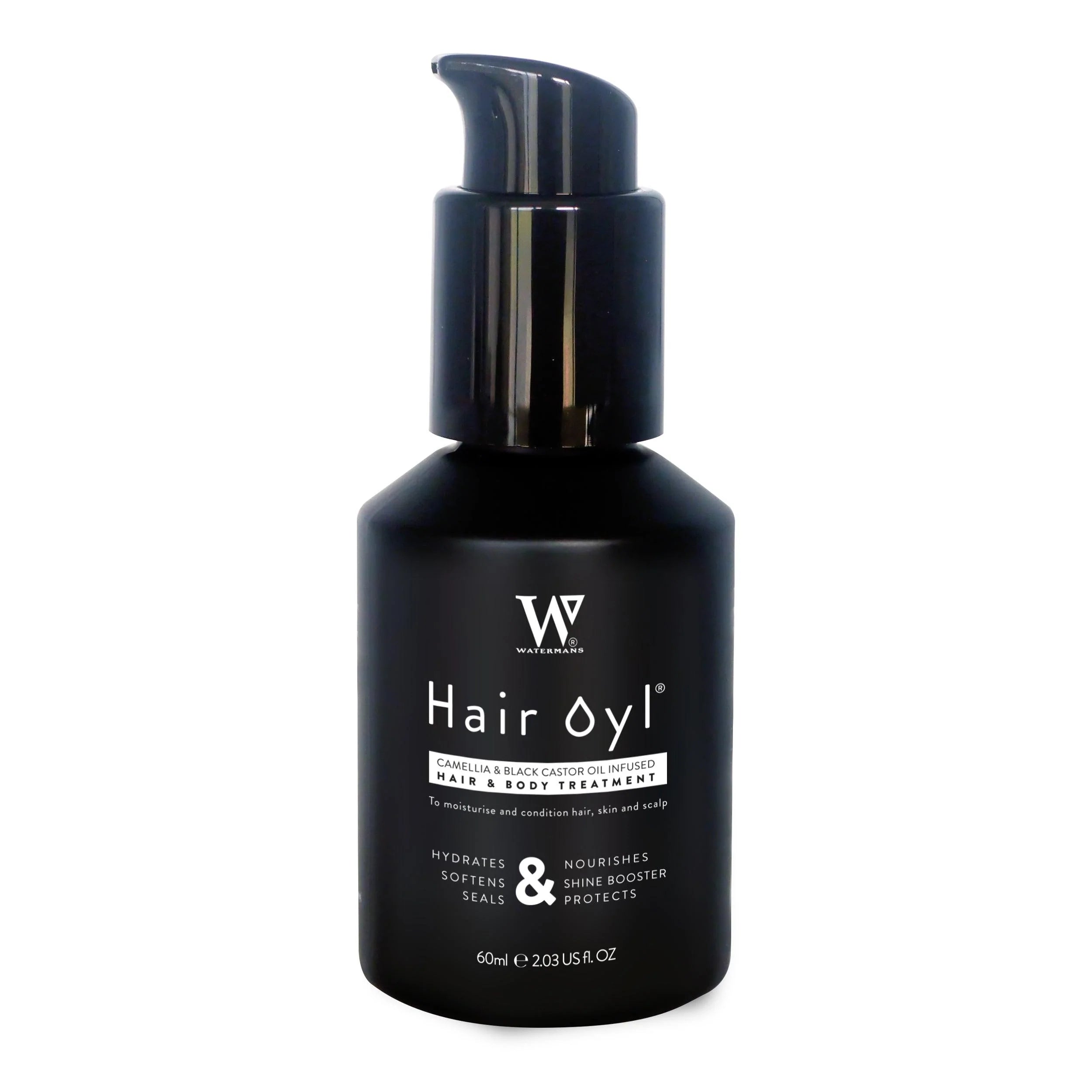
Camellia & Black Castor Hair & Body Oil
A few drops of camellia and black castor oil smoothed through damp ends after blotting reduces the friction that causes frizz and flyaways as hair dries.
When should breakage send you to a GP or trichologists Weymouth?
Most towel-related breakage improves within a few weeks of changing technique, so persistence is the signal. See a GP if hair is snapping close to the scalp across the whole head, if you find distinct bald patches, if the scalp is sore, scaling or scarred, or if heavy shedding continues beyond about three months. NHS dermatology follows a GP referral at no cost.
Private specialists, including trichologists Weymouth, are worth the fee when breakage and shedding appear together and you want them separated, or when you want your whole routine assessed with magnification. Trichology sits outside the NHS, so sessions are paid privately, commonly 40 to 90 pounds for a first assessment, and a trichologist cannot write a prescription.
Check credentials, because trichologist is not a title protected by UK law. Institute of Trichologists or Trichological Society membership indicates assessed training and a complaints route. On the related question of water temperature, our guide to whether hot water makes thinning hair worse covers what the evidence supports. Readers nearer Bangor may find our guide to telling bleach damage from thinning in Bangor more useful.
Frequently asked questions
Is rubbing your hair with a towel really that bad?
Rubbing drags the raised cuticle scales of wet hair against looped towelling in every direction at once, which lifts and chips them. Damaged cuticle means more friction next time, more tangling, and eventually snapped fibres. Squeezing and blotting removes almost as much water in about the same time without any of that mechanical abrasion.
Are microfibre towels better than normal towels?
Microfibre has a flatter, finer surface with no large loops to catch on raised cuticle, and it absorbs quickly, so it suits wet hair better than standard terry towelling. An old cotton t-shirt performs similarly and costs nothing. The bigger gain comes from changing how you use it rather than which one you buy.
Should I wrap my hair in a towel turban?
A twisted turban pulls on the hairline and the nape for however long you leave it on, and sustained tension on the same follicles is a recognised route to traction-related hair loss. Occasional use is unlikely to cause harm. Wearing one every day for an hour while you get ready is the pattern to avoid.
How long should I wait before blow-drying?
Let hair dry to roughly damp rather than soaking, which usually takes ten to twenty minutes depending on thickness. Heat applied to fully saturated hair drives the water inside the fibre to expand rapidly, and that is harder on the structure than warm air on damp hair. Damp also cuts your drying time considerably.
Can I brush my hair while it is wet?
Use a wide-tooth comb rather than a brush, and start at the ends rather than the roots. Wet hair swells and its internal hydrogen bonds are temporarily broken, so it stretches further and recovers less well than dry hair. A brush pulled from the roots down concentrates all the force on every tangle it meets.
Does sleeping with wet hair damage it?
Wet hair is mechanically weaker, and a night of friction against a pillowcase while it is in that state causes more cuticle damage and tangling than the same hours dry. A warm damp scalp under hair overnight also suits the yeast that lives on everyone's skin, which can contribute to itching and flaking.
Why does my hair fall out more in the shower?
The shower is where you notice shedding rather than where it is caused. Hairs that reached the end of their growth cycle over the previous days are held in place until washing and combing release them, so they arrive together. Against a normal baseline of roughly 50 to 100 hairs a day, a wash-day clump is usually just accumulation.
Is a leave-in conditioner necessary?
Not necessary, but useful if your hair tangles badly when wet, because slip is what lets a comb pass through without pulling. The decision point is practical: if you regularly feel resistance and hear snapping while detangling, more slip will save you more hair than any repair product applied afterwards.
What is the bottom line on trichologists Weymouth?
Wet hair is the weakest your hair gets, and the towel is the roughest thing most people apply to it. Squeeze and blot instead of rubbing, use a cotton t-shirt or microfibre rather than looped towelling, comb with a wide-tooth comb from the ends upwards, skip the daily turban, and let hair reach damp before any heat. Searching for trichologists Weymouth is worthwhile when breakage persists despite all that, or when shedding runs alongside it, and a GP comes first for patchy loss or a sore scalp.
Keep the three apart. Breakage is the fibre snapping and responds to handling. Shedding is the cycle, measured against your own baseline. Hair loss happens at the follicle and shows as a widening parting over months. Only the last two need anyone else involved.
If detangling is where your hair is snapping, a slip-rich hair growth conditioner on the mid-lengths and ends is the single most useful thing to change, because it reduces the force a comb needs before any damage happens.
Watermans products are 100% cosmetic and do not treat medical hair loss. Individual results may vary.
Sources & References
- British Association of Dermatologists, Hair and scalp information leaflets: hair structure, hair care and traction hair loss.
- NHS, Hair loss: normal daily shedding and when to see a GP.
- DermNet, Hair cosmetics: cuticle structure, conditioning ingredients and mechanical damage.
- DermNet, Traction alopecia: sustained tension on the hairline as a cause of hair loss.
- Institute of Trichologists, Find a trichologist: UK membership and training standards.