Follicular Unit Extraction: What FUE Involves in the UK
Follicular unit extraction, usually shortened to FUE, is a hair transplant method in which individual grafts are taken one by one from the back of the head and placed into tiny cuts made in the thinning area. The NHS describes it as cosmetic surgery, which means it is not available on the NHS and costs in the UK run from around £1,000 to £30,000 depending on the extent of the loss and the clinic.
Our hair growth shampoo
Grow Me® Hair Growth Shampoo, £14.95. A sulphate free daily shampoo that supports a healthy scalp environment and helps reduce breakage, so lengths hold on and look fuller.
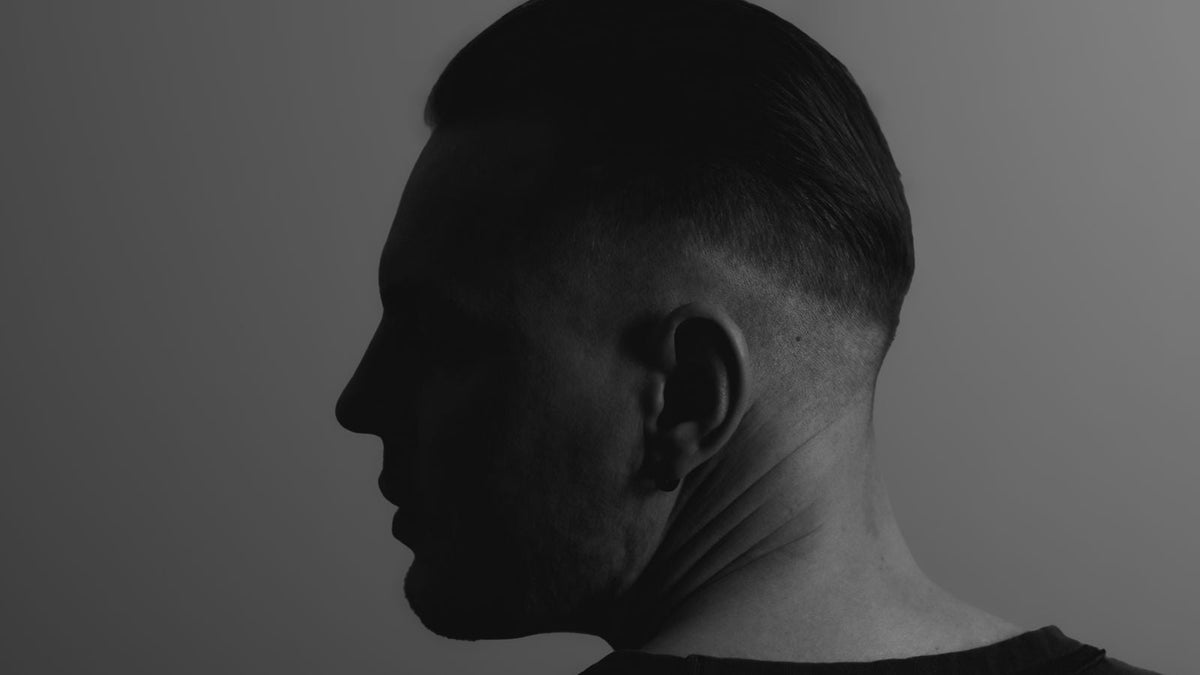
The back and sides of the head supply the grafts used in a hair transplant.
Key takeaways
- FUE removes grafts individually, leaving many tiny scars rather than one line.
- The NHS puts UK hair transplant costs at £1,000 to £30,000 and confirms it is not available on the NHS.
- It suits permanent, inherited baldness. It is not usually suitable for loss that causes bald patches, such as alopecia areata.
- Transplanted hair commonly falls out within a few weeks, with new hair appearing from around four months and full results at 10 to 18 months.
- Hair can carry on thinning around the transplanted area, which is why the design of the transplant matters.
What is follicular unit extraction, and how does it work?
Follicular unit extraction is a method of moving hair from where you have plenty of it to where you do not. The back of the head is shaved, individual grafts are removed one at a time with a small punch, and each graft is placed into a tiny incision made in the recipient area. The whole thing is normally done under local anaesthetic with sedation, so you are awake but should not feel pain, and it usually takes a day without an overnight stay. If a large area is being covered, the NHS notes you may need two or more sessions on different days.
The reason it works at all is biological rather than surgical. Follicles at the back and sides of the scalp are largely insensitive to the androgens that miniaturise follicles at the temples and crown, and they keep that insensitivity when they are moved. A graft taken from the donor area behaves like donor hair in its new home, which is why a transplanted hairline can hold while the hair around it continues to change.
How does follicular unit extraction differ from FUT?
The difference is entirely in how the donor hair is harvested. In follicular unit transplantation, the strip method, a thin strip of hair-bearing skin is removed from the back of the head and divided into grafts containing one to four hairs each. In FUE, no strip is taken; grafts come out individually. Everything after that point, the tiny recipient incisions and the placement, is essentially the same.
| Follicular unit extraction (FUE) | Follicular unit transplantation (FUT) | |
|---|---|---|
| Donor harvest | Grafts punched out one at a time | A strip of skin removed and divided into grafts |
| Scarring | Many very small scars, described by the NHS as not very noticeable | A single linear scar across the back of the head |
| Shaving | The back of the head is shaved | Usually only the strip area needs shaving |
| Short hairstyles | Easier to wear a very short cut afterwards | A linear scar can show at grade one or shorter |
| Session length | Often longer, because grafts are taken individually | Often shorter for the same graft count |
Neither is automatically better. The right answer depends on how much donor hair you have, how short you like to wear your hair, and the judgement of the surgeon doing the work.
Who is suitable for a hair transplant?
The NHS is specific: a hair transplant suits people with permanent baldness, the type that runs in families. It is not usually suitable for other types of hair loss, such as the type that causes bald patches, which includes alopecia areata. The logic is straightforward. Moving hair only helps when the donor area is genuinely stable and the recipient area is not going to be attacked by the same process a year later.
That makes the honest first step a GP appointment rather than a clinic consultation. Temporary causes such as iron deficiency, thyroid problems, illness and the shedding that follows a stressful period behave nothing like inherited pattern loss, and our guides to telogen effluvium and androgenic alopecia triggers explain why mixing them up leads people to spend money on the wrong thing.
See a GP before a commercial clinic
The NHS advice on hair loss is explicit: get an idea of what is causing it from a GP before approaching a commercial hair clinic. A clinic that sells surgery has no reason to go looking for a cause that surgery does not fix.
What does follicular unit extraction cost in the UK?
The NHS puts the UK range at £1,000 to £30,000, and says the figure depends on the extent of the hair loss, the type of procedure and the quality of the clinic and its team. In practice most quotes are built from a graft count, so a small hairline refinement sits near the bottom of that range and full coverage of a crown and front sits near the top. Two sessions on different days, which the NHS notes may be needed for a large area, roughly doubles the cost.
| What you are paying for | Usually included | Often extra |
|---|---|---|
| The procedure | Surgeon time, theatre, local anaesthetic and sedation | A second session for a large area |
| Aftercare | A spray to help recovery, per NHS guidance, and follow-up appointments | Longer-term reviews beyond the first year |
| Time off | Nothing | One to two weeks away from work, per NHS guidance |
| Repeat work | Nothing | Further surgery if the surrounding hair keeps thinning |
Very low quoted prices, particularly abroad, usually reflect graft count, surgeon involvement or follow-up rather than a bargain. The cheapest quote and the most expensive quote are rarely describing the same piece of work.
Get a discount on the thinning hair range
Join the Watermans mailing list and we will email a discount code straight to your inbox, so you can try the thinning hair range for less. Made in the UK, over 6.5 million bottles sold since 2012.
How do you choose a clinic and a surgeon safely?
The NHS sets out a clear checklist for England, and it is worth following literally. Check with the Care Quality Commission that the hospital or clinic is registered, because every independent clinic providing cosmetic surgery in England must be. Check the General Medical Council register, because every doctor must be registered and hold a licence to practise. Check the British Association of Hair Restoration Surgery for full or affiliate membership.
The NHS also warns about search results directly: be careful when searching online for clinics, because some pay to advertise their services in the listings. Ask the surgeon about their qualifications and experience, how many transplants they have carried out, how many involved complications, which method they recommend for you and why, and what follow-up you should expect if something goes wrong. Watermans does not run clinics and cannot make referrals; this is information, not a recommendation of any provider. If your question is about products or a routine rather than a medical one, you can talk to Gail Waterman, our co-founder, as an AI avatar on the Watermans homepage.

A scalp serum applied with a dropper, of the kind sometimes used as part of everyday care.
What questions should you ask before agreeing to surgery?
Five questions do most of the work, and the NHS names four of them outright. Ask about the surgeon’s qualifications and experience. Ask how many hair transplants they have carried out, and separately how many of those involved complications, because the second number is the informative one. Ask which method they recommend for you and why, since a clinic that only offers one technique will only ever recommend that technique. Ask what follow-up you should expect if things go wrong.
The fifth question is your own: what happens to this result in ten years if my native hair keeps thinning? A surgeon who answers that with a plan, rather than reassurance, is thinking about the design rather than the sale. It is also worth asking who actually performs the graft extraction and placement, since in some clinics much of the work is delegated to technicians, and asking for photographs of the surgeon’s own results at a similar stage to yours rather than the clinic’s best case.
Write the answers down
Consultations are persuasive environments and memory is unreliable afterwards. Taking notes, asking for the quote in writing with the graft count on it, and going home before deciding costs nothing and protects you from a deposit taken in the room.
What does recovery look like week by week?
The NHS timeline is unusually concrete, and knowing it in advance removes most of the panic. Expect a tight, achy, swollen scalp for a few days, temporary scabbing where the grafts went in, and either many tiny scars or a single scar depending on the method. Most people need one to two weeks off work, and exercise is usually cut back in the first month to reduce scarring.
| Point in time | What the NHS says to expect |
|---|---|
| Days 2 to 5 | Bandages can usually come off, but the grafts must not be touched |
| Day 6 | You should be able to wash your hair gently by hand |
| Days 10 to 14 | Any non-dissolvable stitches can usually be removed |
| A few weeks | Transplanted hair often falls out, then later starts to grow back |
| 4 months | New hair usually starts to appear |
| 10 to 18 months | The full result should be visible |
The step that catches people out is the shed at a few weeks. Watching the transplanted hair fall out feels like failure and is in fact the expected sequence. The graft stays; the shaft it was carrying does not.

From day six most people can wash their hair gently by hand again after the procedure.
What can go wrong with follicular unit extraction?
The NHS describes hair transplant surgery as generally safe while listing real risks: bleeding, infection and an allergic reaction to the anaesthetic. There is also a risk the transplant does not take and the hair falls out, or that a noticeable scar forms. Those are surgical risks and they belong to the surgeon and the clinic, which is why the CQC and GMC checks are not box-ticking.
If something is wrong, the NHS route is to contact the clinic first for severe pain or unexpected symptoms, raise dissatisfaction with the surgeon who did the work, take concerns about care to the Care Quality Commission, and raise a concern about a doctor with the GMC. Knowing that chain before you book is part of making an informed decision.
Why does hair keep thinning around a transplant?
Because surgery moves hair, it does not switch off the inherited process. The NHS says this plainly: your hair might continue to thin around the transplant, and the surgeon should plan the design so it still looks natural as time passes. Donor follicles keep their androgen insensitivity, but the native hair beside them keeps its sensitivity, so a dense new hairline placed in front of a crown that is still changing can look increasingly odd if the design did not anticipate it.
This is the main argument for conservative hairline design and for having the conversation about future sessions before the first one. Our guides to what hair shaft diameter reveals and non-hormonal approaches and what they can and cannot do cover the surrounding picture.
How should you care for your hair before and after?
The surgeon’s aftercare instructions come first and override anything on this page, particularly in the first two weeks when the grafts are not secure. Once you are past that stage and cleared to wash normally, ordinary cosmetic care matters for a simple reason: the native hair around a transplant is finer than it used to be, and finer hair snaps more easily. Breakage in the surrounding hair makes a good surgical result look worse than it is.

Grow Me® Hair Growth Shampoo £14.95
A sulfate-free shampoo with biotin, caffeine, rosemary, niacinamide and hydrolysed lupine protein. Gentle daily cleansing for the hair around a transplant, once your surgeon has cleared normal washing.

Condition Me® Hair Growth Conditioner £13.95
Cholesterol, shea butter and glycerin help fine hair detangle with less snapping, which protects the length of the native hair beside the grafts.

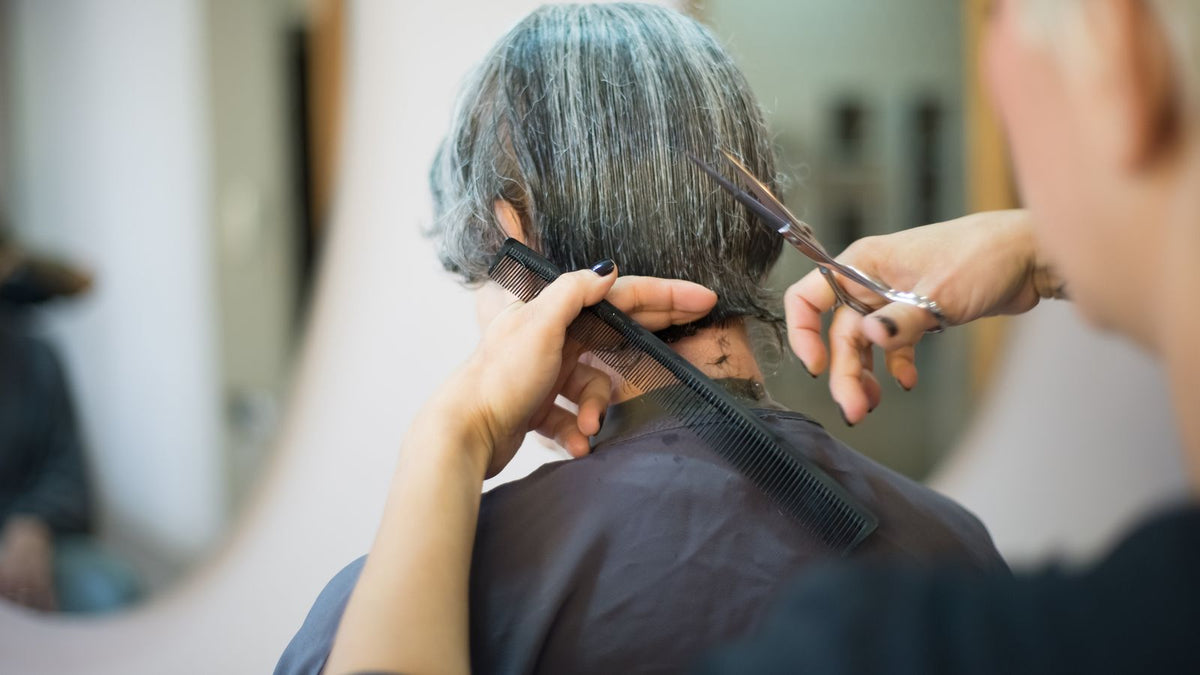
A barber trimming a man’s hair months after follicular unit extraction, once the full result has come through.
Frequently asked questions
Is follicular unit extraction painful?
The procedure itself is carried out under local anaesthetic with sedation, so the NHS describes it as awake but pain-free. Afterwards, a tight, achy and swollen scalp for a few days is common.
How long does the procedure take?
A hair transplant usually takes a day, with no overnight stay. Where a large area is being covered, the NHS notes that two or more sessions on different days may be needed.
When will I see the result?
New hair usually starts to appear at around four months, and the full result should be visible between 10 and 18 months. The transplanted hair commonly falls out a few weeks after surgery before that happens.
Does FUE leave scars?
Yes, but they are different in character. FUE leaves lots of tiny scars that the NHS describes as not very noticeable, while the strip method leaves a single linear scar.
Can I have a transplant for alopecia areata?
The NHS says a hair transplant is not usually suitable for the type of hair loss that causes bald patches, which includes alopecia areata. It suits permanent, inherited baldness.
Is it cheaper to have FUE abroad?
Prices abroad are often lower, but the CQC, GMC and BAHRS checks the NHS recommends do not apply outside the UK, and follow-up if something goes wrong is much harder to arrange.
Will I need more than one procedure?
Possibly. Two or more sessions may be needed for a large area, and the NHS warns that hair can carry on thinning around the transplant, which sometimes leads to further work later.
Can shampoo affect a hair transplant?
Follow your surgeon’s instructions for the first weeks, when the grafts are not secure. After that, gentle cosmetic washing and conditioning is about protecting the surrounding native hair from breakage, nothing more. The strip alternative, and the linear scar that comes with it, is covered in our guide to follicular unit transplantation.
What is the bottom line on follicular unit extraction?
Follicular unit extraction is real surgery with a real price, a real recovery and real risks, and it works best for exactly one kind of hair loss: the permanent, inherited kind. The NHS sets out the decision well, from the £1,000 to £30,000 range to the CQC, GMC and BAHRS checks and the 10 to 18 month timeline. Get the cause confirmed with a GP first, choose the clinic on registration and experience rather than price, and go in knowing that the surrounding hair can keep changing.
For the native hair either side of a transplant, a sulfate-free hair growth shampoo and a breakage-defence conditioner are the ordinary cosmetic baseline, once your surgeon has cleared normal washing.
Sources and references
- NHS: Hair transplant
- NHS: Cosmetic procedures
- NHS: Hair loss
- DermNet: Hair loss, balding, hair shedding, alopecia
- StatPearls: Anatomy, Hair Follicle (NCBI Bookshelf)
Watermans products are 100% cosmetic and do not treat medical hair loss. Individual results may vary.