L-Methionine for Hair: What It Does and How to Use It
L-methionine for hair matters because methionine is a sulphur-containing essential amino acid the human body cannot manufacture, so every molecule of it has to arrive in food or a supplement. Your body uses it as a starting block for cysteine, and cysteine forms the disulphide bonds that make keratin, the protein your hair fibre is built from. A normal mixed diet supplies plenty. Extra methionine only helps if you were genuinely short of protein in the first place. If you want the detail on that, our guide to methionine for hair walks through it step by step.
Our hair, skin and nails gummies
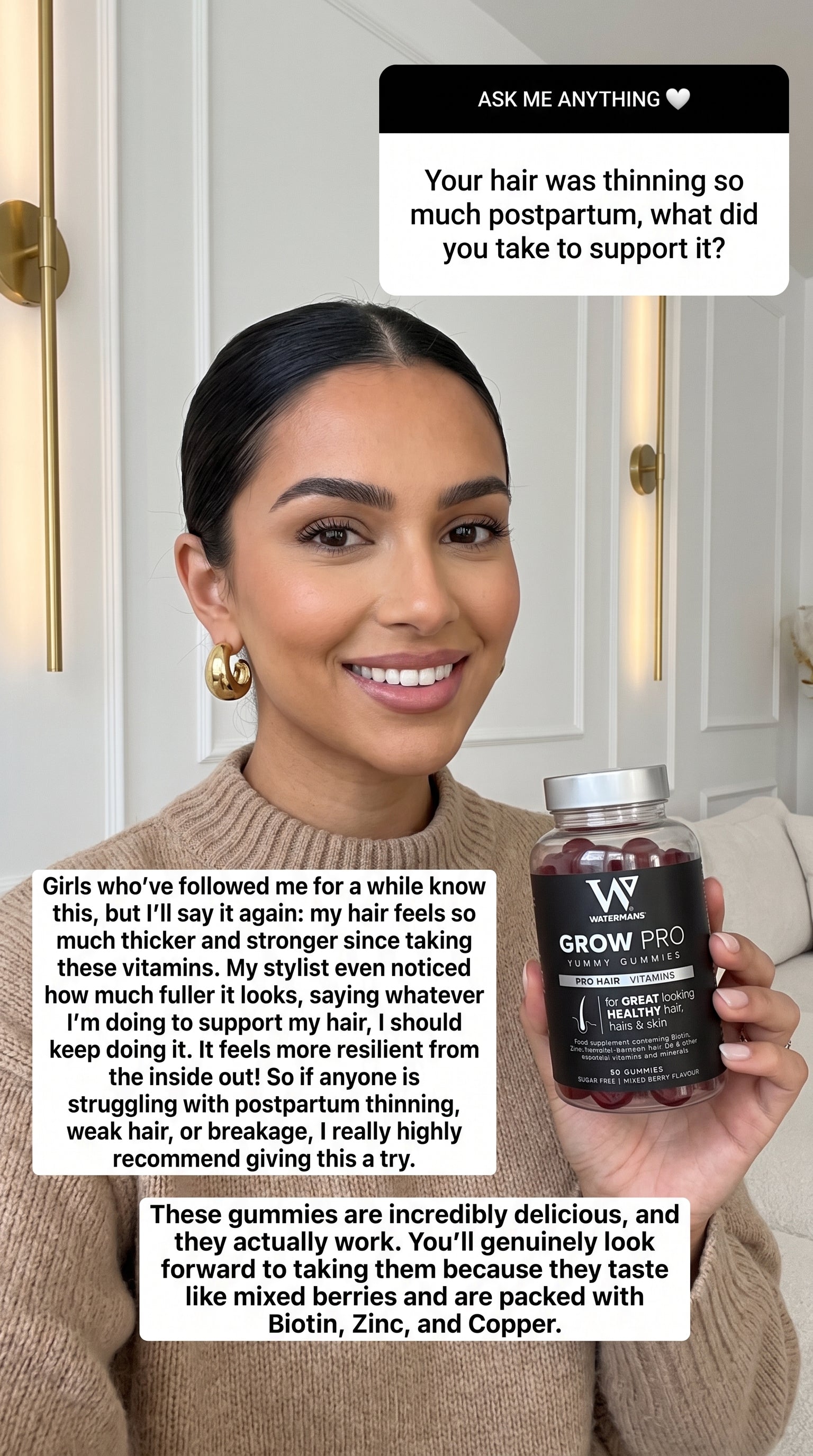
GrowPro® Hair, Skin & Nails Gummies, £22.95. Sugar free daily gummies for people who would rather chew than swallow a tablet, supporting hair care from the inside out.
Key Takeaways
- Methionine is an essential amino acid: your body cannot make it, so it must come from food.
- Its job in hair is upstream. Methionine helps supply cysteine, and cysteine builds the disulphide bonds that give keratin its strength.
- If you already eat enough protein, more methionine will not add anything. Deficiency is the only situation where topping up changes the picture.
- Protein status affects hair shedding and fibre strength. It does not act on the follicle biology behind pattern hair loss.
- Food first: eggs, fish, poultry, Brazil nuts, sesame seeds, soya and oats are the richest everyday sources.
- Anyone eating a restricted, very low-calorie or poorly planned vegan diet is the group most likely to be genuinely short.
What is l-methionine for hair, and why does the body need it?
The case for l-methionine for hair starts with a nutritional fact: methionine is one of the nine essential amino acids in human nutrition. Essential has a precise meaning here: the body has no pathway to synthesise it, so the entire supply comes from the diet. The "L-" prefix simply denotes the naturally occurring mirror image of the molecule, which is the form found in food and in almost every supplement on the shelf.
Methionine does three jobs that matter to a hair follicle. It is a building block in its own right, incorporated directly into new protein. It is the precursor the body converts into cysteine through the transsulphuration pathway. And it acts as a methyl donor, feeding the one-carbon reactions that sit behind a very large amount of ordinary cell housekeeping. A hair follicle is one of the fastest-dividing structures in the body, so it is unusually sensitive to any shortfall in the raw materials for protein synthesis.

How does l-methionine for hair turn into keratin?
Keratin is a family of fibrous structural proteins, and hair keratin is unusually rich in cysteine. Cysteine residues on neighbouring keratin chains pair up to form disulphide bridges, the strong covalent cross-links that give a hair fibre its tensile strength and its shape. This is the same chemistry a perm or a chemical straightener manipulates: those services break disulphide bonds and re-form them in a new arrangement.
Methionine sits one step upstream of that. The body converts methionine to homocysteine, then to cystathionine, then to cysteine. So methionine is not the cross-link itself. It is part of the supply chain that keeps cysteine available. That distinction matters, because it explains why methionine is genuinely necessary and also why loading up on it does nothing once the supply chain is already full.
The honest summary of the mechanism
Methionine is required for keratin synthesis in the same way flour is required for bread. Running out is a real problem. Adding a second bag of flour to a kitchen that already has one does not produce a better loaf.
Does protein affect hair loss, hair shedding or hair breakage?
These three words get used interchangeably and they describe genuinely different events, which is why the answer to "will protein help my hair" depends entirely on which one you are dealing with.
Hair loss in the follicular sense means the follicle itself is changing. In androgenetic alopecia the follicle miniaturises over successive cycles, producing a progressively finer, shorter fibre. That process is driven by genetics and hormones. No amino acid changes it, and no cosmetic product changes it either.
Hair shedding is a hair cycle event. Follicles move from the growing anagen phase into the resting telogen phase and release the fibre. When an unusually large share of follicles shift at once, the result is telogen effluvium, and severe protein or calorie restriction is one of the recognised triggers alongside illness, childbirth, rapid weight loss and iron deficiency. This is the one category where nutrition genuinely is part of the picture. If you want the fuller timeline, our guide to what causes telogen effluvium walks through the usual triggers and how long recovery normally takes.
Hair breakage is mechanical failure of the fibre itself, usually somewhere along the length rather than at the root. Heat, bleach, tight styling and rough detangling do this. Breakage looks like thinning in the mirror and in the shower drain, but the follicle is fine and the fix is handling, not nutrition. Amino acid supply builds the fibre; it does not protect a fibre you are snapping with straighteners.
Which foods are highest in methionine?
Animal proteins are the densest sources, but several plant foods are strong contributors and a well-planned vegan diet reaches adequate intake without difficulty. The figures below are approximate values per 100g of food and are intended for comparison, not precision.
| Food | Approx. methionine per 100g | Notes |
|---|---|---|
| Brazil nuts | ~1.0g | Exceptionally high, but also very high in selenium, so keep portions small |
| Chicken or turkey breast | ~0.9g | Lean, dense complete protein |
| Tuna, salmon, white fish | ~0.7 to 0.9g | Oily fish also contributes omega-3 and vitamin D |
| Sesame seeds | ~0.6g | Tahini is an easy way to eat a useful quantity |
| Eggs | ~0.4g | Roughly 0.15g in a single medium egg |
| Oats | ~0.3g | The most practical everyday plant source for most people |
| Tofu and soya | ~0.1 to 0.3g | Lower per 100g, but soya is a complete protein |
| Beans and lentils | ~0.1g | Relatively low in methionine; pair with grains or seeds |
Legumes are the one notable gap. Beans and lentils are excellent protein but comparatively low in sulphur amino acids, which is exactly why the traditional pairings, beans with rice, hummus with bread, dal with roti, exist across so many cuisines. Eating a grain or seed alongside a pulse closes the gap without anyone needing to think about amino acid profiles.

Is a supplement worth taking, or is food enough?
For most people in the UK, food is enough, and that is the honest answer to whether l-methionine for hair is worth buying as a supplement. National diet survey data has consistently shown average protein intake sitting comfortably above requirement across the adult population, and methionine adequacy follows protein adequacy closely. If you eat a normal amount of food containing a normal amount of protein, you are extremely unlikely to be short.
The groups where a genuine shortfall is plausible are narrower and worth naming honestly:
- Anyone on a sustained very low calorie diet, including after weight loss surgery
- People with restrictive eating patterns or a limited food range
- Poorly planned vegan diets that lean heavily on pulses without grains, seeds or soya
- Older adults with reduced appetite and low overall food intake
- Anyone recovering from serious illness or surgery, where protein needs rise
If you fall into one of those groups and you are shedding, the useful step is a conversation with your GP rather than a jar of single amino acids. Shedding has several common causes that look identical in the mirror, and low ferritin, thyroid changes and vitamin D status are all checked with a simple blood test. Fixing the actual cause works. Guessing rarely does.
Where a broad supplement earns its place is as insurance across several nutrients at once rather than as a single-amino-acid intervention. Our guide to vitamins for hair growth covers which nutrients have real evidence behind them, and the companion piece on biotin for hair growth is worth reading before you spend anything, because biotin is the one most often oversold.


GrowPro® Hair Growth Gummies £22.95
Sugar-free vegan gummies with biotin, zinc, MSM, bamboo silica and B vitamins. Zinc and biotin contribute to the maintenance of normal hair, which makes this a sensible everyday baseline if your diet is patchy. It is a food supplement, not a substitute for eating properly. We have a separate guide to if i stop eating sugar will my hair grow back if that is the part you need.
Get a discount on the thinning hair range
Join the Watermans mailing list and we will email a discount code straight to your inbox, so you can try the thinning hair range for less. Made in the UK, over 6.5 million bottles sold since 2012.
Can you take too much methionine?
Yes, and this is the part supplement marketing tends to skip. Methionine converts to homocysteine as an intermediate step, and homocysteine has to be cleared again by pathways that depend on folate, vitamin B12 and vitamin B6. Large isolated doses of methionine can push homocysteine up, particularly in people whose B vitamin status is marginal. Raised homocysteine is a marker cardiologists take an interest in.
That is not an argument against eating protein. It is an argument against taking gram-scale single amino acids on your own initiative because a supplement label implied it would do something for your hair. Methionine eaten as food, inside whole protein, alongside the B vitamins that come with it, behaves entirely differently from methionine swallowed on its own. If you are considering an isolated amino acid supplement, run it past a pharmacist or your GP first, especially if you take any regular medicine.
Does methionine have anything to do with grey hair?
There is a real thread connecting l-methionine for hair to pigment, but it is thinner than the internet suggests. Hair greys when melanocytes in the follicle stop producing pigment, and one contributing mechanism under investigation is oxidative stress, including hydrogen peroxide accumulating in the follicle faster than it is broken down. Methionine residues in proteins can be oxidised, and cells carry repair enzymes that can undo that oxidation.
What has not been shown is that eating more methionine slows greying in humans. The timing of grey hair is largely genetic, which is why it runs in families and why it arrives at broadly the same age across generations. Smoking is the environmental factor with the most consistent association with earlier greying. Anyone selling you an amino acid for your greys is well ahead of the evidence.
How do you build a hair care routine around all this?
Thinking about l-methionine for hair only gets you halfway. Nutrition supplies the raw material. Everything you do after the fibre leaves the scalp decides how much of that fibre survives to the ends. Since hair grows at roughly a centimetre a month, the hair at the ends of shoulder-length hair is around two years old and has been washed, brushed, dried and styled several hundred times. Retention is the half of the equation most people neglect.
A workable routine looks like this:
- Eat enough protein at each meal rather than loading it all into dinner. Spreading intake across the day suits protein synthesis better.
- Wash gently and condition every time. Conditioner reduces the friction that causes the cuticle damage behind split ends. Our step-by-step guide to using conditioner properly covers where it should and should not go.
- Detangle from the ends upwards on damp, conditioned hair, with a wide-tooth comb.
- Turn the heat down and use a protectant. Most home straighteners run hotter than anyone needs.
- Loosen your styling. Persistent tight ponytails, braids and extensions create traction, which is one of the few genuinely preventable causes of permanent follicular damage.
If you want the biology behind why length has a ceiling, the anagen phase explainer in our guide to how hair grows is the clearest place to start.

Grow Me® Hair Growth Shampoo £14.95
A sulfate-free daily wash with biotin, caffeine, rosemary, niacinamide and hydrolysed lupine protein. It is a cosmetic shampoo: the job is a gentle cleanse that reduces breakage so more of the length you grow stays on your head, leaving hair looking fuller and feeling stronger.

Condition Me® Hair Growth Conditioner £13.95
Breakage-defence conditioner with cholesterol, shea butter, glycerin, silica and hydrolysed lupine protein. Slip is the point: hair that detangles easily is hair you are not snapping on the way through it.
Important: Watermans products are 100% cosmetic and do not treat medical hair loss. Individual results may vary.
Frequently Asked Questions
Is l-methionine for hair actually supported by evidence?
The biochemistry is well established: methionine is an essential amino acid and a precursor to cysteine, which forms the disulphide bonds in keratin. What is not established is that supplementing methionine improves hair in people who already eat enough protein. The nutrient is genuinely necessary; the supplement is only useful where there is a real shortfall.
How much methionine do I need each day?
Requirements are usually expressed for methionine plus cysteine together, at roughly 15mg per kilogram of body weight per day. For a 70kg adult that is around 1g daily, which is comfortably covered by a normal diet containing adequate protein. Two eggs and a chicken breast alone would exceed it.
Can vegans get enough methionine?
Yes, with a reasonable spread of foods. Soya, oats, sesame seeds, sunflower seeds, Brazil nuts and hemp seeds are all useful contributors. The pattern to avoid is a diet built almost entirely on beans and lentils, which are lower in sulphur amino acids, without grains, seeds or soya alongside them.
Will taking methionine stop my hair falling out?
No. If your shedding is caused by a genuine protein or calorie shortfall, correcting that shortfall addresses the trigger. If it is caused by anything else, and most shedding is, methionine will make no difference. Persistent or sudden shedding is worth a GP visit for basic blood tests.
Is methionine the same as MSM or cysteine?
No, though all three contain sulphur. Methionine and cysteine are amino acids and cysteine is made from methionine in the body. MSM, methylsulfonylmethane, is a separate sulphur compound sold as a supplement and often included in hair formulas. They are related by chemistry, not interchangeable.
Does l-methionine for hair help with grey hair?
There is no good human evidence that it does. Greying timing is mostly genetic. Oxidative stress in the follicle is an area of active research, but no amino acid has been shown to delay greying in people.
Should I take a single amino acid supplement?
Generally not without advice. Isolated methionine in gram-scale doses can raise homocysteine, particularly if folate, B12 or B6 status is marginal. Food-bound methionine does not behave the same way. Speak to a pharmacist or your GP before starting one, especially alongside regular medication.
Sources & References
- NHS: Hair loss - NHS overview of the common causes of hair loss and when to see a GP.
- NHS: Vitamins and minerals - NHS reference on nutrient roles, requirements and upper limits.
- NHS: Eating a balanced diet - NHS guidance on protein and overall dietary adequacy.
- NHS: Iron deficiency anaemia - relevant because low iron is a far more common nutritional cause of shedding than low protein.
- British Dietetic Association: Food Facts - peer-reviewed public information on protein, vegan diets and supplements.
- Food Standards Agency: Food supplements - UK regulator guidance on how supplements are regulated and labelled.
- British Association of Dermatologists: Information Leaflets - dermatologist-authored leaflets for the public on alopecia and telogen effluvium.
- DermNet: Hair loss - reference on the hair cycle and the distinction between shedding and follicular loss.
What is the bottom line on l-methionine for hair?
The case for l-methionine for hair is a case about deficiency, not about enhancement. Methionine is genuinely essential, it genuinely feeds the cysteine supply that builds keratin, and a real shortfall genuinely shows up in your hair. But almost nobody eating a normal diet has that shortfall, and adding more of an amino acid you already have enough of does not produce a better hair fibre. Eat enough protein across the day, get checked by your GP if you are shedding, and put your effort into the handling and heat habits that decide how much of your length survives. If your question is about products or a routine rather than a medical one, you can talk to Gail Waterman, our co-founder, as an AI avatar on the Watermans homepage.
For the nutritional side of this, the GrowPro hair vitamins cover the usual gaps without a cupboard of bottles. Vegan and made in the UK.