Trichologists Chelsea: Bleach, Extensions or Thinning?
If you are searching for trichologists Chelsea, start by working out which of two different problems you actually have. Hair that snaps mid-length after bleach, foils, heat and extensions is breakage, and it is a fibre problem. Hair that comes out from the root and grows back finer is thinning, and it is a follicle problem. They look alike in a Chelsea mirror, they need opposite fixes, and the free NHS step comes first.
Our heat protection spray
Protect Me® Heat Protection Spray, £13.95. A leave in spray that shields hair from heat styling, helps control frizz and keeps colour looking fresher for longer.
Key takeaways
- Breakage snaps along the length and leaves short, uneven fibres. Thinning comes out with a white bulb at the root and returns finer.
- The NHS says it is normal to lose between 50 and 100 hairs a day, so volume in the brush alone proves nothing.
- NHS advice is explicit: see a GP about hair loss before you consider a commercial hair clinic.
- Members of the Institute of Trichologists sit on the only UK trichology register accredited by the Professional Standards Authority.
- If bleach, foils, heat and extensions are all in play, change the routine for eight weeks before you pay anyone for an opinion.
Do you need trichologists Chelsea clinics, or a better hair routine?
Most people who book a trichology consultation after heavy colour work need a routine change rather than a clinic. A trichologist is worth paying for when hair is coming away at the root, when the scalp itself is sore, scaly or visibly changed, or when a GP has already ruled out the common medical causes and the shedding has not settled.
Chelsea is dense with colour specialists, blow-dry bars and extension studios, and that shapes the hair problems the trichologists Chelsea area attracts. Lightening dark hair to a cool blonde, refreshing a balayage every eight weeks, then tonging it dry is a heavy chemical and thermal load on the same fibre. The result is often mistaken for hair loss because the ends look sparse and the ponytail feels thinner.

How do you tell breakage from hair loss at home?
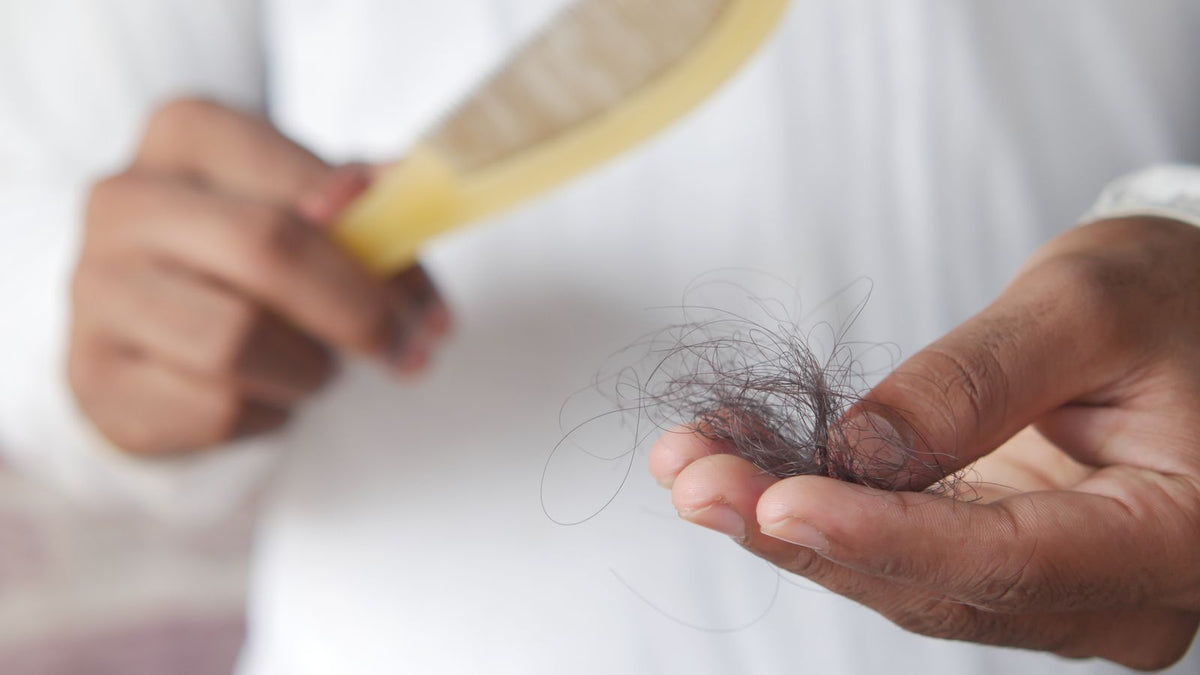
Three home checks separate the two problems in about ten minutes. Collect the hairs from one wash and look at the ends: a pale, slightly swollen bulb means the hair came from the follicle, while a blunt or frayed end means the fibre snapped. Then measure the ponytail circumference with a tape and photograph the parting in the same light.
| What you see | Points to breakage | Points to thinning |
|---|---|---|
| Ends of the shed hairs | Blunt, frayed, no bulb | Small white or pale bulb |
| Length of shed hairs | Short pieces, uneven | Full length, tapered tip |
| Where the change shows | Ends, crown surface, halo of short fly-aways | Parting width, temples, density at the root |
| What it feels like | Rough, dry, snaps when combed wet | Softer, finer, ponytail thinner at the band |
| What usually helps | Less heat, less tension, protein and moisture balance | A GP conversation about causes, then time |
Do the same three checks four weeks apart and you will arrive at any trichologists Chelsea consultation with real data rather than a worry. For a fuller walkthrough with photographs, our guide on how to tell if your hair is thinning using six home checks sets out the parting, pull and ponytail tests in order.
What does bleach and colour actually do to the hair fibre?
Bleach lifts the cuticle and removes pigment from the cortex, and every lift leaves the fibre weaker and more porous than it was before. Porous hair absorbs water, swells, and loses elasticity, which is why bleached hair stretches then snaps when combed wet. The damage is cumulative and cannot be undone, only managed and grown out.
Heat compounds it. Straighteners and tongs routinely run at 180 to 230°C, and applying that to a porous, freshly lightened fibre is what produces the halo of short broken hairs around the parting. Our explainer on the four things that actually damage hair ranks the culprits in order, and the habits that prevent split ends covers the day-to-day fixes.

Protect Me® Heat Protection Spray £13.95
A leave-in spray that shields the fibre up to 230°C while helping control frizz and protect colour. The single most useful product to add if you tong or straighten coloured hair.

Masque Me® Repairing Hair Mask £24.95
A deep conditioning mask for bleached, coloured or heat-worn lengths, formulated to smooth the cuticle so hair looks glossier and combs through with less snapping.
Do extensions and tight styling cause lasting damage?
Extensions and tight styling can cause lasting damage when the tension is constant rather than occasional. DermNet notes that traction hair loss starts without scarring, but prolonged and excessive tension destroys the follicle and the loss becomes permanent. The warning signs are tenderness, small bumps at the attachment points and a hairline creeping backwards.

Tape, micro-ring and bonded extensions all place steady weight on a small number of anchor hairs. Worn back to back for a year or more, that weight thins the temples and the area just behind the hairline. Taking a break of two to three months between sets, alternating the placement and refusing any fitting that feels tight are the practical protections. If the hairline is already receding, our guide to temple thinning and its two main causes explains what is recoverable.
A quick tension test
If you can feel your hairstyle after twenty minutes, it is too tight. Tenderness at the roots is the earliest sign of traction, and it appears long before the hairline visibly moves.
Get a discount on the hair breakage range
Join the Watermans mailing list and we will email a discount code straight to your inbox, so you can try the hair breakage range for less. Made in the UK, over 6.5 million bottles sold since 2012.
What can a trichologist do that a Chelsea colourist cannot?
A trichologist assesses the scalp and hair under magnification, takes a full history and advises on care, whereas a colourist works on the fibre alone. Registered trichologists study a Level 5 course that the Institute of Trichologists runs over two and a half years, including 126 hours of hands-on clinical practice, so the scalp assessment is the part you are paying for.
What a trichologist cannot do is act as your doctor. They do not order NHS blood work, and they are not the right first stop if you suspect a thyroid problem, iron deficiency or a medication effect. For those, the GP route is both free and faster. Our companion piece on telling a worthwhile trichology consultation from an upsell covers the commercial side in detail.
How do you choose between trichologists Chelsea clinics and your GP?
The NHS position is unambiguous: see a GP to get an idea of what is causing your hair loss before thinking about going to a commercial hair clinic. A GP can check iron, thyroid function and other common causes, and that single free step often explains a sudden increase in shedding without any private fee at all.
| Your situation | Best first stop | Why |
|---|---|---|
| Hair snapping after bleach or extensions | Your colourist, plus a routine change | This is fibre damage, not a medical problem |
| Sudden heavy shedding after illness, surgery, a birth or crash dieting | GP | Blood tests are free and rule out common causes |
| Parting widening slowly over years | GP first, trichologist second | Pattern change needs a medical opinion before a paid plan |
| Sore, scaly, itchy or painful scalp | GP | Scalp skin conditions need medical care |
| Tests came back normal and shedding continues | Registered trichologist | This is where paid expertise genuinely adds something |
What does a year of colour and extensions cost your hair?
A full year of a typical Chelsea hair schedule is more chemical and thermal work than most people realise when they add it up. Six lightening appointments, a gloss between each one, two sets of extensions and four blow-dries a month is roughly 250 separate heat exposures on a fibre that has been chemically lifted six times.
| Over twelve months | Typical frequency | What it does to the fibre |
|---|---|---|
| Bleach or highlights | Every 8 to 10 weeks | Permanently raises porosity; each lift is cumulative and cannot be undone |
| Toner or gloss | Between colour visits | Gentler, but still opens the cuticle briefly |
| Extensions | Two sets a year | Constant tension on a small number of anchor hairs |
| Straighteners or tongs | Three to four times a week | 180 to 230°C on porous hair is where most breakage happens |
| Tight ponytails and buns | Daily | Low-level traction at the temples and hairline |
None of that is an argument for giving up colour. It is an argument for spacing the chemical work further apart, using a heat protectant every single time, and dropping the iron temperature by twenty degrees, because the fibre only has so much structure to give. A year of that discipline usually removes the reason people go looking for a trichologist in the first place.
What should you change in the four weeks before you book?
Four weeks of consistent, boring care tells you more than any single consultation. Drop the hottest heat setting, stop colouring during that window, wash with a gentle sulfate-free shampoo, condition every wash, and detangle from the ends upwards with a wide-tooth comb on damp rather than soaking hair.

Keep one photograph of the parting a week, taken in the same daylight, and keep the shed hairs from one wash a week in an envelope. If the breakage settles, you had a fibre problem and you have saved yourself the cost of the trichologists Chelsea consultation you were about to book. If shedding at the root continues, you now have four weeks of evidence to take to a GP.

Condition Me® Hair Growth Conditioner £13.95
A breakage-defence conditioner with cholesterol, shea butter and hydrolysed lupine protein, made to help hair detangle and snap less so lengths look fuller and stronger.
Frequently asked questions
Are there trichologists Chelsea clinics on the King's Road?
Trichology in central London is concentrated around Harley Street and the wider West End rather than the King's Road itself, and several registered practitioners cover south-west London from there. Check the Institute of Trichologists register before you book, because trichology is not a protected title and the register is the only accredited list in the UK.
How much does a private trichology consultation cost in central London?
Expect roughly £80 to £250 for a first consultation in central London, with follow-ups usually lower. Ask what the fee includes, whether photographs or scalp imaging are part of it, and whether any product plan is separate, before you commit.
Is losing hair in the shower after bleaching normal?
Some loss in the shower is normal for everyone, because the NHS puts ordinary daily shedding at between 50 and 100 hairs. What is not normal is a sudden jump that lasts more than six weeks, or short broken pieces rather than full-length hairs with a bulb.
Can damaged hair be repaired?
Damaged hair cannot be restored to its original structure, because the fibre is not living tissue. Conditioners, masks and bond-building products smooth and reinforce it so it looks and behaves better, but the only permanent fix is growing the damage out and protecting the new growth.
How long should I leave between extension fittings?
Two to three months without extensions gives the anchor hairs a chance to recover and lets you see your real density. Alternate where the attachments sit, and stop entirely if you notice tenderness or bumps at the attachment points.
Will a hair growth shampoo fix breakage?
A shampoo cannot rebuild a snapped fibre, but a gentle sulfate-free wash plus a conditioner that reduces friction means fewer hairs snap in the first place. That is a retention gain, and over several months retention is what makes lengths look thicker.
Should I see a GP or a trichologist first?
See a GP first. NHS guidance says to get an idea of what is causing your hair loss from a GP before considering a commercial hair clinic, and the blood tests that rule out iron and thyroid causes are free. If your question is about products or a routine rather than a medical one, you can talk to Gail Waterman, our co-founder, as an AI avatar on the Watermans homepage.
Does hard water in London make breakage worse?
London sits in a hard water area, and mineral deposits leave hair feeling rougher and harder to comb, which adds mechanical stress. A weekly clarifying wash and a conditioner that cuts friction help more than any filter claim.
What is the bottom line on trichologists Chelsea?
The bottom line on trichologists Chelsea is that the clinic is rarely the first step. Separate breakage from thinning with the shed-hair, parting and ponytail checks, fix the colour and heat load for four weeks, and take anything still shedding at the root to a GP for free blood tests. Pay a registered trichologist when those two steps have not answered it, and check the register before you do.
If the answer turns out to be breakage, the cheapest useful change is a heat protection spray before every tong or straightener: our heat protection spray shields the fibre to 230°C, which is the temperature most straighteners actually run at.
Watermans products are 100% cosmetic and do not treat medical hair loss. Individual results may vary.