Trichologist Halifax: Patchy Hair Loss and Alopecia Areata
Finding a smooth, coin-sized bare patch is a different shock to noticing your hair is generally thinner. It is sudden, it has an edge you can feel with a fingertip, and it arrives without warning. If you have searched for a trichologist Halifax locals rate, you want two things quickly: a name for what you are looking at, and an honest answer about whether it comes back. This guide gives both, and is clear about which parts belong to a GP.
A trichologist Halifax residents can consult is a hair and scalp specialist, not a doctor, so get a patch looked at medically first and take care of the surrounding hair second. Smooth, round, sudden patches are most often alopecia areata. Scaly, itchy, broken patches in a child are more often scalp ringworm. Patches at the hairline from tight styling are traction damage, and those are the ones your habits influence most.
Key takeaways
- A smooth, round patch with a clean edge is the classic look of alopecia areata, an autoimmune condition affecting roughly 2 in 100 people at some point in life.
- A scaly, itchy, stubbly patch, especially on a child, points to scalp ringworm, which is a fungal infection and needs antifungal medicine from a GP, not a shop-bought shampoo.
- Hair loss, hair shedding and hair breakage are three different problems. Only one of them leaves a bare patch of scalp.
- Scalp hair grows roughly 1 cm a month, so even a small patch takes several months to look filled in again.
- Watermans is a cosmetic hair-care brand. Nothing on this page is medical advice, and a new patch is a GP question first.
What does a trichologist Halifax consultation actually involve?
A trichologist is a hair and scalp specialist who examines the scalp, asks about your history and gives hair-care guidance. In the UK the recognised professional body is the Institute of Trichologists, which keeps a public register of qualified members, so the first practical step is checking that whoever you see is on it. A consultation usually means a close look at the scalp, often with magnification, questions about when the patch appeared, family history, recent illness, medication changes, diet and styling habits, and a gentle pull test on the hair around the edge of the patch.
What a trichologist cannot do is act as your doctor. Scalp conditions that are autoimmune, fungal or scarring sit with a GP and, if needed, an NHS dermatology service. In Halifax that route runs through your own GP practice, with Calderdale Royal Hospital as the local NHS hospital for onward referral. Going to a hair specialist first is not wrong, but going to one instead of a GP with a brand new bare patch wastes the months when a medical answer matters most.

What is the difference between hair loss, hair shedding and hair breakage?
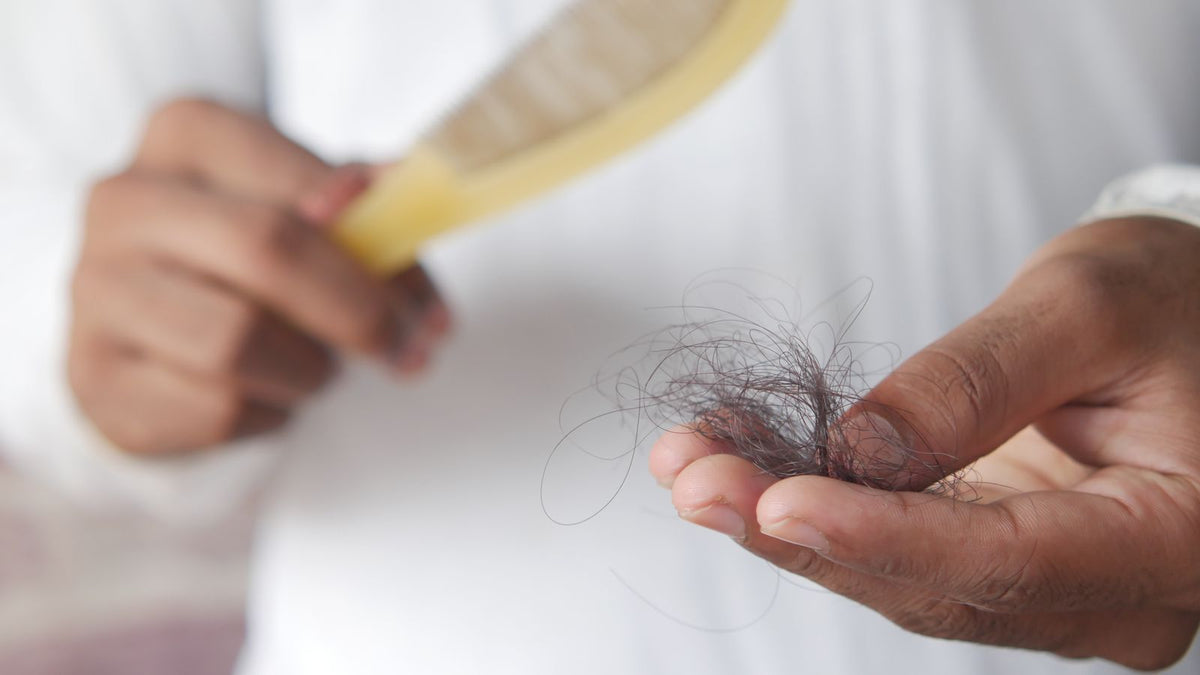
Hair loss, hair shedding and hair breakage are three separate mechanisms that get lumped together under one word, and telling them apart changes what you do next. Hair loss means follicles stop producing hair, which is what leaves visible scalp. Hair shedding means follicles push hairs out of the growing phase early, so you lose more hairs per day but density recovers, which is the pattern behind telogen effluvium after an illness or a shock. Hair breakage means the fibre snaps along its length, so hair looks thinner and shorter while the follicle underneath is completely fine.
| What you see | Most likely mechanism | Where the hair is failing |
|---|---|---|
| A smooth bare patch with a clear edge | Hair loss at the follicle | Follicle has switched off |
| More hairs in the brush and drain, density looks thinner all over | Hair shedding, often telogen effluvium | Follicle cycled early, still alive |
| Short, wispy, snapped ends and flyaways, no bare scalp | Hair breakage | Fibre is damaged, follicle is fine |
| Thinning at the hairline where the style pulls | Tension-related loss | Follicle under repeated strain |
This matters because breakage is the only one of the three that a shampoo, conditioner or mask can genuinely influence. Cosmetic products work on the fibre and the scalp surface. They do not switch a follicle back on, and any brand implying otherwise is overselling.
What causes a smooth, round bald patch?
A smooth, round bald patch with a sharp border is the textbook picture of alopecia areata, an autoimmune condition in which the immune system turns on the hair follicle. Dermatology sources including DermNet and the British Association of Dermatologists put the lifetime chance at roughly 2 in 100 people, it can begin at any age, and it often appears over a few weeks with no warning at all. The skin inside the patch usually looks normal: not red, not scaly, not sore.
Our wider guide to telling patchy hair loss apart by what the skin is doing walks through the same comparison in more depth. Two details are worth checking. Short broken hairs shaped like an exclamation mark at the edge of the patch are a recognised sign of active alopecia areata. Pitting or ridging of the fingernails shows up in a proportion of people with it as well. Neither is something to self-assess as fact, but both are useful to mention to a GP, because they help point the consultation in the right direction quickly.
Get a discount on the patchy hair loss range
Join the Watermans mailing list and we will email a discount code straight to your inbox, so you can try the patchy hair loss range for less. Made in the UK, over 6.5 million bottles sold since 2012.
How can you tell alopecia areata from scalp ringworm?
Alopecia areata and scalp ringworm look similar from across a room and behave completely differently up close. Alopecia areata leaves smooth skin and a clean edge. Scalp ringworm, which is a fungal infection called tinea capitis, tends to leave a scaly, flaky or crusted patch with stubbly broken hairs, and it is often itchy. It is far more common in children than adults, and it spreads between people and sometimes from pets, which is one reason our guide to hair loss in children puts it near the top of the list.
The one that cannot wait
NHS guidance on scalp ringworm is clear that it needs antifungal medicine from a GP. Shop-bought anti-dandruff shampoo will not clear a fungal scalp infection, and delay risks permanent scarring in the patch. If the patch is scaly, itchy or on a child, book with a GP rather than trying products first.
Can tight styling cause patchy loss at the hairline?
Tight styling causes traction alopecia, which is thinning driven by constant pull on the follicle rather than by anything happening inside the body. It shows up where the tension is highest, usually the front hairline, the temples or around the parting where a weave or clip sits. Early on it comes with small bumps or tenderness after styling, and the hairs that survive at the very front are often fine and short. The fringe sign, where a narrow band of hair survives right at the edge while the area behind it thins, is a classic clue.
This is the version of patchy loss you have most control over. Loosening the style, changing where the tension sits from week to week, giving the hairline breaks between protective styles and using slip when detangling all reduce the daily strain. Caught early, follicles under tension usually recover once the pull stops. Left for years, the follicles scar over and that change is permanent, which is why the advice is always to act on tenderness rather than push through it.

When is patchy hair loss permanent?
Patchy hair loss becomes permanent when the follicle itself is destroyed and replaced by scar tissue, which is what dermatologists mean by scarring alopecia. The tell-tale sign is that the bare skin looks shiny and smooth with no visible pores where hairs should emerge, sometimes with redness or scaling at the active edge. Scarring conditions are a dermatology matter, they can progress quietly, and nothing sold as hair care changes their course.
Non-scarring patchy loss is a different picture. In alopecia areata the follicle is switched off rather than destroyed, which is why fine pale hairs sometimes appear in a patch months later without anything being done. There is no honest way to predict who that happens for and who it does not, and the pattern can repeat. Anyone promising a fixed outcome is guessing with your money.
What should you ask your GP first in Halifax?
Your GP appointment is more useful if you arrive with specifics rather than a general worry, and it is worth doing before any private trichologist Halifax booking rather than after. Bring dated photographs of the patch, because a photo from four weeks ago is the single most useful piece of evidence about whether it is spreading. Note when you first saw it, whether anything itches or hurts, any recent illness, surgery, major stress, crash diet or new medication in the three to six months before it appeared, and whether anyone in the family has had alopecia, thyroid problems or other autoimmune conditions.
- Is this most likely alopecia areata, a fungal infection or something else?
- Does the edge of the patch look active or settled?
- Should bloods be checked for iron, ferritin or thyroid function?
- Is a dermatology referral appropriate at this stage?
- Is anything I am currently taking known to affect hair?
NHS advice is to see a GP when hair loss is patchy, sudden, comes with an itchy or scaly scalp, or is causing real distress. All four of those are good enough reasons on their own, and the last one counts.
How should you care for your hair while a patch settles?
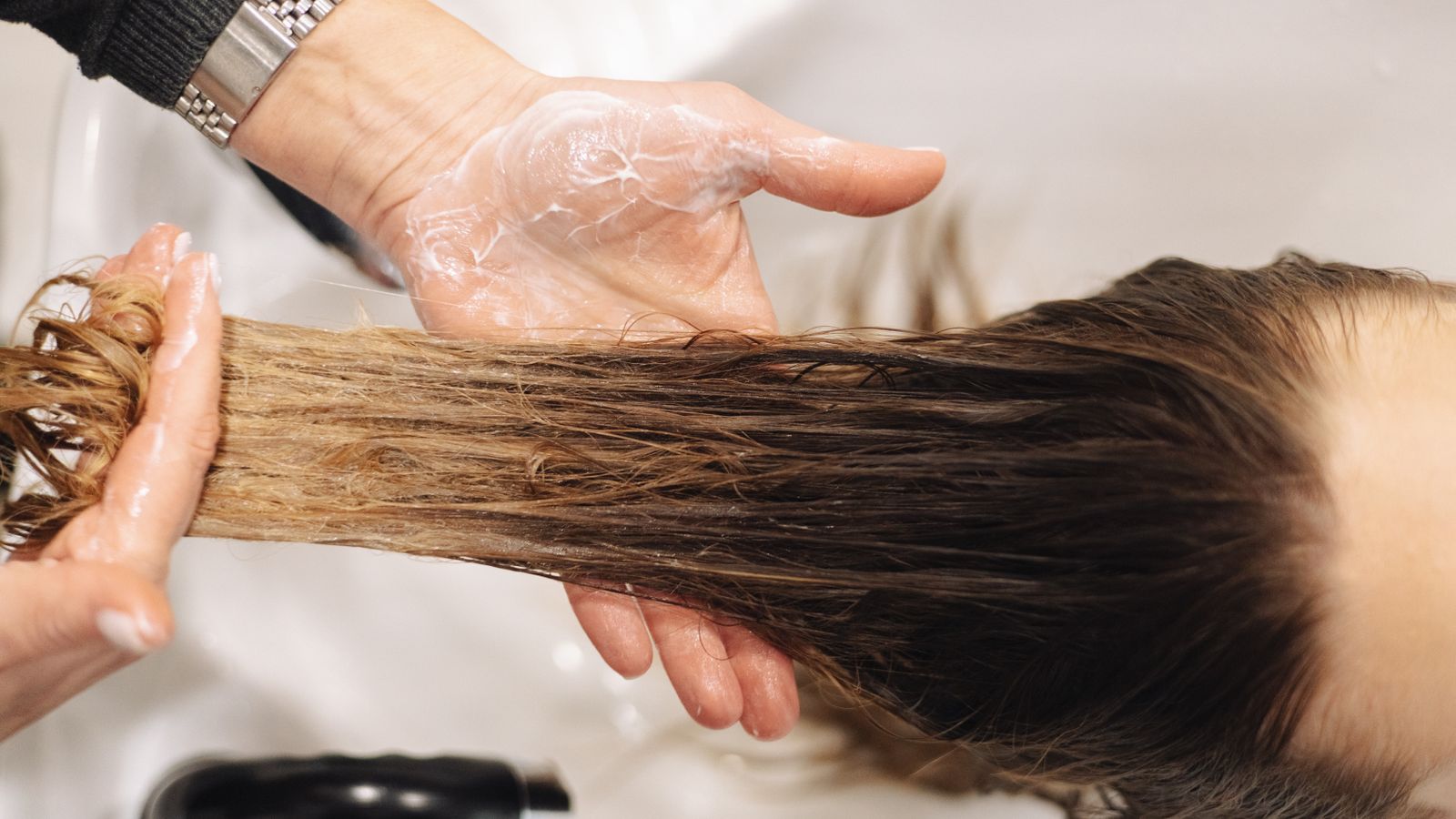
Anyone who has seen a trichologist Halifax way will recognise this part of the advice, because it is what a good consultation ends on. Care around a patch has one job: protect the hair you still have, so the area looks as good as it can while the medical side is handled properly. That means low tension, low heat and low friction. Avoid styles that pull the surrounding hair tight over the patch, use a wide-tooth comb on wet hair, work conditioner through the mid-lengths and ends before detangling, and keep heat styling occasional rather than daily. Silk or satin pillowcases reduce overnight friction, which is a small change that costs nothing after the first purchase.

Condition Me® Hair Growth Conditioner £13.95
A slippy everyday conditioner makes detangling gentler, which matters when you are trying not to lose extra hairs to breakage around a patch. Cosmetic care for the hair you have, and nothing more than that.

Sulphate free, so it cleans without stripping. Biotin, caffeine, rosemary and niacinamide support a healthy scalp environment and reduce breakage for fuller looking hair.
Two honest boundaries. First, cosmetic hair care cannot influence an autoimmune or fungal condition, and we are not going to suggest otherwise. Second, camouflage is a legitimate answer while you wait: a change of parting, a fibre powder, a softer cut around the area, or simply a hat on the days you cannot face it. None of that is giving up, and it often does more for how you feel this month than anything else on this page.

What support exists beyond a trichologist Halifax appointment?
Support beyond a hair specialist matters because patchy loss lands hardest emotionally, not cosmetically. Alopecia UK runs support groups and online communities, the British Association of Dermatologists publishes plain-English information leaflets for the public that are worth reading before a GP visit, and your GP can refer onward if the patch is spreading or scarring is suspected. Many people find the combination of an accurate name for the condition and other people who have had it more useful than any product.
What are the frequently asked questions about seeing a trichologist Halifax?
Is a trichologist Halifax based able to tell me what my patch is?
A trichologist can examine the scalp and give an experienced opinion on what a patch looks like, and good ones will say plainly when something belongs with a doctor. They are not medically qualified, so a formal medical answer, bloods and any referral come from your GP. If your question is about products or a routine rather than a medical one, you can talk to Gail Waterman, our co-founder, as an AI avatar on the Watermans homepage.
How much does a private trichology consultation cost in the UK?
Private trichology consultations in the UK commonly run from around 50 to 150 pounds for an initial appointment, with follow-ups usually lower. Prices vary a lot by city and by practitioner, so ask what the fee includes before booking, and whether products are extra.
Will my hair come back after alopecia areata?
Often it does, sometimes within months, and sometimes the first hairs to appear are fine and pale before they thicken. It can also recur. Nobody can promise you a timeline honestly, which is why it is worth being sceptical of anything sold on that promise.
Can stress cause a bald patch?
Severe stress is a recognised trigger for diffuse shedding, which thins hair all over rather than leaving a defined patch. Stress is also reported by many people around the onset of alopecia areata, though it is not the cause of the condition itself.
Is scalp ringworm contagious?
Yes. Scalp ringworm spreads through close contact, shared hats, brushes, combs and pillows, and sometimes from cats and dogs. That is another reason it needs a GP rather than a wait-and-see approach, especially in a household with children.
Should I stop washing my hair if I have a bald patch?
No. Leaving the scalp unwashed does not protect the patch and can make an itchy or flaky scalp worse. Wash as usual with something gentle, and be careful with detangling rather than with cleansing.
Do vitamins help patchy hair loss?
Correcting a genuine deficiency such as low iron can help hair generally, which is why bloods are worth asking about. Taking supplements when your levels are already normal does not add a benefit, and very high doses of some nutrients cause problems of their own.
Can I get a trichology referral on the NHS?
Trichology is not an NHS service, so NHS referrals go to dermatology rather than to a trichologist. If you want to see a trichologist, that is a private arrangement you make yourself, ideally with someone on the Institute of Trichologists register.
Sources & references
- NHS: Hair loss
- NHS: Ringworm
- DermNet: Alopecia areata
- British Association of Dermatologists: Alopecia areata information leaflet
- DermNet: Traction alopecia
- The Institute of Trichologists
What is the bottom line on trichologist Halifax?
If you are searching for a trichologist Halifax has available, the honest order of operations is GP first, hair specialist second. A brand new patch needs a medical name before it needs a product, because the four common causes, alopecia areata, scalp ringworm, traction damage and scarring loss, are handled in four completely different ways and only one of them responds to changing your styling habits.
Once the medical side is in hand, the job of hair care is modest but real: protect the hair around the patch from tension, heat and friction so it looks its best while the rest plays out. That is a genuine contribution and it is worth doing properly. It is just not a substitute for the appointment.
For gentler detangling while you look after the hair around a patch, our hair growth conditioner adds slip so the comb pulls less. Cosmetic care for the hair you have.
Please note: Watermans products are 100% cosmetic and do not treat medical hair loss. Individual results may vary.