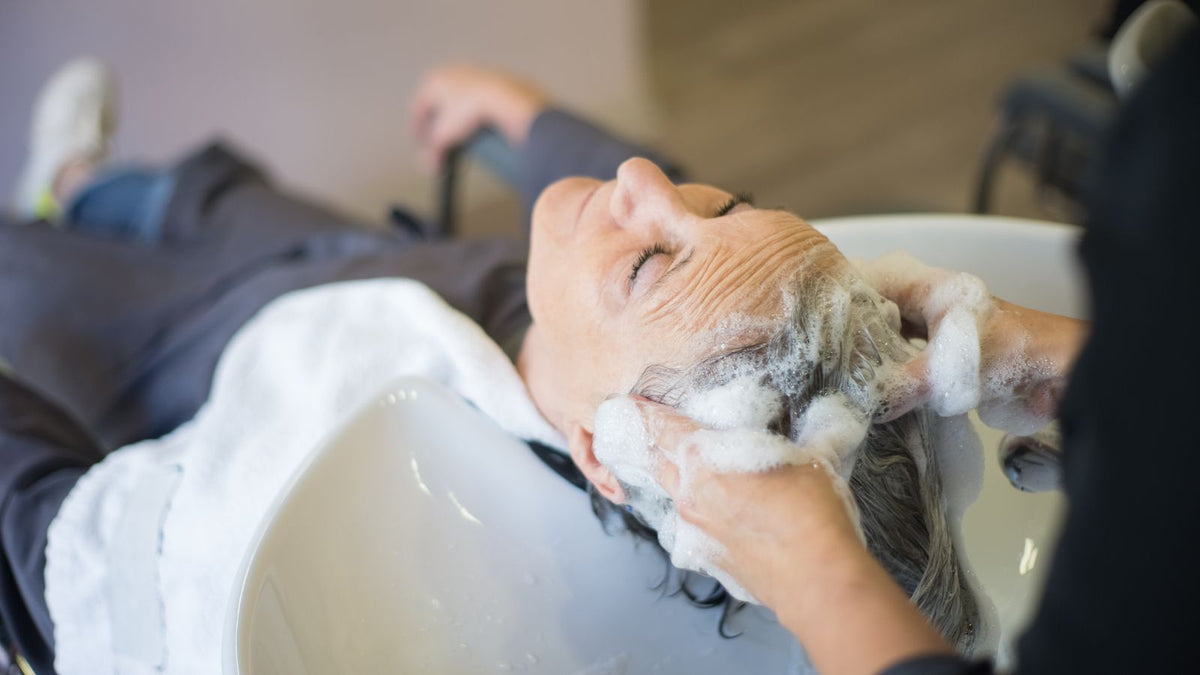
Trichologists Kingswood: Does Scalp Massage Help Thinning Hair?
Scalp massage is the cheapest thing anyone will ever recommend for hair, which is exactly why trichologists Kingswood clients ask about it so often. The honest position is that massage is good for scalp comfort, product distribution and stress, and that there is very little strong human evidence it increases hair density. It costs nothing, it is pleasant, and it is not a substitute for finding out why hair is changing.
Our hair and body oil
Camellia & Black Castor Hair & Body Oil, £24.95. Adds hydration and shine to dry lengths and smooths the hair before a blow dry, without weighing fine hair down.
Key takeaways
- Scalp massage reliably helps comfort, tension and product spread. Evidence that it increases the number of hairs is thin.
- The NHS list of things available for hair loss does not include scalp massage, which tells you where it sits in the hierarchy.
- Technique matters more than duration. Use the pads of the fingers, move the scalp over the skull rather than sliding across hair, and never use nails.
- Massaging dry tangled hair, or wet hair with a brush, causes breakage that looks like thinning within weeks.
- If the scalp is flaky, sore or itchy, sort that first. Massage on an inflamed scalp makes symptoms worse, not better.
Does scalp massage make hair grow?
There is no good human evidence that scalp massage increases the number of hairs on a head, and the NHS does not list it among the options available for hair loss. Scalp hair grows at roughly a centimetre a month whatever you do to the surface, and the rate is set by the follicle cycle rather than by how much the skin above it is moved.
The theory people repeat is that massage improves blood flow to the follicle. Blood flow does rise briefly during massage, but a short local increase is not the same as a lasting change in how follicles cycle, and nobody has shown that it is. Treating massage as a pleasant, free addition is fair. Treating it as the answer to falling density is not.
What does scalp massage actually do?
Massage does four things that are genuinely useful and none that are dramatic. It loosens the feeling of tightness many people get across the crown, it spreads oils and leave-on products evenly instead of leaving them pooled in one spot, it lifts loose scale before washing, and it is measurably relaxing, which matters because stress is one of the recognised triggers for a shedding phase.

Scalp tenderness is its own signal and deserves attention rather than pressure. A scalp that hurts when the hair is moved, or feels sore at the roots, can be reacting to tension styles, inflammation or skin conditions. Our guide to a tender scalp and how to calm it covers what that soreness usually means and when to stop massaging and get it looked at.
How do you massage your scalp without causing breakage?
Correct technique moves the skin, not the hair. Place the pads of the fingers firmly on the scalp, press, and move the scalp itself in small circles over the skull so the fingers never slide through the hair fibres. Two to five minutes is plenty, and pressure should be firm enough to feel the skin shift but never enough to hurt.
The two ways people get this wrong are predictable. Raking fingers or nails through dry, tangled hair drags at the mid-lengths and snaps them, and scrubbing wet hair with a stiff brush at the basin does the same when the fibre is at its most swollen and vulnerable. Hair is weakest wet, which is also why our post on how hot water affects thinning hair matters for anyone who massages in the shower.
Two minutes, done properly
Sit still. Fingertips on the scalp, press, circle ten times, lift, move two centimetres, repeat. Work front to back, then the sides, then the nape. If your fingers are travelling through your hair, you are washing, not massaging.
| Method | What it is good for | Risk on fine or thinning hair | Verdict |
|---|---|---|---|
| Fingertips, dry scalp | Tension relief, spreading a leave-on product | Low, if you move skin not hair | The default, and free |
| Fingertips with oil, pre-wash | Softening scale, comfort on a dry scalp | Build-up if underwashed after | Good weekly, needs a proper wash |
| Silicone scalp brush at the basin | Lifting scale and product during shampoo | Moderate, hair is weakest when wet | Gentle pressure only, short bursts |
| Handheld wire massager | Sensation and relaxation | Tangling on longer hair | Fine on short hair, risky on long |
| Percussive or vibrating device | Novelty, mild relaxation | Snagging, and no proven benefit | Optional, not a priority |
| Brushing vigorously to stimulate | Nothing useful | High, this is a classic breakage cause | Skip it |
Get a discount on the thinning hair range
Join the Watermans mailing list and we will email a discount code straight to your inbox, so you can try the thinning hair range for less. Vegan, made in the UK, over 6.5 million bottles sold since 2012.
Should you use oil when you massage your scalp?
Oil makes massage more comfortable and helps on a dry, tight scalp, and it suits a pre-wash routine better than a leave-in one. Apply a small amount to the scalp itself, massage for a few minutes, leave it for half an hour, then shampoo it out properly. Left on for days, oil traps scale and feeds the yeast that lives on everyone's skin.

That last point is the reason to be selective. DermNet links seborrhoeic dermatitis, the condition behind most persistent dandruff, to the skin's normal Malassezia yeast, and heavy oiling can make flaking and itch worse rather than better. If your scalp is already flaky, read our guide to a flaky scalp, dandruff and hair before you add oil to the routine.

Camellia & Black Castor Hair & Body Oil, £24.95
Camellia and black castor oil, rich in oleic acid and omegas 3, 6 and 9. Warm a few drops between the palms for a pre-wash scalp massage, leave for 30 minutes, then shampoo out.

Grow More® Leave-In Scalp Elixir, £25.50
A leave-on overnight scalp elixir with caffeine, rosemary, niacinamide and ANAGELINE®. A few drops massaged in at night is the version of this routine that leaves nothing greasy behind by morning.

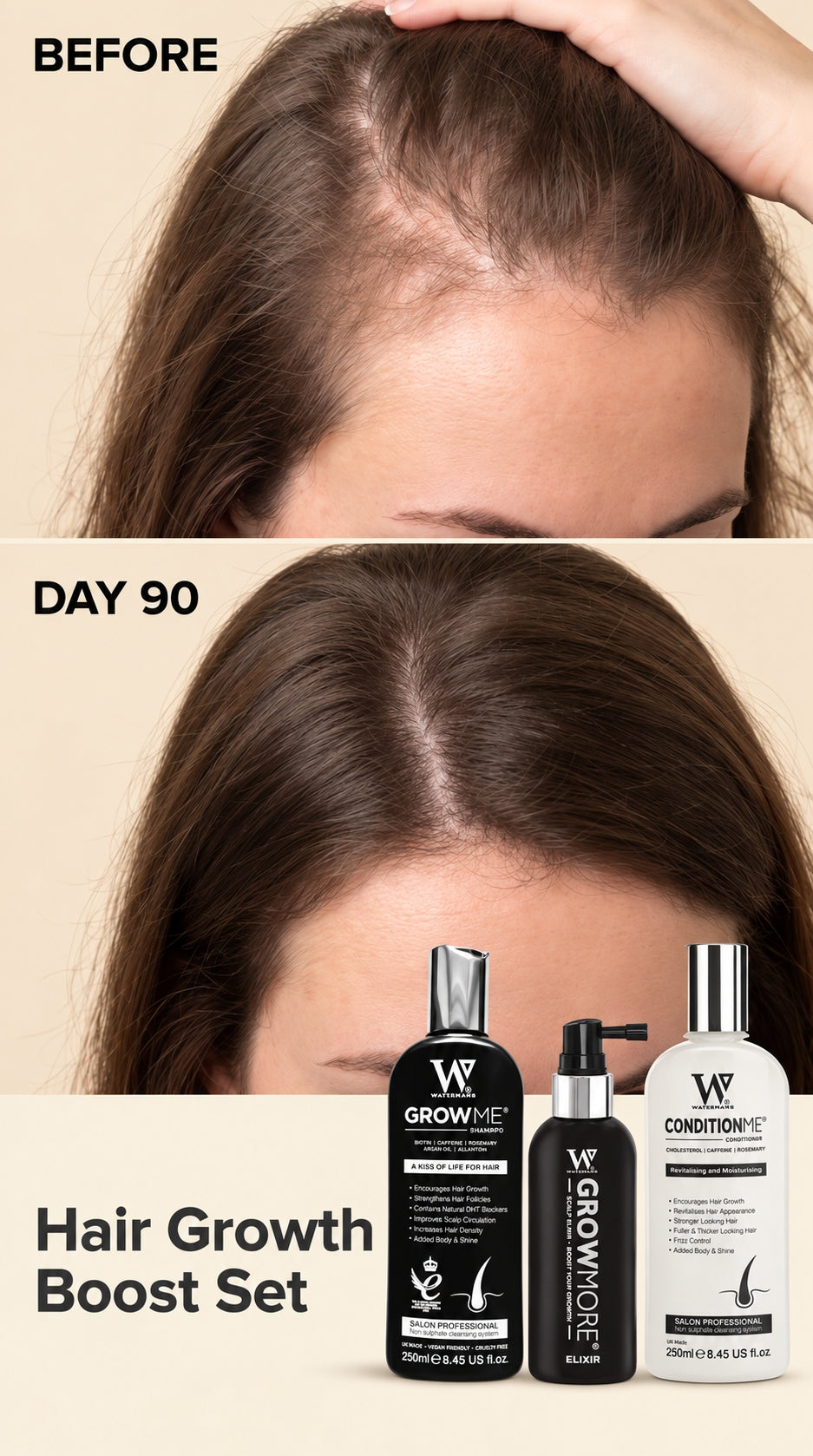
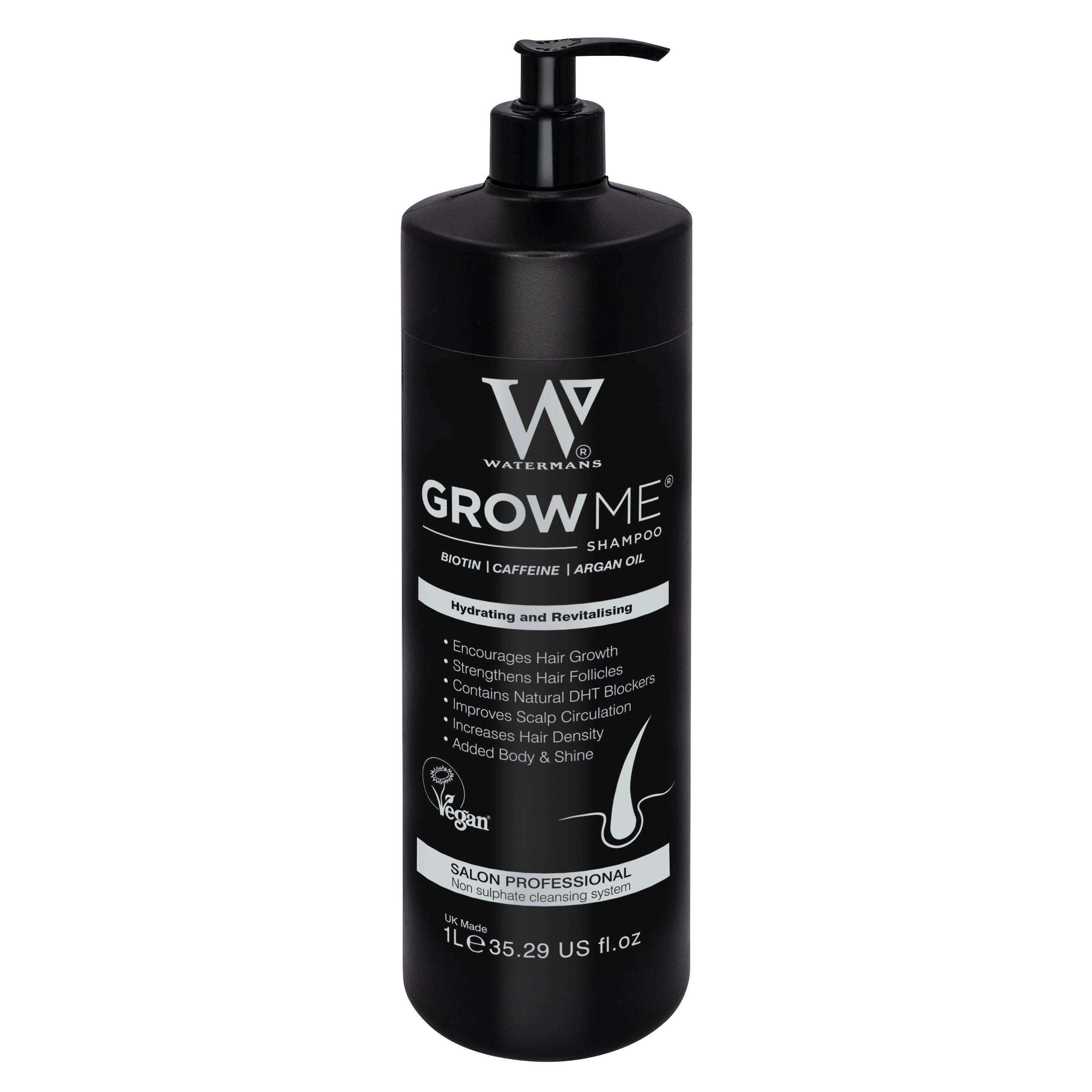
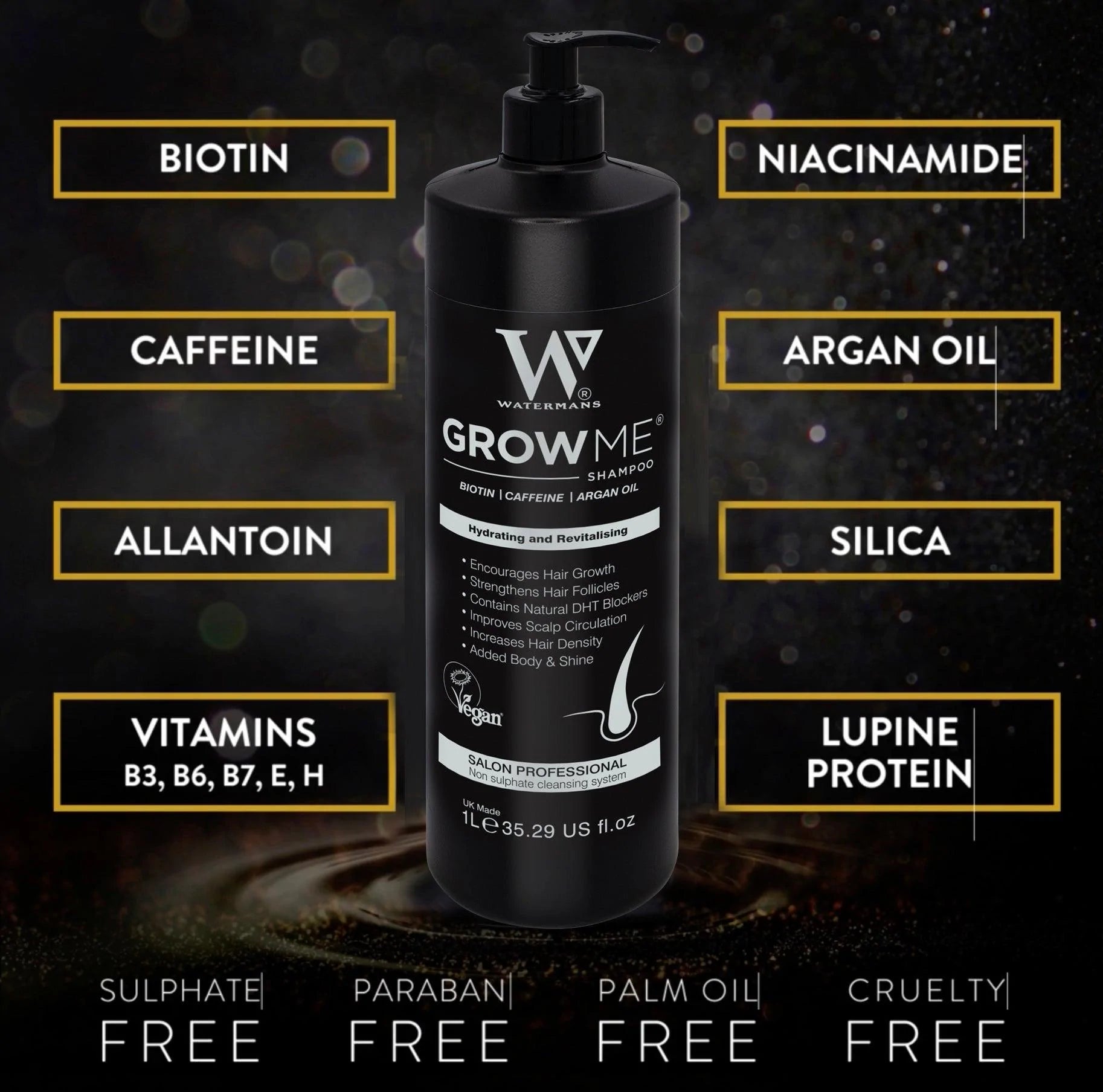
Grow Me® Hair Growth Shampoo, £14.95
A sulfate-free shampoo with biotin, caffeine and rosemary that clears oil and scale properly, which is what makes a weekly oil massage workable rather than a build-up problem.
What do trichologists Kingswood clients ask about scalp massage?
The question underneath the question is almost always whether massage can replace a medical answer, and it cannot. A trichologist assesses hair and scalp condition and advises on care, while a GP can arrange blood tests, review medicines and refer to NHS dermatology when the picture calls for it. Massage belongs in the care column.
The NHS is explicit about the order: see a GP to get an idea about what is causing your hair loss before thinking about going to a commercial hair clinic. That advice saves money, because iron and thyroid problems show up on a blood test rather than under a magnifier. People searching for trichologists Kingswood are in the Bristol and South Gloucestershire area, where Cossham Hospital sits in Kingswood itself as a community site and NHS dermatology referrals run to the Bristol Royal Infirmary under University Hospitals Bristol and Weston. Our guide to trichologists Bristol is the place to go next on that.
Is it hair loss, hair shedding or hair breakage?
Massage is often started because hair looks thinner, so it is worth separating the three things that cause that look. Hair loss means follicles producing fewer or finer hairs in a pattern. Hair shedding means more whole hairs than usual releasing at once. Hair breakage means healthy follicles with the fibre snapping somewhere along its length.
The NHS gives 50 to 100 hairs a day as normal. DermNet describes telogen effluvium, the shedding kind, as showing up 2 to 4 months after a trigger such as illness, surgery, stress or significant weight loss, affecting up to half the scalp hair, then tapering back to normal over 6 to 9 months in most cases. Our month by month guide to a shedding phase sets out what that recovery actually looks like.
6 to 9 months
how long most shedding phases take to taper back to normal, according to DermNet

When is a sore or itchy scalp a reason to see a GP?
Some scalp symptoms are not a care problem at all. Pustules or sores, scale that keeps returning despite a medicated shampoo, hair coming out in smooth round patches, burning pain, or skin that looks shiny with the follicle openings gone all need a medical opinion rather than a massage routine. That last one matters most, because scarring change is permanent once it has happened.
Everyday itch with visible flaking is usually a skin condition the NHS covers under dandruff and seborrhoeic dermatitis, and it responds better to the right shampoo than to oiling. If in doubt, see your GP before spending on a private hair programme.
What are the frequently asked questions about trichologists Kingswood?
Does scalp massage increase hair growth?
There is no strong human evidence that it increases the number of hairs, and the NHS does not list scalp massage among the options available for hair loss. It helps comfort, spreads products evenly and is relaxing, which are real benefits, but it will not change a genetic pattern.
How long should I massage my scalp for?
Two to five minutes is enough, and doing it daily matters more than doing it for a long time. Technique is the part that counts: press with the finger pads and move the scalp over the skull rather than sliding fingers through the hair.
Can scalp massage cause hair loss?
Massage done properly does not, but massage done badly causes breakage. Raking nails through dry tangles or scrubbing wet hair with a stiff brush snaps fibres at the mid-lengths, and the short broken pieces that result look exactly like thinning in a mirror.
Should trichologists Kingswood clients massage with oil or without?
Both work. Oil suits a dry, tight scalp as a pre-wash treatment that gets shampooed out the same day. Anyone with flaking or seborrhoeic dermatitis is usually better off massaging dry or with a light leave-on serum, because heavy oil can make flaking worse.
Is a scalp massager tool better than fingers?
Not meaningfully. A silicone brush helps lift scale during shampooing and can be gentler than fingernails, but no tool has been shown to do anything fingertips cannot. On long hair, wire and vibrating gadgets add a tangling risk for no extra benefit.
How soon would I notice a difference?
Comfort changes the same week. Anything to do with the growth cycle takes months, because scalp hair grows around a centimetre a month, so identical monthly photographs over three months are the shortest honest test of any routine.
Where do I get an NHS opinion near Kingswood?
Start with your GP, who can order blood tests and refer onward. Cossham Hospital in Kingswood is a community site, and dermatology referrals for the Bristol area go to the Bristol Royal Infirmary under University Hospitals Bristol and Weston.
What is the bottom line on trichologists Kingswood?
Scalp massage is worth doing and not worth relying on. Done with the finger pads for a few minutes a day, it eases tightness, spreads leave-on products properly and costs nothing. Done with nails through dry tangles, it causes the breakage it was meant to prevent. Anyone weighing up trichologists Kingswood options because density is genuinely falling should see a GP first and keep massage as the pleasant habit it is. If your question is about products or a routine rather than a medical one, you can talk to Gail Waterman, our co-founder, as an AI avatar on the Watermans homepage.
If you want the massage to carry something useful into the scalp, a leave-in scalp elixir is the sensible pairing, because it absorbs overnight and leaves nothing greasy by morning. Grow More® leave-in scalp elixir is £25.50 and vegan, from a UK brand that has sold over 6.5 million bottles since 2012.
Watermans products are 100% cosmetic and do not treat medical hair loss. Individual results may vary.