Trichologist St Albans: Is Men's Shampoo Really Different From Women's?
The blue bottle and the pink bottle on the supermarket shelf usually have more in common than their labels let on.
If you searched trichologist St Albans because you are not sure whether a men's or a women's shampoo suits your scalp, the short answer is that the label matters far less than your scalp and hair type. Most of the difference is fragrance, packaging and price. Men's skin tends to make more oil and long hair needs more conditioning, so choose for oiliness, dryness, flaking and fineness. Shed hairs, broken hairs and genuine hair loss are separate problems.
Key takeaways
- A shampoo is a blend of 10 to 30 ingredients, mostly cleansers and conditioning agents, and none of them is designed for one sex.
- A December 2015 New York City study found women's shampoo and conditioner cost 48% more on average than the men's versions.
- A 2013 study of 300 adults found men's skin made more sebum at every age, while women's output fell over their lifetime.
- A 2-in-1 leaves conditioning silicone on the hair as you rinse; a separate conditioner lets you target only the lengths.
- The NHS says losing 50 to 100 hairs a day is normal. A trichologist St Albans search is worth following up when a well-matched shampoo has not settled things.
What actually differs between men's and women's shampoo?
The main differences between men's and women's shampoo are fragrance, packaging, marketing and price, while the cleansing chemistry underneath is broadly the same: a blend of surfactants, conditioning agents and additives that a 2007 review from the University Hospital of Zurich put at 10 to 30 ingredients in a typical shampoo.
That review, by dermatologist Ralph Trüeb, describes a shampoo as something that has to be tailored to hair quality, age, hair care habits and the condition of the scalp. Sex is not on that list. What the brands change between the two aisles is mostly what you see and smell: darker bottles and words like "sport" or "fresh" on one side, pastel bottles and words like "shine" or "repair" on the other, with woody, citrus or cooling menthol scents for men and floral or fruity ones for women.
Price is the difference that shows up in the data. In December 2015 the New York City Department of Consumer Affairs compared nearly 800 products with clear male and female versions from more than 90 brands. Across 16 shampoo and conditioner products, the women's versions averaged $8.39 and the men's $5.68, a gap of 48%, the largest of any personal care category in the study. Personal care as a whole cost women 13% more. That was New York rather than St Albans, and UK shelves may differ, but it is a good reason to compare the price per 100ml before you reach for the bottle marketed at you.
| Feature | Marketed to men | Marketed to women | Does it matter for your scalp? |
|---|---|---|---|
| Fragrance | Woody, citrus, menthol "cooling" | Floral, fruity, sweet | Only if your scalp is sensitive to strong scent |
| Packaging and wording | Dark colours, "sport", "power", "fresh" | Pastels, "shine", "repair", "volume" | No |
| Price | Often lower per bottle | Often higher; 48% more for shampoo and conditioner in the 2015 New York study | No, so compare the price per 100ml |
| Format | More 2-in-1 and hair-and-body washes | More separate shampoo and conditioner pairs | Yes, for long, fine, coloured or curly hair |
| Headline claim | Oil control, "deep clean" | Volume, colour care, smoothness | Only the claim that matches your own hair |

Is men's shampoo stronger than women's shampoo?
Men's shampoo is not reliably stronger than women's shampoo, because cleansing strength depends on the type and amount of surfactant in each formula rather than on who the bottle is aimed at, and both aisles contain harsher "deep clean" products alongside milder daily ones.
A 2015 overview of hair cosmetics in the International Journal of Trichology explains that the main cleansing agents are anionic surfactants such as sodium lauryl sulfate. They are very good at lifting sebum and dirt, but they are strong cleaners that add negative charge to the hair surface, which raises frizz and friction. Formulators soften them with milder secondary surfactants, known as amphoteric and nonionic surfactants. How much of each goes in is a product decision, not a gender one. Solid bars follow the same rule, and our Batley guide shows how to tell a soap shampoo bar from a syndet bar by its first few ingredients.
The acidity of the bottle varies just as widely. In a 2014 study the same research group measured the pH of 123 shampoos from international brands and found values from 3.5 to 9.0. Only 38% had a pH of 5.5 or below, compared with 75% of the 15 salon products tested. The authors argued that brands should print the pH on the label, because a more alkaline shampoo can leave hair with more static and friction. The study did not sort the bottles by gender, and the spread it found shows how much products vary within any one shelf.
Signs on the label that point to a stronger cleanser:
- Sulfates near the top of the list. Sodium lauryl sulfate or sodium laureth sulfate as the first or second ingredient means a high-foaming, strong-cleansing base.
- Words like "clarifying", "deep cleansing" or "oil control". Useful for an oily scalp or product build-up, but often too drying for long or coloured lengths every day.
- Milder signs. Words like "gentle" or "daily", and amphoteric cleansers such as betaines high in the list.
For a line-by-line walk through an ingredient list, see how to read a shampoo label for thinning hair.
Do men and women really have different scalps?
Men and women do show some measurable skin differences, most clearly in oil output, since a 2013 study of 300 adults in Hamburg found men's skin produced more sebum at every age while women's sebum production fell steadily over their lifetime, although those readings came from the face, neck and arms rather than the scalp.
The study, by Luebberding and colleagues at the University of Hamburg, measured people aged 20 to 74. Men's sebum stayed high and stable with age, and their skin surface pH sat below 5 at every site and age, while women's pH was mostly above 5. Scalp-specific data are thinner. A 2023 Korean study measured the scalps of 200 adults, 160 women and 40 men, in their 20s and their 50s. Sebum output and pH were significantly lower in the older group, particularly in women, and hair density fell with age in both sexes, from about 157 to 141 hairs per square centimetre in women and from about 161 to 137 in men. With only 40 men in the sample, read the male figures with caution.
In practice that points to a tendency, not a rule. Plenty of women have oily roots, plenty of older men have a dry, tight scalp, and oiliness changes with age, weather, exercise and how often you wash. Shop for the scalp you actually have, not the one the label assumes.
Hair length and styling habits matter more than either. DermNet puts the growth phase of a scalp hair at two to six years, so the ends of long hair may have been washed, brushed, coloured and heat-styled for years longer than a short back and sides. Long lengths therefore need more conditioning, while short hair dries fast and needs very little. That is why the right routine often tracks hair length and styling more closely than the sex on the bottle.

Can a man use women's shampoo, and can a woman use men's?
A man can use a women's shampoo and a woman can use a men's shampoo without any harm to hair or scalp, because nothing in a standard cosmetic shampoo is tuned to male or female hormones or follicles, so the sensible test is whether the formula suits your scalp oiliness, hair texture and tolerance for fragrance.
Sharing one bottle in the shower is fine. The things worth watching are the same for everyone. Strong fragrance and menthol can irritate a sensitive scalp, and the NHS lists reactions to hair products such as dyes, sprays, gels and mousses among the causes of red, irritated skin, known as contact dermatitis. If a shampoo stings, itches or leaves your scalp pink, stop using it and switch to a low-fragrance formula.
The more common mismatch is about hair type, not sex. A man with short, fine hair who borrows a rich "repair" shampoo may find it leaves his hair flat and greasy by lunchtime. A woman with long lengths who borrows an oil-control 2-in-1 may find her ends dry and tangled within a week. Swap with those patterns in mind:
- Short, oily or fine hair. A women's "volume" or "clarifying" shampoo usually works as well as a men's one.
- Long or coloured lengths. Use any mild shampoo on the scalp and a separate conditioner on the lengths, whoever it is marketed to.
- A sensitive or itchy scalp. Choose a low-fragrance formula and skip the menthol "cooling" lines.

How do you choose a shampoo by scalp and hair type instead of by label?
The way to choose a shampoo by scalp and hair type is to judge your scalp first, whether oily, dry, flaky or sensitive, then your lengths, whether fine, thick, long, coloured or curly, and pick a formula whose ingredient list and instructions match both, ignoring whether the bottle is blue or pink.
| Your scalp or hair | What to look for | What to skip |
|---|---|---|
| Oily scalp, flat roots | A lighter daily or clarifying shampoo, used as often as your roots need | Rich "repair" or oil-heavy shampoos on the roots |
| Dry or tight scalp | A gentle, lower-foam formula and lukewarm water | Heavily fragranced "deep clean" products |
| Flaky or itchy scalp | An anti-dandruff shampoo; the NHS suggests trying one for up to 4 weeks | Scratching and harsh scalp scrubs |
| Fine or thinning hair | A lightweight or volumising shampoo, with conditioner on the ends only | Heavy oils or 2-in-1s that leave hair flat |
| Long, coloured or heat-styled lengths | A mild shampoo on the scalp and a separate conditioner on the lengths | Clarifying shampoo at every wash |
| Curly or coily hair | Moisture-focused formulas and fewer washes a week | Strong daily cleansers |
Flakes deserve a word of their own. The NHS says dandruff is not caused by poor hygiene, although it can be more obvious if you do not wash your hair regularly, and a type of yeast that lives on the skin is one of the possible causes. It advises seeing a GP if flakes persist after at least 4 weeks of an anti-dandruff shampoo, if your scalp is very itchy, red or swollen, or if flaky patches appear on your face or body. None of that advice changes between the men's and women's aisles.
Working through the table above is also the most useful preparation for a trichologist St Albans visit, because a good practitioner will ask the same questions about oiliness, flakes, hair length and how often you wash.

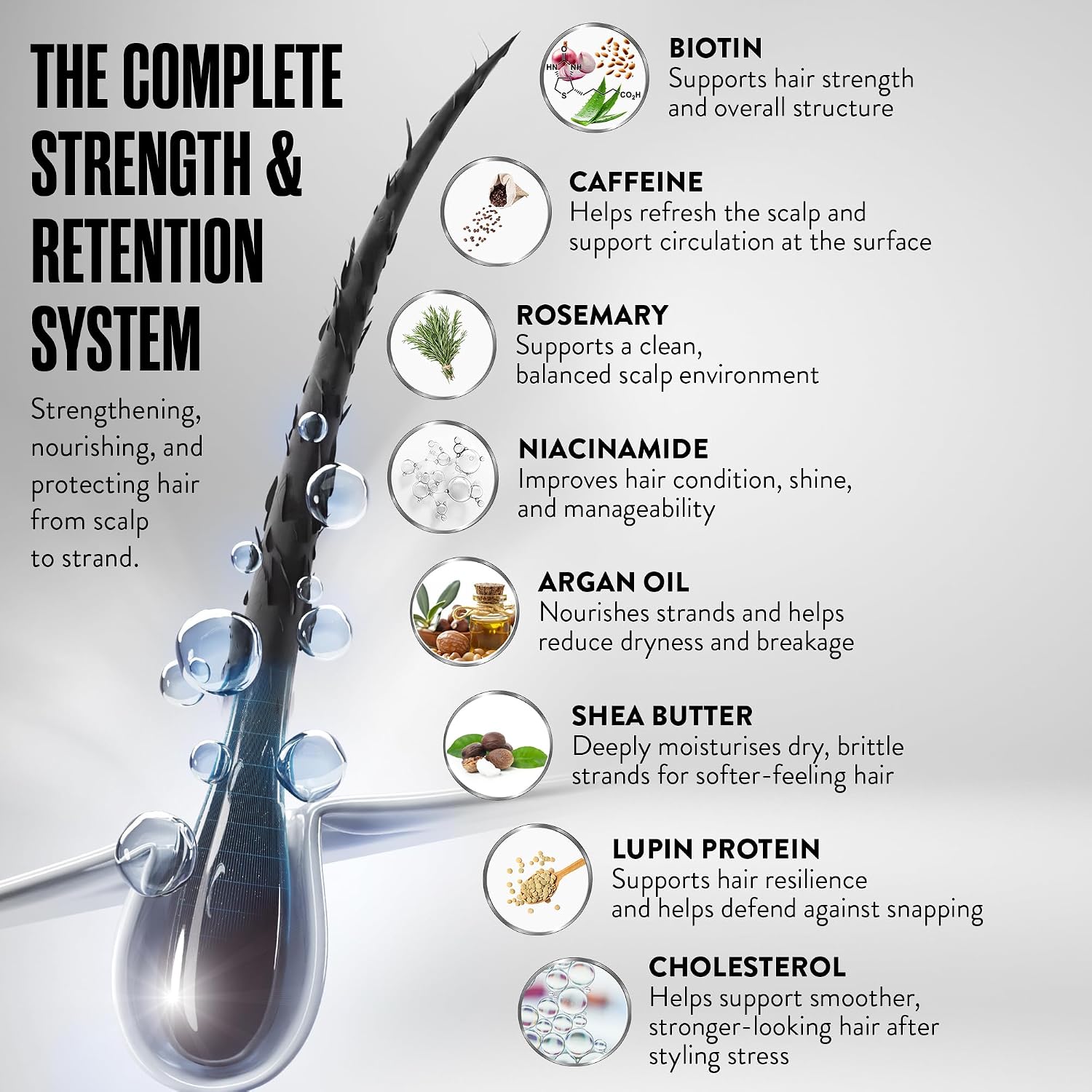
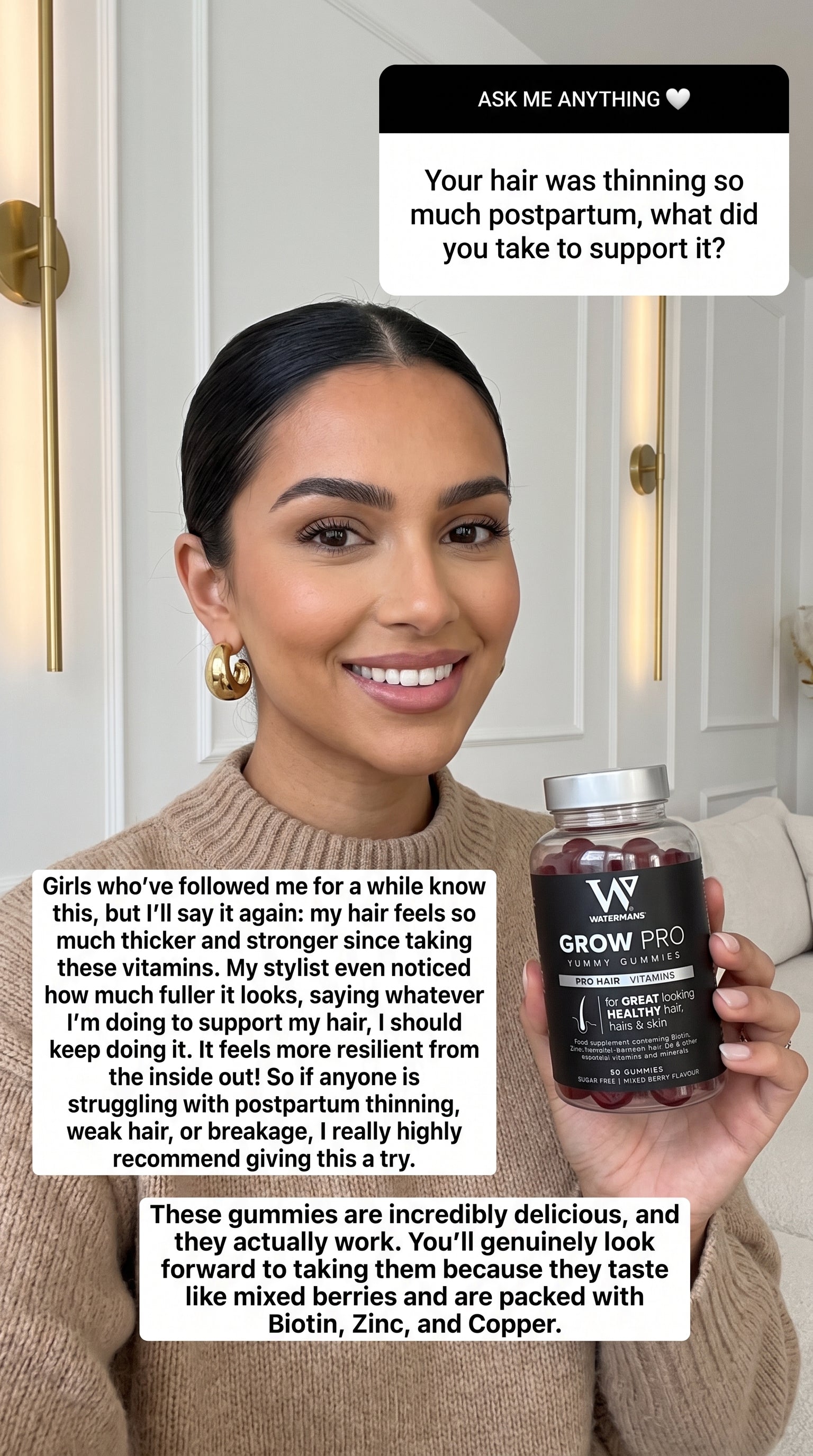
Designed for men and women with fine, weak or breakage-prone hair, with caffeine, biotin, rosemary, niacinamide, lupine protein and argan oil, £14.95 in September 2026. Massage it into the scalp and leave it for 3 to 4 minutes; it helps strengthen fragile strands and reduce breakage for fuller-looking hair, whichever aisle you usually shop in.
Get a discount on the fine and thinning hair range
Join the Watermans mailing list and we will email a discount code straight to your inbox, so you can try the fine and thinning hair range for less. Vegan, made in the UK, over 6.5 million bottles sold since 2012.
Are 2-in-1 shampoos as good as a separate shampoo and conditioner?
A 2-in-1 shampoo cleans and conditions short hair well enough for many people, because it releases conditioning silicone onto the hair during rinsing, but a separate shampoo and conditioner gives more control, letting you cleanse the scalp and condition only the lengths, which suits long, fine, coloured or curly hair better.
The technology is older than many people think. A 1994 paper from the University of Portsmouth explains the problem it solved: the negatively charged cleansers in shampoo and the positively charged ingredients in conditioner cling to each other when mixed, so neither works properly. The answer was to suspend charge-neutral dimethicone as microfine droplets inside the shampoo, which settle onto the hair when rinse water breaks up the mixture. The authors reported that the next wash removes the previously deposited dimethicone first, so it does not build up. The 2015 overview in the International Journal of Trichology still names dimethicone as the main ingredient of two-in-one shampoos. For camouflage rather than cleansing, see cosmetic coverage options for a thinning crown.
A separate conditioner works differently. Washing leaves hair with a negative charge, and conditioners add positive charge back, which cuts static, friction and tangling. Applying it as its own step lets you choose where it goes: mid-lengths and ends for fine hair that goes flat, the full length for curls, and nowhere near an oily scalp.
- A 2-in-1 suits short hair, quick routines, a gym bag or travel.
- A separate pair suits hair past the collar, fine hair that loses volume, colour-treated hair, curls and dry ends.


A sulphate-free conditioner for all hair types, men and women, with cholesterol, shea butter and lupine protein, £13.95 in September 2026. Use it on the mid-lengths and ends after shampoo so strands slip apart when you detangle instead of snapping.
What matters most for fine or thinning hair, whatever the label says?
What matters most for fine or thinning hair is working out whether you are seeing breakage, shedding or genuine hair loss, then using a lightweight shampoo that leaves the scalp clean without weighing strands down, plus conditioner on the lengths to cut the snapping that makes fine hair look thinner.
| What you notice | Hair breakage | Hair shedding | Hair loss |
|---|---|---|---|
| What is happening | The fibre snaps along its length; the follicle is untouched | Whole hairs fall out at the end of their cycle | The follicle itself changes, as in pattern hair loss |
| What you see | Short, uneven pieces with no bulb | Full-length hairs with a small bulb at the root | A receding hairline, thinning crown or wider parting |
| Useful figure | Worse with rough detangling, heat and bleach | Normally about 15% of follicles are resting; 30% or more in telogen effluvium (BAD) | Over 190 genes contribute to male pattern hair loss (BAD) |
| First step | A gentler routine with conditioner | Usually settles; see your GP if heavy or ongoing | Speak to your own GP |
The NHS says it is normal to lose 50 to 100 hairs a day. The British Association of Dermatologists explains that telogen effluvium, a surge in shedding, often appears around 3 months after a trigger such as illness, childbirth or major stress. Pattern hair loss looks different in the two sexes: in men it usually shows as a receding hairline and thinning on top, while in women it tends to be diffuse thinning over the top with a widening parting and a normal front hairline, usually starting in the 50s or 60s. The NHS notes that male and female pattern baldness is permanent and tends to run in families, and no shampoo changes that.
Where shampoo does help is with how fine hair looks and behaves. The 2015 overview of hair cosmetics notes that cosmetic products can increase the diameter of a hair fibre in a non-permanent way, which is what "thickening" and "volumising" lines on both sides of the aisle are trying to do. The same principles apply to everyone: cleanse the scalp so roots are not weighed down, keep heavy conditioner off the roots, and handle wet hair gently. For more on how the products differ, see what to look for in a thickening shampoo for men and what mature hair needs from a shampoo.

A leave-on scalp elixir for men and women, £25.50 in September 2026. You apply it at night straight onto the hairline, crown or parting and leave it in with no rinsing, for fuller, denser-looking areas. Sulphate-free, vegan and made in the UK.
When is it worth seeing a trichologist St Albans rather than switching shampoo?
Seeing a trichologist St Albans residents can find on a professional register is worth it when a well-matched shampoo has not settled flaking, itching or oiliness after about a month, or when you notice a widening parting, a receding hairline or heavy shedding, because those signs point beyond what is in the bottle.
The NHS advises seeing a GP to get an idea of what is causing hair loss before thinking about going to a commercial hair clinic, and lists iron deficiency, illness, stress and weight loss among the causes of temporary hair loss. A GP is also the right first stop for a sore, red or weeping scalp. A trichologist is a private practitioner who focuses on hair and scalp, can look at the hair shaft and scalp surface closely and review your routine, and most are not doctors.
Registration is the thing to check. The Institute of Trichologists keeps a UK register that is accredited under the Accredited Registers scheme run by the Professional Standards Authority, and its own training is a two and a half year Level 5 course. The Trichological Society is the other main UK body. Ask which one a trichologist St Albans practitioner belongs to, confirm it on that body's own website, and ask whether you can keep using your own shampoo rather than buying theirs.
See your GP first if
You have smooth bald patches, sudden heavy shedding, a scalp that is sore, red, swollen or weeping, flaky patches spreading to your face or body, or hair changes alongside tiredness or other changes in your health.
Watermans makes cosmetic hair care in the UK, with over 6.5 million bottles sold since 2012, and Grow Me shampoo and Grow More Elixir are vegan. We do not run clinics or offer consultations, so for anything beyond everyday hair care, speak to your own GP or a registered trichologist.
What are the most frequently asked questions about men's and women's shampoo?
Should I see a trichologist St Albans before changing my shampoo?
Usually not. Try a shampoo matched to your scalp for about four weeks first, since oiliness, flaking and dryness often settle with the right product. See your GP for bald patches, a sore or red scalp or heavy shedding. A trichologist St Albans residents can find on the Institute of Trichologists register helps most when problems persist after that.
Is women's shampoo better for men with long hair?
Often it suits them better in practice, because long lengths need more conditioning than a short cut, and women's ranges more often come as a separate shampoo and conditioner. Nothing in either formula is tuned to male or female hair, so choose the product that matches your scalp and the length and texture of your hair.
Why is women's shampoo often more expensive than men's?
Pricing is a marketing decision rather than a formula one. A December 2015 New York City study of nearly 800 gendered products found women's shampoo and conditioner cost 48% more on average than men's versions. UK prices vary, so compare the price per 100ml rather than the colour of the bottle.
Do men need a special shampoo for an oily scalp?
Men do not need a men's shampoo for an oily scalp, but they may need a lighter one. A 2013 study of 300 adults found men's skin produced more sebum than women's at every age. Plenty of women have oily roots too, so pick a clarifying or daily shampoo for oiliness, whatever the label says.
Are 2-in-1 shampoos bad for your hair?
No. A 2-in-1 cleans the scalp and leaves a thin layer of conditioning silicone, usually dimethicone, on the hair as you rinse. That suits short hair well. Longer, fine, coloured or curly hair usually does better with a separate conditioner, because you can put it only on the lengths and keep the roots light.
Can using the wrong shampoo make your hair fall out?
A shampoo that does not suit you can leave the scalp itchy or flaky and the lengths dry and prone to snapping, which looks like thinning. It does not cause pattern hair loss, which the British Association of Dermatologists links to genes and hormones. The NHS says losing 50 to 100 hairs a day is normal; see your GP if shedding is heavy.
What is the best shampoo for fine or thinning hair in men and women?
The best choice is a lightweight shampoo that cleans the scalp without weighing strands down, followed by conditioner on the ends only. A 2015 review of hair cosmetics notes that some cosmetic products can make hair fibres thicker in a non-permanent way, which helps hair look fuller. The same advice applies to men and women.
Sources & references
- NHS, Hair loss
- NHS, Dandruff
- British Association of Dermatologists (skinhealthinfo.org.uk), Male pattern hair loss
- British Association of Dermatologists (skinhealthinfo.org.uk), Female pattern hair loss
- British Association of Dermatologists (skinhealthinfo.org.uk), Telogen effluvium
- DermNet, Male pattern hair loss
- New York City Department of Consumer Affairs. From Cradle to Cane: The Cost of Being a Female Consumer, December 2015
- Trüeb RM. Shampoos: ingredients, efficacy and adverse effects. J Dtsch Dermatol Ges, 2007
- Gavazzoni Dias MF. Hair cosmetics: an overview. Int J Trichology, 2015
- Gavazzoni Dias MF et al. The shampoo pH can affect the hair: myth or reality? Int J Trichology, 2014
- Luebberding S, Krueger N, Kerscher M. Skin physiology in men and women: in vivo evaluation of 300 people including TEWL, SC hydration, sebum content and skin surface pH. Int J Cosmet Sci, 2013
- Lee YI, Kim J et al. Age-related changes in scalp biophysical parameters: a comparative analysis of the 20s and 50s age groups. Skin Res Technol, 2023
- Rushton H, Gummer CL, Flasch H. 2-in-1 shampoo technology: state-of-the-art shampoo and conditioner in one. Skin Pharmacol, 1994
- The Institute of Trichologists
- The Institute of Trichologists, Find a Trichologist
- The Trichological Society
What is the bottom line on trichologist St Albans?
Men's and women's shampoos differ mainly in scent, packaging and price, not in what they do to your scalp. Men's skin tends to make more sebum and long hair needs more conditioning, so pick a shampoo for your scalp and lengths rather than the label, use a separate conditioner if your hair is long, fine or coloured, and tell breakage, shedding and hair loss apart. Save a trichologist St Albans search, or a GP visit, for problems that a well-matched shampoo does not settle.
If your hair is fine or breakage-prone, a shampoo for fine hair such as Grow Me is designed for men and women alike, so one bottle can serve the whole bathroom shelf.
Watermans products are 100% cosmetic and do not treat medical hair loss. Individual results may vary.