Best Shampoo for Dyed Hair: How to Keep Colour Bright and Strong
The best shampoo for dyed hair is a gentle, sulphate free, colour safe wash used two or three times a week in lukewarm water, because colour molecules sit inside a cuticle that dyeing has already lifted open and every harsh wash carries some of them out. The rest of how to take care of dyed hair is restraint: wait before the first wash, rinse cool, and regard heat as the main threat. Protect the colour and you protect the strand.
Our hair growth conditioner
Condition Me® Hair Growth Conditioner, £13.95. Detangles and strengthens the hair fibre so lengths snap less on the brush and look thicker through the ends.
Key takeaways
- Wait 48 to 72 hours before the first wash so the cuticle can close and the colour settle.
- Sulphates strip colour faster than almost anything else in your routine. Switching shampoo is the single highest impact change.
- Hot water swells the cuticle and lets dye escape. Wash warm, rinse cool, and finish with the coolest rinse you can stand.
- Red and vivid fashion shades fade fastest because their molecules are largest and sit nearest the surface. Expect to refresh them more often.
- Heat, sun, chlorine and hard water are the four external fade accelerators. Each has a cheap fix.
Why does dyed hair need different care?
Permanent and demi permanent colour works by opening the cuticle, the overlapping outer scales of the hair, so that dye molecules can be deposited in the cortex underneath. Bleach goes further and dissolves some of the existing pigment on the way. Either way the strand you finish with is more porous than the one you started with, which means it takes water in faster, loses moisture faster, and lets colour molecules escape faster.
That porosity is why dyed hair feels rougher, tangles more, and snaps more readily than virgin hair. It is also why fading and damage travel together. Anything that opens the cuticle further, whether that is hot water, harsh detergent, chlorine, UV or a straightener, is simultaneously letting colour out and letting the fibre down. Understanding how to take care of dyed hair is really about keeping the cuticle lying flat.

How long should you wait before the first wash?
Between 48 and 72 hours. The cuticle takes time to fully close after a colour service and the dye continues to settle during that window, so an early wash flushes out a meaningful proportion of what you just paid for. If your scalp cannot bear three days, 48 hours is the sensible minimum, and rinsing with plain cool water is gentler than a full shampoo.
The exception is a direct dye or semi permanent vivid, which sits on the surface rather than in the cortex. Those often ask for a longer wait and a cooler wash, so follow the specific instructions on the pack rather than a general rule.
How to take care of dyed hair: what is the washing routine?
Wash less often
Every wash costs you colour. Two to three washes a week is a reasonable target for most people, and dry shampoo covers the gap. If you exercise daily, rinse with water and condition the ends rather than shampooing the lengths every time. Scalp and lengths have different needs, and only the scalp actually gets dirty.
Switch to a sulphate free, colour safe shampoo
Sodium lauryl sulphate and sodium laureth sulphate are efficient detergents, which is exactly the problem. They lift the cuticle and carry dye away with the oil. A gentler surfactant system cleans adequately without that cost. This is the highest impact single change in the whole of how to take care of dyed hair, and our guide to whether sulphate free shampoo is really better goes through the evidence.
Wash warm and rinse cool
Hot water swells the hair and opens the cuticle. Warm water to shampoo is fine and comfortable. The part that matters is the final rinse: as cool as you can bear, for as long as you can bear, to help the cuticle lie flat and lock colour in. It also leaves hair noticeably shinier, because a flat cuticle reflects light better.
Condition every single wash
Not optional for coloured hair. Conditioner restores slip so the comb passes through instead of dragging, and detangling is where a great deal of avoidable breakage actually happens. Apply from the midlengths to the ends, leave it a minute or two, and detangle with a wide tooth comb while it is still in.

Deep condition weekly
Once a week is enough for most people. Alternate between a moisture mask and a protein or bond building product if your hair is bleached, because bleached hair needs both and too much protein alone makes hair stiff and brittle. If your hair starts to feel straw like after a protein product, swap back to moisture for a fortnight.
Get a discount on the coloured hair range
Join the Watermans mailing list and we will email a discount code straight to your inbox, so you can try the coloured hair range for less. Made in the UK, over 6.5 million bottles sold since 2012.
How to take care of dyed hair when you use heat: what changes?
Heat is the fastest way to undo a colour service. Dyed hair holds less moisture, so it heats unevenly and reaches damaging temperatures sooner than virgin hair does. Bleached hair is more vulnerable still.
Always use a heat protectant, on every strand you intend to heat, and let it dry or absorb before the tool touches the hair. Keep straighteners and tongs at 150 to 180 degrees rather than the maximum setting, because most of the extra heat above that buys speed rather than results. Rough dry to about 80 percent before you bring a brush and nozzle into it, and finish with the cool shot. Never straighten hair that is even slightly damp, since the water inside turns to steam and blisters the cuticle from within.

What about sun, chlorine and hard water?
| Fade accelerator | What it does | The cheap fix |
|---|---|---|
| UV from sunlight | Breaks down dye molecules and oxidises the fibre, so brunettes go brassy and reds go orange | A hat, or a UV filter leave in on holiday |
| Chlorine | Strips colour and can turn lightened hair green by depositing copper | Soak hair in clean water and add conditioner before you swim, so it absorbs less pool water |
| Salt water | Draws moisture out and roughens the cuticle | Rinse immediately afterwards, condition the same day |
| Hard water | Deposits calcium and magnesium that dull colour and make hair feel coated | A shower filter, or a chelating shampoo once a month |
| Friction at night | Roughens the cuticle over eight hours, which shows as frizz and dullness | A satin or silk pillowcase, or a loose plait |
How do you make each colour last longer?
Red and copper
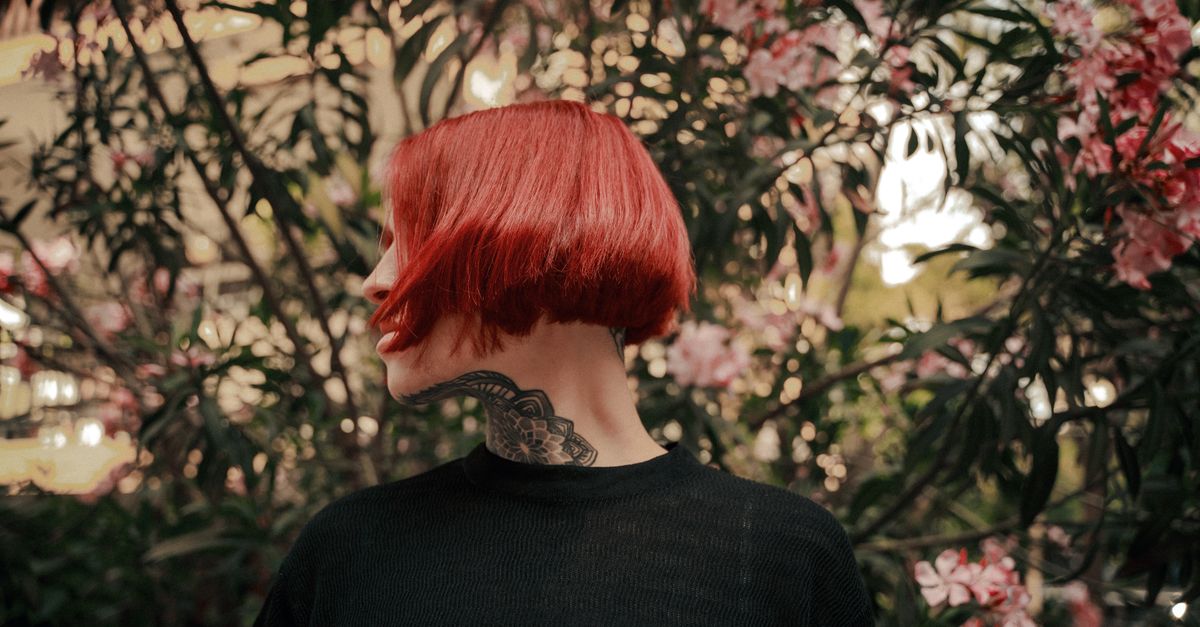
The hardest to hold, because red dye molecules are the largest and sit closest to the surface. Wash least often of any shade, use a colour depositing conditioner in a matching tone between salon visits, and be strict about cool rinses. Expect to top up every three to four weeks rather than every eight.
Blonde and highlights
Blonde does not fade so much as shift, going brassy or yellow as underlying warm pigment shows through and minerals build up. Use a purple shampoo roughly once a week, not every wash, since overuse leaves hair looking grey and dull. If the tone changes suddenly after a holiday, that is usually mineral or chlorine deposit rather than the colour itself.
Brunette
The most stable, but prone to warming up in sunlight. A blue toned conditioner counters orange tones, and brunettes generally get away with a slightly more relaxed routine.
Vivid fashion shades
Pinks, blues, greens and purples are direct dyes sitting on the outside of the strand, so they fade visibly with every wash. Wash rarely, cool, and refresh by mixing a little of the dye into your conditioner. Plan for these to be a maintenance commitment rather than a one off.
What is the best shampoo for dyed hair?
The best shampoo for dyed hair uses a mild, sulphate free cleanser, adds a humectant such as glycerin or panthenol so the lifted cuticle holds water, and leaves the hair soft rather than squeaky. Squeaky clean means the detergent has taken oil, and some colour with it, from the lengths.
Every wash costs a little colour, whatever the bottle says, so the shampoo is about slowing fade rather than stopping it. How often you wash and how hot the water is matter just as much, which is why the routine above comes first. Use this checklist to compare any shampoo, ours included.
| What to check | Good sign for dyed hair | Warning sign |
|---|---|---|
| Cleanser | Sulphate free, mild glucoside or amino acid cleansers | Sodium lauryl sulphate near the top of the list |
| Moisture | Glycerin, panthenol (provitamin B5), aloe | Nothing to soften a lifted cuticle |
| Oils | Argan or sunflower oil in modest amounts | Heavy clarifying agents for everyday use |
| Toning | Colour depositing or purple shampoo once a week for your shade | A toning shampoo every wash, which can dull the tone |
| Label wording | Colour safe, gentle, suitable for coloured hair | Clarifying, anti-residue or deep cleansing |
We will not claim ours is the best shampoo for dyed hair, because no brand can prove that about its own product. Judge it against the table.

Sulphate free, with argan oil and allantoin, and suitable for hair affected by colouring and heat styling. Massage it into the scalp, let the rinse water run through the lengths, and follow with conditioner every time.
Where do products honestly fit into how to take care of dyed hair?
They fit at the washing step, which is where the largest and most repeated damage happens. Nothing you buy will put colour back into the cortex, and no product undoes damage that has already occurred. What a gentler wash routine genuinely does is slow the rate at which colour leaves and reduce the breakage that makes coloured hair look dry and thin at the ends.

Condition Me® Conditioner
Improves slip so detangling stops pulling at a cuticle that colour has already lifted. If you condition every wash and do nothing else differently, coloured ends look markedly better within a fortnight.

Protect Me® Heat Protection Spray
Heat and colour protection in one, for anyone who blow dries or straightens. This is the product with the clearest job on a dyed head, because heat does more visible harm than anything else in the routine.
Made in the UK, and over 6.5 million bottles sold since 2012. Watermans products are 100% cosmetic and do not treat medical hair loss. Individual results may vary.
Is it damage, breakage or something else?
Worth separating, because coloured hair gets blamed for things it did not cause. Hair breakage is what colour and heat actually produce: short broken pieces with blunt ends and no bulb at the root, rough midlengths, and hair that snaps when you comb it. It is a fibre problem and it responds to gentler handling.
Whole hairs coming away with a small pale bulb at the root, in far greater numbers than usual, is hair shedding, which is a growth cycle event and has nothing to do with your colourist. It usually follows an illness, birth, crash diet, low iron or a thyroid change by two to three months. A gradually widening parting or a thinning crown developing over years is hair loss in the follicular sense, which is again unrelated to colour. If either of those describes you, see your GP rather than changing shampoo. Our guide to repairing bleach damaged hair deals with the breakage end, and breakage after a relaxer covers chemical damage on textured hair. If you are choosing a cut and colour that sit outside the usual categories, our guide to nonbinary hair, cuts and colour care covers the shapes that grow out cleanly and the damage to watch for. If your question is about products or a routine rather than a medical one, you can talk to Gail Waterman, our co-founder, as an AI avatar on the Watermans homepage.
Frequently asked questions
What is the best shampoo for dyed hair in the UK?
The best shampoo for dyed hair is sulphate free, contains a humectant such as glycerin or panthenol, and is labelled suitable for coloured hair. Use it two or three times a week in lukewarm water, finish with a cool rinse, and condition after every wash to slow fading.
Can I use regular shampoo on dyed hair?
You can, but it will cost you colour. Most standard shampoos use sulphate detergents that lift the cuticle and carry dye out with the oil, so colour fades noticeably faster. If you have paid for a salon service, a colour safe shampoo is the cheapest way to protect that investment.
How often should I wash dyed hair?
Two to three times a week suits most people. Every wash removes some colour, so the fewer washes the longer the colour lasts. Use dry shampoo between washes and rinse with plain water after exercise rather than shampooing again.
How do I stop red hair fading so fast?
Red fades fastest because the dye molecules are the largest and sit nearest the surface, so they are the first to wash out. Wash as rarely as you can manage, rinse cool, skip heat where possible, and use a red toned colour depositing conditioner between appointments to top the pigment back up.
Does cold water really help colour last?
Yes, and the mechanism is straightforward: heat swells the hair and lifts the cuticle, cool water helps it lie flat. You do not need a cold shower, only a cool final rinse. It also improves shine, because a flat cuticle reflects light more evenly.
How long should I wait to wash after colouring?
48 to 72 hours. The cuticle needs that time to close properly and the colour to settle in the cortex. Washing at 24 hours flushes out a noticeable amount of pigment and is one of the commonest reasons colour looks faded within a fortnight.
How often should I deep condition?
About once a week. Alternate moisture masks with a protein or bond building product if your hair is bleached. Too much protein and not enough moisture makes hair feel stiff and snap more easily, so if it starts to feel like straw, go back to moisture only for a couple of weeks.
Will purple shampoo fix brassy blonde?
It neutralises yellow tones, which is usually what people mean by brassy. Use it roughly once a week and leave it on for the time stated rather than longer, since overuse leaves blonde looking dull and slightly grey. If the change came on suddenly after swimming or a holiday, a chelating wash may be the better first move.
Can I colour hair that is already damaged?
Ask your colourist rather than deciding at home. A strand test tells them whether the hair can take the process, and a bond builder added to the colour reduces the impact. Stacking bleach onto already fragile hair is how people end up cutting off length they wanted to keep.
Sources and References
- NHS, Hair dye reactions, on patch testing and allergic reactions to hair colour.
- British Association of Dermatologists, public information leaflets, on hair and scalp conditions.
- UK Government, Cosmetic Products Enforcement Regulations 2013, on what a hair cosmetic may legally claim.
- Hair cosmetics: an overview, International Journal of Trichology, on cuticle structure, porosity and colour retention.
- Drinking Water Inspectorate, Water hardness, on mineral content in UK tap water.
What is the bottom line on the best shampoo for dyed hair?
The best shampoo for dyed hair is a gentle, sulphate free one, and how to take care of dyed hair is mostly a question of restraint. Wait three days before the first wash, wash two or three times a week instead of daily, use a sulphate free colour safe shampoo, condition every time, and finish with a cool rinse. Regard heat as the main threat and always use a protectant. Cover up in strong sun, rinse after swimming, and deal with hard water if you have it. None of it is expensive, and together it is the difference between colour that lasts three weeks and colour that lasts eight.
If you want to keep the length you already have, Condition Me hair growth conditioner is the step that protects it. Made in the UK, with over 6.5 million bottles sold since 2012.
Watermans products are 100% cosmetic and do not treat medical hair loss. Individual results may vary.