Leave In Hair Serum: How to Choose and Use One Well
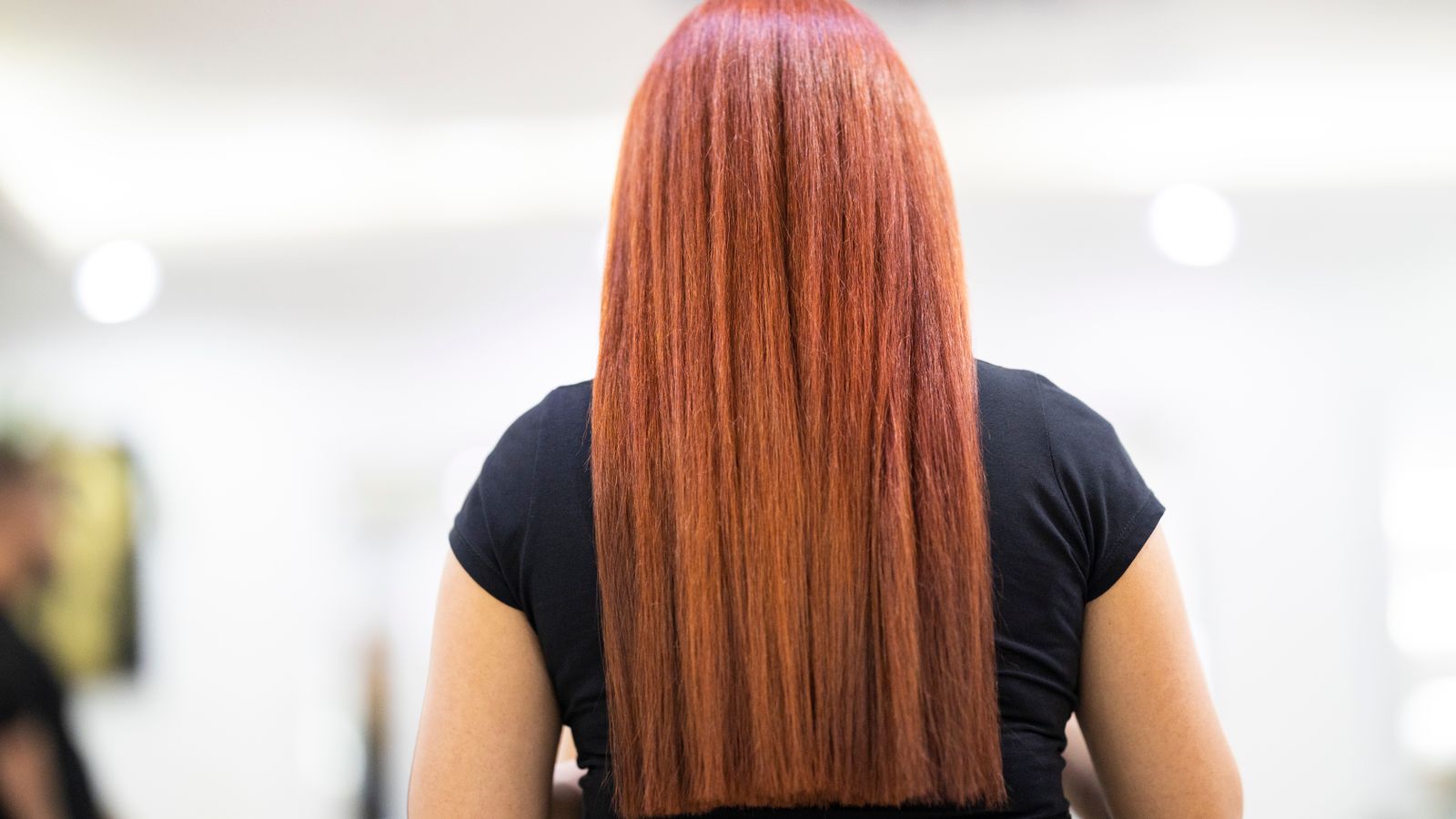
A leave in hair serum is a lightweight styling product applied to damp or dry lengths and left in, rather than rinsed out. It coats the hair fibre with silicones, oils or conditioning polymers to smooth the cuticle, which cuts frizz, adds shine and lowers the friction that causes breakage when you brush and style. It works on the length, not the scalp, and it is a cosmetic finish rather than anything that changes how hair grows.
The leave-in we make
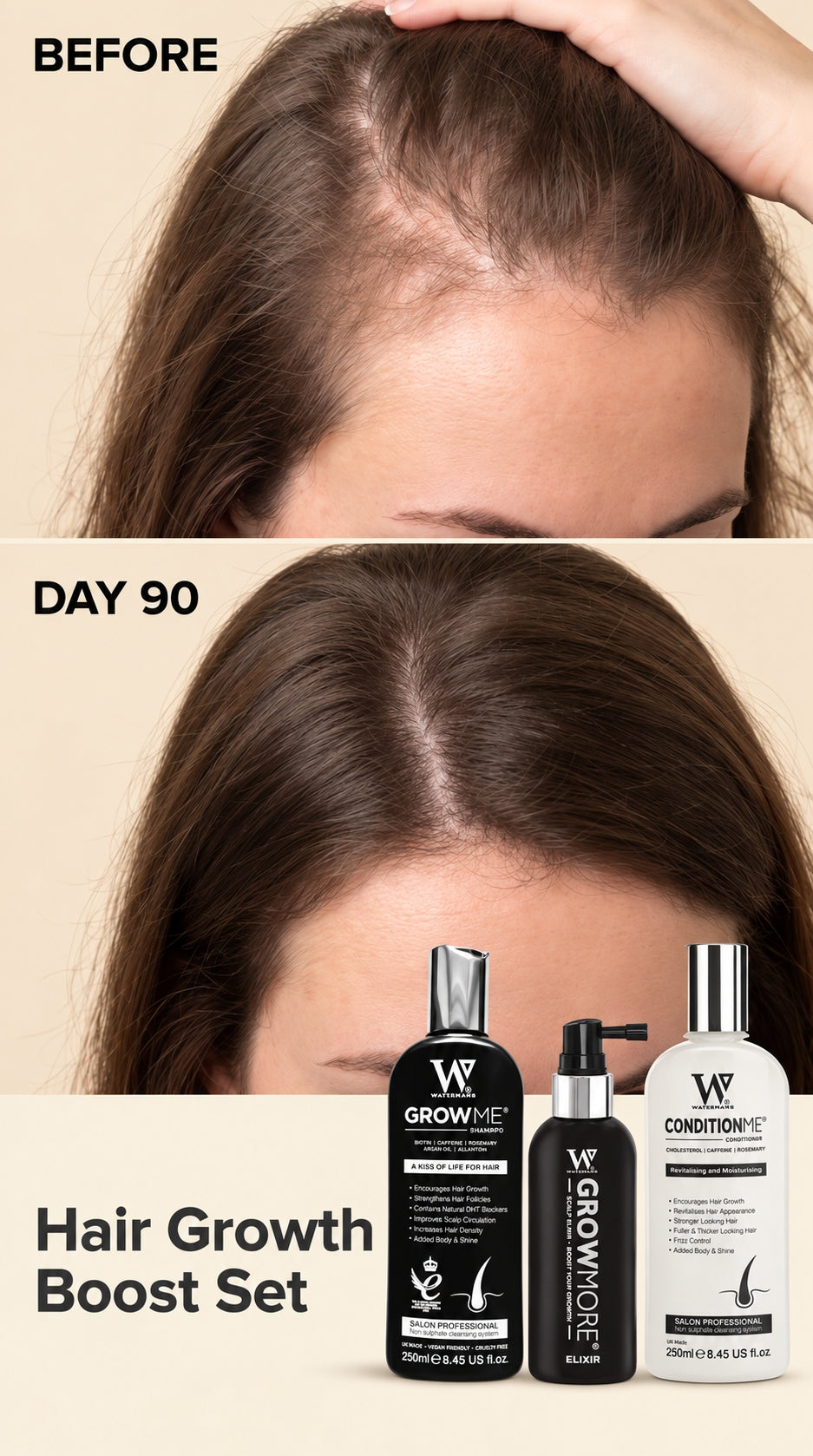
Grow More® Scalp Elixir, £25.50 is the leave-on scalp serum; Camellia & Black Castor Hair & Body Oil, £24.95 is the leave-in for lengths and ends. Which one you want depends on whether you are caring for the scalp or the lengths.
Key Takeaways
- A leave in hair serum coats the fibre. It smooths, protects and adds shine; it does not repair damage that has already happened.
- Apply to the mid-lengths and ends only. Serum on the roots is the number one cause of limp, greasy-looking hair.
- Two or three drops for fine hair, up to a pea-sized amount for thick or curly hair. Almost everyone uses too much.
- A serum is not a hair oil, not a leave-in conditioner and not a scalp elixir. Different jobs, different places on your head.
- Its real contribution to density is retention: less breakage means more of the length you grow stays on your head.
- Look for dimethicone or cyclomethicone for slip, argan or camellia oil for nourishment, and panthenol for flexibility.
What is a leave in hair serum, and what is actually in one?
It is a leave-on product designed to sit on the outside of the hair fibre. Most formulas are built on one of three bases. Silicone-based serums use dimethicone, cyclomethicone or amodimethicone for immediate slip and shine. Oil-based serums use argan, camellia, jojoba or marula for a softer, more nourishing finish. Water-based serums use conditioning polymers and humectants and feel much lighter, which suits fine hair. If you want the detail on that, our guide to marula oil for hair walks through it step by step.
Beyond the base, the useful additions are humectants such as glycerin and panthenol, which hold water in the fibre and keep it flexible, and heat-protective ingredients if you use hot tools. What you will not find in any of them is an active that changes the follicle, because a product sitting on the length of your hair is nowhere near the follicle it grew from.
What does a leave in hair serum actually do?
The hair fibre has an outer layer called the cuticle, made of overlapping scales like roof tiles. On healthy, undamaged hair those scales lie flat, light bounces off cleanly and the hair looks shiny. Heat, bleach, friction and weather lift and chip them, and lifted scales scatter light, catch on each other and make hair look dull and feel rough.
A serum works by laying a thin film over that surface. Four things follow. Frizz drops, because a smoothed cuticle and a light hydrophobic film reduce how much humidity the fibre takes on. Shine returns, because a flatter surface reflects light more evenly. Detangling gets easier, because the film cuts friction between strands. And breakage falls, because most breakage happens mechanically, at the moment a comb or brush catches on a rough patch. Our guide to hydrating hair serum explains how to choose one and where on the hair to put it.
The last one matters more than the first three, even though the first three are what you notice. Hair grows at roughly a centimetre a month, so the ends of shoulder-length hair are around two years old and have survived several hundred washes, brushes and dries. Whether they are still there is mostly a question of how much friction they have been through.
The honest limit
Serums coat, they do not repair. Once a cuticle scale is chipped off it is gone, and once a fibre has split there is no re-joining it. A good serum makes damaged hair look and behave far better while you grow it out. That is genuinely worth having, and it is not the same as repair.
Leave in hair serum vs hair oil vs leave-in conditioner vs scalp elixir: what is the difference?
These four get used interchangeably and they are not interchangeable at all. The difference is where each one goes and what it is trying to do.
| Product | Where it goes | Main job | Best for |
|---|---|---|---|
| Leave in hair serum | Mid-lengths and ends | Smooth, shine, reduce friction | Frizz, dullness, tangling, daily styling |
| Hair oil | Ends, or scalp pre-wash | Nourish and soften | Dry, coarse or coily hair, pre-wash care |
| Leave-in conditioner | Through the lengths | Hydrate and detangle | Dry, curly or damaged hair needing moisture |
| Scalp elixir or serum | Scalp only, on the parting | Support the scalp environment | Lower-density areas, scalp comfort |
The commonest mistake is using a length product on the scalp, or a scalp product on the lengths. A lengths serum on the roots weighs hair down and looks greasy within hours. A scalp elixir smoothed through the ends is simply wasted, since it was formulated for skin.
Which ingredients should you look for?
- Dimethicone and cyclomethicone. The classic silicones. Excellent immediate slip and shine. Cyclomethicone is volatile and evaporates, so it feels lighter; dimethicone stays put and gives longer-lasting smoothness. Both wash out with a normal shampoo.
- Argan, camellia and jojoba oils. Lightweight oils that soften without the heaviness of coconut or castor. Camellia in particular is light enough for fine hair.
- Panthenol (provitamin B5). A humectant that penetrates slightly and improves flexibility, which is exactly what you want in a fibre you are about to brush.
- Glycerin. Cheap, effective humectant. In very humid weather it can pull in more water than you want, so frizz-prone hair may prefer a formula that leans on oils instead.
- Hydrolysed proteins. Small enough to deposit on damaged areas and temporarily fill gaps in the cuticle. The effect is real and it is temporary, lasting until the next wash.
- Heat protectants. Worth having built in if you use straighteners or a dryer, since it saves a step and people skip steps.
Silicones get an undeserved bad reputation. They do not suffocate the hair or cause hair loss. The legitimate criticism is that heavier non-water-soluble ones can build up if you wash with a very gentle shampoo, leaving hair limp. If that happens, a clarifying wash every few weeks resets it. If you want the ingredient detail on scalp-side actives instead, our guide to niacinamide for hair covers what those do.

How much do you use, and where exactly does it go?
Almost everyone uses too much and puts it too high. The method that works:
- Start with towel-dried, damp hair for the biggest benefit. Damp hair is at its most vulnerable to mechanical damage, so this is the moment slip matters most.
- Dispense a small amount: two or three drops for fine or shoulder-length hair, up to a pea-sized amount for thick, long or curly hair.
- Warm it between your palms until it spreads as a thin film. Applying it as a blob puts all of it in one place.
- Start at the ends and work upward, stopping level with your ears. The ends are the oldest, most damaged hair and they need it most. The roots need none of it.
- Comb through with a wide-tooth comb to distribute evenly, working from the ends up.
- Add a single drop to dry hair afterwards if the ends still look dull, but only after styling, not before.
If your hair looks greasy by the afternoon, you are either using too much or applying it too close to the scalp. Halve the amount before you conclude the product is wrong.

Get a discount on the frizz and breakage range
Join the Watermans mailing list and we will email a discount code straight to your inbox, so you can try the frizz and breakage range for less. Vegan, made in the UK, over 6.5 million bottles sold since 2012.
Does a serum help with hair loss, hair shedding or hair breakage?
Only one of the three, and being clear about which saves a lot of disappointed spending.
Hair breakage is a fibre snapping along its length, leaving short broken pieces, flyaway ends and hair that never seems to get longer. Heat, bleach, rough brushing and tight styling cause it. This is exactly what a leave in hair serum helps with, because reduced friction means fewer fibres failing mechanically. It is a genuine and underrated benefit.
Hair shedding is follicles releasing hair at the end of the growth cycle. Losing 50 to 100 hairs a day is normal. A sudden increase two or three months after illness, childbirth, surgery, rapid weight loss or a stressful period is telogen effluvium, and it resolves once the trigger passes. A serum has no effect on it either way. Our guide to what causes telogen effluvium covers the timeline.
Hair loss in the follicular sense means the follicle itself is changing, as in androgenetic alopecia, where follicles miniaturise over successive cycles and produce progressively finer hair. No cosmetic product alters that process. What cosmetic care can do is make sure you are not losing additional hair to breakage on top of it, which is worth doing precisely because the density you have is more valuable when there is less of it.
Does the right serum change with your hair type?
Substantially, yes, and this is where most bad purchases happen.
Fine or oily hair needs a water-based or cyclomethicone-based serum, used two or three drops at a time, on the bottom third only. Heavy oil-based serums will flatten fine hair immediately. Scalp serums and finishing serums are different products, and our guide to the best hair growth serum sets out which one you actually want.
Thick or coarse hair can carry a richer oil-based formula and needs more of it. Apply to damp hair, since dry coarse hair does not spread product evenly.
Curly and coily hair is the driest, because sebum struggles to travel down a coiled fibre from the scalp. Apply generously to soaking wet hair, scrunching rather than combing, and layer it over a leave-in conditioner. Curly hair is also the most breakage-prone at the bends in each curl, so the friction reduction matters more here than anywhere. If you are unsure how to layer several products, our guide to combining hair care products sets out the right order.
Colour-treated or bleached hair has a compromised cuticle by definition, so it benefits most and needs reapplying most often. Look for a formula with heat protection built in.
How does a serum fit into a full wash-day routine?
Order matters, because each step either helps or wastes the one before it:
- Shampoo, concentrating on the scalp rather than scrubbing the lengths.
- Condition the mid-lengths and ends. If you are not sure where conditioner should go, our step-by-step guide to using conditioner covers it.
- Squeeze water out with your hands, then blot with a towel. Do not rub, and do not wrap tightly.
- Apply your leave in hair serum to damp mid-lengths and ends.
- Detangle with a wide-tooth comb, from the ends upward.
- Add a heat protectant if you are using hot tools, and keep the temperature lower than feels necessary.
- Style, then a final drop on dry ends only if needed.
If you want to understand why length has a natural ceiling regardless of what you put on it, the anagen phase explainer in our guide to how hair grows is the clearest starting point.

What are the common mistakes?
- Applying it at the roots. The single most common error, and the reason people decide serums do not suit them.
- Using too much. Start with less than you think and build up.
- Applying to soaking wet hair when the formula is oil-based. Oil and water do not mix well; damp is the target, not dripping.
- Expecting repair. Serums improve appearance and behaviour, not structure.
- Skipping heat protection because the serum feels protective. Unless it says it protects against heat, it does not.
- Using a scalp product on the lengths. Different formulation, different target, wasted money.

Grow More® Leave-In Hair Density Serum £25.50
A leave-on scalp elixir rather than a lengths serum, with biotin, caffeine, rosemary, niacinamide and hydrolysed lupine protein. Applied to the parting overnight, it supports a healthy scalp environment and is aimed at lower-density areas. Use it alongside a lengths serum, not instead of one.

Protect Me® Heat Protection Spray £13.95
A leave-in spray with niacinamide, panthenol, caffeine and rosemary that shields hair to 230°C. If you use straighteners or a dryer, this is the step that saves more length than any finishing product, because heat damage is what makes a serum necessary in the first place.

Camellia & Black Castor Hair & Body Oil £24.95
The oil option for coarse, dry or coily hair that a light serum cannot satisfy. Camellia is light enough to use on the ends without weighing hair down, and it doubles as a pre-wash treatment and a blow-dry oil.
Important: Watermans products are 100% cosmetic and do not treat medical hair loss. Individual results may vary.
Frequently Asked Questions
Should I use a leave in hair serum on wet or dry hair?
Damp is best for the main application, because that is when hair is most vulnerable to mechanical damage and when slip does the most good. Towel-blot first so the hair is damp rather than dripping, then apply. A single extra drop on dry ends afterwards is fine for shine.
Can I use a hair serum every day?
Yes, provided you keep it to the mid-lengths and ends and use a small amount. Daily use is normal for frizz-prone, curly or colour-treated hair. If hair starts looking limp or coated, use a clarifying shampoo every few weeks to reset.
Will a serum make my hair grow faster?
No. Growth rate is set at the follicle, at roughly a centimetre a month, and nothing applied to the length changes it. What a serum does is help you keep the length you grow by reducing breakage, which is why people often feel their hair is finally getting longer.
Do silicones damage hair?
No. Silicones sit on the surface, improve slip and shine, and wash out with normal shampoo. The real issue is build-up if you only ever use very gentle cleansers, which leaves hair limp rather than damaged. An occasional clarifying wash solves it.
What is the difference between a hair serum and a leave-in conditioner?
A serum is a thin coating product focused on smoothing, shine and friction reduction. A leave-in conditioner is a lighter, more hydrating product designed to add moisture and help detangling through the whole length. Dry or curly hair often benefits from a leave-in conditioner first and a serum on top.
Why does my hair look greasy after using serum?
Almost always too much product or applying it too close to the scalp. Halve the amount, warm it between your palms and start at the ends, stopping level with your ears. If it still happens, switch to a water-based or cyclomethicone formula.
Is a hair serum the same as a hair oil?
No. Oils are single-purpose nourishing products, generally heavier and better suited to coarse, dry or coily hair and to pre-wash treatments. Serums are formulated blends built for smoothing and shine, and most are lighter. Fine hair usually does better with a serum.
Can I use one on hair extensions?
Yes, and it is worth doing, since extensions cannot receive natural scalp oils. Keep the product away from the bonds or wefts, apply to the mid-lengths and ends, and be gentle when detangling.
Sources & References
- NHS: Hair loss - NHS overview of hair loss causes, normal daily shedding and when to see a GP.
- DermNet: Hair loss - reference on the hair cycle and the distinction between shedding, breakage and follicular loss.
- British Association of Dermatologists: Information Leaflets - dermatologist-authored leaflets on hair and scalp conditions.
- NHS: Iron deficiency anaemia - checked because low iron is a common, testable cause of increased shedding.
- NICE - UK guidance body, checked for the boundary between cosmetic and medicinal claims.
If your question is about products or a routine rather than a medical one, you can talk to Gail Waterman, our co-founder, as an AI avatar on the Watermans homepage.
What is the bottom line on leave in hair serum?
A leave in hair serum is a coating product, and once you treat it as one it becomes easy to use well. Put it on damp mid-lengths and ends, never the roots, use far less than feels right, and choose the base to match your hair: water-based or cyclomethicone for fine hair, oil-based for coarse or coily. It will not repair damage and it will not change how fast your hair grows, but by cutting the friction that snaps fibres it helps you keep more of the length you already have, which is the part of hair density most within your control.
If you want to work on the scalp directly rather than through a wash, our overnight scalp serum goes on at night and stays put. Made in the UK, with over 6.5 million bottles sold since 2012.